Attractions and Places To See around La Campana - Top 15
Attractions and places to see around La Campana, located in the province of Seville, Spain, offer a blend of natural landscapes and significant historical infrastructure. The region is characterized by its agricultural importance, supported by extensive irrigation systems and fertile valleys. Key features include the Guadalquivir River and its associated reservoirs and canals. Visitors can explore a variety of sites that reflect both the natural beauty and the historical development of the area.
Best attractions and places to see around…
Last updated: July 6, 2026
Canal de los Presos del Bajo Guadalquivir
Highlight • Structure
Translated by Google •
Tip by

Peñaflor Reservoir - Guadalquivir River
Highlight • River
Translated by Google •
Tip by
Sign up now to discover places like this
Get recommendations on the best single tracks, peaks, & plenty of other exciting outdoor places.
Sign up for free
The Santa Lucía valley
Highlight • Natural
Translated by Google •
Tip by
Puente de Hierro de Lora del Río
Highlight • Bridge
Translated by Google •
Tip by

Fuentes de Andalucía
Highlight • Settlement
Translated by Google •
Tip by

Sign up for free to discover even more attractions around La Campana.
Sign up for free
Already have an account?
Start today with a free account
Your next adventure awaits.
Login or Signup

Tips from the Community

As a good pharaonic work, the builders decided to place a memorial obelisk with various images at the foot as a tribute to agricultural workers.
4
0
The Puente de Hierro in Lora del Río is a historic iron bridge that was built in 1928 and later restored in 2002 by the Escuela Taller Puente de Hierro. The bridge is 330 meters long and was originally in use until 1992. Today, traffic is prohibited over the bridge due to its limited width and increasing traffic.
7
1
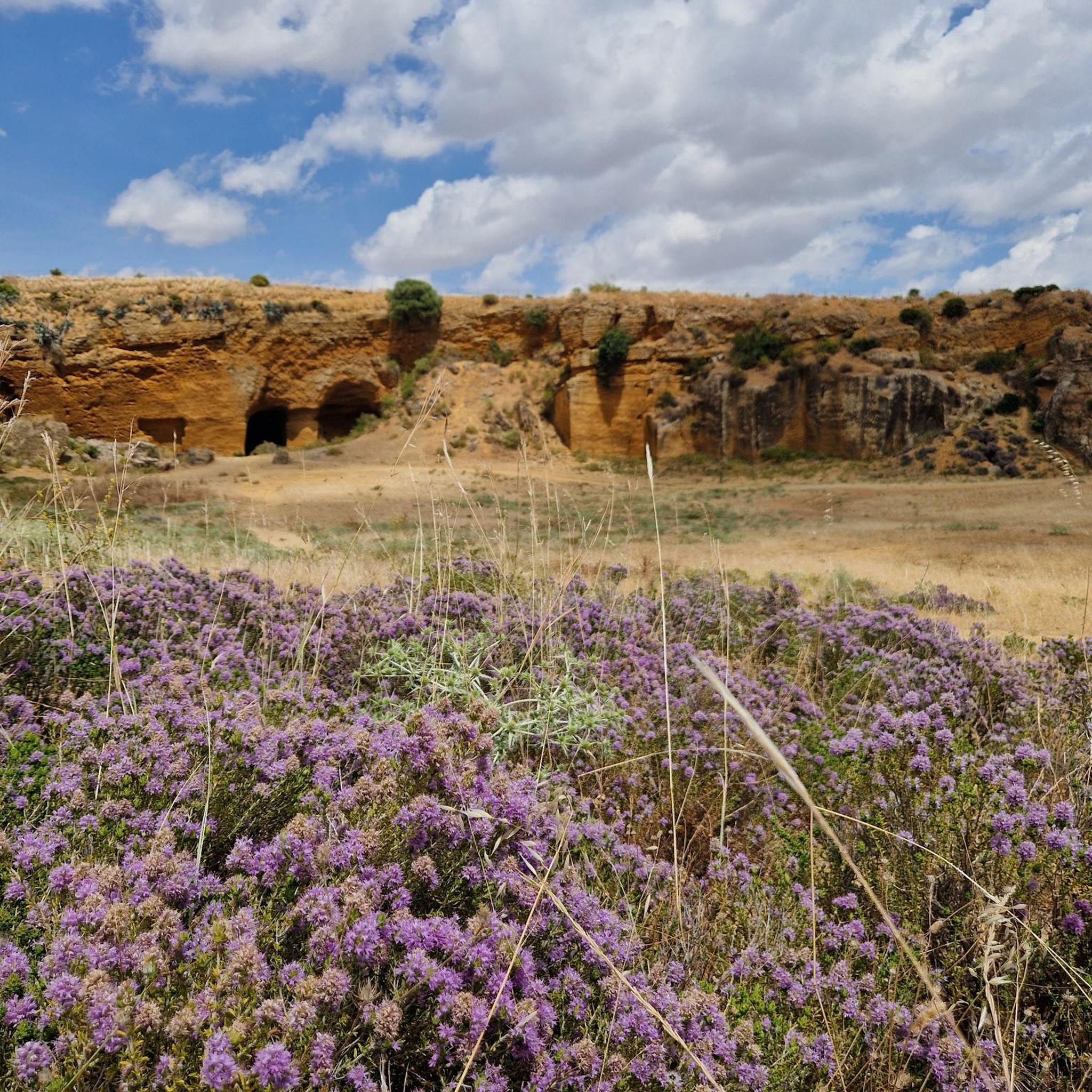
The Canal de los Presos del Bajo Guadalquivir, also known as the Canal del Bajo Guadalquivir, is an important irrigation canal in the provinces of Seville and Cádiz. The canal was built between 1940 and 1962 and has a length of 158 kilometres. It starts at the Embalse de Peñaflor and ends at the Embalse de Don Melendo in Lebrija. The construction of the canal was carried out by thousands of political prisoners who were deployed in the Servicio de Colonias Penitenciarias Militarizadas during the dictatorship of Francisco Franco. The canal was originally intended to irrigate an area of 56,000 hectares, but today it covers an area of 80,000 hectares. The canal plays a crucial role in the agriculture of the region by providing irrigation to the fertile lands along the Guadalquivir. It is an important example of the infrastructure built during the Francoist period and has deep historical significance due to the working conditions of the prisoners who built it.
8
1
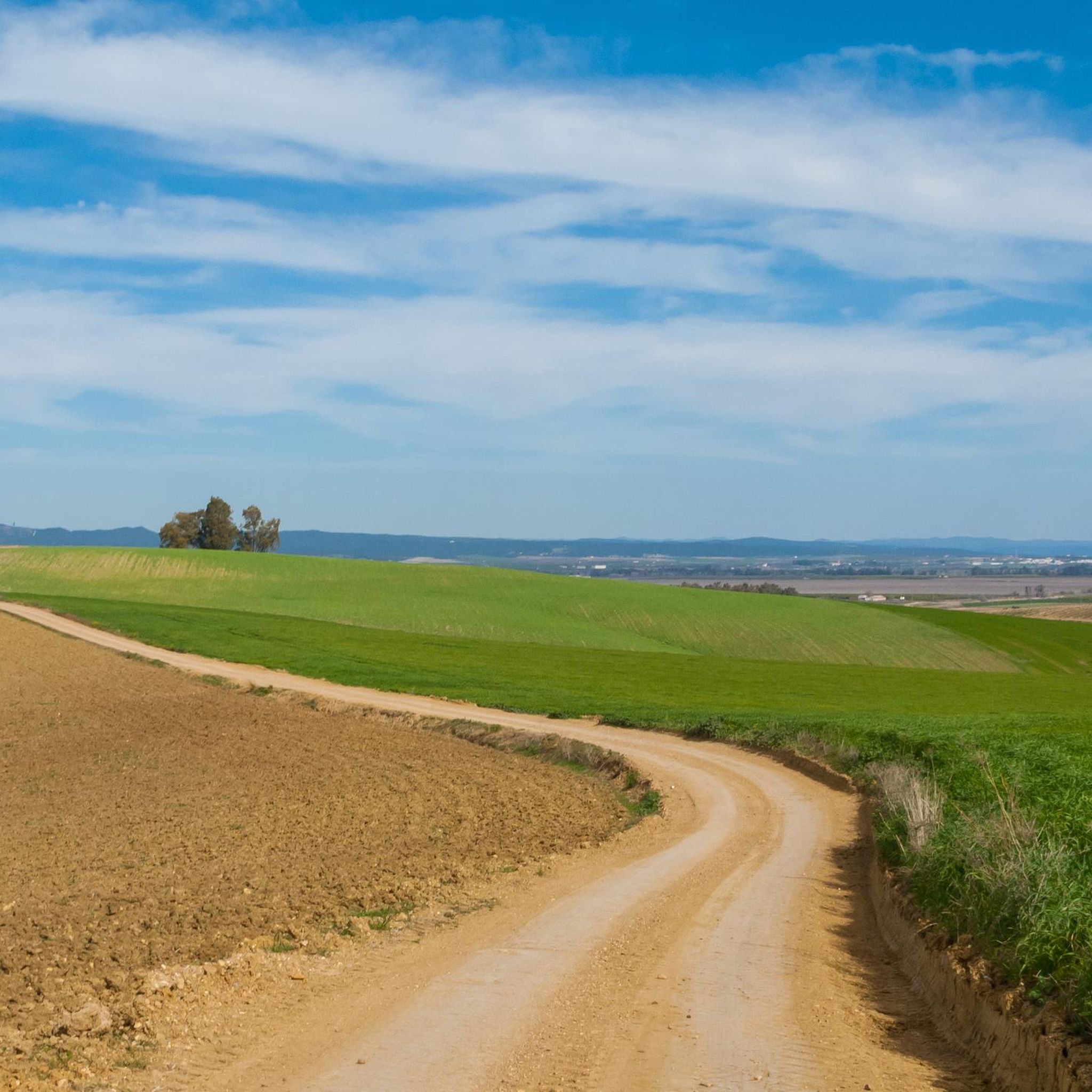
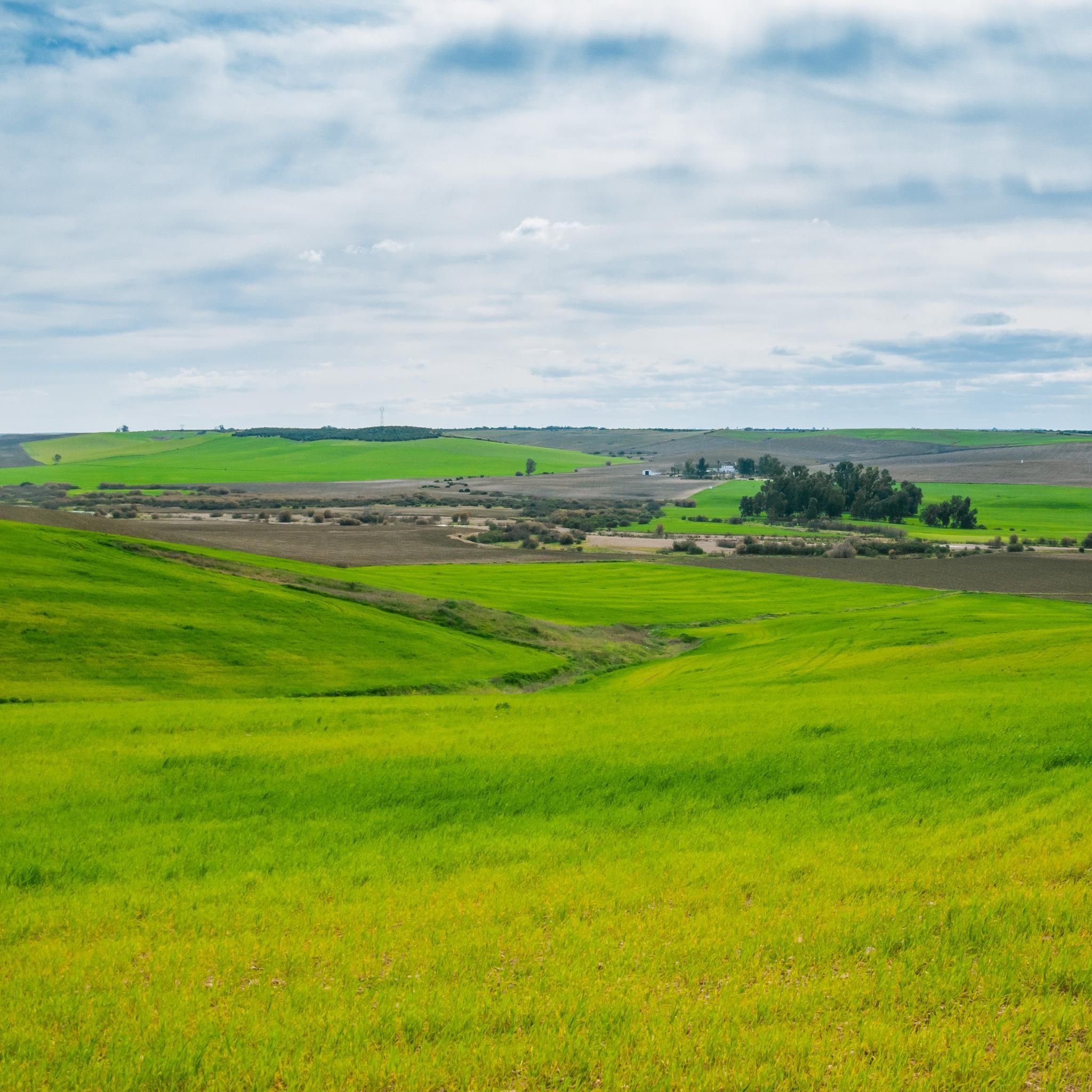
The Vega de Santa Lucía is a beautiful valley in the area surrounding Palma del Río. This valley is especially known for its orange groves, which cover the entire area and offer a beautiful view, especially in spring and summer when the blossoms are in bloom.
8
0
The Embalse de Peñaflor is a water storage facility located in the province of Seville. The reservoir was built in 1983 on the Guadalquivir River and has a capacity of 3 million cubic meters of water. It is an important source of water for irrigation, which is essential for agriculture in the region. The Embalse de Peñaflor dam is a so-called grave dam with a height of 19.7 meters and a length of 236 meters.
9
0


The metal structure of this bridge attracts a lot of attention. The Camino de Santiago passes through here to cross to the other side of the river and link with Lora del Río. If you go by bike, you can visit it and rest on one of the stone benches. This bridge has no exit, it ends at a guardrail next to the road roundabout. If you feel like exploring it you can go all the way, but you will have to go back the way you came, unless you want to lift your bike over the guardrail.
3
1

gravel sections in large portions, then you have to go wriggling along one or the other shore.
0
0
Frequently Asked Questions
What kind of natural landscapes can I explore around La Campana?
The region around La Campana is characterized by its fertile valleys and significant waterways. You can explore The Santa Lucía valley, known for its extensive orange groves, almond tree plantations, and fields of sunflowers. The area is also shaped by the Guadalquivir River and its associated reservoirs, such as the Peñaflor Reservoir.
Are there any historical sites or significant man-made structures to visit?
Yes, the area features several historically significant man-made structures. The Canal de los Presos del Bajo Guadalquivir is an important irrigation canal with a deep historical background, built between 1940 and 1962. Another notable structure is the Puente de Hierro de Lora del Río, a historic iron bridge built in 1928.
What are some family-friendly attractions in the La Campana area?
Several attractions are considered family-friendly. The Santa Lucía valley offers beautiful views of orange groves, which can be enjoyed by all ages. The historic Puente de Hierro de Lora del Río is also a family-friendly spot, and the settlement of Fuentes de Andalucía is great for a stroll through its historic alleys.
Can I find opportunities for cycling around La Campana?
Absolutely! The region offers various cycling opportunities. You can explore routes for touring bicycles, road cycling, and mountain biking. For detailed routes, check out the guides for Cycling around La Campana, Road Cycling Routes around La Campana, and MTB Trails around La Campana.
What is the significance of the Canal de los Presos del Bajo Guadalquivir?
The Canal de los Presos del Bajo Guadalquivir is a 158-kilometer irrigation canal vital for the agriculture in Seville and Cádiz provinces. It holds significant historical importance as it was constructed between 1940 and 1962 by thousands of political prisoners during the Francoist dictatorship, making it a poignant example of infrastructure from that era.
Where can I see extensive orange groves and other agricultural landscapes?
For extensive orange groves, head to The Santa Lucía valley. This beautiful valley is covered with citrus orchards, especially vibrant when the blossoms are in bloom. You'll also find almond tree plantations and vast fields of sunflowers, showcasing the region's rich agricultural diversity.
What is the Peñaflor Reservoir used for?
The Peñaflor Reservoir - Guadalquivir River, built in 1983, is a crucial water storage facility. It serves as an important source for irrigation, which is essential for supporting the agricultural activities in the surrounding region of Seville.
What can I expect to see in Fuentes de Andalucía?
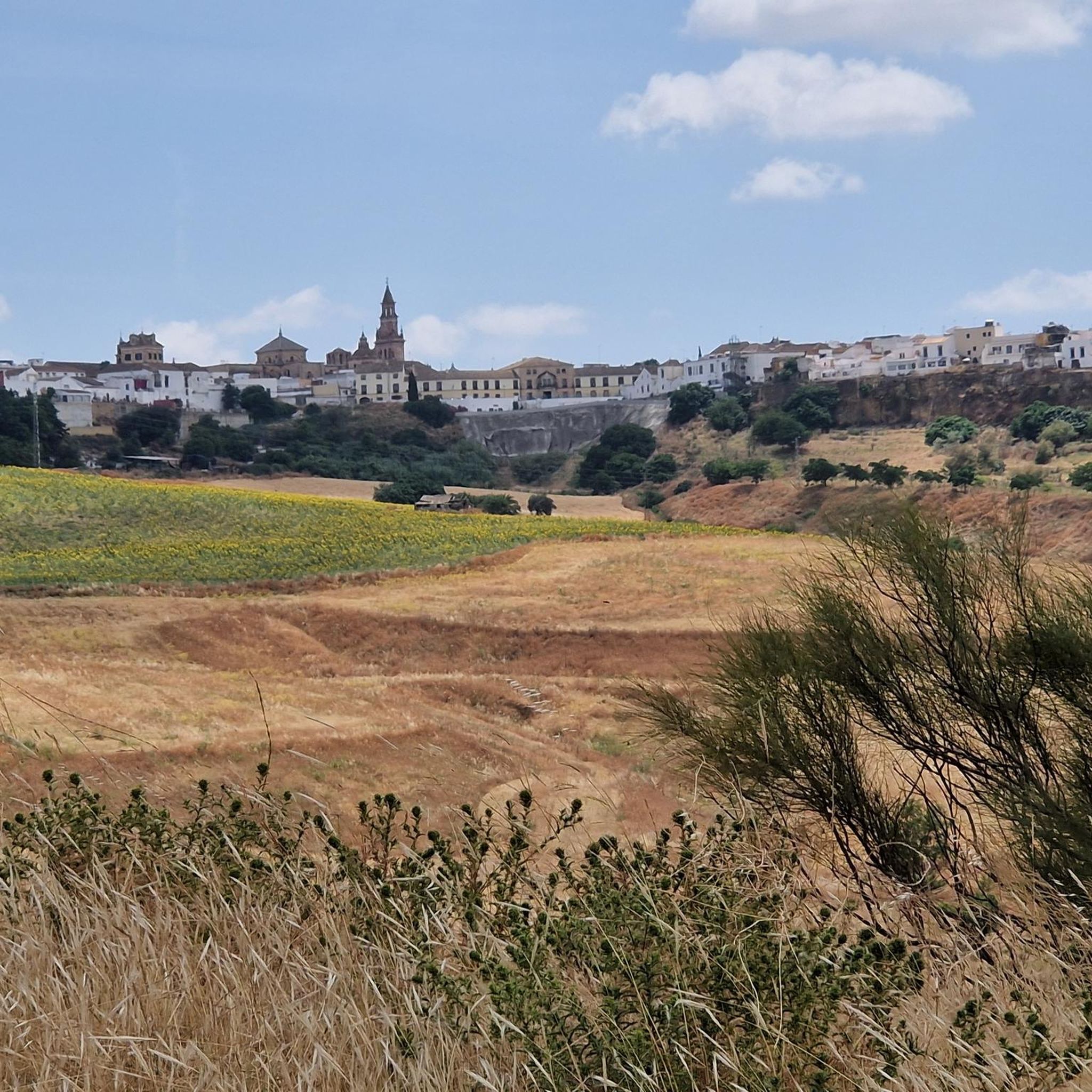
Fuentes de Andalucía is a charming settlement where you can take a walk through its alleys to admire beautiful examples of 18th-century Andalusian manor architecture. It's also a convenient spot to resupply if you are exploring the Campiña greenway.
What do visitors particularly appreciate about the attractions around La Campana?
Visitors appreciate the blend of natural beauty and historical infrastructure. The extensive orange groves in The Santa Lucía valley are a highlight, especially during blossom season. The historical significance of structures like the Canal de los Presos del Bajo Guadalquivir and the architectural details of Fuentes de Andalucía are also highly valued.
How does the Guadalquivir River influence the region around La Campana?
The Guadalquivir River is central to the region's character and economy. It provides the water for the Peñaflor Reservoir and feeds the extensive irrigation systems, such as the Canal de los Presos del Bajo Guadalquivir, which are vital for the fertile agricultural lands, particularly the citrus groves.
Are there any specific tips for visiting The Santa Lucía valley?
When visiting The Santa Lucía valley, be sure to go in spring or summer if you want to see the orange blossoms in full bloom, which offer a beautiful view. Beyond the citrus groves, look out for almond tree plantations and vast fields of sunflowers.
What kind of infrastructure is notable in the La Campana area?
The region is notable for its agricultural infrastructure, particularly the extensive irrigation systems. Key examples include the Canal de los Presos del Bajo Guadalquivir and the Peñaflor Reservoir, both crucial for regional agriculture. Additionally, the historic Puente de Hierro de Lora del Río stands out as a significant man-made monument.

Get inspired with the komoot mobile app


Explore more
Still not found the Highlight you’re looking for? See guides of the top attractions in other regions:
