Attractions and Places To See around Amavida - Top 16
Best attractions and places to see around Amavida include a variety of natural features and historical sites. This region is characterized by its mountainous terrain, featuring significant passes and summits, offering numerous viewpoints. The Amavida location provides access to diverse landscapes, from river valleys to high-altitude peaks, making it suitable for exploring Amavida trails routes. Visitors can discover both natural wonders and historical landmarks within this area.
Best attractions and places to see around Amavida
- The most popular attractions is…
Last updated: May 20, 2026
Las Fuentes Pass
Highlight • Mountain Pass
Translated by Google •
Tip by

Serrota
Highlight • Summit
Translated by Google •
Tip by
Sign up now to discover places like this
Get recommendations on the best single tracks, peaks, & plenty of other exciting outdoor places.
Sign up for free
Rollo de Muñotello
Highlight • Monument
Translated by Google •
Tip by

Ruins of Monasterio del Risco
Highlight • Historical Site
the remains of the apse of the Gothic church. Currently, it
What attracts the …
Translated by Google •
Tip by

Chozo Blanco de la Dehesa de la Serrota
Highlight • Mountain Hut
Translated by Google •
Tip by
Sign up for free to discover even more attractions around Amavida.
Sign up for free
Already have an account?
Start today with a free account
Your next adventure awaits.
Login or Signup
Popular around Amavida

Tips from the Community

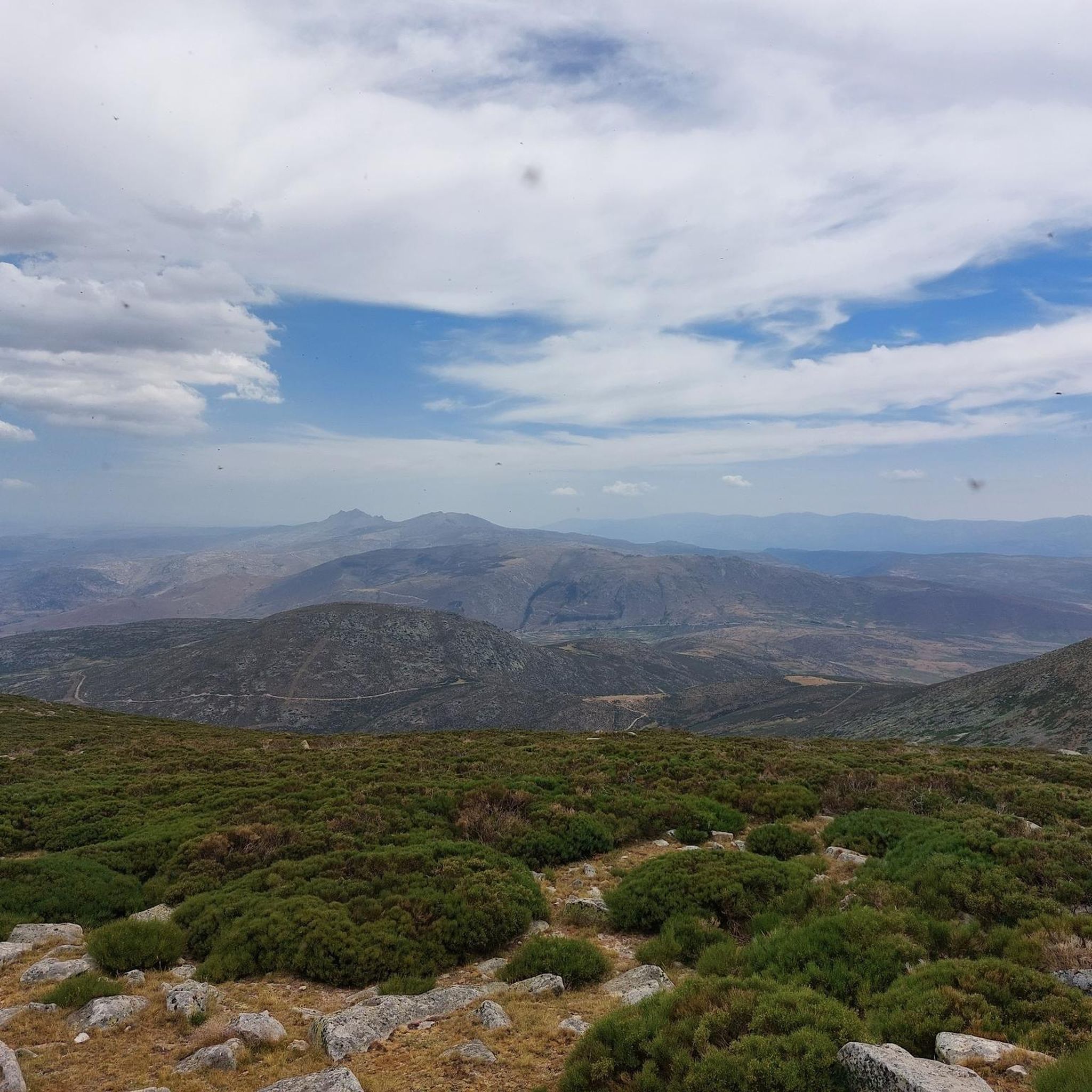
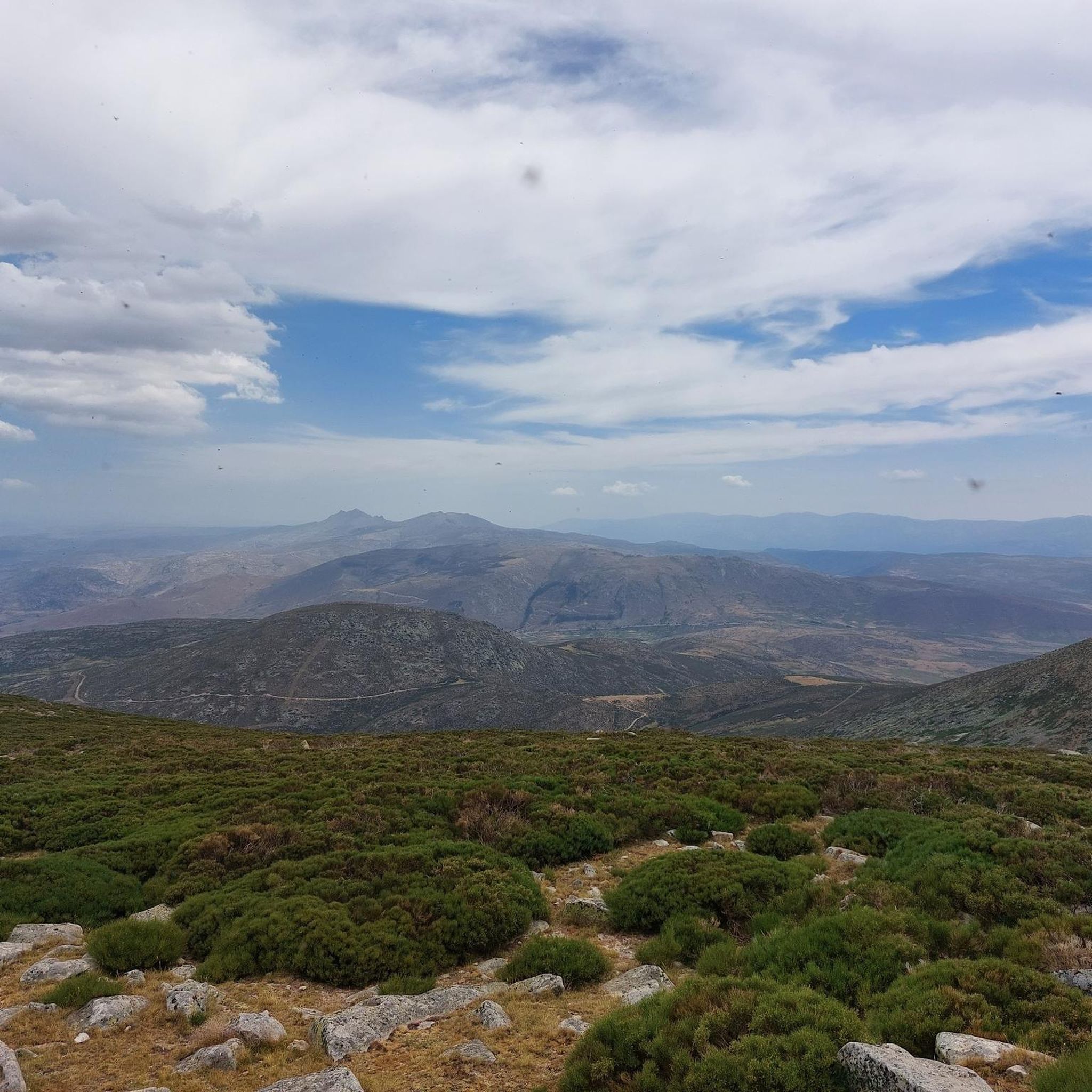
The Serrota is a mountain that reaches 2,292 meters in height, which means that you need to watch the time of its ascent, where the snow covers the area completely with low temperatures.
1
0
Mountain pass located in the center of the province of Ávila and which is 1,499 meters above sea level and connects the Amblés valley with San Juan del Olmo and the Muñico valley.
0
0

In the final stretch of the ascent, milestones appear in several places and the best option is to find the optimal path according to the moment, the mountain conditions and personal taste. The geodesic vertex is visible long before you arrive, it is placed on a tower of rocks and the views are extraordinary, practically covering the entire Central System, from the Sierra de Guadarrama to the peaks of Las Batuecas and the distant Sierra de Gata. Below the channels that form the sources of Corneja and Adaja and a little further on is the valley of the highest Alberche, when it is not yet a river in the páramos of San Martín de la Vega del Alberche.
0
0

Former Discalced Augustinian convent. Its current state is dilapidated. Still, covered with vegetation you can see the remains of the apse of the Gothic church. Currently, it What attracts the most attention is the magnificent tower built much later in blocks of perfectly carved granite and in the Herrerian style.
1
0

The Muñotello roll symbolizes the jurisdictional independence obtained by the town with respect to the Villatoro council in 1733, during the reign of Felipe V. The construction is made of carved granite, it is five meters high and represents the sovereignty of the town of Muñotello to administer Justice. The prisoners were tied to the stone pillory during the trial and depending on the sentence they were stoned to death or released.
0
0
The Chozo Blanco de la Dehesa de la Serrota is in the pastoral meadow of the Garganta de las Hoyuelas, on the southern slope of the mountain range, within a cattle farm. The building is a traditional shelter for shepherds with a stone vault in good condition. Inside, the rustic and effective construction style of the dome can be appreciated. Near the hut there is a circular corral to enclose the herds that completes the ethnographic set.
0
0
Frequently Asked Questions
What natural features and viewpoints can I explore around Amavida?
The region around Amavida is rich in natural features and offers several viewpoints. You can visit Las Fuentes Pass, a mountain pass at 1,499 meters above sea level connecting the Amblés valley with San Juan del Olmo and the Muñico valley. Another significant natural feature is Serrota, a mountain reaching 2,292 meters, offering extraordinary views across the Central System. The settlement of Villatoro also provides viewpoints and is situated in the Amblés valley, through which the Adaja river runs.
Are there challenging hikes with significant elevation near Amavida?
Yes, for those seeking challenging hikes, the ascent to Serrota is notable. This mountain reaches 2,292 meters in height, requiring careful planning due to potential snow cover and low temperatures, especially in winter. The final stretch involves finding optimal paths to the geodesic vertex, which offers extensive views.
What historical sites are worth visiting near Amavida?
You can explore several historical sites. The Rollo de Muñotello is a five-meter-high carved granite monument symbolizing the town's jurisdictional independence obtained in 1733. Additionally, the Ruins of Monasterio del Risco, a former Discalced Augustinian convent, features the remains of its Gothic church apse and a magnificent Herrerian-style tower, despite its dilapidated state.
Are there any unique man-made monuments in the Amavida area?
The Rollo de Muñotello stands out as a unique man-made monument. This five-meter-high construction of carved granite symbolizes the jurisdictional independence obtained by the town of Muñotello in 1733, representing its sovereignty to administer justice.
Are there family-friendly attractions around Amavida?
Yes, the Rollo de Muñotello is considered family-friendly, offering an interesting historical monument to visit. The settlement of Villatoro, with its river and valley setting, also provides a pleasant environment for families to explore.
What cycling routes are available around Amavida?
There are various cycling routes for different skill levels. You can find touring bicycle routes like the 'Oco Village Water Pond – Muñogalindo loop from Muñana' (moderate) or more challenging ones like the 'Chía Pass – Chía Pass (1,663 m) loop from Solosancho'. For more options, refer to the Cycling around Amavida guide.
Are there mountain biking trails near Amavida?
Yes, mountain biking enthusiasts can find several trails. Options include the 'Villatoro and Garganta de los Hornos Loop' and the 'Arroyo Prodesagar – Rollo de Muñotello loop from Villatoro', both rated as difficult. Explore more trails in the MTB Trails around Amavida guide.
What kind of road cycling routes can I find around Amavida?
Road cyclists can enjoy challenging routes such as the 'Rodeo a la Sierra de la Panamera — circular por el Puerto de Navalmoral' or loops involving 'Peña Negra Pass' and 'Puerto de Villatoro'. These routes often feature significant elevation changes. For detailed routes, check the Road Cycling Routes around Amavida guide.
What is the terrain like for outdoor activities around Amavida?
The terrain around Amavida is characterized by its mountainous nature, featuring significant passes and summits. You will encounter diverse landscapes, from river valleys (like the Amblés valley) to high-altitude peaks such as Serrota, which reaches 2,292 meters. This offers a variety of experiences, from moderate valley paths to challenging mountain ascents.
What do visitors enjoy most about the attractions around Amavida?
Visitors appreciate the diverse landscapes, from the historical significance of sites like the Rollo de Muñotello and the Ruins of Monasterio del Risco, to the stunning panoramic views offered by mountain passes and summits such as Las Fuentes Pass and Serrota. The combination of natural beauty and historical depth makes the region appealing.
Are there any rivers or valleys to explore near Amavida?
Yes, the region includes the Amblés valley, through which the Adaja river runs. The settlement of Villatoro is located within this valley, offering opportunities to explore riverside areas and enjoy the valley's scenery.
Most popular routes around Amavida
Most popular attractions around Amavida

Get inspired with the komoot mobile app


Explore more
Still not found the Highlight you’re looking for? See guides of the top attractions in other regions:
