Attractions and Places To See around La Torre D'En Besora - Top 16
Best attractions and places to see around La Torre D'En Besora include a variety of natural and historical sites. The region features several mountain passes offering expansive views and challenging routes, alongside protected natural areas. Visitors can explore historical villages and religious buildings that reflect the area's cultural heritage. La Torre D'En Besora provides opportunities for outdoor activities within a landscape characterized by its unique topography.
Best attractions and places to see around La Torre D'En Besora
- The most popular…
Last updated: July 7, 2026
Bandereta Pass
Highlight • Mountain Pass
Showing Translation
Tip by

Puerto de la Serratella
Highlight (Segment) • Mountain Pass
Showing Translation
Tip by
Sign up now to discover places like this
Get recommendations on the best single tracks, peaks, & plenty of other exciting outdoor places.
Sign up for free
Culla Historic Village
Highlight • Historical Site
Translated by Google •
Tip by

Hermitage of Saint John Nepomucene
Highlight • Religious Site
Showing Translation
Tip by

El Rivet Municipal Nature Park
Highlight • Forest
Translated by Google •
Tip by

Sign up for free to discover even more attractions around La Torre D'En Besora.
Sign up for free
Already have an account?
Start today with a free account
Your next adventure awaits.
Login or Signup
Tips from the Community

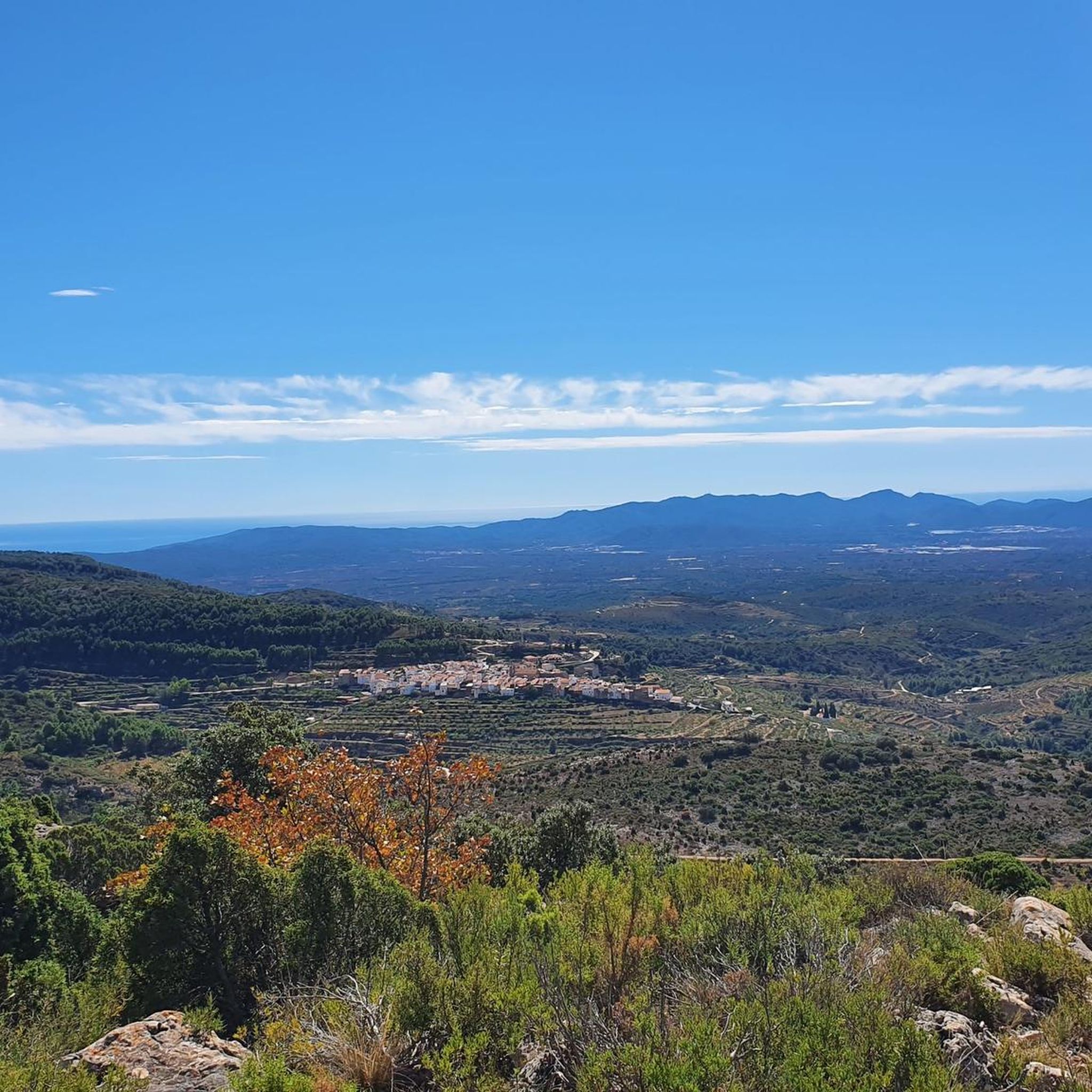
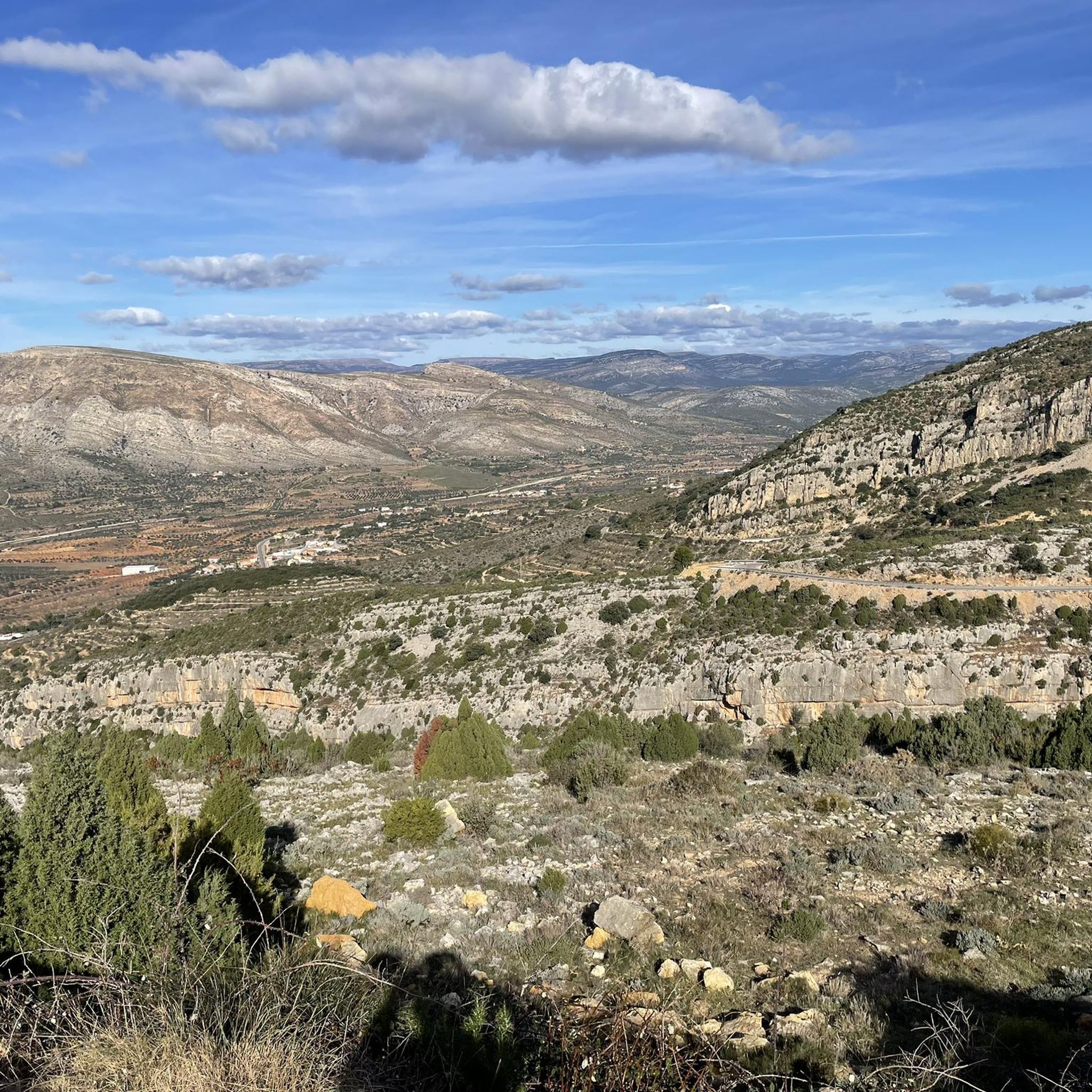
Next to the San Juan Nepomuceno hermitage is the Maestrat viewpoint. From this privileged spot, the view reaches the sea between the almost bare mountains of Castellón.
0
0

Beautiful village located on the GR7 hiking trail.
1
0

It is part of the Most Beautiful Towns in Spain and is undoubtedly worth visiting. Very quiet and small, which allows you to explore it even if you are passing through the area. Walk through its little streets and feel like you are traveling back in time to the time of the Templars!
2
0

It is a beautiful and entertaining climb, without major complications and with magnificent views. In the first part, we start with gentle slopes, which will be very useful for "warming up" the legs, as from km. 4 things get a bit more serious. The gradient will start to increase, with some ramps close to 10%, and hairpin bends will appear, until we reach a first pass at km. 12. Afterwards, we will have a short rest with a descent included to the village of Serratella, and we will only have the final stretch, quite gentle, until we reach the summit at 844 m. altitude. At that point, we can decide between descending towards Albocàsser, or giving ourselves a little "warm-up" by climbing to the hermitage of S. Juan Nepomuceno via a paved track that goes off to our left, about 500 m. long and with ramps of 20%, until we reach an altitude of 920 m.
1
0
It is a short but very hard ascent, which will probably surprise us with its difficulty. We will start the climb with an initial section up to the crossroads of the CV-15 with some hard ramps already, we will cross the town of Rosildos, going around the church to look for the street that leads us towards Mas de Cervera, where we will join the "main" road towards Serra Engarcerán. Upon reaching a somewhat more wooded area, we will find a small rest, but let's not be overconfident, because after taking a left turn and the trees disappear, we will encounter the hardest part of the ascent, where the gradient reaches a maximum of 16% on a 500 m section that does not drop below 10%. We will finish somewhat more easily, but undoubtedly this climb will have pleasantly surprised us.
0
0
The hermitage of San Juan de Nepumoceno in La Serratella, in the Plana Alta region, is a Catholic place of worship cataloged as a Site of Local Relevance (Bien de Relevancia Local) in 2007. [1] It can be accessed by bike (via a paved track that branches off to the left from the CV-154 towards Albocàsser) and is located about four kilometers north of the town of La Serratella, at 937 meters above sea level in the area known as Tossal or Mirador de la Talayola, which constitutes the highest point in the municipality. This allows for a panoramic view of a large number of municipalities in the region and even much more distant points such as the Ebro Delta and the Columbretes Islands.
0
0

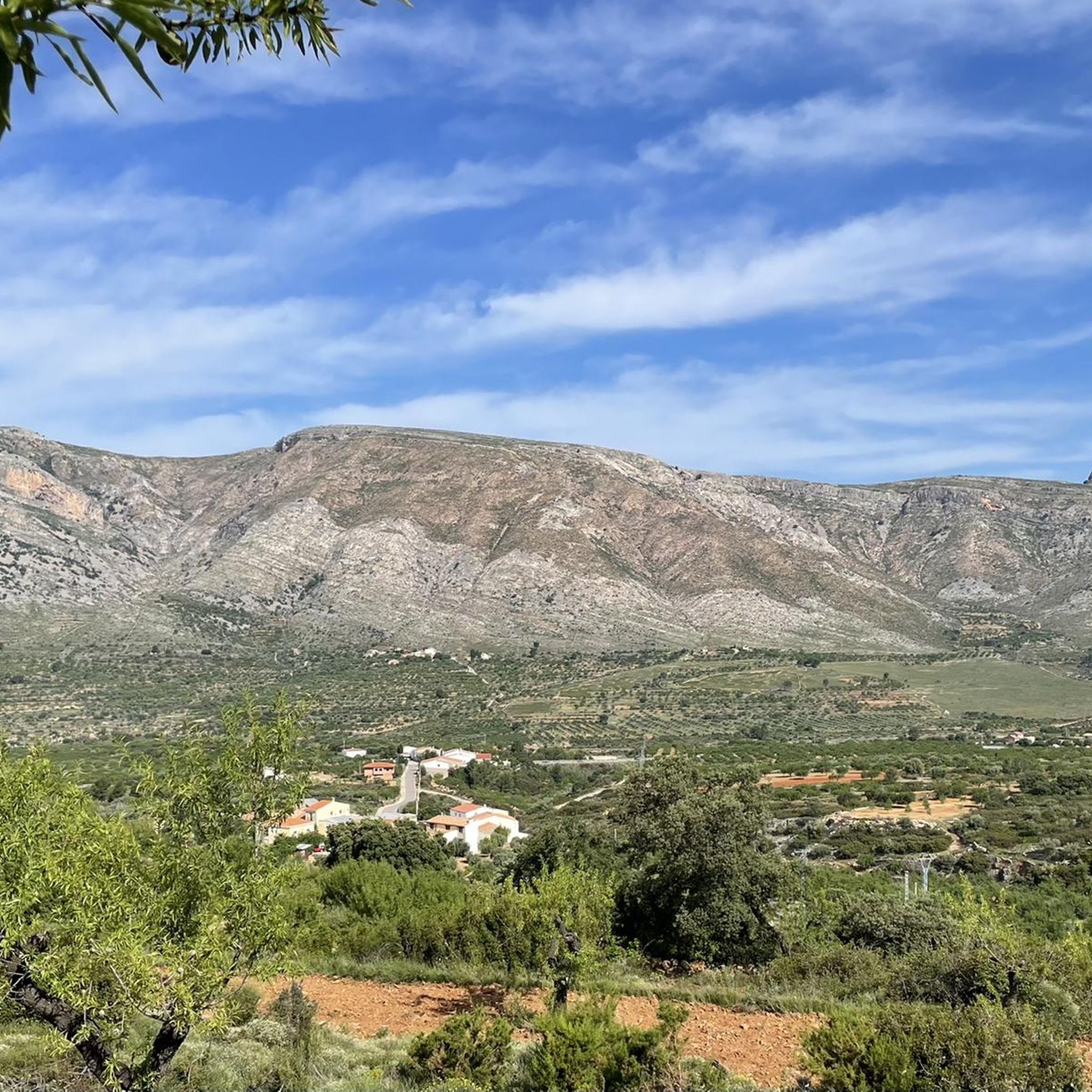
Culla is a beautiful medieval town that belongs to Castellón, in the Alto Maestrazgo region. In its narrow cobbled streets you can discover many charming corners, but the most notable is the castle that dominates the heights. Dating from the 12th and 13th centuries, it is listed as an Asset of Cultural Interest.
2
0
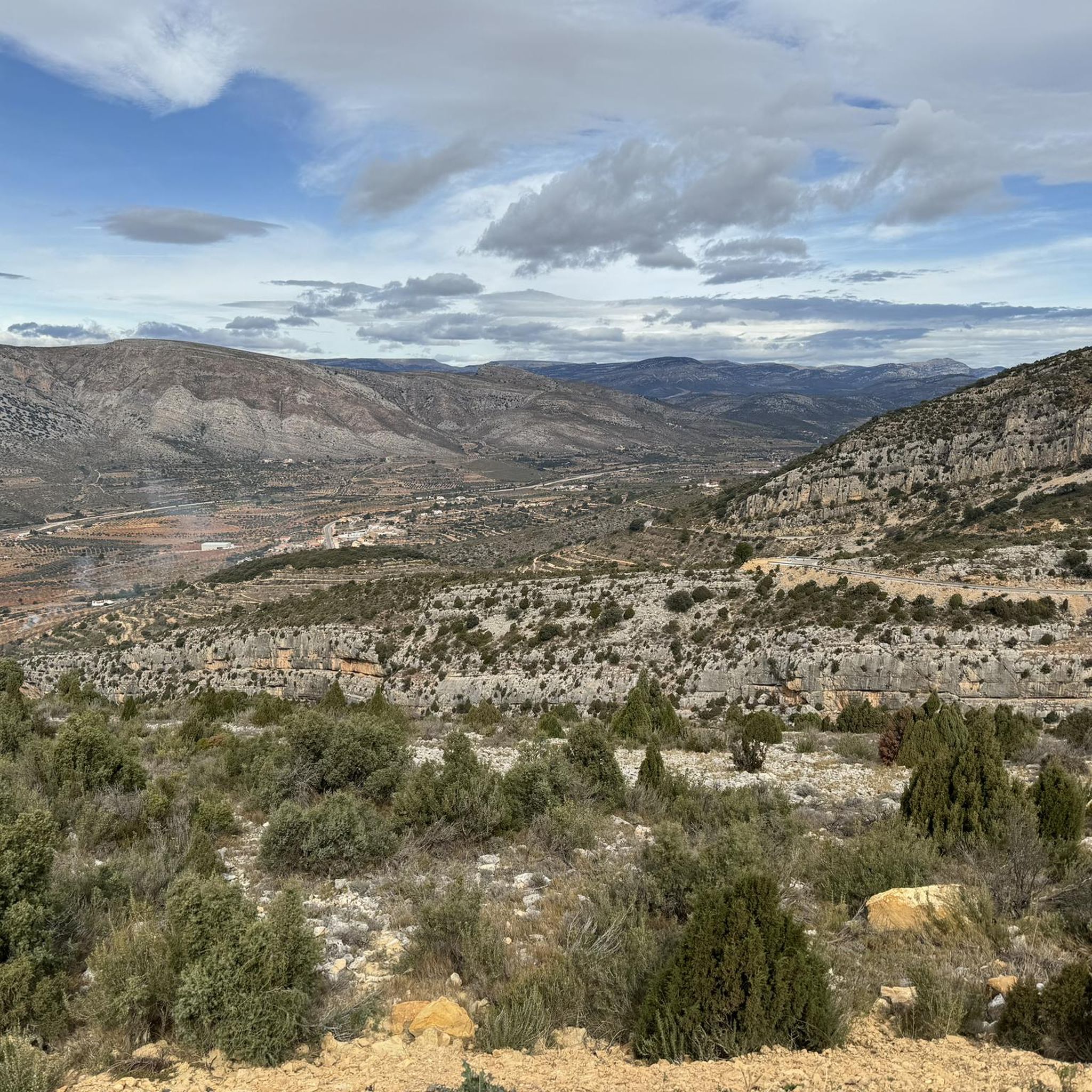
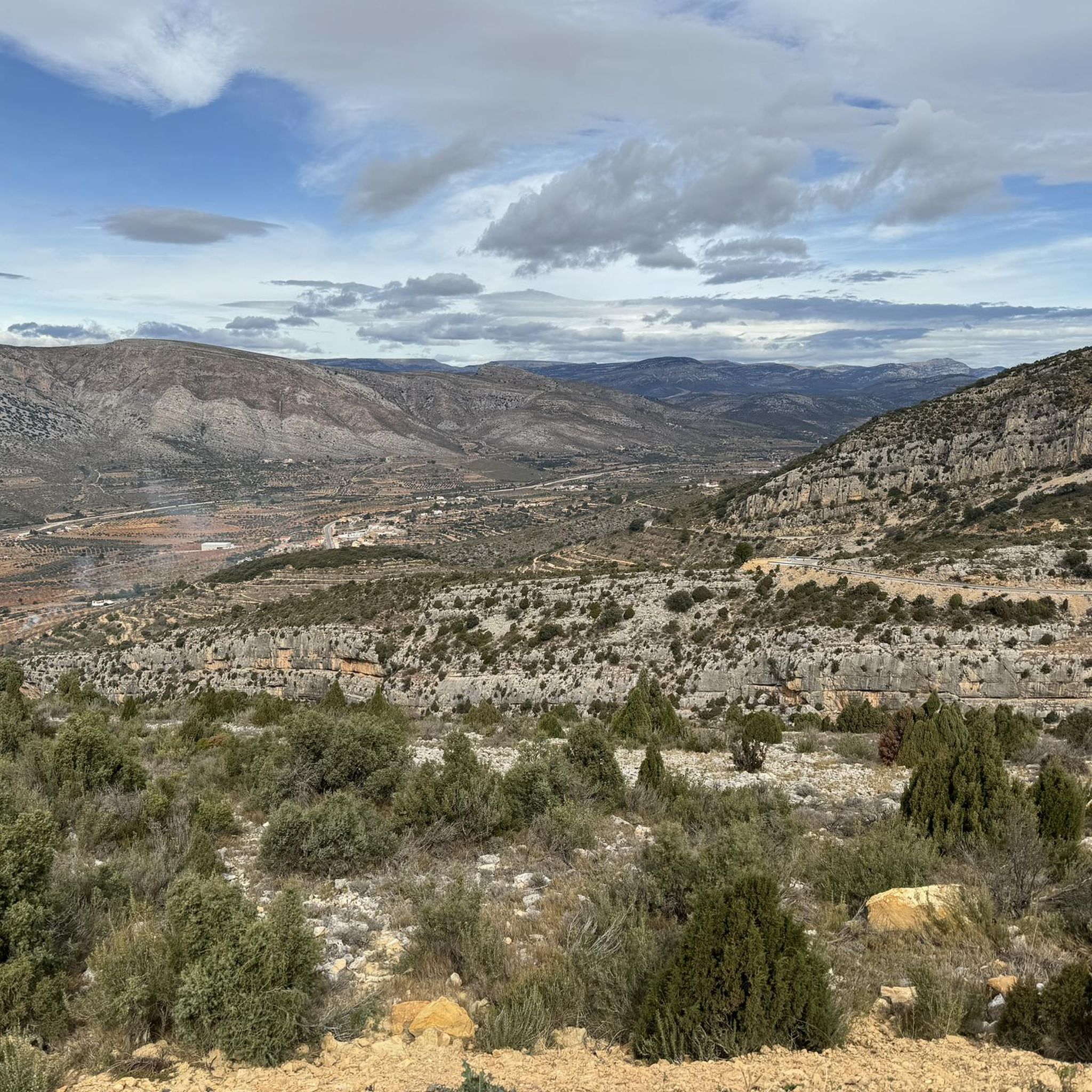
La Plana Alta has several road passes, but this one is undoubtedly among the most picturesque. You can reach it either by road or with some gravel track variants from many directions.
4
0
Frequently Asked Questions
What kind of outdoor activities can I enjoy around La Torre D'En Besora?
The region is excellent for cycling, running, and hiking. You can find various routes, from challenging mountain passes like Coll de la Bandereta and Puerto de la Serratella to more moderate hiking trails. For detailed routes, explore the hiking, cycling, and running guides for the area.
Are there any family-friendly attractions or activities in the area?
Yes, El Rivet Municipal Nature Park is a great option for families. This centennial oak and holm oak forest is protected as a micro-reserve of flora and offers a spectacular place for a walk or a picnic, allowing families to enjoy nature in its purest form.
Where can I find historical sites or cultural heritage in the region?
You can visit Culla Historic Village, a beautiful medieval town with narrow cobbled streets and a notable 12th-13th century castle. Another significant site is the Hermitage of San Juan Nepomuceno of La Serratella, a place of Catholic worship offering panoramic views from its high elevation.
What are some unique natural features or viewpoints to explore?
The region is known for its mountain passes that offer magnificent views. Coll de la Bandereta is considered one of the most picturesque passes in the Plana Alta region, offering beautiful landscapes. Puerto de la Serratella also provides rewarding views throughout its almost 14 km length, especially from the top.
Are there easy hiking trails suitable for beginners or casual walkers?
Yes, there are easy hiking options available. For example, the 'Hiking loop from Benassal' is rated as easy and covers approximately 6 km. You can find more details and other routes in the Hiking around La Torre D'En Besora guide.
What is the best time of year to visit La Torre D'En Besora for outdoor activities?
The region's climate is generally Mediterranean, making spring and autumn ideal for outdoor activities like hiking and cycling, as temperatures are milder. Summer can be warm, especially for more strenuous activities, while winter offers opportunities for quieter walks, though some higher passes might be cooler.
Can I find dog-friendly walks or attractions in the area?
Many natural areas and trails around La Torre D'En Besora are suitable for walks with dogs, provided they are kept under control. El Rivet Municipal Nature Park, with its open forest, is a good option for a leisurely stroll with your pet.
Are there any accessible attractions for visitors with mobility considerations?
While many of the mountain passes and historic villages involve varied terrain, natural parks like El Rivet Municipal Nature Park may offer more accessible paths for enjoying nature. It's advisable to check specific trail conditions for detailed accessibility information.
What do visitors enjoy most about the attractions around La Torre D'En Besora?
Visitors frequently praise the beautiful landscapes and panoramic views from the mountain passes, particularly the 'intense but enjoyable' climbs. The historical charm of places like Culla Historic Village and the tranquility of natural spots like El Rivet Municipal Nature Park are also highly appreciated.
Are there any cafes or places to rest near the main attractions?
When exploring areas like Puerto de la Serratella, visitors often recommend stopping for a coffee in the nearby town of Serratella. Similarly, Culla Historic Village, being a populated area, will have local establishments where you can rest and refuel.
Can I find circular walking routes in the area?
Yes, there are several circular walking routes. For instance, the 'Bar Delpoble loop from Culla' is a moderate 9.5 km circular hike. You can explore more options, including other circular routes, in the Hiking around La Torre D'En Besora guide.
What are some hidden gems or unique things to do in La Torre D'En Besora?
Beyond the well-known passes, exploring the smaller, less-traveled paths around the region can reveal hidden viewpoints and quiet natural spots. The Hermitage of San Juan Nepomuceno of La Serratella, while a religious site, offers a unique experience with its high elevation and extensive panoramic views, including distant points like the Ebro Delta and Columbretes Islands.
Most popular routes around La Torre D'En Besora
Most popular attractions around La Torre D'En Besora

Get inspired with the komoot mobile app


Explore more
Still not found the Highlight you’re looking for? See guides of the top attractions in other regions:
