The best cycling routes around Velilla De Ebro
15
riders
5
rides
Touring cycling routes around Velilla De Ebro are characterized by the Ebro River, which provides serene riverbank paths and unique "mejanas" or river islands. The landscape transitions from lush riverine areas to arid steppes, offering varied terrain for cyclists. The region also features protected wetlands known as "galachos," which are oxbow lakes formed by the river.
Best touring cycling routes around Velilla De Ebro
- The most popular touring cycling route is Museum of the Mummies and the Quinto Pickets —…
Last updated: June 28, 2026
1
riders
Moderate bike ride. Good fitness required. Some segments of this route may be unpaved and difficult to ride.
6
riders
34.3km
02:56
350m
350m
Moderate bike ride. Good fitness required. Mostly paved surfaces. Suitable for all skill levels.

Sign up for free
4
riders
37.9km
03:01
240m
240m
Moderate bike ride. Good fitness required. Mostly paved surfaces. Suitable for all skill levels.
2
riders
26.3km
01:39
280m
280m
Moderate bike ride. Good fitness required. Mostly paved surfaces. Suitable for all skill levels.
2
riders
34.0km
02:44
90m
90m
Moderate bike ride. Good fitness required. Mostly paved surfaces. Suitable for all skill levels.
Our route recommendations are based on thousands of hikes, rides, and runs completed by other people on komoot.
Start today with a free account
Your next adventure awaits.
Login or Signup
Popular around Velilla De Ebro

Tips from the Community

Pina de Ebro is a town in the Lower Ebro region, surrounded by landscapes that transition towards Los Monegros, with unique natural areas such as the juniper forest of La Retuerta. In the town center, the large main square and the old San Francisco convent stand out, with its church of Santa María la Mayor and a very well-preserved Renaissance cloister. The Old Tower, a symbol of the town, and the hermitage of San Gregorio, located on a hill with excellent views, are also worth a visit.
0
0

Escatrón, although it has the name of a transformer, is a small town high up on the river.
0
0

In bright yellow, around we can enjoy several routes along the Ebro
0
0
next to the mobile station, you have beautiful views of the Ebro
0
0

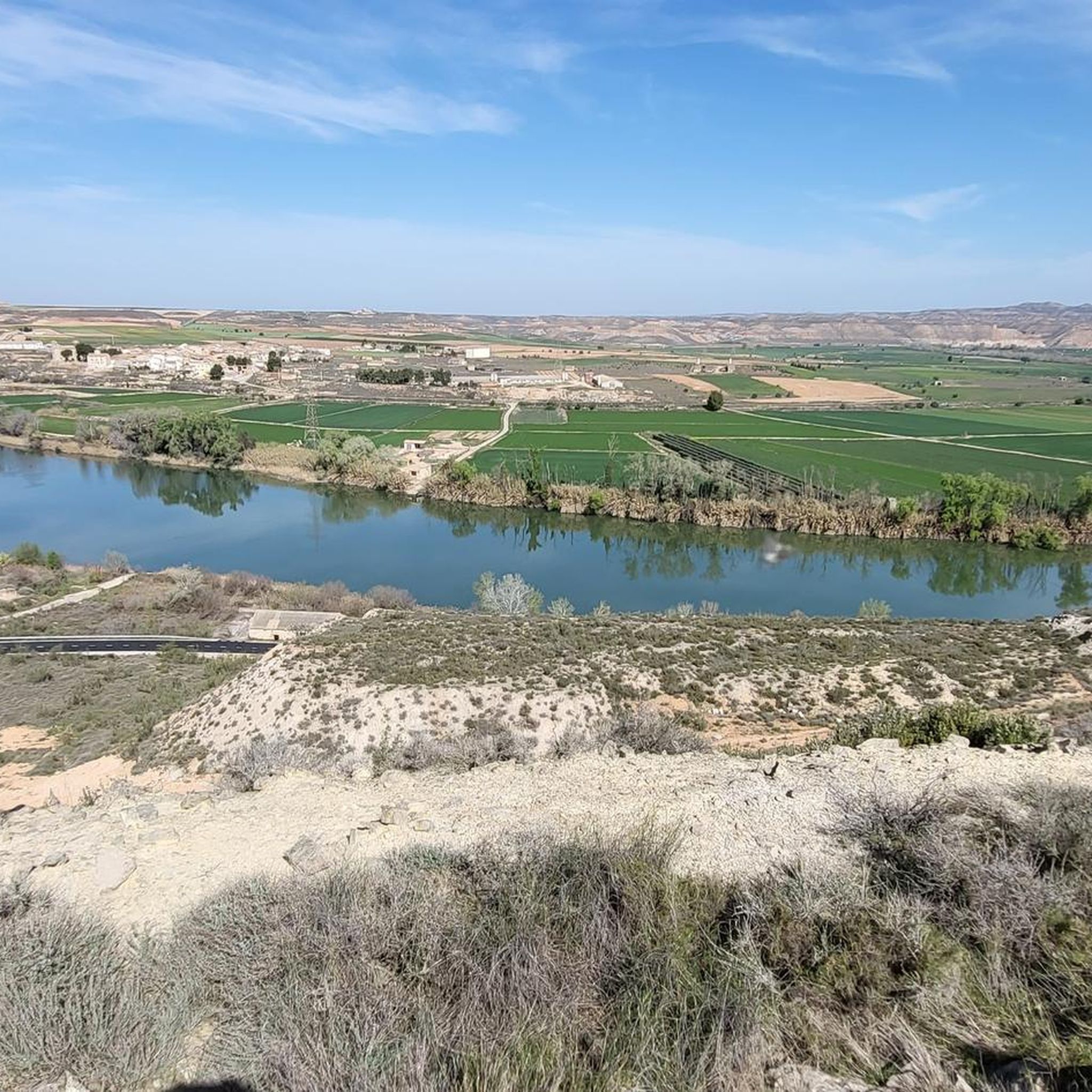
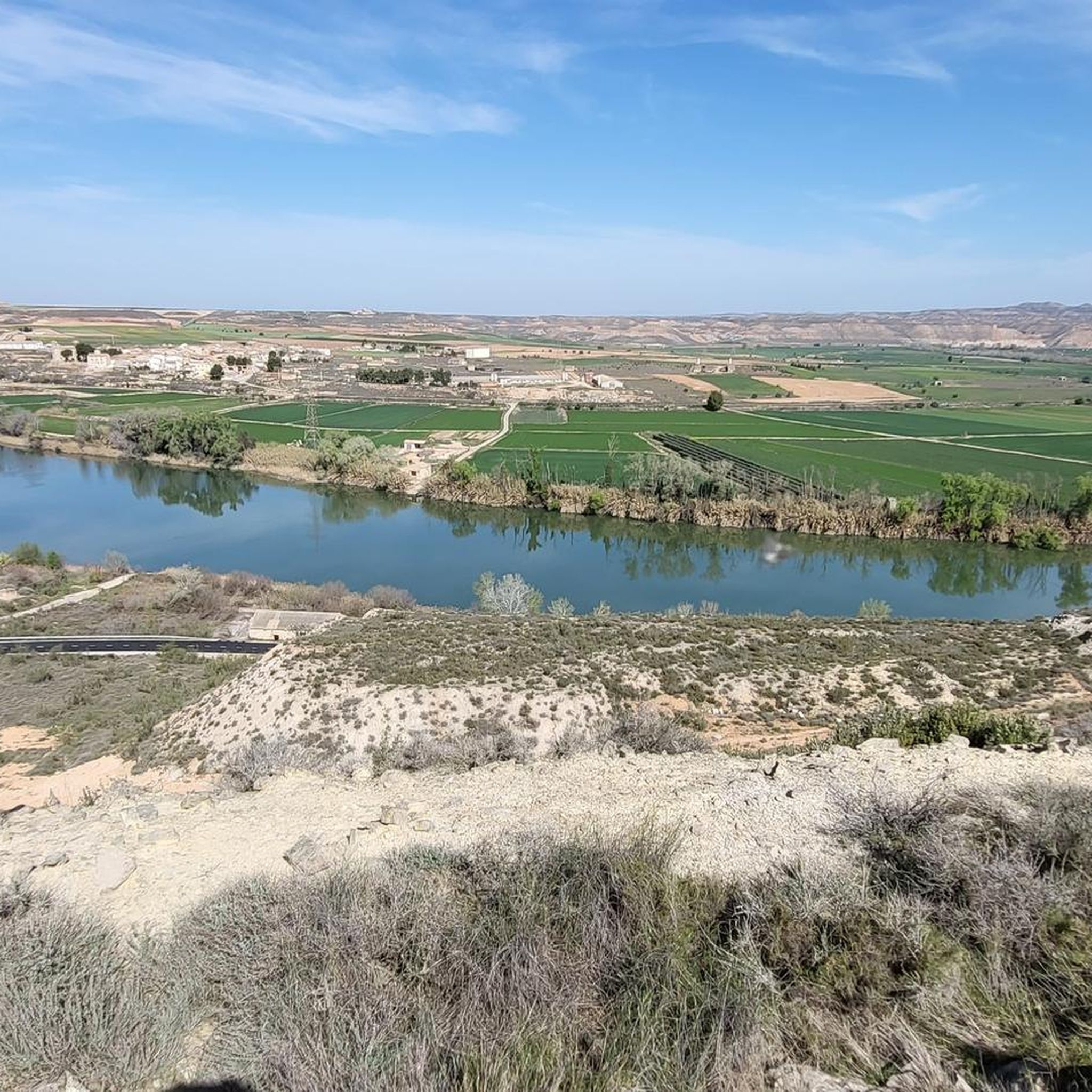
Lookout that, as the name says, lets us see the set of meanders that exist in this area called Bajo Aragón.
0
1
Nucleus that is located at a corner of one of the largest meanders in the Ebro River bed and that gives us good views on both sides of the town. There are towers and castles close to the center that have had the function of guarding these historically border areas.
0
1
Beautiful locality at the foot of the Ebro river itself and which has interesting points such as the Mirador de las Tres aguas, north of the town.
0
1
Despite being located close to the banks of the Ebro River and next to Escatrón, the monastery is located in the municipality of Sástago. Nice place to visit.
0
1
Frequently Asked Questions
How many touring cycling routes are available around Velilla De Ebro?
There are several touring cycling routes around Velilla De Ebro documented on komoot, offering various distances and experiences. Currently, you can explore 5 distinct routes, all rated as moderate difficulty.
What kind of terrain can I expect on touring cycling routes in Velilla De Ebro?
The terrain around Velilla De Ebro is quite varied. You'll find serene riverbank paths along the Ebro River, which often feature unique 'mejanas' or river islands. The landscape also transitions to more arid steppes, providing a diverse visual experience. Some routes pass through protected wetlands known as 'galachos,' which are oxbow lakes formed by the river.
Are there any circular touring cycling routes in the area?
Yes, many of the touring cycling routes around Velilla De Ebro are designed as loops or circular paths. For example, the Museum of the Mummies and the Quinto Pickets — gravel circular from Quinto via the Natural Path of the Ebro is a popular circular option. Other routes like the Torre del Tambor of Sástago – Sástago loop from Alborge and the Cycling Trail – Alborge loop from Alborge also offer convenient loop experiences.
What historical or cultural landmarks can I see while cycling in Velilla De Ebro?
Velilla De Ebro is rich in history. You can explore the significant Ibero-Roman site of Celsa, an ancient colony that even issued its own currency. The town also features beautiful 16th and 17th-century Mudejar architecture, including a distinctive church and a slender Mudejar tower. Along the river, you might discover the remains of a medieval waterwheel and old flour mills, offering glimpses into the region's past. The Torre del Tambor of Sástago is another notable landmark you might encounter.
Are there any scenic viewpoints along the touring cycling routes?
Absolutely. The region offers panoramic vistas of the expansive Ebro Valley. A notable spot mentioned in regional research is the Ermita de San Nicolás viewpoint, which provides unbeatable views. You can also find the View of the Meanders of the Ebro River and Sástago, offering picturesque river scenery.
What natural features are prominent on the cycling trails?
The Ebro River is a central feature, with its serene riverbanks and unique 'mejanas' (river islands). Cyclists will also experience the contrast between lush riverine areas and arid steppes. The protected wetlands known as 'galachos,' which are oxbow lakes, are vital habitats for diverse flora and fauna and add ecological interest to your ride. You might also pass by the Monegros Desert on some routes.
Are there any family-friendly touring cycling routes?
While all listed routes are moderate, the region offers a variety of cycling routes, including sections of the Camino Natural del Ebro (GR 99), which are generally well-suited for touring. These paths along the river often provide gentler rides through flatlands, making them accessible for families with some cycling experience. Always check the route details for elevation and distance to ensure it matches your family's ability.
What is the best time of year to go touring cycling in Velilla De Ebro?
The Ebro Valley generally experiences hot, dry summers and mild winters. Spring (April-May) and autumn (September-October) are often considered the most pleasant times for touring cycling, offering comfortable temperatures and beautiful scenery. During these seasons, you can avoid the intense summer heat while still enjoying good weather for outdoor activities.
What do other touring cyclists enjoy most about cycling in Velilla De Ebro?
The komoot community frequently praises the diverse landscapes, from the tranquil Ebro riverbanks to the expansive arid steppes. Cyclists appreciate the blend of natural beauty with historical sites like the Ibero-Roman ruins and Mudejar architecture. The well-established sections of the Camino Natural del Ebro are also a highlight for many.
Are there any places to stop for refreshments or food along the routes?
While specific cafes or pubs directly on every route are not detailed, the region has towns and villages where you can find amenities. For example, the village of Sástago is a point of interest on some routes, and you might find options there. The Venta Santa Lucía is also listed as a restaurant highlight in the area.
Is public transport available to reach the starting points of the cycling routes?
Velilla De Ebro and surrounding towns are generally accessible by regional bus services, which can connect you to larger transport hubs. However, specific information on carrying bicycles on public transport can vary, so it's advisable to check with local transport providers directly for their policies and schedules when planning your trip.
Where can I park my car if I'm driving to a cycling route?
Most towns and villages in the Velilla De Ebro area, such as Alborge or Quinto, which are common starting points for routes, will have public parking available. It's recommended to look for designated parking areas within these communities when planning your start and end points.
Most popular routes around Velilla De Ebro
Most popular attractions around Velilla De Ebro

Get inspired with the komoot mobile app


Explore more
Browse the best Cycling routes in other regions.
