The best walks and hikes around Velilla De Ebro
5.0
(1)
10
hikers
6
hikes
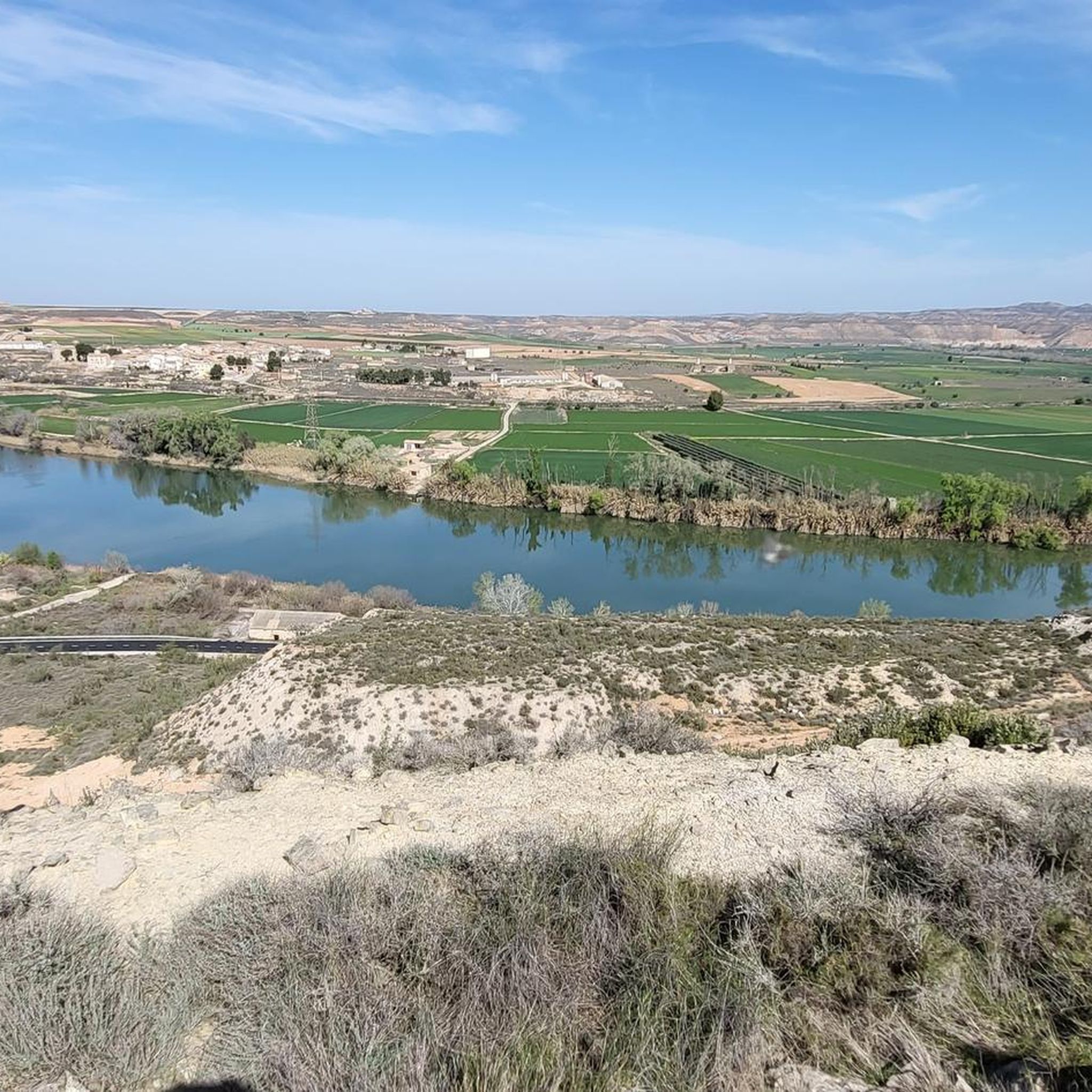
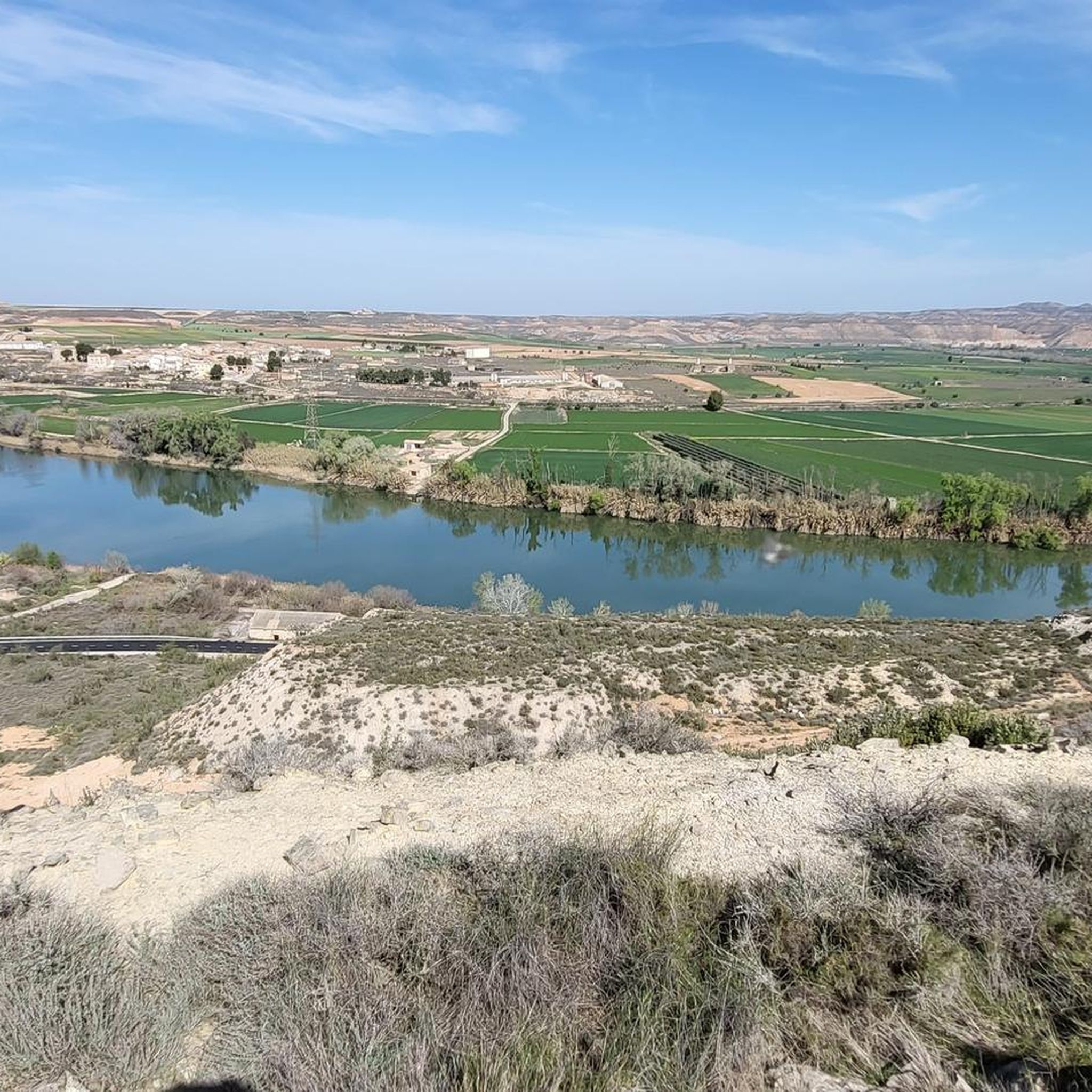
Hiking around Velilla De Ebro offers a diverse landscape, characterized by the fertile banks of the Ebro River contrasting with arid, steppe-like terrain. The region features lush orchards and river islands alongside more austere desert plains, providing a unique ecological transition. Historical sites such as the Ibero-Roman site of Celsa and the Mirador de San Nicolás add cultural interest to the natural surroundings. The Purburell mountain is also located nearby.
Best hiking trails in Velilla De Ebro
- The most popular…
Last updated: July 1, 2026
5.0
(1)
2
hikers
8.86km
02:19
70m
70m
Moderate hike. Good fitness required. Easily-accessible paths. Suitable for all skill levels.
11.0km
02:16
50m
50m
Moderate hike. Good fitness required. Easily-accessible paths. Suitable for all skill levels.

Sign up for free
4.98km
01:22
80m
80m
Easy hike. Great for any fitness level. Easily-accessible paths. Suitable for all skill levels.
5
hikers
11.9km
03:09
120m
120m
Moderate hike. Good fitness required. Easily-accessible paths. Suitable for all skill levels.
3
hikers
7.29km
01:51
10m
10m
Easy hike. Great for any fitness level. Easily-accessible paths. Suitable for all skill levels.
Our route recommendations are based on thousands of hikes, rides, and runs completed by other people on komoot.
Start today with a free account
Your next adventure awaits.
Login or Signup
Popular around Velilla De Ebro

Tips from the Community

Lookout that, as the name says, lets us see the set of meanders that exist in this area called Bajo Aragón.
0
1
Nucleus that is located at a corner of one of the largest meanders in the Ebro River bed and that gives us good views on both sides of the town. There are towers and castles close to the center that have had the function of guarding these historically border areas.
0
1
Beautiful locality at the foot of the Ebro river itself and which has interesting points such as the Mirador de las Tres aguas, north of the town.
0
1
Cinco Olivas is a town that is located in one of the meanders of the Ebro River and that forms the set of three municipalities in these surroundings of the river. The Iglesia de Santiago is located in the old center of the town.
0
1

Sástago is a town of medieval origin that is located in one of the meanders of the Ebro. Although its economic activity is mainly agricultural, it has a hydroelectric power station that supplied the entire area using the river current. The town has many useful services for the traveler.
1
0

Beautiful views of the Laguna de la Playa (the largest and most representative of the salt lakes that make up the complex) that we find in the Saladas de Sástago, a unique saline landscape in Europe that fills up completely only in times of abundant rain
2
0

Las Saladas de Sástago - Bujaraloz are a treasure of the province of Zaragoza, recognized but not as resonant as other similar places in Aragon.
6
0

Cheap pension and bike friendly! Downstairs there is a restaurant bar.
0
0
Frequently Asked Questions
How many hiking trails are available around Velilla de Ebro?
There are 4 hiking routes documented around Velilla de Ebro, offering a variety of experiences from easy strolls to moderate treks.
Are there any easy hiking trails suitable for beginners or families?
Yes, there is one easy route available. The Way of St. James: Sástago Loop is a 3.1-mile (5.0 km) trail that can be completed in about 1 hour 22 minutes, making it a good option for a relaxed outing.
What are the typical distances and durations for hikes in this area?
Hiking trails around Velilla de Ebro vary in length and duration. For example, the From Alborge to Cinco Olivas — circular by the Río Ebro route is 5.5 miles (8.9 km) and takes approximately 2 hours 19 minutes, while the Route of the La Playa, del Pueyo, and del Pito Salt Lakes is 6.8 miles (11.0 km) and typically takes around 2 hours 15 minutes.
What kind of landscapes can I expect to see while hiking around Velilla de Ebro?
The region offers a striking contrast of landscapes. You'll find lush riverside environments along the Ebro, with fertile orchards and river islands, directly bordering arid, steppe-like terrain reminiscent of the Monegros Desert. This unique ecological transition provides diverse scenery, from green corridors to vast, silent plains.
Are there any circular hiking routes available?
Yes, several routes are circular. For instance, the From Alborge to Cinco Olivas — circular by the Río Ebro is a popular circular trail that follows the Ebro River. Another option is the Way of St. James: Sástago Loop.
What historical or cultural landmarks can be explored on a hike?
Velilla de Ebro is rich in history. You can visit the Ibero-Roman site of Celsa, one of the most important Roman colonies in the Ebro valley, or ascend to the Mirador de San Nicolás, which offers panoramic views and is home to the ancient Ermita de San Nicolás. The town also features the Mudejar-style Church of Nuestra Señora de la Asunción.
What is the best time of year to go hiking in Velilla de Ebro?
Given the arid and steppe-like terrain, spring (March to May) and autumn (September to November) are generally the most pleasant times for hiking. Temperatures are milder, and you can avoid the intense heat of summer, which can be quite significant in this region.
Are there any challenging hikes for experienced hikers?
While the guide primarily features easy and moderate routes, the longer moderate trails like the Alborge loop from Alborge (7.1 miles / 11.5 km) offer a good workout. The varied terrain, including riverside paths and arid plains, can provide a rewarding experience for those seeking a longer trek.
Can I expect to see any unique wildlife or natural features?
The region's unique blend of riverside and steppe environments supports diverse biodiversity. Along the Ebro, you might spot various bird species, while the arid plains, part of the Monegros-like landscape, are known for their unique steppe flora and fauna. The salt lake landscapes, such as those explored on the Route of the La Playa, del Pueyo, and del Pito Salt Lakes, also offer distinct ecological observations.
What do other hikers say about the trails in Velilla de Ebro?
The komoot community highly rates the hiking experience in Velilla de Ebro, with an average score of 5.0 stars. Hikers often praise the unique contrast between the lush Ebro riverside and the vast, arid steppes, as well as the historical points of interest along the routes.
Is there parking available near the trailheads?
While specific parking information for each trailhead is not detailed in the route descriptions, Velilla de Ebro is a small town, and parking is generally available within or on the outskirts of the villages where routes typically begin or pass through. It's advisable to check local signage upon arrival.
Are dogs allowed on the hiking trails?
Komoot's route information does not specify restrictions regarding dogs on these particular trails. Generally, dogs are welcome on public footpaths in rural Spain, especially if kept under control. However, it's always recommended to check local regulations or signage at the trailhead, particularly in protected natural areas or near livestock.
Most popular routes around Velilla De Ebro
Most popular attractions around Velilla De Ebro

Get inspired with the komoot mobile app


Explore more
Browse the best Hikes in other regions.
