Attractions and Places To See around Peramola - Top 20
Best attractions and places to see around Peramola, a municipality in the Alt Urgell region, offers a blend of historical, natural, and cultural sites. Situated within the Pre-Pyrenees, the area features mountainous terrain with peaks like Sant Honorat and Sant Marc, alongside impressive geological formations such as Roca del Corb. Visitors can explore ancient Romanesque churches, significant historical landmarks, and UNESCO World Heritage rock art sites. The region provides a diverse landscape ranging from agricultural plains to forests, making it a varied destination for exploration.
Best attractions and places to see around Peramola
- The most popular attractions is Cyclist sculpture at Coll de Serra Seca, a man-made monument that offers spectacular views of the area. The climb to this pass is known for being tough, especially on its last leg.
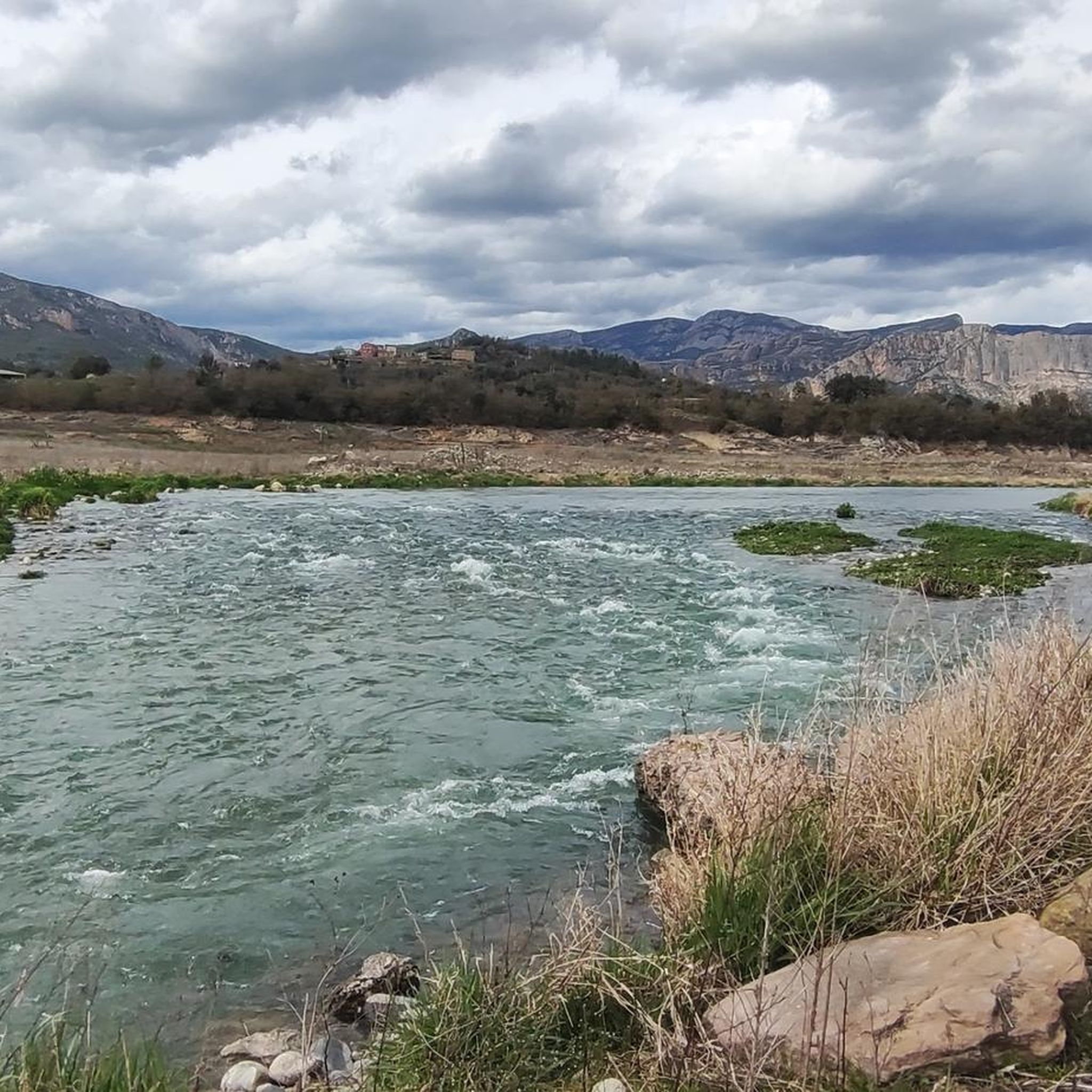
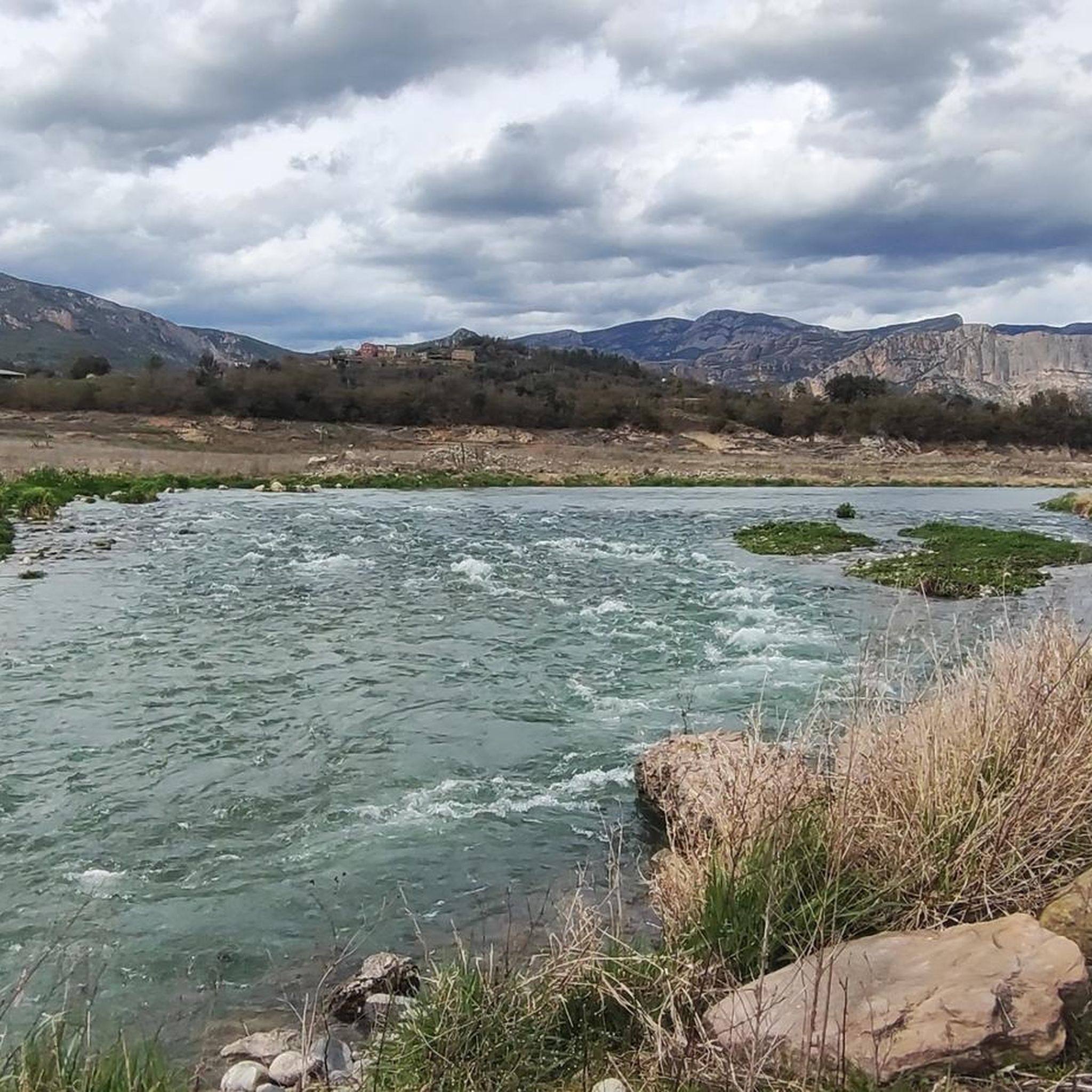
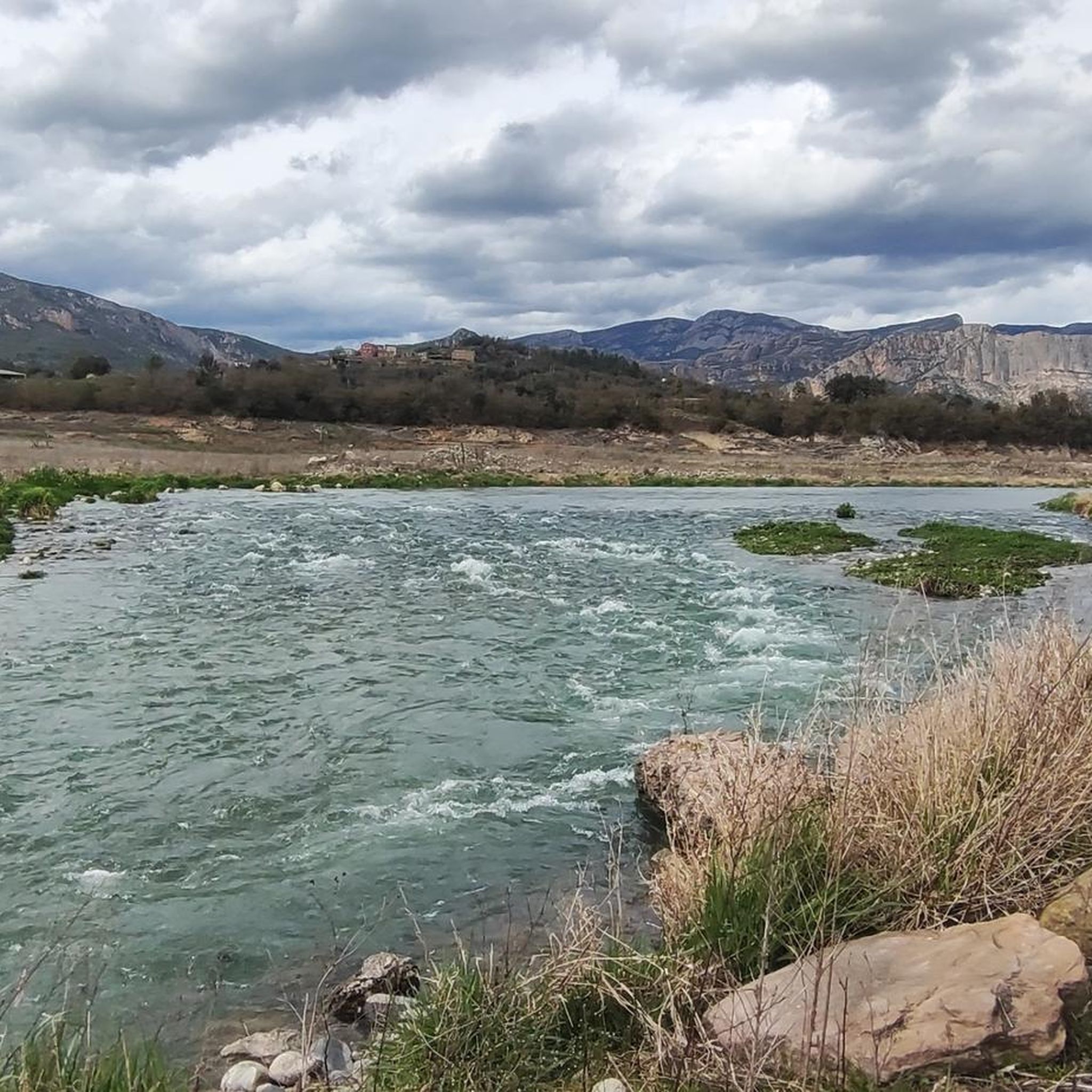
- Another must-see spot is Waterfalls of Organyà, a waterfall known as an idyllic place to cool off. Visitors often find the water warm and pleasant for swimming, though it can be crowded on weekends.
- Visitors also love Aguja del Corb and Ruins of Ermita de Sant Salvador, a historical site featuring the ruins of a Romanesque hermitage. This site is located on a collado and offers a surprising setting with its 11th-century hermitage.
- Peramola is known for its Romanesque churches, impressive natural rock formations, and ancient rock art. The region offers a diverse range of historical, natural, and cultural points of interest to explore.
- The attractions around Peramola are appreciated by the komoot community, with more than 20 upvotes and 9 photos shared by visitors.
Last updated: July 7, 2026
Coll de Comiols
Highlight • Mountain Pass
Translated by Google •
Tip by

Coll de Bóixols
Highlight • Mountain Pass
Translated by Google •
Tip by

Sign up now to discover places like this
Get recommendations on the best single tracks, peaks, & plenty of other exciting outdoor places.
Sign up for free
Cyclist sculpture at Coll de Serra Seca
Highlight • Monument
Translated by Google •
Tip by

Serra Seca Viewpoint
Highlight • Viewpoint
Translated by Google •
Tip by
Waterfalls of Organyà
Highlight • Waterfall
Translated by Google •
Tip by
Sign up for free to discover even more attractions around Peramola.
Sign up for free
Already have an account?
Start today with a free account
Your next adventure awaits.
Login or Signup
Tips from the Community

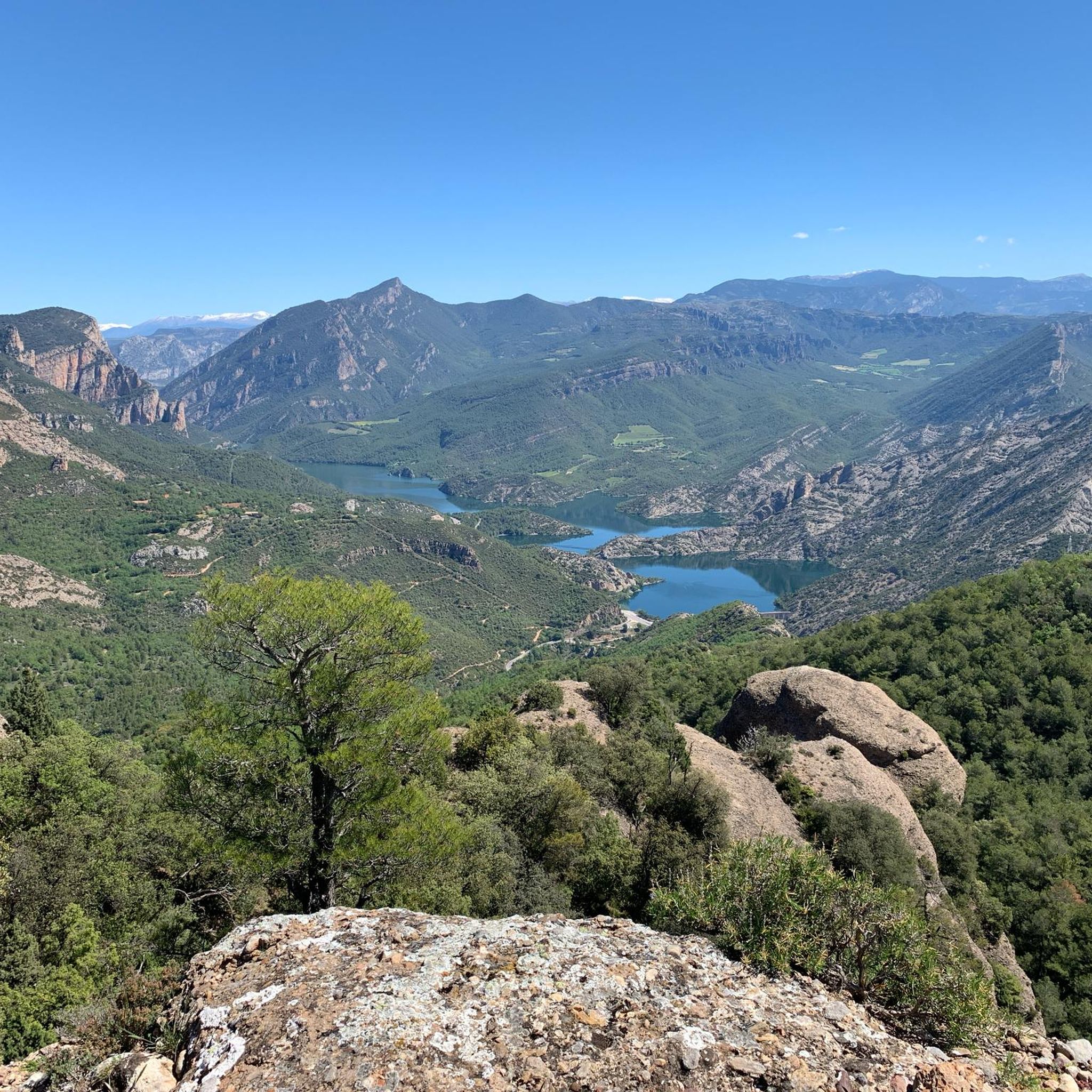
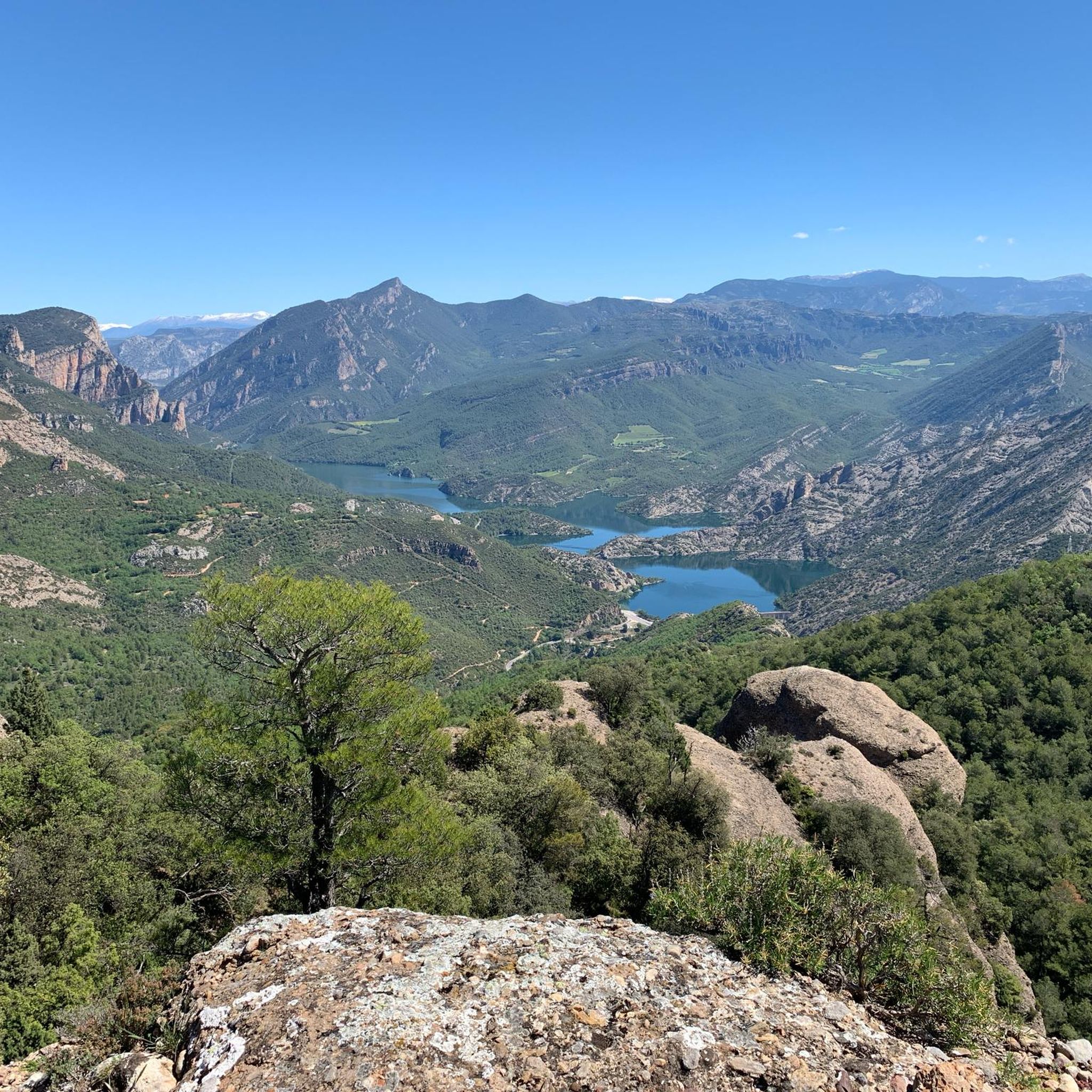
On the border between Alt Urgell and Solsonès, the Serra-seca viewpoint is located near kilometer 25 of the road between Hostal de Cirera and Cambrils. Access is via a signposted track and a small path that leads to a high point from which you can enjoy spectacular views of the Ribera Salada, the Oliana reservoir and a good part of the central Pre-Pyrenees. It is an ideal stop to breathe and enjoy the landscape in silence. The approach terrain can have irregular sections, with loose stones and slopes, so you need to be careful if you go by bike. The environment is exposed and windy on changeable days, so it is advisable to wear suitable clothing and check the bike before continuing.
0
0

We went on a Sunday, and there weren't many people. It's recommended to pack flip-flops in your backpack to wear in the water, as there are a lot of rocks. The water is warm, very pleasant for a swim. You can leave your car in the village and start the route from there.
1
0

Next to the Coll d'Ares, it is the most iconic port in the Montsec mountain range and the Lleida Pre-Pyrenees. The views from above, either towards the Pyrenees and the Isona and Tremp valley, as well as the Plana de Lleida, are magnificent. It is a port with 4 aspects, each one different: - The southern slope, which begins in Artesa de Segre, is almost 24 km long and runs along a road with a lot of traffic, very wide and with long straights. After passing the town of Folquer, you face the hardest section of the climb, now with continuous curves and horseshoes, although with a road that is still very wide. The best are the views of the Lleida plain. It is not a side that I like since it is very stinky. - The southeast slope, the one that begins in Pons, is longer than the previous one, with 29 km. It has 2 rest sections, with some descent, and the road is narrow and twisty. There are good views along the climb. This slope joins the southern slope that comes from Artesa de Segre at the height of Folquer, where the hardest 7 km remain until reaching the top of the pass. - The main northern slope begins in Tremp and is 28.2 km. It is similar to the Artesa de Segre slope, with a similar gradient and a wide, busy road with a progressive slope, although it is true that there are no kilometers that reach 7%. I don't like. - The northwest slope, which also begins in Tremp, takes the old road that goes up through the town of Sant Salvador de Toló. It is a climb without traffic, on an irregular asphalt road, one of the old ones, which is grippy and difficult to roll, but in good condition. If you plan to go up to Comiols on the northern slope, you have to do it here and forget about the slope that runs along the main road.
0
0


Spectacular views from above and a port that leaves you marked.
0
0

Serra-Seca, a Solsonès classic. You can go up from Valldan or Montpol, Solsona, in this case it is advisable to continue to Cambrils, Odèn, Canalda and go down again to Solsona via Lladurs.
0
0

The Coll de Comiols is a hill located at 1101 meters high. It acts as the border of several municipalities in the Pallars Jussà region. It offers magnificent views of the surrounding mountains and the Cuenca de Tremp.
0
0
The Sierra Seca viewpoint is located a few meters away from the hill of the same name. It offers privileged views of the surrounding peaks and of the folds and capricious rock formations that have made this mountain range a place of great geological value.
0
0
Frequently Asked Questions
What natural features can I explore around Peramola?
Peramola is rich in natural beauty. You can visit the impressive geological formation of the Roca del Corb, located in the Serra de Sant Honorat, which is accessible via the Corb hiking route. The area also features natural springs and varied landscapes across the Serra de Sant Honorat and Serra d'Aubenç, including the remarkable folding structures in the Gully of La Ribalera. Don't miss the Waterfalls of Organyà, an idyllic spot for a refreshing dip, though it can be busy on weekends.
What historical sites can I visit in Peramola?
Peramola boasts a rich history. You can explore several Romanesque churches, such as the Church of Sant Miquel and the Chapel of Sant Joan in the historic center, or the picturesque Sant Salvador del Corb perched atop the Roca del Corb. The remnants of the ancient Castle of Peramola, first documented in the 11th century, are also worth seeing. Additionally, the Aguja del Corb and Ruins of Ermita de Sant Salvador offer a glimpse into the region's past with an 11th-century Romanesque hermitage.
Are there any significant cultural attractions in the area?
Absolutely. A standout cultural attraction is the Cave of the Moros (Roc de Rumbau) Rock Art, a UNESCO World Heritage Site. Discovered in 1908, this site features 45 Levantine-style cave paintings, including ritualistic representations. Peramola is also known for its gastronomy, particularly the artisan cheeses from the Penella house in Castell-llebre, and hosts a cherished Living Nativity tradition since 2008.
What kind of outdoor activities can I do around Peramola?
The region around Peramola is perfect for outdoor enthusiasts. You can enjoy various cycling routes, including road cycling and mountain biking. For road cyclists, there are routes like the 'Rialb Reservoir Loop' or 'Peramola – La Clua loop from Oliana'. Mountain bikers can tackle challenging trails such as 'Oliana - Cambrils - Les Anoves — Ruta circular por la Sierra dels Obacs'. There are also running trails like 'Castell de Castell-llebre loop from Peramola'. You can find more details on these activities in the Road Cycling Routes around Peramola, MTB Trails around Peramola, and Running Trails around Peramola guides.
Are there any viewpoints offering panoramic scenery?
Yes, Peramola and its surroundings offer several stunning viewpoints. The Cyclist sculpture at Coll de Serra Seca provides spectacular views after a challenging climb. Other notable spots include Coll de Comiols and Coll de Bóixols, both mountain passes offering magnificent vistas of the surrounding mountains and the Cuenca de Tremp. The Aguja del Corb and Ruins of Ermita de Sant Salvador also provide a unique setting with great views from its collado.
What do visitors enjoy most about the attractions in Peramola?
Visitors particularly appreciate the breathtaking views and the sense of accomplishment after challenging climbs. For instance, the climb to the Cyclist sculpture at Coll de Serra Seca is often described as tough but rewarding with spectacular scenery. The Waterfalls of Organyà are loved for being an idyllic place to cool off, with warm and pleasant water for swimming. The historical sites like the Aguja del Corb and Ruins of Ermita de Sant Salvador are valued for their surprising settings and ancient Romanesque architecture.
Are there family-friendly activities or hikes in Peramola?
While specific 'family-friendly' categories aren't highlighted for all attractions, the diverse landscape offers options for families. Exploring the Romanesque churches or the remnants of the ancient castle can be an engaging historical outing. Gentle walks around the natural springs or parts of the Corb hiking route could be suitable. The Waterfalls of Organyà, with its pleasant water for swimming, is also a popular spot for families, though it can get crowded.
What is the best time of year to visit Peramola for outdoor activities?
Peramola's location in the Pre-Pyrenees means varied weather. For hiking and cycling, spring and autumn generally offer pleasant temperatures and beautiful scenery, avoiding the peak heat of summer. If you plan to visit the Waterfalls of Organyà for swimming, the warmer months would be ideal, but be prepared for more visitors on weekends.
Can I find ancient rock art in the Peramola region?
Yes, the Peramola region is home to significant ancient rock art. The Cave of the Moros (Roc de Rumbau) Rock Art is a UNESCO World Heritage Site, featuring 45 Levantine-style cave paintings. This site, discovered in 1908, offers a unique glimpse into prehistoric artistic expressions and ritualistic representations, including a notable dance scene.
Are there any unique geological formations to see?
Peramola is known for its impressive geological features. The most prominent is the Roca del Corb, a natural monument primarily consisting of conglomerate rock, located in the Serra de Sant Honorat. Another remarkable example is the Gully of La Ribalera, which showcases extraordinary folding structures with a visible syncline in Cretaceous limestone, offering a fascinating insight into the region's geological history.
What are some of the lesser-known historical churches in the area?
Beyond the main churches, Peramola's monumental heritage includes several other Romanesque structures. You can explore Sant Miquel de Peramola Vell, Mare de Déu de Castell-llebre, and Santa Llúcia de Nuncarga & Tragó. These smaller, often more secluded churches offer a deeper dive into the region's medieval architecture and history.
Most popular attractions around Peramola

Get inspired with the komoot mobile app


Explore more
Still not found the Highlight you’re looking for? See guides of the top attractions in other regions:
