Attractions and Places To See around Puebla De Albortón - Top 14
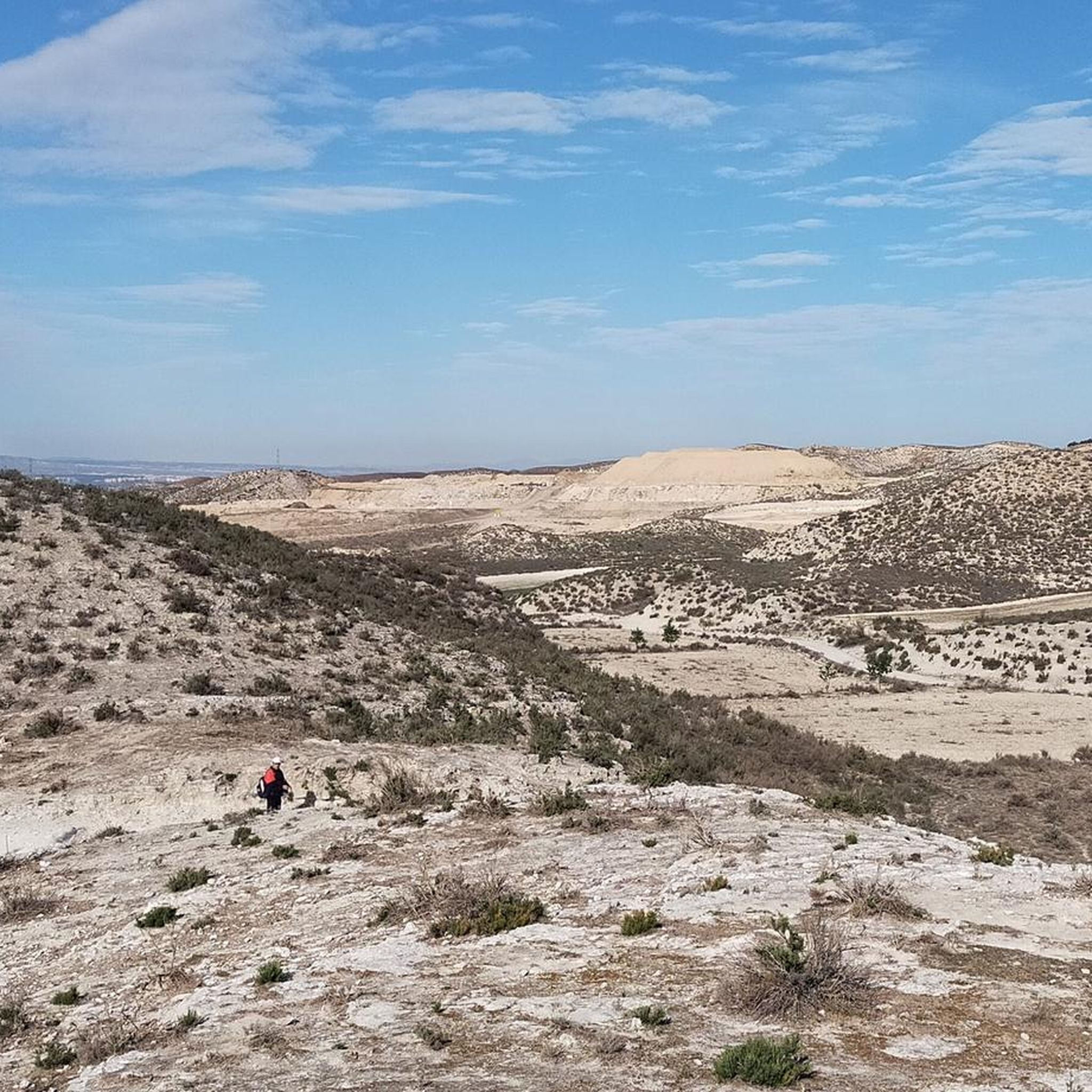
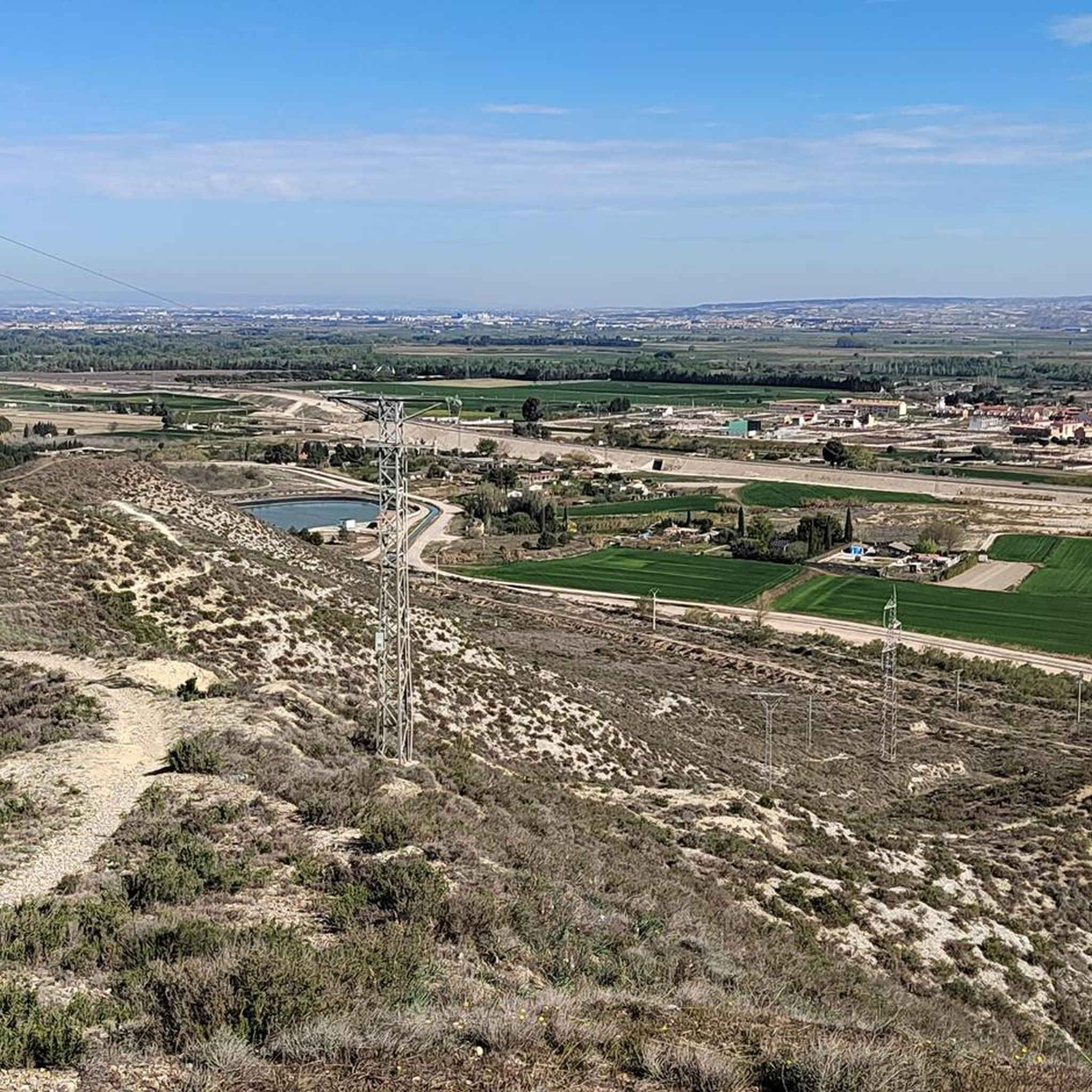
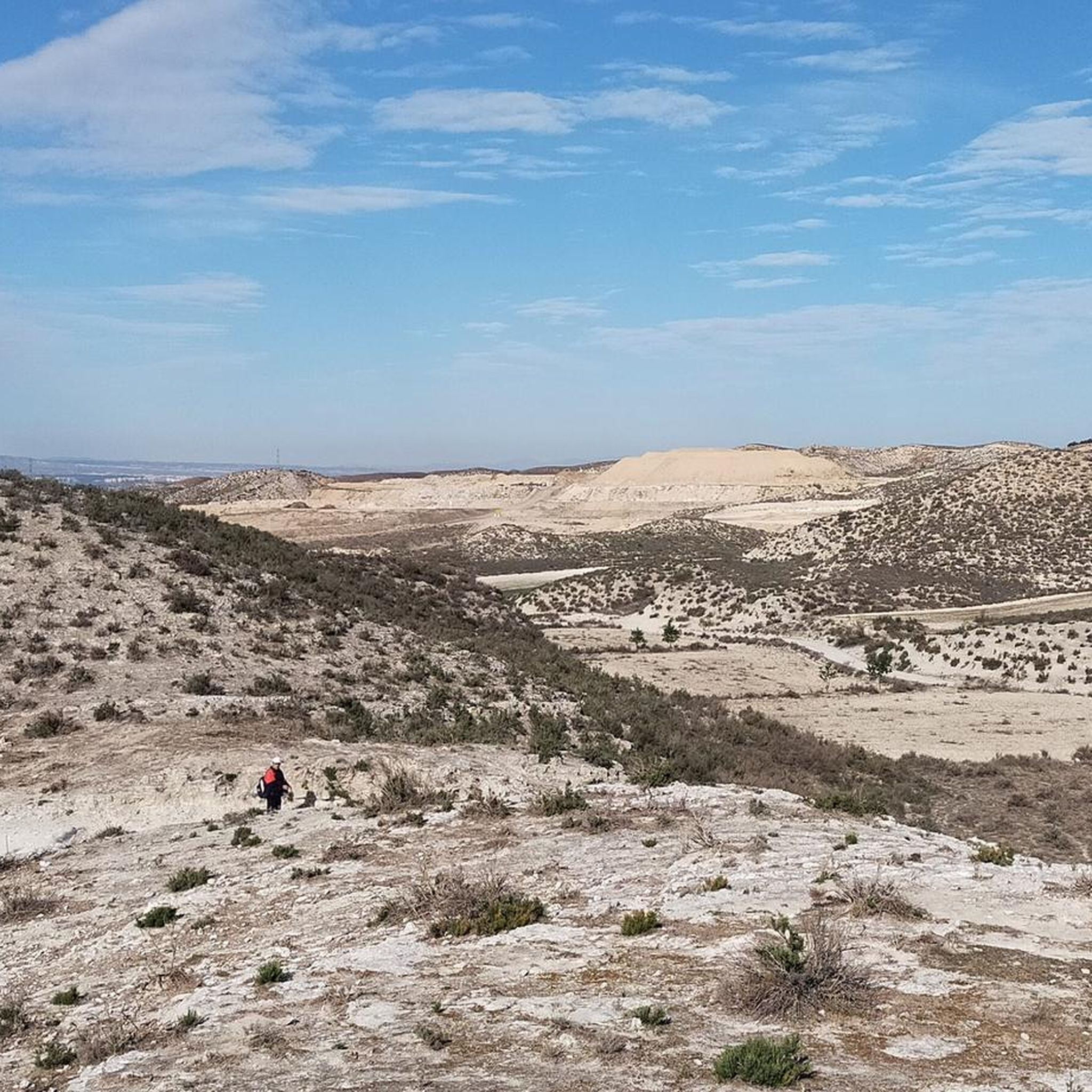
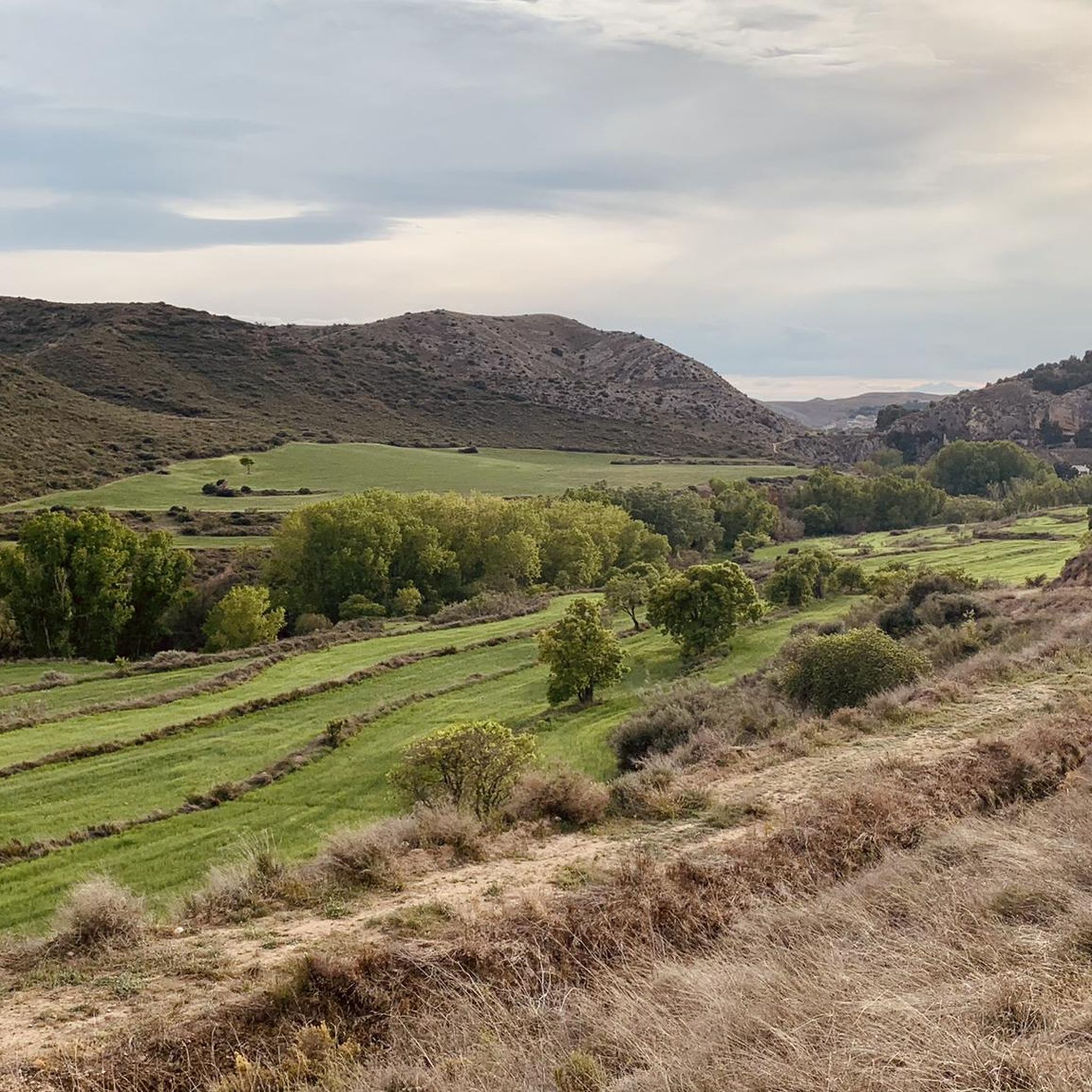
Best attractions and places to see around Puebla De Albortón include a diverse landscape blending arid steppe with Mediterranean forest ecosystems. The region features significant historical sites, such as remnants of the Spanish Civil War, alongside ancient Roman hydraulic works. Visitors can explore natural canyons, viewpoints, and monuments dedicated to local heritage. This area offers a range of points of interest for those interested in history, nature, and outdoor exploration.
Best attractions and places to see around Puebla De Albortón
…Last updated: July 12, 2026
Old Village of Belchite
Highlight • Historical Site
Translated by Google •
Tip by

Virgen de Dorleta Memorial
Highlight • Monument
History: Almost …
Translated by Google •
Tip by
Sign up now to discover places like this
Get recommendations on the best single tracks, peaks, & plenty of other exciting outdoor places.
Sign up for free
Viewpoint of the Roman Dam of Almonacid de la Cuba
Highlight • Viewpoint
La Cuba, as this dam is popularly known, is one …
Translated by Google •
Tip by

Poza de los Chorros
Highlight • River
The access (from Belchite) can be somewhat complicated, so basically we will have to look for the Belcars car workshop …
Translated by Google •
Tip by
Pico Verde Viewpoint
Highlight • Viewpoint
Translated by Google •
Tip by
Sign up for free to discover even more attractions around Puebla De Albortón.
Sign up for free
Already have an account?
Start today with a free account
Your next adventure awaits.
Login or Signup
Tips from the Community

The Mirador de la Cuba in Almonacid de la Cuba is a fantastic place to enjoy stunning views of one of the most important and best preserved hydraulic works in Roman Hispania. From this viewpoint, you can admire the Roman dam, popularly known as "La Cuba", which is the highest in the world built during the Roman Empire.
4
0
Not far from the Old Town is Belchite Nuevo, a replica of the original town. Here you can immerse yourself in the culture and gastronomy of Belchite while appreciating the preserved architectural elements, such as the Church of San Martín de Tours and the Clock Tower.
3
0
In the past, Belchite Viejo was one of the most prosperous towns in the province of Zaragoza during the early 20th century. Its walls, adorned with Mudejar architecture, housed numerous homes, two convents and several churches. However, its destiny took a dark turn during the Spanish Civil War. Belchite Viejo is known as a “ghost town” due to its terrifying past. It was heavily bombed during the Civil War and was left in ruins as a testimony to the horrors of the conflict. Unlike many other war-torn places, Belchite Viejo was intentionally preserved to serve as a reminder of the devastating consequences of war. Visitors can see the remains of buildings, streets and squares that were once full of life.
3
1

Well marked trail from Almonacid, signs on wooden posts with distances
1
0
Almonacid de la Cuba viewpoint to see one of the most important and best preserved hydraulic works in Roman Hispania. La Cuba, as this dam is popularly known, is one of the three that regulated the course of the Aguasvivas river, together with the Blesa and Muniesa dams.
11
0

We are at the highest Roman dam in the world! A must visit if we want to know a little more about the history of Zaragoza. At this point we can get off the bike and approach the Mirador de la Cuba, from which we can see the Roman dam of Almonacid de la Cuba. If we have time, it is worth a guided tour. Information and reservations: 684 271 669 / 976837401 and turismo@aytoalmonaciddelacuba.es
2
0
An emblematic site for cyclists since it is the Patron Saint of Spanish Cyclists. The road is very frequented by lovers of two wheels with some magnificent landscapes. History: Almost 60 years ago an extraordinary journey happened. On August 8, 1960, young cyclists Luis and Ángel Serrano from Bilbao and José Luis Sáenz from Vitoria arrived with their bicycles in Rome to be received in audience by Pope John XXIII. In that luggage they carried the petition for the canonical declaration of the Virgin of Dorleta as patron saint of cyclists. Tired but happy, they returned to the capital of Vitoria, and on the 28th of that same month, the Virgin of Dorleta was proclaimed "Patroness of Spanish cyclists".
2
0
We are in the old town of Belchite, we will walk the streets of the Old Town knowing the events that took place during the days of the Battle of Belchite. We cannot miss it if we want to know our history. Visit the website for schedules, prices and guided tours: belchite.es/visita-guiada-pueblo-viejo-diurna
4
0
Frequently Asked Questions
What historical sites can I visit around Puebla de Albortón?
The region is rich in history. You can explore the Old Village of Belchite, a poignant reminder of the Spanish Civil War, which offers guided tours. Another significant historical landmark is the Viewpoint of the Roman Dam of Almonacid de la Cuba, showcasing one of the most important and well-preserved Roman hydraulic works in Hispania. Within Puebla de Albortón itself, you can find the Church of San Sebastián, the Ermita de Nuestra Señora del Rosario, and the Iglesia Parroquial de la Asunción, along with charming old town architecture.
Are there any natural attractions or unique landscapes to explore?
Yes, the area boasts a diverse landscape. The spectacular Poza de los Chorros is a beautiful river spot perfect for swimming on hot summer days. You can also visit the Foz de Zafrané, a natural canyon known for its birdlife and climbing routes. The region features a blend of arid steppe and Mediterranean forest ecosystems, particularly in the Sierra Gorda, offering varied natural beauty.
What outdoor activities are available near Puebla de Albortón?
The area is excellent for outdoor enthusiasts. You can find numerous routes for road cycling, touring cycling, and mountain biking. For instance, you can explore routes like 'Belchite, Codo and Almonacid' for road cycling, 'Rodén and Salada de Mediana Loop' for touring, or 'Foz de Zafrane — circular desde Torrecilla de Valmadrid' for mountain biking. You can find more details on these and other routes in the Road Cycling Routes, Cycling, and MTB Trails guides around Puebla de Albortón.
Are there any family-friendly attractions in the area?
Absolutely. The Viewpoint of the Roman Dam of Almonacid de la Cuba is categorized as family-friendly, offering an impressive historical sight that can be enjoyed by all ages. The Poza de los Chorros is also a great spot for families to cool off and enjoy nature on warm days.
Where can I find good views or viewpoints?
For panoramic vistas, visit the Pico Verde Viewpoint, which offers beautiful views towards Torrecilla de Valmadrid. Another must-see is the Viewpoint of the Roman Dam of Almonacid de la Cuba, providing stunning perspectives of the ancient Roman engineering marvel.
What is the Virgen de Dorleta Memorial?
The Virgen de Dorleta Memorial is an emblematic monument for cyclists, as the Virgin of Dorleta is the patron saint of Spanish cyclists. The surrounding roads are popular among cycling enthusiasts for their scenic routes, making it a significant spot for the cycling community.
Can I go hiking near Puebla de Albortón?
Yes, the area offers various hiking opportunities. Popular routes include those leading to the Poza de los Chorros and the Presa Romana de Almonacid de la Cuba. The Foz de Zafrané canyon also has trails, and the region's mix of arid steppe and Mediterranean forest provides diverse terrain for walks.
Are there any unique cultural points of interest in Puebla de Albortón itself?
Beyond the churches, you can find a bust dedicated to José Gervasio Artigas in the streets of Puebla de Albortón, honoring the founder of the Oriental Republic of Uruguay, whose grandfather was from this municipality. The higher part of the old town also offers a pleasant walk, showcasing beautiful traditional houses and interesting 'peirones' (stone markers).
What is the Foz de Zafrané known for?
The Foz de Zafrané is a spectacular natural canyon stretching for two kilometers. It's a habitat for birds of prey like the solitary rock thrush and the eagle owl, making it ideal for birdwatching. It's also a popular spot for extreme sports like climbing, with around 100 climbing routes, and is known for its high-quality stone, historically used for notable constructions.
Is there anything related to ancient history or paleontology in the region?
Yes, an interesting paleontological site with fossilized footprints of mammals and birds from the Aragonian period has been discovered near Puebla de Albortón, offering a glimpse into the region's ancient past.
What is the general atmosphere of Puebla de Albortón?
Puebla de Albortón offers a tranquil village atmosphere. Its traditional houses reflect centuries of Aragonese heritage, providing a sense of peace and quiet for visitors looking to escape the hustle and bustle.

Get inspired with the komoot mobile app


Explore more
Still not found the Highlight you’re looking for? See guides of the top attractions in other regions:
