Attractions and Places To See around Fuente-Tójar - Top 20
Best attractions and places to see around Fuente-Tójar include a blend of historical, cultural, and natural sites within the Subbética region of Córdoba, Spain. The area is characterized by vast olive groves, ancient archaeological remains, and significant natural features. Visitors can explore historical landmarks, enjoy panoramic viewpoints, and discover unique natural landscapes. This region offers diverse opportunities for those interested in history, culture, and outdoor exploration.
Best attractions and places to see around Fuente-Tójar
- The most popular attractions is Guadajoz…
Last updated: July 7, 2026
Views over the Laguna del Conde
Highlight • Viewpoint
Translated by Google •
Tip by

Alcaudete Station
Highlight • Monument
Translated by Google •
Tip by

Sign up now to discover places like this
Get recommendations on the best single tracks, peaks, & plenty of other exciting outdoor places.
Sign up for free
Bridge on the Vía Verde del Aceite
Highlight • Bridge
Translated by Google •
Tip by

Guadajoz River Viaduct
Highlight • Bridge
Translated by Google •
Tip by
Viaduct of the Chaparral Stream
Highlight • Bridge
Translated by Google •
Tip by

Sign up for free to discover even more attractions around Fuente-Tójar.
Sign up for free
Already have an account?
Start today with a free account
Your next adventure awaits.
Login or Signup
Tips from the Community

Great and unusual old train station.
1
0

The station was opened in 1893 by the Compañía de los Ferrocarriles Andaluces on the Linares–Puente Genil line. It had a simple station building, a goods shed, several sidings, water depots, and a cast-iron “aguada” for steam locomotives. After the line was closed in 1984, the facilities fell into disrepair until they were restored and integrated into the network as part of the conversion to the Vía Verde. Next to the station is the Jardín de Variedades del Olivo, a botanical garden with 31 varieties of olives from 5 Mediterranean countries (including Carrasqueño de Alcaudete, Arbequina, Kalamon). There are picnic facilities here, but no restaurant.
1
0
The Laguna del Conde (also known as Laguna del Salobral) is an important wetland that serves as a habitat for numerous bird species such as flamingos, cormorants, and ducks. Along the Vía Verde, there are viewpoints from which visitors can observe the wildlife.
1
0

The Lagoon del Conde or Salobral Lagoon is a temporary lagoon that reaches a maximum flood level in spring and subsides in summer. The lagoon is filled by rainfall that falls directly on the surface of the lagoon and by surface runoff from its catchment area, particularly from the Carrascón stream. The lagoon is on the migratory route that many birds follow towards the African continent in northeastern Europe. Like the rest of the wetland areas south of Córdoba, the Salobral Lagoon is integrated into the European Natura 2000 network.
10
0

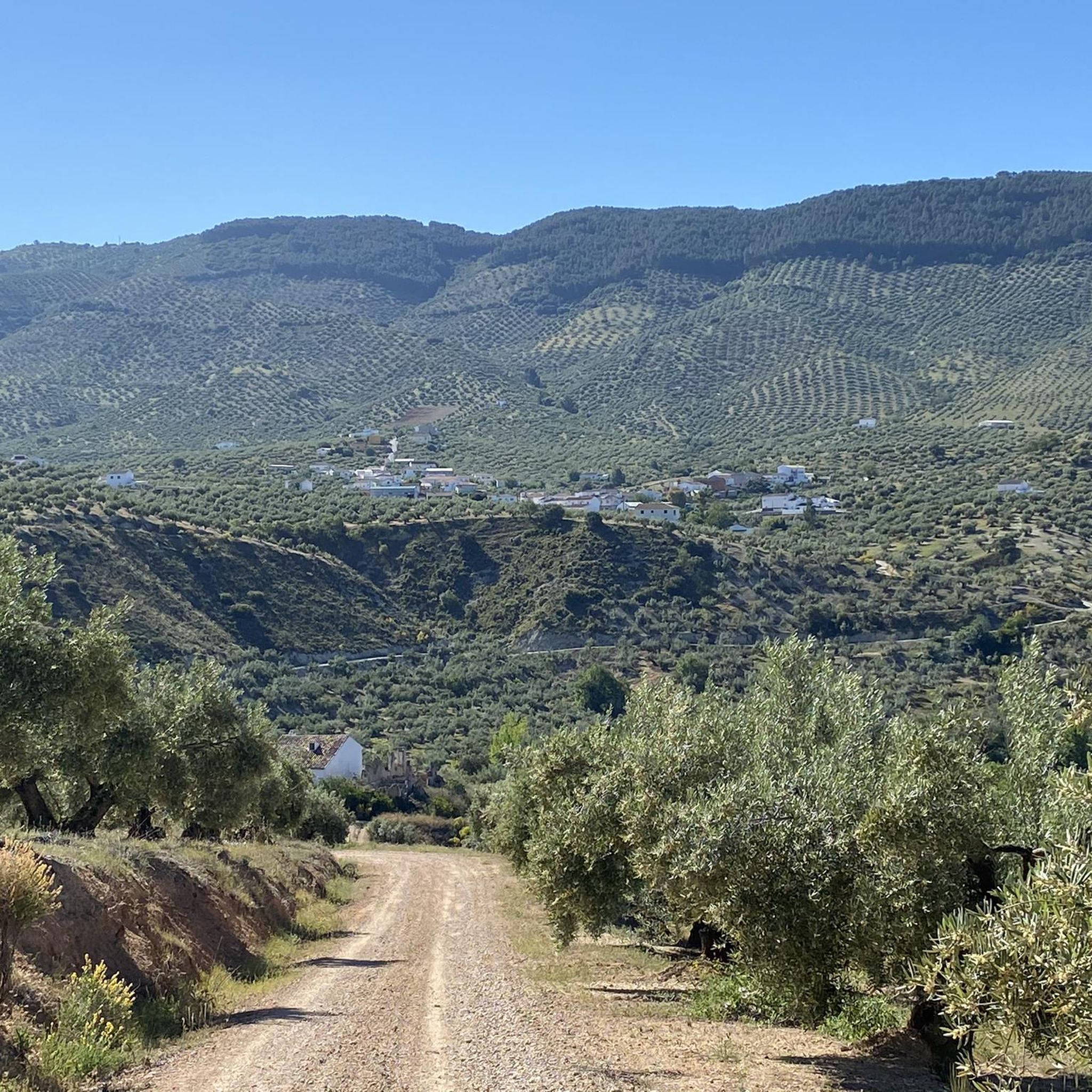
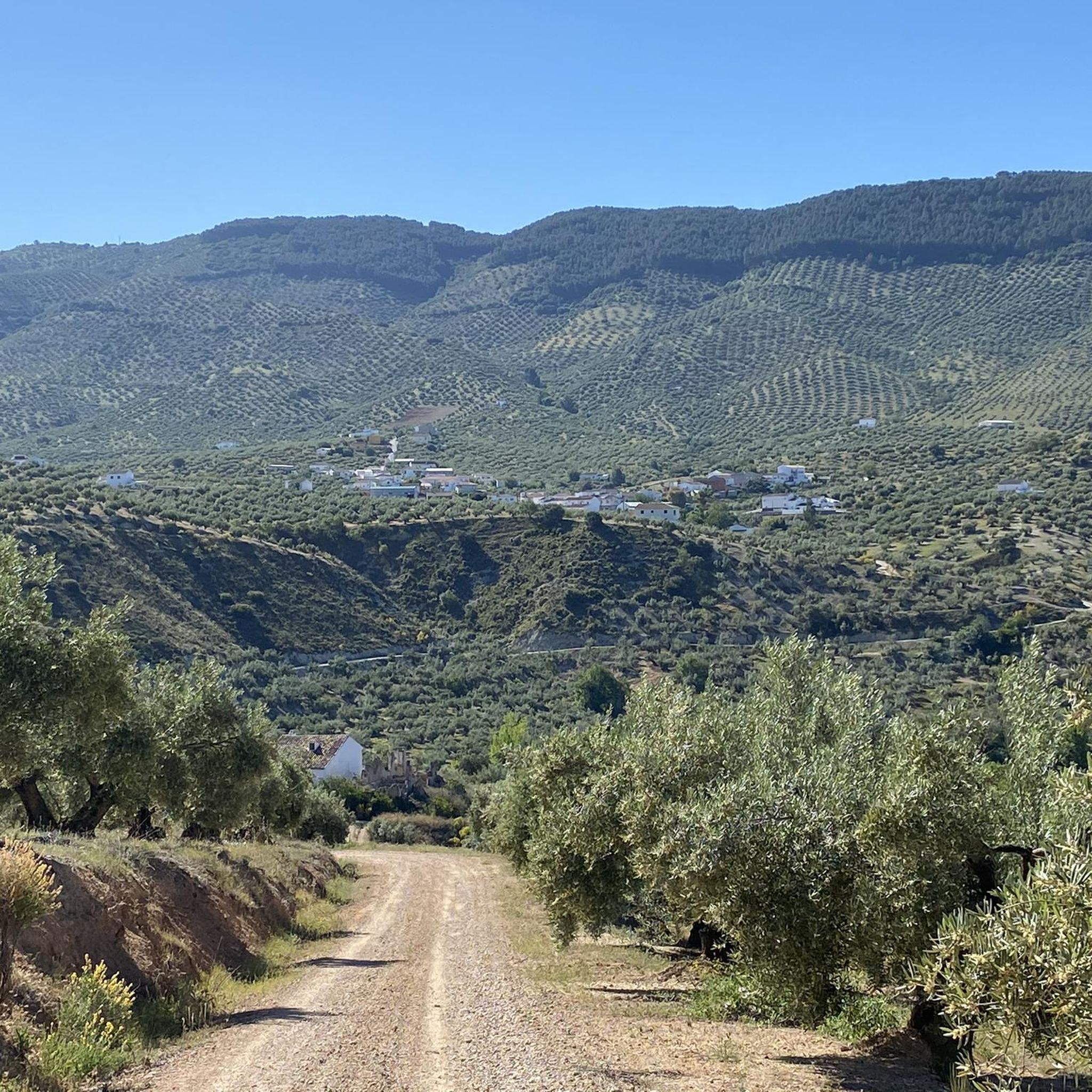
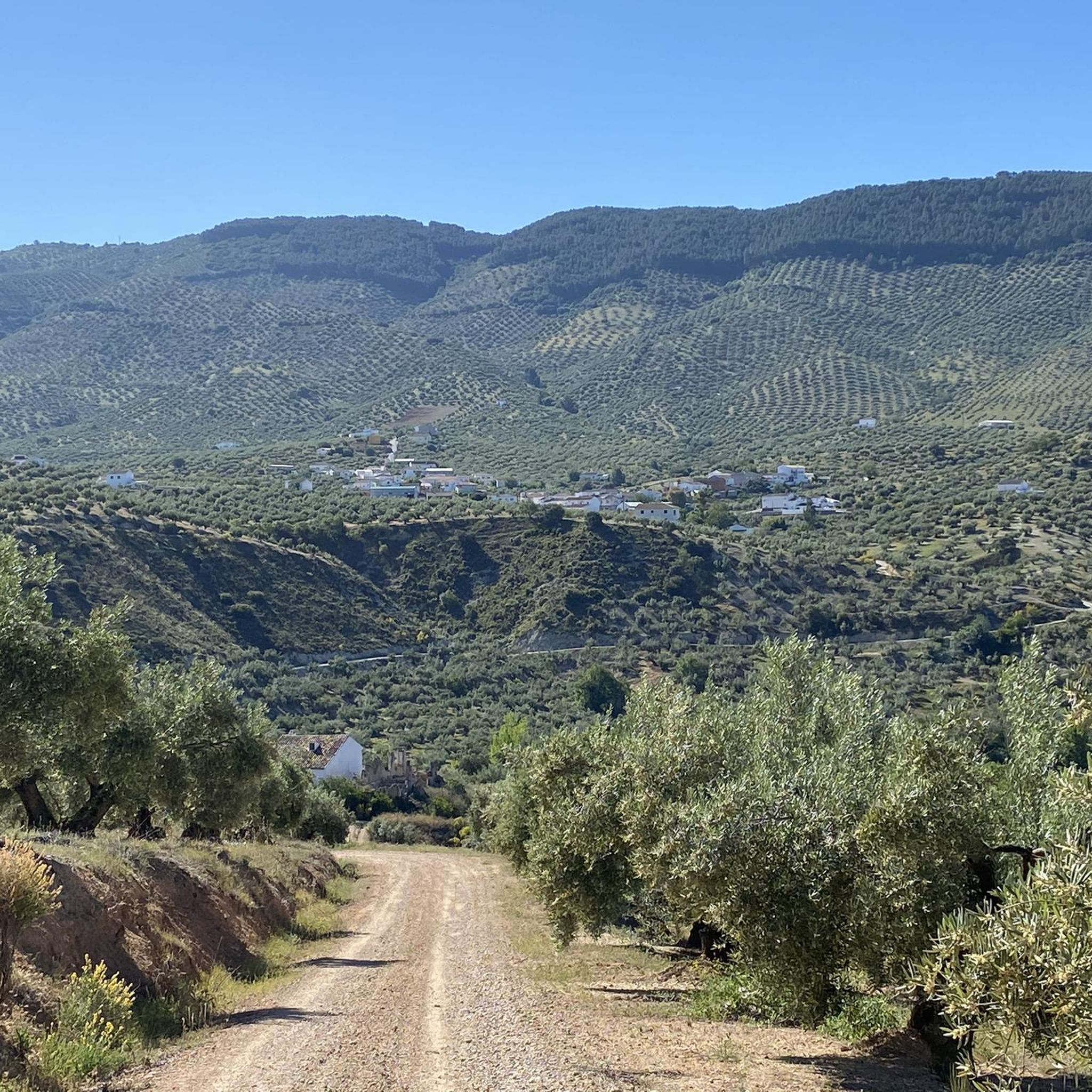
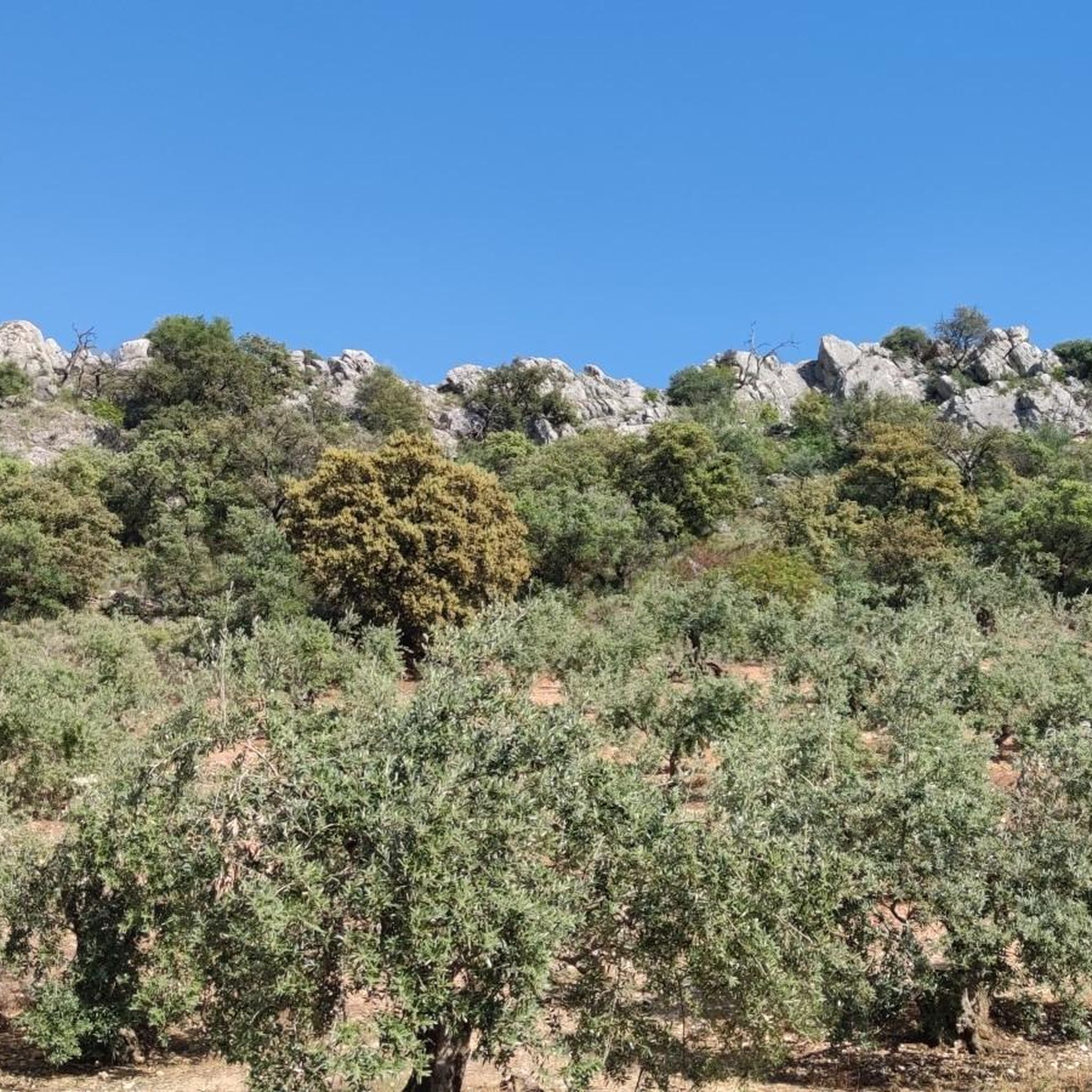
This area of open landscapes, which is entirely agricultural, has very loose soils rich in limestone, developed on soft rocks (marl and clay). The nature of these soils and the prevailing climate in the region make the olive tree (Olea europea), adapted to periods of long drought, the most widespread crop in the Córdoba countryside.
8
0
This lagoon, which belongs to the municipality of Luque, is the largest of all the seasonal waters in the province of Córdoba, with a surface area of 46.6 hectares. It was declared a nature reserve in 1989 due to its special value as a wintering and breeding ground for migratory birds. Due to the gentle slope of the terrain and its shallow depth, the wetland is home to numerous wading birds that use the lagoon as a passage and breeding area. The main bird species are the black-winged stilt, the European lapwing, the curlew, the teal, the white-headed duck, the Kentish plover, the tern and the Montagu's harrier, among many other species.
10
1
This is station (1893) number 14 of the Linares-Campo Real line, which, with its more than 175 kilometres of route, connected the provinces of Córdoba and Jaén. This infrastructure was built at kilometre point 72.047 in the municipality of Alcaudete, in a place known as Fuente del Orbe. Currently, this space is integrated into the Vía Verde del Aceite nature trail and, next to the complex, some railway remains can be seen, such as a water tank, loading platforms and an old warehouse, which is currently being renovated. The remains show that the old building was painted ochre and green and had one floor.
9
0
The Chaparral Stream Viaduct is located at kilometre 45 of this nature trail that runs along the route of the old railway line that connected Linares to Puente Genil. The structure is 70 metres long and 20 metres high. As a peculiarity, it should be noted that this bridge is 5 metres wider than the others on this route, since the railway line, despite its straight path, is placed in a curve. In addition, from this spectacular enclave you can see the Venta del Chaparral, very close to the stream of the same name that rises 600 metres north of the viaduct, from the Víboras River.
7
0
Frequently Asked Questions
What natural attractions can I explore around Fuente-Tójar?
Fuente-Tójar is rich in natural beauty. You can visit Views over the Laguna del Conde, an important temporary wetland known for birdwatching. The vast Olive groves are a defining feature of the landscape, offering scenic views and cultural significance. Additionally, the Ruta de Los Barrancos provides impressive natural panoramic views.
Where can I find the best panoramic views in Fuente-Tójar?
For breathtaking panoramic views, head to the Views over the Laguna del Conde, which overlooks a significant wetland. The Mirador de la Canteruela, situated at the highest point of Fuente-Tójar, offers extensive vistas of the surrounding 'sea of olive groves'. Another notable spot is the 'Sillón del moro' on Cerro de la Mesa.
What historical sites can I visit near Fuente-Tójar?
Fuente-Tójar boasts several historical sites. The Cerro de las Cabezas is a significant archaeological site with remains of an Iberian-Roman city, including defensive walls and ancient structures. You can also visit the Iglesia Parroquial de Nuestra Señora del Rosario, a Baroque church from 1778, and the Ermita del Calvario, a hermitage with a unique origin story.
Are there any museums in Fuente-Tójar?
Yes, the Museo Histórico Municipal (Municipal Historical Museum) houses a collection of archaeological pieces from the region, providing insights into the Iberian and Roman past of Fuente-Tójar.
What kind of outdoor activities can I do around Fuente-Tójar?
The area around Fuente-Tójar is excellent for outdoor activities. You can enjoy hiking on trails like the Ruta de Los Barrancos, which leads to Cerro de las Cabezas. There are also numerous running and cycling routes available. For more detailed information on routes, check out the Hiking around Fuente-Tójar guide, the Running Trails around Fuente-Tójar guide, and the Cycling around Fuente-Tójar guide.
Are there family-friendly attractions around Fuente-Tójar?
Yes, several attractions are suitable for families. The Views over the Laguna del Conde and the Olive groves offer pleasant natural settings for walks and exploration. The Bridge on the Vía Verde del Aceite is part of a greenway perfect for family cycling or walking. The Alcaudete Station, now integrated into the Vía Verde, also provides facilities and historical interest.
Can I go cycling around Fuente-Tójar?
Absolutely! Fuente-Tójar is located along the Vía Verde del Aceite (Greenway of the Oil), which is ideal for cycling. You can cycle across impressive structures like the Bridge on the Vía Verde del Aceite and the Guadajoz River Viaduct. For specific routes and more information, consult the Cycling around Fuente-Tójar guide.
What is the significance of the olive groves in the region?
The Olive groves around Fuente-Tójar are incredibly significant. This region boasts some of the largest and oldest olive tree cultivations globally, crucial to the local economy and culture for centuries. The 'Paisaje del Olivar de Andalucía' (Andalusian Olive Tree Landscape) has even been nominated as a UNESCO World Heritage Site.
When is the best time of year to visit Fuente-Tójar for outdoor activities?
The best time to visit Fuente-Tójar for outdoor activities is generally during spring (March to May) and autumn (September to November). During these seasons, the weather is milder and more pleasant for hiking, cycling, and exploring the natural and historical sites, avoiding the intense heat of summer.
Are there any unique man-made structures or landmarks to see?
Yes, the Guadajoz River Viaduct is a colossal structure built by French engineers in the late 19th century, featuring seamless rivets similar to the Eiffel Tower. Another notable structure is the Bridge on the Vía Verde del Aceite, a metal footbridge that maintains the original railway route for cyclists and hikers.
What cultural traditions are unique to Fuente-Tójar?
Fuente-Tójar preserves unique cultural traditions, such as the 'danzantes de San Isidro' (San Isidro Dancers), who perform during the Real Feria de Ntro. Patron San Isidro Labrador around May 15th. The village also celebrates the Fiesta de la Alcaparra (Caper Festival) on the second weekend of August.
Is there a botanical garden or a place to learn about olive varieties?
Yes, you can visit the Jardín de Variedades del Olivo, located next to a station along the Vía Verde. This botanical garden showcases 31 varieties of olives from five Mediterranean countries and provides picnic facilities, offering an educational and relaxing experience.
Most popular attractions around Fuente-Tójar

Get inspired with the komoot mobile app


Explore more
Still not found the Highlight you’re looking for? See guides of the top attractions in other regions:
