Attractions and Places To See around Villarrubia De Santiago - Top 20
Best attractions and places to see around Villarrubia De Santiago include a blend of historical, cultural, and natural sites. The region features a landscape shaped by the Tagus River meanders, creating ravines and gullies, alongside the distinctive "red earth" of its terrain. Its heritage is marked by a rich history, including ties to the Order of Santiago, and a notable viticultural tradition. Visitors can explore ancient landmarks, natural formations, and traditional town squares.
Best attractions and places to see around…
Last updated: July 7, 2026
Chinchón
Highlight • Settlement
Translated by Google •
Tip by

Plaza Mayor of Colmenar de Oreja
Highlight • Settlement
Translated by Google •
Tip by

Sign up now to discover places like this
Get recommendations on the best single tracks, peaks, & plenty of other exciting outdoor places.
Sign up for free
Plaza Mayor of Colmenar de Oreja
Highlight • Settlement
Translated by Google •
Tip by

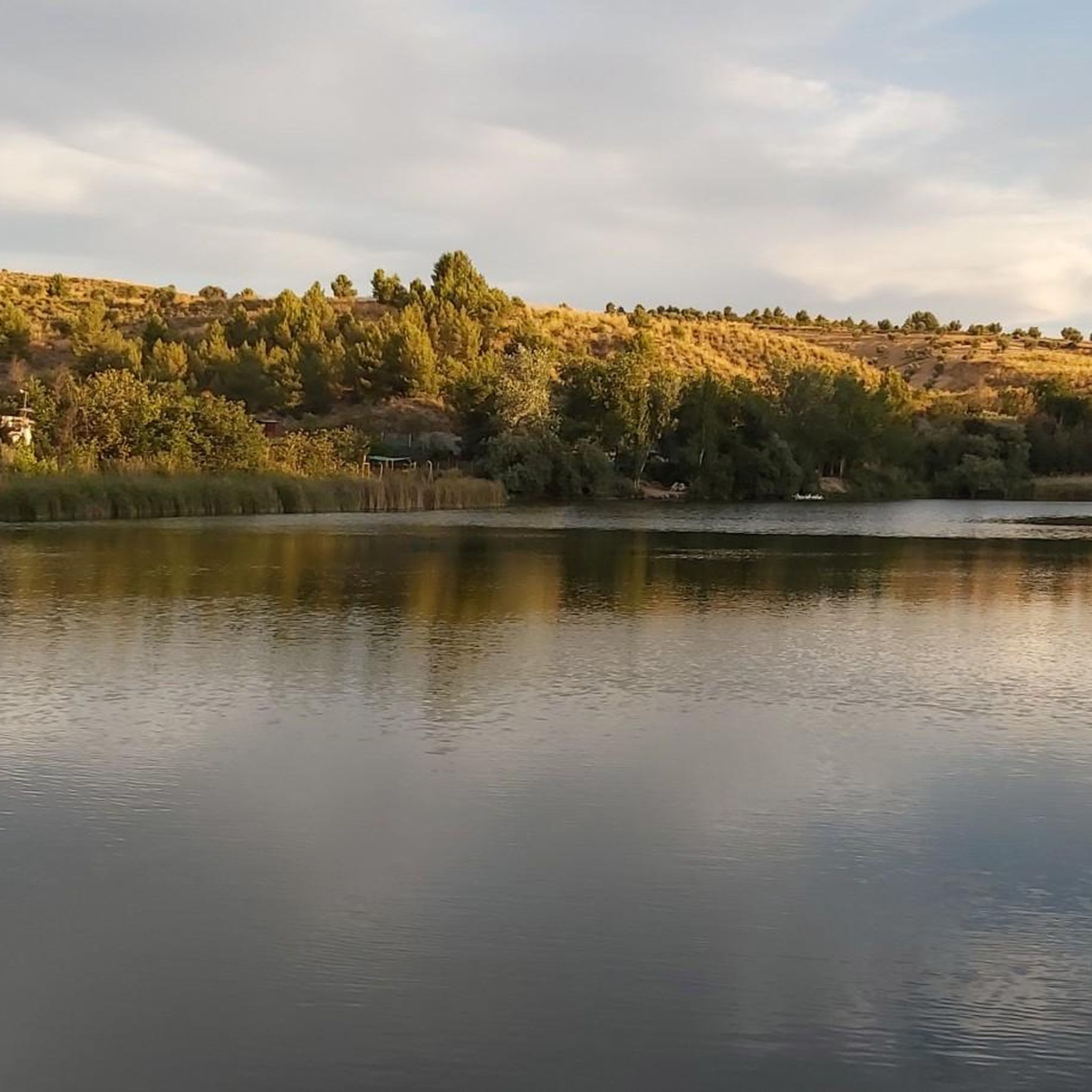
Laguna de Noblejas
Highlight • Lake
Translated by Google •
Tip by

Villamanrique de Tajo Viaduct
Highlight • Bridge
Translated by Google •
Tip by

Sign up for free to discover even more attractions around Villarrubia De Santiago.
Sign up for free
Already have an account?
Start today with a free account
Your next adventure awaits.
Login or Signup

Tips from the Community

Historic town of Madrid famous for its monumental arcaded Plaza Mayor, its limestone quarries (used in the Royal Palace) and its centuries-old wineries with D.O. Vinos de Madrid
4
0

Undoubtedly one of the most beautiful towns in southern Madrid, with a long-standing winemaking and agricultural tradition, its arcaded main square is a must-see.
0
0

A small town near Madrid that is worth visiting to stroll through its streets and enjoy its typical cuisine. Its main attraction is its Plaza Mayor, an example of the architecture of Castilian porticoed squares - with 234 balconies - and where most of the restaurants are concentrated. But it is worth strolling through its streets, going up to see the Church of Nuestra Señora de la Asunción, where we can see Goya's painting "The Assumption of the Virgin". In addition, in front of the church there is a viewing point from which there are excellent views of the Plaza Mayor and the entire town. There is also the Clock Tower and the Lope de Vega Theatre, all just a few metres away. Other places of interest are the Parador de Chinchón, a former Augustinian convent; the Castle of the Counts of Chinchón, the Casa de la Cadena, the hermitages of San Antón and San Roque.
0
0

As an inhabitant, Chinchón is a charming town that is visited by many tourists during the weekends. On sunny days it is practically impossible to find a place on the terraces that surround the Plaza Mayor. But during the weekdays and especially in winter it seems like a ghost town that finally belongs to its inhabitants. Thanks to this, the hospitality industry can survive. The patron saint festivals are in August (12-16).
0
0

The Plaza Mayor in Colmenar de Oreja is one of the most emblematic squares in the Community of Madrid. Its construction began in the 16th century and lasted for more than 100 years. Designed by the architect Juan Bautista de Toledo, a disciple of Michelangelo, the square is a magnificent example of Castilian civil architecture. The square stands out for its porticoed design and its ingenious integration of two neighbourhoods separated by a stream. It also houses historic buildings such as the Town Hall and the Pósito.
7
0

It is an impeccable representation of a Castilian porticoed square, with arcades, stone and wooden columns and traditional facades. The current construction was carried out between the 17th and 18th centuries. The main buildings are the Town Hall and El Pósito. At the exit of the square is the Stone Museum.
2
0
Chinchón, a picturesque town in the Community of Madrid, is famous for its main square, cobblestone streets and rich history.
3
0
Frequently Asked Questions
What historical and cultural sites can I explore in Villarrubia De Santiago?
Villarrubia De Santiago is rich in history. You can visit the monumental Parish Church of San Bartolomé, a 15th-century Herrerian-style church with a Baroque altarpiece. The Hermitage of El Castellar, located on a rocky outcrop overlooking the Tagus River, also offers historical insights. Don't miss the central Plaza Mayor de Chinchón, known for its Castilian atmosphere, or the equally impressive Plaza Mayor of Colmenar de Oreja, a magnificent example of Castilian civil architecture.
Are there any natural attractions or unique landscapes to see?
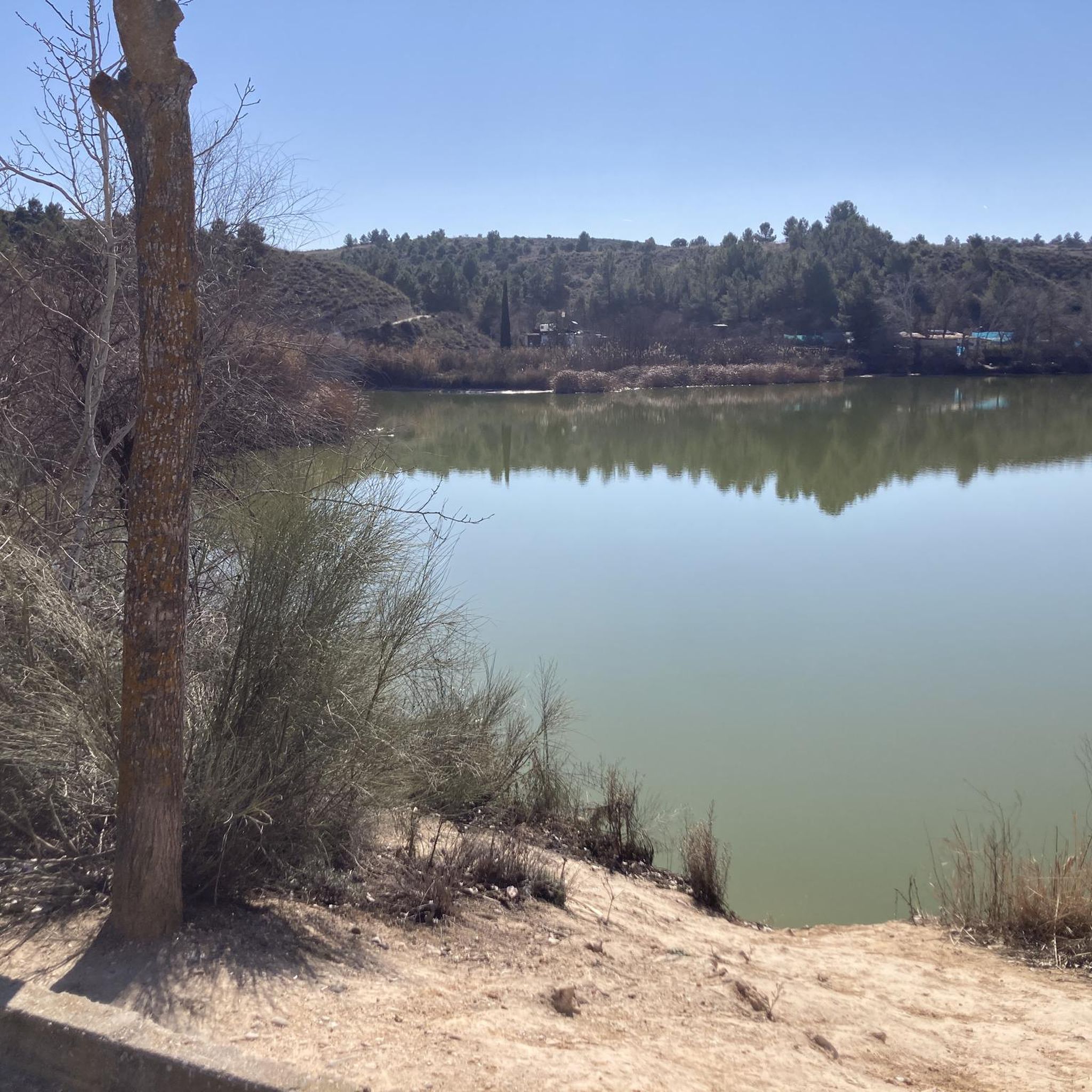
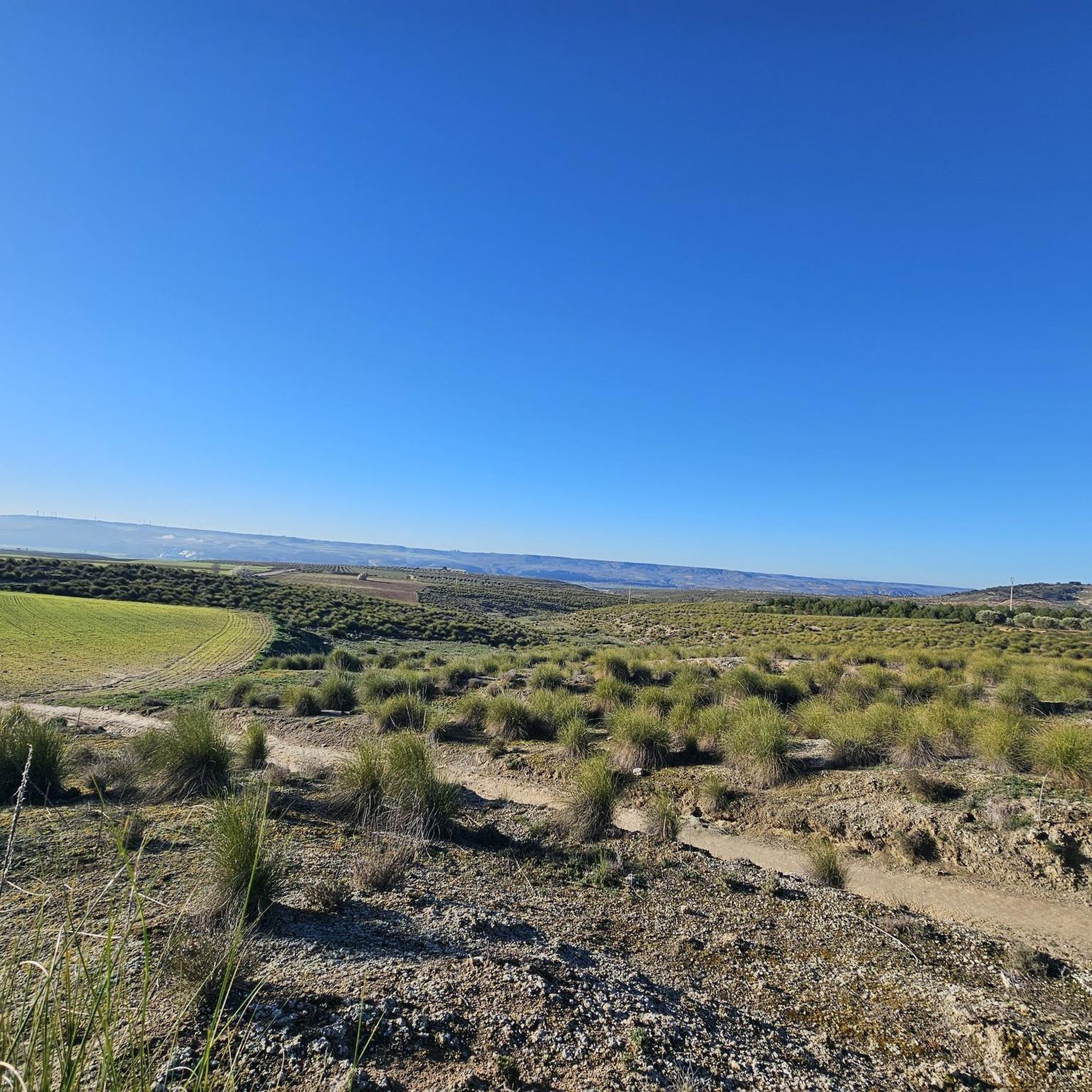
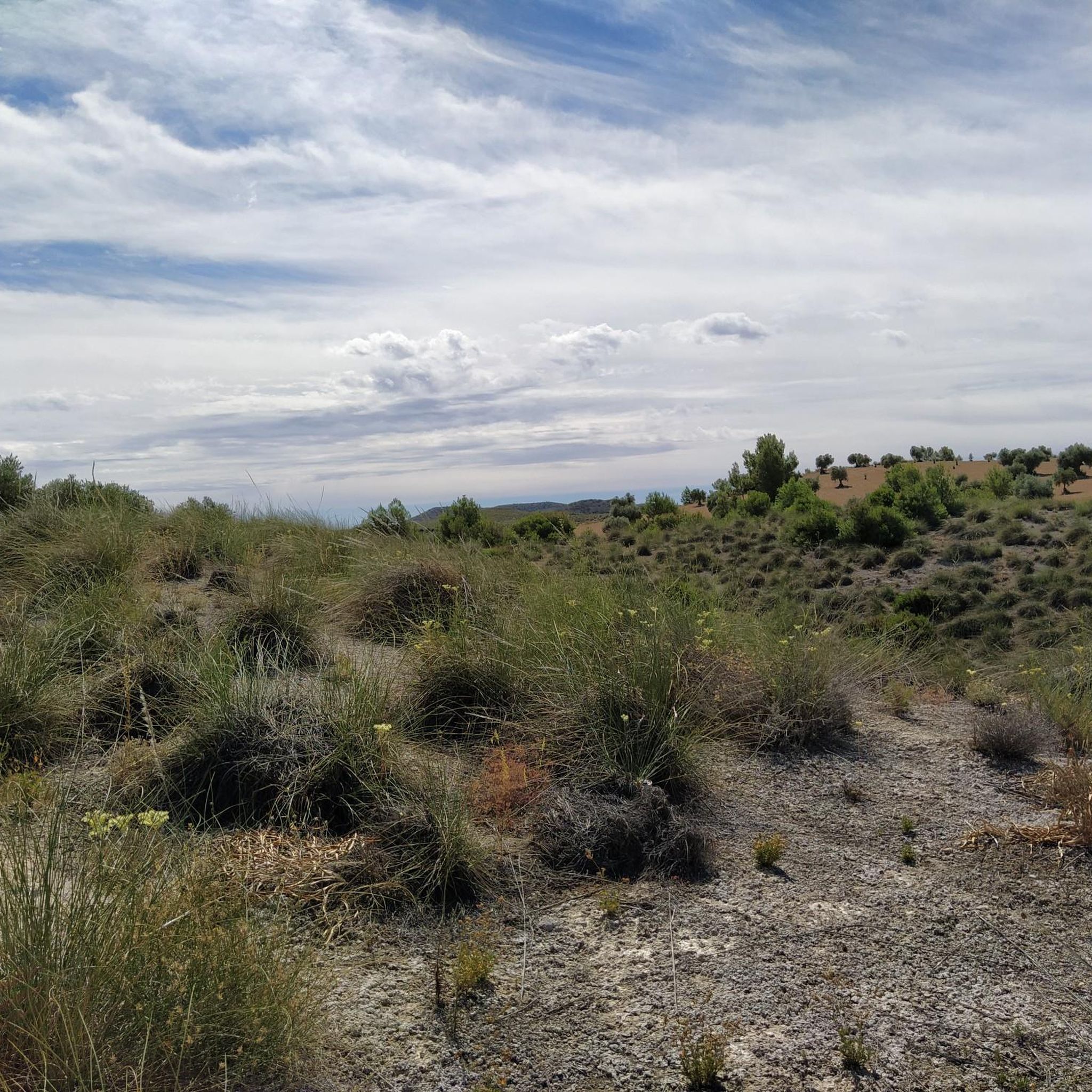
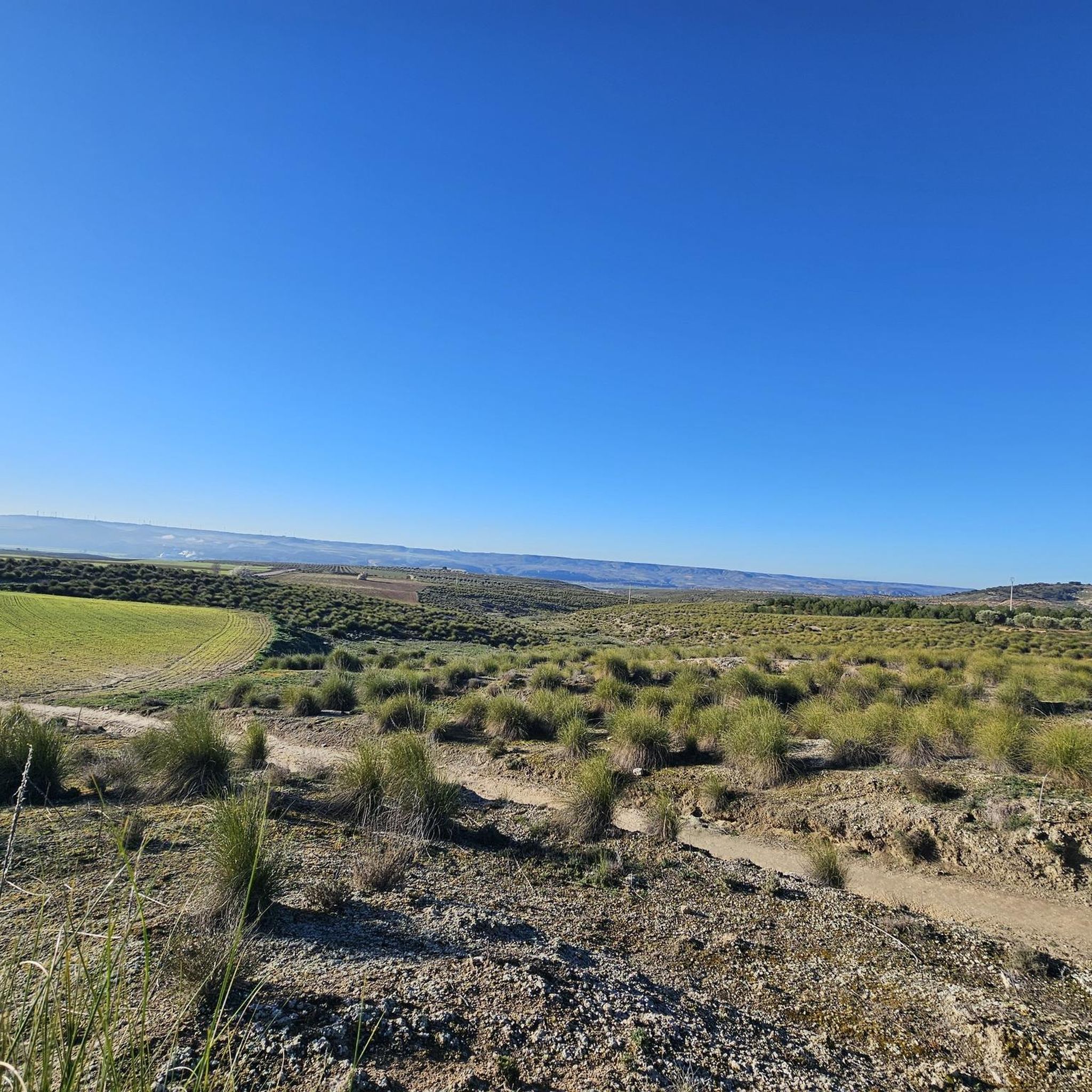
Absolutely. To the north of the town, the Tagus River forms impressive meanders, creating a landscape of ravines and gullies with large cliffs and white limestone hills. The area is also known for its distinctive "Tierra Colorada" (Red Earth). You can also find the tranquil Laguna de Noblejas, a quiet site perfect for a break amidst nature.
What are some family-friendly attractions in the area?
Many attractions around Villarrubia De Santiago are suitable for families. The charming town of Chinchón, with its picturesque streets and main square, is a great option. The Plaza Mayor of Colmenar de Oreja is another historical site that families can enjoy. For a peaceful outdoor experience, the Laguna de Noblejas offers a serene setting.
Can I find any archaeological sites in Villarrubia De Santiago?
Yes, the Archaeological Site of Hoyo de la Serna provides evidence of prehistoric settlement. It features a Carpetanian necropolis from the Second Iron Age, where tombs and various ancient objects have been discovered, indicating complex burial rituals.
What kind of outdoor activities, like cycling, are available near these attractions?
The region offers various cycling opportunities. You can explore MTB trails, road cycling routes, and general cycling tours. For example, the Villamanrique de Tajo Viaduct is now utilized by cyclists traveling between Villamanrique and Fuentidueña. You can find detailed routes and guides for these activities on the MTB Trails around Villarrubia De Santiago, Road Cycling Routes around Villarrubia De Santiago, and Cycling around Villarrubia De Santiago guide pages.
What is the best time to visit Villarrubia De Santiago for sightseeing and outdoor activities?
While specific seasonal weather information isn't detailed, generally, spring and autumn offer pleasant temperatures for exploring historical sites and engaging in outdoor activities like cycling. Summers can be quite warm in this region of Spain, and winters are typically mild.
Are there any unique or lesser-known spots worth visiting?
Beyond the main landmarks, consider visiting the Cueva de la Yedra (Ivy Cave) in Plaza de la Libertad, a mysterious cave believed to be part of an underground network. The 18th-century Fuente Vieja and Fuente Nueva (Old and New Fountains) are also part of a scenic walking route and offer a glimpse into the town's historical water supply.
What is the significance of the Order of Santiago in the region?
Villarrubia de Santiago's rich history is closely tied to the Order of Santiago. This medieval military-religious order left a significant mark on the town's heritage and urban layout, influencing its development and the construction of many historical buildings.
What do visitors enjoy most about the attractions around Villarrubia De Santiago?
Visitors appreciate the blend of historical, cultural, and natural sites. The picturesque towns like Chinchón and the monumental squares like Plaza Mayor of Colmenar de Oreja are highly rated for their atmosphere and history. The tranquil natural spots like Laguna de Noblejas are valued for their peaceful surroundings, offering a quiet break from daily life.
Is Villarrubia De Santiago known for any local products or traditions?
Yes, Villarrubia de Santiago has a notable viticultural tradition. The town is known for producing wines that have received various distinctions, making it an appealing destination for wine and local gastronomy enthusiasts. Its tranquil streets and traditional architecture also reflect a rich cultural heritage.
Are there any impressive man-made structures to see?
Beyond the historical buildings, the Villamanrique de Tajo Viaduct is a notable engineering work. Originally built for a train track, it now serves as a scenic route for cyclists and offers impressive views of the landscape.
Most popular routes around Villarrubia De Santiago
Most popular attractions around Villarrubia De Santiago

Get inspired with the komoot mobile app


Explore more
Still not found the Highlight you’re looking for? See guides of the top attractions in other regions:
