Attractions and Places To See around Sant Boi De Lluçanès - Top 20
Best attractions and places to see around Sant Boi De Lluçanès include a blend of historical sites, cultural heritage, and natural features. This village, located in the northwest of the Lluçanès region, is surrounded by mountains, forests, and agricultural fields. The area offers ancient streets from the 17th and 18th centuries, numerous natural springs, and panoramic viewpoints. It provides opportunities to explore rural landscapes and historical landmarks.
Best attractions and places to see around Sant Boi De Lluçanès
- The most…
Last updated: July 6, 2026
Santuario de Puig-agut
Highlight • Religious Site
Translated by Google •
Tip by

Bellmunt Sanctuary
Highlight • Religious Site
Translated by Google •
Tip by

Sign up now to discover places like this
Get recommendations on the best single tracks, peaks, & plenty of other exciting outdoor places.
Sign up for free
Montesquiu Castle
Highlight • Castle
Translated by Google •
Tip by

Besora Castle
Highlight • Castle
Translated by Google •
Tip by

Sant Martí Xic Chapel
Highlight • Religious Site
Tip by

Sign up for free to discover even more attractions around Sant Boi De Lluçanès.
Sign up for free
Already have an account?
Start today with a free account
Your next adventure awaits.
Login or Signup
Tips from the Community

The Mother of God depicted and venerated here is the Virgin Mary of Lourdes. This well-known Marian pilgrimage site is located in the French Pyrenees and is visited annually by large numbers of people, including many sick people hoping for healing. The devotional image of the Mother of God has become widespread – not only in France – with believers building Lourdes chapels and grottos everywhere. The church feast day of "Our Lady of Lourdes" is February 11th, the anniversary of the Marian apparition (1858), when the Mother of God appeared to 14-year-old Bernadette Soubirous in a rock grotto very close to Lourdes. Bernadette later became a nun and died at the age of just 35. On December 8th (the Feast of the Immaculate Conception of Mary), 1933, she was canonized by Pope Pius XI. The commemoration of the Madonna of Lourdes is also World Day of the Sick.
0
0

Emblematic place in the region.
0
0

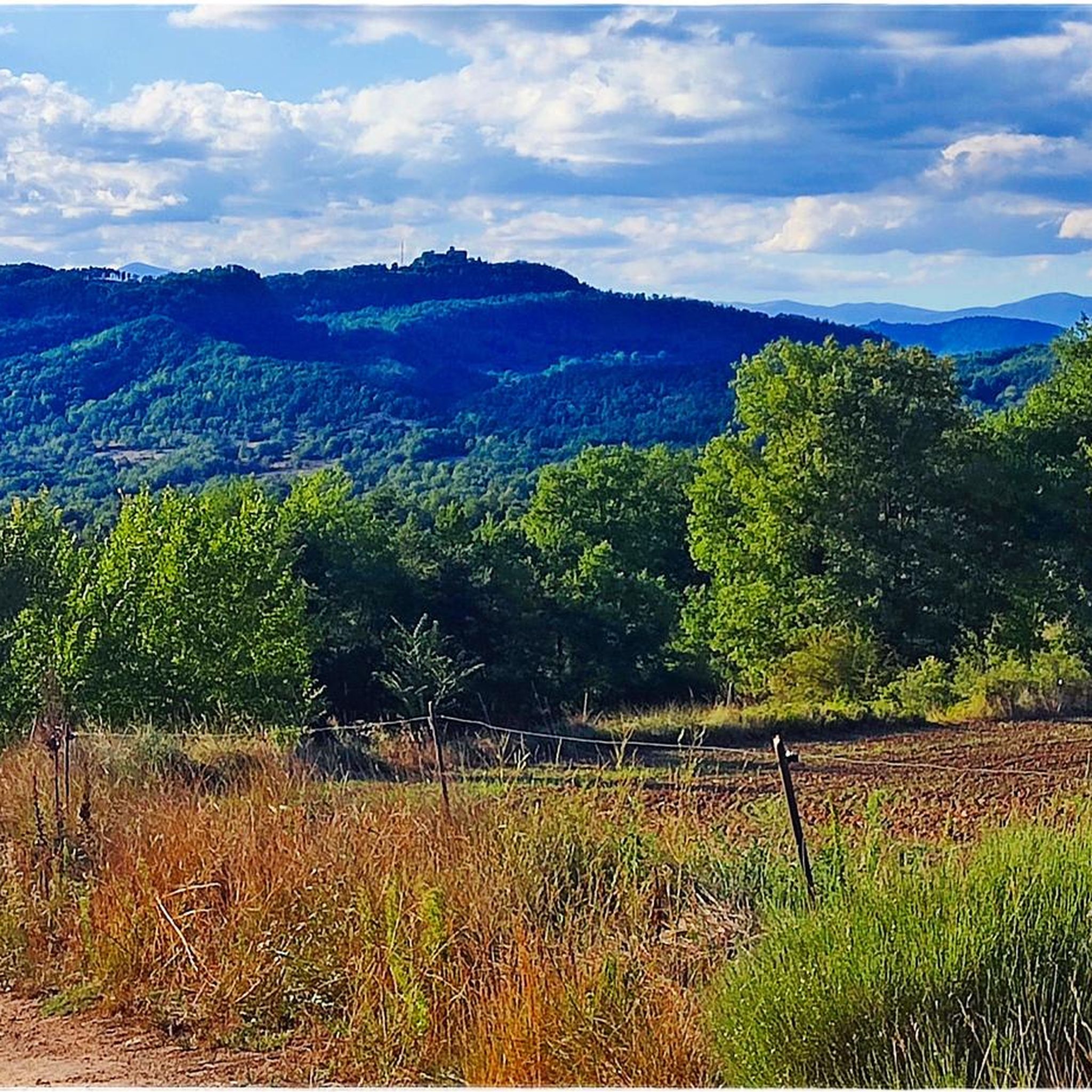
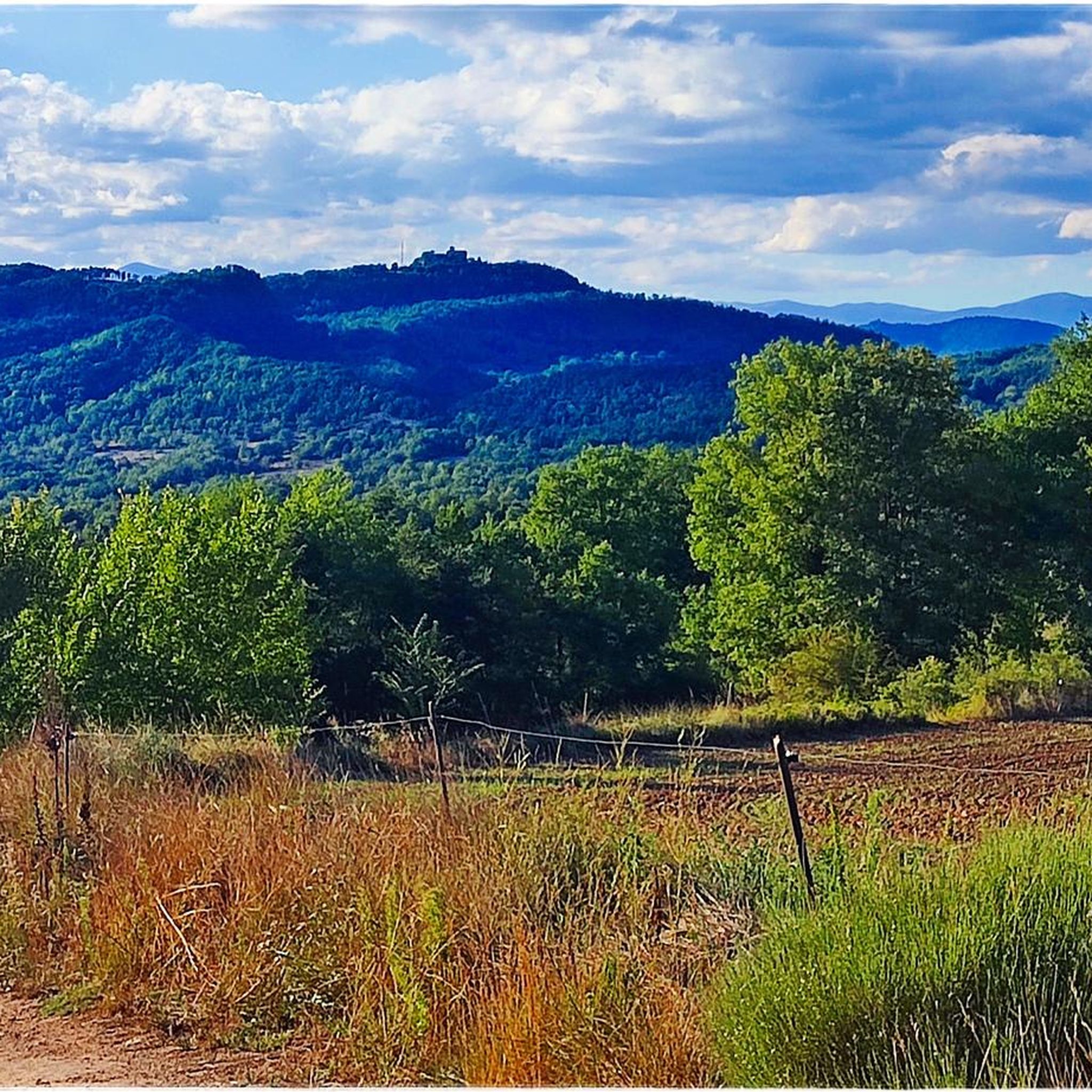
The ruins of the Besora castle and the Romanesque church of Santa María are located on a hill at more than 1000 meters above sea level. It is worth calmly exploring each of its corners and enjoying the beautiful views.
2
0

Very curious temple due to its proportions. It has preserved its entire structure in its primitive elements. The only tagline made in the course of its history was the belfry on the wall opposite the apse. Rectangular plan with a single nave crowned to the east by a semicircular apse. It is covered with a barrel vault reinforced by a single main arch. The covers were non-existent; that of the nave has been resolved with Arab tiles while that of the apse is with stone slabs very well cut and jointed. Below this cover there is a course of very regular rectangular stones placed in the restoration as a cornice. The closing wall of the nave at the eastern corner rises above the roof level. The apparatus is made of limestone ashlars, squared and of very irregular sizes, arranged in irregular courses held with lime mortar. The entrance door opens at noon, resolved with a semicircular arch made of well-cut voussoirs. In this same corner there is a semicircular window and another equal to the west corner that, with the one in the back of the apse, completes the lighting of the church.
0
0

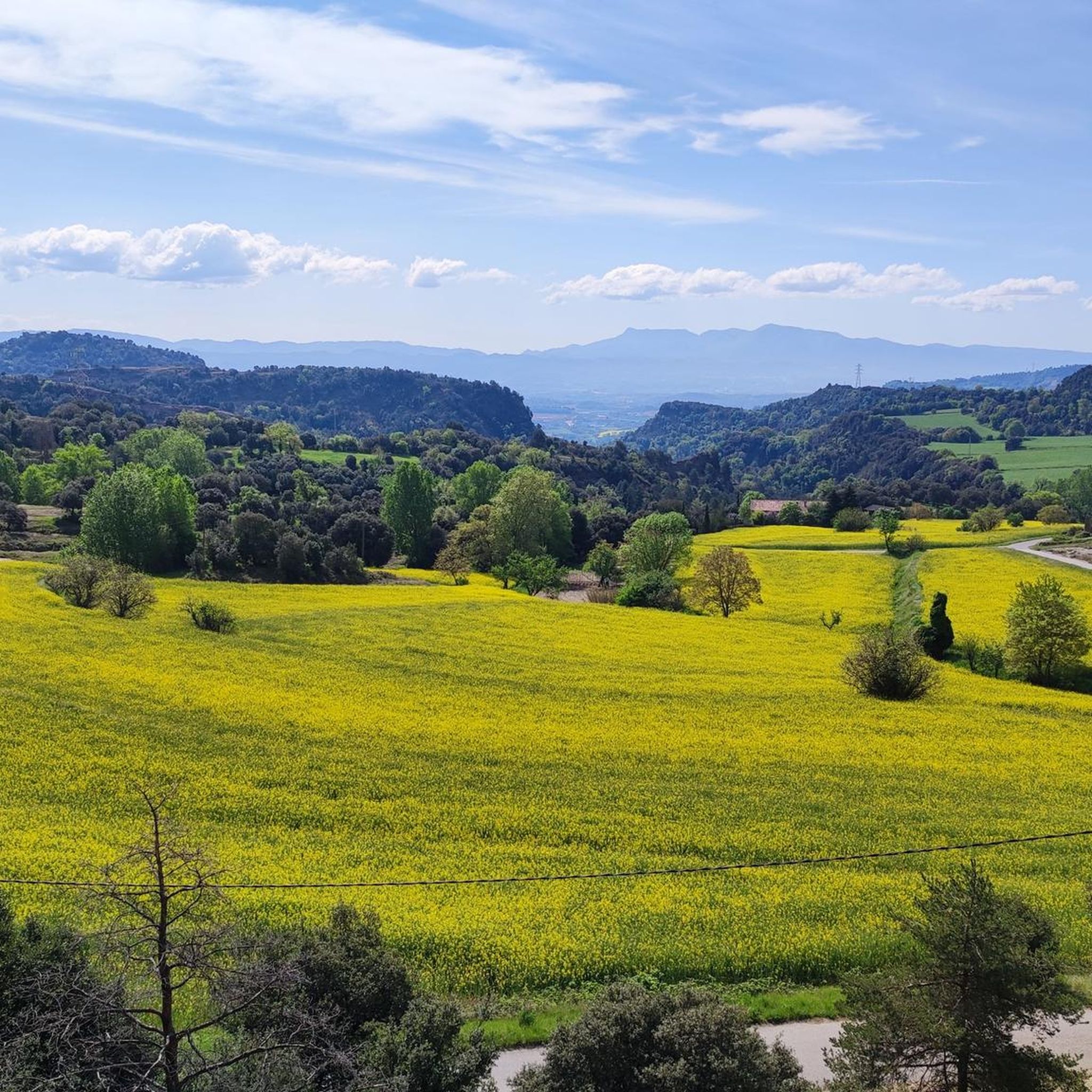
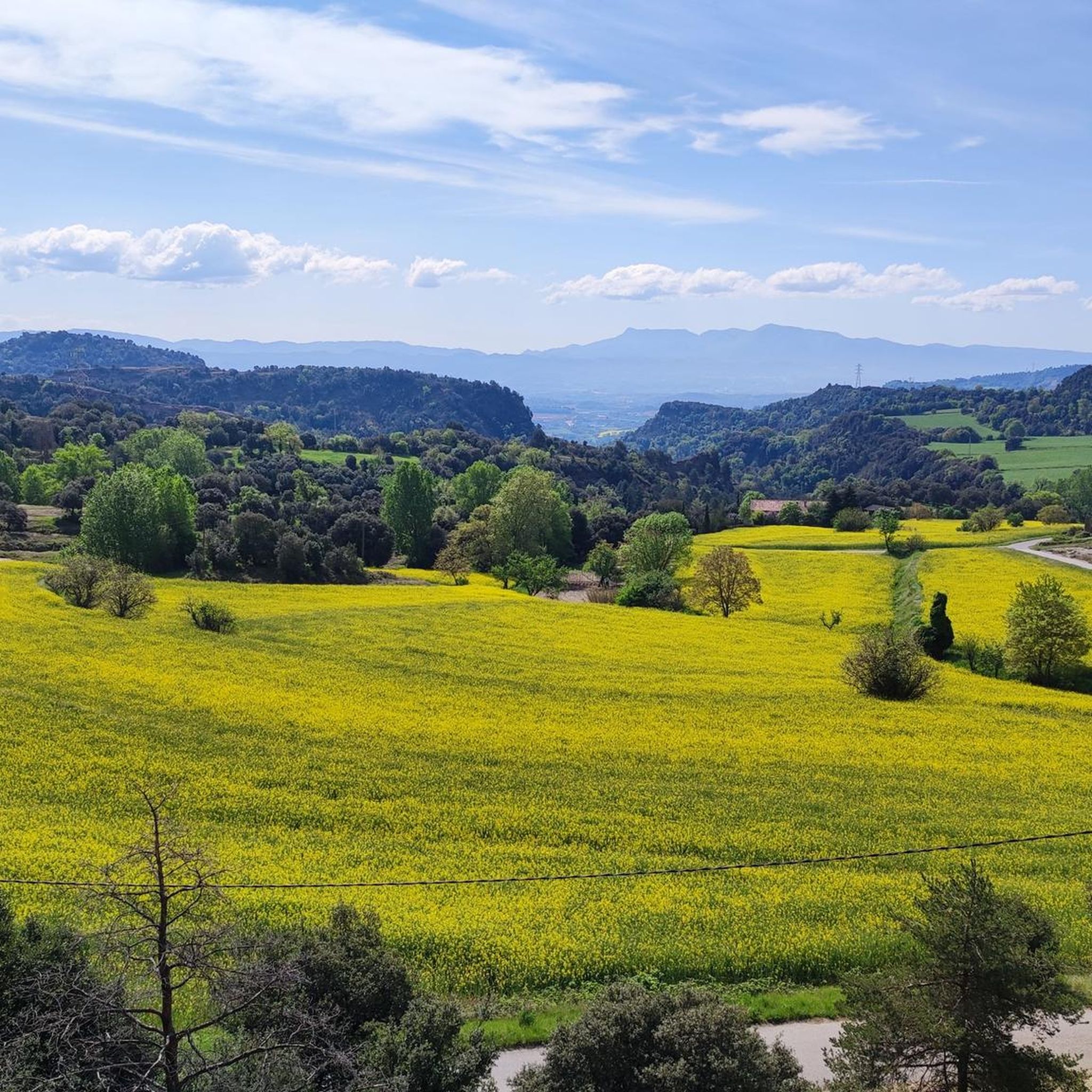
It is a spectacular 6.7 km climb, with spectacular ramps and a narrow road, very well preserved, very winding, drawing all kinds of curves until reaching the Sanctuary. The 360 panoramic views are wonderful: Montseny, flat Vic, the Pyrenees, the sea. You can not ask for much more. I recommend climbing it on a day with good weather to enjoy the views. With the bike you have to reach the entrance of the chapel, overcoming a narrow, concreted and steep final ramp. Don't hesitate and go to the top. I leave you the link with the altimetry published by @cyclingcols --> http://www.cyclingcols.com/col/Bellmunt
0
0


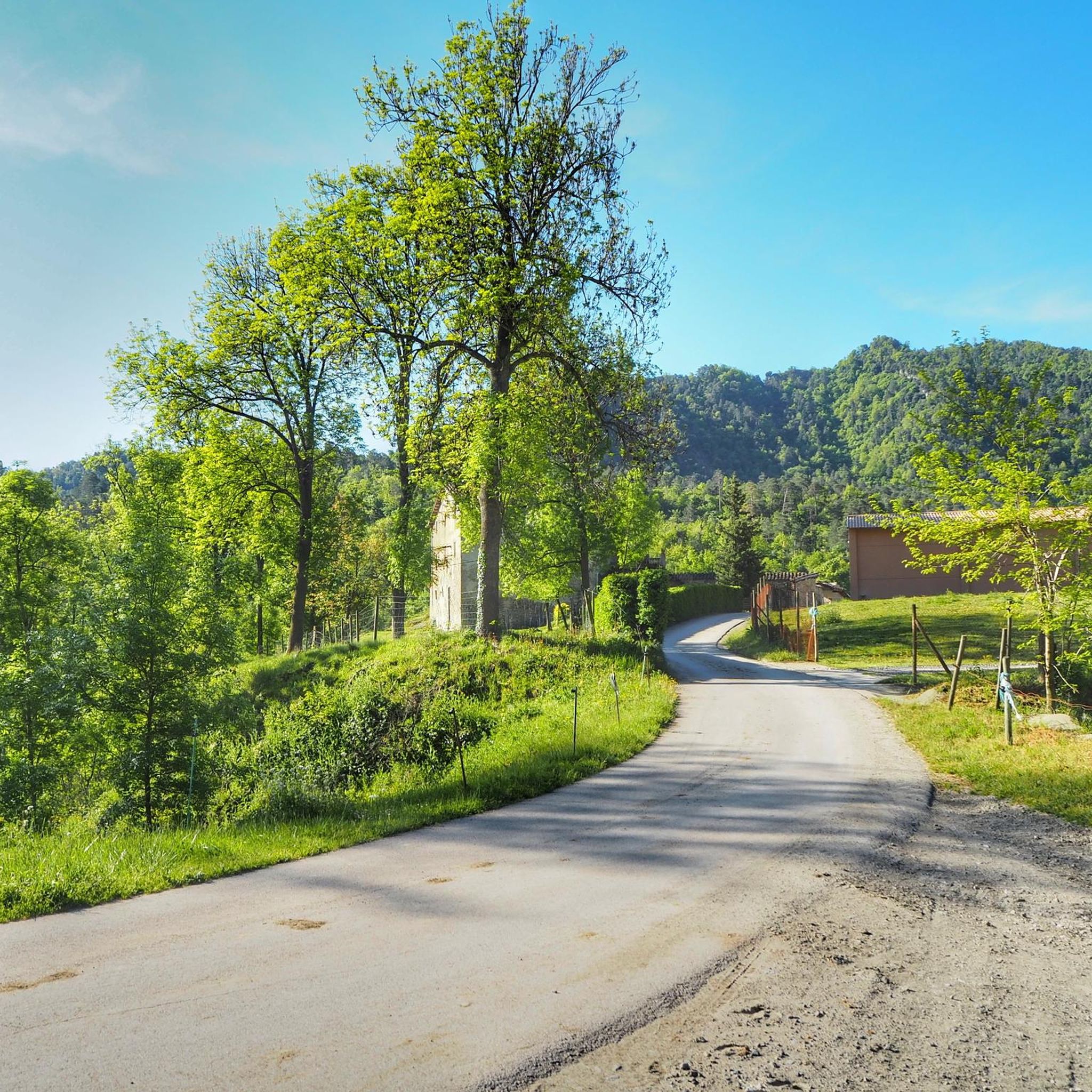
A few months ago I covered the route from the R 3 train station, from Farga de Bebié to Montesquiu Castle and back to Sant Quirze de Besora Pueblo de la Ratafía: It is approximately 5 km. It is worth it, it is a very beautiful route.
2
0
Frequently Asked Questions
What historical and cultural sites can I explore in Sant Boi De Lluçanès?
The village offers a rich history with its ancient streets from the 17th and 18th centuries, featuring portals with dated lintels. You can visit the majestic Parish Church of Sant Baldiri, which houses significant Baroque altarpieces. Other notable sites include the Santuario de Puig-agut, a beautiful hermitage with unique architecture, and the ruins of Besora Castle, which includes remains of a Romanesque church. For those interested in natural history, there's also a Museum of Fossils.
Where can I find the best panoramic views in the area?
For breathtaking panoramic views, head to the Bellmunt Sanctuary, built directly on rock at 1,247 meters, offering extensive vistas of the Plain of Vic, the Pyrenees, and Montserrat on clear days. The Santuari de la Mare de Déu dels Munts also provides spectacular views over the Lluçanès and Osona regions. Additionally, the Mirador de Sant Salvador de Bellver offers great views of Sant Boi and the plain of Vic, and Besora Castle provides a fantastic 360º panorama.
Are there any significant natural landmarks to visit?
Yes, a must-see natural landmark is El Roure de la Senyora (The Lady's Oak), an immense, centuries-old oak tree classified as monumental. The region is also characterized by its surrounding mountain ranges like the Munts and Puigcornador, and lush forests of red pine and oak, offering a tranquil rural landscape.
What kind of outdoor activities are available around Sant Boi De Lluçanès?
The area is ideal for various outdoor activities. You can enjoy gentle walks, cycling routes, and explore numerous signposted routes that lead through rural paths and old farmhouses. For more structured activities, consider exploring the hiking trails, gravel biking routes, or running trails available in the region.
Are there specific hiking trails suitable for different difficulty levels?
Yes, the area offers a variety of hiking trails. For an easy hike, you could try the 'Els Munts Summit and Sanctuary loop from Sant Boi de Lluçanès' (5.25 km). Moderate options include 'Els Munts Circular from Sant Boi de Lluçanès' (8.25 km) or 'The Lady's Oak – Santuari dels Munts loop from Sant Boi de Lluçanès' (10.2 km). You can find more details and routes on the hiking guide page.
Can I find family-friendly attractions or activities?
Many of the signposted routes are suitable for all ages, offering a great way for families to discover rural paths and natural elements. The Hermitage of Sant Roc of Sant Pere de Torelló is noted as family-friendly, offering an easy and accessible route with views of Sant Pere de Torelló and Osona. Exploring the natural springs like Font dels Plàtans with its shaded picnic spots can also be a pleasant family activity.
What are some unique natural features like springs in the region?
The area around Sant Boi de Lluçanès is rich in refreshing natural springs, perfect for a peaceful outdoor experience. Notable examples include Font dels Plàtans, a shaded spot with stone benches and tables, Font de la Talaia, Font de la Prada, Font de la Mina known for its clean water, and Font del Soler.
What is the best time of year to visit Sant Boi De Lluçanès for outdoor exploration?
Sant Boi de Lluçanès is beautiful throughout the year, but for outdoor exploration, spring and autumn offer pleasant temperatures and vibrant landscapes. The fertile land is also known for chanterelle mushrooms, particularly in autumn, making it an interesting time for foraging enthusiasts.
What local products or gastronomy should I look out for?
The local gastronomy is highly regarded, especially the excellent bread. You should also look for local products such as honey, cheese, and meats, which are popular in the region.
Are there any lesser-known spots or "hidden gems" worth discovering?
Beyond the main attractions, exploring the numerous natural springs scattered around the village, such as Font de la Mina or Font de la Prada, can offer a serene and less crowded experience. The quiet, winding old streets of the village itself, with their 17th and 18th-century architecture, also provide a charming, intimate glimpse into the region's past.
What kind of religious buildings are prominent in the area?
The region is home to several significant religious buildings. The Parish Church of Sant Baldiri is a central landmark. Other notable sites include the Santuario de Puig-agut, the Bellmunt Sanctuary, and the Sant Martí Xic Chapel, a curious Romanesque hermitage with exceptional views. The Santuari de la Mare de Déu dels Munts is also a key religious site offering panoramic vistas.
Are there opportunities for cycling or gravel biking?
Yes, the rural landscape and mountain ranges around Sant Boi de Lluçanès are well-suited for cycling and gravel biking. You can find various routes, including challenging ones like the 'Serratosa Pass Viewpoint – La Trona Road loop from Torelló' (35.94 km) or moderate options like the 'Ter Promenade, Manlleu – Santuario de Puig-agut loop from Torelló' (28.08 km). Explore more options on the gravel biking guide page.
Most popular routes around Sant Boi De Lluçanès
Most popular attractions around Sant Boi De Lluçanès

Get inspired with the komoot mobile app


Explore more
Still not found the Highlight you’re looking for? See guides of the top attractions in other regions:
