Attractions and Places To See around Santa María De La Alameda - Top 20
Attractions and places to see around Santa María De La Alameda, located in the Sierra Oeste of Madrid, offer a blend of historical landmarks, cultural sites, and natural landscapes. This mountain village, one of the highest in the Community of Madrid, provides a base for exploring its heritage and the surrounding Guadarrama mountain range. The area features prominent peaks, scenic rivers, and numerous viewpoints. Visitors can discover a variety of historical sites and natural features within the municipality and its charming villages.
Best attractions and places to see around Santa María De La Alameda
- The most popular attractions is Seat of Philip II, a viewpoint that offers panoramic views of the Guadarrama Valley and the Monastery of El Escorial. This natural granite observatory is also considered by some experts to be an ancient Celtiberian altar.
- Another must-see spot is Mount Abantos, a summit in the Guadarrama mountain range. It is known for its accessible ascent via the GR-10 trail and provides extensive views from its peak.
- Visitors also love Royal Monastery of San Lorenzo de El Escorial, a historical site and religious building. This UNESCO World Heritage site, built in the 16th century, showcases a sober Renaissance style and served as a royal pantheon.
- Santa María De La Alameda is known for its historical sites, natural viewpoints, and hiking trails. The region offers a variety of attractions to see and explore, from ancient structures to mountain summits.
- The attractions around Santa María De La Alameda are appreciated by the komoot community, with 251 upvotes and 82 photos shared by visitors.
Last updated: July 6, 2026
Seat of Philip II
Highlight • Viewpoint
Some experts assure that these granite seats, for the king and two companions, are the remains of a thousand-year-old Celtiberian altar. From here you can perceive that the Monastery has the shape of an inverted grill, in homage to San Lorenzo, who was martyred in one of them back in the year 258, since it is located on a small hill from which the Guadarrama Valley and the Sierra de Navacerrada.
Translated by Google •
Tip by

Mount Abantos
Highlight • Summit
Translated by Google •
Tip by
Sign up now to discover places like this
Get recommendations on the best single tracks, peaks, & plenty of other exciting outdoor places.
Sign up for free
Valmayor Reservoir Dam
Highlight • Monument
Translated by Google •
Tip by

Royal Monastery of San Lorenzo de El Escorial
Highlight • Historical Site
You can consult the official website for visiting hours and purchase tickets
patrimonionacional.es/visita/real-monasterio-de-san-lorenzo-de-el-escorial
Translated by Google •
Tip by

Las Zetas de Abantos
Highlight (Segment) • Trail
Translated by Google •
Tip by

Sign up for free to discover even more attractions around Santa María De La Alameda.
Sign up for free
Already have an account?
Start today with a free account
Your next adventure awaits.
Login or Signup
Popular around Santa María De La Alameda

Tips from the Community

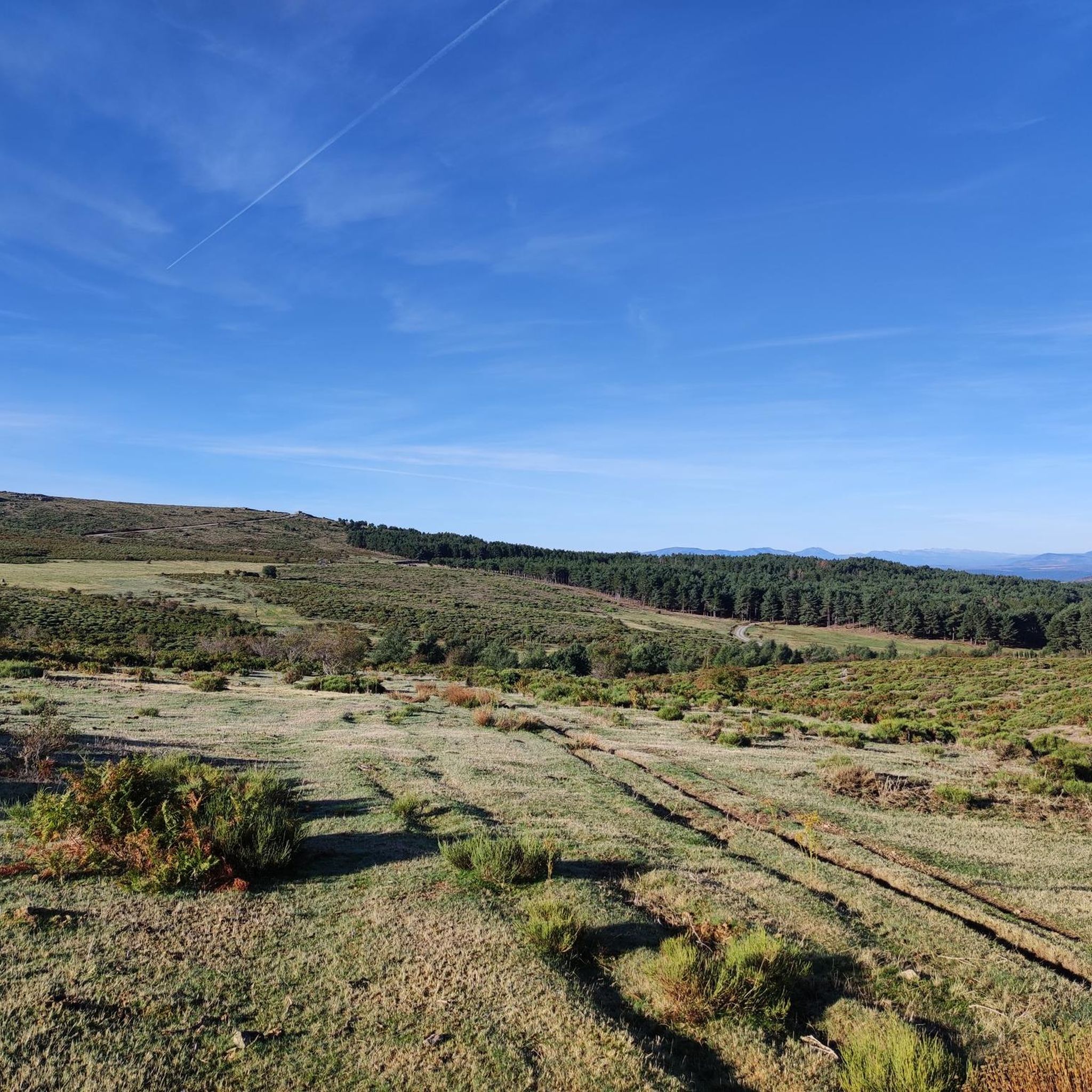
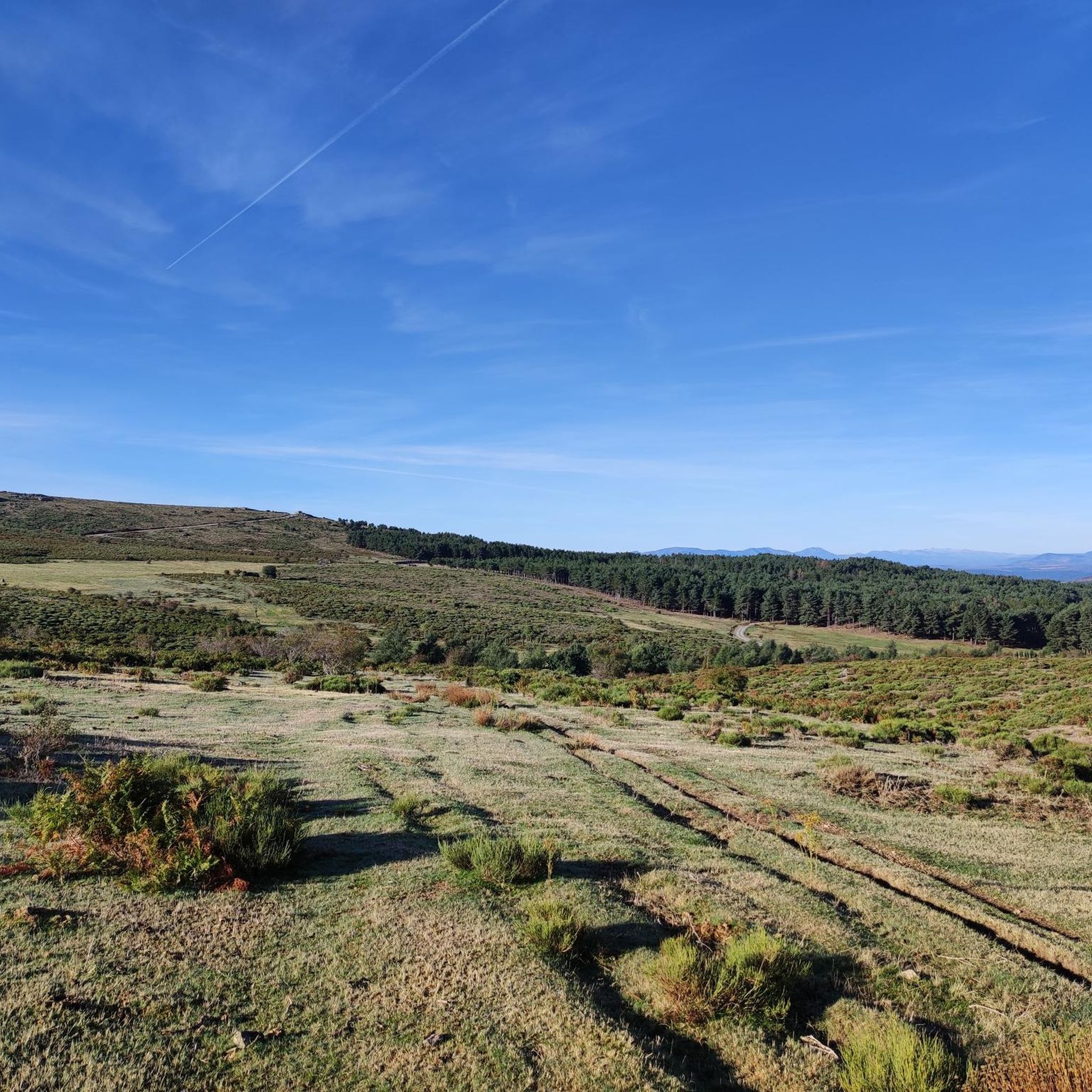
They say (I don't know how true this is) that Philip II used to watch the progress of the construction of the colossal monastery from this very spot during his hunting trips, which he was very fond of. Whether true or not, it makes for a beautiful viewpoint, especially in autumn.
1
0

The Chair of Philip II is a famous granite viewpoint in San Lorenzo de El Escorial, near Madrid. Legend has it that King Philip II used it to view the construction of the Monastery of El Escorial. However, experts believe it was actually an ancient Celtic altar, possibly used for rituals. Today, it's a popular hiking spot with stunning views of the monastery and its surroundings.
3
0
The Monastery of El Escorial was built by King Philip II in the 16th century to commemorate a military victory and serve as a royal pantheon for the Habsburg dynasty. Designed by architects Juan Bautista de Toledo and Juan de Herrera, it is characterized by its sober, Renaissance style. Today it is a UNESCO World Heritage Site.
6
1

The Chair of Philip II is a group of platforms and seats carved in granite. According to tradition, Philip II used this site as an observatory during the construction of the Monastery of El Escorial. However, some theories suggest that it could be an ancient Vetton altar. This site offers spectacular views of the Monastery of El Escorial and its surroundings, including the La Herrería forest. The route to reach the Chair of Philip II is quite accessible and can be done in approximately one hour from the San Lorenzo de El Escorial Tourist Office.
1
0
The Chair of Philip II is a group of platforms and seats carved in granite. According to tradition, Philip II used this site as an observatory during the construction of the Monastery of El Escorial. However, some theories suggest that it could be an ancient Vetton altar. This site offers spectacular views of the Monastery of El Escorial and its surroundings, including the La Herrería forest. The route to reach the Chair of Philip II is quite accessible and can be done in approximately one hour from the San Lorenzo de El Escorial Tourist Office.
1
0

If there is a lot of water like this time, there is no way to pass through the dam.
0
0

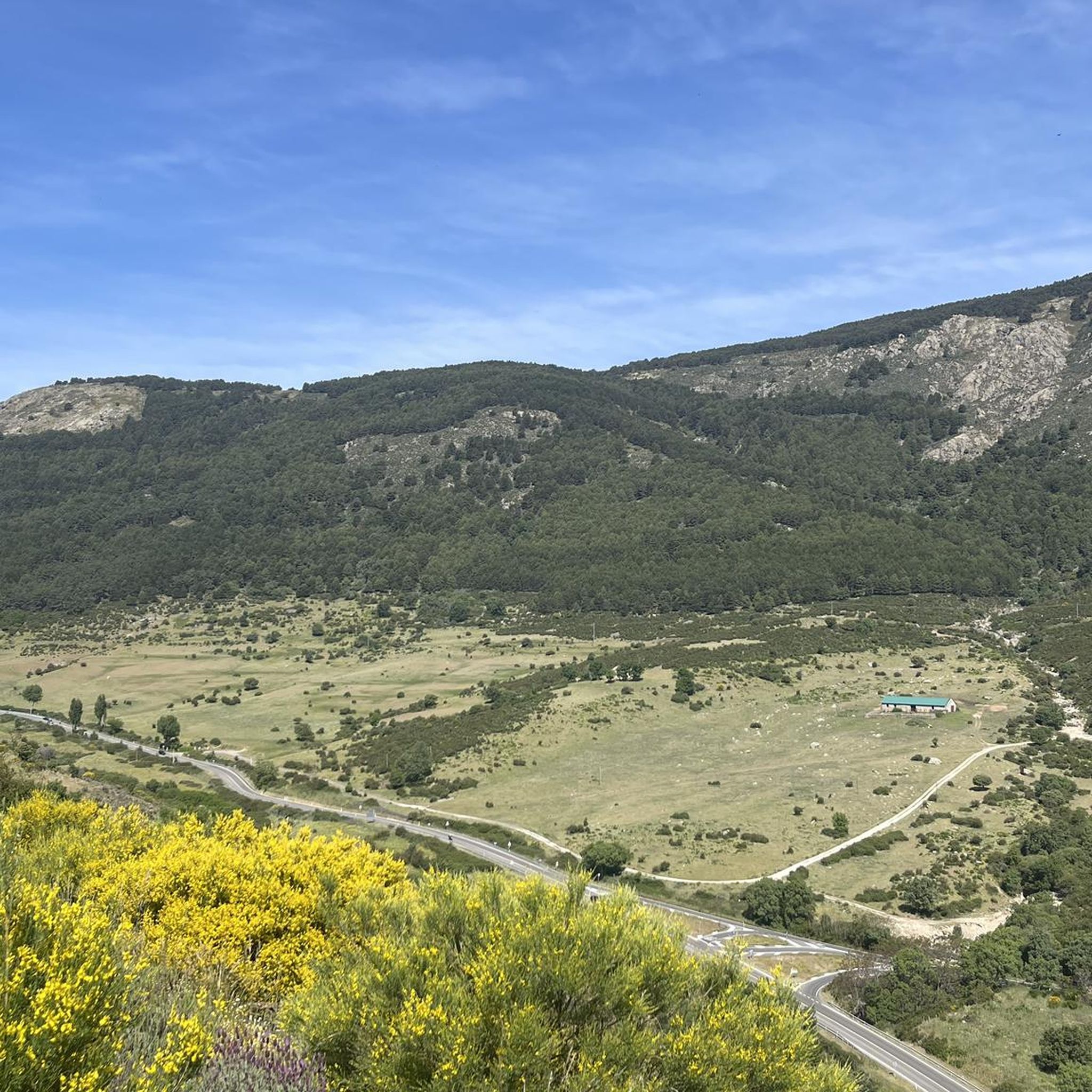
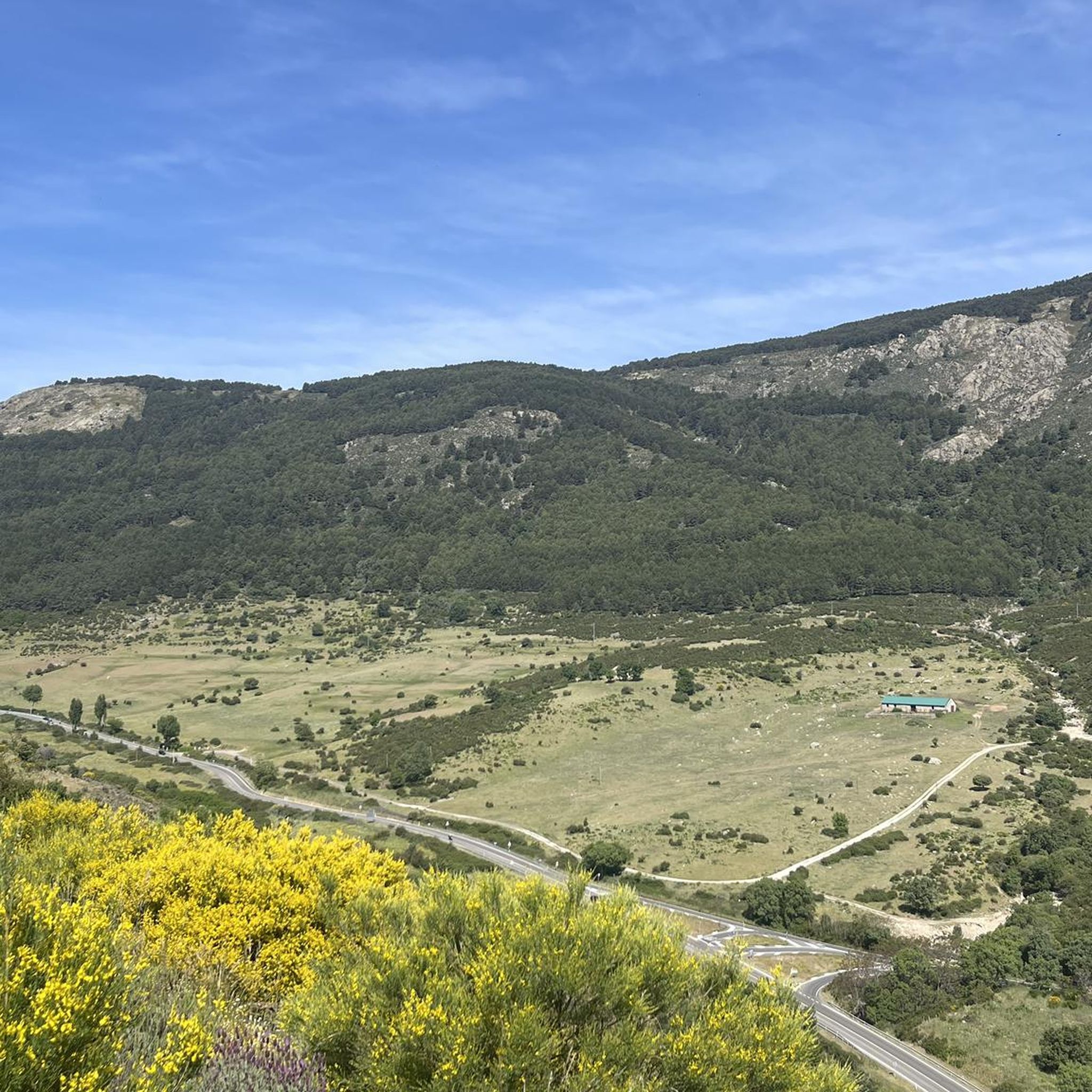
This popular stretch of the area is a perfect example of what hillside zetas are like. Well known among runners and bikers, it is also a luxury to do it on foot, since we can also link them with some more demanding routes. And remember, if you do them uphill, it is best to start little by little.
1
0

A long, hilarious path that descends dizzyingly in the form of sharp curves towards the Horizontal Alta. After passing the Luis Ceballos Arboretum and the Fuente de los Guindos we reach the junction where the Abantos road leaves, turning left along a dirt track to cross the Los Llanitos Recreational Area and after leveling out for about 800 meters we find a path the left that goes down the slope of the Pinar de Abantos. Las Zetas de Abantos is a fun trail with 16 twists and turns that descends to the Cordel Del Valle for 1,800 meters. Not technically complicated, only the curves require some skill. It is very busy on the weekend, both going up and down, so you have to be careful. Once the descent is finished, you can continue in an easterly direction towards El Escorial along the Cordel Del Valle, crossing the Montes del Romeral and El Cerrado, going down to the Senda La Horizontal along which we turn back towards the west. This 4.7 kilometer track was frequented by the monks of the monastery who chose flat paths to walk. At the end of the track, you go down to the M 505 road, which takes you to La Herrería.
0
0
Frequently Asked Questions
What historical landmarks can I explore in Santa María De La Alameda?
Santa María De La Alameda offers a rich history. You can visit the 16th-century Iglesia Parroquial de Nuestra Señora de la Alameda in the main square, which blends Gothic and Baroque styles. The Ayuntamiento (Town Hall), built in 1896, is also a notable structure. Don't miss the Antiguo Lavadero, an old wash house reflecting historical daily routines, and the original Estación de Ferrocarril from 1863.
Are there good hiking opportunities around Santa María De La Alameda?
Yes, the area is a popular destination for hikers. You can find a variety of routes such as "Camino de los Cuatro," "Chorrera del Hornillo," and "Ruta Río Cofio." A prominent peak for hiking is Mount Abantos, known for its accessible ascent via the GR-10 trail and rewarding views. For more specific routes, you can explore the Running Trails around Santa María De La Alameda guide, which includes trails like the "Senda del Hornillo".
What natural viewpoints offer the best scenery?
The region is renowned for its spectacular vistas. The Seat of Philip II is a famous natural granite observatory offering panoramic views of the Guadarrama Valley and the Monastery of El Escorial. Mount Abantos also provides extensive views from its summit. Additionally, the Puerto de Malagón, a mountain pass, offers amazing views of the Community of Madrid.
Can I find family-friendly activities in the area?
Yes, several attractions are suitable for families. The Seat of Philip II is considered family-friendly, offering an interesting historical legend and great views. The Royal Monastery of San Lorenzo de El Escorial is also a family-friendly historical site, providing an educational experience about Spain's Golden Age.
What kind of outdoor sports can I do near Santa María De La Alameda?
Beyond hiking, the area is excellent for various outdoor sports. You can find challenging routes for road cycling, such as those listed in the Road Cycling Routes around Santa María De La Alameda guide. Gravel biking is also popular, with routes like the "Valmayor Reservoir – The Seven Gates loop" detailed in the Gravel biking around Santa María De La Alameda guide.
Are there any unique cultural sites beyond the main town?
Absolutely. In the village of Robledondo, you can visit the restored Iglesia de San Ramón Nonato. Throughout the scattered villages like Navalespino, Robledondo, and Las Herreras, you'll find examples of traditional agricultural and livestock architecture, including Potros de herrar (farrier's stocks) and Pilones (troughs). The Canal del Escorial, a 16th-century aqueduct, is another historical engineering marvel.
What are the main rivers and natural features in the municipality?
The municipality is nestled within the Sierra de Guadarrama mountain range. The Río Cofio and Río Aceña flow through the area, providing scenic spots and opportunities for activities like fishing. A notable natural feature is the Cascada de Chubieco (Chubieco Waterfall) near Peguerinos, which is particularly impressive in spring due to snowmelt.
When is the best time of year to visit Santa María De La Alameda for outdoor activities?
Spring and autumn are generally ideal for outdoor activities in Santa María De La Alameda. Spring offers lush greenery and increased water flow at waterfalls like Cascada de Chubieco, while autumn provides pleasant temperatures and beautiful foliage. Summer can be warm, but the higher elevation offers some respite, and winter can bring snow to the mountains, suitable for different types of activities.
Where can I see remnants of the Spanish Civil War?
The surroundings of Santa María De La Alameda bear historical traces of the Spanish Civil War. You can find remnants of machine gun nests, bunkers, and trenches throughout the municipality, offering a poignant glimpse into this period of history.
What traditional architecture or rural charm can I discover in the surrounding villages?
The municipality encompasses several charming smaller villages such as La Estación, Navalespino, Robledondo, La Hoya, La Paradilla, Las Herreras, and El Pimpollar. Each contributes to the region's unique rural charm, showcasing traditional architecture, including examples of Potros de herrar (farrier's stocks) and herrías de fuego (blacksmiths) that reflect the area's agricultural heritage.
What do visitors particularly enjoy about the attractions here?
Visitors frequently praise the stunning panoramic views from spots like the Seat of Philip II and Mount Abantos. The historical significance of sites like the Royal Monastery of San Lorenzo de El Escorial is also highly appreciated. Many enjoy the diverse hiking trails and the opportunity to explore both natural beauty and rich history.
Is there a significant railway bridge in the area?
Yes, near El Pimpollar, you can find the impressive Puente Recondo. This railway bridge features seven arches spanning the Cofio River, offering striking views and showcasing a significant engineering feat from the past.
Most popular routes around Santa María De La Alameda
Most popular attractions around Santa María De La Alameda

Get inspired with the komoot mobile app


Explore more
Still not found the Highlight you’re looking for? See guides of the top attractions in other regions:
