Attractions and Places To See around Bujalance - Top 20
Best attractions and places to see around Bujalance include a rich tapestry of historical, cultural, and natural sites within the province of Córdoba, Andalusia. The town's old quarter, declared a Historic-Artistic site, features a homogeneous Andalusian architectural style with Arab and Baroque influences. The landscape is characterized by extensive olive groves and the nearby Guadalquivir River, offering diverse exploration opportunities. Visitors can discover ancient fortresses, significant religious buildings, and scenic natural areas.
Best attractions and places to see around Bujalance
…Last updated: June 29, 2026
Villafranca Iron Bridge
Highlight • Bridge
Translated by Google •
Tip by

Fountain in Montoro
Highlight • Monument
Translated by Google •
Tip by

Sign up now to discover places like this
Get recommendations on the best single tracks, peaks, & plenty of other exciting outdoor places.
Sign up for free
Sierra Morena Viewpoint
Highlight • Viewpoint
Translated by Google •
Tip by

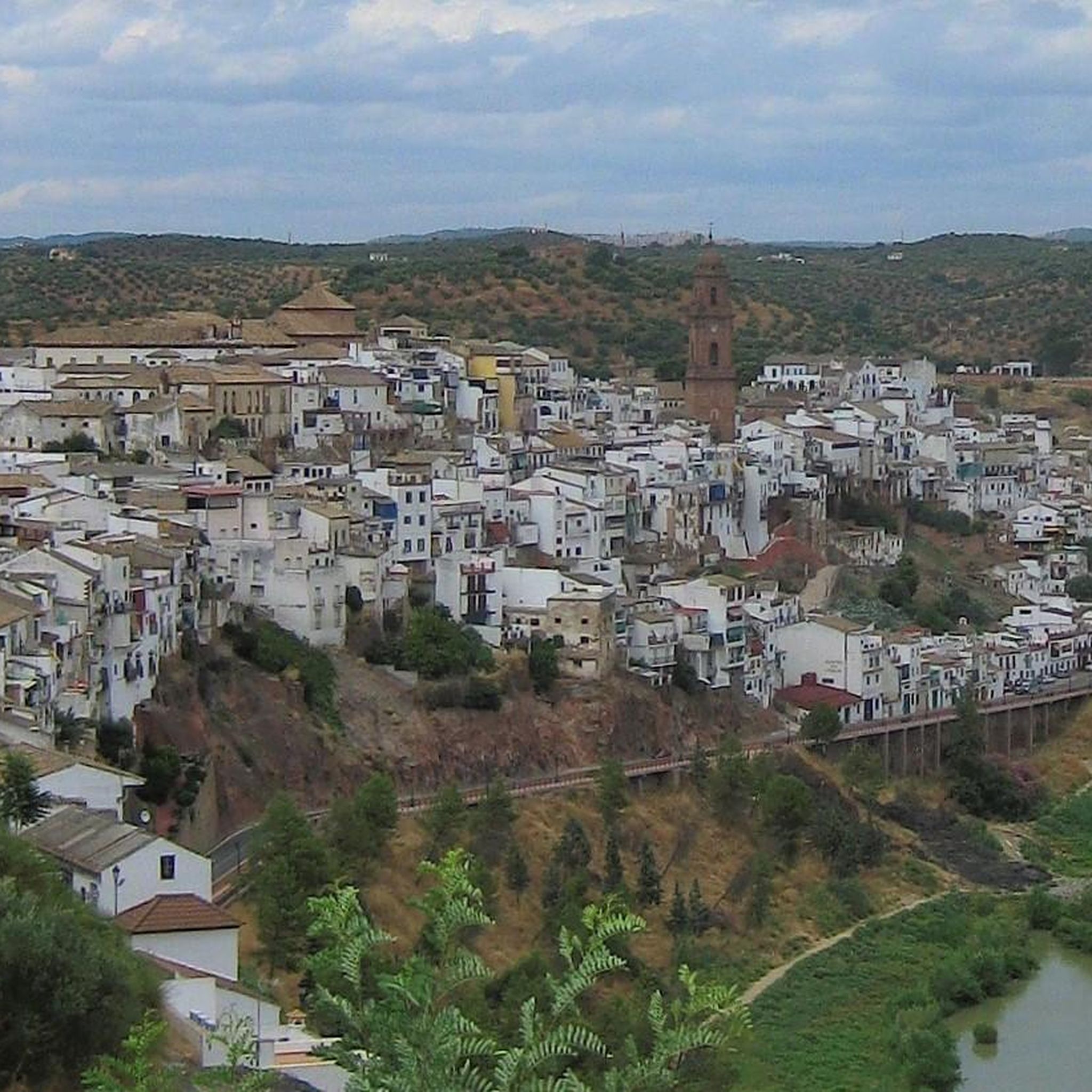
Montoro
Highlight • Settlement
Translated by Google •
Tip by
Castillo de Lopera
Highlight • Castle
Translated by Google •
Tip by

Sign up for free to discover even more attractions around Bujalance.
Sign up for free
Already have an account?
Start today with a free account
Your next adventure awaits.
Login or Signup

Tips from the Community

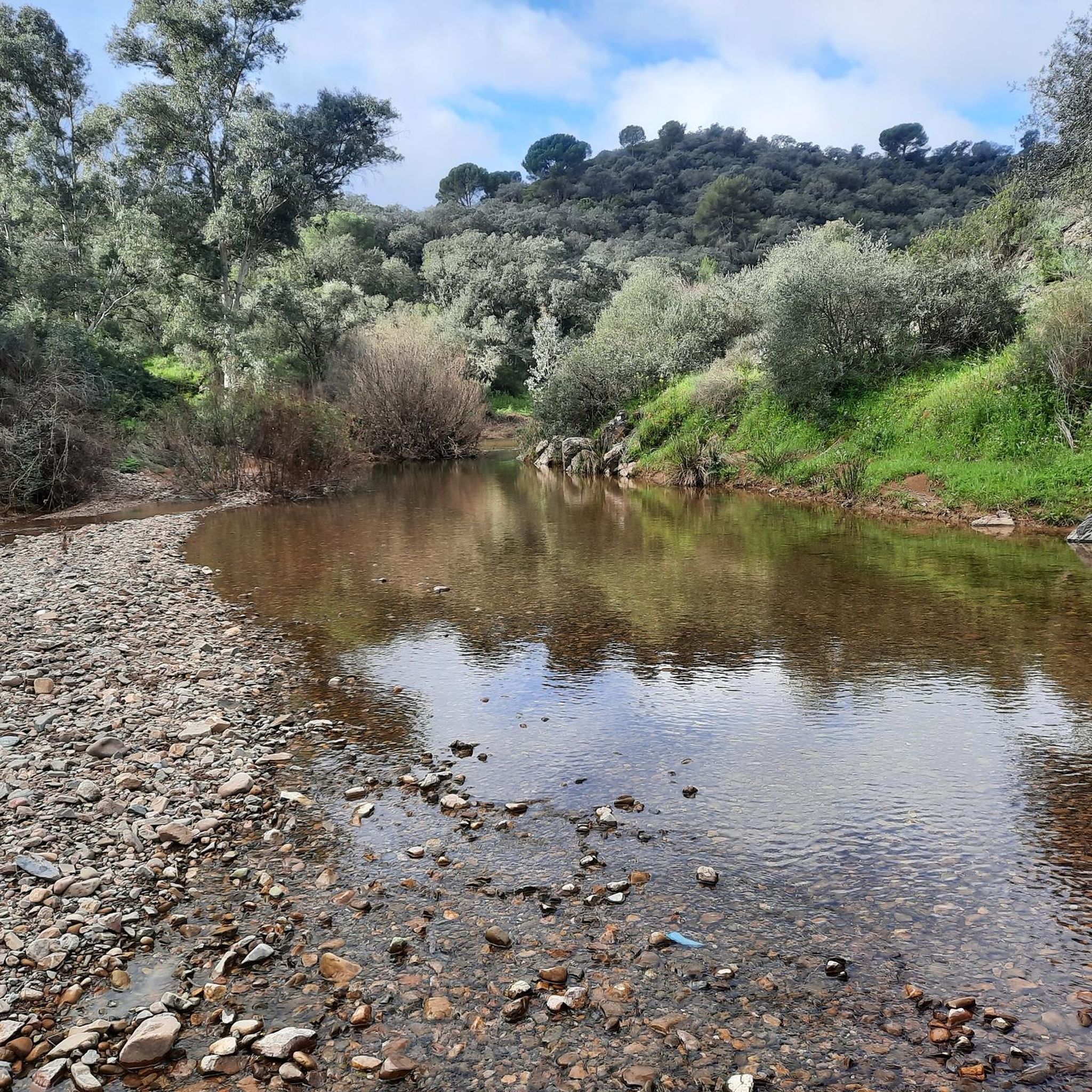
A metal bridge crosses the Guadalquivir River on the outskirts of Villafranca de Córdoba. Built in the late 19th century, it is notable for its riveted iron structure, typical of the engineering of that era.
0
0

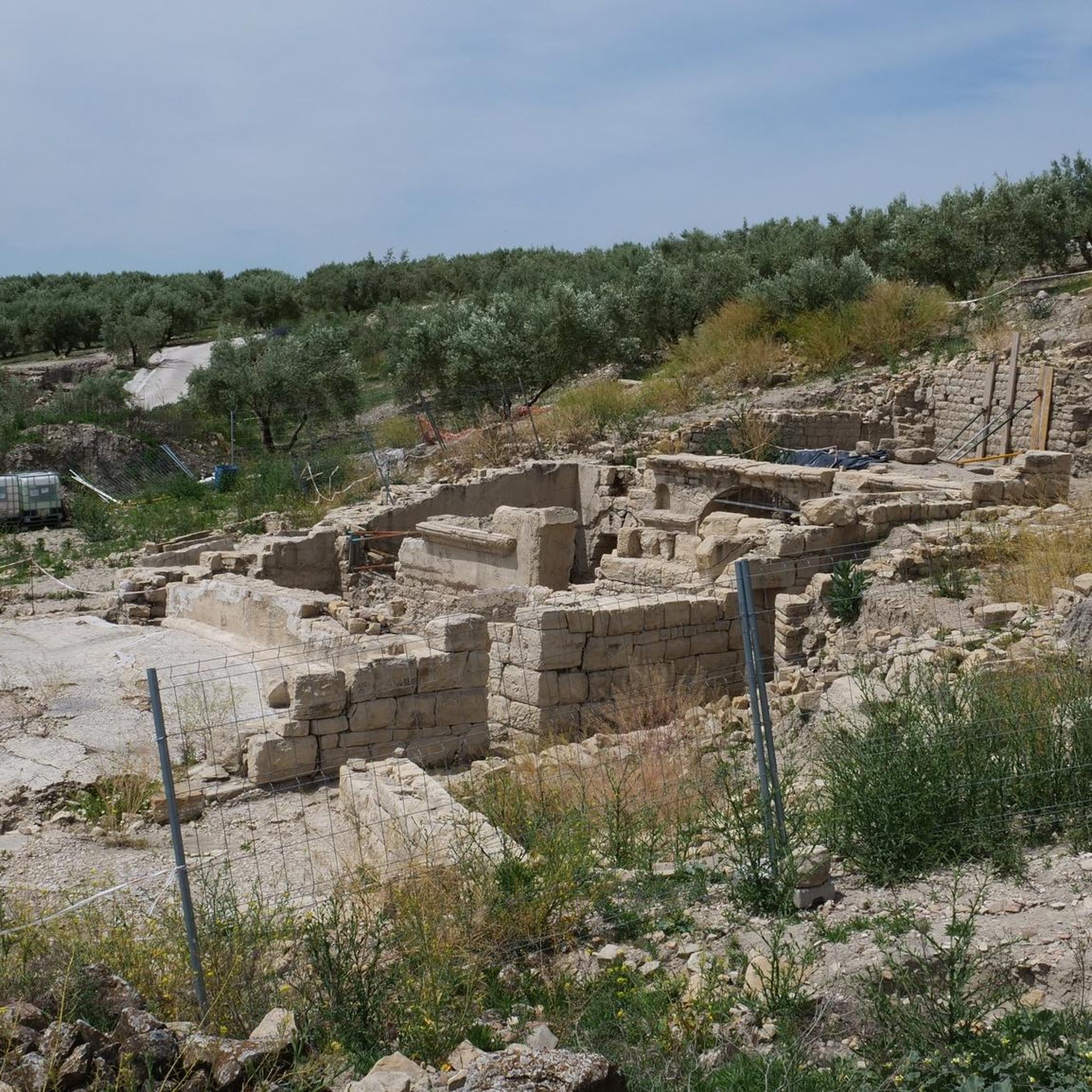
In Lopera, we find one of the best examples of castles built by the Military Order of Calatrava in the province of Jaén. Declared a Cultural Monument in 1991, this fortress retains its original walled enclosure, although over the years it has also served as a residence and, in the mid-20th century, even as a winery.
0
0

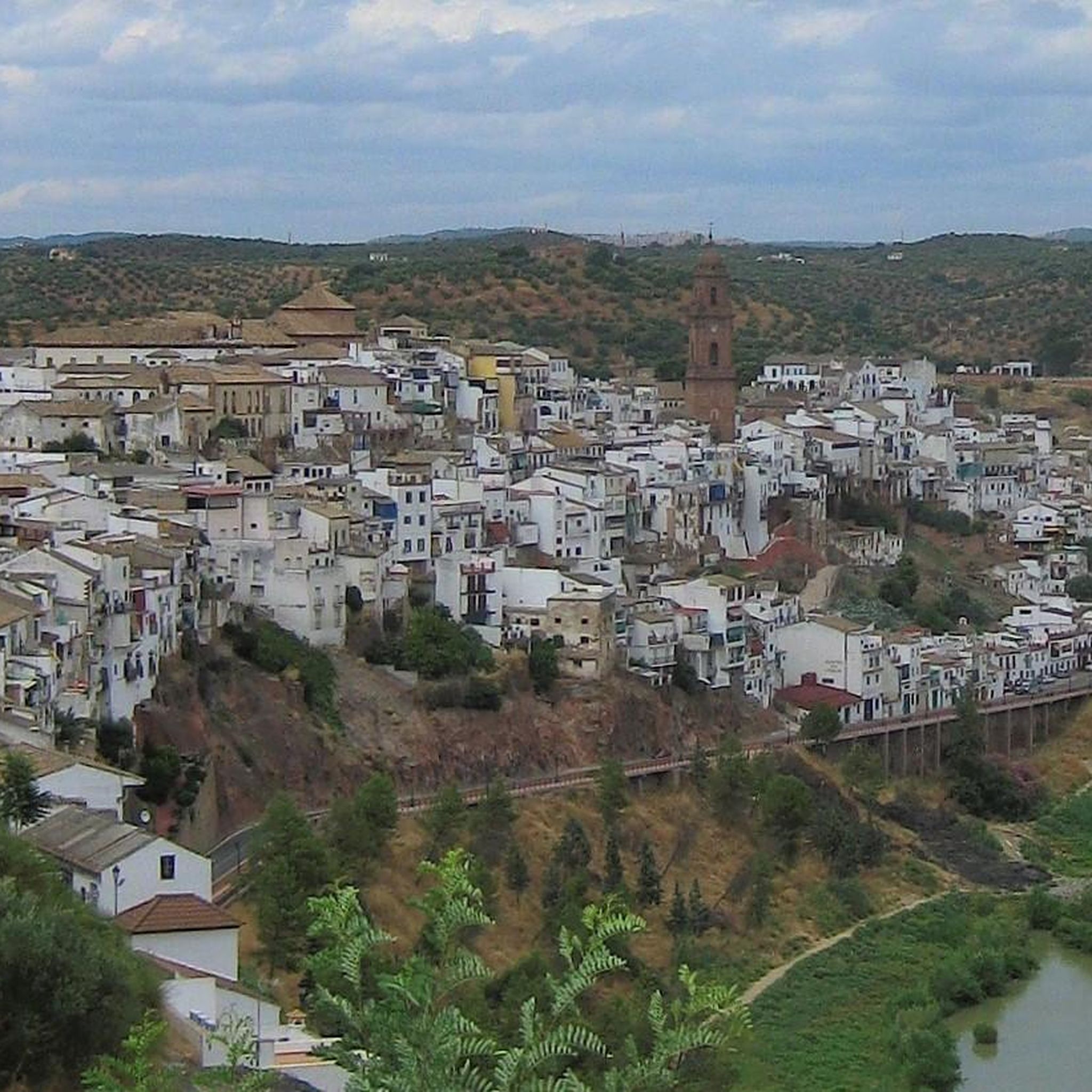
Municipality located to the east of the province of Córdoba, on the border with Jaén. Most of it is located in the foothills of Sierra Morena, making the Guadalquivir River the border with the countryside. Therefore, the mountains, the river and the countryside are the three elements that determine the landscape. The first is part of the Sierra de Cardeña y Montoro Natural Park, and in it we can find vegetation of holm oaks, wild olive trees, stone and maritime pines and a population of melojo oak, rare in Andalusia. It is also an area of great fauna, hunting and livestock value. The second, which surrounds the town, is the axis of the landscape, life and history of the town; Due to the beauty of the meander, it is also known as the Andalusian Toledo. The third, populated by olive trees, places us in a truly Cordoba environment. The town, with an Iberian, Greek, Roman, and Muslim past, is located on a small elevation that dominates the course of the river that divides it into two neighborhoods, offering an unmistakable image. Declared a Historic-Artistic Site in 1969, it brings together a multitude of attractions and tourist attractions to visit, such as the bridge over the river, the Church of San Bartolomé, the Casa de las Tercias, its steep streets of white houses, or the Torre de Villaverde. Its Holy Week, declared of Tourist Interest, reaches its greatest splendor on the afternoon of Holy Thursday with the presence of the Roman Empire. It is one of the towns included in the Baético Romana Route.
0
0

Puente de los Remedios welcomes us to the town of Villafranca de Córdoba, this bridge crosses the Guadalquivir River, in the surroundings of this bridge there is a recreational area and a small pier.
0
0

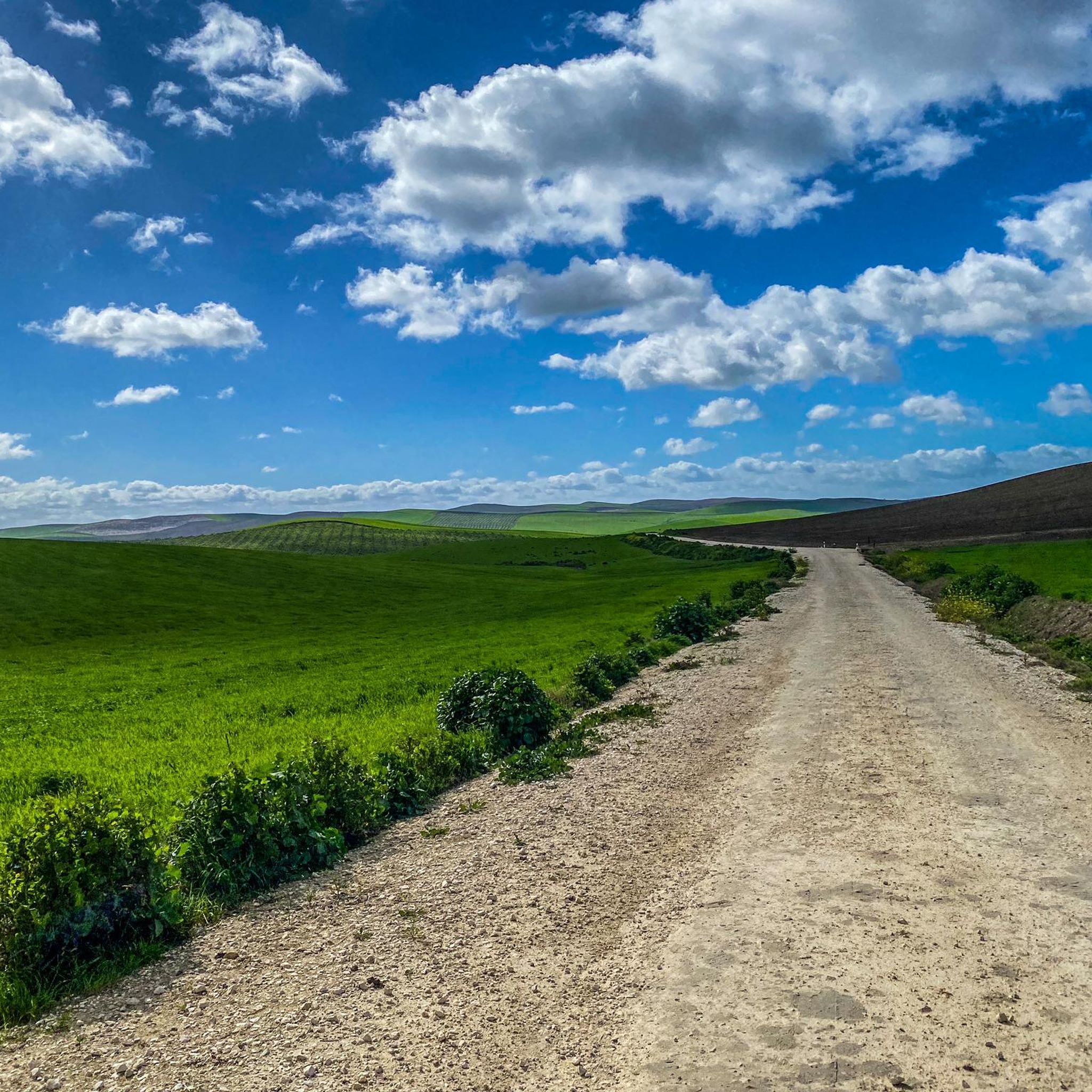
One of the most beautiful viewpoints is the Sierra Morena Cordoba. In the background you can see the town of Adamuz.
2
0

The castle was built by the Order of Calatrava to guard the trade route over the Guadalquivir River and is defended by five towers.
1
0
Frequently Asked Questions
What historical sites can I explore in Bujalance?
Bujalance is rich in history. You can visit the Bujalance Castle, a tenth-century Moorish fortress with three of its original seven towers still standing. The town's old quarter, declared a Historic-Artistic site, features numerous noble houses and palacetes from the 17th and 18th centuries. Don't miss the recently restored Casa Consistorial (Town Hall) in the Plaza Mayor.
Are there any significant religious buildings in Bujalance?
Yes, Bujalance is home to several impressive religious structures. The Parroquia de Nuestra Señora de la Asunción, known as the "Cathedral of La Campiña," is notable for its size and 55-meter-high, slightly inclined tower. Other significant churches include the Baroque Parroquia de San Francisco and the Convento de las Carmelitas Descalzas de San José y Santa Teresa, founded in 1708.
Is there a museum in Bujalance to learn about its history and culture?
Yes, the Museo Histórico Local "El Hombre y su Medio" is housed in an 18th-century municipal granary. It offers a chronological view of the cultures that have passed through the area, exhibiting archaeological pieces, fossils, reconstructions, and various historical collections.
What natural attractions can I find around Bujalance?
The area around Bujalance offers several natural points of interest. The Arroyo de la Zarzuela is a natural island preserving a sample of the Mediterranean forest. You can also observe one of Andalusia's most significant colonies of bustards. The landscape is dominated by extensive olive groves and the nearby Guadalquivir River, offering scenic views.
Are there any reservoirs or lakes near Bujalance?
Yes, the El Arenoso Reservoir is located near Bujalance. It regulates the waters of the Arenoso river before it reaches the Guadalquivir, providing a tranquil spot in the landscape.
What outdoor activities can I do near Bujalance?
The countryside around Bujalance is ideal for outdoor activities. You can explore various routes for hiking, running, and cycling. For specific running trails, check out the Running Trails around Bujalance guide. For cycling, the Cycling around Bujalance guide offers routes like the Marmolejo Spa loop. There are also gravel biking options in the Gravel biking around Bujalance guide.
Are there family-friendly attractions around Bujalance?
Many of the historical sites in Bujalance, such as the castle and the old town, can be explored by families. Additionally, the nearby town of Montoro, recognized as a Historic-Artistic Site, offers a charming environment for family visits. The Villafranca Iron Bridge is a pedestrian-friendly spot for a leisurely walk.
What is the best time to visit Bujalance for outdoor activities?
The region experiences hot summers. For outdoor activities like hiking and cycling, spring (April-May) and autumn (September-October) generally offer the most pleasant weather with milder temperatures.
What is Olive Oil Tourism and can I experience it in Bujalance?
Olive Oil Tourism, or Oleoturismo, allows visitors to learn about the production process of olive oil, which is the region's main industry. Bujalance offers opportunities to experience this firsthand by visiting local olive cooperatives and understanding the journey from olive grove to oil.
Are there any unique local crafts or gastronomy to explore in Bujalance?
Yes, Bujalance is known for local handicrafts based on olive wood, ceramics, and rush weaving. The local gastronomy is also heavily influenced by the town's renowned olive oil, offering a taste of authentic Andalusian flavors.
What is the "Cathedral of La Campiña" and where is it located?
The Parroquia de Nuestra Señora de la Asunción is affectionately known as the "Cathedral of La Campiña" due to its impressive size. It is located next to the Bujalance Castle, built on the site of a former mosque after the Christian conquest.
Can I find viewpoints with scenic vistas near Bujalance?
Yes, the town of Montoro, situated on an elevation overlooking the Guadalquivir River, offers an unmistakable image and serves as a natural viewpoint. The surrounding countryside, with its olive groves and river landscapes, also provides many scenic spots.
Most popular routes around Bujalance

Get inspired with the komoot mobile app


Explore more
Still not found the Highlight you’re looking for? See guides of the top attractions in other regions:
