The best MTB trails around Santa Cruz De La Zarza
4.9
(15)
259
riders
79
rides
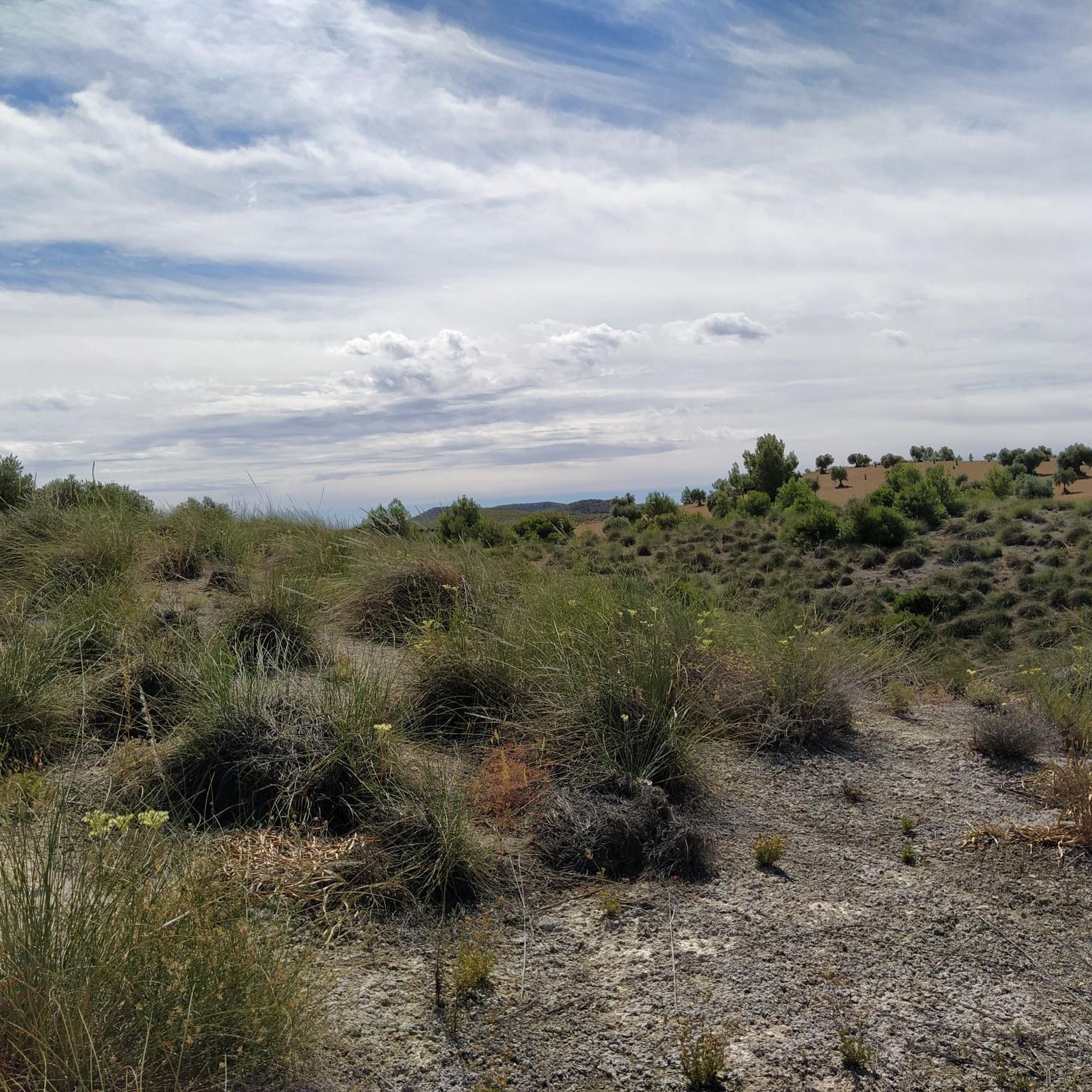
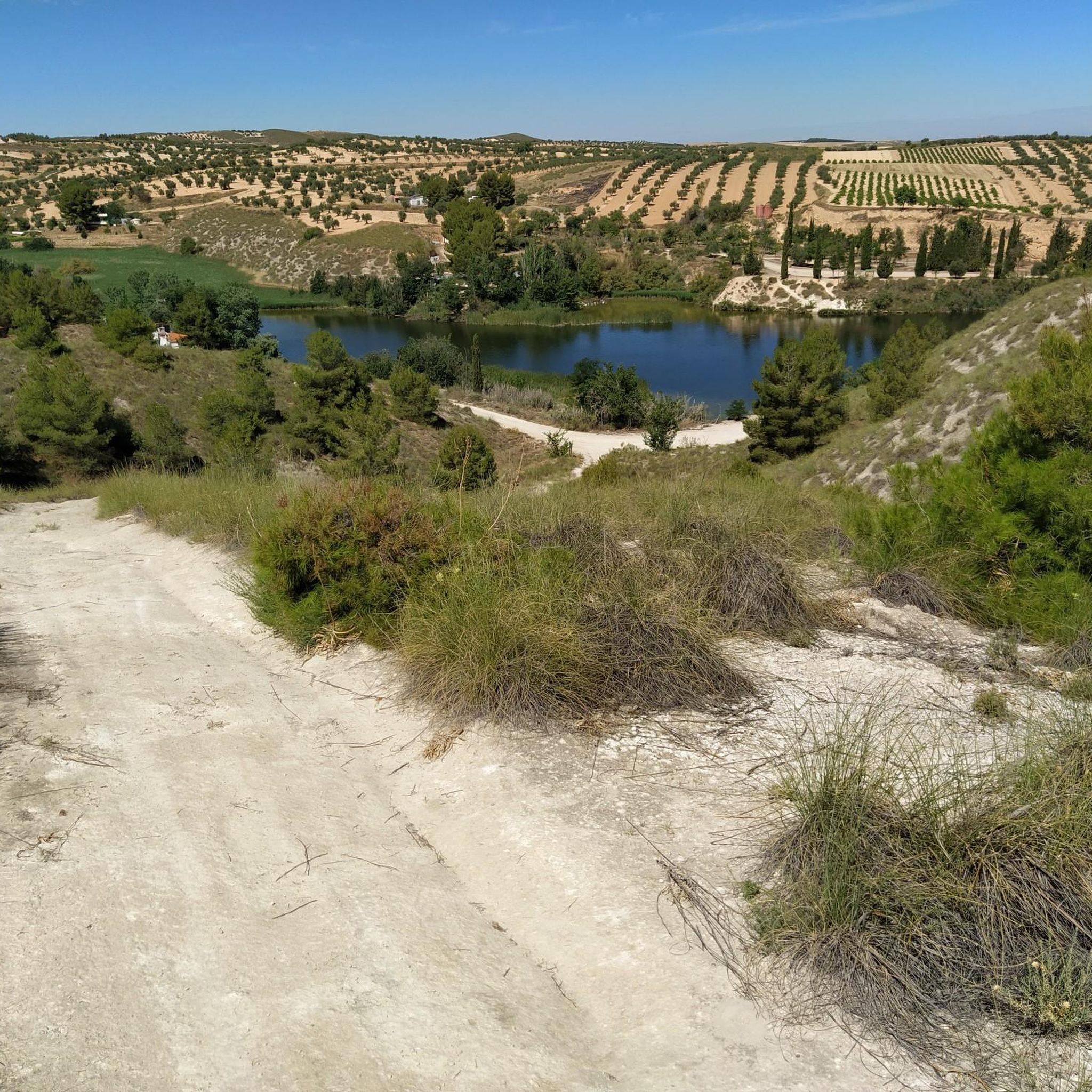
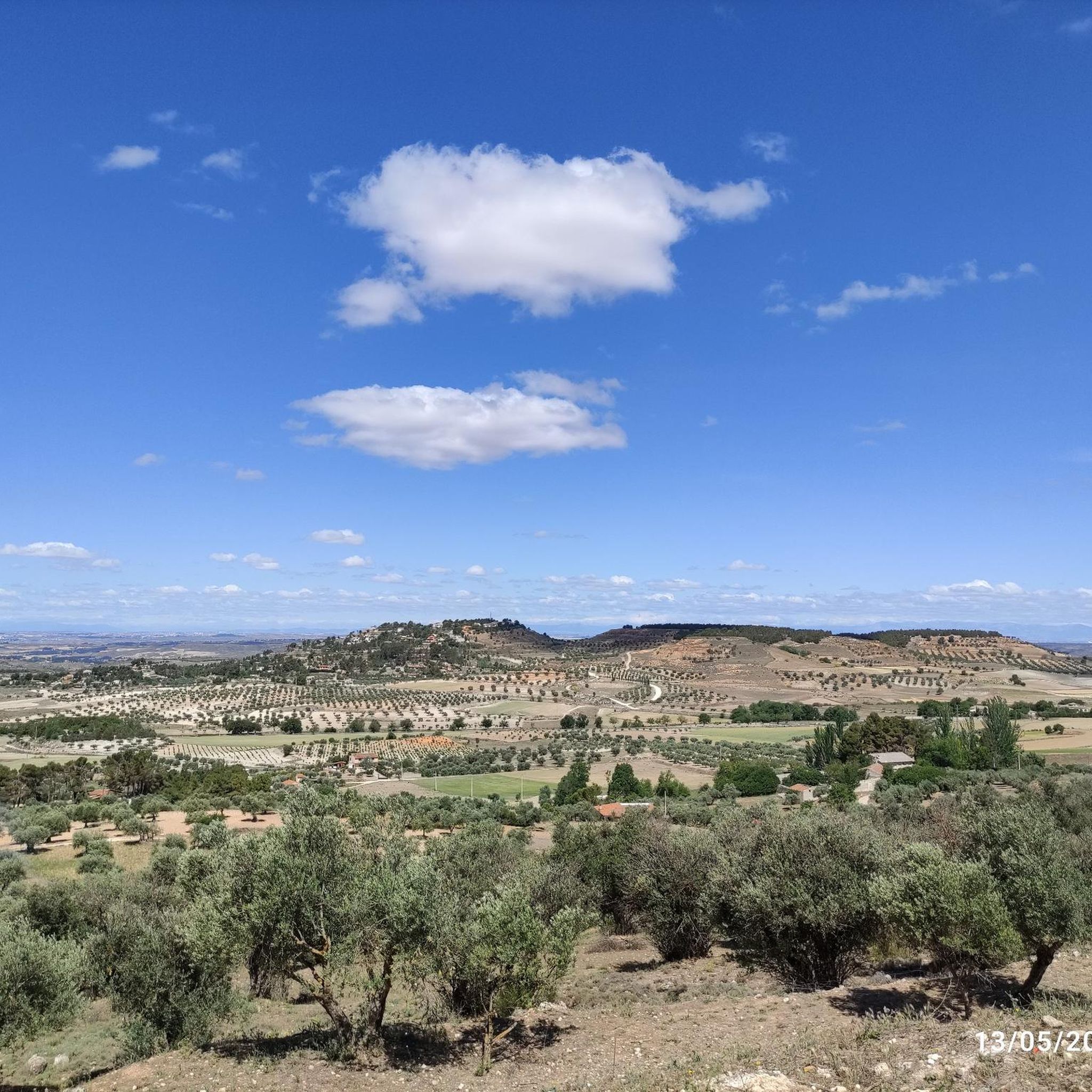
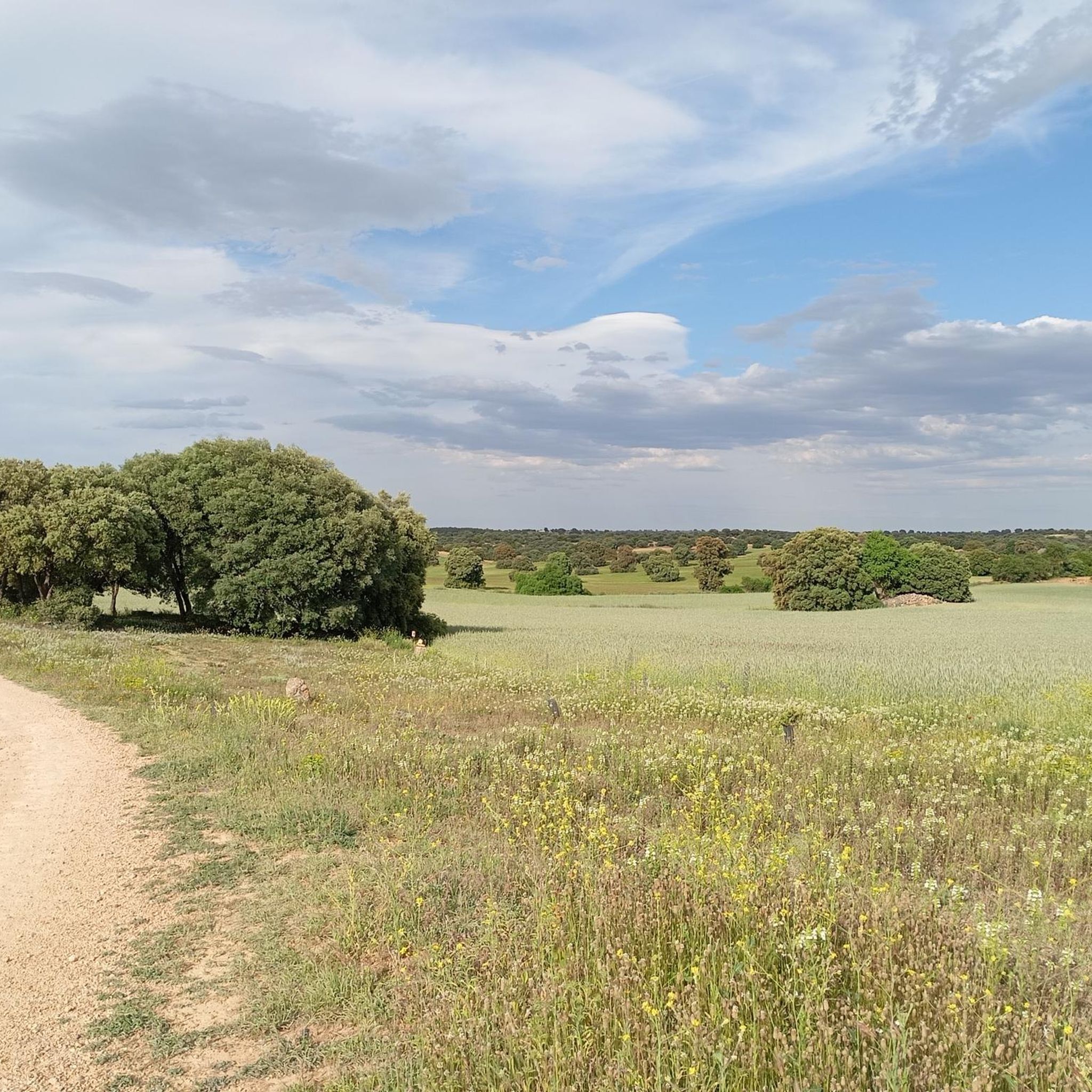
Mountain bike trails Santa Cruz De La Zarza traverse a varied landscape within the province of Toledo, offering elevated perspectives from the Mesa de Ocaña. The region is characterized by its diverse topography, including parts of the Tagus valley, saline steppes, and extensive oak groves. Riders can expect to encounter unpaved paths and gravel routes, providing opportunities for exploration across different terrains. This area provides a network of paths suitable for various outdoor activities, with a notable emphasis on gravel…
Last updated: October 28, 2026
30
riders
30.7km
02:39
430m
430m
Moderate mountain bike ride. Good fitness required.
5.0
(1)
8
riders
20.0km
01:39
270m
270m
Easy mountain bike ride.

10
riders
46.9km
03:51
330m
330m
Moderate mountain bike ride. Good fitness required.
4
riders
Moderate mountain bike ride. Good fitness required.
3
riders
Moderate mountain bike ride. Good fitness required.
Get access to more routes and recommendations from other explorers.
Already have an account?
Our route recommendations are based on thousands of hikes, rides, and runs completed by other people on komoot.
Start today with a free account
Your next adventure awaits.

Tips from the Community

For its tower, which is worth visiting, and its tree-lined plaza where you can relax in the shade.
0
0

The Tower is the icon of Villarejo de Salvanés, it is a unique model of a keep among the constructions of medieval fortresses. Around it there are remains of the walls and rooms that completed the complex of the old castle of the town, occupied for several centuries by the knights of the Order of Santiago. The Plaza de la Constitución concentrates a good part of the monumental Villarejo de Salvanés, opposite the Tower is the church of San Andrés Apóstol, imposing and with tower-shaped buttresses that give a defensive appearance to the building. And one corner is occupied by the Casa de la Tercia, headquarters of the Encomienda Mayor de Castilla and current Ethnographic Museum. An interesting place for fans of the seventh art is the Museo del Cine, the first professional film museum in Spain.
0
0

“Picantón” trail that sometimes appears to go deep, adorned by the landscape that surrounds it.
0
0
It is a shame that only the keep of the entire walled building is preserved, but it is also fortunate to miss out on enjoying this architectural beauty, whose shape is peculiar and unusual in this type of fortress.
1
0
The specific constitution of this land favors the construction of homes that guarantee the stability of roofs and walls.
0
0

Fuentidueña de Tajo Kilometer 0 The ruins of the castle reveal the strategic town of Fuentidueña de Tajo on the river bank, a passageway for important communication routes since Roman times. In the Middle Ages, the Via del Esparto was very popular, one of the most valuable products in those times in the Las Vegas region, which ran on a primitive Roman road and reached Esparteros Street, in the center of Madrid. On the way up from the castle is the Fuente de la Dueña or Fuente Salobre, it is a limestone pylon rebuilt in the 19th century and a key link in the historical foundations of Fuentidueña. The “owner” of the fountain and responsible for the name was Doña Urraca, lady of the fortress for a time, formerly called Santiago due to its connection with the order and popularly known as Torre de Piquillos, a few ruins on the hill where the fountain springs. spring. The old watchtower, the fountain, the church of San Andrés and the Plaza de la Constitución, where the Clock Tower is located, make up a valuable heritage complex in one of the most important passes of the Cañada Real Soriana Oriental in the Tagus Valley. The livestock route crosses the Tagus Natural Trail in the streets of Fuentidueña, crosses the town to the river bank and changes banks over a historic iron bridge from the 19th century. The Tagus Bridge is a magnificent work of civil engineering inaugurated in 1867. The designer of the project was the architect José de Echevarría, who sought collaborators in France within the Eiffiel team and used riveted iron beams to build a solid bridge in a fundamental step of the Tajo plain, in the transit of the Cañada Real Soriana Oriental and the Camino Real de Valencia, an ancient Post Road and route of peasants and merchants since the Early Middle Ages. The first mechanical means to cross the Tagus riverbed was a rope boat, later replaced by a rope bridge to withstand unforeseen floods, but it was destroyed by General Prim's troops in the 19th century.
0
0

The Fuentidueña de Tajo bridge is an engineering work from the mid-19th century that restored the passage through this river on the way to Cuenca. It is the oldest large metal bridge in Madrid. This work allowed communications to be modernized at the time of its execution.
2
0
The brackish water spring that flows behind the church and the fact that it was under the rule of Doña Urraca, queen of León, give it the name Fuentidueña (Source of the Owner). This town was already important in Al Andalus, since it had a castle. During the reconquest, the castle of Santiago was built, under the military order of the same name, which led the advance and defended the square. Although the castle is in ruins, its proximity to the Tagus and its orchard give it a special charm.
0
0
Frequently Asked Questions
How many mountain bike trails are available in Santa Cruz De La Zarza?
There are over 70 mountain bike trails around Santa Cruz De La Zarza. These routes traverse a varied landscape, including the elevated Mesa de Ocaña, the Tagus valley, and open steppe landscapes, offering diverse options for riders.
What kind of difficulty can I expect from mountain bike trails in Santa Cruz De La Zarza?
The trails in Santa Cruz De La Zarza cater to various skill levels. You'll find 9 easy routes, 60 moderate routes, and 4 more challenging options. The terrain often includes unpaved paths and gravel sections, suitable for different riding experiences.
Are there mountain bike trails suitable for beginners in Santa Cruz De La Zarza?
Yes, there are 9 easy mountain bike routes available. A good option for beginners is The Devil's Path – Tarancón Fountain loop from Estación de Tarancón, which is 18.6 km long and features a manageable elevation gain, making it a great introduction to the area's terrain.
Are there any circular mountain bike routes in Santa Cruz De La Zarza?
Many of the mountain bike routes in Santa Cruz De La Zarza are circular, allowing you to start and end in the same location. Examples include the popular Cerro Verde and Cerro Mojón Loop from Tarancón and the Fuentidueña de Tajo loop from Fuentidueña de Tajo.
What are the best times of year for mountain biking in Santa Cruz De La Zarza?
Santa Cruz De La Zarza experiences a Mediterranean/Continental climate. Spring and autumn are generally ideal, offering pleasant temperatures for riding. Summers can be hot, while winters bring cool temperatures and frequent night frosts, so plan accordingly for seasonal variations.
What do other mountain bikers enjoy most about the trails in Santa Cruz De La Zarza?
The area is highly rated by the komoot community, with an average score of 4.9 stars from over 10 reviews. Riders often praise the diverse topography, including elevated perspectives from the Mesa de Ocaña and the scenic Tagus valley, as well as the network of unpaved and gravel paths that offer varied riding experiences.
Are there any interesting landmarks or attractions to see along the mountain bike trails?
Yes, the region offers several points of interest. You might encounter structures like the Iron Bridge of Fuentidueña de Tajo or the Villamanrique de Tajo Viaduct. The Tajo Nature Trail also offers scenic views along the river plain.
Are there any routes that offer good viewpoints?
Many routes in Santa Cruz De La Zarza provide elevated perspectives, particularly from the Mesa de Ocaña. For example, the View of the Monastery of Uclés – Fountain of the Five Spouts loop from Estación de Tarancón offers scenic vistas, including distant landmarks.
Are the mountain bike trails in Santa Cruz De La Zarza dog-friendly?
While specific regulations for dogs on trails can vary, the rural nature of Santa Cruz De La Zarza and its extensive oak groves and unpaved paths generally make it suitable for riding with dogs. Always ensure your dog is under control, respect local wildlife, and check for any specific signage on individual routes.
What kind of natural features can I expect to see while mountain biking here?
You'll ride through diverse natural landscapes, including the elevated Mesa de Ocaña, parts of the Tagus valley, and saline steppes. The area is also known for its extensive oak groves and is designated as a Special Protection Area for Birds (SPB), offering opportunities for birdwatching.
Are there any advanced mountain bike trails in Santa Cruz De La Zarza?
Yes, there are 4 difficult mountain bike routes for experienced riders seeking more challenging terrain. These routes typically feature significant elevation gains and more technical sections, providing a demanding ride through the region's varied topography.
How long do mountain bike trails in Santa Cruz De La Zarza typically take to complete?
Trail durations vary significantly based on length and difficulty. For instance, the Cerro Verde and Cerro Mojón Loop from Tarancón, a moderate 46.6 km route, typically takes around 4 hours and 13 minutes, while shorter, easier routes can be completed in under 2 hours.
Most popular routes around Santa Cruz De La Zarza
Most popular attractions around Santa Cruz De La Zarza

Get inspired with the komoot mobile app


Explore more
Browse the best MTB trails in other regions.
