Attractions and Places To See around Arraya De Oca - Top 20
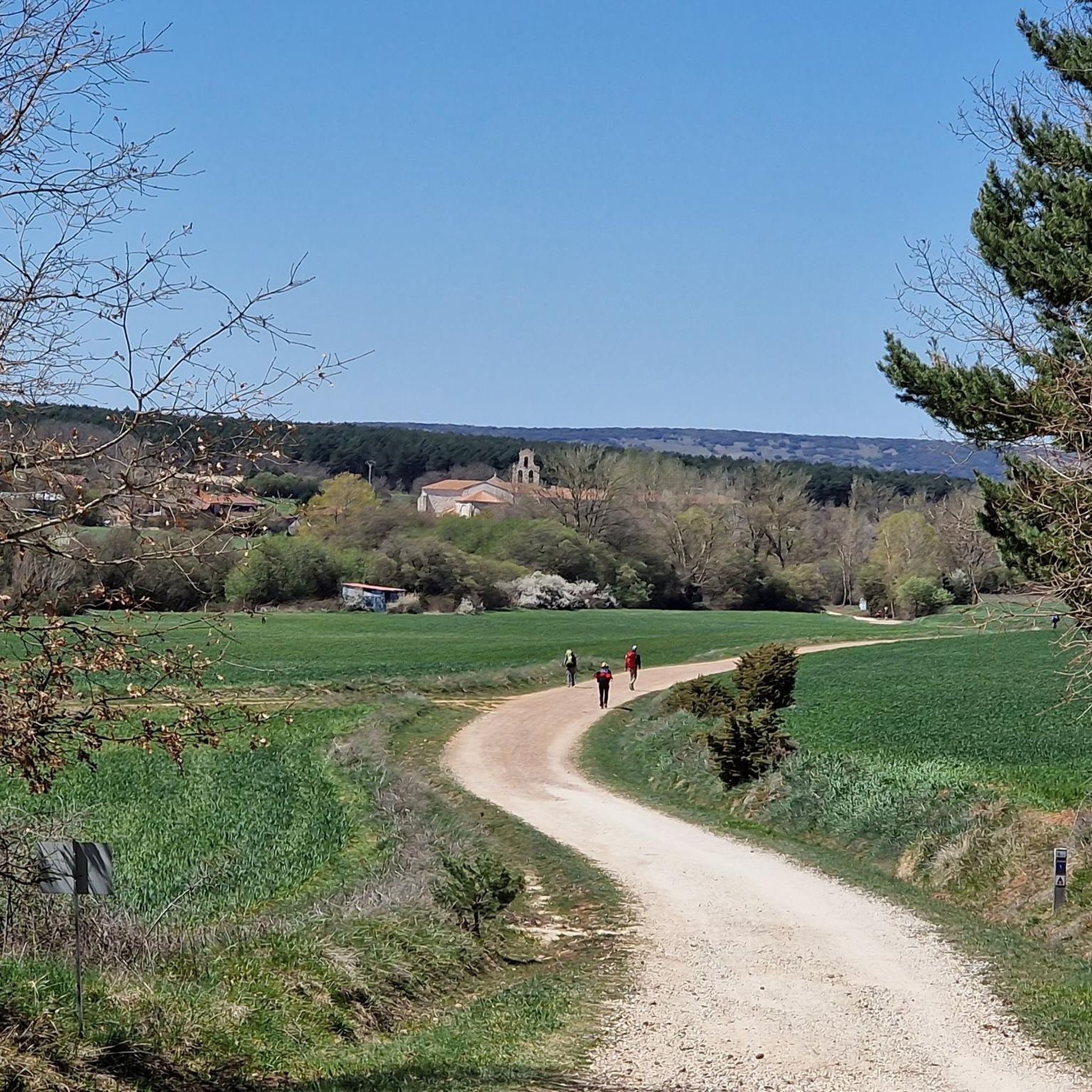
Best attractions and places to see around Arraya De Oca include a blend of historical sites and natural features. Situated south of the Montes de Oca, this region offers access to extensive natural landscapes. Its connection to the Camino de Santiago adds cultural significance, providing a tranquil setting for exploration.
Best attractions and places to see around Arraya De Oca
- The most popular attractions is San Juan de Ortega, a religious building that is a significant stop on the…
Last updated: July 6, 2026
Monte de la Pedraja Memorial
Highlight • Monument
Translated by Google •
Tip by

Monastery and Church of Saint John of Ortega
Highlight • Religious Site
Translated by Google •
Tip by

Sign up now to discover places like this
Get recommendations on the best single tracks, peaks, & plenty of other exciting outdoor places.
Sign up for free
Atapuerca Archaeological Site
Highlight • Historical Site
Translated by Google •
Tip by

Artistic Oasis of the Camino de Santiago
Highlight • Structure
Translated by Google •
Tip by
Belorado to Villafranca Montes de Oca (Camino de Santiago)
Highlight (Segment) • Trail
Tip by

Sign up for free to discover even more attractions around Arraya De Oca.
Sign up for free
Already have an account?
Start today with a free account
Your next adventure awaits.
Login or Signup
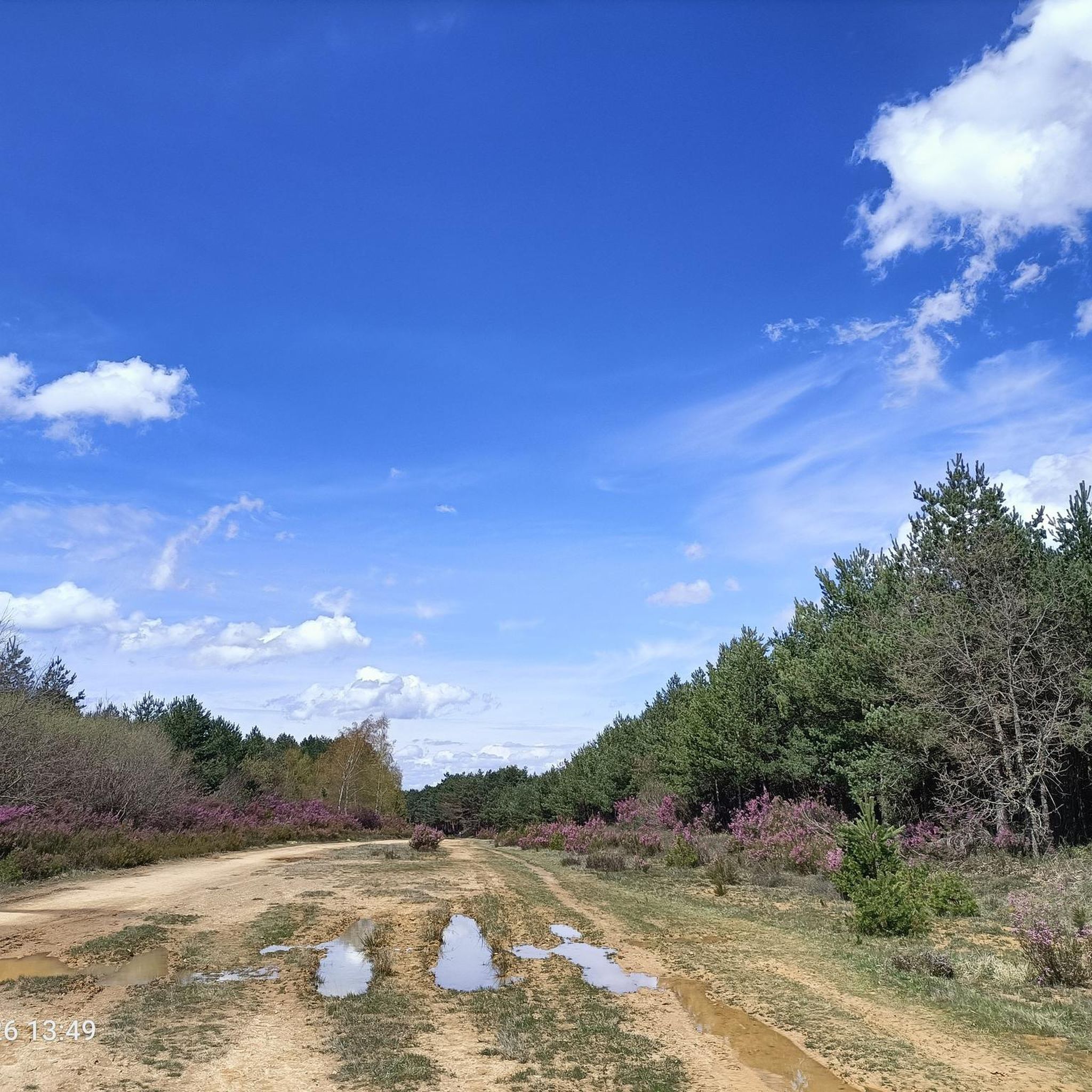
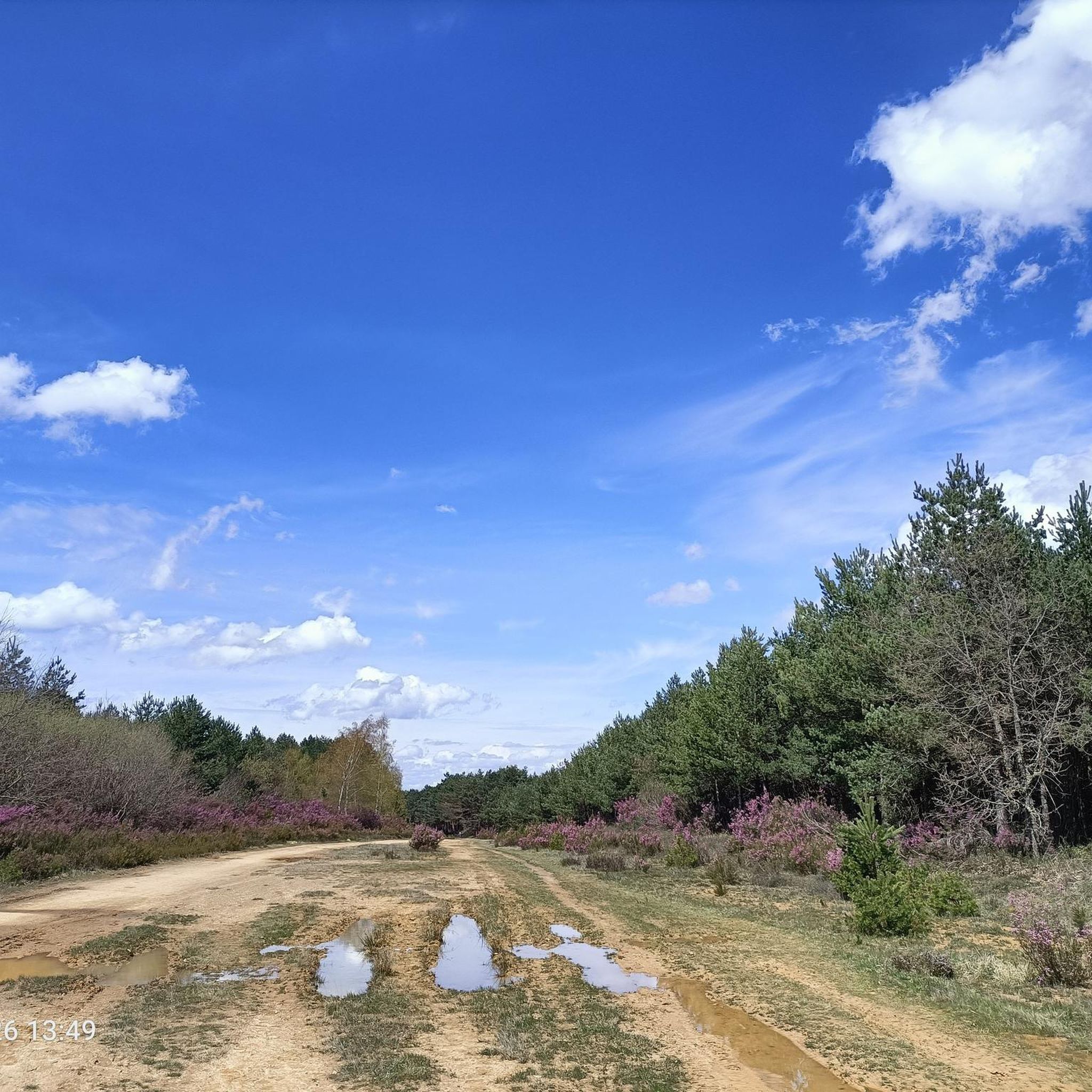
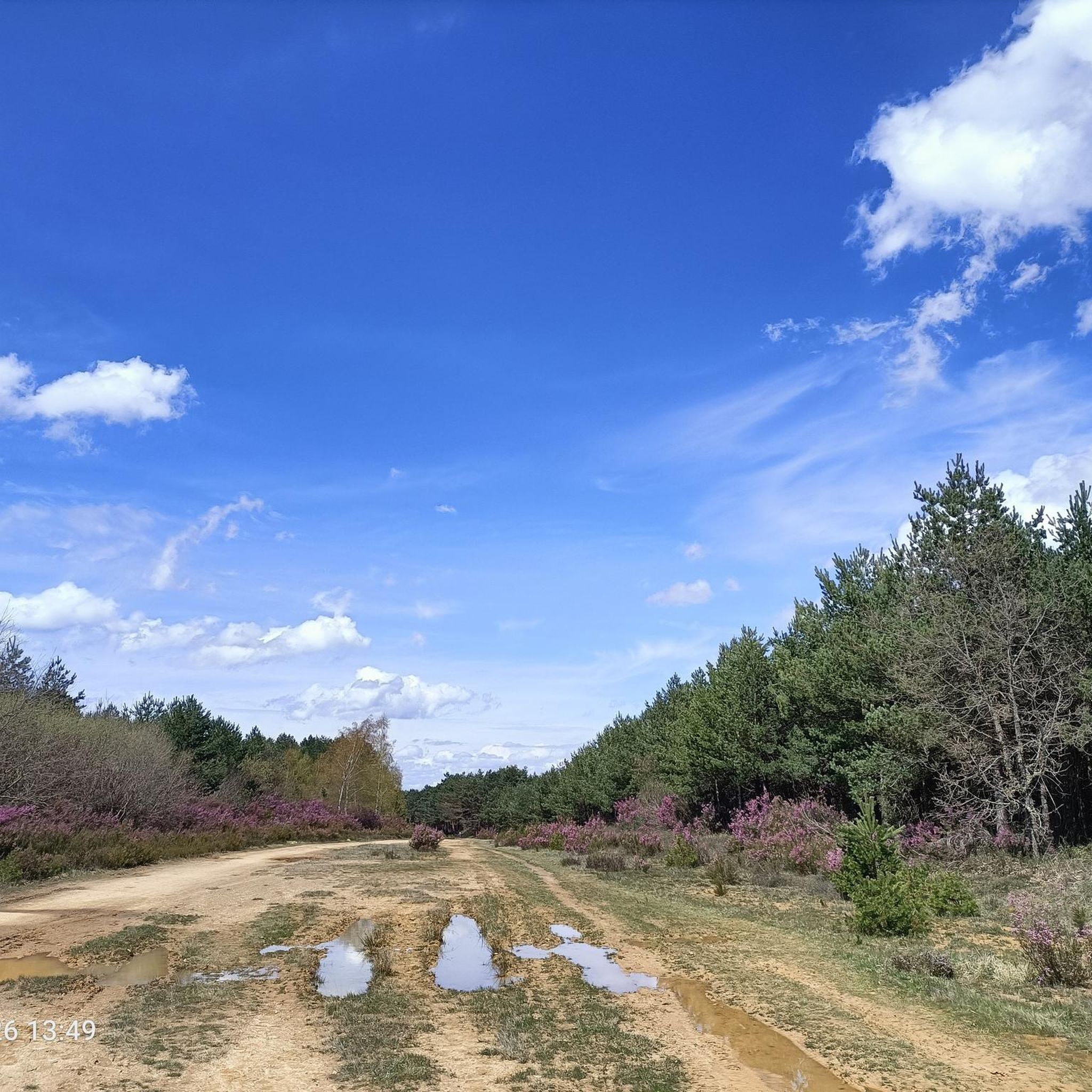
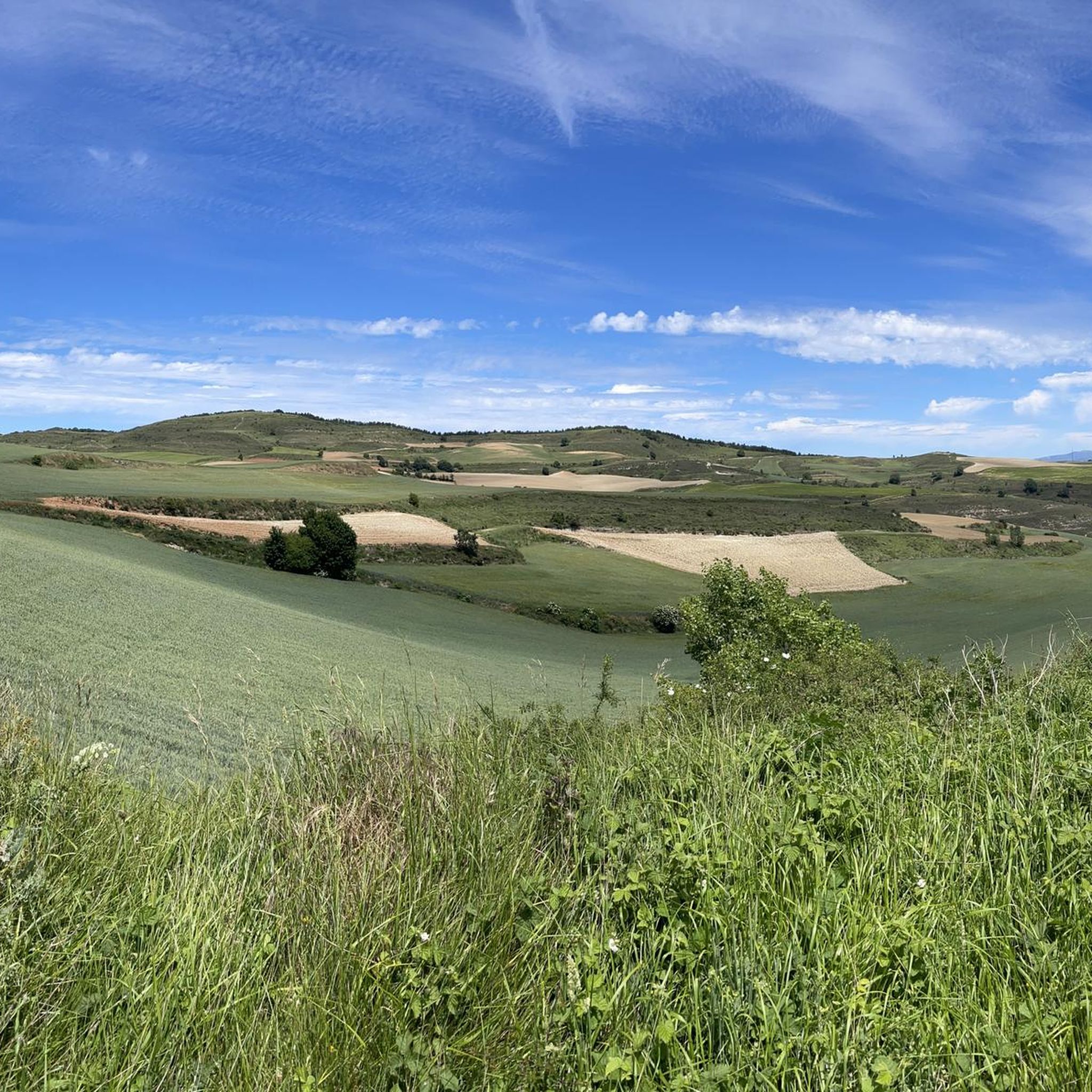

Tips from the Community

What a shame, everything is neglected.
0
0

A nice area for activities.
0
0

Collection of painted tree stumps, totems, and other artworks after the climb up through the forest, and before you reach the Spanish Civil War monument at the top. There is usually one or two mobile refreshment and gift vendors nearby.
2
0

The abbey complex is a dream: 13th century and really well preserved. Unfortunately, the interior has little spiritual impact due to the latticework and the large burial chamber in the center of the room.
1
0

Signage on the Camino de Santiago is essential for pilgrims. Yellow arrows: These arrows will guide you throughout the entire route. They indicate the direction to follow, especially at crossroads. The yellow color is due to the contribution of the parish priest Elías Valiña, a key figure in the resurgence of the Camino de Santiago in the 20th century. Cairns or milestones: These concrete blocks include an arrow, a yellow shell on a blue background and the distance in kilometers to Santiago de Compostela. You will find them every 500 meters in Galicia. Scallop shells: In addition to being drawn on the markers, scallop shells are distributed throughout the Camino. They are universal symbols and have been carried by pilgrims for centuries. The open part of the shell indicates the direction towards Santiago. Good way! 🚶♂️🌟
1
0

In the middle of this long path through the woods there are two mobile refreshment stations about 1 km apart. If at least one is occupied, everything is fine. And if you miss the first one, you are guaranteed to stop at the second one. Fun, creative and well-fed!
3
0
The monastery is an interesting place to spend the night, and has a very small bar and café, but the albergue El Descanso de San Juan by the side of the monastery has lovely pizzas
1
0

The area used to be impassable and feared due to gangs of robbers. The monastery offers a pilgrims' hostel.
1
0
Frequently Asked Questions
What historical and cultural sites can I explore around Arraya De Oca?
The region is rich in history. You can visit the Atapuerca Archaeological Site, a UNESCO World Heritage site known for its prehistoric excavations and significant findings related to human evolution. Another important site is the Monastery and Church of Saint John of Ortega, a significant stop on the Camino de Santiago. The Church of the Assumption of Our Lady in Arraya de Oca itself features a 16th-century Plateresque portal.
Are there any significant monuments or memorials in the area?
Yes, you can find the Monte de la Pedraja Memorial, a monument dedicated to those who were shot during the Spanish Civil War. It's located on Monte de la Pedraja near Villafranca Montes de Oca and offers a poignant historical reflection.
What natural features are prominent around Arraya De Oca?
Arraya de Oca is situated to the south of the Montes de Oca, which are known for their diverse flora and fauna, including deer, wild boars, and various bird species. The broader area also offers access to the Sierra de la Demanda, the Parque Natural de los Montes Obarenes-San Zadornil, and the Ebro River Canyon, providing extensive natural landscapes for exploration.
What outdoor activities can I do near Arraya De Oca?
The region is excellent for outdoor activities. You can find numerous hiking trails, including a marked 12.5 km circular route starting from the village. For more options, explore the hiking routes around Arraya De Oca, which include trails like the Alto Oca Trail and Camino de Santiago loops. There are also gravel biking and MTB trails available.
Are there family-friendly attractions or activities in the area?
While Arraya de Oca itself is a small, tranquil village, the surrounding area offers attractions that can be enjoyed by families. The Monastery and Church of Saint John of Ortega is listed as family-friendly, offering a historical and cultural experience. The natural environment, with its numerous hiking trails, provides opportunities for families to explore the outdoors together.
What is the significance of the Camino de Santiago in this region?
The renowned Camino Francés (French Way) of the Camino de Santiago, a UNESCO World Heritage site, runs south of Arraya de Oca. Pilgrims traverse the Montes de Oca and pass by the Monastery and Church of Saint John of Ortega, which serves as a popular meeting point. Although the main path doesn't go directly through Arraya de Oca, a variant passes through its surrounding mountains.
What is the 'Artistic Oasis of the Camino de Santiago'?
The Artistic Oasis of the Camino de Santiago is a unique man-made attraction located in a forest. It provides a place for pilgrims to rest and observe various artworks, including painted tree stumps and totems, created over time by those passing through.
What kind of wildlife can I expect to see in the Montes de Oca?
The Montes de Oca, located south of Arraya de Oca, are home to diverse wildlife. Visitors often have the chance to spot deer, wild boars, and various bird species, including kites and real vultures, making it an excellent area for nature observation.
What do visitors enjoy most about the attractions around Arraya De Oca?
Visitors appreciate the blend of historical significance and natural beauty. Many enjoy the tranquility of the region and its connection to the Camino de Santiago. The Monastery and Church of Saint John of Ortega is particularly popular as a meeting point for pilgrims, and the Atapuerca Archaeological Site is highly regarded for its unique prehistoric excavations.
Are there any circular hiking routes available directly from Arraya de Oca?
Yes, there is a marked 12.5 km circular hiking route that starts and ends directly in Arraya de Oca. This route encompasses the surrounding mountains and offers excellent opportunities to experience the local nature and potentially spot wildlife.
What is the best time of year to visit Arraya De Oca for outdoor activities?
The region's natural beauty, particularly the Montes de Oca, is enjoyable throughout much of the year. Spring and autumn generally offer pleasant temperatures for hiking and exploring, with vibrant flora in spring and beautiful foliage in autumn. Summer can also be suitable, though it might be warmer, while winter activities would depend on specific weather conditions.
Most popular routes around Arraya De Oca
Most popular attractions around Arraya De Oca

Get inspired with the komoot mobile app


Explore more
Still not found the Highlight you’re looking for? See guides of the top attractions in other regions:
