Attractions and Places To See around Villar De Plasencia - Top 20
Best attractions and places to see around Villar De Plasencia include historical Roman sites and natural landscapes. This region, situated in the Montes de Tras la Sierra mountain range, offers a blend of cultural heritage and outdoor exploration. Visitors can discover ancient Roman roads and structures, alongside areas for hiking and cycling. The area is characterized by Mediterranean sclerophyllous forest vegetation, primarily holm oaks and cork oaks.
Best attractions and places to see around Villar De Plasencia
- The most popular…
Last updated: July 6, 2026
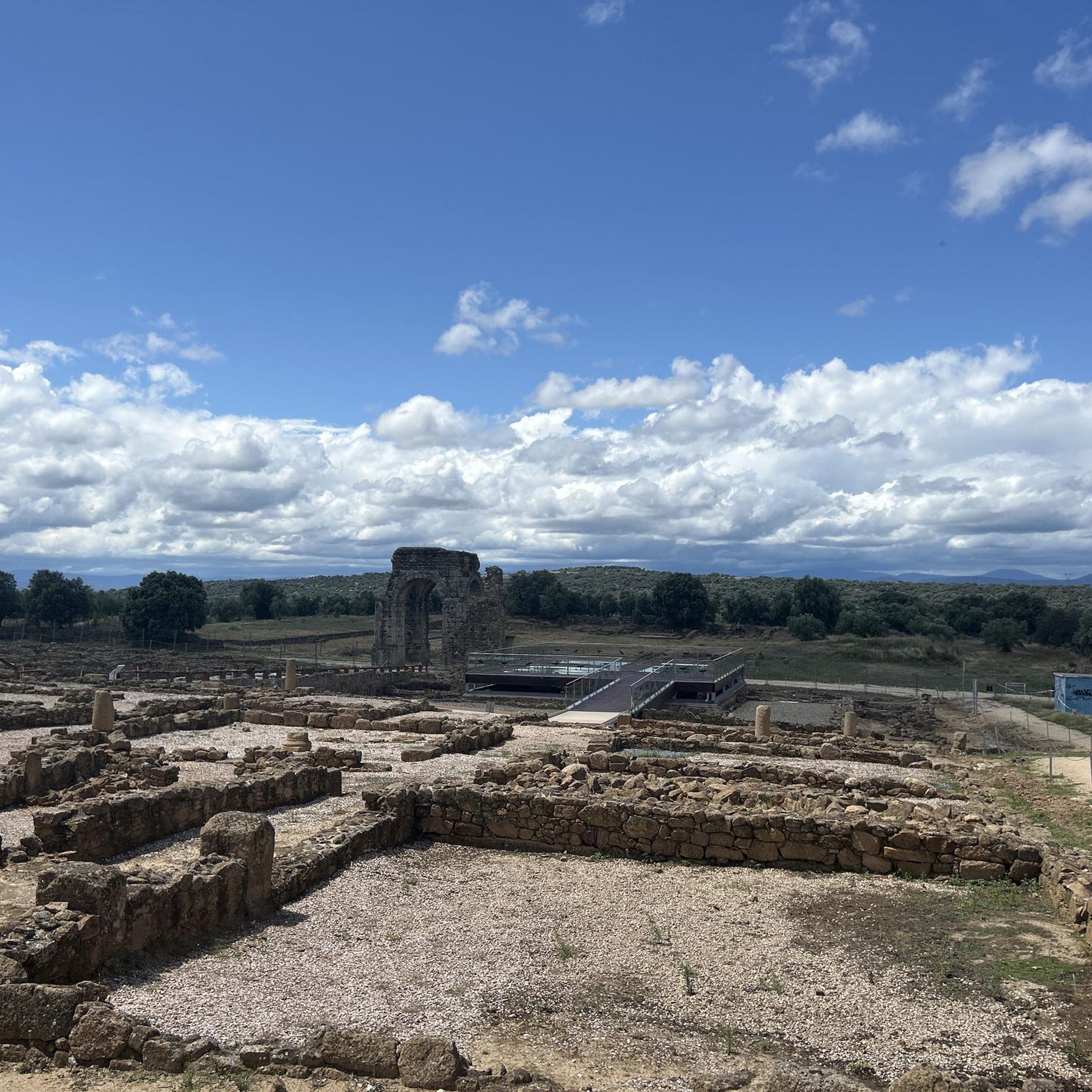
Arco de Cáparra
Highlight • Monument
Translated by Google •
Tip by

Roman Arch of Cáparra
Highlight • Monument
Translated by Google •
Tip by
Sign up now to discover places like this
Get recommendations on the best single tracks, peaks, & plenty of other exciting outdoor places.
Sign up for free
Vía Verde de la Plata
Highlight (Segment) • Cycleway
Showing Translation
Tip by

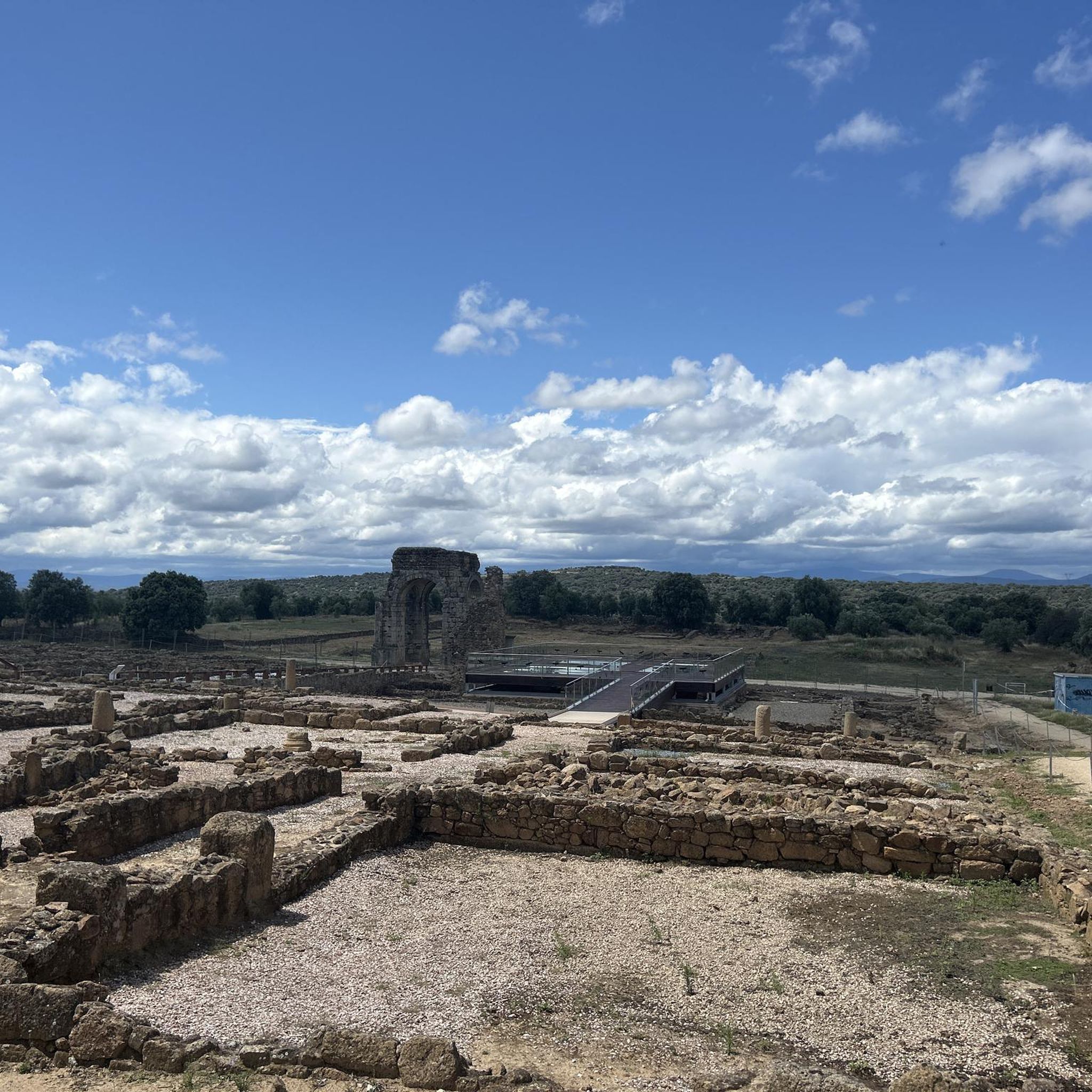
Roman Arch of Cáparra
Highlight • Monument
Translated by Google •
Tip by

Río Jerte Riverside Walk – Parque de la Isla, Plasencia
Highlight (Segment) • Trail
Translated by Google •
Tip by

Sign up for free to discover even more attractions around Villar De Plasencia.
Sign up for free
Already have an account?
Start today with a free account
Your next adventure awaits.
Login or Signup
Tips from the Community

Freely accessible site, plenty of foundations and explanation in English and the beautiful square arch
6
0
Cáparra was once a walled city with suburbs, but it was not a very important ancient city. Not much of the city remains, except for some ruins and an arch. The site is fortunately free to visit and there are signs in English.
7
0
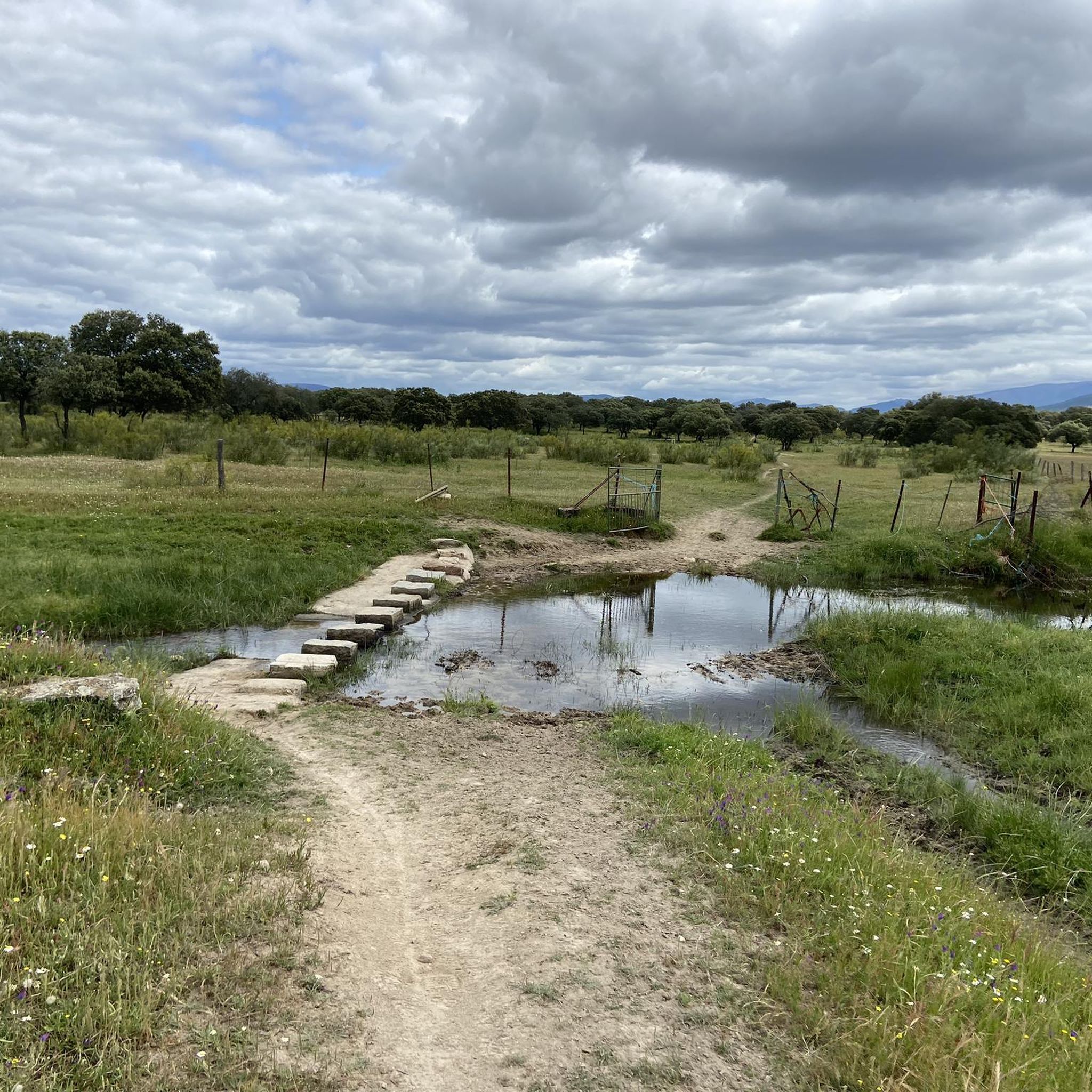
The entire route has a gravel surface and sometimes there is a lot of greenery
16
0
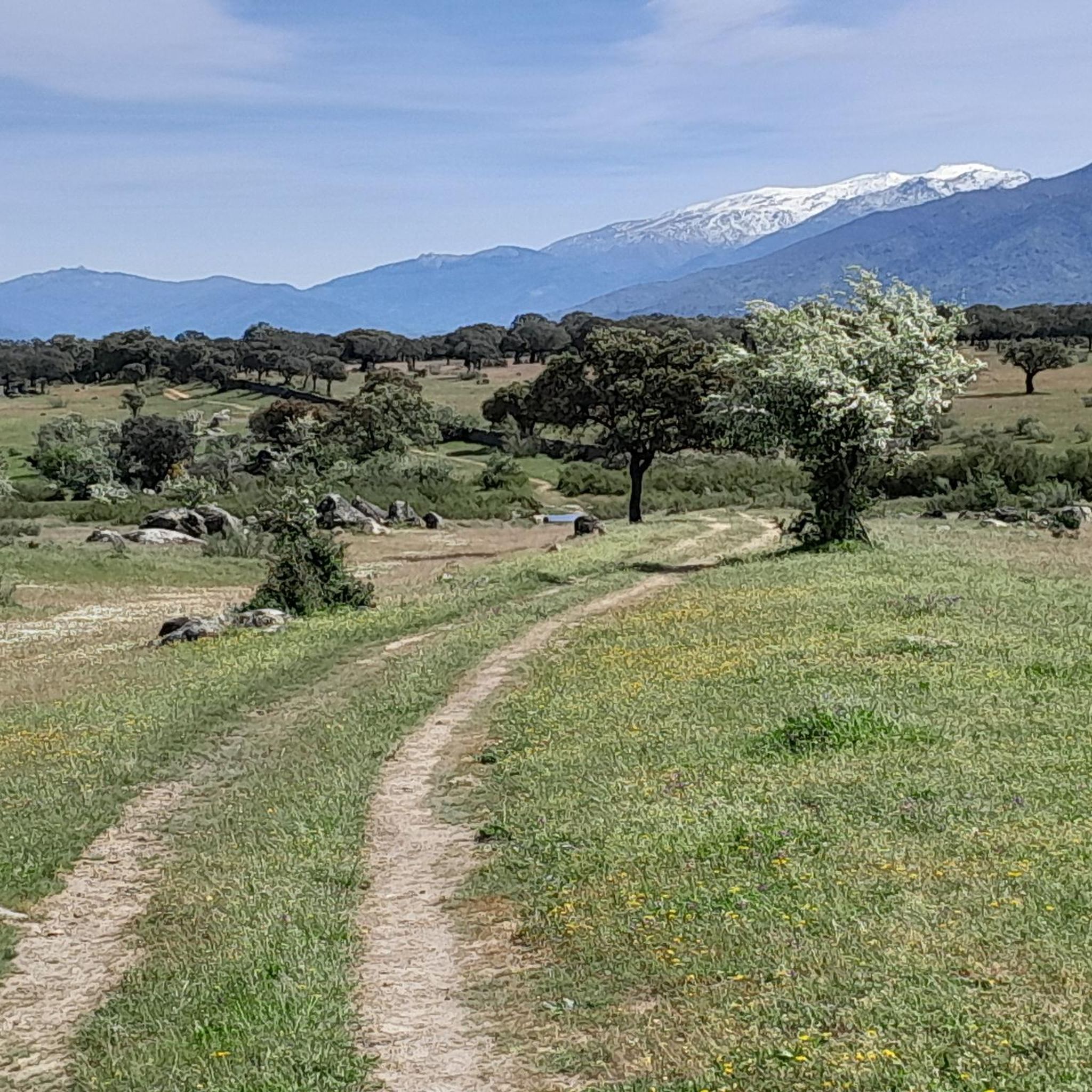
This route offers a wealth of sights and crosses a lush and varied landscape. The route runs from Plasencia through the Ambroz valley with its grassy meadows, along pastures and deciduous forests, to the foot of the Sierra de Béjar, a protected biosphere reserve.
17
0

A lovely route to do almost year-round. Avoid the hottest hours and bring along water, as there are only fountains in Bejar and Baños de Montemayor.
3
0

The Parque de la Isla in Plasencia is one of the main green lungs of the city and a perfect place to enjoy nature. Located in the urban section of the Jerte River, the park is a river island that stretches for almost 4 kilometers.
1
0

Arch of Cáparra, symbol of the Via de la Plata
1
1

Quiet road next to the Jerte river and the island park on the south side of the town of Plasencia. Shady park and great driveway to get out of town without traffic.
1
0
Frequently Asked Questions
What historical Roman sites can I explore near Villar de Plasencia?
The region is rich in Roman history. You can visit the ancient Roman city of Cáparra, located about five kilometers away, which features an Interpretation Center. Its most iconic landmark is the Arco de Cáparra, a unique quadriform arch in Spain. Additionally, the Vía de la Plata, an ancient Roman road, traverses the area, offering historical trails for exploration.
Are there any significant religious or architectural landmarks in Villar de Plasencia itself?
Yes, Villar de Plasencia is home to several notable sites. The 16th-century Church of Our Lady of the Assumption is an architectural gem with Gothic remains and a distinctive wooden choir. You can also visit the Baroque-style Hermitages of Saint Bartholomew and Saint Anthony of Padua, the latter situated next to a historic bridge built in 1792.
What natural attractions are there around Villar de Plasencia?
Villar de Plasencia is nestled in the Montes de Tras la Sierra mountain range, characterized by Mediterranean sclerophyllous forest vegetation, primarily holm oaks and cork oaks. The municipal dam is an excellent spot for birdwatching, offering a tranquil natural setting.
Are there any greenways or scenic trails for cycling and hiking?
Absolutely. The Vía Verde de la Plata, a former railway line, has been converted into a scenic greenway perfect for cycling and hiking. Another option is the Río Jerte Riverside Walk – Parque de la Isla, Plasencia, which offers a shady environment and is a main green lung of Plasencia.
What kind of outdoor activities can I do near Villar de Plasencia?
The area around Villar de Plasencia is ideal for various outdoor activities. You can enjoy road cycling on routes like the Gabriel y Galán Reservoir and Cáparra Loop, or explore running trails such as the Plasencia Riverwalk Trail. For general cycling, there are routes like the Casas del Monte Rest Area – Jewish Quarter of Hervás loop. Find more details on specific routes in the Road Cycling Routes, Running Trails, and Cycling around Villar De Plasencia guides.
Are there family-friendly attractions in the area?
Yes, several attractions are suitable for families. The Arco de Cáparra and the Roman archaeological site are considered family-friendly historical sites. The Río Jerte Riverside Walk – Parque de la Isla, Plasencia and the Vía Verde de la Plata are also great options for family outings, offering easy trails for walking and cycling.
What is the Vespasian Way and where does it lead?
The Vespasian Way is a historical road that begins in Villar de Plasencia. It leads directly to the ancient Roman city of Cáparra, offering a direct connection to this significant archaeological site and a glimpse into the region's Roman past.
What is the best season to visit Villar de Plasencia for outdoor activities?
The region experiences a subtropical climate. For outdoor activities like hiking and cycling, it's generally best to avoid the hottest hours, especially during summer. Spring and autumn offer milder temperatures, making them ideal for exploring the trails and historical sites comfortably. Always bring water, as some routes may have limited facilities.
What do visitors enjoy most about the attractions around Villar de Plasencia?
Visitors frequently appreciate the historical significance and impressive scale of sites like the Arco de Cáparra, often noting its unique structure and the surrounding archaeological excavations. The tranquil and shady environment of the Río Jerte Riverside Walk is also highly valued as a green escape. The Vía Verde de la Plata is praised for being a lovely and accessible route for almost year-round enjoyment.
Are there any less crowded attractions or hidden gems?
While the Roman sites are popular, the Cruz del Humilladero offers a quiet place of devotion with centuries of history. For nature lovers, the municipal dam provides a peaceful spot for birdwatching away from more frequented paths. Exploring the smaller Baroque hermitages, such as those dedicated to Saint Bartholomew and Saint Anthony of Padua, can also offer a more intimate historical experience.
What kind of wildlife can be observed in the Villar de Plasencia region?
The municipal dam is noted as an excellent spot for birdwatching, suggesting a variety of avian species. The surrounding Mediterranean sclerophyllous forest, with its holm oaks and cork oaks, provides habitat for typical Mediterranean wildlife, though specific species would depend on the season and location.
Most popular routes around Villar De Plasencia
Most popular attractions around Villar De Plasencia

Get inspired with the komoot mobile app


Explore more
Still not found the Highlight you’re looking for? See guides of the top attractions in other regions:
