The best running trails around Corbera
4.3
(9)
1,267
runners
12
runs
Jogging around Corbera offers diverse terrain through verdant landscapes and rolling hills, making it an excellent destination for outdoor activities. The region features significant natural parks like Paraje Natural Municipal de "Les Fontanelles," providing varied Corbera trails for runners. These popular running trails Corbera wind through white pine forests and offer both inclines for training and picturesque scenery.
Best jogging routes around Corbera
- The most popular jogging route is Cavall Bernat loop from Corbera, a 11.3 miles (18.2 km)…
Last updated: May 11, 2026
3.0
(1)
34
runners
18.4km
03:02
1,100m
1,100m
Hard run. Very good fitness required. Sure-footedness, sturdy shoes and alpine experience required.
31
runners
7.88km
01:25
500m
500m
Hard run. Very good fitness required. Sure-footedness, sturdy shoes and alpine experience required.

Sign up for free
4
runners
5.37km
00:35
20m
20m
Moderate run. Good fitness required. Mostly paved surfaces. Suitable for all skill levels.
4
runners
17.6km
01:54
40m
40m
Hard run. Very good fitness required. Mostly paved surfaces. Suitable for all skill levels.
4
runners
16.3km
01:44
40m
40m
Hard run. Very good fitness required. Mostly paved surfaces. Suitable for all skill levels.
Get access to more routes and recommendations from other explorers.
Sign up for free
Already have an account?
Our route recommendations are based on thousands of hikes, rides, and runs completed by other people on komoot.
Start today with a free account
Your next adventure awaits.
Login or Signup
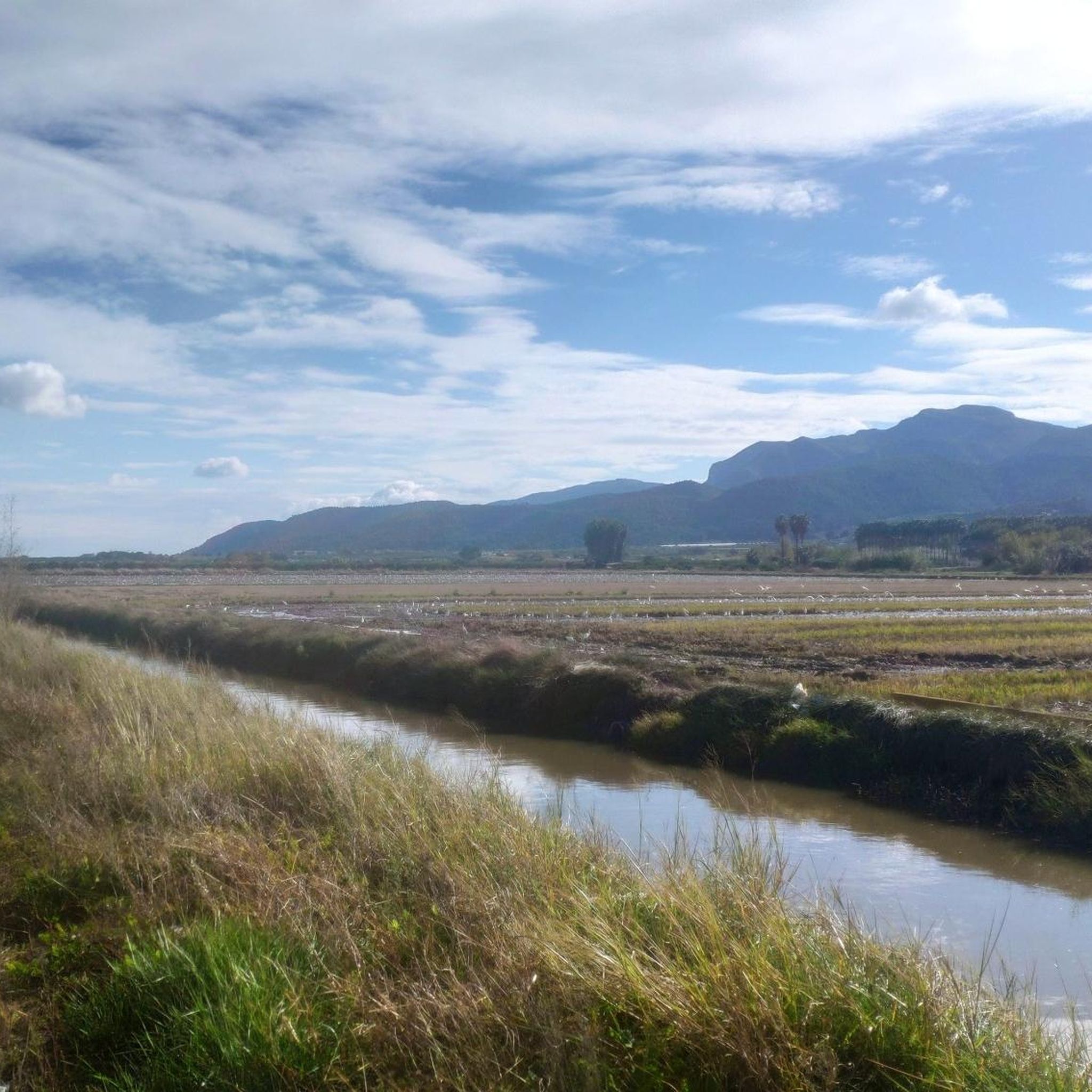
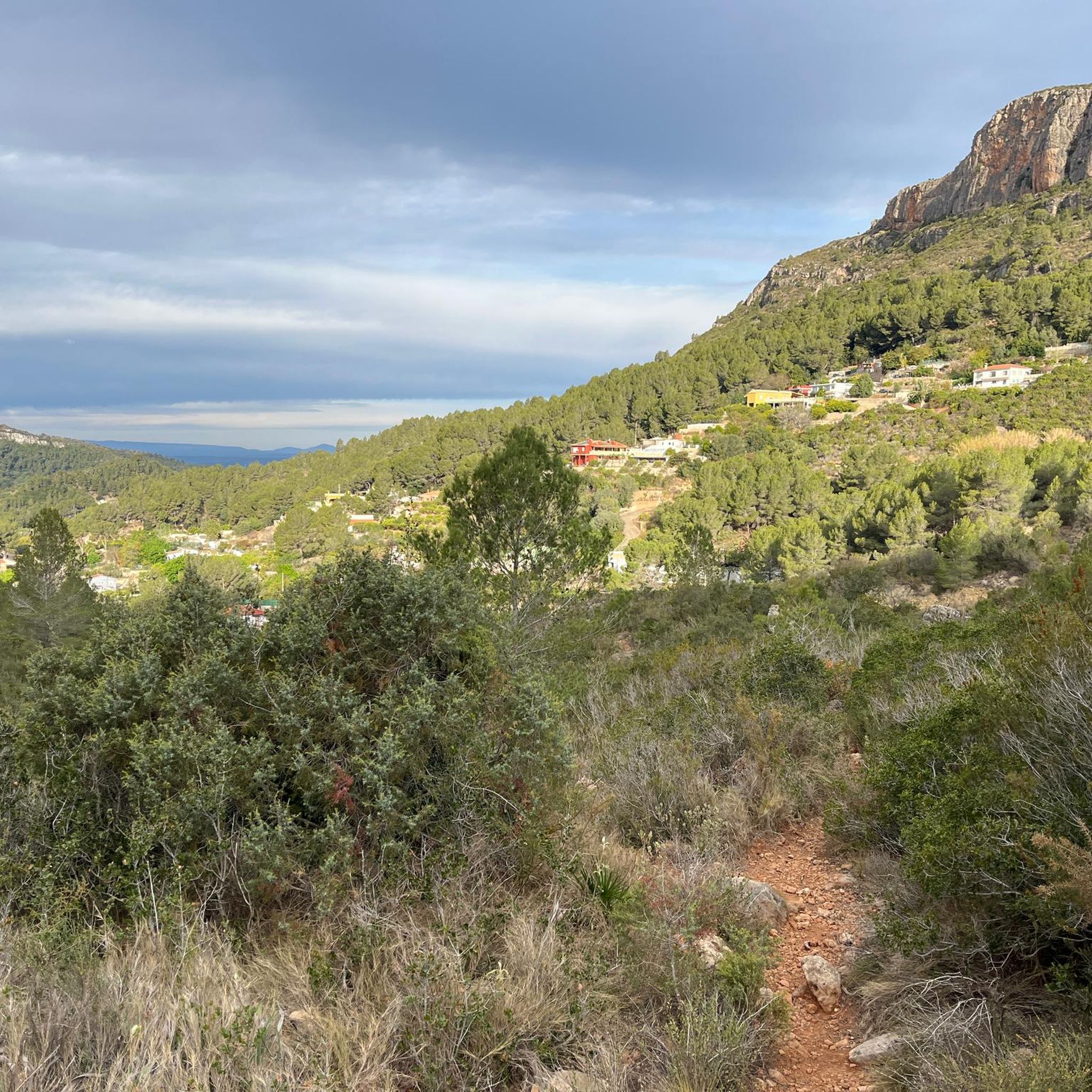
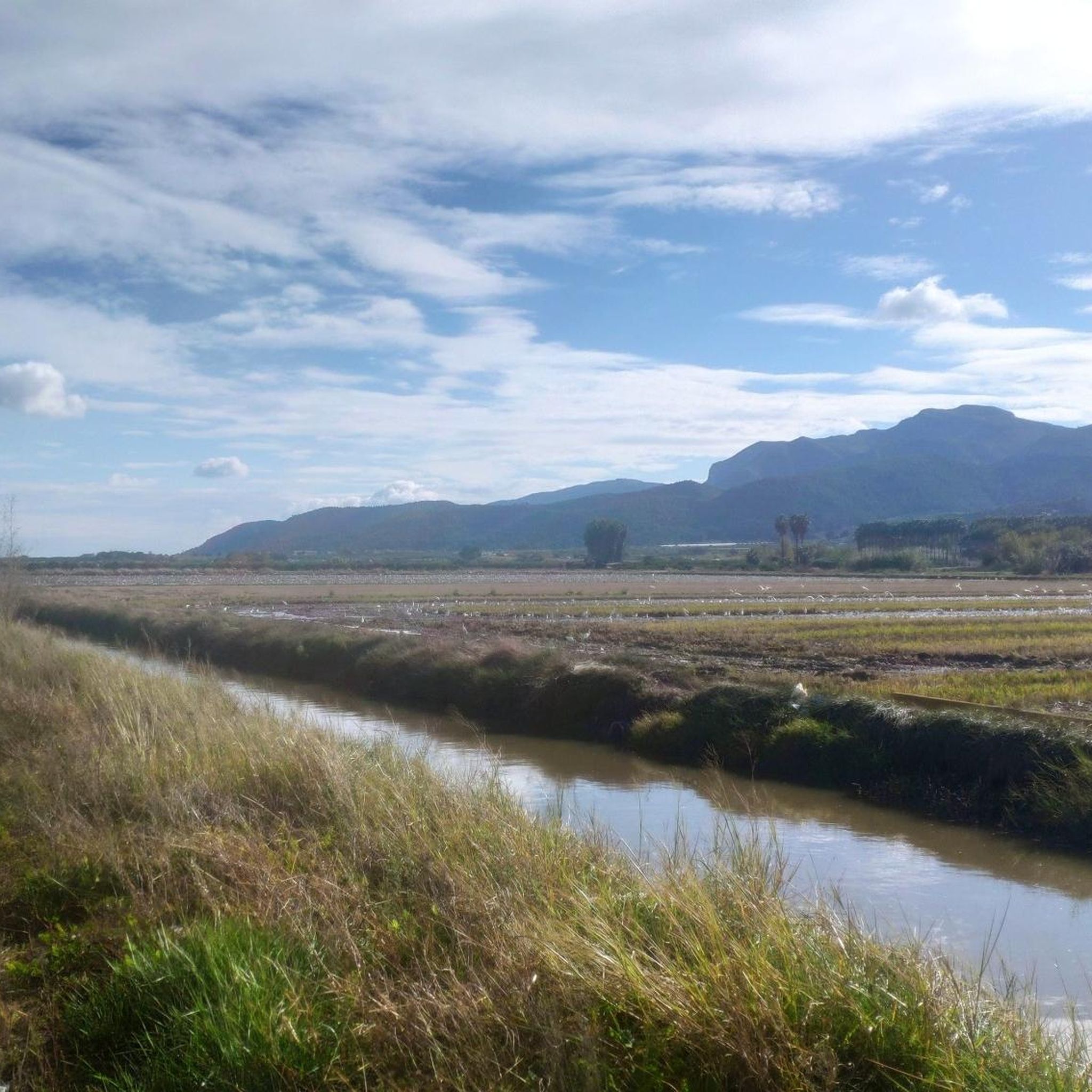
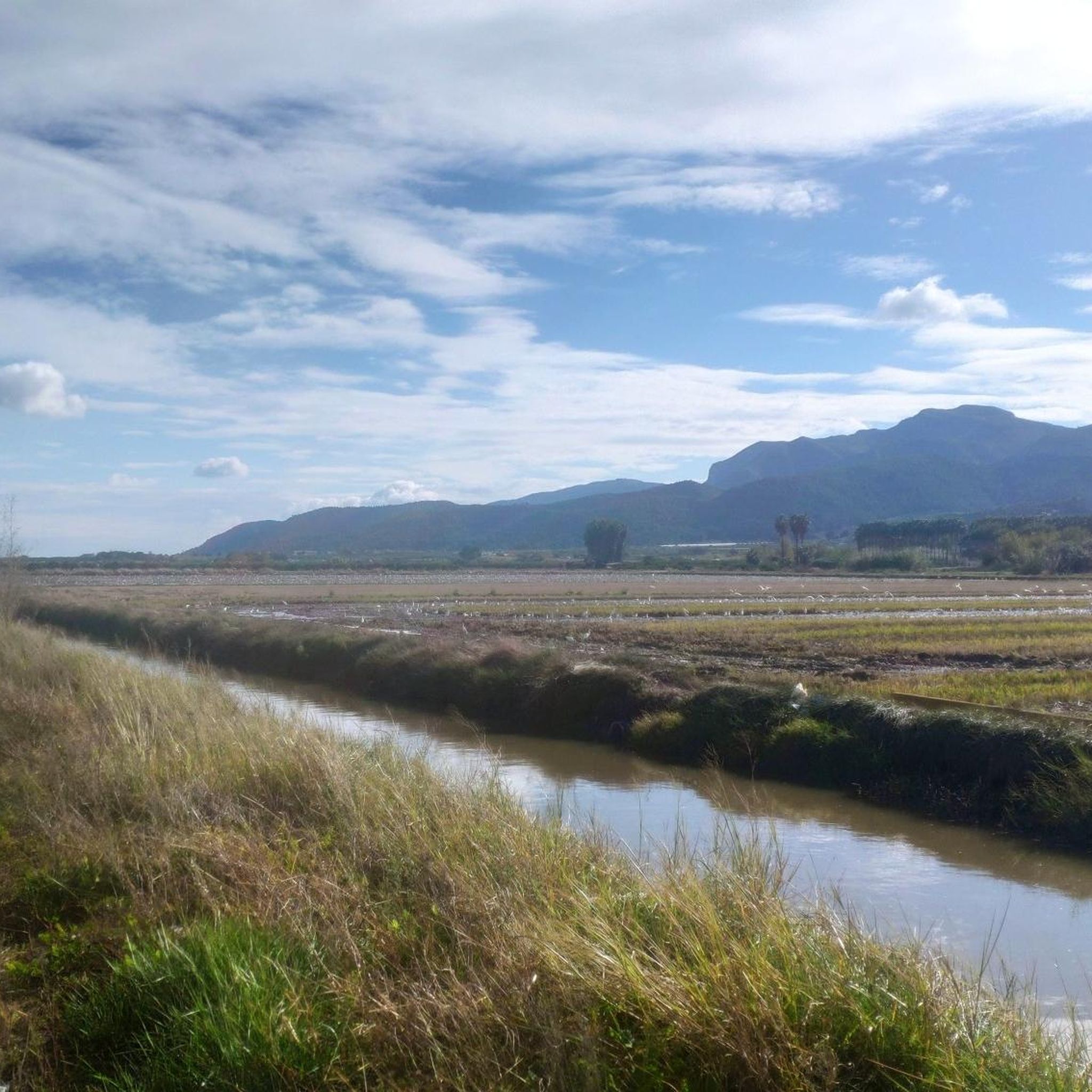

Tips from the Community

The Monastery of Santa María de la Murta is an ancient monastery of the Hieronymite order, located in the Valley of La Murta, in Alcira, Valencia. Founded in the 14th century, this monastery was an important centre of culture and spirituality, and a place of pilgrimage for royalty and aristocracy. The monastery was built under the protection of the Monastery of San Jerónimo de Cotalba, and work began in 1401. Its architectural style is framed within the Valencian Gothic, and over the centuries it received numerous donations from illustrious families. In 1989, the Alcira City Council acquired the monastery and since 1995 it has been in the process of recovery and restoration. In addition to its historical and architectural value, the natural environment of the Valley of La Murta is a protected reserve, which adds an additional attraction for visitors.
6
0

Old refrigerator that was used to keep a set of foods fresh. Its snow was taken from winter times or from nearby mountains such as the Mariola mountain range and transported to that point in order to preserve everything.
0
1
Murta Aqueduct. Route with children. The passage is a little complicated for little ones in some sections, but nothing insurmountable or dangerous.
9
0

The walk to Carvalho Bernat was beautiful, but once over the top the follow-up route was no longer visible and we had to take the same (very steep) route back to the start/end point.
0
0

La Murta is a beautiful forest corner hidden in the coastal mountains of Alzira, it was the center of religious communities since the 6th century, known from then on as the “valley of miracles” (dels Miracles), and in 1347 a group of monks Jerónimos built a monastery that exercised decisive economic, cultural and social power in the Ribera Alta del Xúquer. The remains of the medieval monastery and the set of orchards, irrigation ditches and monks' quarters are the main historical and heritage attraction of the valley. And the natural wonders of the crown of peaks and ambushed slopes are a good attraction for hikers, trail runners and mountaineers in one of the coastal mountain ranges in the south of Valencia. The entrance to the interior of the Murta Municipal Natural Park is regulated to control the number of visitors and conserve the environment. Access from Alzira is signposted along narrow paved country tracks and you have to drive with caution, it is easy to find walkers, runners and cyclists. The parking lot is at the entrance to the monastery grounds, there are benches, trees and a comfortable place to leave vehicles. The most popular itineraries visit the remains of the monastery and follow some of the paths in the forests inside the valley without going up to the summits, except for the itinerary that leads directly to the Creu del Cardenal, which is the most popular peak in the valley. The mountain route leaves the parking lot and as soon as you pass the entrance control, turn to the right along the Senda Botánica de la Umbría, go up a small slope to a curve where there are remains of an old lime kiln and continue along the slope of the Mountain range.
0
0

The water course from the source to the pools is a beautiful place. Check out the area and my hike in the video: https://youtu.be/jKT0SaA3j6g
4
1
This cylindrical construction was used to store the snow that fell in winter or the snow transported from the Sierra Mariola and which was transported with cars. It was a very common practice in the 16th and 18th centuries and was used to make ice cream and soft drinks, preserve food, and even make medicines, reduce the fever and relieve bruises. The "snow house" is a large well, very deep, and with a cover to avoid sunstroke. The top protrudes above of! ground level and the rest is buried, thus helping the thermal insulation necessary to preserve the snow. The interior walls were made of masonry. Between On the upper level and on the roof there are several openings through which you could enter inside and load the snow, then they were covered to maintain the temperature. With wood "They made steps to go down to the lower levels. At the lowest part there was a fountain or simply a gutter to let the accumulated water out. After the snowfall, the well was filled with snow. Inside it was crushed, as much as possible, with the feet and with wooden pillars, to turn it into ice. This operation lasted a short time to avoid frostbite on the feet. At a certain height, more or less 1 meter, rice straw was piled up and on top again snow. When the well was full, the snow was left to settle, covered, and monitored to prevent theft. The ice was cut into blocks to be extracted and placed in wooden boxes wrapped with straw to avoid, as much as possible, temperature loss. As They used animals for transportation, these were wrapped with blankets. The journey was made at night and quickly. Despite doing so, the load was reduced coming soon. This refrigerator was for private use of the monastery. Sieh dir die Gegend und my Wanderung im Video an: https://youtu.be/jKT0SaA3j6g
2
0

The ruins of the Murta monastery are located in an otherwise picturesque and quiet place, surrounded by wooded mountains and a special energy. Tranquility is what reigns and you feel once you reach it. Highly recommended!
1
1
Frequently Asked Questions
How many running routes are available in Corbera?
Corbera offers a good selection of running routes, with over 15 trails available for you to explore. These routes cater to various fitness levels, from moderate paths to more challenging climbs.
What kind of terrain can I expect on Corbera's running trails?
You'll find a diverse range of terrain in Corbera, characterized by rolling hills, verdant forests, and paths through significant natural parks like the Paraje Natural Municipal de "Les Fontanelles." Many routes wind through white pine forests, offering both inclines for training and picturesque scenery.
Are there any easy or beginner-friendly running routes in Corbera?
While many routes in Corbera feature significant elevation, there are options suitable for beginners. For instance, the Castell de Corbera loop from Corbera is a moderate 4.3-mile (7.0 km) trail with minimal elevation gain, making it a good choice for those starting out or looking for a less strenuous run.
Can I find circular running routes in the Corbera area?
Yes, Corbera features several excellent circular running routes. Popular options include the challenging Cavall Bernat loop from Corbera, the scenic Creu del Cardenal loop from Corbera, and the historical Castell de Corbera loop from Corbera. These loops allow you to start and finish in the same location.
What are some longer distance running options in Corbera?
For those seeking longer distances, Corbera has several routes that extend beyond 10 miles. The Cavall Bernat loop from Corbera is a substantial 11.3-mile (18.2 km) trail with significant elevation, and the Running loop from Corbera offers a challenging 11.2-mile (17.9 km) experience. Another option is the Ullal de Polinyà de Xúquer loop from Corbera, which is 10.1 miles (16.3 km).
Are there any historical landmarks or natural attractions to see while jogging in Corbera?
Absolutely! Corbera offers a blend of natural beauty and historical interest. You can run past the ruins of the Corbera Castle on routes like the Castell de Corbera loop. Natural attractions include various peaks such as Cavall Bernat and Creu del Cardenal, as well as natural monuments like Font del Garrofer and the Cova de la Galera.
What is the best time of year to go jogging in Corbera?
Corbera experiences a Mediterranean climate, making spring and autumn particularly pleasant for outdoor activities like jogging. During these seasons, the weather is mild, offering ideal conditions to enjoy the verdant landscapes and avoid the hotter summer temperatures.
Are the running trails in Corbera suitable for families?
Corbera's diverse terrain means there are options for various abilities. While some routes are challenging, families can find suitable paths, especially those with less elevation. The Castell de Corbera loop, for example, is a moderate trail that could be enjoyable for active families looking for a shorter, historical run.
Are dogs allowed on the jogging trails in Corbera?
Many natural areas in Spain, including parts of the Serra de Corbera, are generally dog-friendly, especially on marked trails. However, it's always recommended to keep dogs on a leash, especially in protected areas like the Paraje Natural Municipal de "Les Fontanelles," to protect local wildlife and ensure a pleasant experience for all users.
What do other runners say about their experience in Corbera?
The running routes in Corbera are highly rated by the komoot community, with an average score of 4.3 stars from over 9 reviews. Runners often praise the varied terrain, the challenging climbs, and the beautiful natural scenery, particularly the rolling hills and verdant forests.
Are there routes with good viewpoints or scenic spots?
Yes, Corbera's hilly landscape provides numerous opportunities for scenic views. Routes like the Creu del Cardenal loop from Corbera offer substantial climbs that reward runners with panoramic views over the surrounding natural landscape. Many trails through the Serra de Corbera also provide picturesque vistas.
What makes Corbera a unique place for outdoor running?
Corbera stands out for its diverse topography, combining rolling hills, verdant forests, and significant natural parks like "Les Fontanelles." Its location near the Montserrat mountain range also adds to its appeal, offering a rich variety of challenging and scenic routes. The blend of natural beauty and historical elements, such as the Corbera Castle, provides a unique and immersive running experience.
Most popular attractions around Corbera

Get inspired with the komoot mobile app


Explore more
Browse the best Running Trails & Routes in other regions.
