Attractions and Places To See around Valdelacasa De Tajo - Top 12
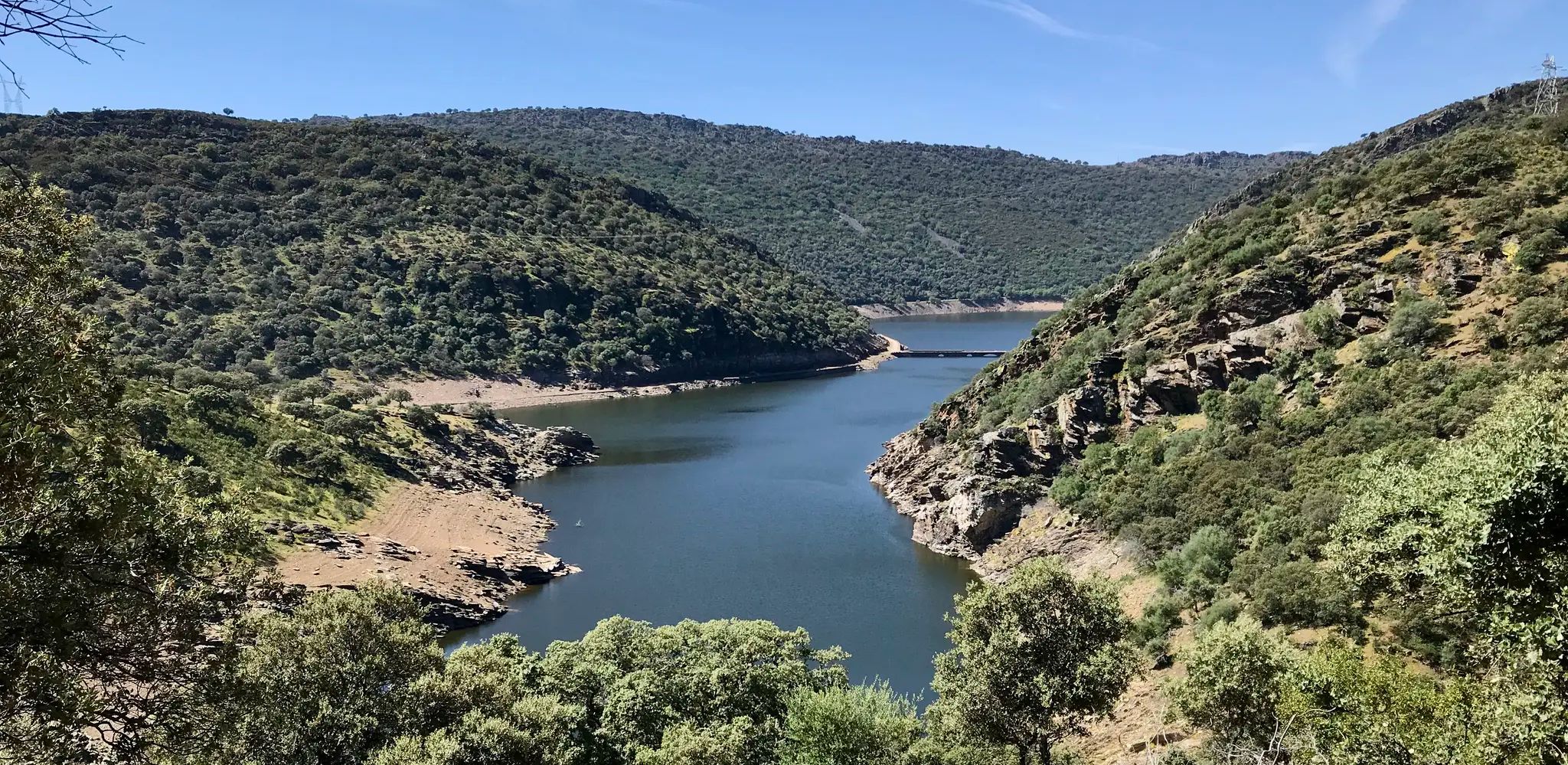
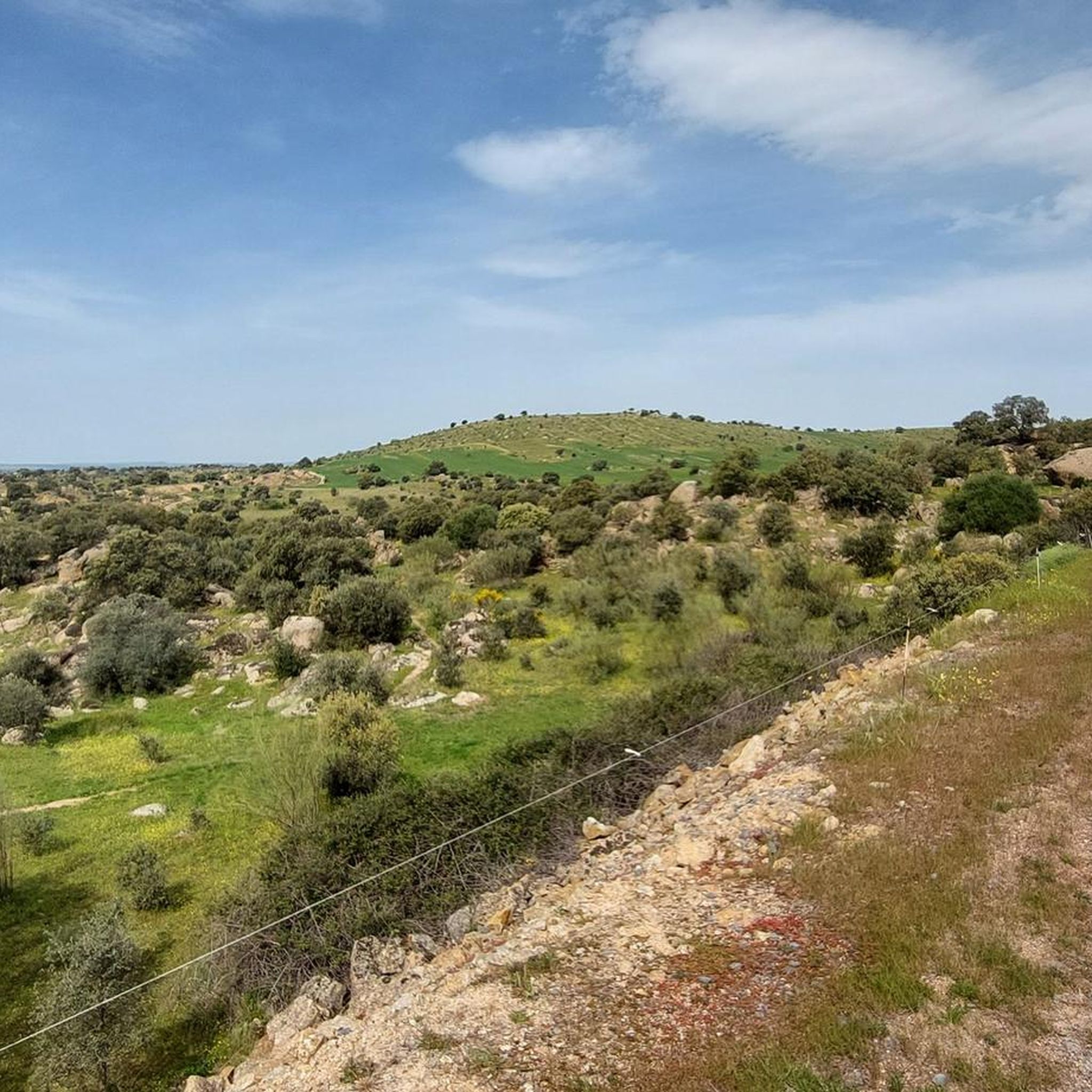
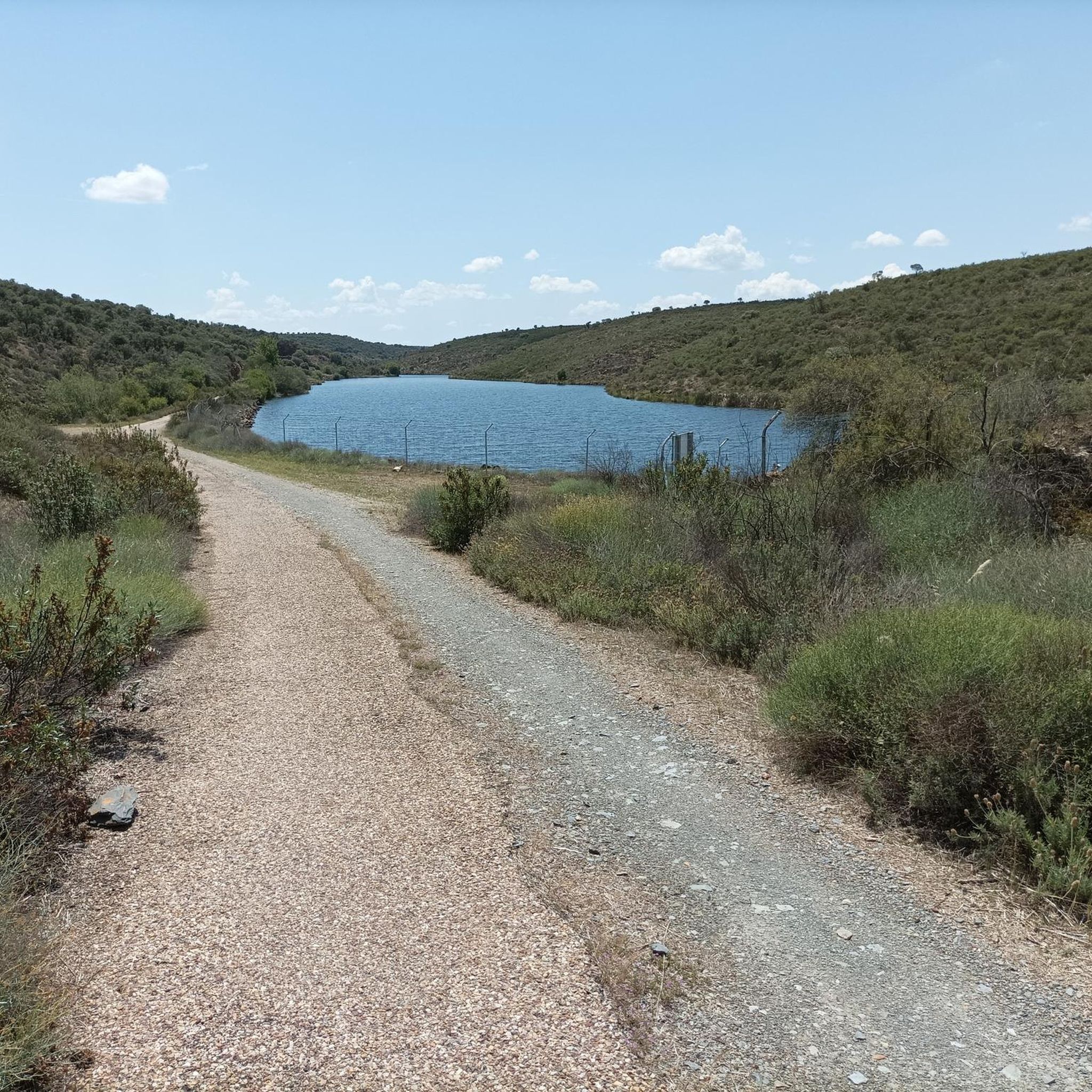
Best attractions and places to see around Valdelacasa De Tajo include a blend of historical, cultural, and natural features within the province of Cáceres, Extremadura. Situated in the Comarca de los Ibores, the area features a landscape of mountains and plains, with the Tagus River playing a significant role. Valdelacasa De Tajo is also part of the UNESCO Global Geopark Villuercas Ibores Jara, offering unique geological formations. The region provides opportunities to explore ancient ruins, medieval structures, and scenic viewpoints.
…Last updated: July 16, 2026
Puente del Arzobispo
Highlight • Bridge
Translated by Google •
Tip by

Villar del Pedroso
Highlight • Settlement
Translated by Google •
Tip by

Sign up now to discover places like this
Get recommendations on the best single tracks, peaks, & plenty of other exciting outdoor places.
Sign up for free
Vettones Verraco Sculpture
Highlight • Monument
Showing Translation
Tip by

Talavera la Vieja (ruins)
Highlight • Historical Site
Translated by Google •
Tip by
Puerto de Arrebatachacas
Highlight • Mountain Pass
Translated by Google •
Tip by

Sign up for free to discover even more attractions around Valdelacasa De Tajo.
Sign up for free
Already have an account?
Start today with a free account
Your next adventure awaits.
Login or Signup
Other adventures around Valdelacasa De Tajo

Tips from the Community

Historic bridge commissioned by the Archbishop of Toledo in the 14th century, in spring/summer home to hundreds of swifts, creating a unique spectacle.
0
0

🐂 Verraco vetón (Villar del Pedroso, Cáceres) The verraco vetón of Villar del Pedroso is a stone sculpture from pre-Roman times, created by the Celtic people of the Vettones more than 2,000 years ago (approx. 5th–1st centuries BC). Carved in granite, it represents an animal (bull, pig, or boar)
2
0

Villar del Pedroso is a municipality in the province of Cáceres, bordering Toledo to the north, where the Tagus acts as a border. Its municipal term has Celtiberian, Roman and medieval vestiges.
2
0
The Archbishop's Bridge is a municipality in Toledo that takes its name from its beautiful Gothic bridge with 11 arches that crosses the waters of the Tagus River. The town is famous for its ceramics, and together with Talavera de la Reina, it is the largest pottery center in Spain.
1
1
Talavera la Vieja corresponds to the Roman city of Augustobriga, halfway between Mérida (Emérita Augusta) and Talavera de la Reina (Caesarobriga). For a long time it was doubted that this was the Roman city, until an inscription was discovered that unquestionably linked the ancient city with the town of Talavera la Vieja. It is interesting to note that the only Roman portico of the Curia that is preserved today comes from this city. Today it is next to the EX-118, since it was saved from the flood by moving the stones and relocating them in the place where they are now. This historical monument is better known as "the marbles".
9
0

This great bridge with eleven eyes over the Tagus River gives its name to the Toledo town in which it is located, although the left bank of the river is already considered Cáceres and forms part of the municipality of Villar del Pedroso. It was built between 1383 and 1388 by order of the Archbishop of Toledo Pedro Tenorio.
2
1

Built at the end of the 14th century, the bridge has given its name to the town on the other side of the Tagus. It plays a fundamental role in communication with Extremadura, Ávila and Lisbon. Going a little further along the banks of the river, you will have some beautiful views of the bridge with the town behind.
2
0
Site with a lot of history behind it that goes back to the time of the Romans in the second century. The old town of Talavera la Vieja or also known as Talaverilla, originally located on the banks of the Tagus River, was flooded in 1963 due to the construction of the Valdecañas Reservoir. Today they can be seen from its shores in a movie landscape but what stands out the most are the Roman ruins of "Los Mármoles" and the "Cilla" temple that can still be visited and date back to the 2nd century when in this place The citadel of Augustobriga was located, which used to have between 4,000 and 7,500 inhabitants at that time. The discovery, in addition to several dolmens, allows us to indicate that there was a population in this area even before it was inhabited by the Romans.
2
0
Frequently Asked Questions
What historical sites can I explore around Valdelacasa de Tajo?
The region offers a rich history. You can visit the Gothic Puente del Arzobispo, a significant medieval bridge over the Tagus River. Explore the Talavera la Vieja (ruins), which are remnants of the Roman city of Augustobriga, featuring a preserved Roman portico. Within Valdelacasa de Tajo itself, you'll find the Gothic Iglesia de Nuestra Señora de la Asunción, the ancient pre-Roman sculpture El Verraco, and the Granite Via Crucis.
Are there any Roman ruins to visit near Valdelacasa de Tajo?
Yes, you can visit the Talavera la Vieja (ruins), which correspond to the Roman city of Augustobriga. This site is notable for preserving the only Roman portico of the Curia, locally known as 'the marbles'.
What natural attractions or viewpoints are there in the Valdelacasa de Tajo area?
The area is part of the UNESCO Global Geopark Villuercas Ibores Jara, featuring the specific geosite Anticlinal de Valdelacasa. For spectacular views, head to Puerto de Arrebatachacas or Collado del Hospital, both offering vistas, especially of the Villuercas peak. The Camino Natural del Tajo (GR 113) also provides scenic routes along the Tagus River through forests of oaks and chestnut trees.
Can I go hiking near Valdelacasa de Tajo?
Absolutely. The region offers various hiking opportunities. You can find routes like the Fábrica de la Luz Trail or a moderate hike around Talavera la Vieja by the Valdecañas Reservoir. For more options, explore the Hiking around Valdelacasa De Tajo guide.
Are there cycling routes available around Valdelacasa de Tajo?
Yes, both mountain biking and road cycling routes are available. For MTB, consider loops from El Puente del Arzobispo or Valdeverdeja. Road cyclists can tackle challenging routes like the one from Castañar de Ibor to Campillo de Deleitosa. Discover more routes in the MTB Trails around Valdelacasa De Tajo and Road Cycling Routes around Valdelacasa De Tajo guides.
What is the Geoparque Villuercas Ibores Jara, and can I visit it?
Valdelacasa de Tajo is located within the UNESCO Global Geopark Villuercas Ibores Jara. This geopark is recognized for its unique geological formations and landscapes. You can explore specific geosites like the Anticlinal de Valdelacasa and enjoy the natural beauty and geological significance of the area through its various trails and viewpoints.
Are there family-friendly attractions in Valdelacasa de Tajo?
Many of the historical and natural sites are suitable for families. The Puente del Arzobispo is a great spot for a walk and offers scenic views. Exploring the ruins of Talavera la Vieja can also be an educational experience for older children. Gentle walks along sections of the Camino Natural del Tajo are also enjoyable for families.
What unique cultural landmarks can I find in Valdelacasa de Tajo?
Beyond the prominent historical sites, Valdelacasa de Tajo is home to unique cultural landmarks such as El Verraco, a pre-Roman granite sculpture by the Vettones, symbolizing ancient pastoral life. The Granite Via Crucis, an early 19th-century Way of the Cross, and the 16th-century Cruz de las Viñas, adorned with reliefs, also offer insights into the region's cultural heritage.
What do visitors particularly enjoy about the attractions in this region?
Visitors appreciate the blend of history and nature. The views from mountain passes like Puerto de Arrebatachacas are a highlight, often featuring pilgrim statues and crosses related to the Camino de Guadalupe. The historical significance of sites like the Puente del Arzobispo and the Roman Talavera la Vieja (ruins) also captivate those interested in the past.
Are there any religious or pilgrimage sites nearby?
Yes, the area has several religious sites. The Iglesia de Nuestra Señora de la Asunción is a notable Gothic church in Valdelacasa de Tajo. The Ermita de Santa Ana is an 18th-century hermitage. Additionally, Puerto de Arrebatachacas features references to the Camino de Guadalupe, including a pilgrim statue and an iron cross, indicating its role on a pilgrimage route.
What kind of landscapes can I expect to see while exploring?
The landscape around Valdelacasa de Tajo is characterized by a mix of mountains and plains, situated within the Comarca de los Ibores. You'll encounter dense forests of oaks, cork oaks, and chestnut trees, especially along routes like the Camino Natural del Tajo. The Tagus River is a prominent feature, and the region's geological significance is highlighted by its inclusion in the UNESCO Global Geopark Villuercas Ibores Jara.
Are there any easy walking trails suitable for all abilities?
While many trails are moderate, you can find easier walking options. For example, the 'Molinos del Conde loop from Valdeverdeja' is rated as easy. Exploring the immediate surroundings of the villages and designated sections of the Camino Natural del Tajo can also provide accessible and enjoyable walks. Always check the specific route details for difficulty and terrain.
Most popular routes around Valdelacasa De Tajo

Get inspired with the komoot mobile app


Explore more
Still not found the Highlight you’re looking for? See guides of the top attractions in other regions:
