The best road cycling routes around Valdelacasa De Tajo
5.0
(4)
81
riders
9
rides
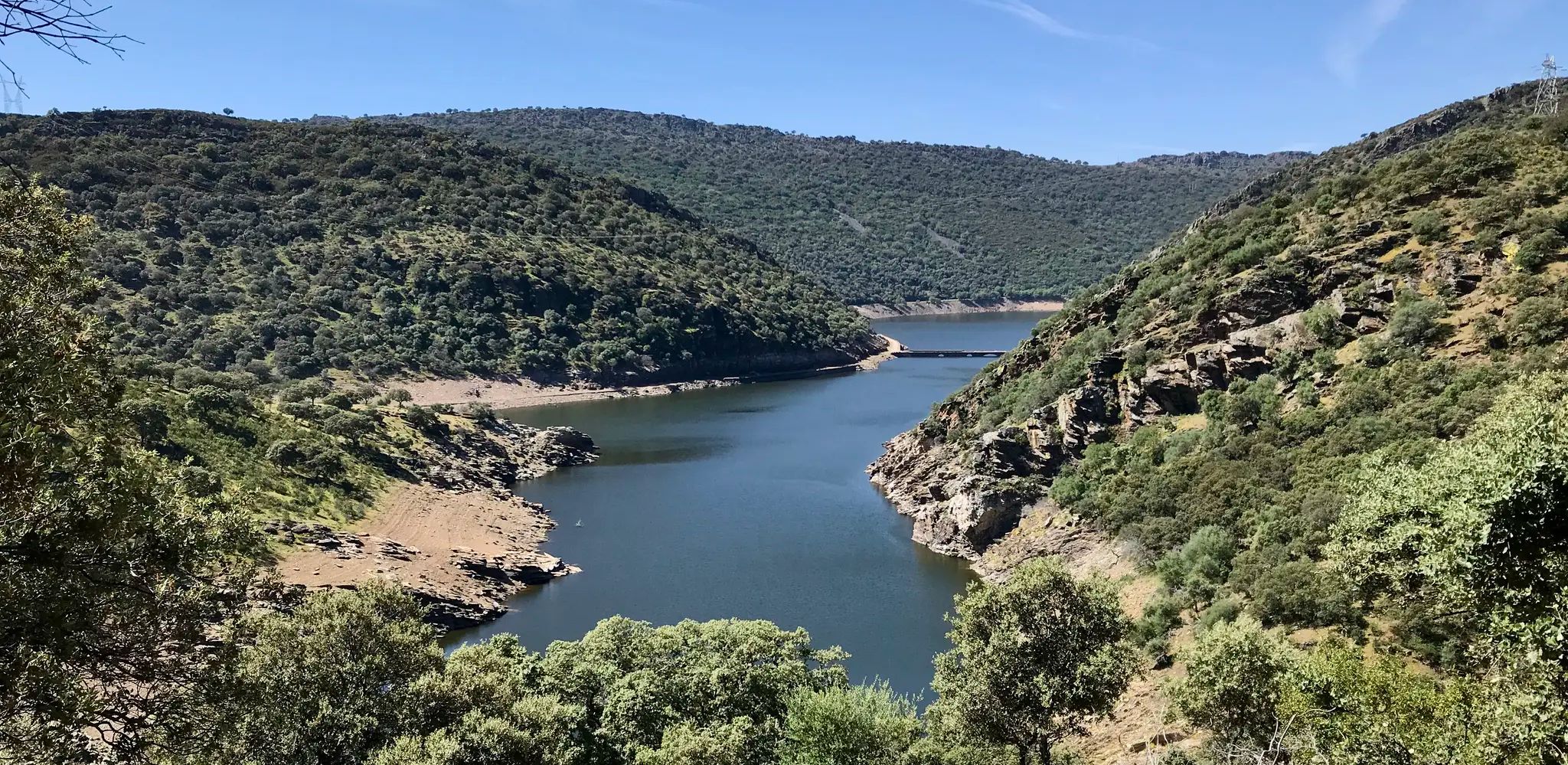
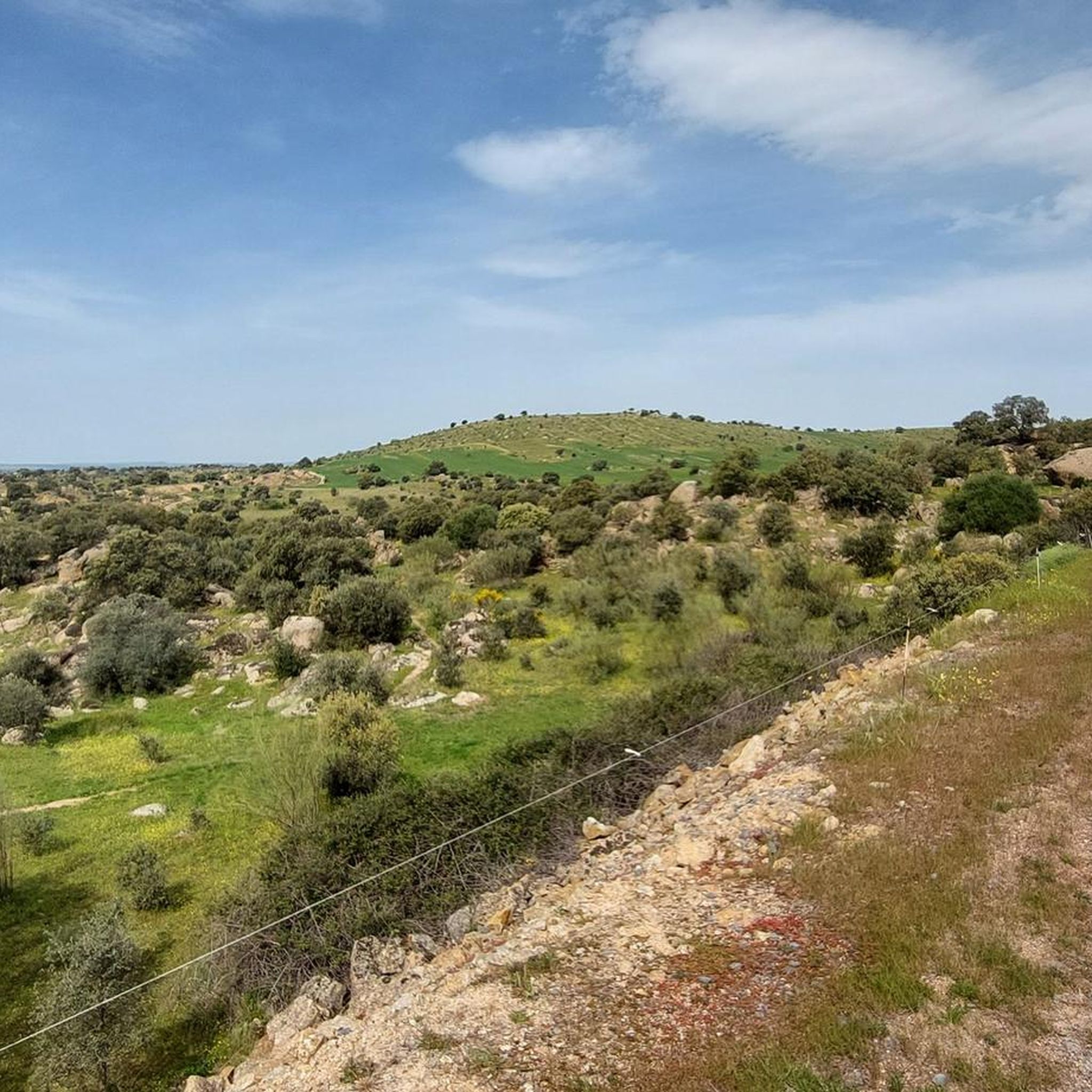
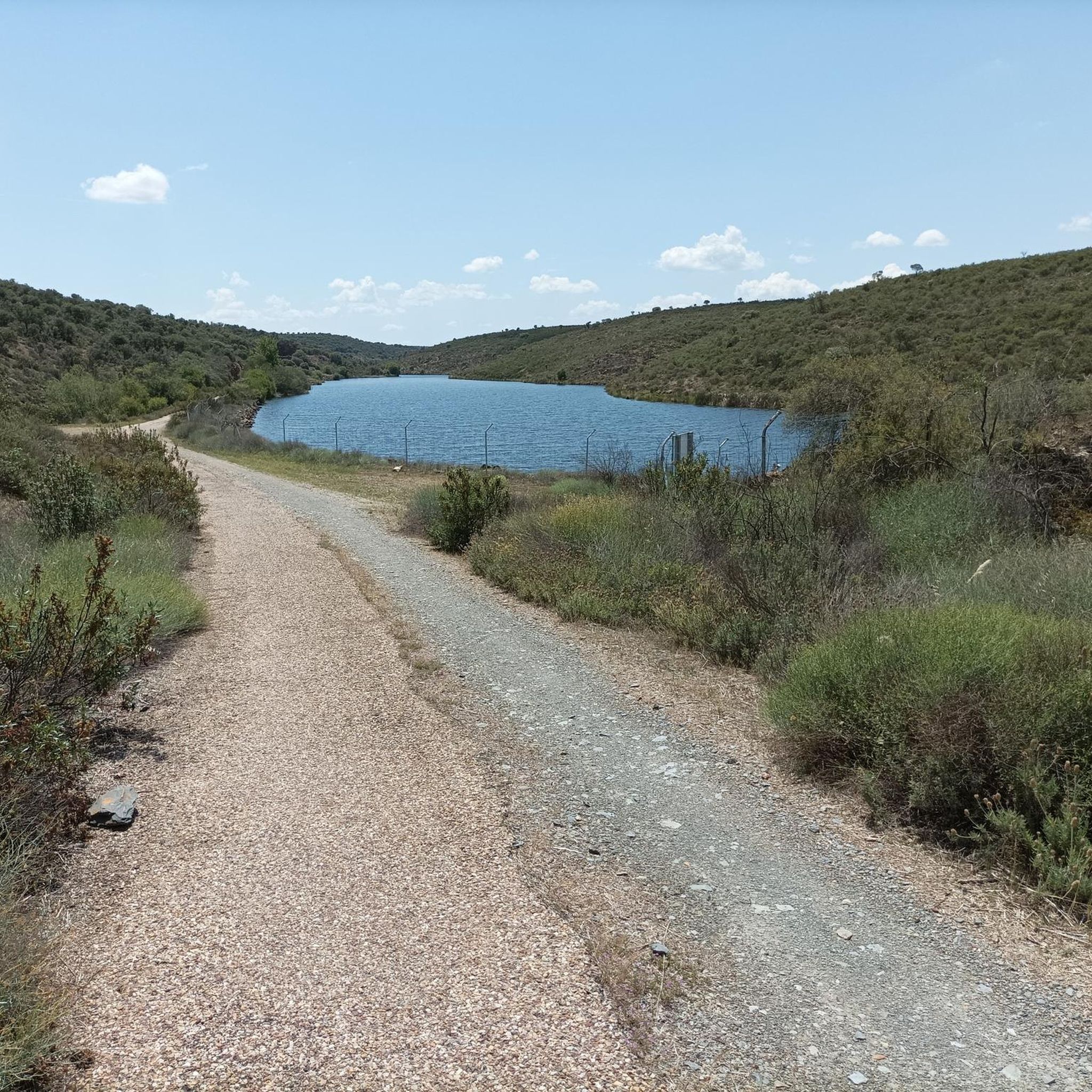
Road cycling routes around Valdelacasa De Tajo traverse a diverse landscape characterized by eroded Paleozoic mountains, quartzite crests, and the deep cuts of the Tagus River. The region features narrow, well-paved roads with manageable gradients, often passing through forests of oaks, cork oaks, and chestnut trees. Situated within the Villuercas-Ibores-Jara Geopark, the area offers varied topography from undulating plains to significant geological formations.
Best road cycling routes around Valdelacasa De Tajo
- The most popular road cycling route is Catañar de…
Last updated: July 11, 2026
4
riders
66.7km
04:08
1,350m
1,350m
Hard road ride. Very good fitness required. Mostly well-paved surfaces and easy to ride.
5.0
(1)
4
riders
Moderate road ride. Good fitness required. Mostly well-paved surfaces and easy to ride.

Sign up for free
5.0
(1)
15
riders
101km
05:26
2,010m
2,010m
Hard road ride. Very good fitness required. Mostly well-paved surfaces and easy to ride.
11
riders
85.6km
05:01
1,750m
1,750m
Hard road ride. Very good fitness required. Mostly well-paved surfaces and easy to ride.
9
riders
57.0km
02:31
590m
590m
Moderate road ride. Good fitness required. Mostly well-paved surfaces and easy to ride.
Get access to more routes and recommendations from other explorers.
Sign up for free
Already have an account?
Our route recommendations are based on thousands of hikes, rides, and runs completed by other people on komoot.
Start today with a free account
Your next adventure awaits.
Login or Signup
Popular around Valdelacasa De Tajo
Other adventures around Valdelacasa De Tajo

Tips from the Community

Historic bridge commissioned by the Archbishop of Toledo in the 14th century, in spring/summer home to hundreds of swifts, creating a unique spectacle.
0
0

El Alto del Humilladero and Pico Villuercas, near Guadalupe (Cáceres), form one of the most spectacular mountain routes in Extremadura, within the Villuercas‑Ibores‑Jara UNESCO Geopark. It is the highest summit in Extremadura accessible by road.
2
0

Gives the feeling of being on a film set or somewhere in Mexico. Perhaps not so strange, because the Virgin of Guadalupe is the patroness of Mexico. In the hills, the virgin is said to have been found seven centuries ago. Strictly forbidden to take photos inside the walls, monks walk with the group...
14
1
The Arco de las Eras (Dorsenboog) is built of natural stone and brick in the arches and the superstructure. The architecture still preserves remnants of the old battlements that protected the entrance. This arch was part of the second defensive ring, which surrounded the city and protected its southern edge. The arch was restored in the early 20th century and served as an entrance gate
12
1
De Arco de las Eras (Dorsenboog) is constructed of natural stone and brick in the arches and the superstructure. The architecture still preserves remnants of the old battlements that protected the entrance. This arch was part of the second defensive ring, which surrounded the city and protected the southern edge. The arch was restored in the early 20th century and served as an entrance gate for
11
1
The Royal Monastery of Santa María de Guadalupe is a 14th-century monastery located in the Spanish town of Guadalupe, in the province of Cáceres. It was declared a UNESCO World Heritage Site in 1993. Inside, you can appreciate Gothic, Mudéjar, Renaissance, Baroque, and Neoclassical architectural styles. A place with a rich history and breathtaking architectural beauty! 🌟🏰
15
0
It formed part of the second defensive ring built to protect Puebla from the south, securing access from the south and east. Restored in the early 20th century, it was used as an entry point for pilgrims and travelers, especially to regulate access when it was closed due to overcrowding.
17
0

Alto del Humilladero is a short but intense mountain pass, where the road climbs steeply through curves that test your legs. From its summit, you have a wide panoramic view that I'm sure you'll enjoy.
0
1
Frequently Asked Questions
What kind of terrain can I expect on road cycling routes around Valdelacasa de Tajo?
The region offers a diverse landscape for road cycling, characterized by eroded Paleozoic mountains, quartzite crests, and the deep cuts of the Tagus River. You'll find narrow, well-paved roads with manageable gradients, often passing through forests of oaks, cork oaks, and chestnut trees. The area is part of the Villuercas-Ibores-Jara Geopark, providing varied topography from undulating plains to significant geological formations.
Are there road cycling routes suitable for different skill levels in Valdelacasa de Tajo?
Yes, Valdelacasa de Tajo offers routes for various abilities. While the region is known for its hilly terrain and daily ascents, gradients are generally manageable, not exceeding 7%. You'll find both moderate paths and more challenging climbs. For instance, routes like The natural pool of río Viejas from Castañar de Ibor — circular by the río Ibor are considered moderate, while others such as Catañar de Ibor to Campillo de Deleitosa — circular are more difficult.
What are some notable natural features or viewpoints I might encounter on a road cycling tour?
Road cycling routes in the area offer stunning natural scenery. You can expect views of the spectacular Villuercas peak and the deep natural cuts of the Tagus River. Specific spots like 'Los Malagones' near Espejel Castle and the dramatic 'Los Frontones' and 'El Tranco del Gitano' showcase beautiful granite and slate formations. The Puerto de Arrebatachacas also provides rewarding views after a climb.
Are there any historical landmarks or attractions along the road cycling routes?
Yes, the region is rich in history. You can cycle past the impressive 14th-century Puente del Arzobispo over the Tagus River. Other historical points of interest include the ruins of Talavera la Vieja (Augustobriga), an ancient Roman city, and the Arab castle of Espejel. The Puerto de Arrebatachacas also features markers related to the Camino de Guadalupe pilgrimage route.
What is the best time of year for road cycling in Valdelacasa de Tajo?
While specific weather conditions vary, the region's climate generally makes it suitable for cycling for much of the year. The diverse landscapes with forests of oaks, cork oaks, and chestnut trees provide scenic backdrops that change with the seasons. It's advisable to check local weather forecasts closer to your planned visit, especially regarding summer heat or cooler winter temperatures.
Are there any circular road cycling routes available?
Yes, several routes in the area are circular, allowing you to start and end in the same location. Examples include Catañar de Ibor to Campillo de Deleitosa — circular, The natural pool of río Viejas from Castañar de Ibor — circular by the río Ibor, and the Puerto de Arrebatachacas – Arch of Seville loop from Carrascalejo.
How long are the road cycling routes in Valdelacasa de Tajo?
The routes vary in length to suit different preferences. You can find tours ranging from moderate distances, such as The natural pool of río Viejas from Castañar de Ibor — circular by the río Ibor at around 41.8 km, to longer, more challenging rides like the Puerto de Arrebatachacas – Arch of Seville loop from Carrascalejo, which is over 100 km.
What do other road cyclists say about the routes in Valdelacasa de Tajo?
The road cycling routes around Valdelacasa de Tajo are highly rated by the komoot community, with an average score of 5.0 stars from more than 4 reviews. Cyclists often praise the diverse terrain, scenic views, and the network of well-paved, narrow roads with minimal vehicle traffic.
Are there any family-friendly road cycling options in the area?
While the region is known for its hilly terrain, some routes feature more manageable gradients. For families looking for less strenuous rides, it's best to look for routes explicitly marked as 'moderate' or those with lower elevation gains. Always check the route details for distance and elevation to ensure it matches your family's comfort level.
Where can I find parking for road cycling routes in Valdelacasa de Tajo?
Specific parking information for individual trailheads is not always detailed in route descriptions. However, as Valdelacasa de Tajo is a municipality, you can typically find parking in or near the main villages or starting points of the routes. It's advisable to check local maps or tourist information for designated parking areas in towns like Valdelacasa de Tajo or Castañar de Ibor before your ride.
Are there places to stop for refreshments or accommodation along the routes?
Valdelacasa de Tajo and surrounding villages offer amenities such as cafes, pubs, and accommodation. While specific stops are not always listed for every route, planning your ride to pass through or near these settlements will provide opportunities for refreshments and breaks. Consider towns like Castañar de Ibor or Carrascalejo as potential stopping points.
What kind of road surface can I expect on the Tajo Cycle Route or other local roads?
The region generally features narrow, well-paved roads. While the Tajo Cycle Route itself is a larger network, the local roads around Valdelacasa de Tajo are described as well-maintained, making them suitable for road bikes. However, as with any rural area, occasional variations in surface quality might occur.
Most popular routes around Valdelacasa De Tajo
Most popular attractions around Valdelacasa De Tajo

Get inspired with the komoot mobile app


Explore more
Browse the best Road cycling routes in other regions.
