The best cycling routes around Torreorgaz
4.7
(25)
298
riders
31
rides
Touring cycling routes around Torreorgaz traverse the diverse landscapes of Extremadura, characterized by extensive Mediterranean forests and dehesas of holm and cork oaks. The region features rolling hills and plains, with some routes incorporating significant ascents and descents. Riverine environments, including reservoirs, also contribute to the varied terrain. These physical features offer a range of experiences for touring cyclists.
Best touring cycling routes around Torreorgaz
- The most popular touring cycling route is Valdesalor Reservoir Loop from Aldea del Cano,…
Last updated: June 26, 2026
1
riders
37.5km
02:56
230m
230m
Cycle 23.3 miles (37.5 km) around Embalse de Valdesalor from Aldea del Cano, exploring historical bridges and diverse natural scenery.
5.0
(1)
24
riders
77.8km
05:23
460m
460m
Hard bike ride. Very good fitness required. Mostly paved surfaces. Suitable for all skill levels.

Sign up for free
3.0
(2)
9
riders
24.7km
01:44
150m
150m
Easy bike ride. Great for any fitness level. Mostly paved surfaces. Suitable for all skill levels.
5.0
(1)
8
riders
50.0km
04:19
440m
440m
Moderate bike ride. Good fitness required. Mostly paved surfaces. Suitable for all skill levels.
12
riders
43.7km
03:14
410m
410m
Moderate bike ride. Good fitness required. Mostly paved surfaces. Suitable for all skill levels.
Get access to more routes and recommendations from other explorers.
Sign up for free
Already have an account?
Our route recommendations are based on thousands of hikes, rides, and runs completed by other people on komoot.
Start today with a free account
Your next adventure awaits.
Login or Signup
Tips from the Community

The historic center of Cáceres, declared a UNESCO World Heritage Site, is one of the most impressive monumental complexes in Spain. Walking through its cobbled streets is like traveling to the Middle Ages, thanks to its excellent state of preservation and the absence of modern buildings that alter its aesthetics.
14
1
This square is legally protected as an Asset of Cultural Interest (BIC) and is within the catalog of protected assets of the Cáceres city council. Its neo-Mudejar architecture and rich history make it an emblematic place for lovers of bullfighting and culture.
8
0
In 2011, the redevelopment and remodeling works of the Plaza Mayor were completed, led by architects Antonino Antequera, Francisco Pol Méndez and Asunción Rodríguez Montejano. The project included the creation of several spaces, such as the Summer Plaza, a shady place with trees and fountains; the Winter Square, flanked by a fountain wall and a continuous stone bench; the new Music Forum, in the Balbos Forum, next to the Town Hall, for chamber concerts; and a large central free space for events, whose pavement formally recalls the vernacular Cáceres brick vault, and which has water fountains to combat the summer heat. If you visit Cáceres, you cannot miss exploring this emblematic Plaza Mayor and admiring its rich history and architecture.
9
0
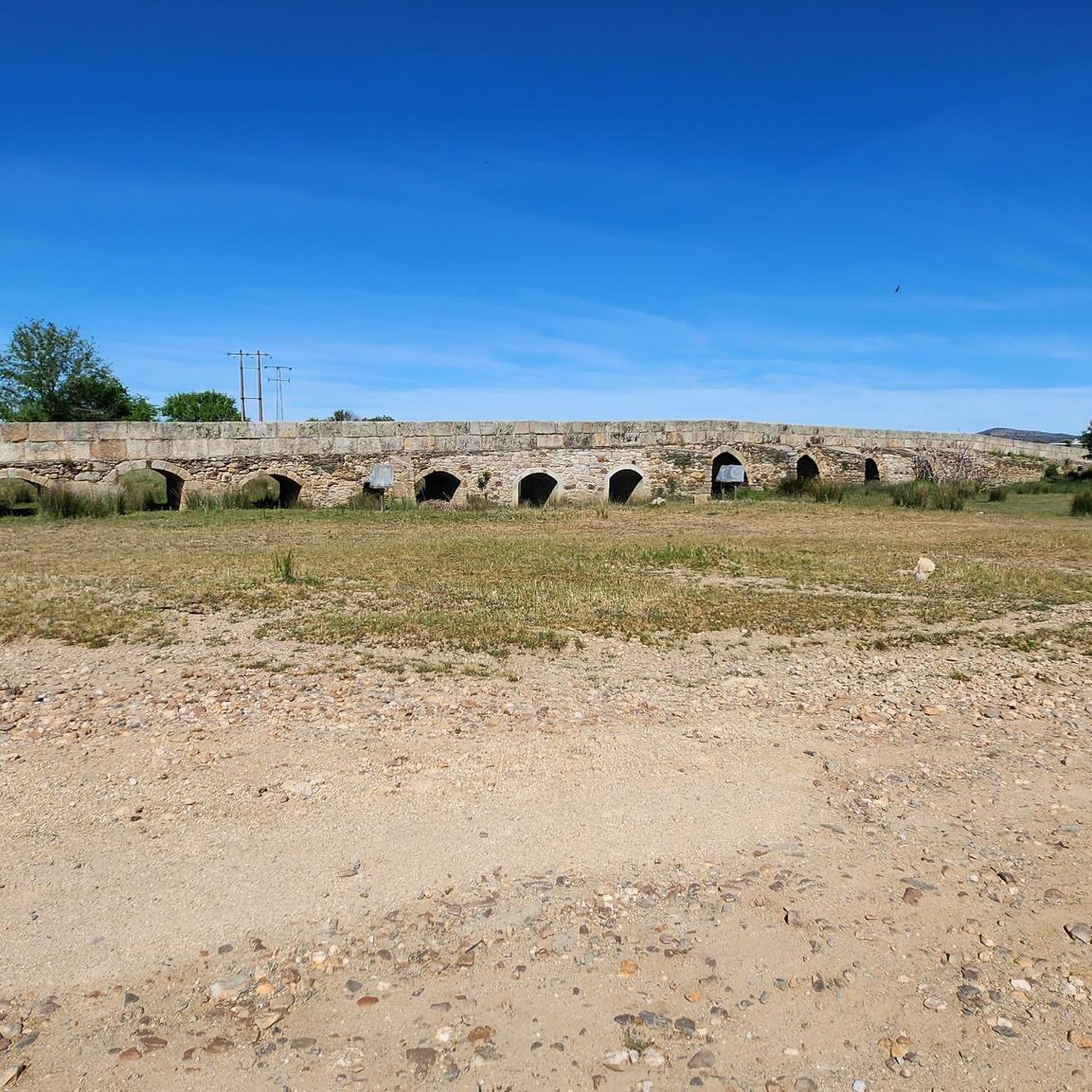
The Mocha Bridge, also known as Puente Viejo de la Mocha, is a historic structure located in the municipality of Valdesalor. This bridge crosses the Salor River and has been rebuilt several times throughout history to offer the appearance it has today.
2
0
Being able to walk anywhere through its narrow cobbled streets is like traveling to another era. You will be surrounded by mansions, Renaissance palaces and churches crowned with stork nests and you will understand why Cáceres is a World Heritage City. Prepare your camera to photograph one of the most beautiful historic centers in Spain.
14
1
It is a construction of Arab origin and built on Roman ashlars. It stands within the defensive fence of the monumental city of Cáceres. It is 25 meters high and has a square floor plan. It appears topped by a ring of battlements, two lateral machicolations and one frontal one, which was added in the 18th century. On the western side, facing the Plaza Mayor, is the small balcony of the Fueros, from the 16th century.
30
0
It is presided over by the Town Hall built in 1869 by Ignacio María de Michelena. In it you can see such emblematic monuments as the Torre de la Hierba, the Torre de los Púlpitos and especially the Torre de Bujaco next to the Hermitage of Peace.
33
0
The peculiar structure of this bullring testifies to its historical past, which has earned it being declared a Site of Cultural Interest. The Cáceres Bullring, also known as “Coso de la Era de los Mártires”, is one of the oldest in Spain. Its construction began in 1844 and the works were completed two years later. The first bullfight was held on August 6, 1846, with bulls led by D. Gaspar Muñoz. The square is built with granite and masonry walls, it has a capacity of 8,000 spectators spread over three floors. In addition to bullfighting celebrations, it is also used for other types of events such as music concerts.
16
0
Frequently Asked Questions
What kind of terrain can I expect on touring cycling routes around Torreorgaz?
Touring cycling routes around Torreorgaz traverse the diverse landscapes of Extremadura. You'll encounter extensive Mediterranean forests and dehesas of holm and cork oaks, rolling hills, and plains. Some routes include significant ascents and descents, while riverine environments and reservoirs also contribute to the varied terrain, offering a range of experiences.
Are there touring cycling routes suitable for beginners or families in Torreorgaz?
Yes, there are touring cycling routes suitable for various ability levels. For an easier option, consider the Guadiloba Reservoir – Sierra de Fuentes loop from Sierra de Fuentes, which is rated as easy and covers 24.7 km with moderate elevation changes. This route offers a good introduction to the region's landscapes.
How many touring cycling routes are available around Torreorgaz?
There are over 25 touring cycling routes available around Torreorgaz, catering to various skill levels. The komoot community has explored these routes extensively, with options ranging from easy to difficult.
What is the best time of year for touring cycling in Torreorgaz?
The best seasons for touring cycling in Torreorgaz and the wider Cáceres region are typically January and October, offering pleasant weather conditions. While cycling is possible year-round, spring and autumn generally provide more comfortable temperatures for exploring the diverse landscapes.
What natural features or landmarks can I see while cycling around Torreorgaz?
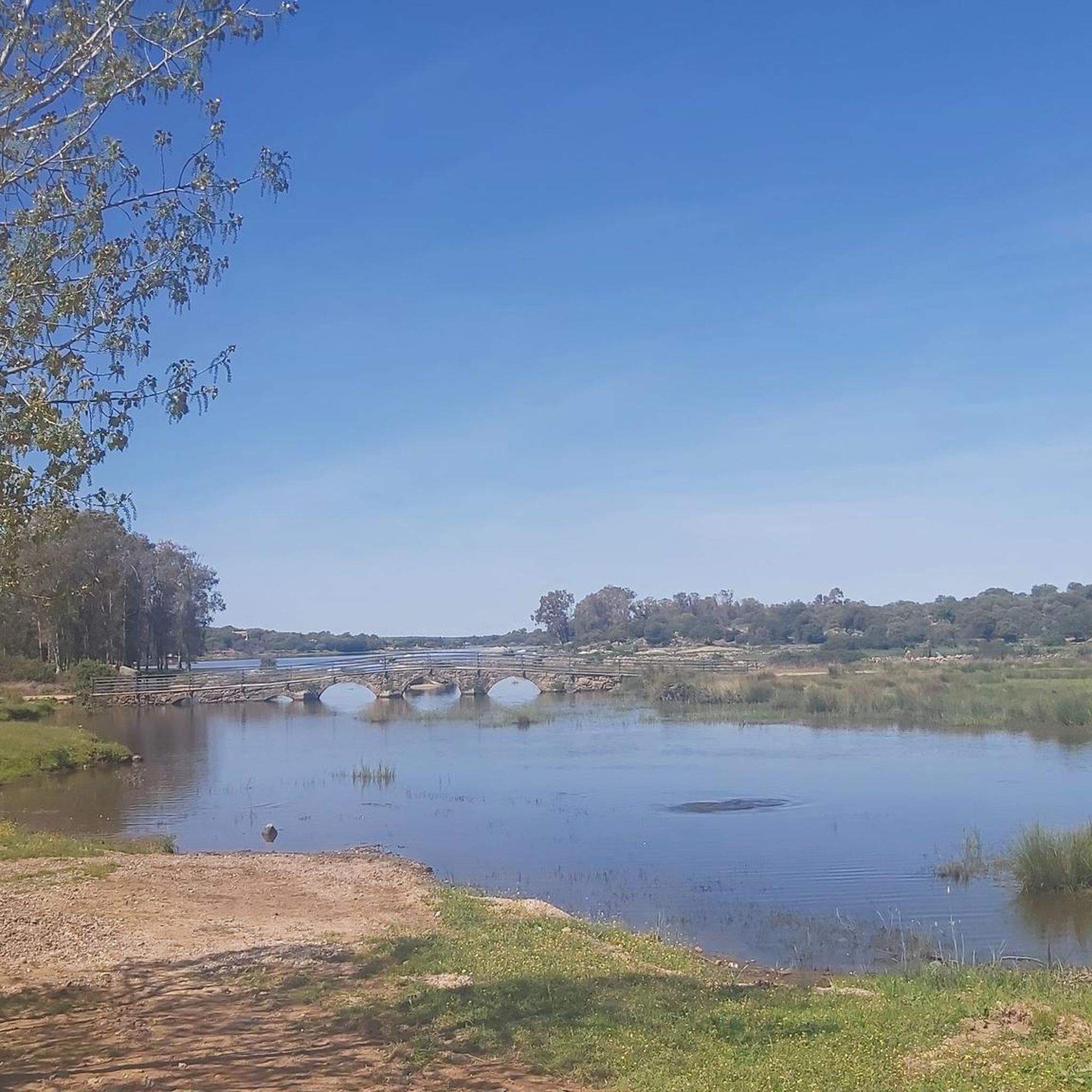
Cycling routes often feature significant natural and historical landmarks. You can explore areas around the Embalse de Valdesalor, known for its picturesque views. The region is also characterized by Mediterranean forests and dehesas. Nearby, you might encounter areas like Monfragüe National Park, a UNESCO Biosphere Reserve, or Cornalvo Natural Park, known for its oak dehesas and Roman-era reservoirs.
Are there any historical sites or cultural attractions accessible by bike near Torreorgaz?
Yes, several historical sites are accessible. Routes often pass by historical bridges such as Puente Mocha and Santiago de Bencáliz Bridge. You can also find the Castillo de Las Arguijuelas de Abajo. The UNESCO World Heritage city of Cáceres is also within cycling distance, offering rich cultural and historical attractions.
Are there circular touring cycling routes available in Torreorgaz?
Yes, many touring cycling routes around Torreorgaz are designed as loops. Examples include the popular Valdesalor Reservoir Loop from Aldea del Cano, the challenging Santiago de Bencáliz Bridge – Puente Mocha loop from Dehesa de Menudos, and the Guadiloba Reservoir – Sierra de Fuentes loop from Sierra de Fuentes.
Where can I find parking for my bike near the touring cycling routes in Torreorgaz?
While specific parking areas for cyclists are not detailed in the route information, Torreorgaz and nearby towns like Aldea del Cano or Sierra de Fuentes, which serve as starting points for many routes, typically offer public parking facilities. It's advisable to check local parking options in these villages before your ride.
Is public transport available to access touring cycling routes around Torreorgaz?
Torreorgaz is a small town, and while local bus services connect it to larger cities like Cáceres, direct public transport options specifically for accessing remote cycling trailheads with bikes might be limited. It's generally recommended to travel by car to the starting points of the routes or inquire with local transport providers for bike-friendly options.
What do other cyclists say about their experience touring cycling in Torreorgaz?
The touring cycling routes around Torreorgaz are highly rated by the komoot community, with an average score of 3.9 stars from over 20 reviews. Cyclists often praise the varied natural scenery, the presence of historical bridges, and the diverse terrain that offers options for different skill levels.
Are there any challenging touring cycling routes for experienced cyclists?
Yes, for experienced cyclists seeking a challenge, the region offers difficult routes with significant elevation changes. A notable option is the Santiago de Bencáliz Bridge – Puente Mocha loop from Dehesa de Menudos, which is 81.6 km long and features diverse terrain and historical bridges.
Can I expect to see wildlife on touring cycling routes in Torreorgaz?
The region's Mediterranean forests, dehesas, and riverine environments are rich in biodiversity. Cycling through areas near Monfragüe National Park, a UNESCO Biosphere Reserve, offers excellent opportunities for birdwatching, including raptors like Spanish imperial eagles and black vultures. Other natural monuments like Los Barruecos are known for large stork colonies.
Most popular attractions around Torreorgaz

Get inspired with the komoot mobile app


Explore more
Browse the best Cycling routes in other regions.
