The best MTB trails around Alajeró
4.3
(215)
900
riders
31
rides
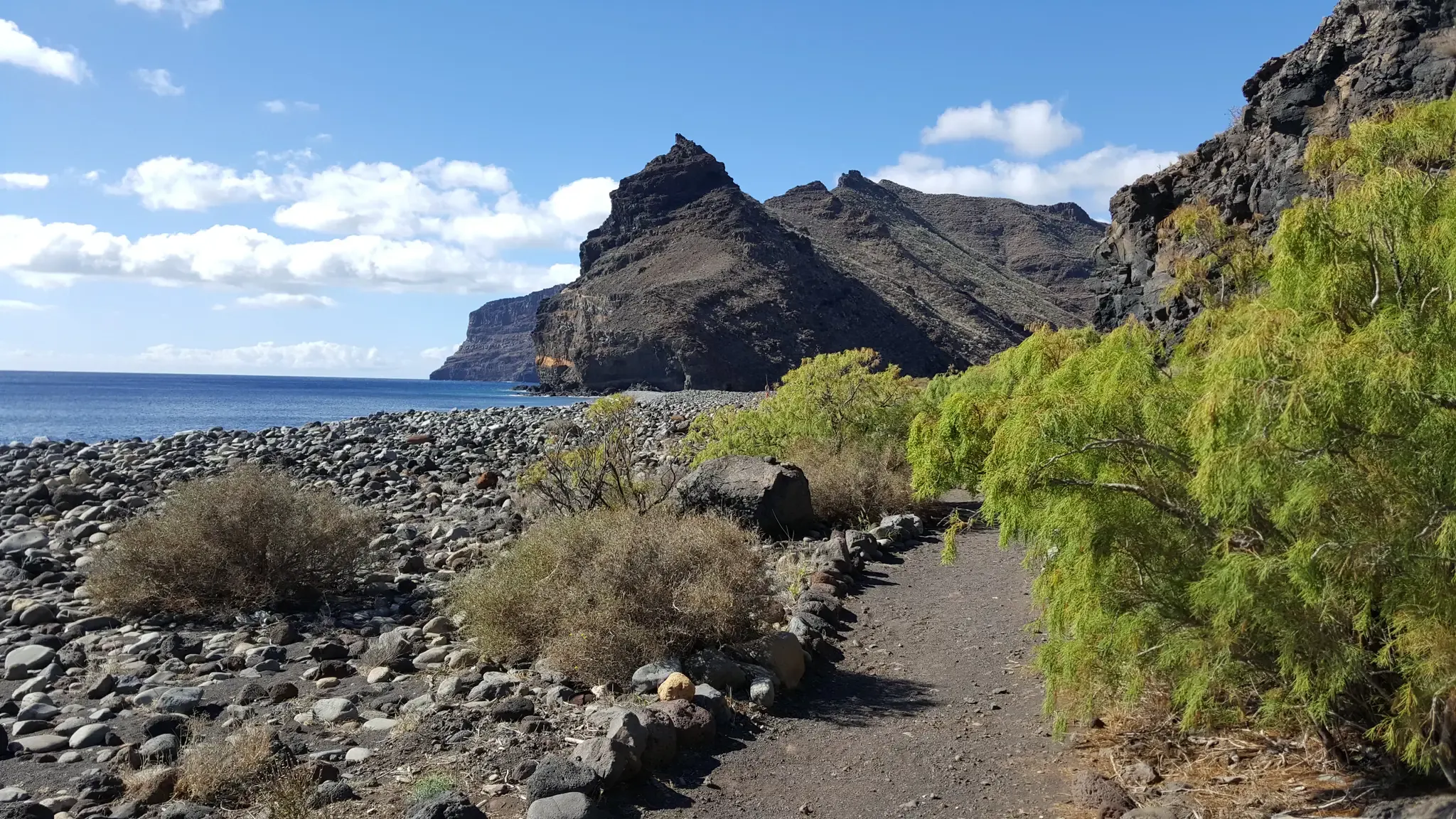
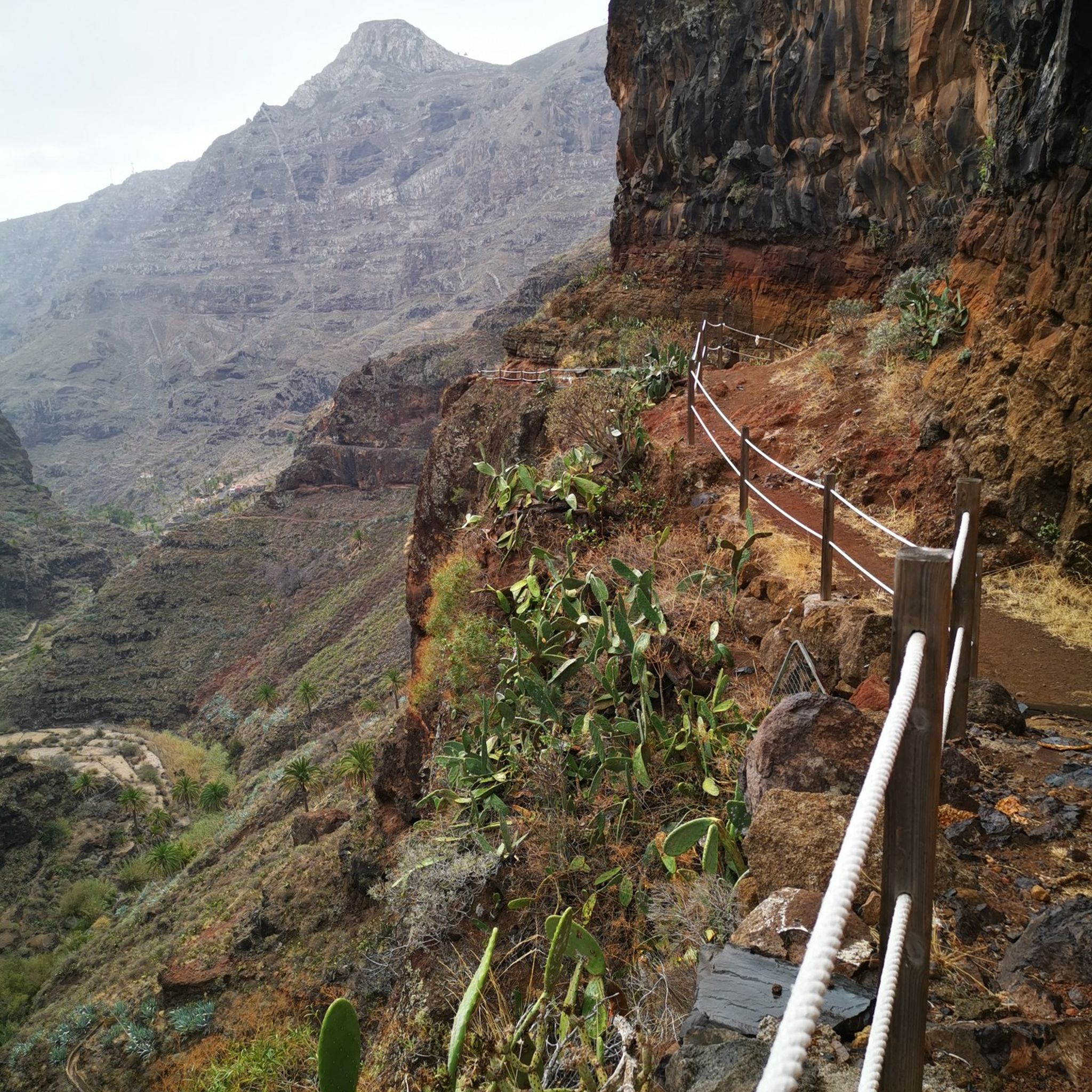
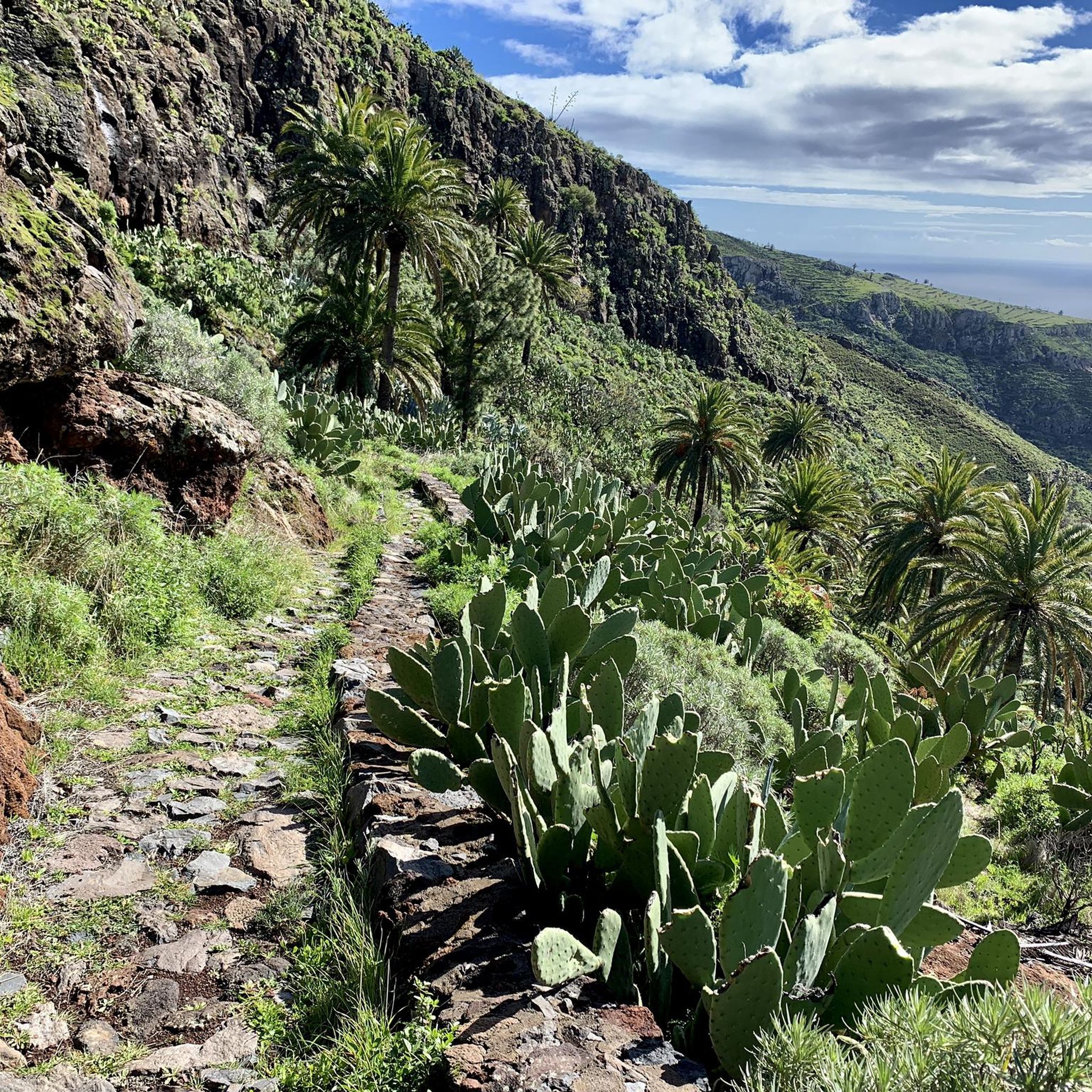
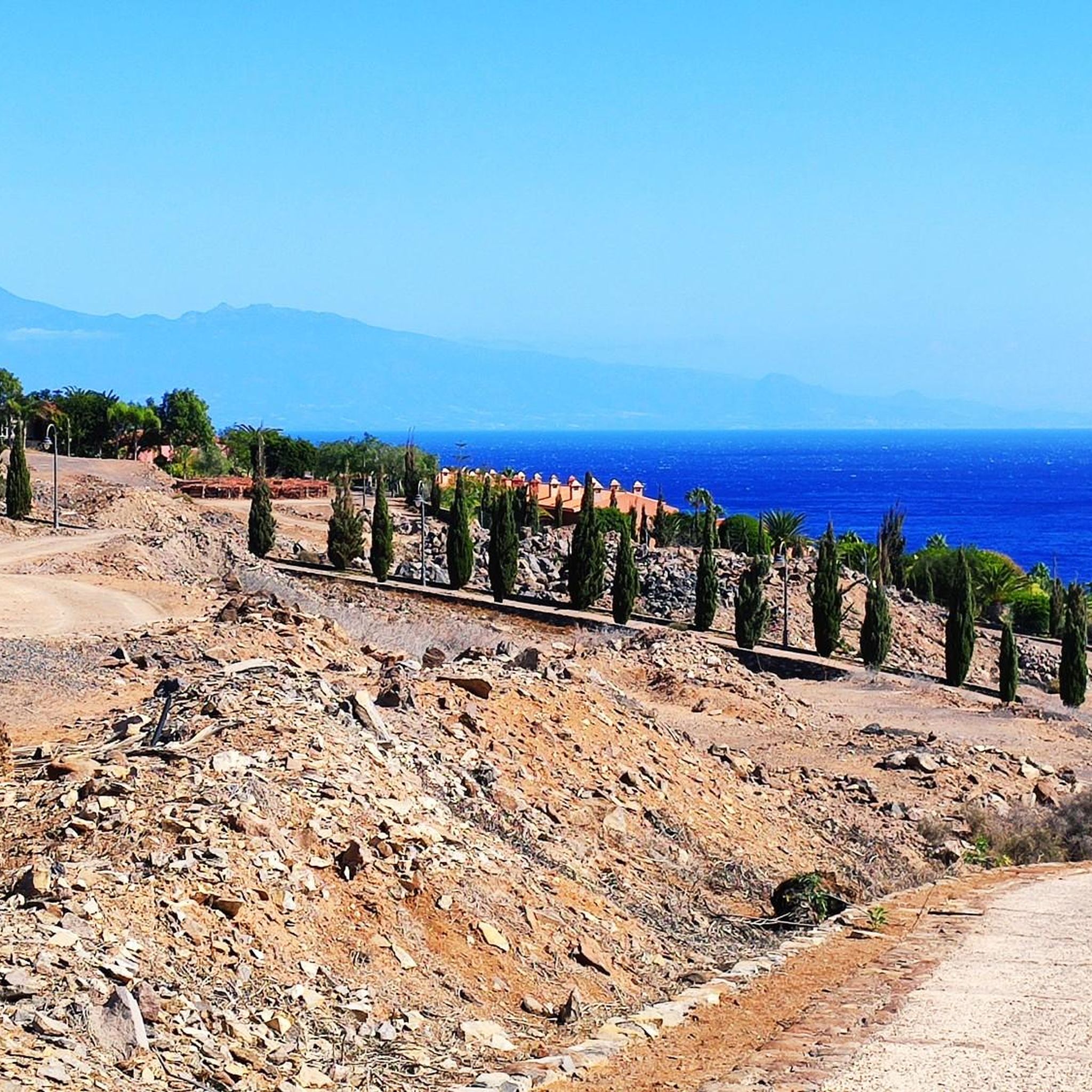
Mountain biking routes around Alajeró traverse a diverse and striking natural landscape in the south of La Gomera. The region is characterized by large, rolling hills, deep ravines, and agricultural terraces, providing a dynamic environment for mountain biking. Riders will encounter rugged coastlines, ancient volcanic formations like La Caldera Natural Monument, and lush laurisilva rainforests within Garajonay National Park. This varied topography offers a blend of serene nature and challenging terrain.
Best mountain bike trails around Alajeró
- The most popular…
Last updated: July 1, 2026
4.3
(6)
23
riders
38.1km
03:29
980m
980m
This difficult 23.7-mile mountain bike route through Garajonay National Park offers ancient Laurisilva forests and panoramic views.
4.8
(17)
48
riders
72.4km
06:42
2,340m
2,340m
Hard mountain bike ride. Very good fitness required. Advanced riding skills necessary. Some portions of the route may require you to push your bike.

Sign up for free
4.5
(10)
24
riders
Moderate mountain bike ride. Good fitness required. Advanced riding skills necessary.
4.9
(15)
40
riders
71.0km
06:16
2,170m
2,170m
Hard mountain bike ride. Very good fitness required. Advanced riding skills necessary. Some portions of the route may require you to push your bike.
2.3
(3)
14
riders
43.4km
04:05
1,560m
1,560m
Hard mountain bike ride. Very good fitness required. Advanced riding skills necessary. Some portions of the route may require you to push your bike.
Get access to more routes and recommendations from other explorers.
Sign up for free
Already have an account?
Our route recommendations are based on thousands of hikes, rides, and runs completed by other people on komoot.
Start today with a free account
Your next adventure awaits.
Login or Signup
Other adventures around Alajeró

Tips from the Community

La Fortaleza is a large volcanic formation located in the west-central part of La Gomera, near Chipude. It is an ancient volcanic plug that resisted erosion for millions of years, becoming isolated and elevated above the surrounding ravines. At an altitude of approximately 1,243 meters, it was a sacred place for the ancient gomeros and today it is one of the island's most emblematic landscapes, with spectacular views towards the mountains, ravines, and the Atlantic.
1
0
From this high area of Garajonay, the view opens up towards one of the great ravines of northern La Gomera, a deep, green basin that descends towards Hermigua and Agulo, ending in the Atlantic. Here, the rain and the mist from the laurel forest feed small streams and springs that for centuries gave life to agricultural terraces, palm groves, and villages perched between mountains. The terrain is so abrupt that from above, the sea appears close, but the descent reveals the true scale of the valley. The track is in very good condition up to this point, but it is the landscape that truly compels you to stop. Amidst clouds, forest, and ravines appears one of the most spectacular views in La Gomera, the kind that you don't forget.
1
0
“Route 4 is short but seems to enter directly into a Jurassic forest, with dense laurisilva and moss-covered trees everywhere. Route 6, from Laguna Grande, allows you to traverse a wider part of the heart of Garajonay between old gomero paths and areas where you can still see how the forest recovered after the 2012 fire. Two easy but very atmospheric routes.”
1
0
From Roque de la Zarcita, on the clearest days, Teide appears floating over the Atlantic about 50 km in a straight line from La Gomera. It is impressive to think that this volcano reaches 3,715 meters in height, being the highest peak in Spain. The last eruption of the Teide complex was in 1798, leaving enormous black lava flows still visible today. When the sky is clear and the sun sets low, the silhouette of Teide seems suspended over the sea, making this corner of La Gomera one of the best natural viewpoints towards Tenerife.
1
0
El Roque de Agando is probably the most iconic and photographed rock formation on La Gomera. It is a huge volcanic plug formed by very resistant rock that was exposed after millions of years of erosion. While the rest of the volcanic terrain gradually disappeared, this gigantic needle remained standing, dominating the entire landscape in the center of the island. It rises to an altitude of about 1,250 meters and is part of a group of volcanic rocks visible from much of Garajonay. Its vertical and isolated silhouette, especially when it appears shrouded in mist or illuminated by the setting sun, gives it an almost unreal appearance. The road that passes by the rock is considered one of the most spectacular on La Gomera and is a classic spot to stop and contemplate the landscape. For the ancient inhabitants of Gomera, it also held symbolic and territorial importance, and even today it remains one of the island's great natural emblems. The contrast between the dark rock, the green ravines, and the low clouds creates one of the most recognizable images of the Canary Islands.
1
0
El Roque de Agando is probably the most iconic and photographed rock formation on La Gomera. It is a huge volcanic plug formed by very resistant rock that was exposed after millions of years of erosion. While the rest of the volcanic terrain gradually disappeared, this gigantic needle remained standing, dominating the entire landscape in the center of the island. It rises to an altitude of about 1,250 meters and is part of a group of volcanic rocks visible from much of Garajonay. Its vertical and isolated silhouette, especially when it appears shrouded in mist or illuminated by the low sun, gives it an almost unreal appearance. The road that passes by the roque is considered one of the most spectacular on La Gomera and is a classic spot to stop and contemplate the landscape. For the ancient inhabitants of La Gomera, it also had symbolic and territorial importance, and even today it remains one of the island's great natural emblems. The contrast between the dark rock, the green ravines, and the low clouds creates one of the most recognizable images of the Canary Islands.
2
0
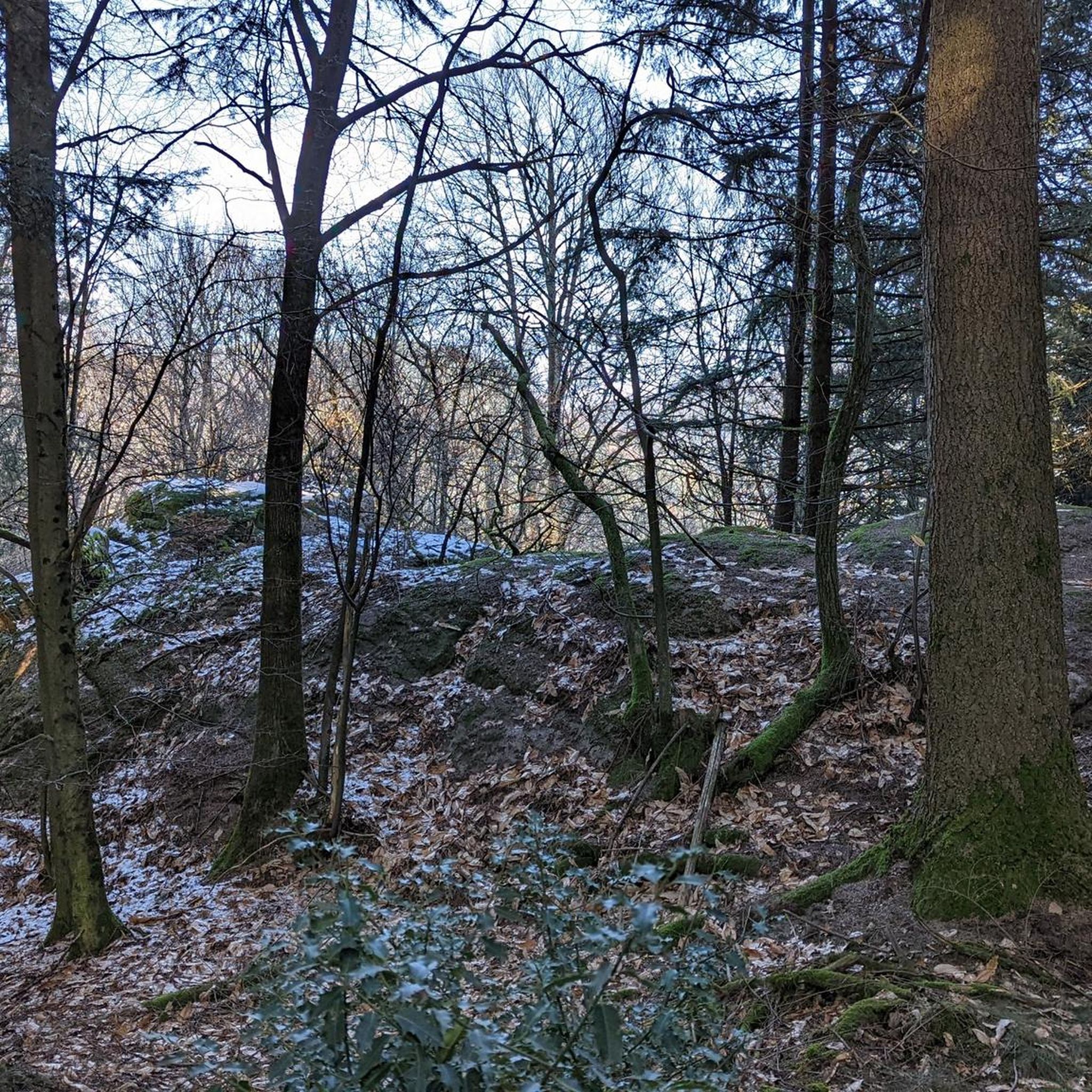
In the heart of the Garajonay National Park, this recreational area is one of the most magical corners of La Gomera. Surrounded by laurel forest, mist, and moss-covered trees, it feels like a scene frozen in time. Ideal for taking a break on the route, having a snack, or simply listening to the silence of the forest as the light shifts through the mist. A classic for cyclists and hikers seeking the island's most humid, green, and mysterious side.
1
0

From here you have a fantastic view into the gorge and, on a clear day, all the way to El Hierro. Ideal for a short stopover.
1
0
Frequently Asked Questions
How many mountain bike trails are there in Alajeró?
Alajeró offers a comprehensive network of over 20 mountain bike trails. These routes traverse diverse landscapes, from rugged coastlines to lush laurisilva rainforests, providing a dynamic environment for mountain biking.
What is the general difficulty level of mountain bike trails in Alajeró?
The mountain bike trails in Alajeró are predominantly challenging, with 20 out of 24 routes rated as difficult. These routes often feature significant elevation gains and demanding ascents and descents. There are also 4 moderate routes available for those seeking a less strenuous experience, such as the Mountain bike trail permitted – Laguna Grande Recreation Area loop from Garajonay National Park.
Are there any circular mountain bike routes in Alajeró?
Yes, Alajeró features several excellent circular mountain bike routes. A notable example is the Garajonay National Park Loop from Laguna Grande, which is a difficult 38.1 km trail exploring ancient rainforests. Another option is the Laguna Grande – Mirador de Igualero loop from Playa de Santiago, offering panoramic viewpoints over 69.8 km.
What natural features and landmarks can I expect to see along the mountain bike trails?
Alajeró's trails showcase a striking natural landscape. You'll encounter dramatic cliffs, deep ravines, and ancient volcanic formations like La Caldera Natural Monument. Many routes pass through the lush laurisilva rainforests of Garajonay National Park. Keep an eye out for prominent volcanic rock formations known as 'roques' and viewpoints such as the Peraza Pass Viewpoint, offering stunning panoramas.
What do other mountain bikers enjoy most about the trails in Alajeró?
The mountain bike trails in Alajeró are highly rated by the komoot community, with an average score of 4.4 stars from over 160 reviews. Riders frequently praise the diverse and striking natural landscape, the challenging terrain with significant elevation changes, and the immersive experience through rainforests and volcanic areas. Over 750 mountain bikers have used komoot to explore this varied terrain.
Are there any family-friendly mountain bike trails in Alajeró?
While many trails in Alajeró are rated as difficult, there are some moderate options that might be suitable for families with older, experienced children. The Mountain bike trail permitted – Laguna Grande Recreation Area loop from Garajonay National Park is a moderate 23.4 km path that offers a varied experience through the recreation area and parts of Garajonay National Park, which could be a good choice.
What is the best time of year for mountain biking in Alajeró?
Alajeró, being in the Canary Islands, benefits from a mild climate year-round. However, the best time for mountain biking is generally during the cooler, drier months from autumn to spring (October to May). This avoids the peak summer heat, making the challenging ascents more manageable and the overall experience more comfortable.
Are there any specific viewpoints accessible by mountain bike in Alajeró?
Yes, many mountain bike routes in Alajeró lead to spectacular viewpoints. The Laguna Grande – Mirador de Igualero loop from Playa de Santiago specifically highlights panoramic vistas. Additionally, the Roque de Agando – Peraza Pass Viewpoint loop from Laguna de Santiago offers views of the iconic Roque de Agando and includes the Peraza Pass Viewpoint.
Are dogs allowed on the mountain bike trails in Alajeró?
Regulations regarding dogs on trails, especially within protected areas like Garajonay National Park, can vary. It's advisable to check local signage or official park guidelines for specific rules on dog access, particularly regarding leash requirements and restricted areas, to ensure a responsible and enjoyable ride with your pet.
Where can I find services like bike hire or guided tours in Alajeró?
Alajeró and the wider La Gomera region are well-equipped for active tourism. Local companies, such as Gomera Cycling & Walking, offer guided cycling excursions and walking packages. It's recommended to check with local tourism offices or search online for current bike hire services and guided tour operators in the Alajeró area.
Are there any historical or cultural sites along the mountain bike routes?
Yes, Alajeró's routes often blend nature with culture. Trails frequently pass by historical sites such as the Hermitage of Nuestra Señora del Buen Paso and the Hermitage of San Lorenzo, offering a glimpse into the island's heritage amidst the natural beauty. Hamlets like Imada, with their traditional stone houses, are also accessible via these routes.
What kind of terrain should I expect on the mountain bike trails?
The terrain in Alajeró is highly varied and dynamic. You'll encounter large, rolling hills ('lomadas'), deep ravines ('barrancos'), and agricultural terraces. The trails can range from smooth paths to rocky, technical sections, often featuring volcanic soil and dense forest floors, especially within Garajonay National Park.
Most popular attractions around Alajeró

Get inspired with the komoot mobile app


Explore more
Browse the best MTB trails in other regions.
