Attractions and Places To See around Escorca - Top 20
Best attractions and places to see around Escorca are situated within the Serra de Tramuntana mountains, a UNESCO World Heritage Site. This region is recognized for its natural and cultural significance, featuring diverse landscapes from dramatic peaks to rocky coves. Escorca offers a variety of significant cultural sites, natural features, and numerous hiking routes. The area provides a range of attractions for exploration.
Best attractions and places to see around Escorca
- The most popular attractions is View of Port de…
Last updated: November 19, 2026
Constitution Square and Sant Bartomeu Church, Sóller
Highlight • Settlement
Translated by Google •
Tip by

Fornalutx Village
Highlight • Settlement
Translated by Google •
Tip by

Sign up now to discover places like this
Get recommendations on the best single tracks, peaks, & plenty of other exciting outdoor places.
View of Port de Sóller Bay and Lighthouse
Highlight • Viewpoint
Translated by Google •
Tip by

Camí Vell de Pollença
Highlight (Segment) • Cycleway
Translated by Google •
Tip by

Old Olive Tree
Highlight • Natural Monument
Translated by Google •
Tip by

Sign up for free to discover even more attractions around Escorca.
Already have an account?
Start today with a free account
Your next adventure awaits.
Popular around Escorca
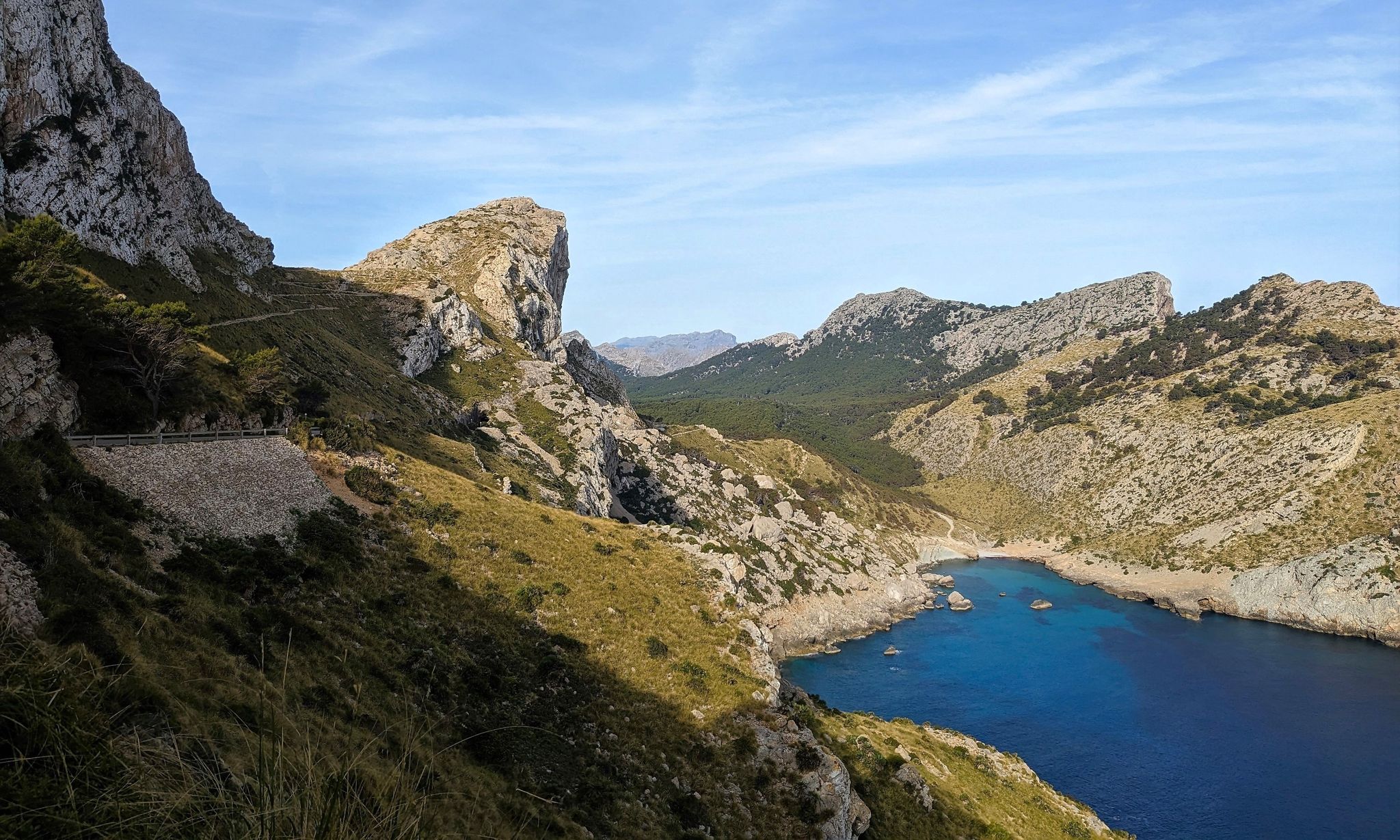
The island of calm – a week in Majorca
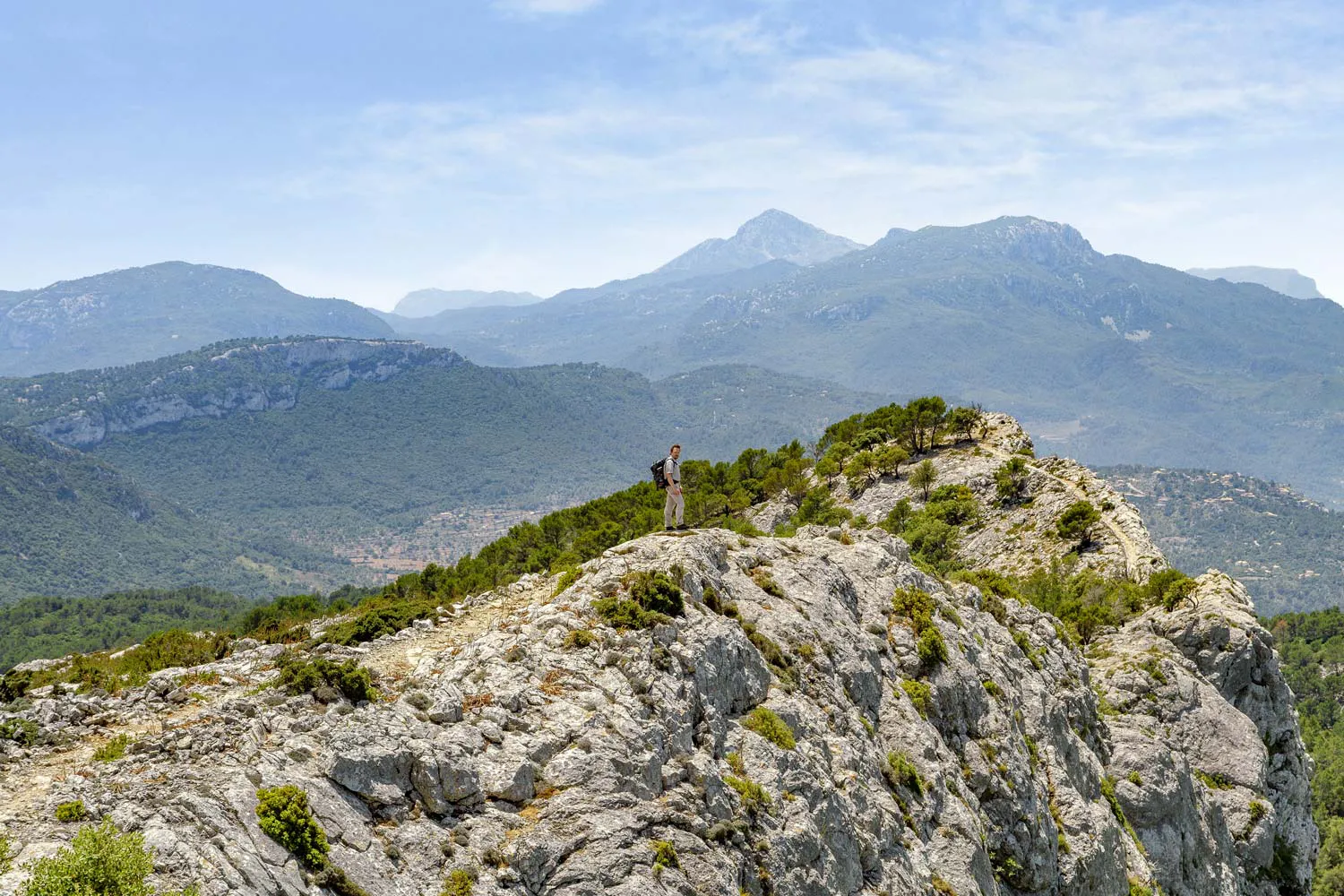
Stoney paths through the Tramuntana Mountains – Ruta de Pedra en Sec (GR221)
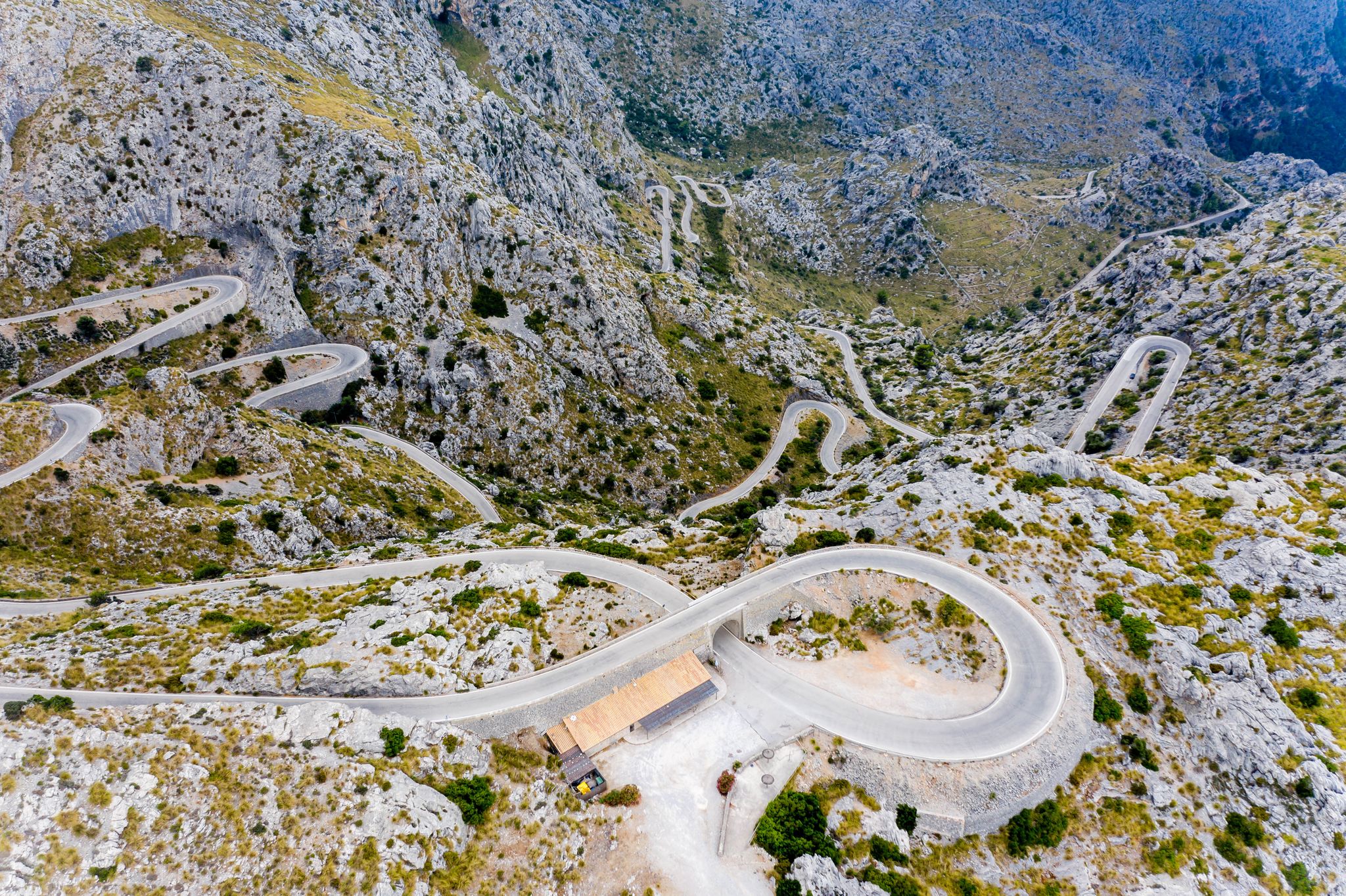
The island from above – the best climbs in Majorca
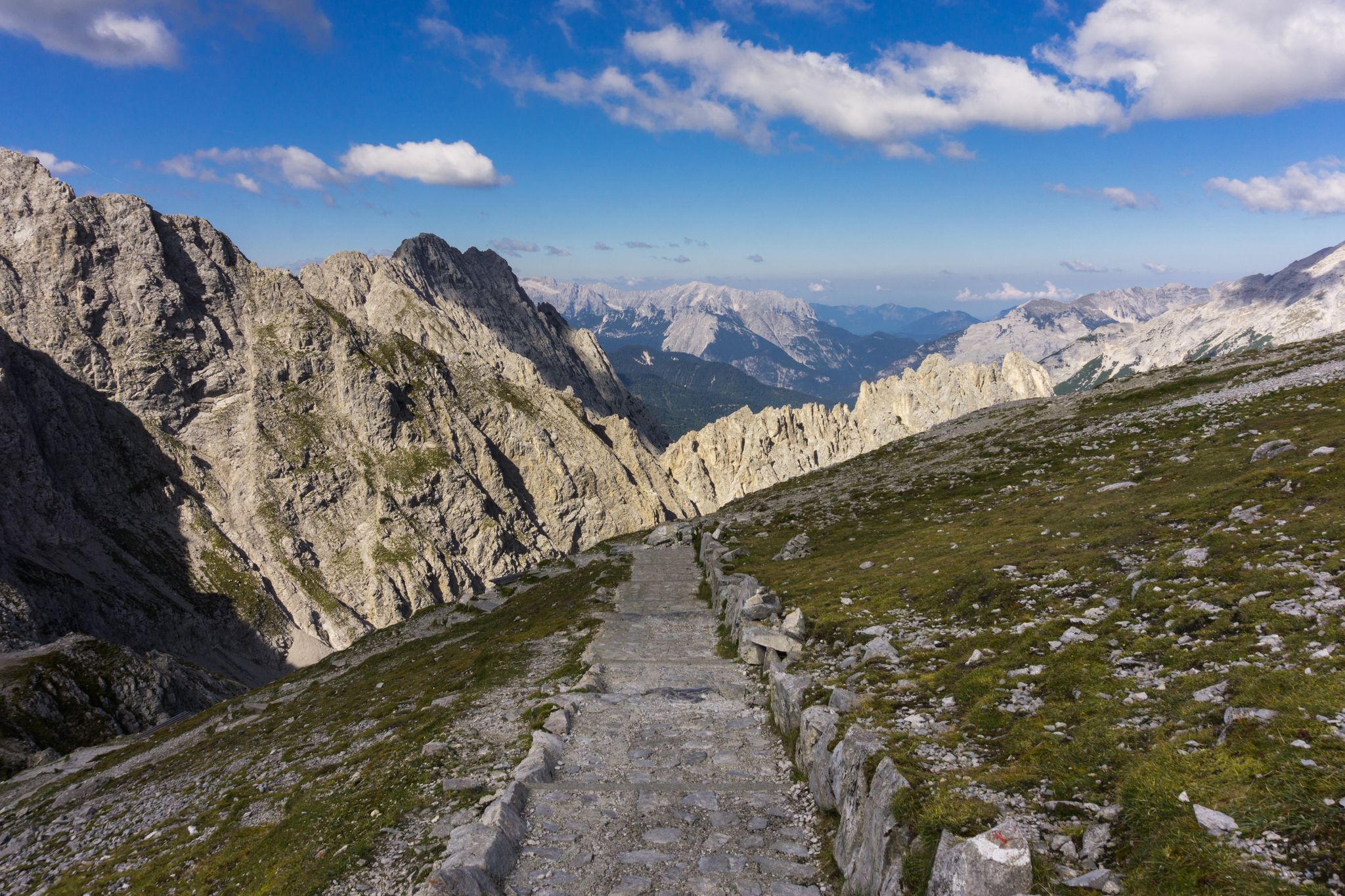
Las Cumbres Reinas de España — Spanish mountain trail races
Island hopping in the Spanish Balearic Islands — the TransBaleares
Mallorca with a difference — rocky peaks and lonely coastal paths
The world's most adventurous cycling passes
Mallorca – one island. Seven hikes.
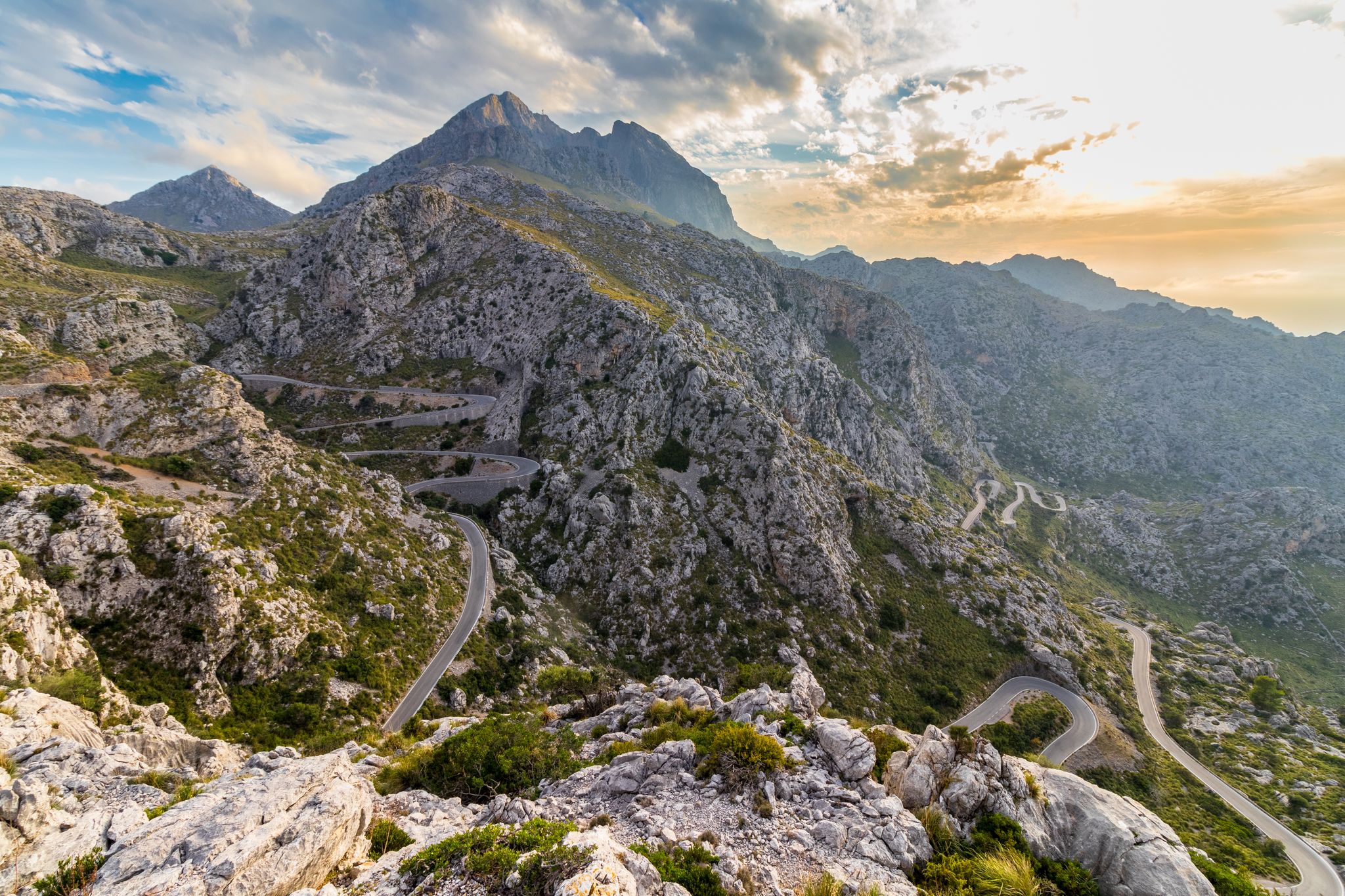
Mallorca's most beautiful passes
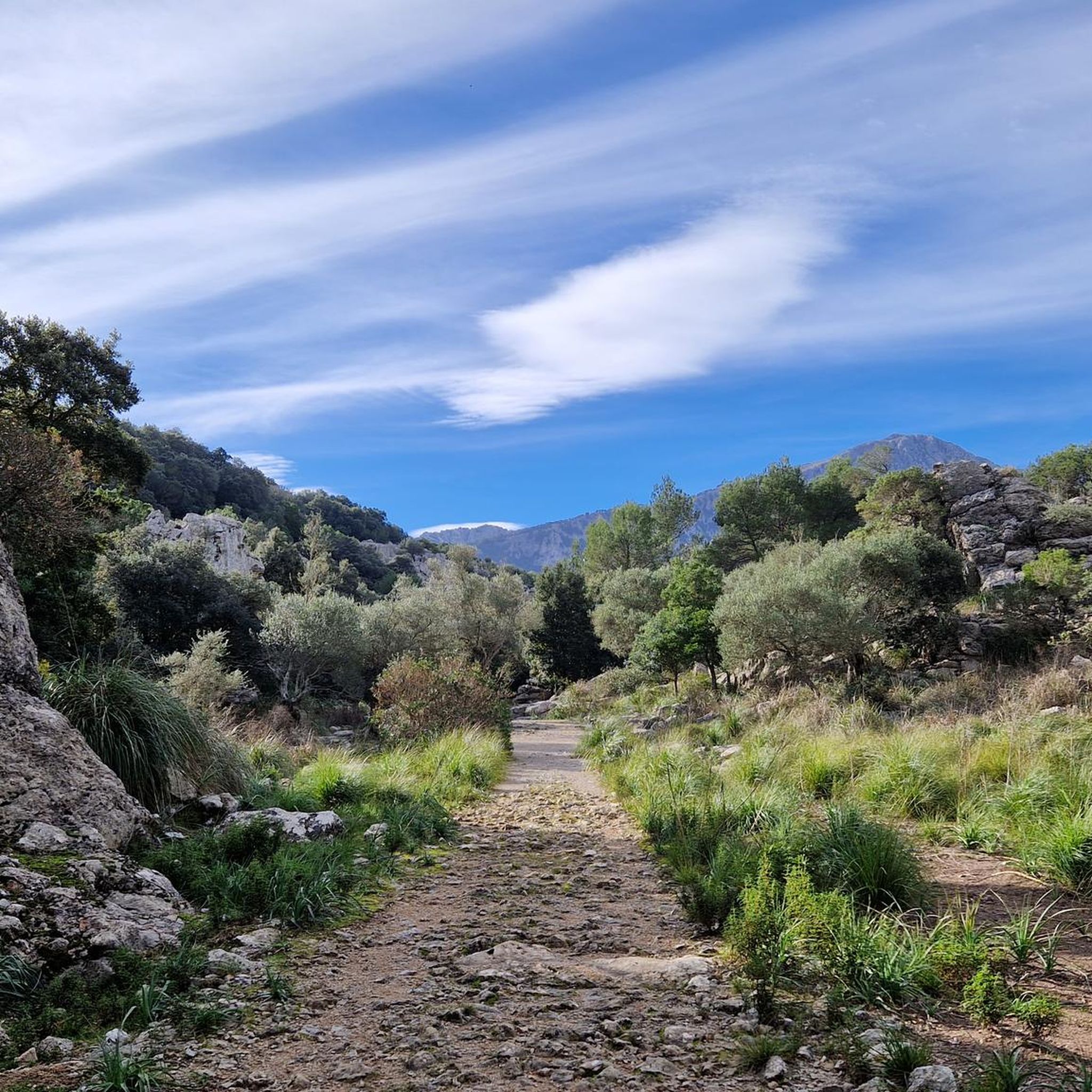
Hiking around Escorca
Other adventures around Escorca


Tips from the Community

The entrance fee is now €2 for the church or €3 for the church and the small museum. The entrance fee is worth it (and is really cheap compared to the cathedral in Palma), as the interior of the parish church is simply beautiful.
8
1

The current Church of Sóller is an impressive building with an interesting history, both architecturally and culturally important. The founder of the first church in Sóller was the provost of Tarragona, Ferrer de Sant Martí. Over the years, the church has been remodeled and expanded several times after being damaged by looting and attacks. Today the church presents itself as an imposing building that captivates visitors with its fascinating history.
14
0
The centuries-old olive trees in Mallorca, especially in the Tramuntana, were introduced by the Phoenicians a thousand years ago. The Romans expanded cultivation, and the Arabs later developed oil extraction. For a long time, the farmers in the Tramuntana lived off the "gold of the Sierra". Even the steepest slopes were terraced in order to use them for olive cultivation. The olive tree ensures its longevity through the bizarre shapes it assumes over time and is one of the longest-lived trees of all. Even at the age of several 100 years, it still bears fruit.
12
1


The first church is believed to have stood here in the 12th century. The church's current exterior appearance is defined by the newer façade, added between 1904 and 1912 according to plans by Gaudí's pupil Joan Rubió.[1] It is designed in late Neo-Gothic style, with a large rose window, also designed by Rubió, at its center, and is distinguished by the shallow-angled arcade that spans its entire width, flanked by two slender pinnacle towers. The rose windows were crafted in Barcelona in the Amigó workshop and depict Mary as Queen of Martyrs. Below the rose window are two windows, created by the same artists, depicting the Fathers of the Eastern and Western Churches.
6
0
The central square in Soller is best enjoyed in the evening when the day tourists are back at the dinner buffet. Then Majorcan life returned here.
6
0

Very beautiful ancient city; was not overcrowded in February
7
1
Frequently Asked Questions
What are some notable cultural and historical sites to visit in Escorca?
Escorca is rich in cultural heritage. A significant site is the Sanctuary of Lluc, a spiritual center since the 13th century, featuring beautiful gardens, a basilica, and a museum. You can also visit the Church of Sant Pere de Escorca, an example of Mallorcan repopulation churches, or the charming rural village of Albarca, listed as an architectural monument. Nearby, the Fornalutx Village is recognized as one of Spain's most beautiful villages.
What natural features and landscapes can I explore in Escorca?
Escorca is nestled within the majestic Serra de Tramuntana mountains, a UNESCO World Heritage Site known for its dramatic landscapes. You can explore the impressive Torrent de Pareis gorge, which leads to the spectacular Sa Calobra beach. Other natural highlights include the secluded Cala Tuent beach, perfect for swimming, and the scenic Cúber and Gorg Blau Reservoirs, offering tranquil views.
Are there good hiking opportunities around Escorca?
Yes, Escorca offers numerous hiking trails for various experience levels. Beyond the challenging Torrent de Pareis, you can find routes like the Camí dels Arcs and the Pas de sa Rebollada. For more detailed hiking options, you can explore the running trails guide around Escorca, which includes routes like the Puig des Tossals Verds circular trail and paths around the Cúber Reservoir.
What are some family-friendly attractions in the Escorca area?
Families can enjoy exploring the picturesque Fornalutx Village with its traditional architecture and mountain views. The Sanctuary of Lluc also offers beautiful gardens and a museum that can be interesting for all ages. For outdoor enjoyment, the clear, calm waters of Cala Tuent are ideal for swimming and snorkeling, and many of the easier hiking trails provide a great way to experience nature together.
Where can I find panoramic views in Escorca?
For breathtaking panoramic views, visit the Ses Barques Viewpoint (Mirador de Ses Barques), which offers stunning vistas of the Serra de Tramuntana mountains and the Mediterranean Sea. Another popular spot is the View of Port de Sóller Bay and Lighthouse, providing spectacular scenery of the bay.
What unique natural monuments can be found in Escorca?
Escorca is home to the Old Olive Tree, a natural monument featuring centuries-old olive trees with bizarre shapes and historical significance. These ancient trees are a testament to the region's long history of olive cultivation.
What cycling opportunities are available in Escorca?
Escorca is a popular destination for cyclists, especially with the scenic and challenging Sa Calobra Road, known for its famous 270° curve. You can find various cycling routes, including road cycling and gravel biking. For detailed routes, check out the Road Cycling Routes around Escorca and Gravel biking around Escorca guides.
What is the best time of year to visit Escorca for outdoor activities?
The best time to visit Escorca for outdoor activities like hiking and cycling is generally during the spring (April-May) and autumn (September-October). During these seasons, the weather is milder and more pleasant, avoiding the intense heat of summer and the cooler, potentially wetter conditions of winter. This allows for comfortable exploration of the mountains and coastal areas.
Are there any specific wildlife spotting opportunities in Escorca?
Yes, Escorca is known for its rich biodiversity, particularly within the Serra de Tramuntana. It's a significant area for birdwatching, especially for observing black vultures, as there are two Special Protection Areas designated for their nesting. The region is home to various endemic species of flora and fauna.
What are some charming villages near Escorca that are worth visiting?
Beyond Escorca itself, you can visit the charming Fornalutx Village, often cited as one of Spain's most beautiful. Another option is Sóller, known for its modernist architecture and the historic wooden train, featuring the impressive Constitution Square and Sant Bartomeu Church. These villages offer a glimpse into traditional Mallorcan life and culture.
What do visitors enjoy most about the attractions around Escorca?
Visitors particularly appreciate the stunning natural beauty and the diverse landscapes, from dramatic mountain peaks to secluded coves. The historical and cultural significance of sites like the Sanctuary of Lluc also receives high praise. Many enjoy the extensive hiking and cycling opportunities, as well as the picturesque villages and panoramic viewpoints that offer memorable experiences.
Most popular routes around Escorca
Most popular attractions around Escorca

Get inspired with the komoot mobile app


Explore more
Still not found the Highlight you’re looking for? See guides of the top attractions in other regions:
