The best walks and hikes around Hueva
4.4
(6)
28
hikers
7
hikes
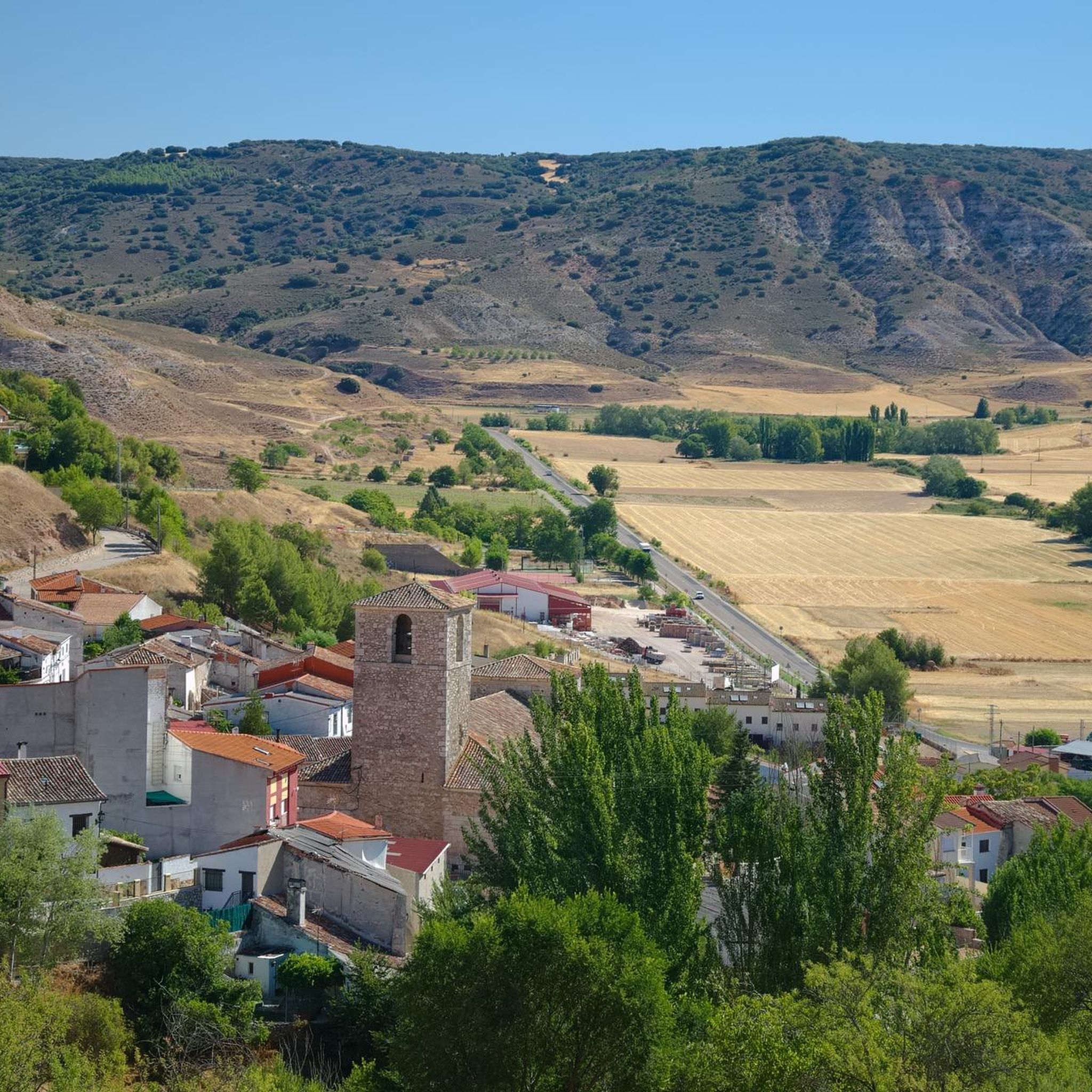
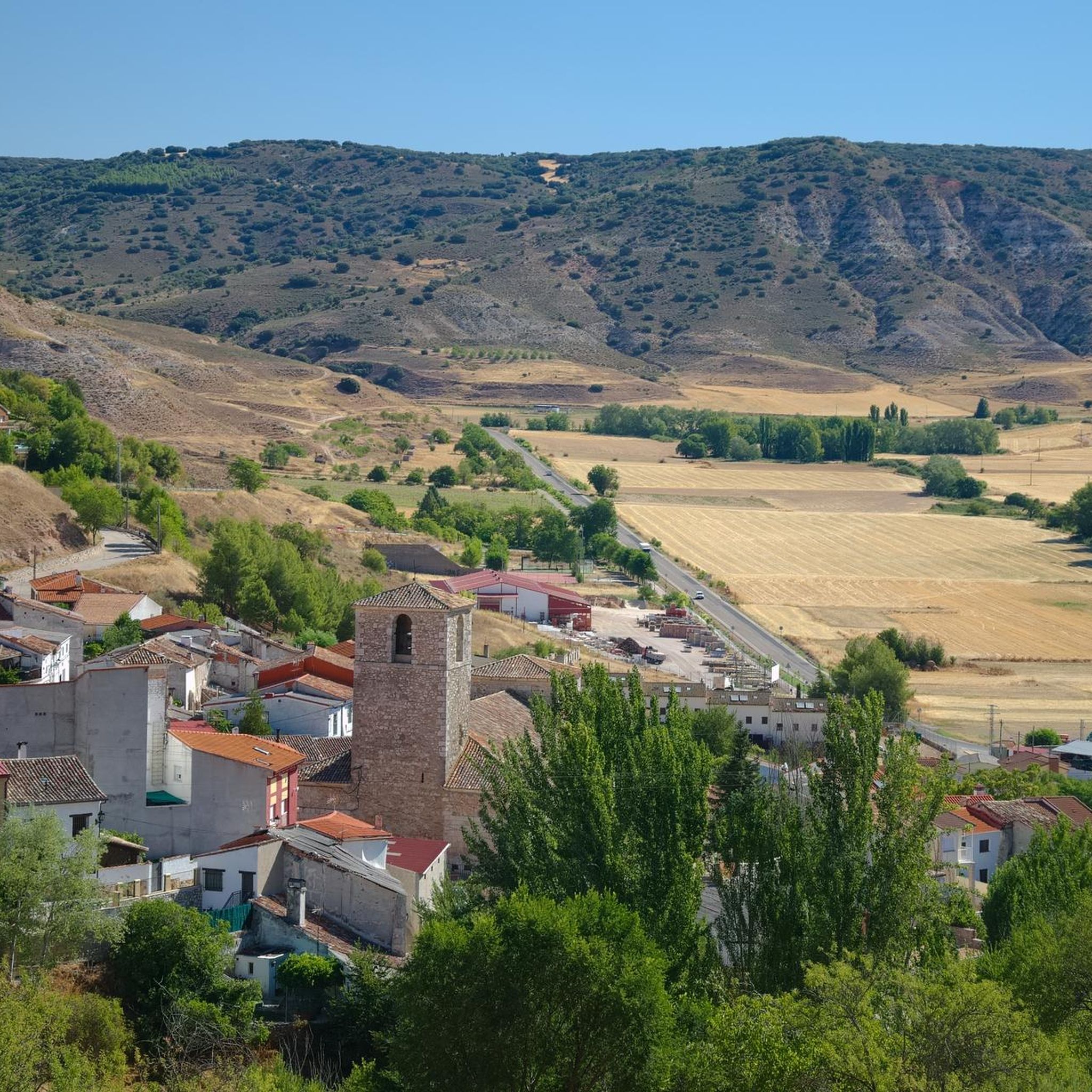
Hiking trails around Hueva traverse a varied landscape, characterized by verdant hills, Mediterranean woodlands, and historic towns. The region features a mix of gentle river valleys and more elevated terrain, offering diverse natural settings for exploration. Trails often pass through agricultural areas and connect charming villages, providing a blend of natural beauty and cultural heritage.
Best hiking trails around Hueva
- The most popular hiking route is Pastrana Cultural Heritage Route, an easy 2.9 miles (4.6 km) trail that takes…
Last updated: July 1, 2026
8
hikers
4.64km
01:17
80m
80m
Explore the historic ducal villa of Pastrana on this easy 2.9-mile (4.6 km) hiking tour, discovering ancient buildings and panoramic views.
5.0
(1)
1
hikers
12.1km
03:26
260m
260m
Hike a moderate 7.5-mile circular route from Hontoba to the Ruins of Hospital de Renera, exploring the path of los chaparros.

Sign up for free
3.0
(2)
5
hikers
12.3km
03:30
290m
290m
Moderate hike. Good fitness required. Easily-accessible paths. Suitable for all skill levels.
5.0
(1)
7
hikers
Moderate hike. Good fitness required. Easily-accessible paths. Suitable for all skill levels.
4.5
(2)
7
hikers
10.8km
02:59
190m
190m
Moderate hike. Good fitness required. Easily-accessible paths. Suitable for all skill levels.
Get access to more routes and recommendations from other explorers.
Sign up for free
Already have an account?
Our route recommendations are based on thousands of hikes, rides, and runs completed by other people on komoot.
Start today with a free account
Your next adventure awaits.
Login or Signup
Popular around Hueva

Tips from the Community

The hermitage is located on a hill north of Hontoba, in the La Alcarria region, overlooking the Tajuña and Hontoba stream valleys from a promontory that reaches an altitude of approximately 901 meters. Its origins are unclear, although according to legend, the Virgin Mary appeared to a shepherd and asked that a hermitage be built. There are indications of a 13th-century chapel where the Virgin was already venerated. It was also a place of retreat for nobles such as Íñigo López de Mendoza, 4th Duke of the Infantado, in the 16th century. The hermitage is listed on the Red List of Endangered Heritage due to its alarming state of general ruin.
1
0

Next to the road, a milestone and a plaque commemorate the stay of Friar Francisco Ximénez de Cisneros in this monastery, which is now in ruins.
0
0
A place of recreation and pilgrimage for the locals. It has a recreational area where you can spend some time relaxing.
0
1
It is a historic and monumental town, very pretty, with a church, palaces, arcades, fountains, hermitages, remains of historical monuments, and also very welcoming people.
0
1
In the plain of the Arles river, between the Tagus and the Tajuña, the Villa Ducal de Pastrana welcomes us. Its multiple samples of artistic and cultural heritage have given it the title of Artistic Historical Site. Pastrana is enriched with figures and literary stories; Thus, its Carmelite convents were founded by Saint Teresa and Saint John of the Cross. Moratín later settled in the town for long periods of time and, closer to our days, Camilo José Cela immortalized it by portraying it in his Viaje a la Alcarria. The Plaza de la Hora is governed by the imposing Ducal Palace, in Renaissance style and with an abundance of Mannerist elements. Some wonderful coffered ceilings also designed by Alonso de Covarrubias, in Plateresque style, have been preserved. Likewise, the skirting boards of Toledo tiles in the Mudejar style stand out. It offers its visitors the opportunity to visit various museums and emblematic monuments of the town. DUCAL PALACE TAPESTRY MUSEUM SANTA TERESA V CENTENARY MUSEUM
18
0

Also known as Convento de la Concepción Francisca, it is a convent and inn located on the outskirts of Pastrana (Guadalajara, Spain). It is located to the south of the town, next to the Arles river valley.
0
1

Pastrana is a Spanish town and municipality in the south of the province of Guadalajara and is located in the region of La Alcarria, where it had its peak between the 16th and 17th centuries. It was declared a historical-artistic complex in 1966.
0
0
Frequently Asked Questions
What types of landscapes can I expect to see while hiking in Huelva?
Huelva offers an incredibly diverse range of landscapes. You can explore pristine coastlines along the Atlantic, expansive wetlands like Doñana National Park, rolling mountains in the Sierra de Aracena, and unique reddish mining areas along the Río Tinto. This variety ensures a different experience for every hike.
Are there any easy hiking trails suitable for beginners or families in Huelva?
Yes, Huelva has several easy trails perfect for beginners or families. For instance, the Pastrana Cultural Heritage Route is an easy 2.9-mile (4.6 km) path that explores the cultural heritage of Pastrana. The region also offers gentle coastal strolls and routes within Doñana National Park like the Charco de la Boca Trail.
What are some popular circular hiking routes in Huelva?
Many trails in Huelva are designed as loops, offering varied scenery without retracing your steps. A popular moderate option is the Hontoba and Ermita de los Llanos Loop, which provides scenic views through varied terrain. Another well-liked route is the Pastrana – Collegiate Church (Pastrana) loop from Pastrana, leading through historic surroundings.
What kind of historical or cultural sites can I discover on Huelva's trails?
Huelva's trails often intertwine with its rich history. You can explore ancient industrial sites and abandoned open-cast mines along the Río Tinto, or follow routes that lead to megalithic dolmens like the Dólmenes de El Pozuelo trail. Many routes also pass through charming mountain villages and historic town centers, such as the Tendilla Historic Town Center – Monument to Cardinal Cisneros loop from Tendilla.
What do other hikers say about the trails in Huelva?
The hiking routes in Huelva are highly rated by the komoot community, with an average score of 4.4 stars from 6 reviews. Hikers often praise the blend of natural beauty and cultural heritage, as well as the varied terrain that offers options for different ability levels.
Are there any notable natural attractions or landmarks to see while hiking?
Absolutely. Huelva is home to significant natural attractions. The Doñana National Park is a UNESCO World Heritage Site known for its wetlands and diverse wildlife. The Marismas del Odiel, a Biosphere Reserve, is a vital resting ground for migratory birds. You can also visit the unique reddish waters of the Río Tinto. For specific landmarks, consider visiting the Ruins of the Ermita de Nuestra Señora de los Llanos or the Collegiate Church (Pastrana).
What is the best time of year to go hiking in Huelva?
Huelva's mild climate throughout most of the year makes it an ideal destination for hiking in almost any season. Spring is particularly vibrant with wildflowers, while autumn offers pleasant temperatures. Even winter can be suitable for hiking, allowing visitors to enjoy the serenity and beauty of its diverse landscapes.
Can I find trails that offer scenic viewpoints in Huelva?
Yes, many trails in Huelva provide stunning scenic viewpoints. For instance, Bonales Peak, the highest mountain in the province, offers astounding views, especially in springtime. Coastal trails along the Costa de la Luz provide expansive views of the Atlantic, and routes in the Sierra de Aracena offer panoramic vistas of verdant hills and Mediterranean woodlands.
Are there opportunities for wildlife spotting on Huelva's hiking trails?
Huelva is an excellent region for wildlife spotting, particularly birdwatching. Doñana National Park is a crucial sanctuary for endangered species like the Iberian lynx and Spanish imperial eagle, and a prime spot for migratory birds. The Marismas del Odiel is also known for its diverse flora and fauna, including flamingos.
What are some of the cultural highlights or villages I can explore near the hiking routes?
Huelva's hiking routes often connect charming villages and historic towns. In the Sierra de Aracena, you can explore traditional architecture in towns like Almonaster la Real and Cortegana. Near Pastrana, you can visit the Pastrana Village Center, the Plaza de la Hora, and the Old Palace, which are all easily accessible from various trails like the Collegiate Church (Pastrana) – Pastrana loop from Pastrana.
Most popular routes around Hueva
Most popular attractions around Hueva

Get inspired with the komoot mobile app


Explore more
Browse the best Hikes in other regions.
