Attractions and Places To See around Ibias - Top 20
Best attractions and places to see around Ibias include a rich blend of natural beauty, cultural heritage, and historical sites within Asturias, Spain. This municipality is part of the Fuentes del Narcea, Degaña e Ibias Natural Park, a UNESCO Biosphere Reserve, known for its significant ecological value. The region offers extensive forests, glacial lakes, and traces of ancient settlements. It serves as a prime destination for ecotourism and rural exploration.
Best attractions and places to see around Ibias
- The most…
Last updated: October 11, 2026
Pozo de las Mujeres Muertas Pass
Highlight • Mountain Pass
Translated by Google •
Tip by

Connio Pass
Highlight • Mountain Pass
Translated by Google •
Tip by
Sign up now to discover places like this
Get recommendations on the best single tracks, peaks, & plenty of other exciting outdoor places.
Acebo Viewpoint
Highlight • Viewpoint
Translated by Google •
Tip by

Degaña
Highlight • Settlement
Prehistoric settlements are documented by the existence of …
Translated by Google •
Tip by

Moal, Entrance to the Muniellos Reserve
Highlight • Rest Area
Translated by Google •
Tip by

Sign up for free to discover even more attractions around Ibias.
Already have an account?
Start today with a free account
Your next adventure awaits.
Other adventures around Ibias

Tips from the Community

Degaña is a municipality and parish in the Principality of Asturias, located in the valley of the same name. Prehistoric settlements are documented by the existence of burial mounds and fortified ruins, while the medieval period has left little documentary evidence. The local economy has traditionally been based on subsistence agriculture and livestock farming until the development of coal mining operations in the second half of the 20th century. These operations are now closed, and the local economy has shifted toward rural tourism.
0
0

Among the theories surrounding the unusual name of this mountain pass, one is the popular legend that some shepherdesses were caught in a blizzard and died in a nearby shelter. In any case, the pass is located in a stunning setting.
0
0

Moal is a cattle village located at the foot of the Connio port and next to the entrance to the Muniellos Reserve. From Moal to the official entrance of the Reserve there is a small flat paved road that runs next to a stream. I fervently recommend it to you!!
0
0
Degaña is a council and parish of the community of the Principality of Asturias, located in the valley of the same name. Prehistoric settlements are documented by the existence of tumular traces and military ruins, while the medieval period has not left a great documentary legacy. The local economy has traditionally been based on subsistence agriculture and livestock, until coal mining operations were developed in the second half of the 20th century. These farms are now closed, and the local economy has been oriented towards rural tourism.
1
0

Mythical port in the province of Asturias for cyclists. From Cecos, this port awaits us with an altitude of 1,315 meters above sea level, a gradient of 1,024 m and a length of 19.39km with an average % of 5.28 and a maximum slope of 10%.
0
0
The Pozo de las Mujeres Muertas port has 3 slopes, all 3 hard and with ramps above 10%. 1. The eastern slope, which begins in Monasterio del Hermo, has 2 well-differentiated areas, with a second part of 4 km at 10% on average. The road is wide and has smooth asphalt in very good condition. With hardly any trees or traffic. 2. The west slope, which begins in San Antolín de Ibias, is longer and harder than the previous one, with 2 rest sections (including a small downhill section). The ramps are constant and have long straights. It is usually windy as it is a climb without any trees. The road is like the eastern slope. 3. The northern slope, which comes from the Valledor (gold valley), has nothing to do with the previous 2. Narrow and bumpy road, it has the appearance of old ports. It is hard and with constant ramps. With hardly any trees, although the wind blows less. For me, the best aspect. Absence of sources in the 3 slopes. You have to recharge at the starting locations. I once ran out of water on a hot day... and I had a hard time
1
0
The port of Connio is located within the “Port Route” of southwestern Asturias, which also includes the port of Pozo de las Mujeres Muertas. The climb crosses the Muniellos Biosphere Reserve, an authentic natural paradise. I recommend making a stop at a viewpoint in the rest area in the middle of the port (Mirador de Muniellos). I also recommend visiting the interpretation center, which is accessed by turning off the main road and going up a difficult section. For more details on the climb from Ventanueva, I recommend visiting the profile and description of Carlos Vega. https://www.carlosvega.net/ascensiones/159/el-connio-por-ventanueva-cangas-del-narcea
0
0
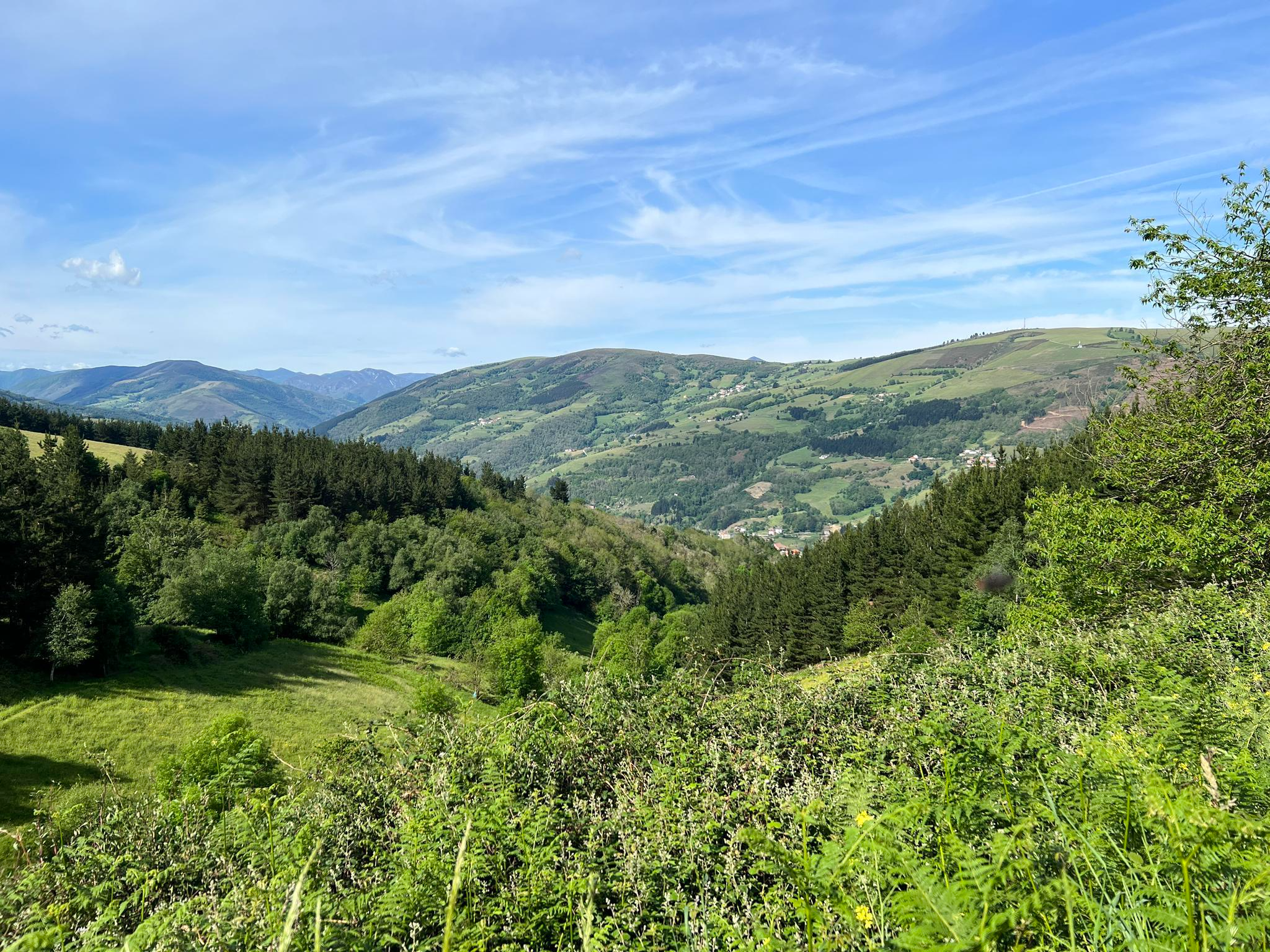
Crossing point of the Route of the Ports from Cangas del Narcea. The route up to here offers us excellent views of the beautiful surroundings of western Asturias.
1
0
Frequently Asked Questions
What natural features can I explore in the Ibias region?
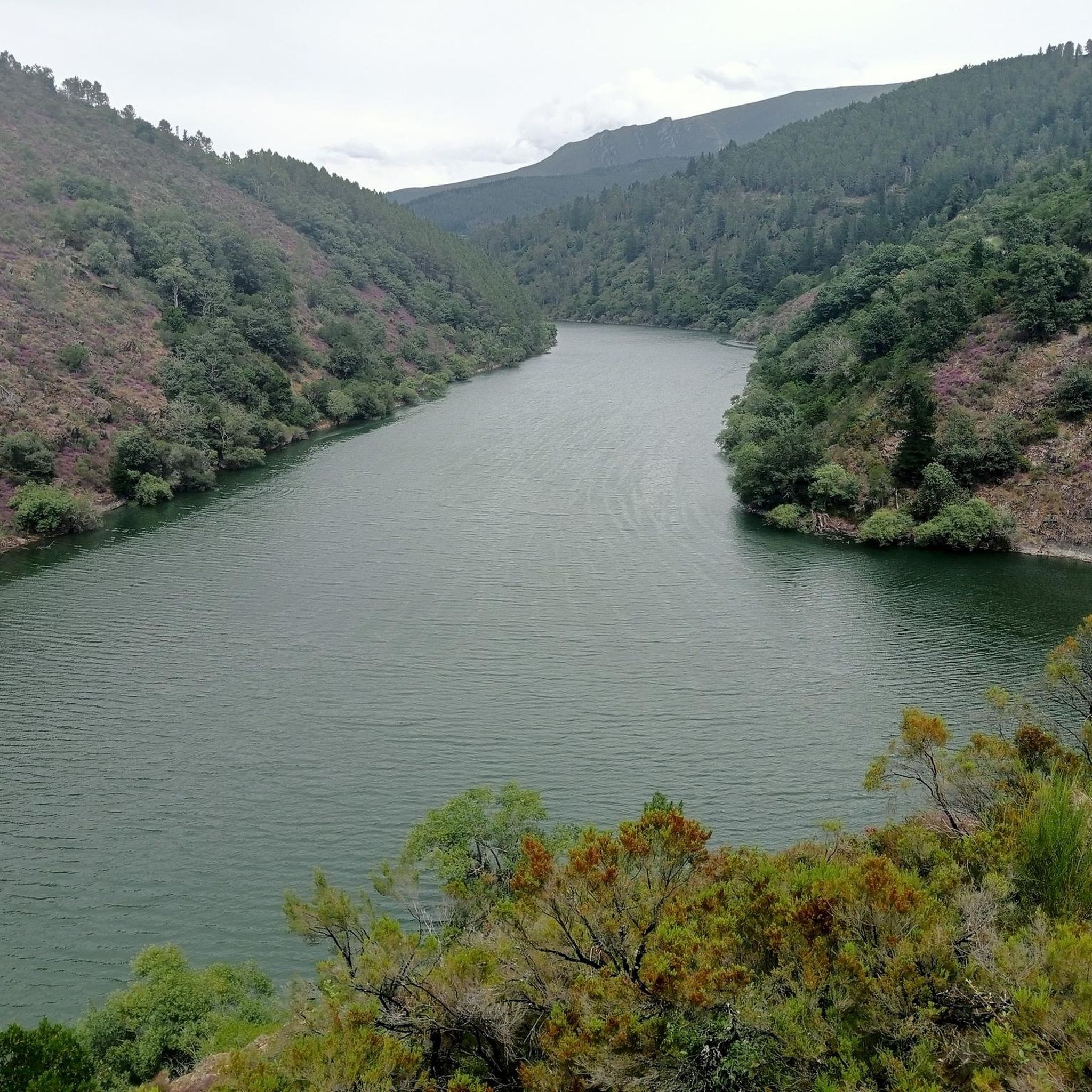
Ibias is rich in natural beauty, being part of the Fuentes del Narcea, Degaña e Ibias Natural Park, a UNESCO Biosphere Reserve. You can explore the ancient oak forest of the Muniellos Integral Natural Reserve, known for its diverse wildlife and strict access regulations. The region also features six glacial lakes, including the Arbas Lagoon, and offers stunning panoramic views from spots like the Furacón Viewpoint in Sisterna. Don't miss the expansive views from the Acebo Viewpoint, located near the border with Galicia.
Are there any significant historical or cultural sites in Ibias?
Yes, Ibias has a rich cultural heritage. You can visit the Interpretation Centre of the Palloza in San Antolín de Ibias to learn about traditional Palloza buildings and local ethnography. The area also features several historic churches, such as the Church of San Antolín and the Church of Cecos, as well as palaces like the Palace of Tormaleo. Traces of ancient Megalithic burial structures, including tumuli and dolmens, can be found throughout the region, particularly in Seroiro and Pradías.
What kind of outdoor activities can I do around Ibias?
Ibias is a paradise for outdoor enthusiasts. The region offers numerous hiking trails, such as the Route of the Gold, The Gorge of Bustelin, and the Sisterna Lakes Route. For cyclists, mountain passes like Connio Pass and Pozo de las Mujeres Muertas Pass provide challenging routes with excellent views. You can find a variety of routes for different sports, including road cycling, running, and hiking. For more detailed information on routes, explore the Road Cycling Routes around Ibias, Running Trails around Ibias, and Hiking around Ibias guides.
Are there family-friendly attractions or activities in Ibias?
Yes, Ibias offers options for families. The Área Recreativa de San Antolín de Ibias is a great spot for relaxation with children's areas and shady spots. The Piscina Municipal San Antolín de Ibias provides a refreshing option during warmer months. Exploring the traditional village of Moal, Entrance to the Muniellos Reserve, a cattle village at the foot of Connio Pass, can also be an interesting experience for families.
What is the best time to visit Ibias for outdoor activities?
The best time to visit Ibias for outdoor activities generally depends on the specific activity. Spring and autumn offer pleasant temperatures for hiking and cycling, with lush landscapes in spring and vibrant colors in autumn. Summer is ideal for enjoying recreational areas and potentially the municipal swimming pool, though some trails might be warmer. Winter can bring snow, offering different opportunities for those interested in colder weather activities, but access to some higher passes might be restricted.
What are some popular hiking routes in the Ibias area?
Ibias is known for its diverse hiking trails. Popular options include the challenging Muniellos Lagoons Loop, the moderate Small Oubachu route from the Muniellos Interpretation Centre, and the historical Gold Trail. For those seeking more difficult terrain, the Desfiladero de Bustelín (PR-AS 27) and the Monte Busbeirón circular route from Santalla are excellent choices. You can find more details and routes in the Hiking around Ibias guide.
What can I expect when visiting the Muniellos Integral Natural Reserve?
The Muniellos Integral Natural Reserve is a highly protected ancient oak forest, considered one of Europe's best-preserved. Access is strictly regulated to protect its delicate ecosystem, requiring advance permits and limiting daily visitor numbers. It's a prime habitat for diverse wildlife, including brown bears and Cantabrian capercaillies. The Connio Pass crosses this Biosphere Reserve, offering a natural paradise experience.
Are there any viewpoints in Ibias offering scenic panoramas?
Yes, Ibias boasts several viewpoints with breathtaking vistas. The Acebo Viewpoint provides expansive views near the Asturian-Galician border. The Pozo de las Mujeres Muertas Pass and Connio Pass also offer excellent views of western Asturias and the Muniellos Biosphere Reserve. Additionally, the Mirador de Muniellos and the Furacón Viewpoint in Sisterna are known for their exceptional panoramic views of the surrounding natural landscape.
What is the significance of Degaña in the Ibias region?
Degaña is a municipality and parish within the same-named valley, historically significant for its prehistoric settlements evidenced by burial mounds and fortified ruins. While its economy was traditionally based on agriculture and livestock, it later saw coal mining operations. Today, with the mines closed, Degaña's economy has shifted towards rural tourism, making it an interesting stop for those exploring the region's history and natural beauty.
What local specialties or gastronomy can I find in Ibias?
Ibias is known for its traditional Asturian gastronomy. You can savor local stews, high-quality local beef, and river fish. The region is also famous for its cold meats, particularly "Chosco," and delicious country bread. Don't forget to try Asturian desserts. Furthermore, Ibias is an important winemaking area, producing "Vino de Calidad de Cangas," a quality local wine.
Where can I learn more about the natural park in Ibias?
To learn more about the extensive Fuentes del Narcea, Degaña e Ibias Natural Park, you can visit the Fuentes del Narcea Interpretation Centre. Additionally, the Asturias Visitor Centre of Ibias serves as an ideal starting point to explore the region's landscapes, cultural heritage, and outdoor activities through interactive and audiovisual exhibitions.
Are there any challenging cycling routes in Ibias?
Yes, Ibias is well-known among cyclists for its challenging mountain passes. The Connio Pass, with an altitude of 1,315 meters and an average gradient of 5.28%, is considered a mythical climb in Asturias. The Pozo de las Mujeres Muertas Pass also features hard slopes with sections above 10%. These passes are part of the "Port Route" and offer demanding rides with rewarding views. For more cycling routes, refer to the Road Cycling Routes around Ibias guide.
Most popular attractions around Ibias

Get inspired with the komoot mobile app


Explore more
Still not found the Highlight you’re looking for? See guides of the top attractions in other regions:
