Attractions and Places To See around Brañosera - Top 20
Best attractions and places to see around Brañosera include historical sites and natural landscapes within the Palentina Mountain region of Castilla y León. This area is recognized for its historical significance as the site of Spain's first town hall, established in 824 AD. Brañosera is situated within the Parque Natural Montaña Palentina, featuring diverse forests and wildlife. Visitors can explore a range of natural and cultural points of interest.
Best attractions and places to see around Brañosera
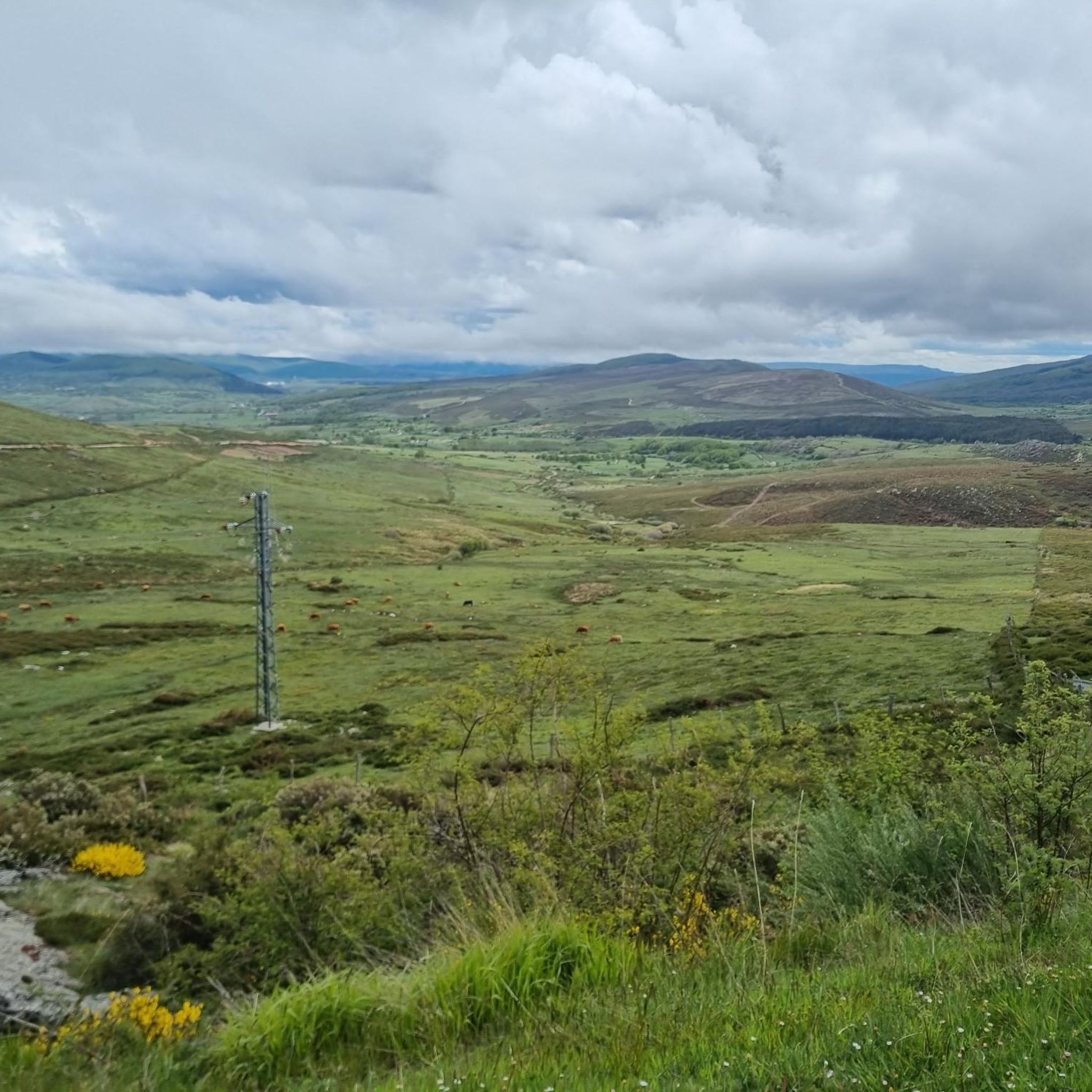
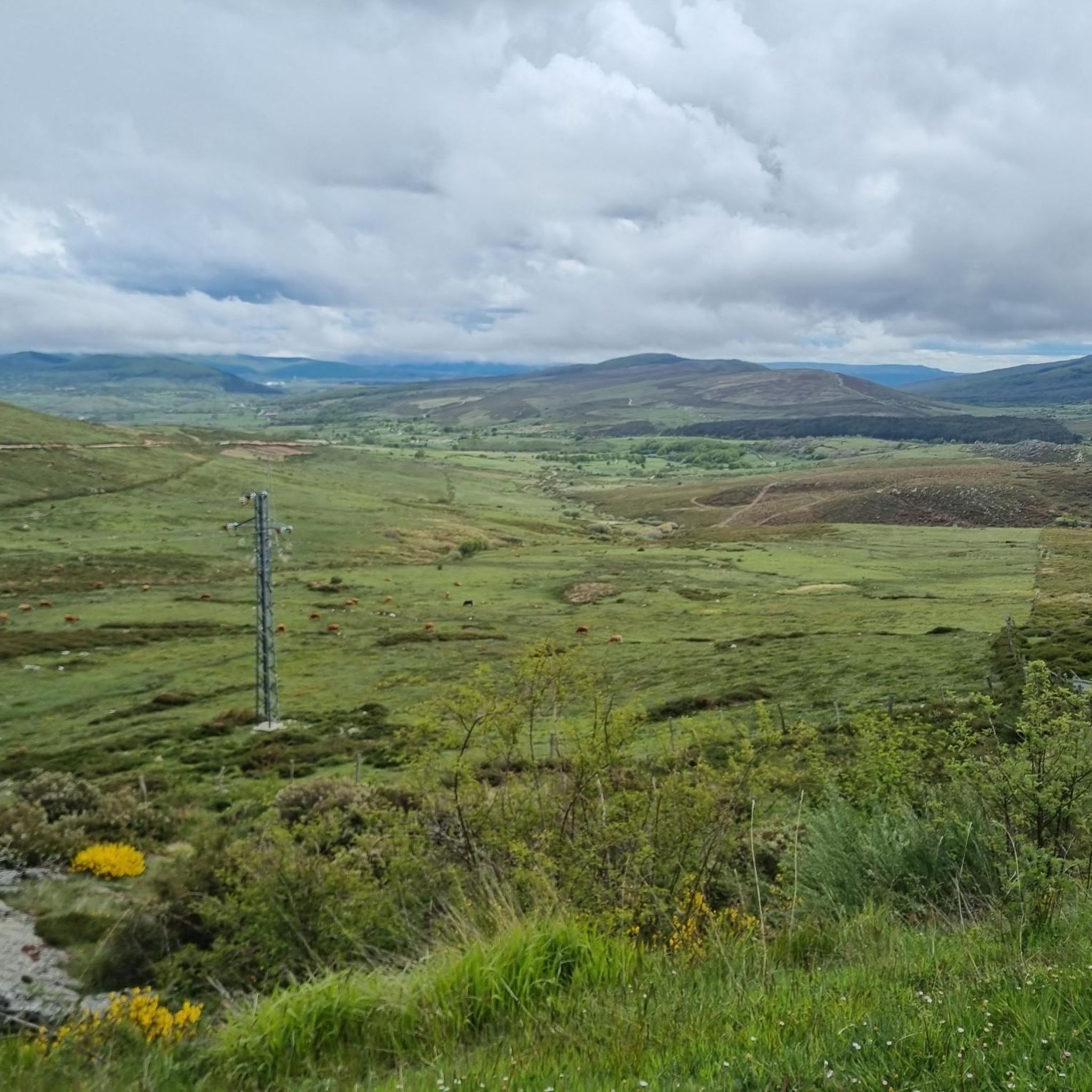
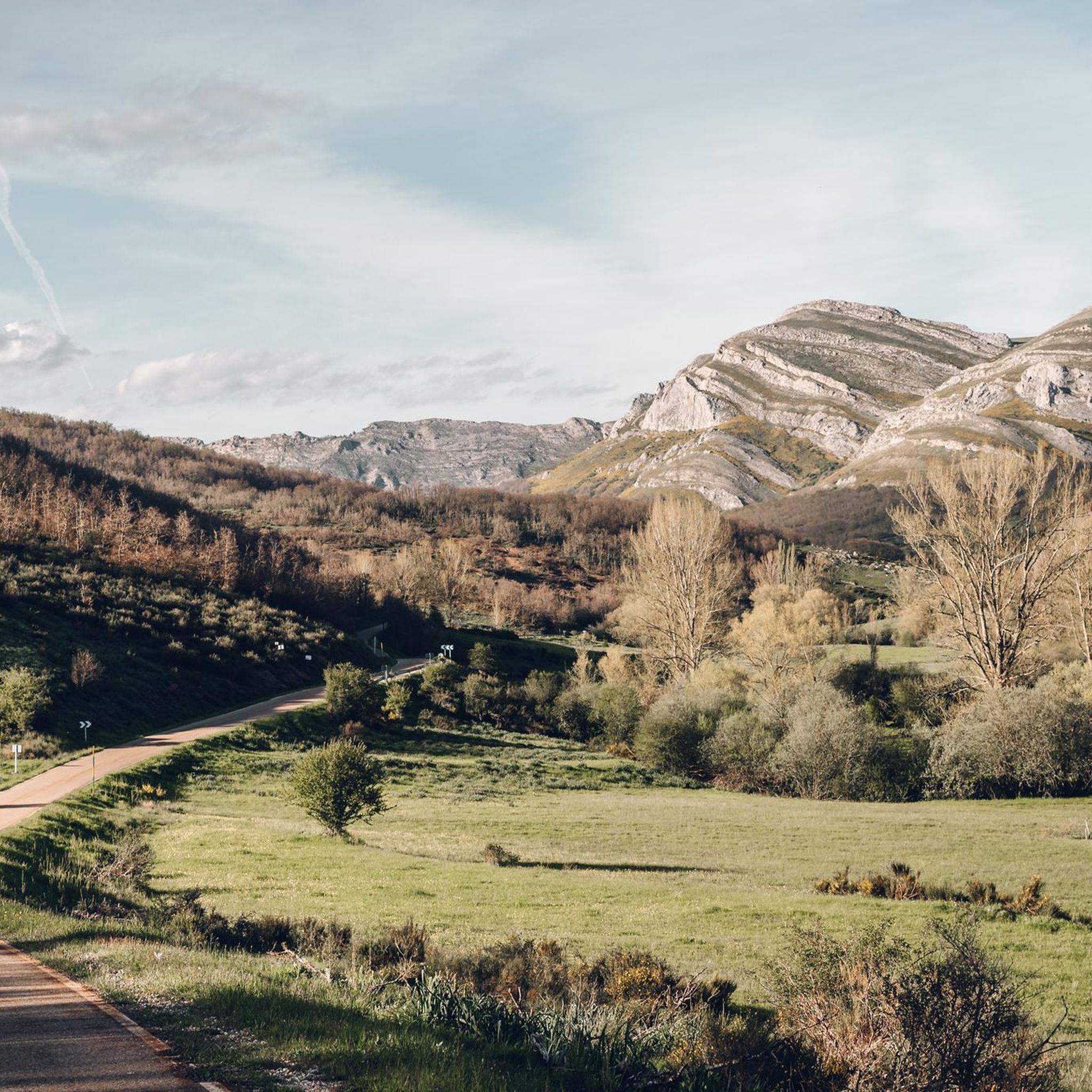
- The most popular attractions is Piedrasluengas Viewpoint, a viewpoint located over 1,300 meters above sea level in the Cantabrian Mountains. It offers views of the Picos de Europa, Peña Labra, and the Valdeprado Valley.
- Another must-see spot is Tres Mares Peak, a summit at 2,149 meters above sea level. This peak provides views of the Cantabrian interior, Picos de Europa National Park, and Montaña Palentina Natural Park.
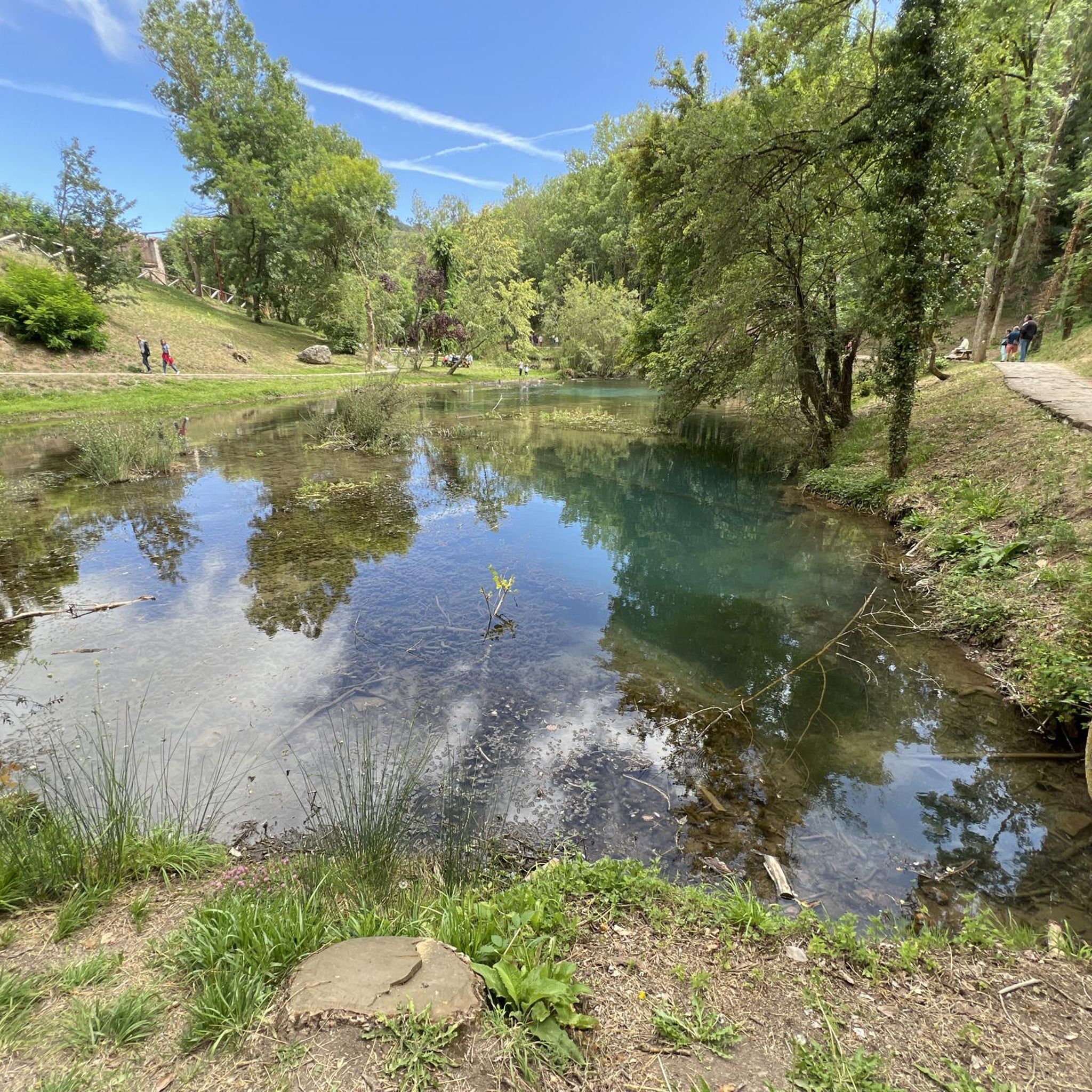
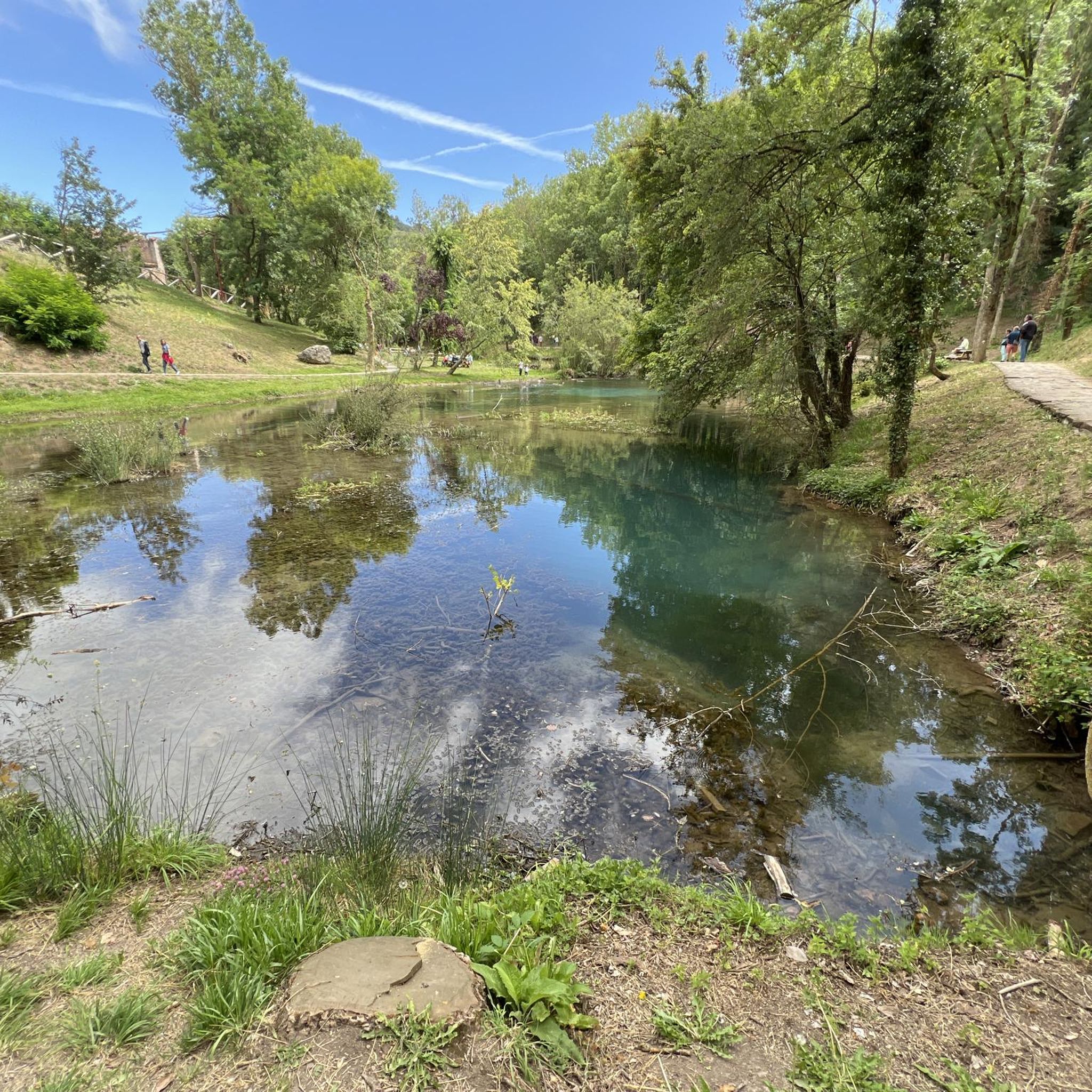
- Visitors also love Source of the Ebro River, a river source traditionally located in the town of Fontibre. This site marks the origin of one of Spain's most important rivers.
- Brañosera is known for viewpoints, rivers, and historical religious buildings. The region offers a variety of attractions to see and explore, from natural monuments to man-made structures.
- The attractions around Brañosera are appreciated by the komoot community, with 33 upvotes and 27 photos shared by visitors.
Last updated: May 25, 2026
Piedrasluengas Viewpoint
Highlight • Viewpoint
The views will leave you speechless. You'll see the Picos de Europa, Peña Labra, Tres Mares, Cuchillón, the Liébana Valley, and the Valdeprado Valley.
Translated by Google •
Tip by

Source of the Ebro River
Highlight • River
Translated by Google •
Tip by

Sign up now to discover places like this
Get recommendations on the best single tracks, peaks, & plenty of other exciting outdoor places.
Sign up for free
Santa María la Real Monastery
Highlight • Religious Site
Translated by Google •
Tip by

Salinas de Pisuerga Bridge
Highlight • Bridge
It has a parish church (San Pelayo) from the 16th century with a large bell tower.
It is worth visiting the medieval bridge that crosses the waters of the Pisuerga river, built in the 16th century.
Translated by Google •
Tip by

Tres Mares Peak
Highlight • Summit
Translated by Google •
Tip by
Sign up for free to discover even more attractions around Brañosera.
Sign up for free
Already have an account?
Start today with a free account
Your next adventure awaits.
Login or Signup
Tips from the Community

Officially, it's the source of the Ebro River, in Fontibre. However, according to what we were told at the tourist office, the waters of the spring pools come underground from the Hijar River, which rises in Alto Campoo. Specifically, in Tresmares, where the Hijar-Ebro begins, flowing into the Mediterranean; the Pisuerga (a tributary of the Duero) flows into the Atlantic; and the Nansa flows into the Cantabrian Sea.
0
0

Spectacular views of the eastern massif of Picos de Europa
0
0

Beautiful road from Puetenansa up to there for road bikes, less traffic
1
0

Interesting to visit, if you are in the area.
3
0

This medieval stone bridge is on the outskirts of Salinas de Pisuerga, a picturesque little town on the banks of the Pisuerga River.
1
0

Medieval stone bridge over the Riera river in Salinas de Pisuerga. Stop and rest by the cool waters of the tree-shaded river near the Iglesia Parroquial de San Pelayo.
1
0

Locality of the Palencia Mountain whose name comes, as they say, because it is located in a salty soil. It has a parish church (San Pelayo) from the 16th century with a large bell tower. It is worth visiting the medieval bridge that crosses the waters of the Pisuerga river, built in the 16th century.
2
0
Viewpoint located in the homonymous hill at more than 1300 meters. From there you can see the Picos de Europa, Peña Labra, the Tres Mares peak, the Cuchillón peak and much more.
2
0
Frequently Asked Questions
What historical sites can I explore in Brañosera?
Brañosera is renowned as the site of Spain's first town hall, established in 824 AD. You can visit the Plenary Hall to learn about the historic Town Charter (Fuero de Brañosera). Other significant historical attractions include the Romanesque Santa María la Real Monastery, the Iglesia de Santa Eulalia, and the Ermita de San Miguel, both consecrated in 1118. Don't miss the ancient Roman Bridge of Rojadillo spanning the Camesa River, a testament to the area's historical connections.
What natural attractions are there to see around Brañosera?
The region is rich in natural beauty, situated within the Parque Natural Montaña Palentina. You can enjoy panoramic views from the Piedrasluengas Viewpoint, offering vistas of the Picos de Europa and Valdeprado Valley. Another impressive natural landmark is Tres Mares Peak, a summit at 2,149 meters with views of the Cantabrian interior. The traditional Source of the Ebro River is also nearby. Other natural highlights include Pico Valdecebollas, the Bosque de la Pedrosa, and the impressive ice waterfalls of Río Rubagón and Valdecebollas in winter.
Are there family-friendly attractions in the Brañosera area?
Yes, several attractions around Brañosera are suitable for families. The Piedrasluengas Viewpoint, Source of the Ebro River, Santa María la Real Monastery, and Salinas de Pisuerga Bridge are all categorized as family-friendly. The natural parks and easy hiking trails also offer great opportunities for family outings.
What outdoor activities can I do near these attractions?
The Brañosera area is ideal for various outdoor activities. You can find numerous hiking trails, including routes to Pico Valdecebollas and Pozo Merino. For running enthusiasts, there are trails like the 'View of Santullán Valley loop'. Mountain biking is also popular, with routes such as 'Cordovilla de Aguilar a Brañosera circular'. You can explore more options for hiking, running, and MTB trails in the region.
Where can I find the best viewpoints in the region?
For breathtaking views, visit the Piedrasluengas Viewpoint, located over 1,300 meters above sea level in the Cantabrian Mountains, offering vistas of the Picos de Europa. Another excellent spot is Tres Mares Peak, which provides expansive views of the Cantabrian interior and Montaña Palentina Natural Park.
What kind of wildlife can I expect to see in the Montaña Palentina Natural Park?
The Parque Natural Montaña Palentina, which surrounds Brañosera, is home to a diverse range of wildlife. You might spot wild boars, various species of vultures, and deer. The park is also known for its larger inhabitants, including Cantabrian brown bears and Iberian wolves, making it a significant ecological area.
Are there any unique natural phenomena to witness in winter?
Yes, during the colder months, the Río Rubagón, which originates in Brañosera, forms impressive ice waterfalls. Similarly, the Valdecebollas area also features spectacular Cascadas de Hielo, attracting climbers and offering a unique natural spectacle.
What is the significance of the Roman Bridge of Rojadillo?
The Roman Bridge of Rojadillo is an ancient structure that spans the Camesa River. It is a historical landmark that served as part of an old Roman road, connecting Herrera de Pisuerga with Cantabria, highlighting the region's long-standing historical connections and infrastructure.
What traditional architecture can be seen in Brañosera?
Brañosera preserves many traditional houses built from local stone and oak wood, showcasing the region's historical building styles. You can also observe medieval remnants, including small, often bricked-up, arches within the village streets. The local reddish sandstone, known as 'Piedra de Brañosera,' is a distinctive element of the traditional architecture.
What are some popular hiking trails near Brañosera?
Brañosera is a hiker's paradise. Popular routes include the GR-1 Historical Trail, the Besaya Route (part of the Northern Way of St. James), and the Senda de la Pedrosa. You can also hike to Pozo Merino, Calero de Brañosera, or undertake ascents to Pico Valdecebollas. The local town hall even offers a special booklet for hikers to stamp their completed routes. Find more options for hiking around Brañosera.
What do visitors enjoy most about the attractions around Brañosera?
Visitors particularly appreciate the stunning panoramic views from spots like the Piedrasluengas Viewpoint and Tres Mares Peak. The historical significance of the region, especially the Santa María la Real Monastery and the traditional Source of the Ebro River, also receives high praise. The diverse natural landscapes and opportunities for outdoor activities are frequently highlighted by the komoot community.
Are there opportunities for winter sports near Brañosera?
While Brañosera itself transforms into a snowy wonderland in winter, offering opportunities for enjoying the snow, the Alto Campoo ski resort is located nearby for those interested in skiing and other winter sports.
Most popular attractions around Brañosera

Get inspired with the komoot mobile app


Explore more
Still not found the Highlight you’re looking for? See guides of the top attractions in other regions:
