The best road cycling routes around Ribadumia
4.4
(53)
2,978
riders
109
rides
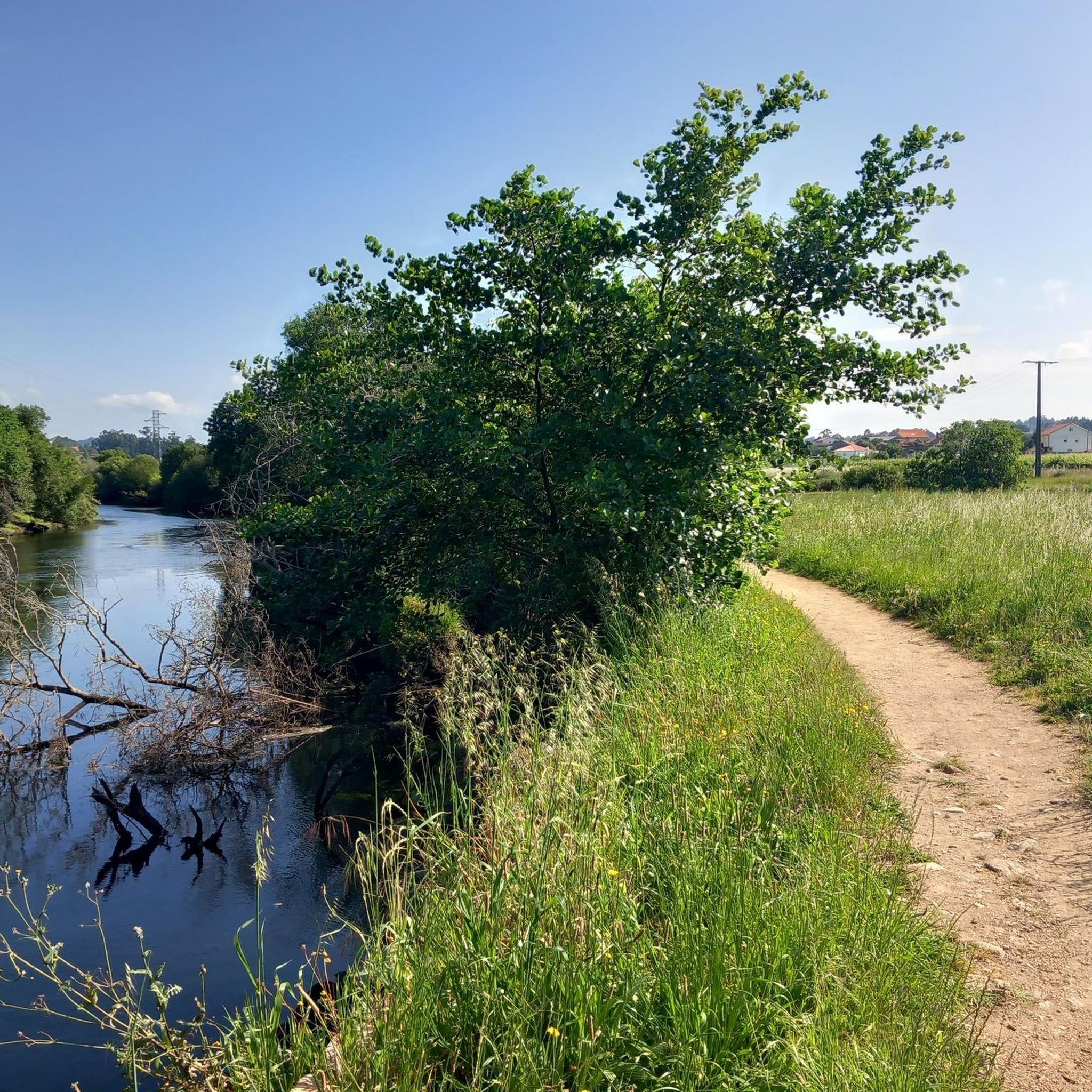
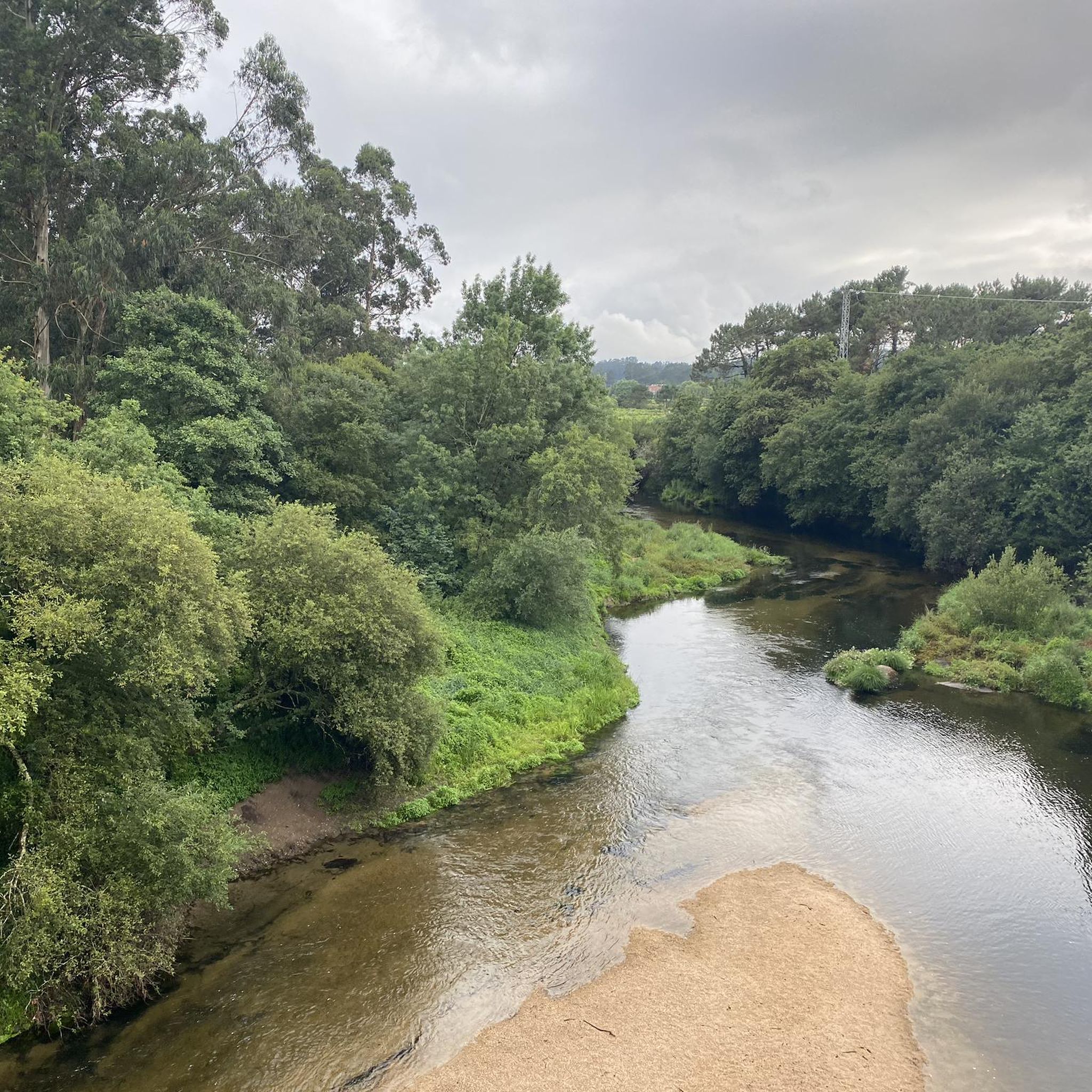
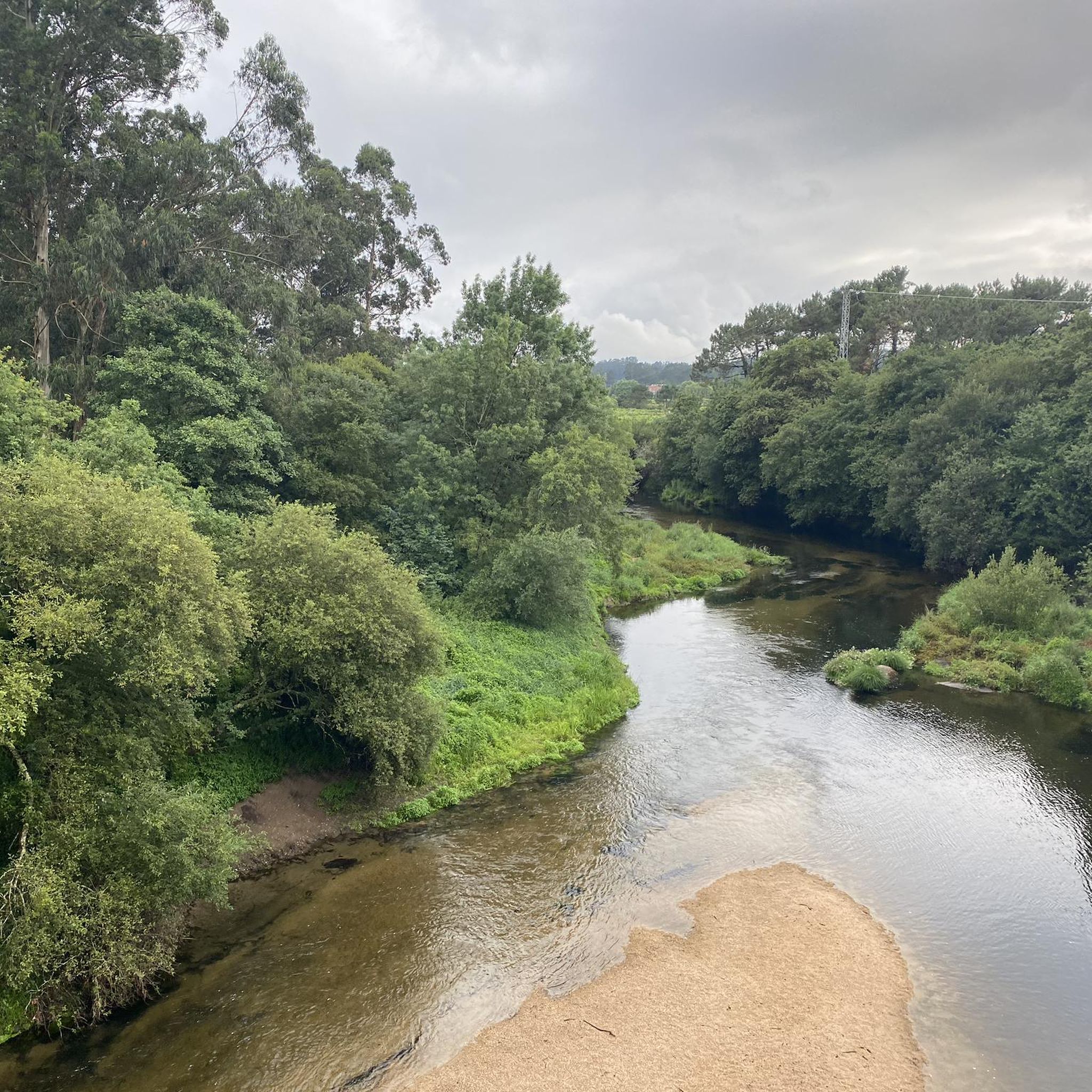
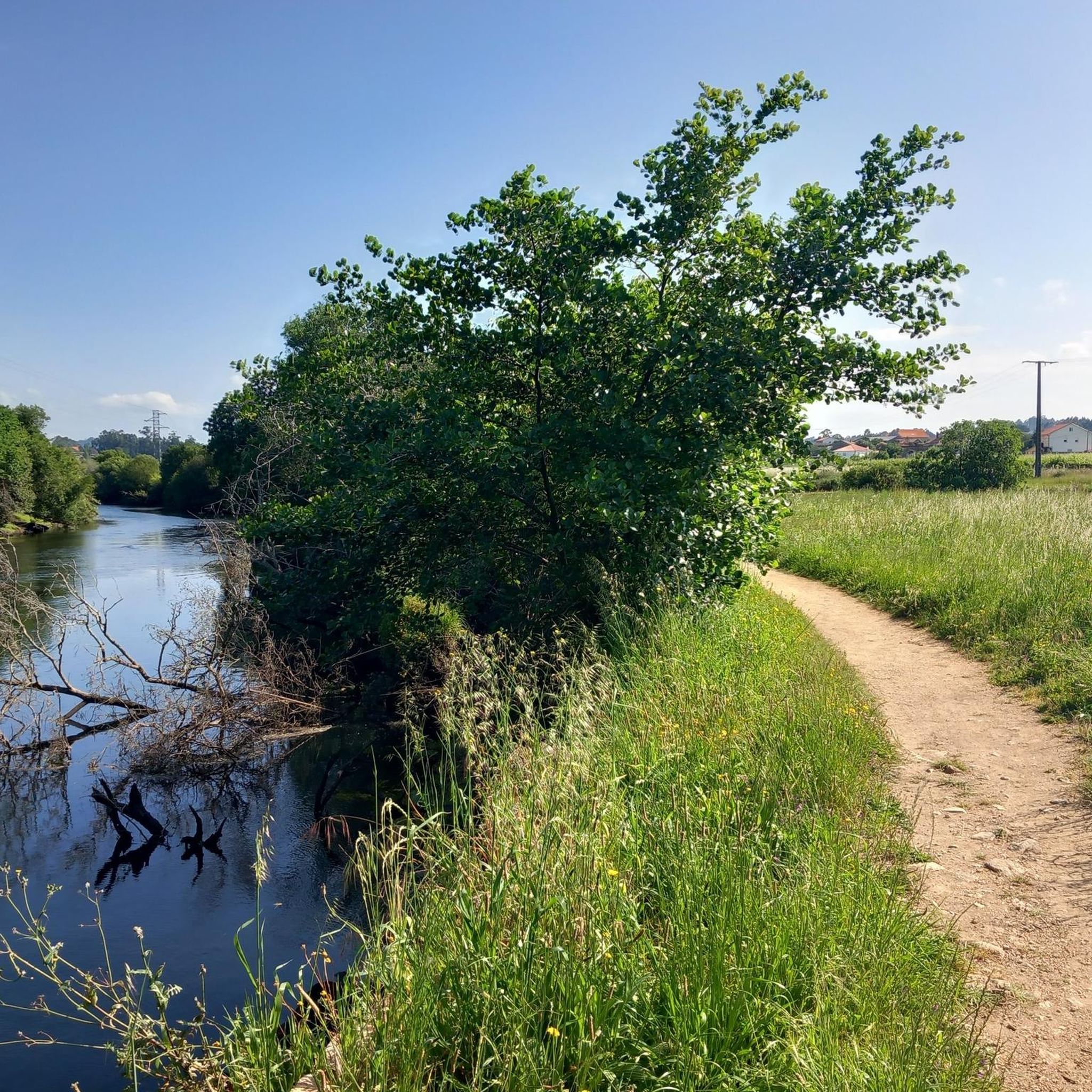
Road cycling around Ribadumia offers a compelling mix of natural beauty and varied terrain within the Salnés region of Pontevedra, Spain. The area is characterized by extensive fluvial paths along the Umia and Armenteira rivers, providing serene routes often on paved surfaces. Cyclists can also explore rolling vineyard landscapes and humid forests, with routes catering to different fitness levels. The region's diverse topography includes riverbanks, agricultural areas, and gentle ascents, making it suitable for a range of road cycling experiences.
…Last updated: July 1, 2026
4.0
(1)
119
riders
58.6km
02:42
560m
560m
Moderate road ride. Good fitness required. Some segments of this route may be unpaved and difficult to ride.
5.0
(1)
62
riders
57.9km
02:46
750m
750m
Moderate road ride. Good fitness required. Mostly well-paved surfaces and easy to ride.

Sign up for free
47
riders
53.0km
02:19
370m
370m
Moderate road ride. Good fitness required. Mostly well-paved surfaces and easy to ride.
4.5
(2)
60
riders
37.6km
01:48
190m
190m
Easy road ride. Great for any fitness level. Mostly well-paved surfaces and easy to ride.
5.0
(1)
40
riders
31.2km
01:36
160m
160m
Moderate road ride. Great for any fitness level. Some segments of this route may be unpaved and difficult to ride.
Get access to more routes and recommendations from other explorers.
Sign up for free
Already have an account?
Our route recommendations are based on thousands of hikes, rides, and runs completed by other people on komoot.
Start today with a free account
Your next adventure awaits.
Login or Signup
Tips from the Community


Good area for cycling!
0
0
Good coastal road with beautiful views. Be careful with traffic in summer.
0
0


The famous shell church was formerly dedicated to San Sebastián, but after the reform, the Virgen del Carmen was substituted as the main image. This chapel venerates the famous San Caralampio III, a 19th-century martyr who is the patron saint of skin diseases. The patronage and veneration of this special place, the thermal waters of the thermal baths on the island of A Toxa, are used as a skin-healing therapy, so people have been going to this chapel since ancient times to ask for the protection of this saint. Why is the church covered with scallop shells? It is the only chapel in the world covered with scallop shells. Originally built in 1909, this was the result of chance. The facade, where the altar is located, faces south, and rain constantly beats down on the walls, creating dampness and damaging the structure. At the end of the 1940s, Raimundo Riestra Calderón, II Marqués de Riestra, summoned a mason to offer a solution to this problem, which had dragged on for almost four decades. The man informed him that a traditional method of preventing water infiltration was to cover scallops with scales all over their surfaces, allowing water to slide down them without wetting the interior. He thought the idea was great and accepted the proposal. When the facade was finished, the Marquis liked it so much that, as administrator of the spa, he ordered the entire church to be covered with shells. It was a slow process that took several years, beginning in the late 1940s and ending in the early 1950s. And one last detail: If you were transported back in time 120 years to the same point where you are now, you wouldn't walk on land, but would float in the water along with the church. Almost the entire garden was an old salt mine, lost in the distant past. It was filled in at the beginning of the 20th century.
0
1

The beautiful chapel with its shell cladding is
1
1
Frequently Asked Questions
How many road cycling routes are available around Ribadumia?
Ribadumia offers a wide selection of road cycling routes, with over 115 tours available. These routes cater to various fitness levels, including 20 easy, 68 moderate, and 27 difficult options, ensuring there's a ride for every cyclist.
What kind of terrain and landscapes can I expect on road cycling routes in Ribadumia?
Road cycling in Ribadumia features a diverse landscape. You'll encounter extensive fluvial paths along the Umia and Armenteira rivers, often on paved surfaces, as well as rolling vineyard landscapes and humid forests. The topography includes riverbanks, agricultural areas, and gentle ascents, providing varied and scenic rides.
What natural features or landmarks can I explore while road cycling in Ribadumia?
While cycling, you can discover several natural and historical points of interest. The region is known for its picturesque fluvial paths dotted with historical mills, wash houses, and fountains. You might also encounter the Barosa Waterfall and Mills, or enjoy views from peaks like Monte Siradella.
Are there any easy road cycling routes suitable for beginners in Ribadumia?
Yes, Ribadumia has several easy road cycling routes perfect for beginners or those seeking a relaxed ride. An example is the Café Aidmar – Vilagarcía Marina loop from Cambados, a 22.6-mile (36.4 km) trail that takes you through varied landscapes with minimal elevation gain.
Where can I find challenging road cycling routes with significant climbs in the Ribadumia area?
For experienced riders looking for a challenge, Ribadumia offers routes with significant elevation gains. The Vilagarcía Marina – Torres de Oeste loop from Cambados is a difficult 59.5-mile (95.7 km) path featuring substantial climbs and scenic coastal sections, ideal for testing your fitness.
Are there circular road cycling routes available around Ribadumia?
Many of the road cycling routes in Ribadumia are designed as loops, allowing you to start and finish at the same point. For instance, the View of Puerto de Sanxenxo – Fonte Preta de Sanxenxo loop from A Cerexeira offers a moderate 38.4-kilometer circular ride.
What is the best time of year for road cycling in Ribadumia?
The Salnés region, where Ribadumia is located, generally offers pleasant conditions for road cycling for much of the year. While specific data isn't provided, the presence of natural spaces like the Carballeira de Ribadumia being 'perfect for relaxation, especially during summer' suggests warmer months are popular, though spring and autumn also offer comfortable temperatures for riding.
Can I find family-friendly road cycling routes in Ribadumia?
Yes, the region's extensive fluvial paths along the Umia and Armenteira rivers provide serene routes that are often paved and suitable for relaxed cycling, making them a good option for families. These paths allow for enjoyable rides amidst nature and historical elements.
What do other road cyclists enjoy most about road cycling in Ribadumia?
The road cycling routes around Ribadumia are highly rated by the komoot community, with an average score of 4.4 stars from over 40 reviews. Cyclists often praise the diverse scenery, which includes coastal views, inland stretches, and the unique experience of cycling through vineyard landscapes.
Are there any routes that combine cycling with cultural or historical exploration?
Absolutely. The fluvial paths along the Umia and Armenteira rivers are rich in ethnographical value, featuring numerous historical mills and wash houses. These paths also connect with the 'Ruta da Pedra e da Auga' (Route of Stone and Water), which is part of the 'Spiritual Variant' of the Portuguese Way to Santiago, offering a blend of cycling and cultural immersion.
Are there opportunities to cycle through vineyards in Ribadumia?
Yes, Ribadumia is situated in the Salnés region, renowned for its Albariño wine production. Many cycling routes traverse expansive orchards and vineyards, offering picturesque views and the chance to experience the region's enotourism, with numerous local wineries to explore.
Most popular attractions around Ribadumia

Get inspired with the komoot mobile app


Explore more
Browse the best Road cycling routes in other regions.
