Attractions and Places To See around Pomar De Valdivia - Top 20
Best attractions and places to see around Pomar De Valdivia include a rich blend of natural beauty, historical landmarks, and cultural sites. This region, nestled in the Montaña Palentina, features diverse landscapes shaped by rivers and erosion. Visitors can explore ancient settlements, impressive cave systems, and unique rock formations. Pomar De Valdivia serves as a gateway to an area rich in history and geological interest.
Best attractions and places to see around Pomar De Valdivia
- The most popular attractions is…
Last updated: June 23, 2026
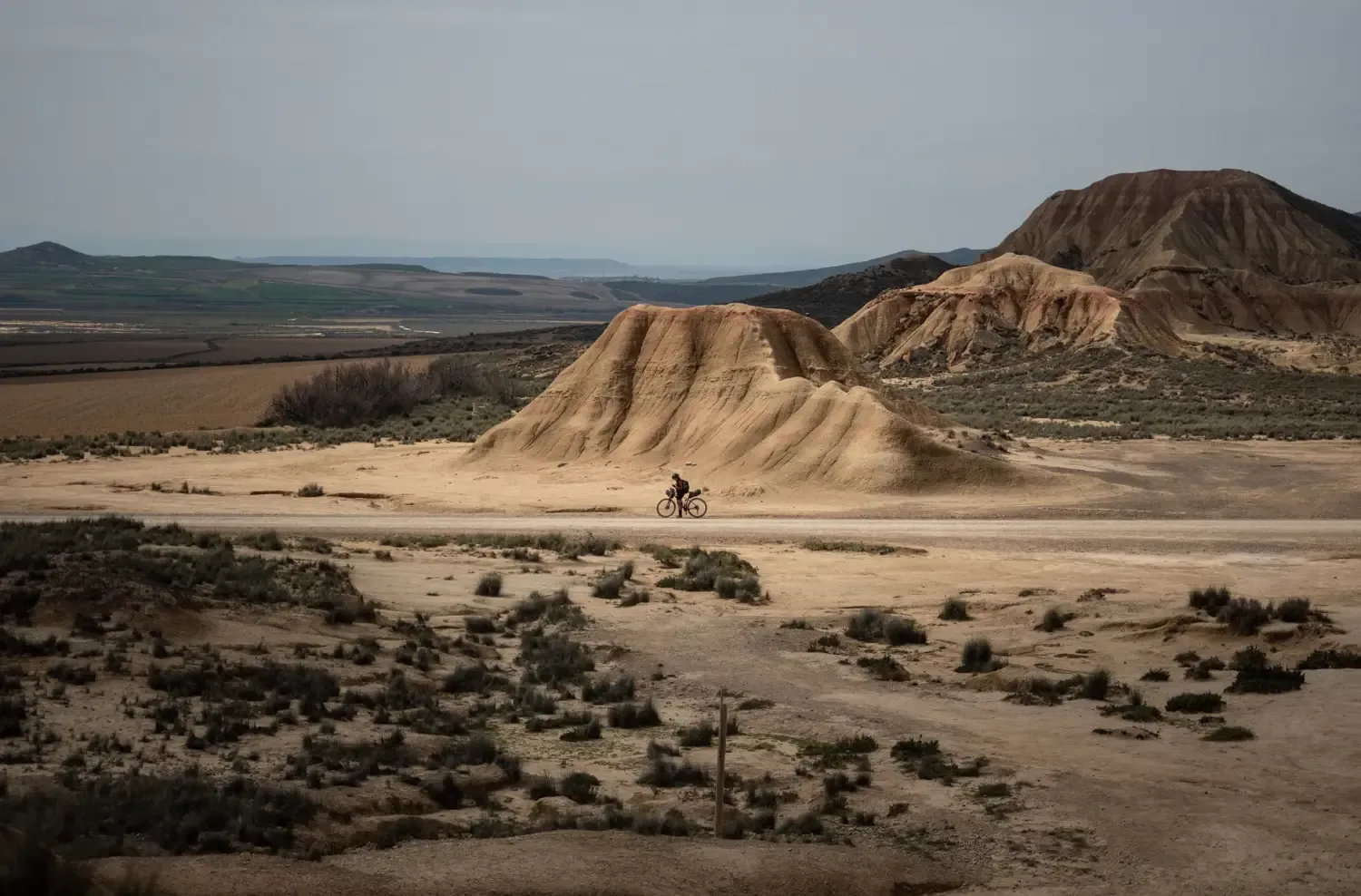
Peña Mesa
Highlight • Natural Monument
Translated by Google •
Tip by

Santa María la Real Monastery
Highlight • Religious Site
Translated by Google •
Tip by
Sign up now to discover places like this
Get recommendations on the best single tracks, peaks, & plenty of other exciting outdoor places.
Sign up for free
Wolves' Well
Highlight • Monument
Translated by Google •
Tip by

Hermitage of Santa Cecilia
Highlight • Religious Site
Translated by Google •
Tip by

Collegiate Church of San Miguel
Highlight • Religious Site
Translated by Google •
Tip by
Sign up for free to discover even more attractions around Pomar De Valdivia.
Sign up for free
Already have an account?
Start today with a free account
Your next adventure awaits.
Login or Signup

Other adventures around Pomar De Valdivia

Tips from the Community

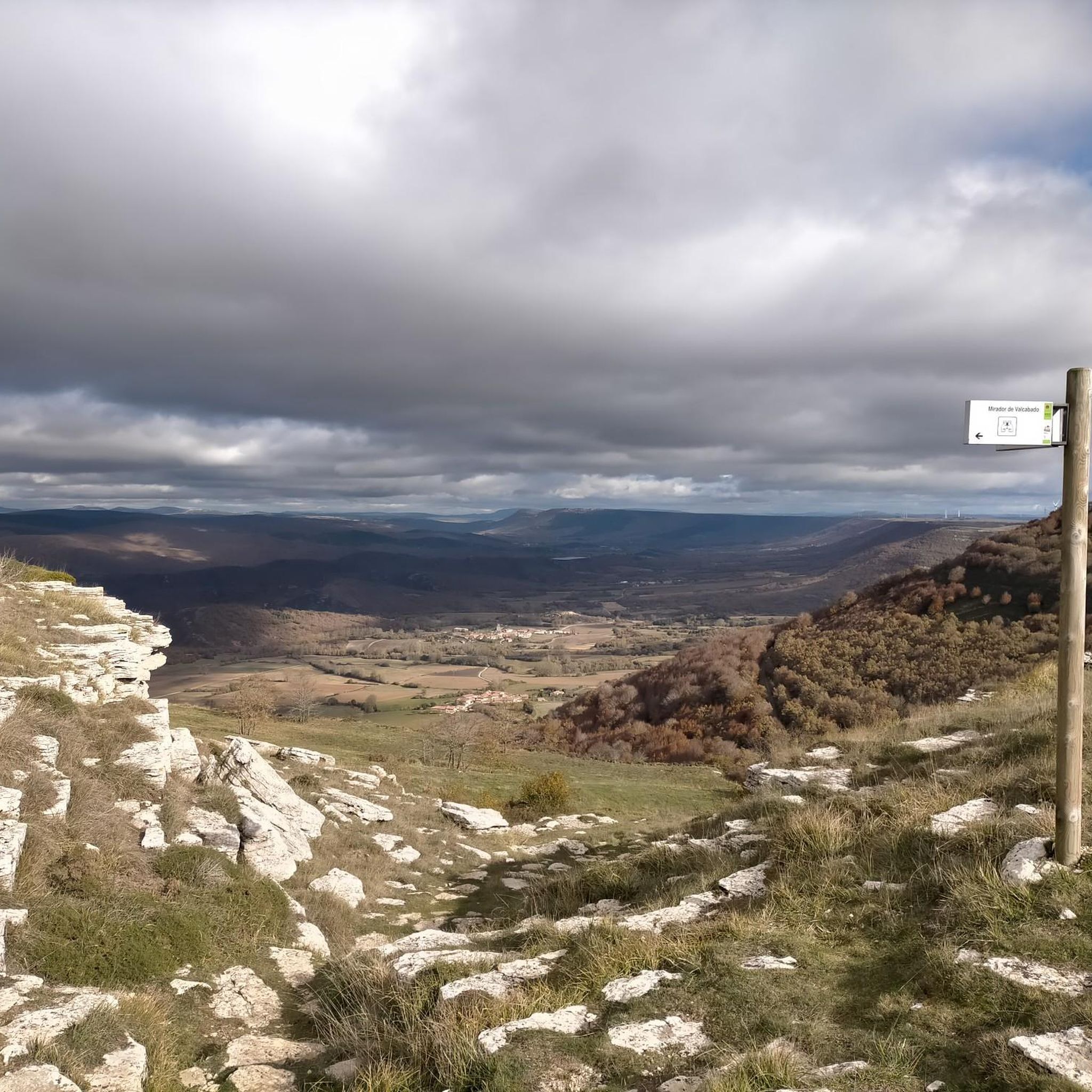
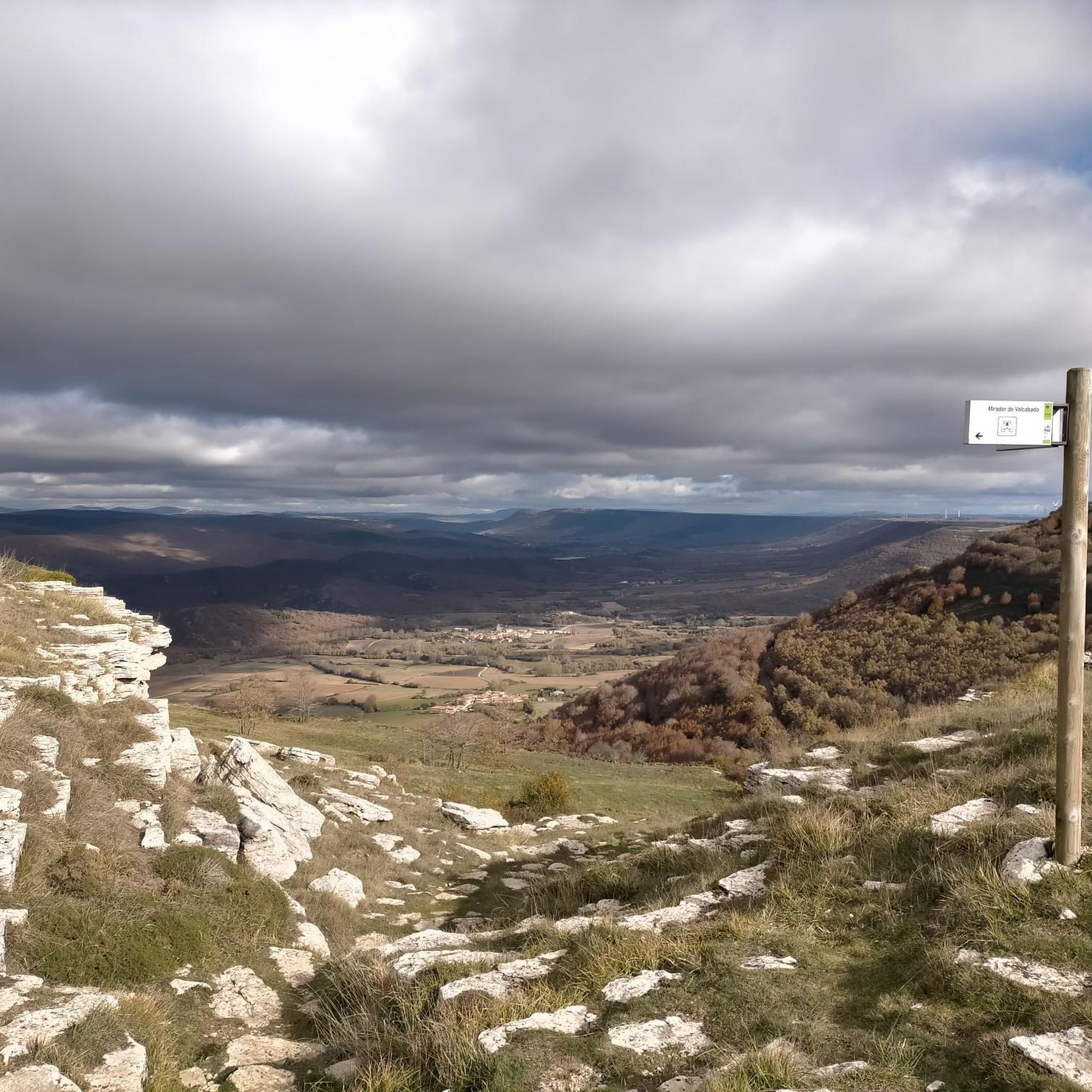
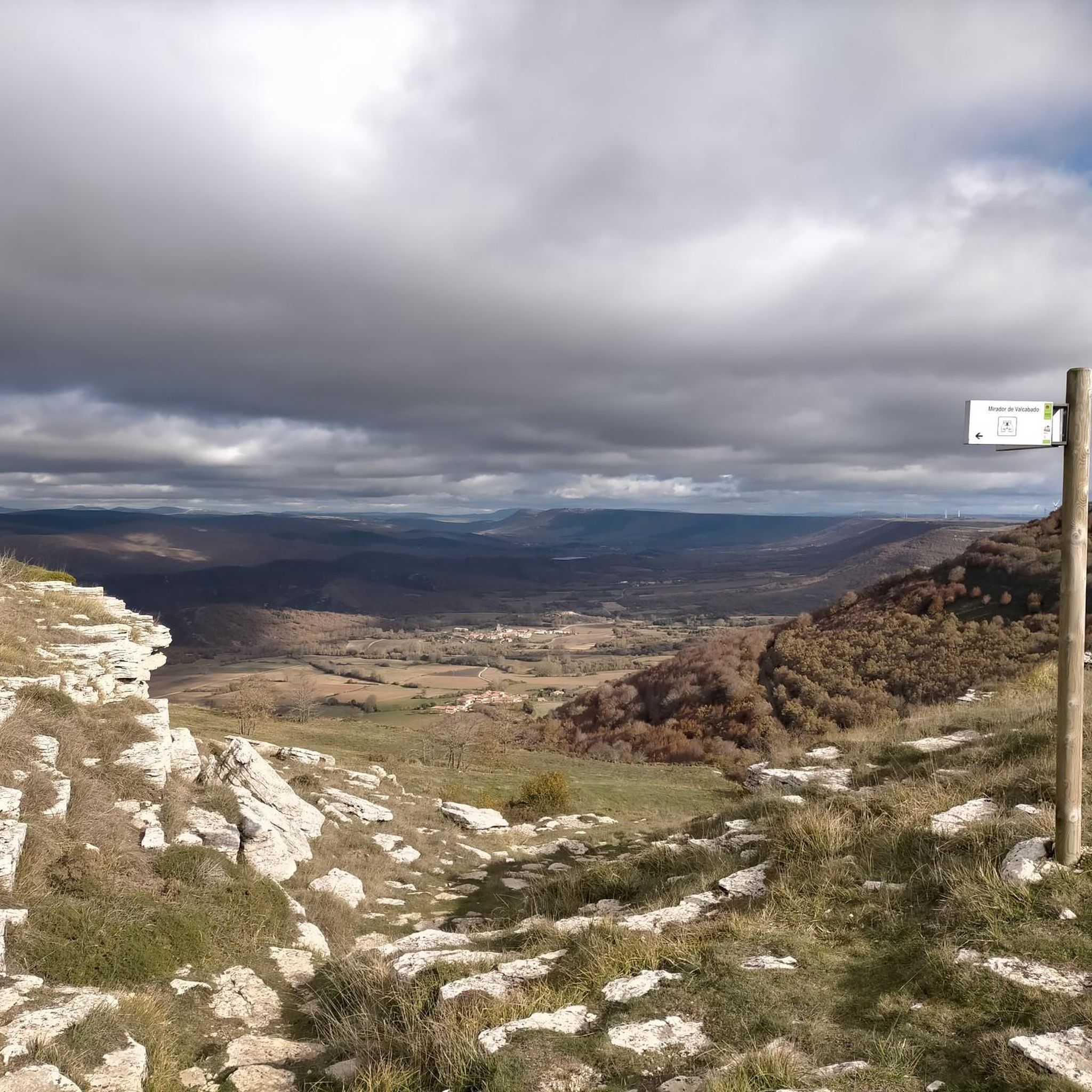
The Pozo de los Lobos in Pomar de Valdivia is a small stone construction that was once used to capture wolves. It is located near the Mirador de Valcabado, approximately 1.5 km away. This type of trap was covered with branches and leaves, and the wolves fell into the well when they were guided towards it. In addition, the area offers incredible hiking trails and spectacular views of the Valderredible Valley from the Mirador de Valcabado. It is a perfect place to enjoy nature and local history.
4
0

In the Plaza de España, the nerve centre of the town.
1
0

The next town is Vallespinoso de Aguilar. The hermitage of Santa Cecilia, immediately standing out on a castle hill, is dated to the 12th century and was declared a historical-artistic monument in 1951. The portico has well-carved capitals and the location conveys the atmosphere of a fortress sanctuary.
0
0
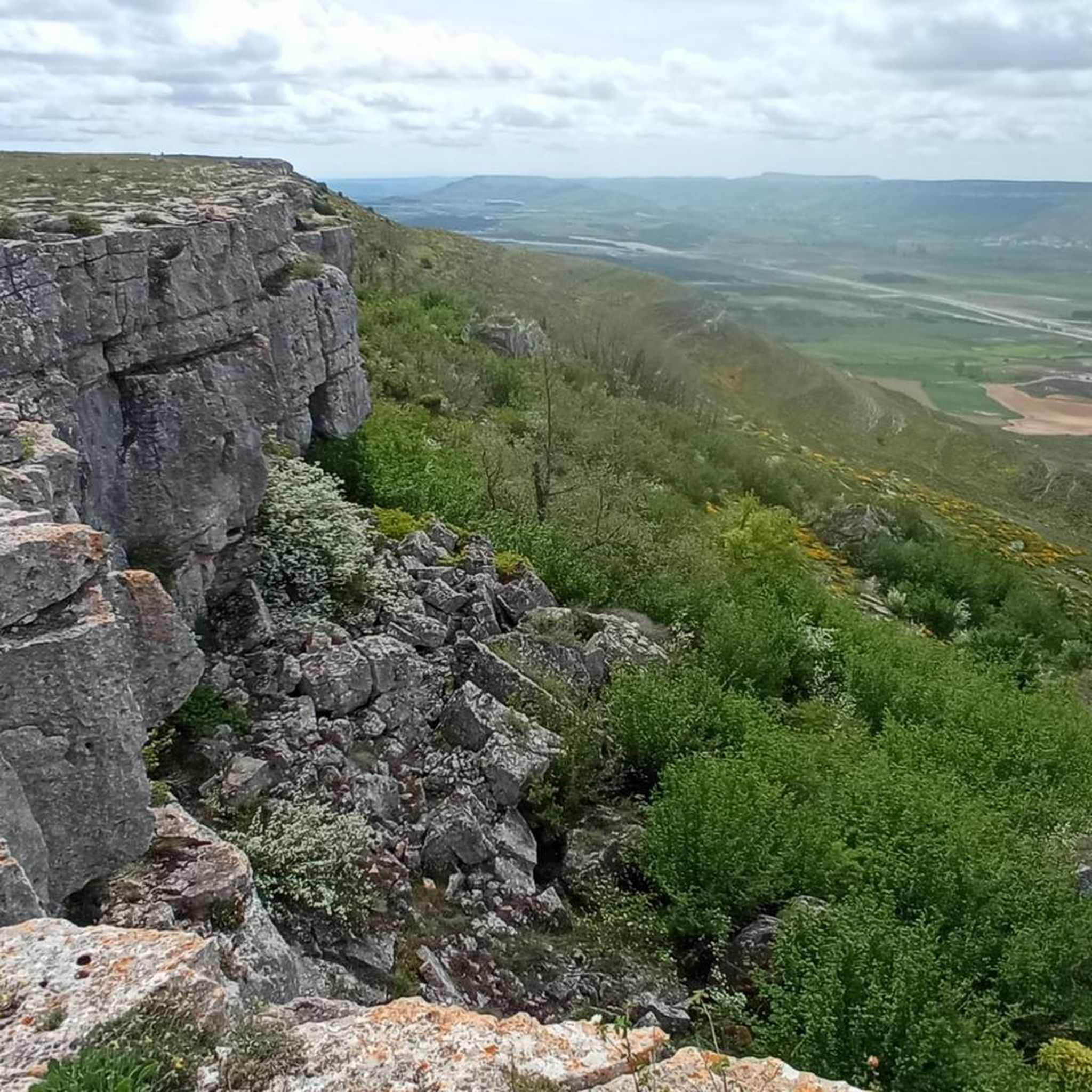
The stone labyrinth of Las Tuerces has several paths and the Natural monument can be explored according to one's taste, letting oneself be guided by intuition and the indications of the itineraries. The track is a general proposal with a loop that approaches the viewpoints of the Pisuerga River to learn about the natural, geological and environmental values of the natural area. The Las Tuerces labyrinth occupies a plain of limestone rocks sculpted by water erosion on a syncline hanging in the canyon of the Pisuerga River, a territory of geological interest because it marks the meeting between the Cantabrian mountains and the lands of the moor. In the shadowy stone alleys, relict beech trees, hazelnut trees, gall oaks, rocky vegetation and thorny plants from humid environments typical of other latitudes appear, coexisting amazingly with holm oaks, junipers and shrubs from a Mediterranean environment, a forest wonder. An admirable whim of nature that is a lesson in geology and the history of the Earth in the last hundred million years in the open air.
2
0

The hermitage of Santa Cecilia de Vallespinoso de Aguilar, declared a Historic-Artistic Monument, combines nature, landscape and art. Its construction in the 12th century presents a rectangular nave with a cannon cover and a semicircular apse. Its exterior stands out with well-worked ashlars, a peculiar tower and an imposing cover. The interior impresses with its verticality and a beautiful staircase that joins the nave and head. Sculptures such as the Samson capital and the acanthus leaf capital accentuate its beauty.
2
0

This small hermitage is located on top of a high rock that gives you great views. It's also a good place to take shelter in a rain storm.
0
0

A small "protrusion" of rock in the shape of a table (or mushroom) with a small cross at its top that can be accessed by climbing with the aid of a fixed rope.
1
1
Religious sanctuary dating from the twelfth century located in the town of Vallespinoso de Aguilar. It is located at the top of a rock offering unbeatable views.
1
0
Frequently Asked Questions
What unique natural attractions can I explore around Pomar De Valdivia?
Beyond the well-known Peña Mesa, you can discover the fascinating Wolves' Well, an ancient stone trap near the Mirador de Valcabado. The region is also home to the impressive Cueva de los Franceses, a cave system with striking karst formations, and the Espacio Natural de Covalagua, a beautiful protected natural area.
Are there significant historical or cultural sites to visit in the area?
Yes, the region is rich in history. You can visit the Santa María la Real Monastery, a significant Romanesque building from the 12th-13th centuries. Another notable site is the Hermitage of Santa Cecilia, a 12th-century Romanesque hermitage near Aguilar de Campoo. The Iglesia de la Santa Cruz in Pomar de Valdivia itself is a 16th-century Gothic church with Romanesque elements.
What kind of outdoor activities can I do near these attractions?
The area around Pomar De Valdivia offers diverse outdoor activities. You can enjoy hiking on trails like the 'Las Tuerces Labyrinth Trail' or the 'Valcabado Viewpoint, Pozo de los Lobos, and Covalagua Loop'. Cycling enthusiasts can explore routes such as the 'Palencian Romanesque Trail', and there are also various running trails available. For more details on routes, visit the hiking guide, cycling guide, or running guide for the region.
Are there family-friendly attractions around Pomar De Valdivia?
Absolutely. The Santa María la Real Monastery is considered family-friendly and offers an engaging video about its history. Exploring the unique rock formations of the Las Tuerces Natural Area, including Peña Mesa, can also be an exciting adventure for families.
Where can I find impressive viewpoints in the region?
For stunning vistas, head to the Mirador de Valcabado, located near the Cueva de los Franceses. It offers breathtaking views over the Páramo de la Lora and the Monte Ahedo beech forest from an altitude of 1,000 meters. The Hermitage of Santa Cecilia also provides unbeatable views from its rocky perch.
What is the significance of the Las Tuerces Natural Area?
The Las Tuerces Natural Area is a spectacular landscape shaped by the Pisuerga River. It's renowned for its unique rock formations, which have been carved by erosion into striking 'stone sculptures'. Peña Mesa, with its curious karst features, is a central highlight within this area, offering a natural labyrinth to explore.
Can I find ancient settlements or archaeological sites nearby?
Yes, the region has a rich prehistoric past. You can visit the Castro de Monte Bernorio, an ancient settlement where the Cantabrians once lived. Nearby, the Romans established a camp on the Castillejo during the Cantabrian Wars, offering a glimpse into the area's deep history.
What is the <a href="https://www.komoot.com/highlight/3932980" target="_blank" rel="noopener">Wolves' Well</a>?
The Wolves' Well is a small, excellently preserved stone construction that was historically used by local inhabitants to capture wolves. It's located near the Mirador de Valcabado and is a fascinating example of traditional hunting methods and local history.
Are there any easy hiking trails suitable for beginners?
Yes, for those looking for an easier walk, the 'Las Tuerces Labyrinth Trail' is an easy 5 km route that allows you to explore the unique rock formations of the Espacio Natural de las Tuerces. You can find more details in the hiking guide.
What is the <a href="https://www.komoot.com/highlight/4848855" target="_blank" rel="noopener">Collegiate Church of San Miguel</a>?
The Collegiate Church of San Miguel in Aguilar de Campoo is a significant religious building declared an Asset of Cultural Interest. It is notable for integrating altarpieces, stalls, and tombs dating from the 12th and 16th centuries, showcasing centuries of artistic and architectural heritage.
What kind of geological features can be found in the area?
The region is a geological marvel, particularly the Las Tuerces Natural Area, where erosion has sculpted limestone rocks into unique karst formations and a 'stone labyrinth'. The Cueva de los Franceses also showcases impressive stalagmites and stalactites, offering a glimpse into subterranean geological processes.
What do visitors enjoy most about the attractions around Pomar De Valdivia?
Visitors frequently appreciate the blend of natural beauty and historical depth. The unique rock formations of Las Tuerces, the historical significance of sites like the Santa María la Real Monastery, and the stunning views from places like Mirador de Valcabado are often highlighted. The opportunity to explore ancient structures and natural wonders in a serene setting is a major draw.
Most popular routes around Pomar De Valdivia
Most popular attractions around Pomar De Valdivia

Get inspired with the komoot mobile app


Explore more
Still not found the Highlight you’re looking for? See guides of the top attractions in other regions:
