Attractions and Places To See around Mugardos - Top 20
Best attractions and places to see around Mugardos, a fishing village in the province of A Coruña, Galicia, offers a variety of attractions. The region is characterized by its rich history, natural beauty, and vibrant culture, situated along the Ferrol estuary. Visitors can explore notable landmarks, scenic natural features, and cultural sites.
Best attractions and places to see around Mugardos
- The most popular attractions is Pontedeume Bridge, a bridge that connects the two banks of the Eume River. This…
Last updated: October 9, 2026
Parish Church of St James in Pontedeume
Highlight • Religious Site
Showing Translation
Tip by

Monastery of San Martiño de Xuvia
Highlight • Religious Site
Translated by Google •
Tip by

Sign up now to discover places like this
Get recommendations on the best single tracks, peaks, & plenty of other exciting outdoor places.
Parque Natural das Fragas do Eume
Highlight (Segment) • Forest
Translated by Google •
Tip by

Magnolia of Xuvia
Highlight • Natural Monument
Translated by Google •
Tip by

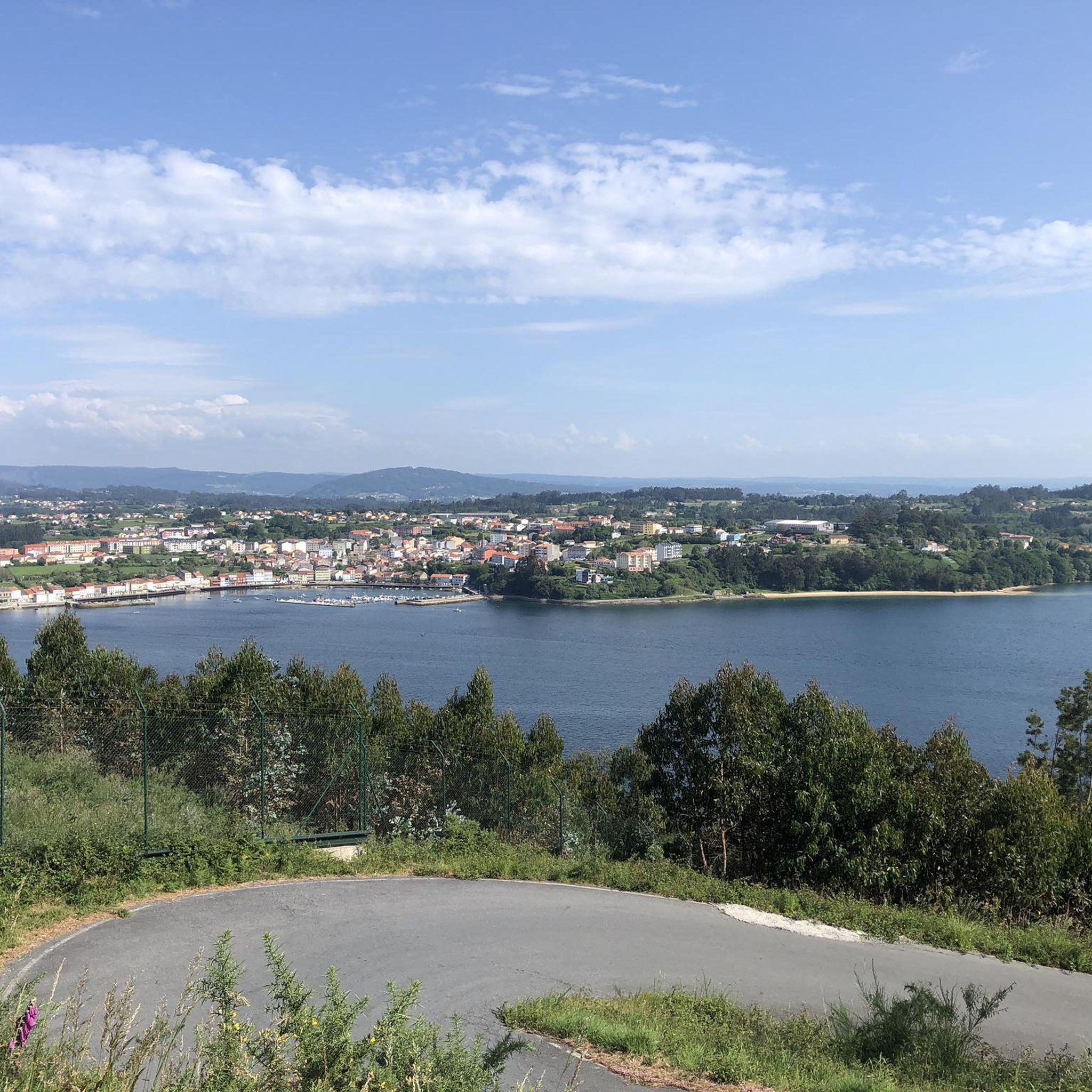
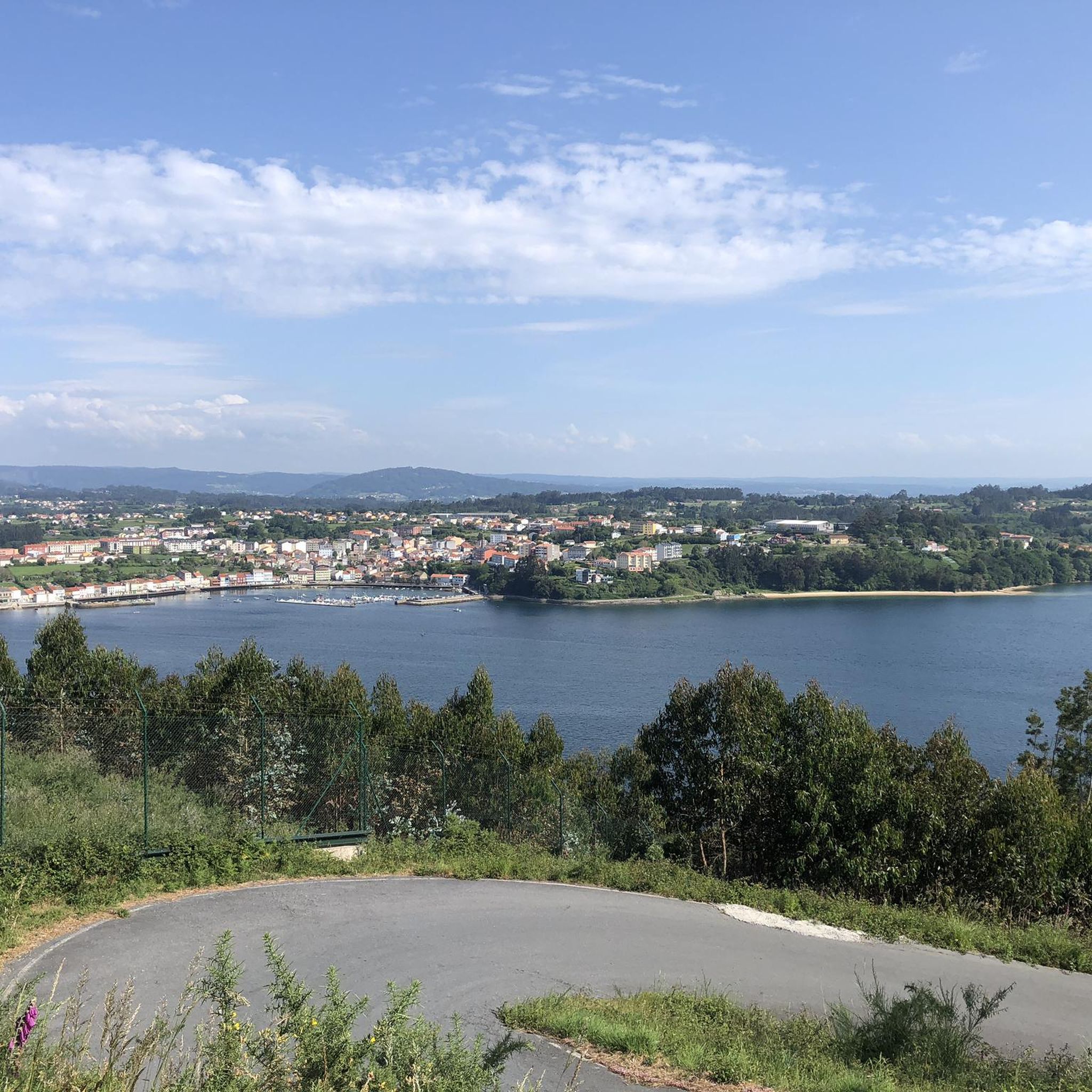
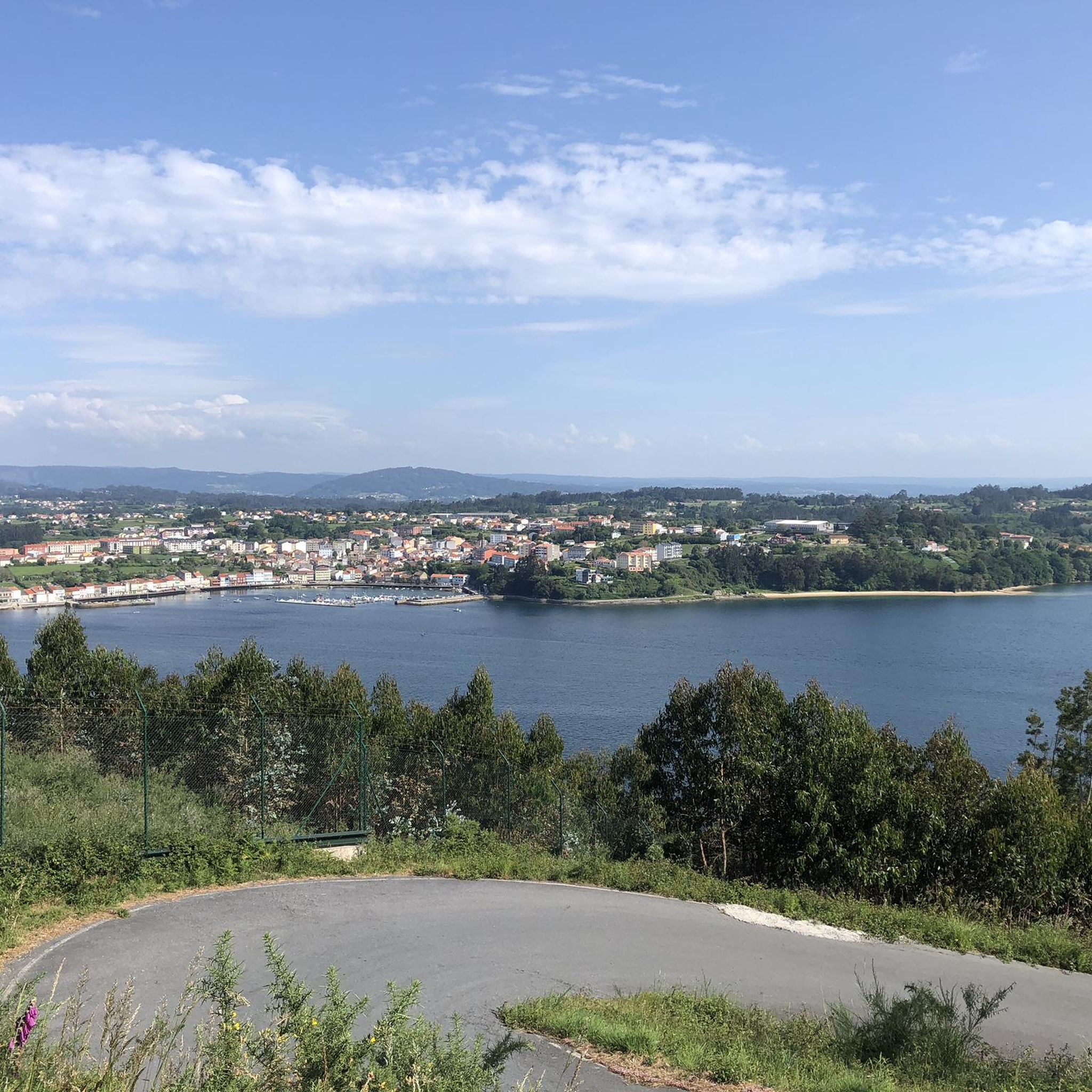
The White Pebble
Highlight • Viewpoint
Translated by Google •
Tip by

Sign up for free to discover even more attractions around Mugardos.
Already have an account?
Start today with a free account
Your next adventure awaits.

Tips from the Community

In this church Iglesia parroquial de Santiago, besides the pilgrim stamp, there is also a very personal pilgrim blessing for the onward journey
2
0

A great spot, with shade. There are also downpipes for dipping your feet in the river.
0
0

An ancient but very well-preserved and visitable monastery, very pretty and small, so you can see it in just a few minutes.
1
0
A very well-preserved ancient monastery that can be visited (I don't know the opening hours) is located on the English Way to Santiago. A quick visit is recommended (it's small but beautiful), and then continue up the path on the left.
0
0
A spectacular natural park, you can explore it directly along the road next to the river (going upstream on the right side), although there is a variant on the left side, accessed by crossing a suspension bridge (the one I show in the photographs). This is more winding and complicated for people with mobility issues, but I consider it more entertaining and beautiful. My ideal route is to climb to the monastery along the left bank and return on the right. If you have mobility issues or want an easier and faster route, go all the way to the right. Regarding the park, I must say it's simply breathtaking. The river and streams that feed us in dozens of places (you'll see them as you walk through) fill you with energy as well as peace and tranquility, the environment completely insulates you from the noise that always surrounds us. I definitely recommend a visit.
1
0

Hike through fascinating nature: A beautiful trail through shady forests with eucalyptus trees, pines, and ferns. The ground is soft and covered with moss, and the air is scented with blooming flowers. Dark blue, crystal-clear water accompanies the trail, surrounded by impressive cliffs and mountains. The first part of the route to the monastery is easy and manageable for everyone. Challenging second half: From the old hydroelectric power plant (Antica Centrale Hidroeléctrica), the trail becomes significantly more challenging. It climbs steeply, sometimes over narrow paths with rocky ground. Important information about equipment and fitness: Sturdy shoes with non-slip soles are essential. Surefootedness, a head for heights, and a good sense of balance are beneficial. Those with a strong fear of heights should skip this section or carefully consider whether they feel comfortable.
0
0

It has two different parts: the main chapel - built by Fernando de Andrade in 1538 - and the rest of the church, the work of Archbishop Rajoy at the end of the 18th century. In the main chapel, the intricate ribs of the vault and the Renaissance altarpiece from 1561 stand out. The image of Santiago Apóstol that is in the central area of the altarpiece was buried in the presbytery in 1961 when some work was underway. The rest of the church is organized on a Latin cross plan with poorly marked arms and three naves, of which the central one is covered by a barrel vault. It is made up of three "streets", two canvases were torn from the central one to place the tabernacle and the image of the patron saint, Santiago. On the façade there are three doors, the central one is crowned by the coat of arms of Fernando de Andrade, an equestrian statue of Santiago Apóstol and a plaque of the Heart of Jesus with his motto "I will reign in Spain", placed in 1900 to commemorate the beginning of the century. In its upper part there are still allusions to the heraldic emblems of the Andrade family. On the Gospel side is the tomb of Fernando de Andrade where he was moved from the center of the chapel in 1758.
0
0
The Xuvia magnolia is the most unique tree in this city. Two hundred years of history in which this large species resists the passage of time from its location, on the Xuvia seafront. And speaking of the location, it is worth highlighting the owners of the land on which the magnolia is located, for the facilities they have always given to the Narón City Council to be able to maintain this tree in optimal conditions. It is not easy to find such unique species in the area. Proof of this is the fact that the Xuvia magnolia is part of the Catalogue of Unique Trees of the Xunta de Galicia. The Provincial Council of A Coruña itself presented the book "A Magnolia de Santa Rita e a Cultura verde de Narón" in Narón, published by the aforementioned administration. The authors of this publication: Carlos Rodríguez Dacal, María Rodríguez García Garabal and Tomás Casal Pita have carried out intense research work, with the collaboration of institutions and private individuals, to publicize this tree, if possible, the most representative of our municipality and which shines in all its splendor on the Paseo Matítimo de Xuvia, near the bridge that borders the neighboring municipality of Neda.
0
0
Frequently Asked Questions
What historical landmarks can I explore in Mugardos?
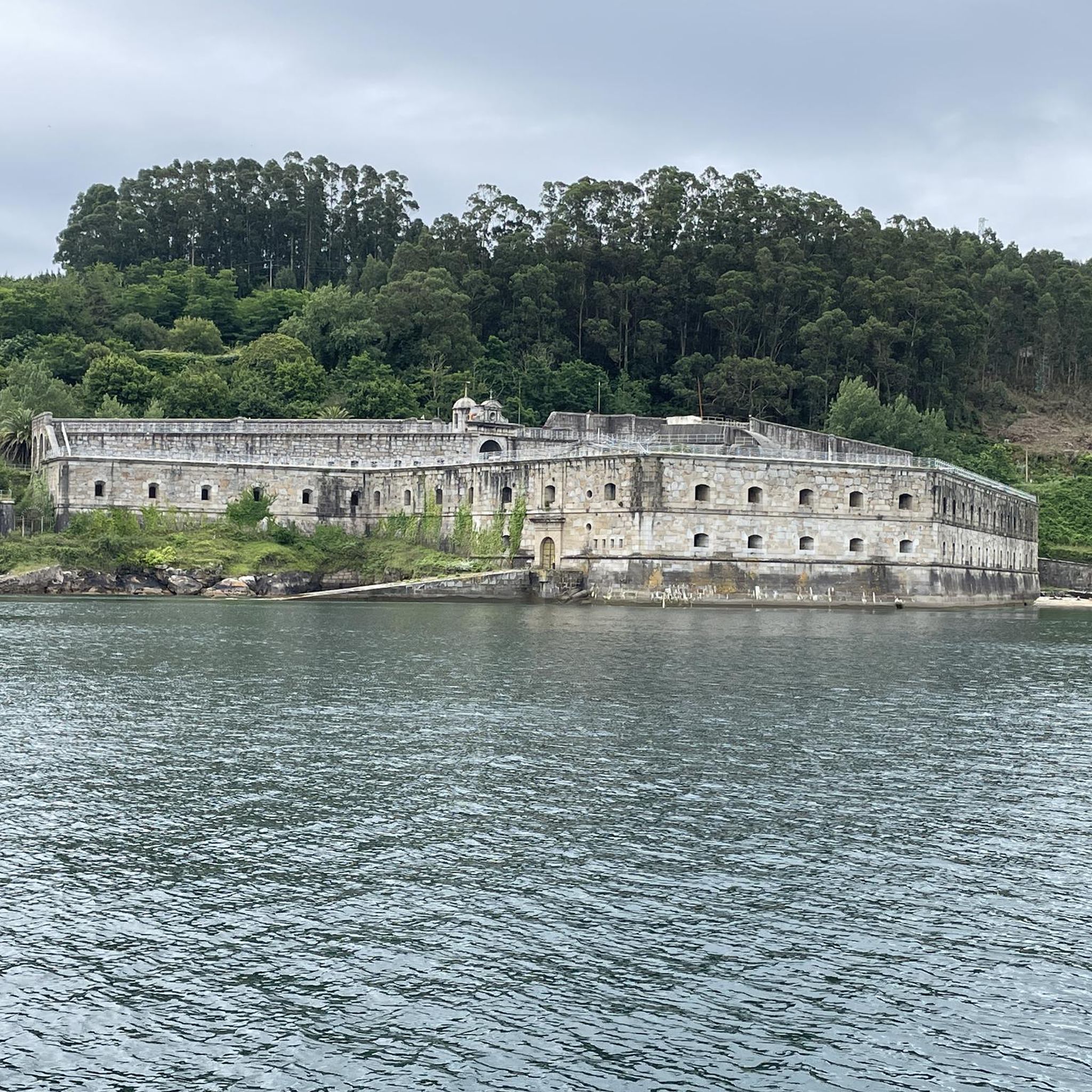
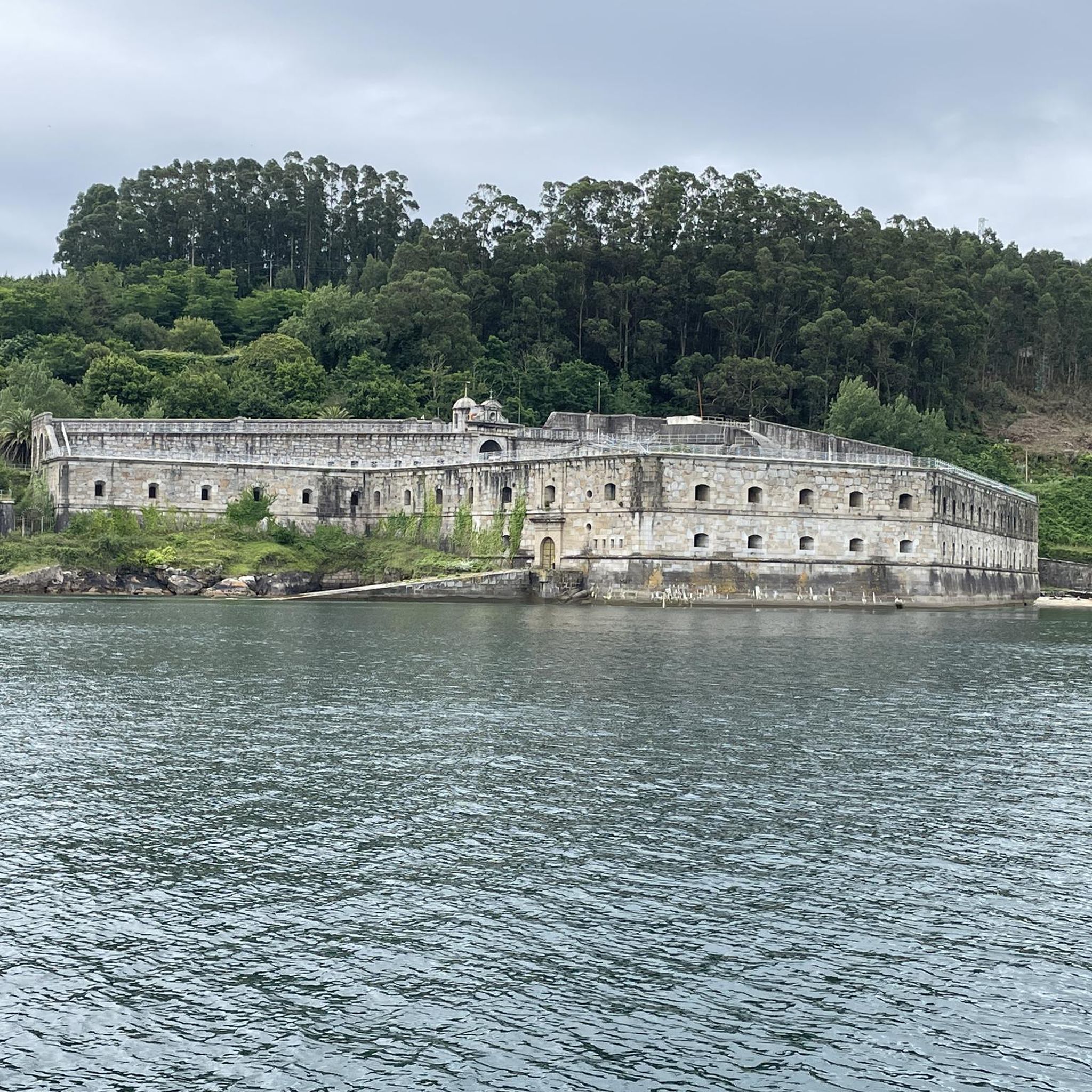
Mugardos is rich in history. You can visit the impressive Castillo de la Palma, a fortress dating back to 1597 that defended the Ferrol estuary. The town also features several historic houses like Casa Rilo (15th century) and Casa de la Sirena (16th century), along with modernist architecture. Don't miss the Monastery of San Martiño de Xuvia, a Cistercian monastery declared a Site of Cultural Interest, located nearby in Narón.
Are there any natural beauty spots or viewpoints worth visiting in Mugardos?
Yes, Mugardos offers stunning natural views. The Mirador de A Bailadora provides breathtaking panoramic vistas of the Ferrol estuary. You can also visit The White Pebble, a coastal natural space with spectacular views of the ocean and the city of A Coruña, featuring a unique white quartz vein. The Parque Rosalía de Castro is a charming urban green space at the town's entrance.
What kind of outdoor activities can I do around Mugardos?
The area around Mugardos is excellent for outdoor enthusiasts. You can find various routes for different sports. For mountain biking, explore trails like the 'View of the Galician Coast – Cabo Prior Lighthouse loop'. Runners can enjoy paths such as the 'Entre Dúas Rías Trail', and road cyclists have options like the 'Ria de Ares - Mugardos Return'. You can find more details on these activities in the dedicated guides for MTB Trails, Running Trails, and Road Cycling Routes around Mugardos.
Is Mugardos suitable for a family visit?
Absolutely! Mugardos offers several family-friendly attractions. The Pontedeume Bridge is a pleasant spot for a stroll, and the nearby Cabañas Beach is wide and peaceful. The Magnolia of Xuvia, a unique 200-year-old tree, is also a fascinating natural highlight that families can enjoy. The Playa de Bestarruza is a small, sheltered beach perfect for families with calm waters.
Where can I experience local culture and gastronomy in Mugardos?
Mugardos is famous for its unique octopus dish, 'pulpo a la mugardesa'. The best way to experience this is during the annual Festa do Polbo (Octopus Festival), held on the second Saturday of July. The lively Paseo Marítimo and Puerto are also cultural hubs, with traditional Galician houses, local bars, and artisanal fishing boats.
Are there any beaches near Mugardos for relaxation?
Yes, the Playa de Bestarruza is a small, sheltered beach located at the end of the promenade in Mugardos. It features calm, emerald waters and golden sand, making it ideal for relaxation. You can also find the ruins of an 18th-century salting factory there.
Can I find any ancient Roman sites in Mugardos?
Yes, Mugardos is home to the Centro de Interpretación Caldoval. This center provides insights into ancient Roman baths discovered in the area, showcasing their function and the activities that took place there over 2,000 years ago. The Roman villa covered an impressive two thousand square meters.
What are some unique or lesser-known places to discover in the area?
Beyond the main attractions, consider visiting the Monasterio de Santa Catalina de Montefaro, which offers panoramic views from its elevated position. The Igrexa San Vicente de Meá, a small temple on the outskirts, is known for its beautiful cemetery and views of Ferrol. Exploring the historic houses and modernist architecture within Mugardos itself also reveals unique charm.
What is the best time of year to visit Mugardos for outdoor activities?
The best time to visit Mugardos for outdoor activities is generally during the warmer months, from late spring to early autumn (May to October). This period offers pleasant weather for exploring beaches, viewpoints, and engaging in hiking, cycling, or running on the local trails. The Festa do Polbo in July is also a highlight for cultural immersion.
What do visitors particularly enjoy about the attractions near Mugardos?
Visitors frequently praise the spectacular views from coastal natural spaces like The White Pebble, enjoying the ocean and estuary vistas. The historical significance of sites like the Monastery of San Martiño de Xuvia and the architectural details of the Parish Church of St James in Pontedeume are also highly appreciated. The charm of the Pontedeume Bridge and the peaceful atmosphere of the Magnolia of Xuvia are also community favorites.
Are there any religious sites of interest in Mugardos or nearby?
Yes, Mugardos and its surroundings feature several religious sites. Within the municipality, you can find Iglesia de San Telmo and Iglesia de San Julián, along with the small Igrexa San Vicente de Meá. Nearby, the Monastery of San Martiño de Xuvia in Narón is a significant Cistercian monastery, and in Pontedeume, the Parish Church of St James is notable for its historical architecture and altarpiece.
How can I explore the Ferrol estuary from Mugardos?
The Ferrol estuary is a central feature of Mugardos. You can enjoy its beauty from various viewpoints, such as the Mirador de A Bailadora. A popular activity is taking a short boat trip across the estuary to visit the neighboring city of Ferrol, offering a different perspective of the coastline and fortifications like Castillo de la Palma.
Most popular routes around Mugardos
Most popular attractions around Mugardos

Get inspired with the komoot mobile app


Explore more
Still not found the Highlight you’re looking for? See guides of the top attractions in other regions:
