Top 2 Castles around Straßburg
Best castles around Straßburg are found both within the city and in the surrounding Alsace region. Straßburg, situated near the Vosges Mountains and the Rhine valley, features historical structures and cultural heritage. The area offers a diverse landscape, from urban settings to mountainous terrain. Many notable landmarks, including medieval fortresses and elegant palaces, are located a short distance from the city.
Best castles around Straßburg
- The most popular castles is Orangerie Park, Strasbourg, a castle-related highlight that features an…
Last updated: October 2, 2026
Orangerie Park, Strasbourg
Highlight • Castle
Translated by Google •
Tip by

Fort Frère
Highlight • Historical Site
Translated by Google •
Tip by

Sign up now to discover places like this
Get recommendations on the best single tracks, peaks, & plenty of other exciting outdoor places.
Pourtalès Castle
Highlight • Castle
Translated by Google •
Tip by

Start today with a free account
Your next adventure awaits.
Popular around Straßburg
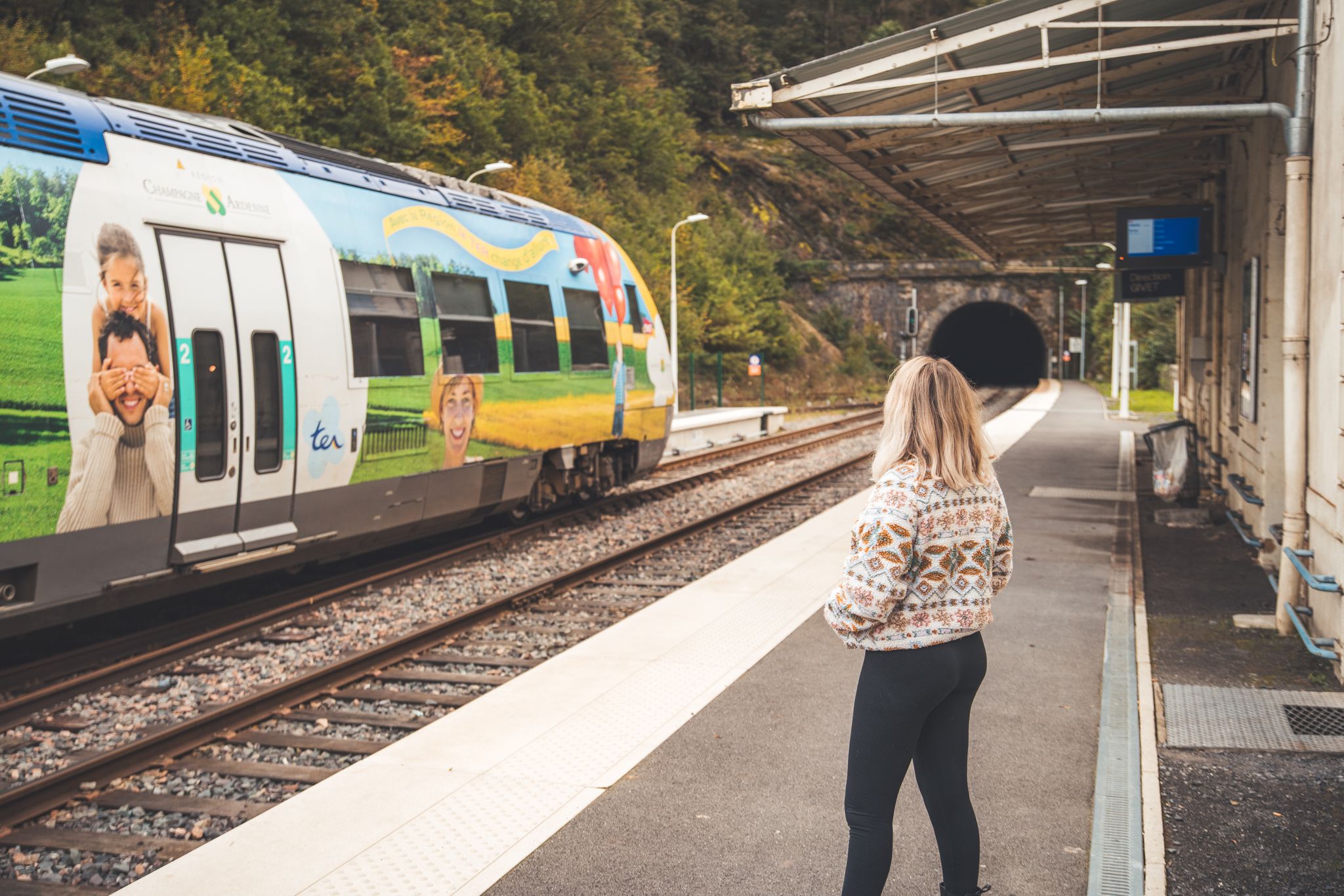
The Grand Est without a car – cycling from station to station
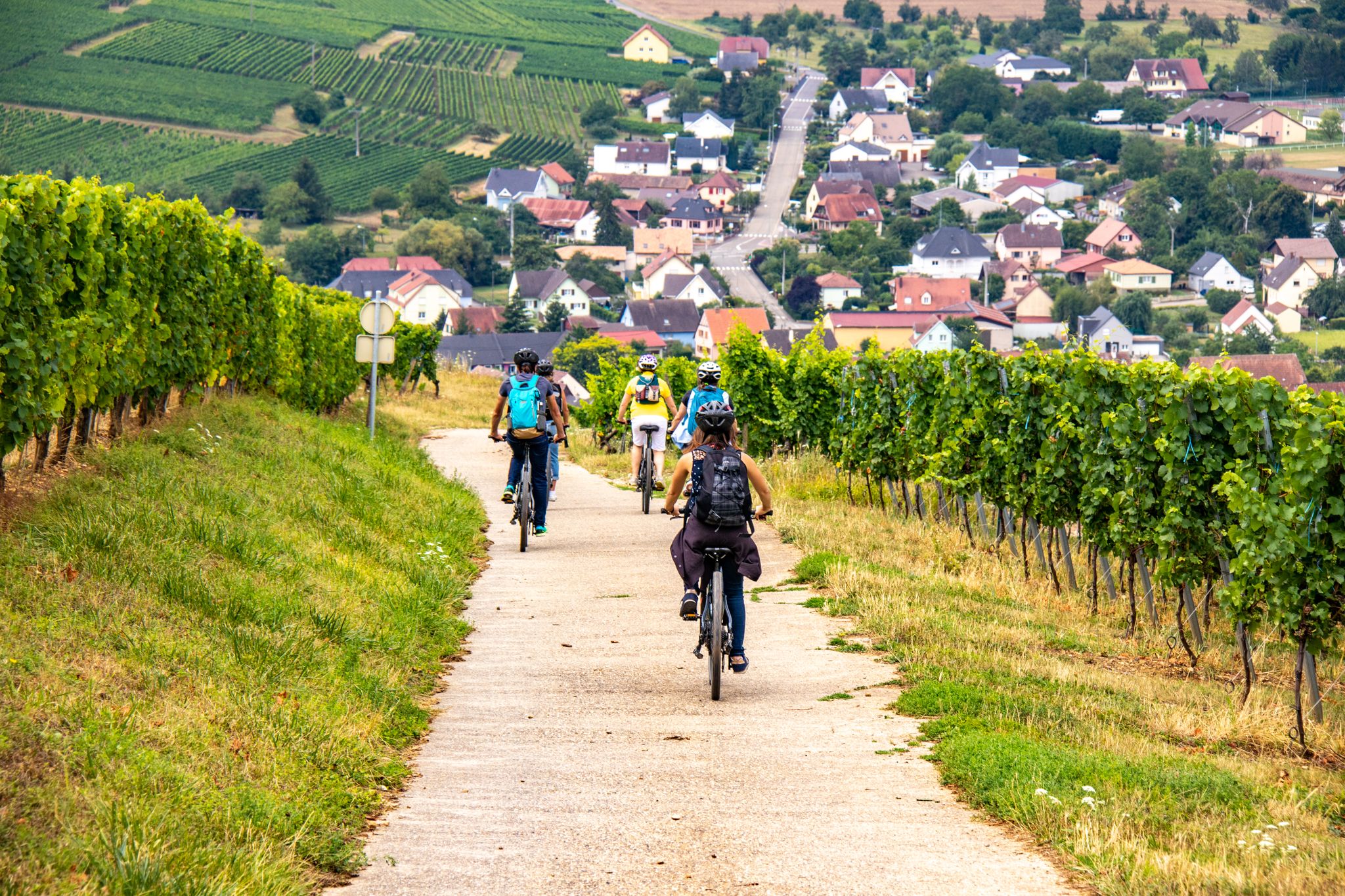
EuroVelo 5 - Via Romea (Moselle - Alsace)
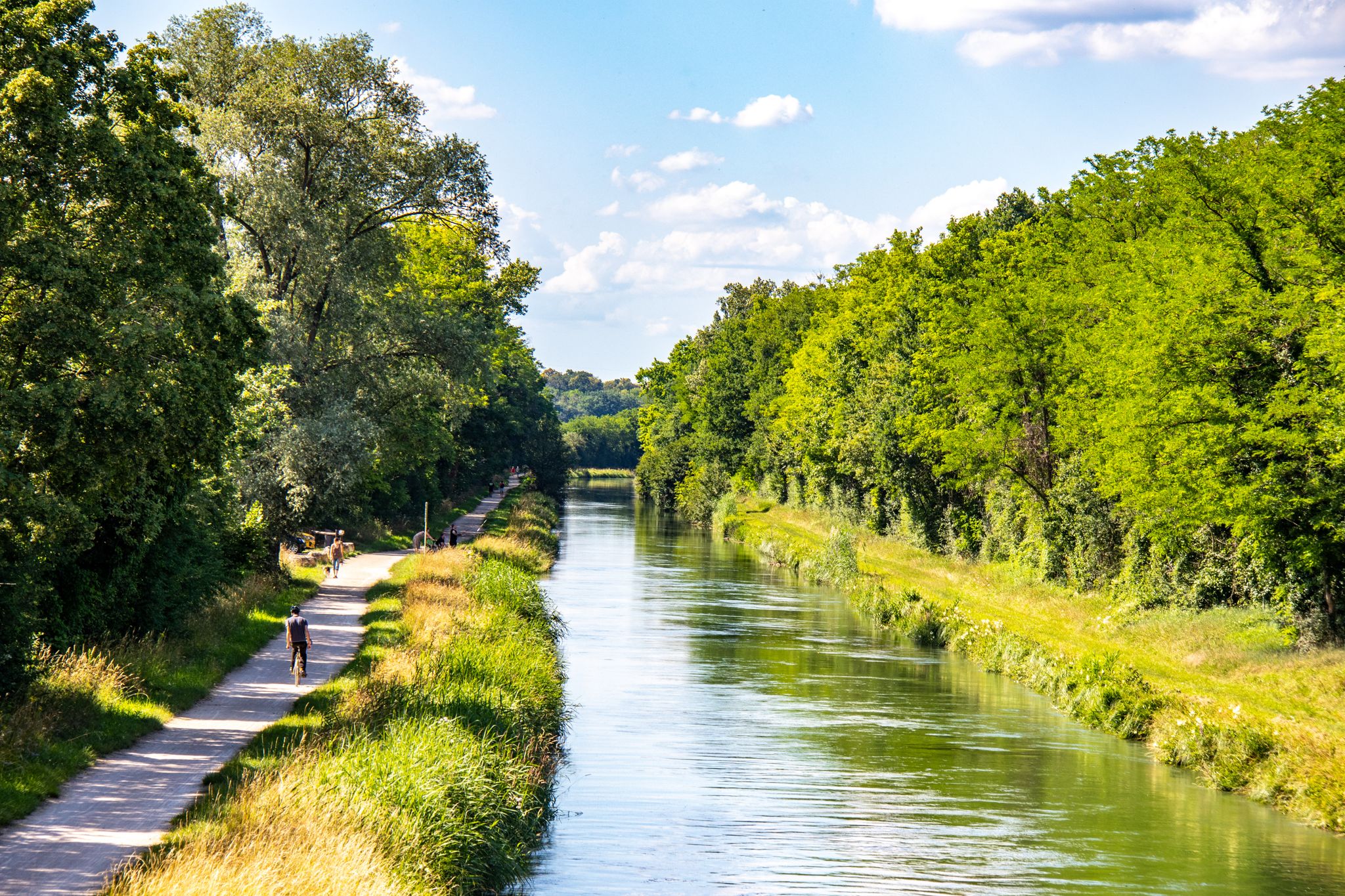
EuroVelo15 - Rhine CYCLE ROUTE (Alsace)
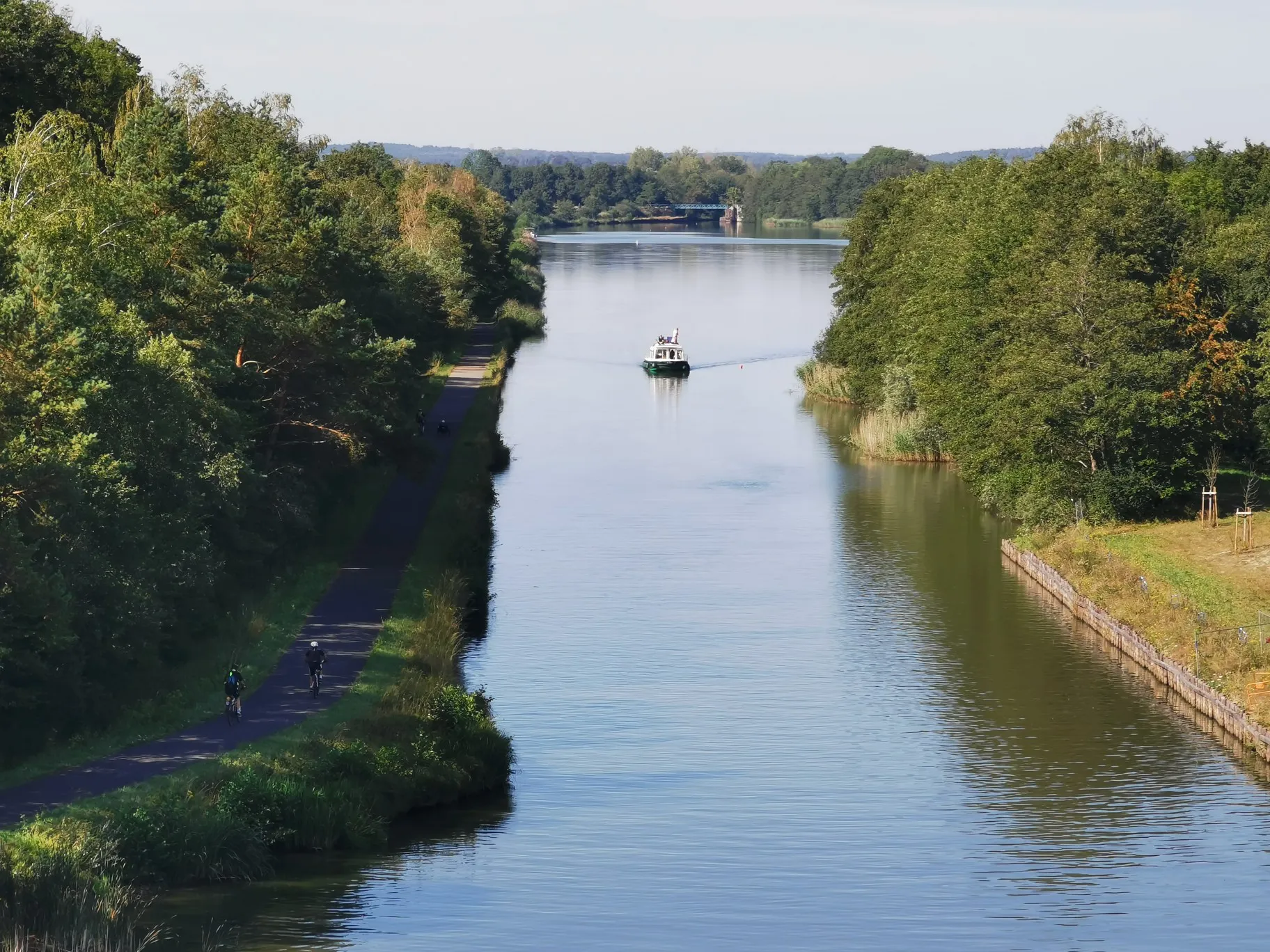
A river getaway – along the Marne-Rhine Canal
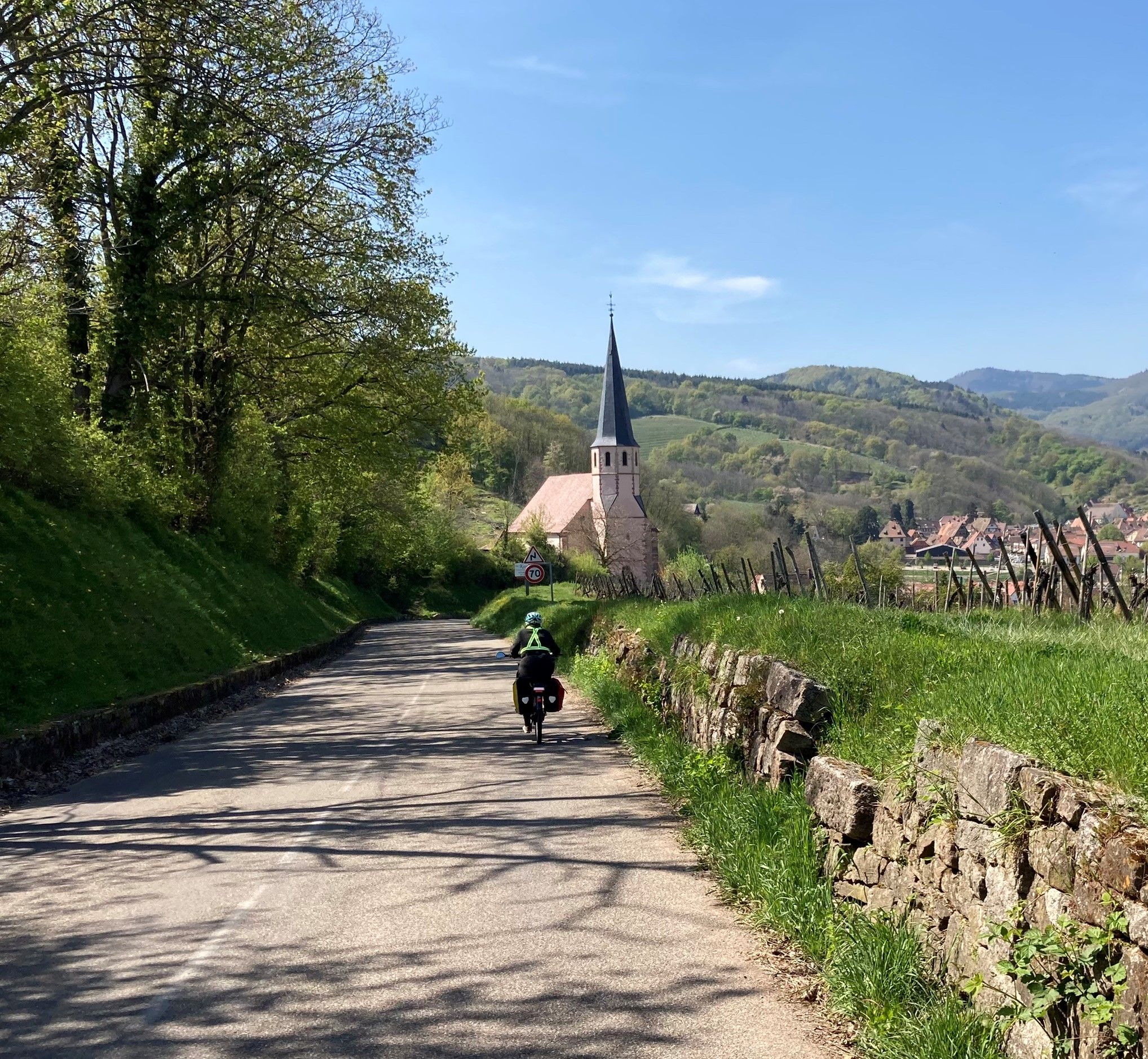
The Via Romea Francigena in Alsace-Moselle – EuroVelo 5
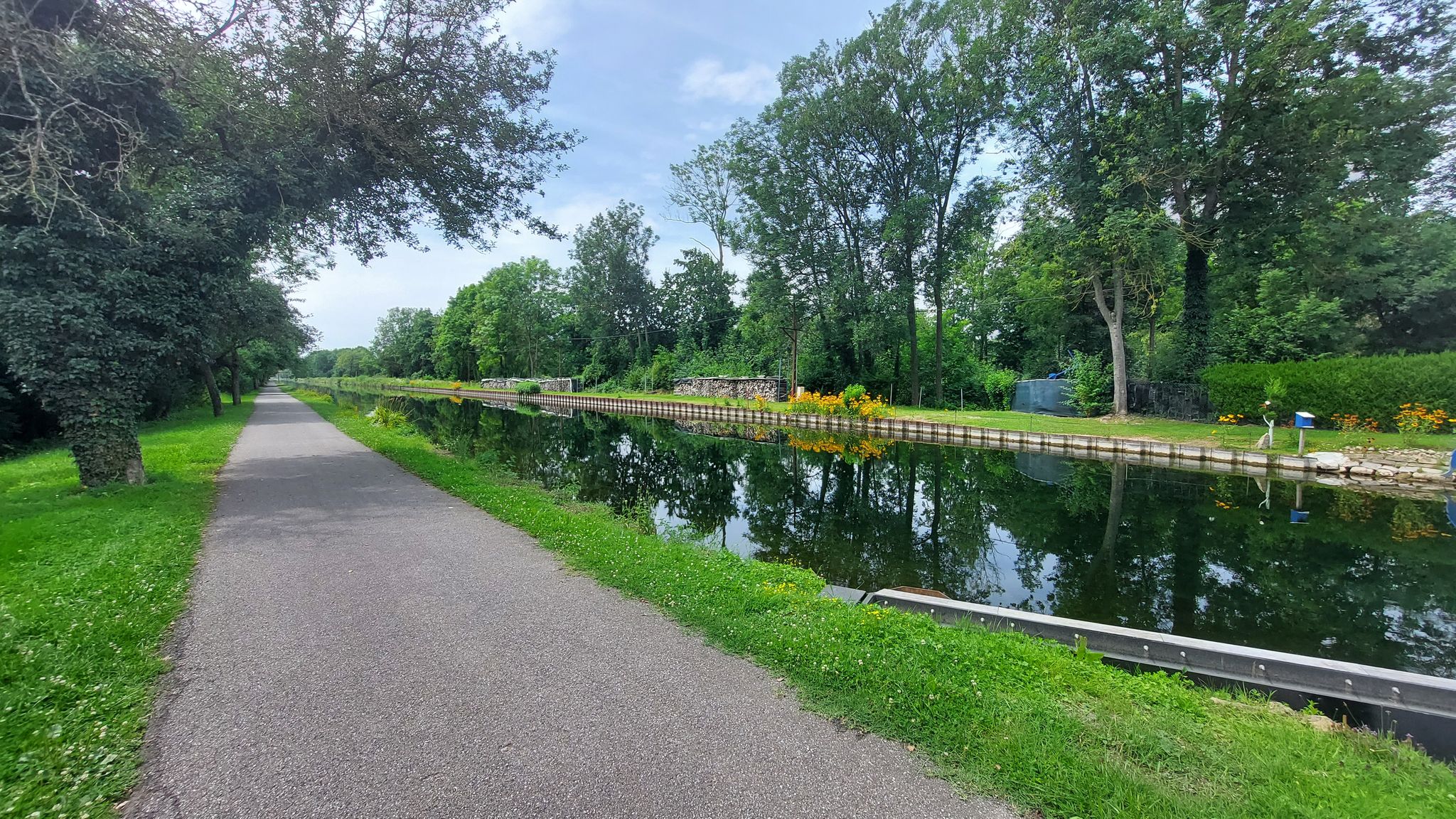
Alsace Along the Water – Rhine Cycle Route (EuroVelo 15)
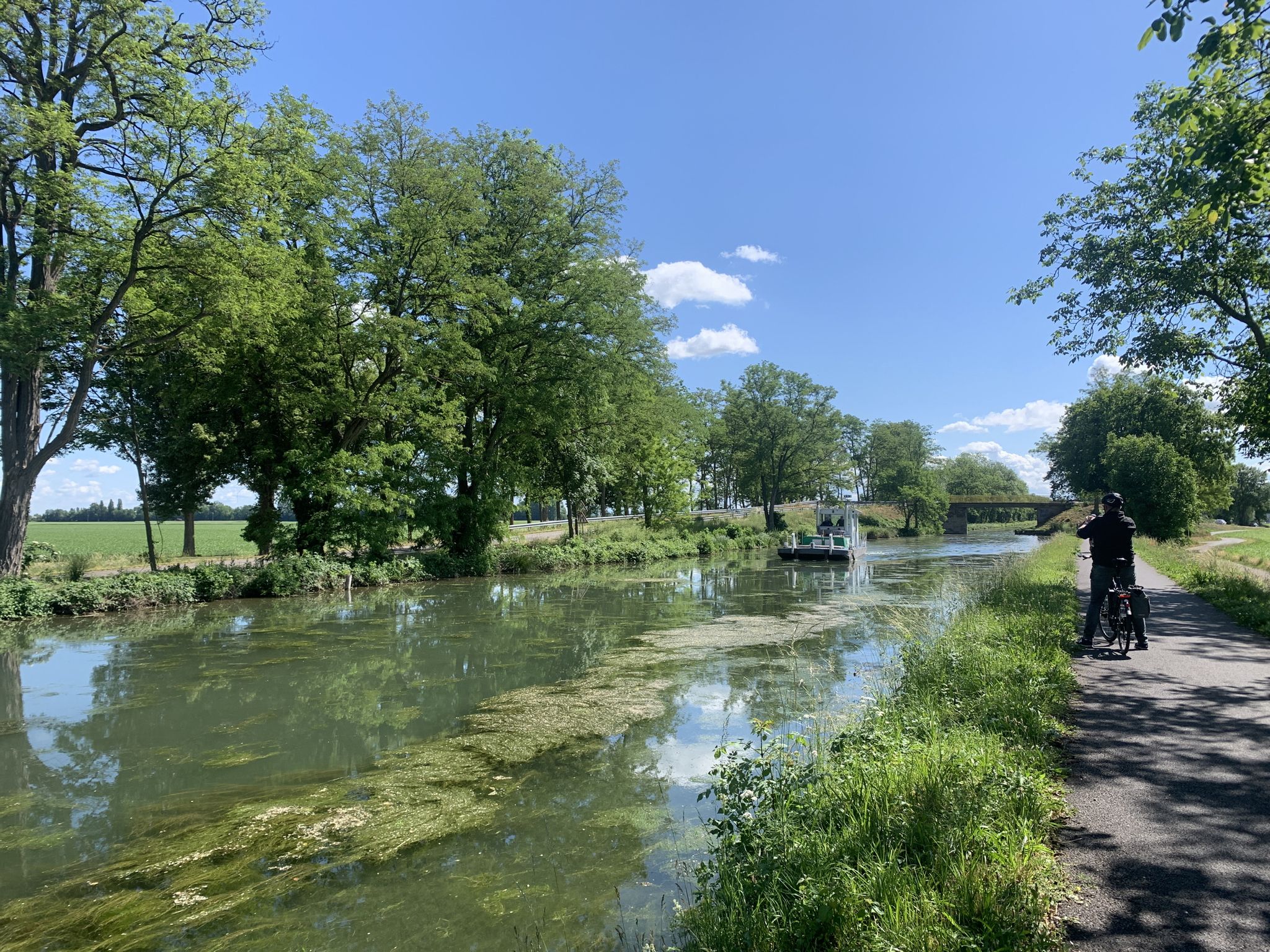
Along the canals and vineyards — Little Tour of Alsace
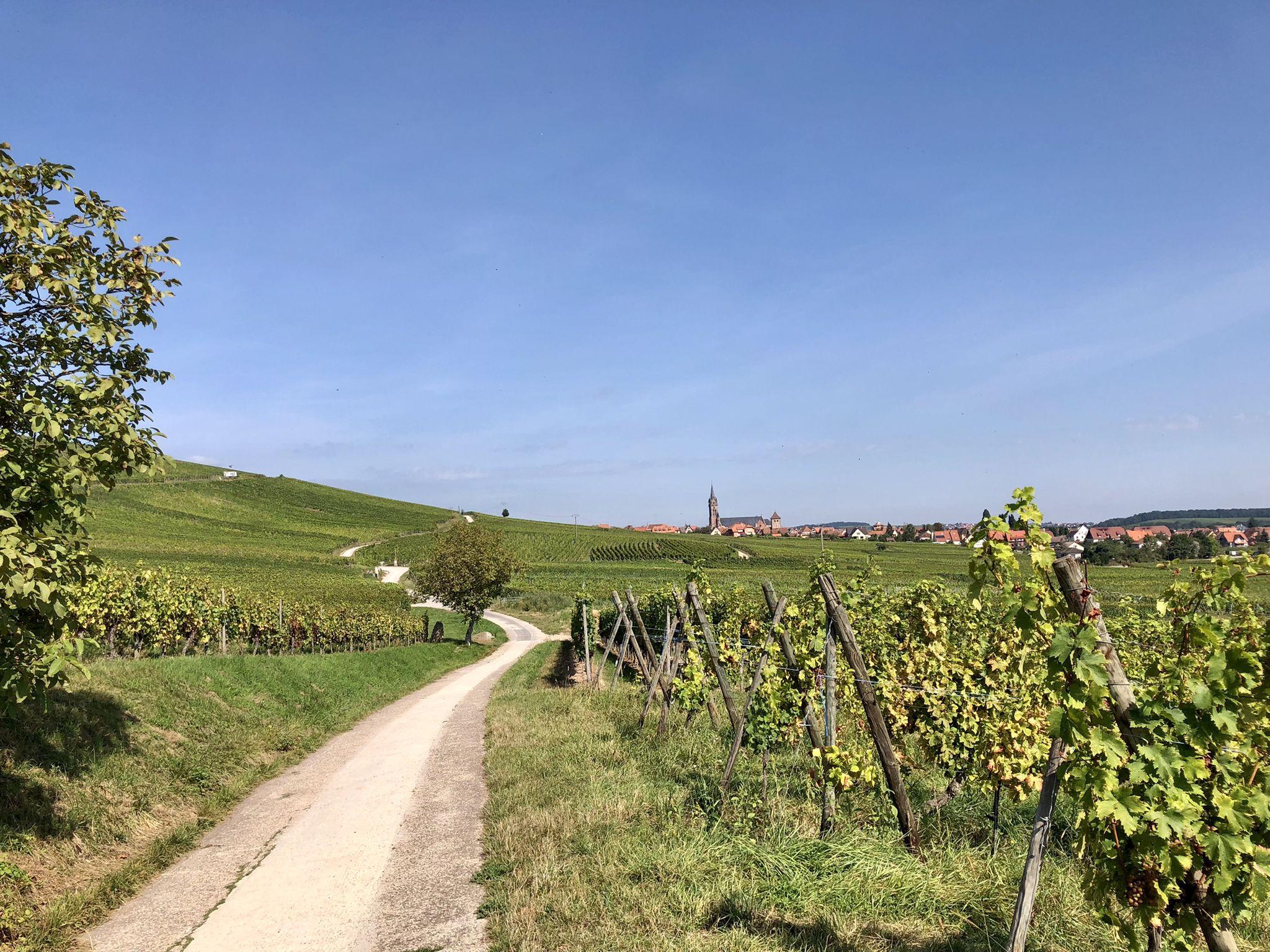
From Strasbourg to Mulhouse — the Alsace Vineyard Cycle Route
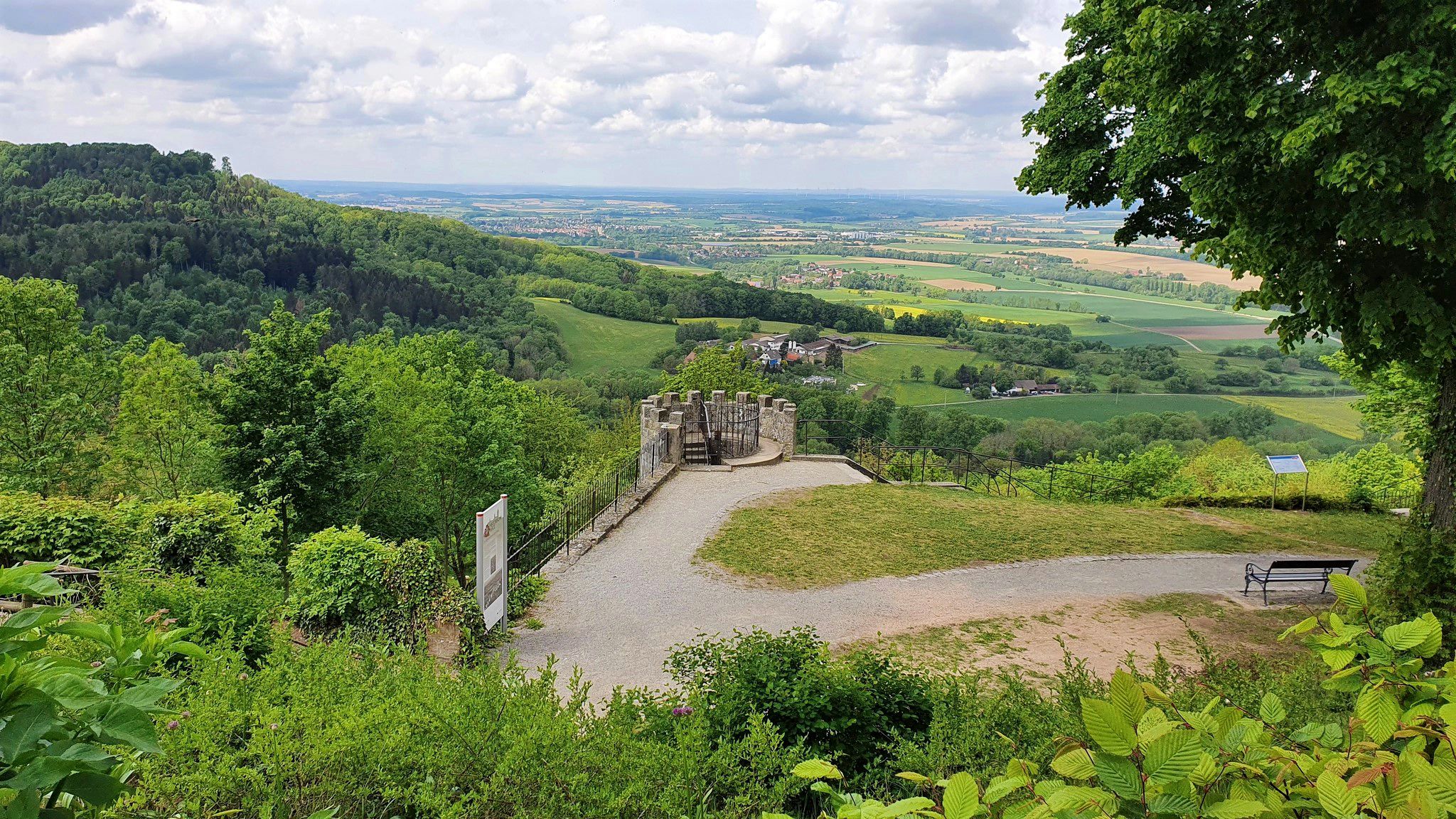
A cycling adventure from Paris to Prague – Pan-European Cycle Route
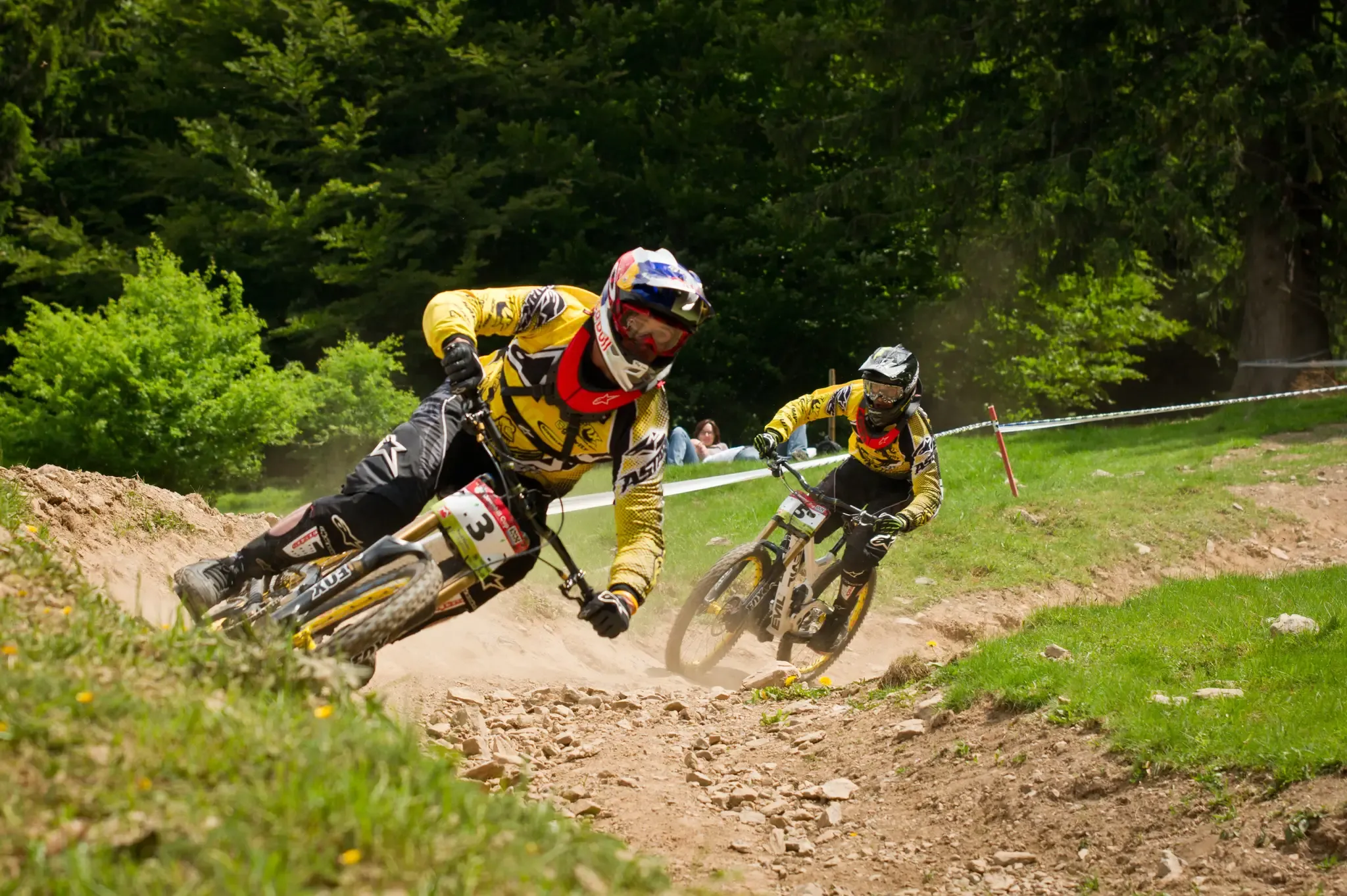
Bike parks around Baden-Württemberg
Other adventures around Straßburg


Tips from the Community

Beautiful park and ideal for running, you also meet many other joggers here.
4
0

The Pourtalès park surrounds a pretty 18th century castle made famous by Countess Mélanie de Pourtalès. Close to Emperor Napoleon III, in the last century she received all the European elite there. The large lawns and more shaded corners of this English-style park make it a great place for a stroll. Keep your eyes peeled! works of contemporary art are scattered there for the pleasure of young and old…
0
0

A great park that definitely invites you to run. At the end there is also a career if you prefer to do laps.
3
0

The Orangery Park is the oldest park in the city, the park is very well maintained and invites you to linger.
4
0

ORANGERY The Orangery district in the north of the city has a rich cultural heritage in which nature plays an important role. Since the 18th century, the Parc de l'Orangerie, with its English garden, mini zoo and bowling alley, has been Strasbourg's favorite place for walks. THE JOSÉPHINE PAVILION - HOMAGE TO THE EMPRESS In the classic French avenue park from 1692, the Orangery building was built between 1804 and 1807 according to the plans of the architect Valentin Boudhors. The city wanted the building to provide dignified accommodation for Count Johann Reinhard III's orange tree collection. of Hanau-Lichtenberg, which decorated his castle in Bouxwiller until the French Revolution. As a reminder of Empress Joséphine de Beauharnais's stays in Strasbourg, the orangery was named after her. After a fire in 1968, the building was rebuilt true to the original. The two sphinxes sitting opposite each other at the entrance come from the gardens of Klinglin Castle in Illkirch, which were redesigned in the 18th century. ENGLISH GARDEN, ZOO AND BOWLING ALLEY Under the influence of Jean Frédéric de Turckheim and Georges Frédéric Schutzenberger, two Strasbourg mayors who were open to currents from England, the park became a romantic English landscape garden with avenues that, following the example of nature, surround a cleverly constructed "disorder" meander. On the occasion of the International Industrial Exhibition, which took place in the Orangery in 1895, the area of the park was doubled and idyllic half-timbered houses such as the Buerehiesel, pleasure palaces such as the Cupid Temple and water features with bridges, fountains and streams were created. Two sculptures are particularly worth mentioning: the traditional “Gänseliesel” and the poetic “Puits voleur”, designed by Patrick Bailly-Maître-Grand in 1994. The small zoo is located in the west of the park near the bowling alley, which is located on the site of a former restaurant. https://int.strasbourg.eu/de/orangerie
5
2

ℹ️ www.strasbourg.eu/lieu/-/entity/sig/2305_ENV_372/parc-de-l-orangerie
3
0

The castle is a hotel. Next door a nice little park.
3
0
The city's oldest park is the preferred meeting place for lovers, joggers and Sunday walkers. The children love its playgrounds, its vintage train, its animal park and mini petting zoo (free). The stork, which had been threatened with extinction for some time, was also made at home again here. More than 800 stork chicks have seen the light of day in the Orangery Park since 1971. This beautiful bird, the symbol of Alsace, can be admired here in all seasons. The lake with its romantic waterfall invites you to enjoy rowing trips. Special exhibitions and events are organized in the Joséphine Pavilion. The Buerehiesel, a beautiful half-timbered house, houses a gourmet restaurant. The bowling alley and the wonderful terrace round off the leisure activities.
8
2
Frequently Asked Questions
What are some of the most historically significant castles in and around Strasbourg?
Within Strasbourg, the Palais Rohan stands out as an 18th-century episcopal palace housing three museums, offering a journey through art and history. Just outside the city, the Château du Haut-Koenigsbourg is a meticulously restored medieval fortress from the 12th century, providing a deep dive into medieval life and architecture. Another significant site is the Château de l'Ortenbourg, a masterpiece of military architecture from the 13th century, known for its impressive ruins.
Are there any family-friendly castles to visit near Strasbourg?
Yes, several castles offer engaging experiences for families. The Château de Fleckenstein, carved into pink sandstone, features an interactive 'Castle of Challenges' with riddles and adventures. Within Strasbourg, the Château de Pourtalès is set within a large park, perfect for walks and picnics, and is also home to contemporary artworks. Additionally, the Orangerie Park, while not a traditional castle, offers a mini zoo, playgrounds, and a vintage train, making it a great family outing with historical elements.
What is the best time of year to visit castles in the Strasbourg region?
The spring and autumn months are generally ideal for visiting castles around Strasbourg. The weather is pleasant for exploring outdoor ruins and castle grounds, and the natural scenery, especially in the Vosges Mountains where many castles are located, is particularly beautiful. Summer can also be great, though it can be busier. Winter visits offer a unique, often quieter, experience, with some castles like Château de Pourtalès being especially magical with festive decorations.
Can I find hiking or cycling routes that include castles near Strasbourg?
Absolutely! The region offers various outdoor activities that incorporate castle visits. For instance, you can find routes like the 'Kalbsgiessen Waterfall – Château de Pourtalès loop' for hiking, or 'Discovery circuit of the countryside around Strasbourg' for cycling. These routes allow you to combine historical exploration with scenic outdoor activity. You can explore more options in the family-friendly hikes or traffic-free bike rides guides around Strasbourg.
Are there any castles in Strasbourg that offer panoramic views?
Yes, the castles located in the surrounding Vosges Mountains are renowned for their breathtaking views. The Château du Haut-Koenigsbourg offers panoramic vistas of the Alsace plain, the Vosges Mountains, the Black Forest, and even the Swiss Alps on clear days. Similarly, the Château de Fleckenstein provides stunning views of the surrounding woods and hills, while the ruins of Château de l'Ortenbourg also boast excellent panoramic outlooks over the Rhine valley.
What are the public transport options for reaching castles near Strasbourg?
While some castles within Strasbourg, like the Palais Rohan and Château de Pourtalès, are accessible by local public transport or on foot, many of the more iconic castles in the Alsace region, such as Château du Haut-Koenigsbourg or Château de Fleckenstein, are best reached by car. Some may have seasonal shuttle services or bus connections from nearby towns, but checking specific castle websites for current transport information is recommended.
Are there any castles that are particularly well-preserved or restored?
The Château du Haut-Koenigsbourg is an outstanding example of a meticulously restored medieval castle. Destroyed during the Thirty Years' War, it was fully restored in the early 20th century and now features furnished rooms, a drawbridge, and massive towers that evoke the Middle Ages. This makes it a unique example of a 15th-century mountain fortress in excellent condition.
What kind of museums can I find in the castles around Strasbourg?
The Palais Rohan in Strasbourg is a cultural hub, housing three distinct museums: the Archaeological Museum in the basement, the Museum of Decorative Arts on the ground floor, and the Museum of Fine Arts on the upper floors. These museums offer a comprehensive look at the region's history, art, and decorative arts from various periods.
Are there any lesser-known or 'hidden gem' castles worth exploring?
While not entirely 'hidden,' the ruins of Château de l'Ortenbourg are often considered a gem for those interested in medieval military architecture. Its impressive silhouette and strategic design make it a fascinating site, offering a more rugged and authentic experience compared to fully restored castles. It's a great spot for history enthusiasts and hikers.
What amenities, like cafes or restaurants, are available near these castles?
Some castles, especially the more popular ones like Château du Haut-Koenigsbourg, have on-site facilities including inns or cafes. For others, you might find options in nearby towns or villages. For example, the Orangerie Park in Strasbourg, which has historical connections, features the gourmet restaurant 'Buerehiesel' and a bowling alley with a terrace. The Pourtalès Castle also functions as a hotel with a spa, offering amenities to guests and visitors.
What are the typical opening hours for castles in the Strasbourg area?
Opening hours vary significantly by castle and season. Major attractions like the Palais Rohan and Château du Haut-Koenigsbourg generally have regular opening hours, though these can change seasonally. Smaller sites or ruins, such as Fort Frère, may have limited opening hours, sometimes only on specific days like Sundays in summer. It's always best to check the official website of each castle before planning your visit to confirm current operating times.
Most popular routes around Straßburg
Most popular attractions around Straßburg

Get inspired with the komoot mobile app


Didn’t find what you were looking for?
Explore Straßburg’s best castles region by region:
Explore more
Looking for the best castles somewhere else? Discover other guides around Straßburg:
