Attractions and Places To See around Curgies - Top 20
Attractions and places to see around Curgies, a commune in the Nord department of France, provide insight into local heritage and natural surroundings. The area is characterized by its historical and cultural sites, alongside natural features like watercourses and proximity to the Scarpe-Escaut Natural Park. Visitors can explore various points of interest, from ancient landmarks to natural monuments, making it a destination for those interested in history and outdoor exploration.
Best attractions and places to see around Curgies
- The most…
Last updated: June 24, 2026
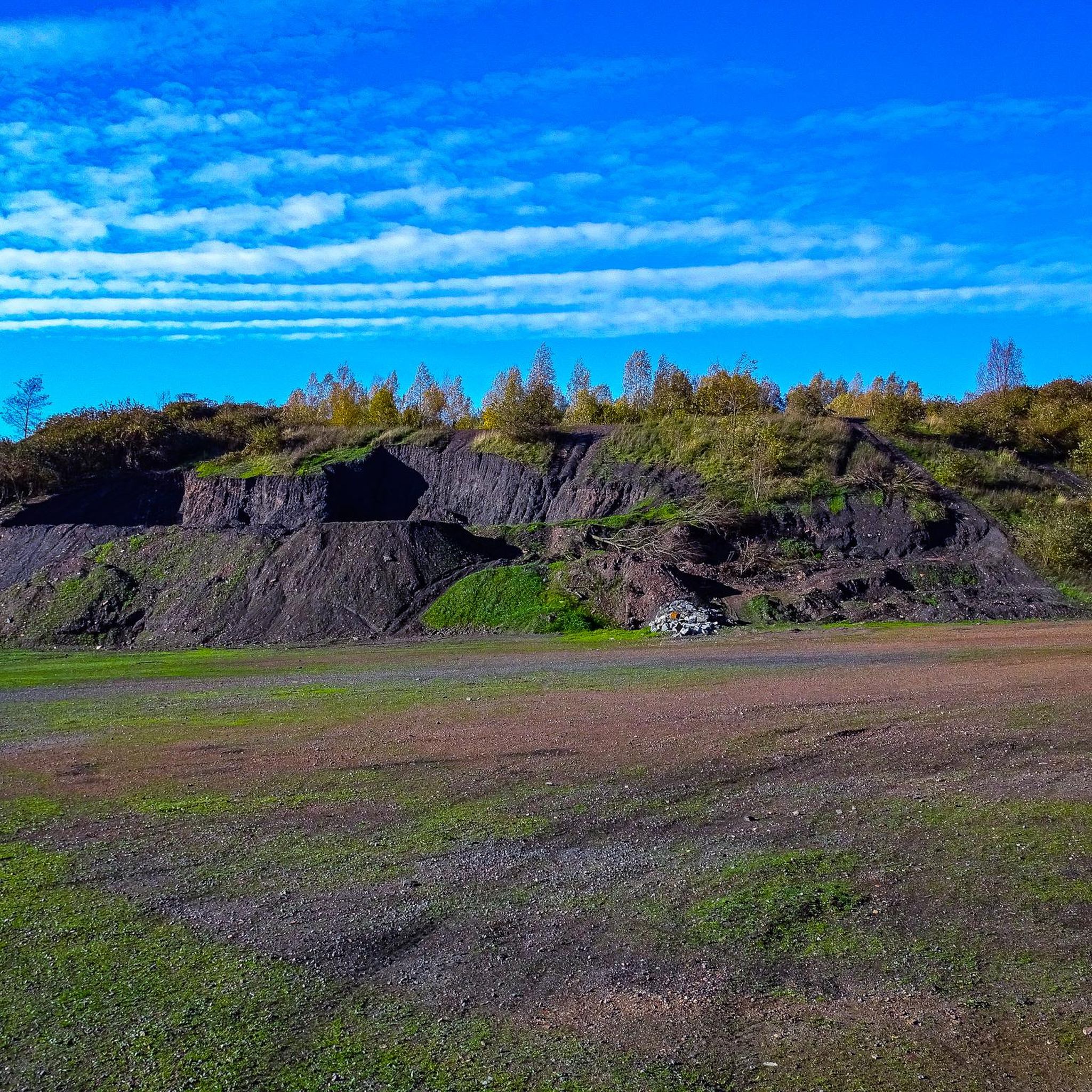
Le Caillou-qui-Bique
Highlight • Natural Monument
A little step back in time... …
Translated by Google •
Tip by

Le Chalet Du Garde
Highlight • Cafe
A growing number of tourists encouraged Léon Laurent to build a café restaurant in 1892 with a billiard room and bedrooms. It was the time of …
Translated by Google •
Tip by

Sign up now to discover places like this
Get recommendations on the best single tracks, peaks, & plenty of other exciting outdoor places.
Sign up for free
Bois d'Angre
Highlight • Forest
Translated by Google •
Tip by

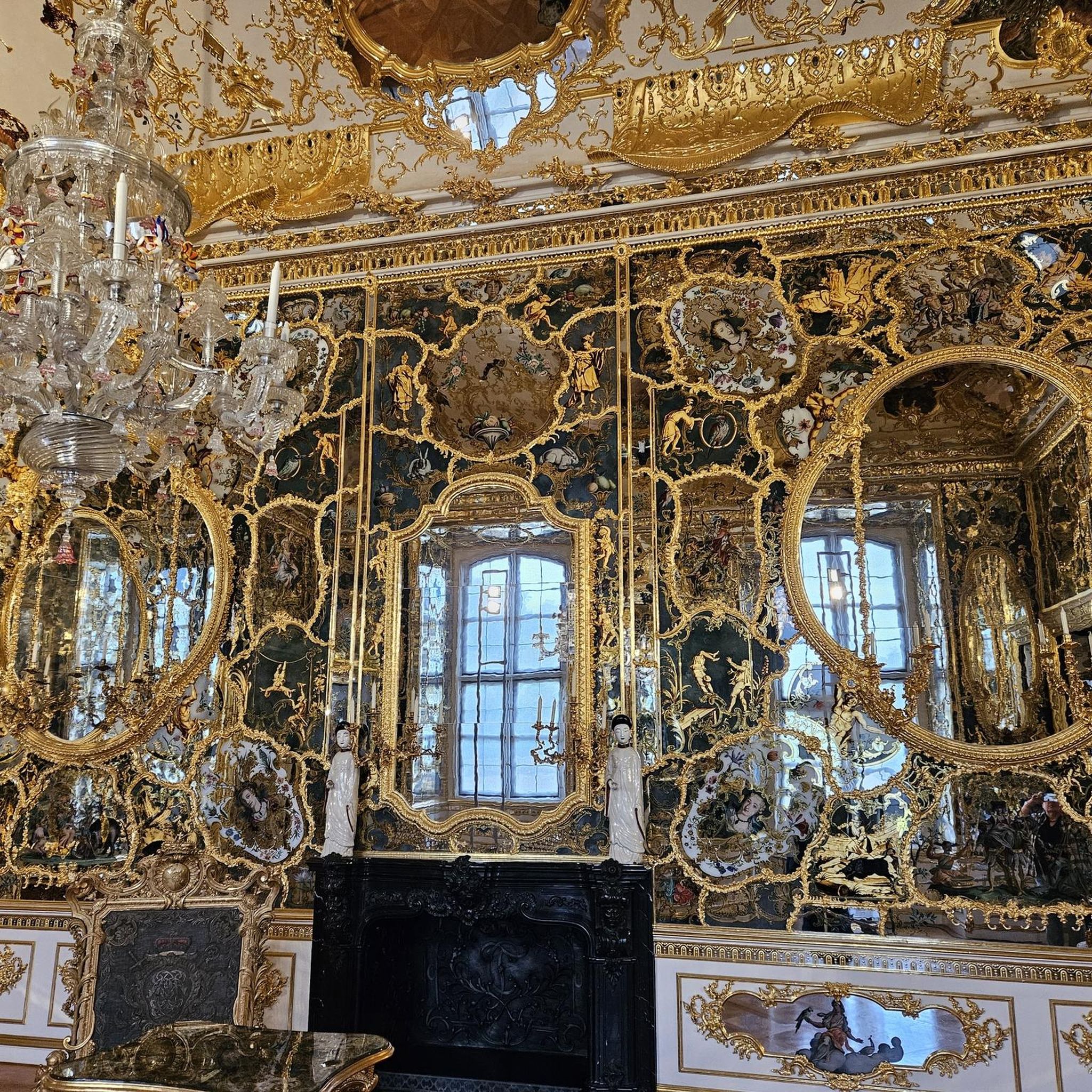
Valenciennes Town Hall
Highlight • Settlement
Translated by Google •
Tip by
Le Quesnoy Ramparts
Highlight • Other
Translated by Google •
Tip by
Sign up for free to discover even more attractions around Curgies.
Sign up for free
Already have an account?
Start today with a free account
Your next adventure awaits.
Login or Signup

Tips from the Community

cafe in the middle of the woods, very friendly owner with cozy terrace. definitely recommended.
1
0

The fortifications of Le Quesnoy date back to the Middle Ages and were further strengthened in the 17th century under the direction of the famous military engineer Vauban. These fortifications were necessary to protect the city from attacks and sieges. The fortifications have been declassified since 1901, but they are still well maintained. The remparts are designed in a Renaissance style with heavily fortified walls and gateways. They are built of brick and stone, which is typical of the military architecture of that period. The fortifications include several bastions, such as the Porte Faurœulx and the Bastion Vert, which are strategically placed to protect the city.
12
0
The Jardin de la Paix Belge was created in 2018 by the collective artist group Plan B, consisting of Thomas Van Eeckhout and Mathieu Allain. The park is located in the fortifications of Le Quesnoy and is a symbol of peace and memory. The park was designed with a concept in which part of the city walls of Le Quesnoy is projected horizontally onto a lawn. The walls, originally 12 meters high, are now terraces that offer a peaceful place for walks and reflection. The use of brick and natural materials, such as engraved stones, emphasizes the historical and cultural ties between the regions.
14
0
Valenciennes Town Hall is a magnificent building with a rich history. The current town hall is located on the Place d'Armes and is an impressive example of neoclassical architecture. The building was originally built in the 17th century, but was largely destroyed during a bombing raid in 1940. It was later rebuilt and re-inaugurated in 1967. The façade of the town hall is decorated with allegorical statues, the work of the sculptor Philippe Joseph Henri Lemaire. At the top of the building is a pediment by the famous sculptor Jean-Baptiste Carpeaux. The town hall is a symbol of the urban history and culture of Valenciennes and also houses a media library and various exhibitions.
9
0

Very friendly welcome! Ideal place during a hike or a stroll in the surrounding area to drink a local beer, Daffodil.
1
0

The Bois d'Angre, located in Honnelles, is a forest renowned for the Caillou-qui-Bique, a 370 million year old pudding rock. This forest is home to rich biodiversity with oaks, ash trees and various rare species. A place of legends and hikes, the Angre woods is a precious natural site in Wallonia, managed by Natagora and other organizations to preserve its unique fauna and flora.
2
0

Very impressive town hall.
2
0

This rock formation is very special in the forest!
2
0
Frequently Asked Questions
What are the main natural attractions to explore around Curgies?
The region around Curgies offers several natural highlights. A must-see is Le Caillou-qui-Bique, a striking 25-meter high stone formation with a local legend. Nearby, the Bois d'Angre is a forest known for its rich biodiversity and walking trails, where you can also find the Caillou-qui-Bique. Curgies is also situated near the Scarpe-Escaut Natural Park, providing further opportunities for outdoor exploration.
Are there any historical or cultural sites in Curgies?
Curgies boasts a rich historical and cultural heritage. You can visit the significant Eglise Notre-Dame de l'Assomption and the Chapelle Sainte Rita. The Monument aux Morts commemorates local history, and a calvary can be found at the village exit. Further afield, the Valenciennes Town Hall showcases impressive neoclassical architecture and historical significance.
What kind of outdoor activities can I do near Curgies' attractions?
The area around Curgies is excellent for various outdoor activities. You can find numerous routes for gravel biking, mountain biking, and road cycling. For instance, explore the trails of Bois d'Angre or embark on longer rides through the scenic countryside. You can find detailed routes and guides for these activities, such as Gravel biking around Curgies, MTB Trails around Curgies, and Road Cycling Routes around Curgies.
Are there family-friendly attractions or activities in the Curgies area?
Yes, several attractions are suitable for families. The Bois d'Angre offers easy walking trails perfect for families to explore nature and discover the legendary Le Caillou-qui-Bique. Additionally, Le Chalet Du Garde, a historic cafe, provides a welcoming stop for refreshments during family outings.
Where can I find a place to rest or eat while exploring the area?
For a pleasant break during your explorations, visit Le Chalet Du Garde. This historic cafe, established in 1892, is an emblematic spot known for its welcoming atmosphere and is an ideal stop for hikers and walkers in the surroundings. It's a great place to enjoy a local beer or other refreshments.
What is the significance of the Emile Verhaeren Stone?
The Emile Verhaeren Stone is a man-made monument in the area, engraved with verses by the famous Belgian author Emile Verhaeren. It serves as a tribute to his work and connection to the region, offering a moment of reflection on literature amidst nature.
Are there any accessible attractions for visitors with mobility needs?
While specific accessibility details for all local sites in Curgies are limited, the Valenciennes Town Hall is noted as being wheelchair accessible. This impressive neoclassical building in Valenciennes offers a cultural experience that can be enjoyed by a wider range of visitors.
What is the legend behind Le Caillou-qui-Bique?
Le Caillou-qui-Bique is steeped in local folklore. Legend has it that Saint-Ghislain (or Saint Remacle, depending on the version) outsmarted the devil, who was attempting to destroy an abbey by throwing a massive stone. The devil, discouraged by the saint's trickery, dropped the stone, which became the distinctive 25-meter high rock formation we see today.
Can I find walking or hiking trails in the Bois d'Angre?
Yes, the Bois d'Angre is an excellent location for walking and hiking. It offers several well-maintained trails that allow you to discover its rich mineral, plant, and animal diversity. It's a precious natural site managed for preservation, making it ideal for nature lovers.
What are some lesser-known historical facts about Curgies?
Curgies has a fascinating past, including accounts of a duel in 1096 and the village being sacked and burned by Jean de Normandie (future King of France) in 1340. A miracle at the parish church was recorded in 1429. The village also saw considerable growth in 1820 with the development of various trades, and 450 Roman silver medals were discovered here in 1827, highlighting its ancient roots.
What is the best time to visit Curgies for outdoor activities?
The best time to visit Curgies for outdoor activities is generally during the spring, summer, and early autumn months (April to October). During these periods, the weather is typically milder and more conducive for hiking, cycling, and exploring the natural and historical sites. Always check the local weather forecast before your visit for optimal planning.
Are there any specific viewpoints or scenic spots in the area?
The area around Curgies offers several scenic spots, particularly around its natural features. Le Caillou-qui-Bique itself is a prominent viewpoint, offering unique perspectives of the surrounding landscape. The trails within the Bois d'Angre also provide picturesque views of the forest and its natural elements.
Most popular attractions around Curgies

Get inspired with the komoot mobile app


Explore more
Still not found the Highlight you’re looking for? See guides of the top attractions in other regions:
