Attractions and Places To See around Maroilles - Top 20
Attractions and places to see around Maroilles offer a blend of historical sites, cultural insights, and natural landscapes in the Avesnois region of northern France. The village is known for its monastic past, situated along the Helpe Mineure river within the Avesnois Regional Natural Park. Visitors can explore remnants of its abbey history and enjoy the surrounding forests and waterways.
Best attractions and places to see around Maroilles
- The most popular attractions is Grand Fayt Mill, a man-made monument…
Last updated: July 2, 2026
Grand Fayt Mill
Highlight • Monument
Translated by Google •
Tip by

Watermill in Parc Naturel Régional de l'Avesnois
Highlight • Monument
Translated by Google •
Tip by
Sign up now to discover places like this
Get recommendations on the best single tracks, peaks, & plenty of other exciting outdoor places.
Sign up for free
Maroilles Mill
Highlight • Monument
Showing Translation
Tip by

Place André Bonnaire, Landrecies
Highlight • Monument
1° The current town hall only dates from 1921 due to the destruction that the city regularly endures, but …
Translated by Google •
Tip by
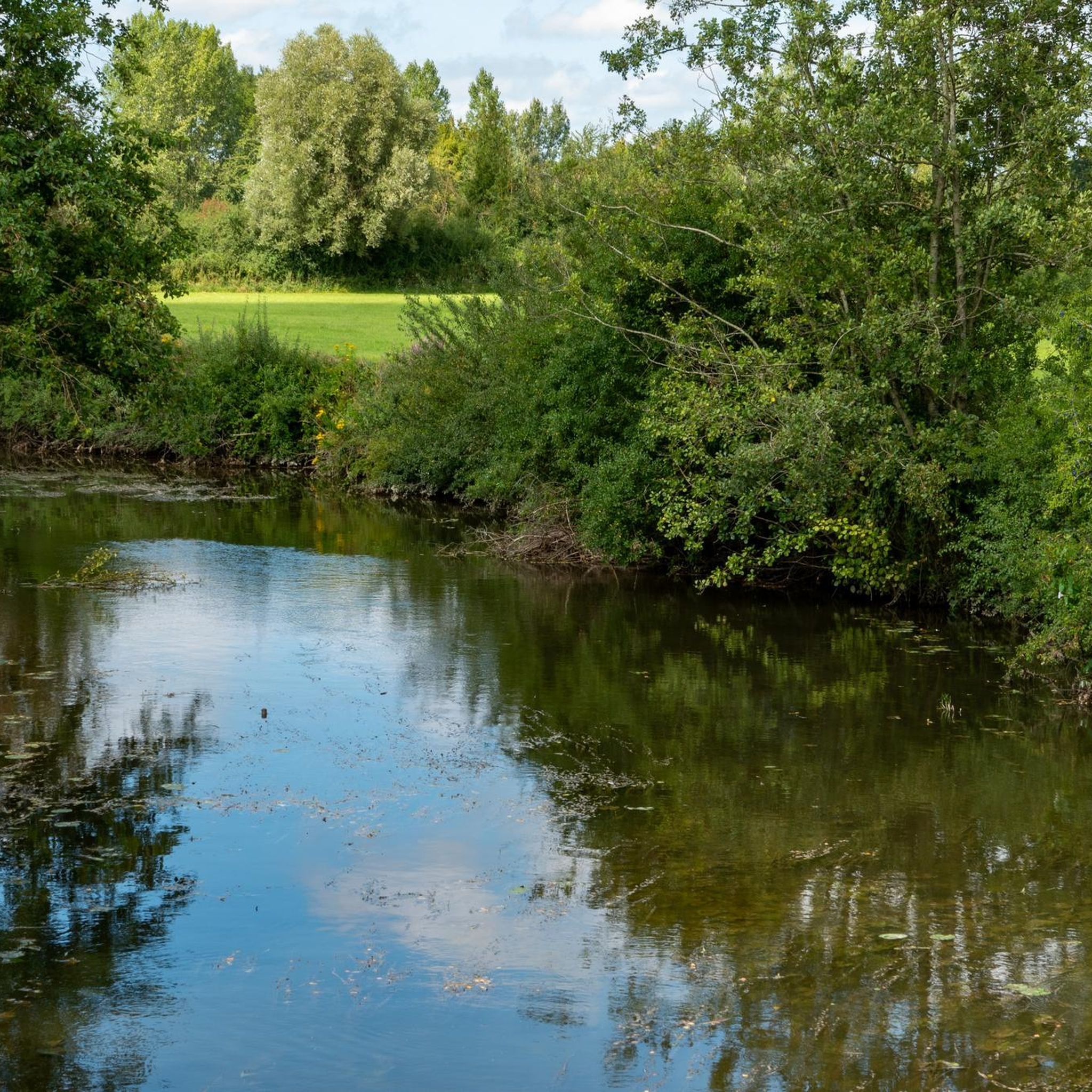
L'Helpe Mineure near the Moulin des Prés inn
Highlight • River
Showing Translation
Tip by
Sign up for free to discover even more attractions around Maroilles.
Sign up for free
Already have an account?
Start today with a free account
Your next adventure awaits.
Login or Signup
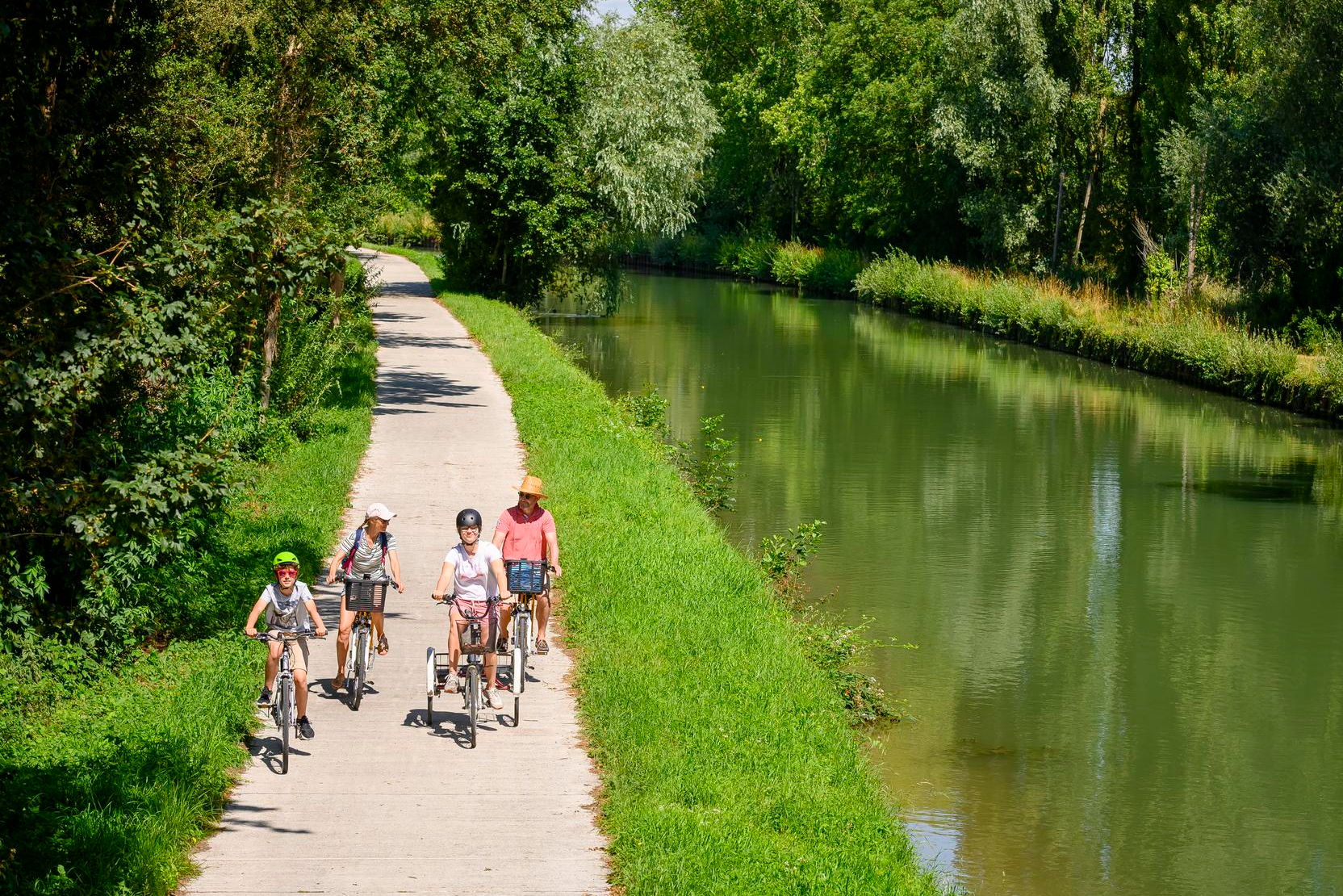
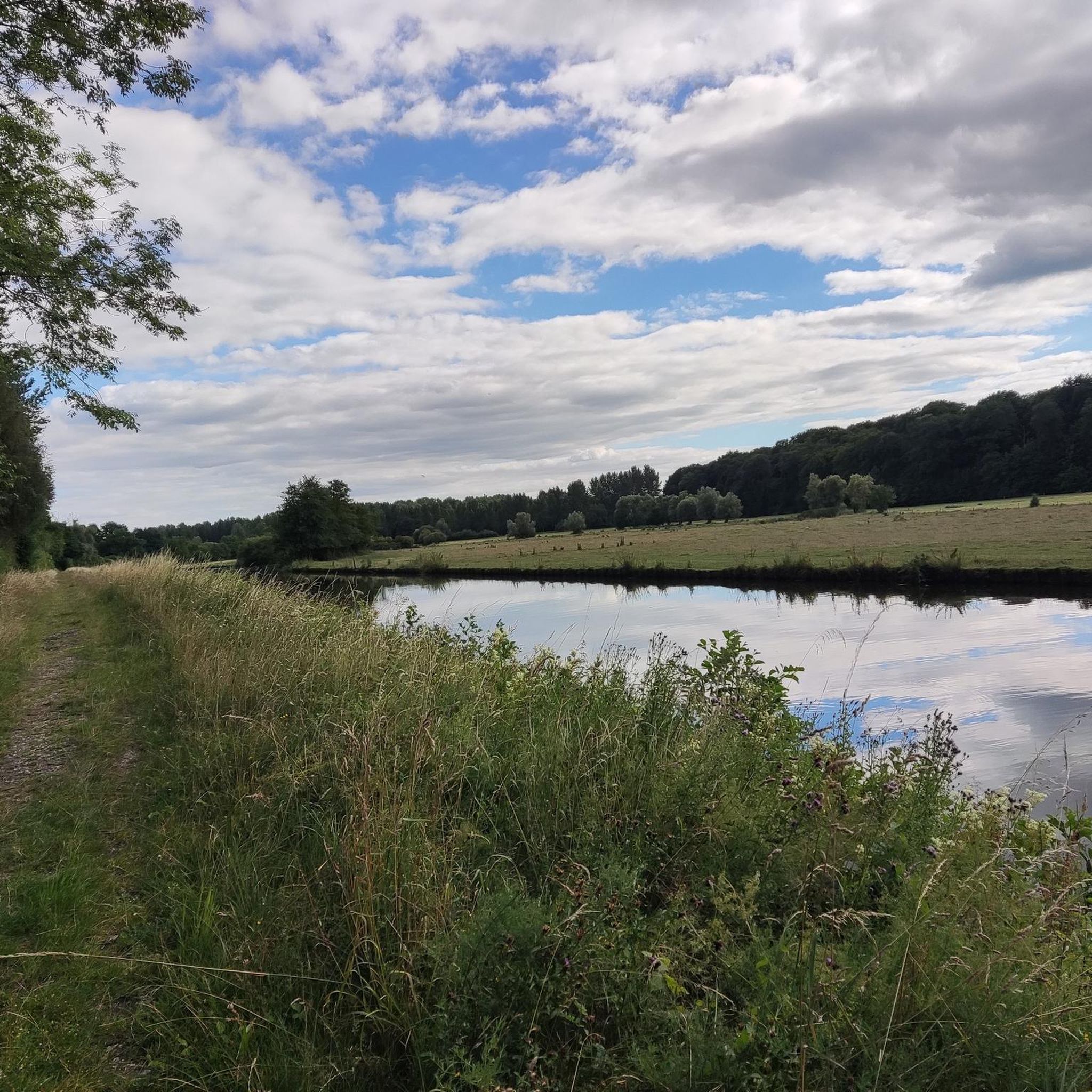

Tips from the Community

On the Place André Bonaire, you will find the Hotel De Villers and a statue in honor of Dupleix, born in 1697 and died in 1763. He was governor of French India.
0
0
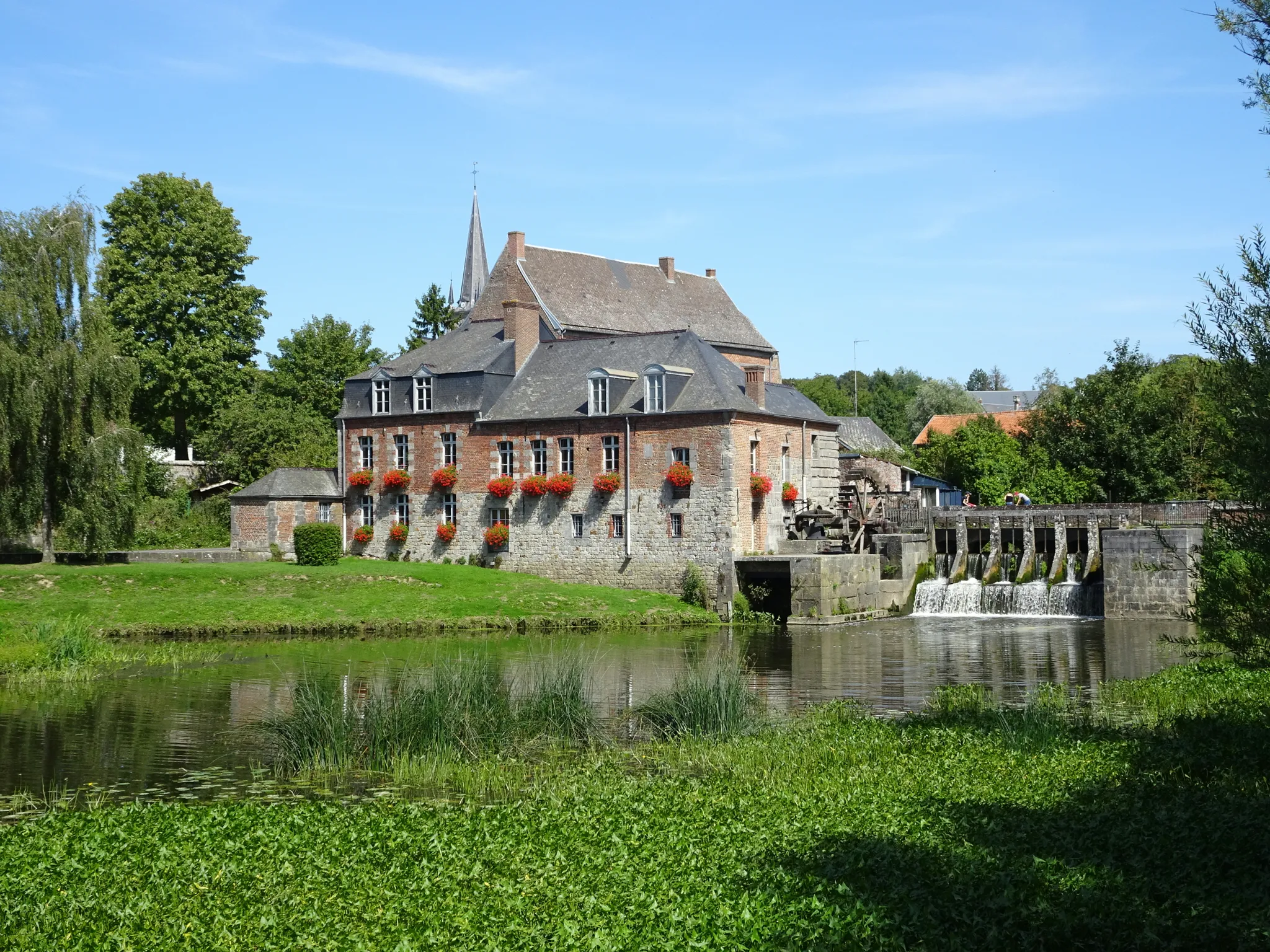
Old water mill in Grand-Fayt on the river L'Helpe Mineure
0
0

A beautifully restored old mill, picnic table for a break, a calm and peaceful spot
0
0

Very nice place for beautiful walks.
0
0

The Moulin de Grand Fayt is a water mill located on the Helpe Minor, in the Nord department, in the Hauts-de-France region. It dates from the 17th century and has been restored by its current owners, who offer guided and commented tours. The mill is equipped with a Poncelet-type paddle wheel, which drives a turbine and produces electricity. The site also includes a bread oven, an exhibition room and a picnic area. The mill is part of the heritage of Avesnois and the Vallée des Deux-Helpes, and bears witness to the history and culture of this region.
1
0
L'Auberge du Moulin des Près is an estaminet that is popular with interesting prices.
5
1
You will find the following sights around the Place André Bonnaire: 1° The current town hall only dates from 1921 due to the destruction that the city regularly endures, but its origins are much older. On the facade, inscriptions recall the decree of 27 Ventôse year III, according to which "Landrecies has deserved well from the fatherland" 2° The Ernest-Amas Museum, located in the Town Hall, was inaugurated in 2003 in honor of the Landrecies-born painter Ernest Amas. A large number of his paintings are collected and exhibited there. 3° The Dupleix Museum: This room, on the floor of the Town Hall, brings together the Indian furniture that belonged to Joseph François Dupleix, Governor of the French East Indies from 1742 to 1754, a key figure in the history of France and a great figure linked to that of Landrecies. The quality and beauty of the furniture will take you to unknown horizons... 4° The statue of Joseph François Dupleix on the Place d'Armes, by the sculptor Léon Fagel
5
0

Using the power of moving water to drive a mill wheel is an ancient invention that dates back to pre-Christian times. Thanks to such a construction, human or animal muscle power could simply be replaced by a natural or artificially created watercourse, for example to grind grain grains into grain. There are essentially two different types of drive for water mills: either the water simply hits the blades of the water wheel from below to set it in motion; or the watercourse is guided above the wheel and falls on the blades, with this design the natural gravity gives a higher efficiency.
4
0
Frequently Asked Questions
What natural features can I explore around Maroilles?
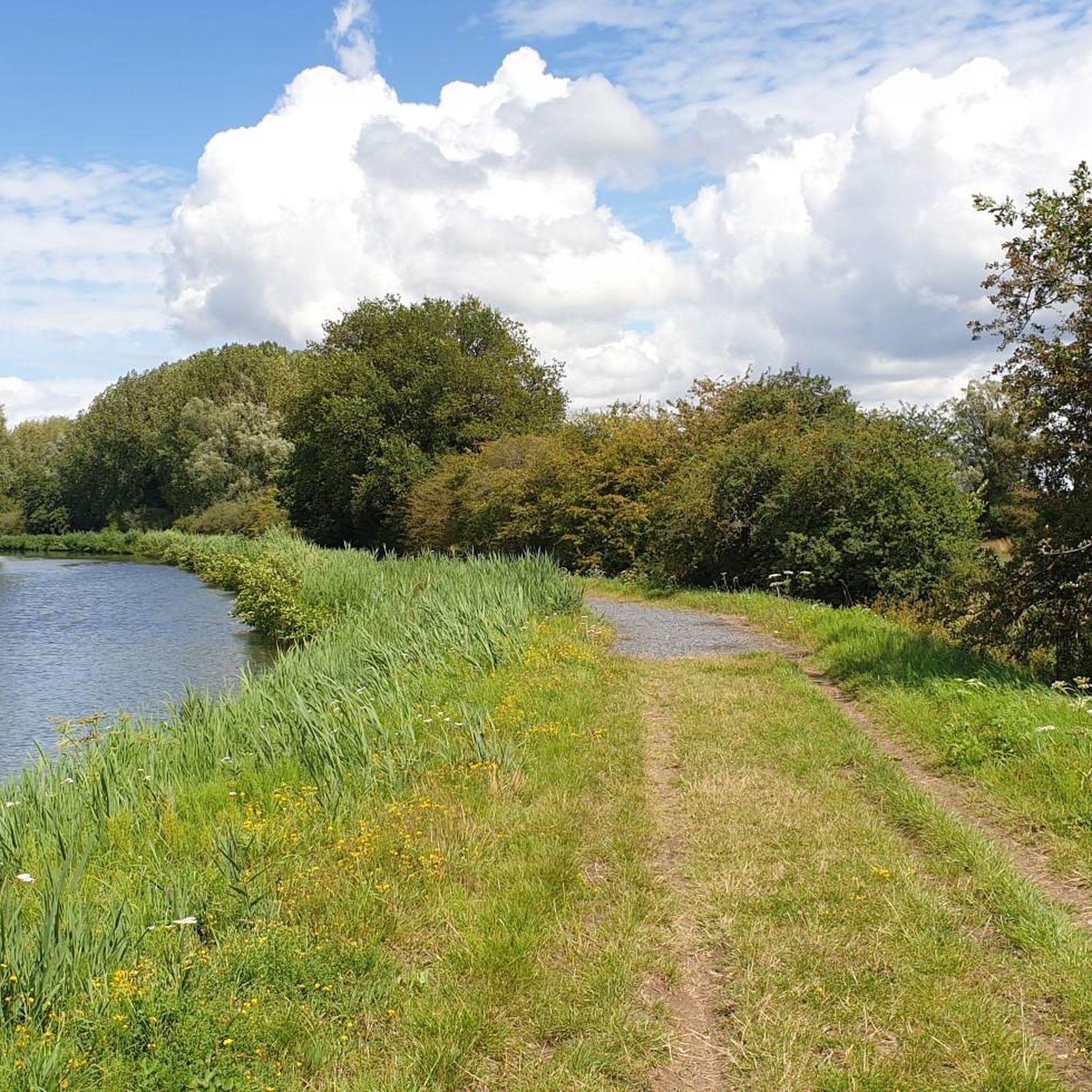
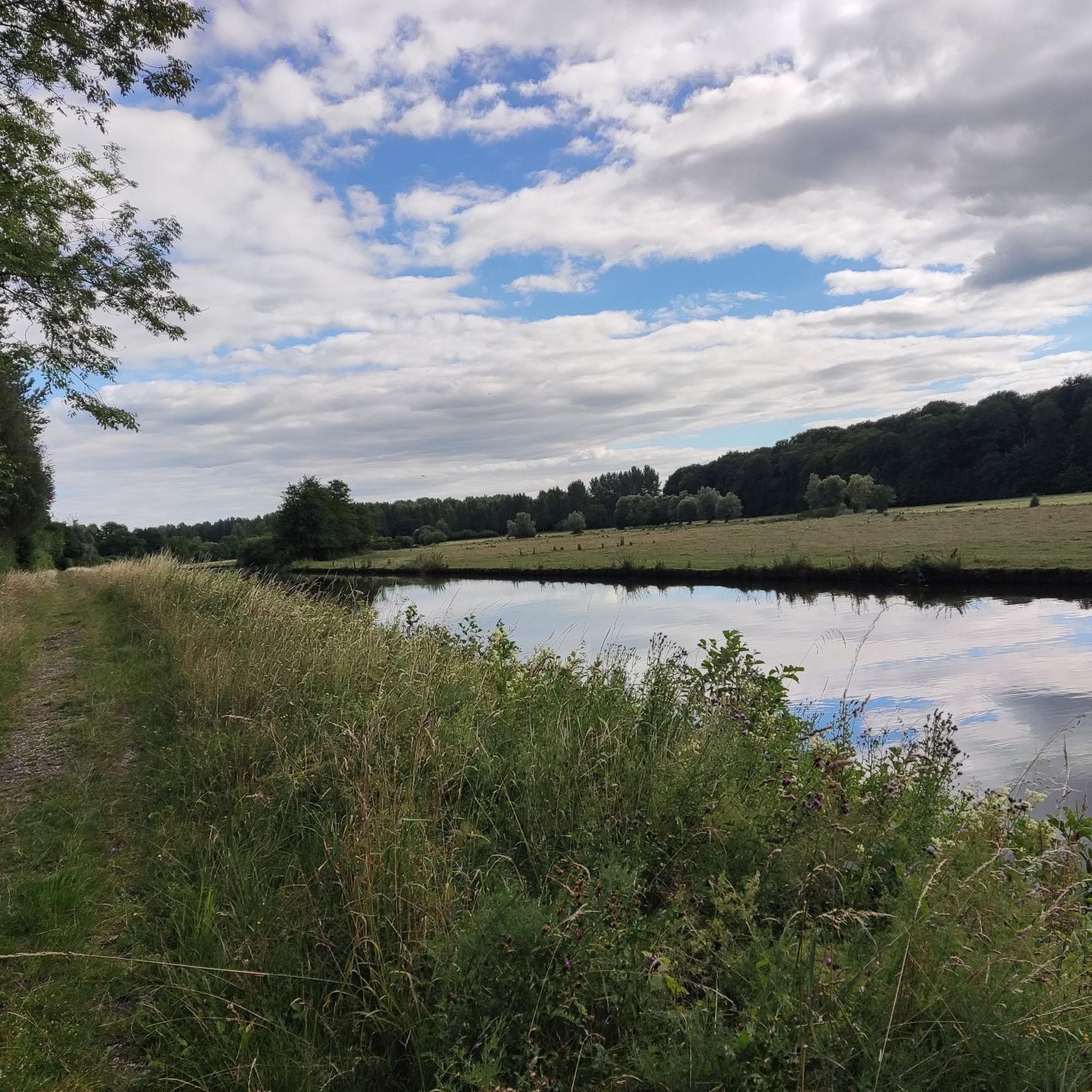
Maroilles is nestled within the beautiful Avesnois Regional Natural Park, offering a picturesque rural setting with hedgerows, willows, and hornbeams. The village itself is situated along the Helpe Mineure River. You can also explore the Mormal forest, the largest in the region, which includes the scenic Chemin Planté forest road, known for its length and varying inclines.
What historical sites are there to visit in Maroilles?
The village's history is deeply connected to its Benedictine abbey, founded in 652 AD. While the main abbey buildings were largely destroyed, remnants like the beautifully renovated 17th-century abbey mill, spanning the Helpe river, are still visible. The abbey's Grange Dîmière (tithe barn) also survives and now serves as a center for the Avesnois Regional Natural Park. The 18th-century Church of Saint Humbert, with its organ, stained glass, and relics, is another significant historical site.
What is Maroilles famous for, besides its historical sites?
Maroilles is world-renowned for its eponymous Maroilles cheese, a soft cow's milk cheese with a distinctive strong flavor. Its production dates back to the monks of Maroilles Abbey around 960 AD. Experiencing this local specialty, perhaps as a 'Flamiche' (a savory tart), is a significant cultural highlight. The Fête de la Flamiche, held around mid-August, celebrates this local delicacy.
Are there hiking trails near Maroilles?
Yes, there are several hiking opportunities around Maroilles. You can find easy to moderate routes, such as the 'Maroilles Mill – Très beau village de MAROILLES loop' (7.05 km, easy) or the 'Maroilles loop' (8.07 km, moderate). These trails allow you to discover the local landscape and historical points of interest. For more details on these and other routes, visit the Hiking around Maroilles guide.
What kind of mills can I see in the area?
The region features several historic mills that harness water power. Notable examples include the Grand Fayt Mill, a scenic spot with picnic tables, and the Watermill in Parc Naturel Régional de l'Avesnois. These mills represent ancient inventions for utilizing water power and are often found in beautiful natural settings.
Are there family-friendly attractions around Maroilles?
Many of the natural and historical sites around Maroilles are suitable for families. Exploring the Grand Fayt Mill or the Watermill in Parc Naturel Régional de l'Avesnois can be an engaging experience for all ages, especially with picnic tables available. Gentle walks along the Helpe Mineure River or through the Avesnois Regional Natural Park also offer pleasant family outings.
What cycling routes are available near Maroilles?
Cyclists can enjoy various routes around Maroilles, ranging from easy to moderate. Options include the 'Maroilles – Berlaimont Church loop' (30.75 km, easy) or the 'Grand Fayt Mill – Maroilles loop' (63.30 km, moderate). These routes often pass through scenic landscapes and charming villages. You can find more information on these and other cycling tours in the Road Cycling Routes around Maroilles guide.
Where can I find a nice spot to relax by the river?
The Helpe Mineure River flows through the area, offering several picturesque spots. The Weir at L'Auberge du Puits des Prés is a particularly nice place. It's known for its beautiful setting and is often associated with an estaminet (a type of local pub/restaurant), making it ideal for a break or a pleasant walk by the water.
Are there any museums in Maroilles?
Yes, Maroilles is home to the Museum of Former Firefighters of Maroilles, which provides a glimpse into the history of the local fire brigade. Additionally, nearby Landrecies features the Ernest-Amas Museum and the Dupleix Museum, showcasing local art and historical artifacts related to Joseph François Dupleix.
What is the Place Verte in Maroilles?
The Place Verte is an open area in the center of Maroilles. It features a bandstand and an 'arc de triomphe,' which is a replica of the original entrance to the abbey church. It serves as a central gathering point in the village.
What kind of running trails are available around Maroilles?
For runners, there are several trails with varying difficulty levels. You can find moderate routes like the 'Maroilles loop' (7.68 km) or more challenging options such as the 'Côte de grand fayt – Maroilles loop' (21.98 km, difficult). These trails offer diverse terrain through the local countryside. Explore more options in the Running Trails around Maroilles guide.
What are some lesser-known cultural points of interest in Maroilles?
Beyond the main abbey remnants and church, Maroilles has several oratories, including one dedicated to St. Humbert (1952), another to Saint Roch (opposite the mill), and one to Sainte Thérèse de l'Enfant Jésus (early 1960s). There is also a calvary and the Lefranc-Evrard family tomb, offering smaller, more intimate glimpses into local heritage.

Get inspired with the komoot mobile app


Explore more
Still not found the Highlight you’re looking for? See guides of the top attractions in other regions:
