Attractions and Places To See around Kolmar - Top 20
Best attractions and places to see around Kolmar include a mix of historical sites, cultural institutions, and natural landscapes in the Alsace region of France. The area is characterized by its medieval towns, half-timbered houses, and the Lauch River flowing through its center. Kolmar is situated at the foot of the Vosges mountains and is surrounded by vineyards, forming part of the Alsace Wine Route. The region offers diverse attractions, from preserved castles to museums and scenic natural parks.
Best…
Last updated: September 26, 2026
Saint-Ulrich Castle
Highlight • Castle
Translated by Google •
Tip by

Riquewihr
Highlight • Settlement
Translated by Google •
Tip by

Sign up now to discover places like this
Get recommendations on the best single tracks, peaks, & plenty of other exciting outdoor places.
Ribeauvillé
Highlight • Settlement
Translated by Google •
Tip by

Eguisheim Village
Highlight • Settlement
Translated by Google •
Tip by

Colmar Old Town
Highlight • Historical Site
Picturesque half-timbered houses, romantic canals, flower-bedecked windows, a maze of cobbled alleys, and delicious gastronomy: Colmar, one of Alsace's most elegant cities, invites you to savor its art of living!
Translated by Google •
Tip by

Sign up for free to discover even more attractions around Kolmar.
Already have an account?
Start today with a free account
Your next adventure awaits.

Tips from the Community

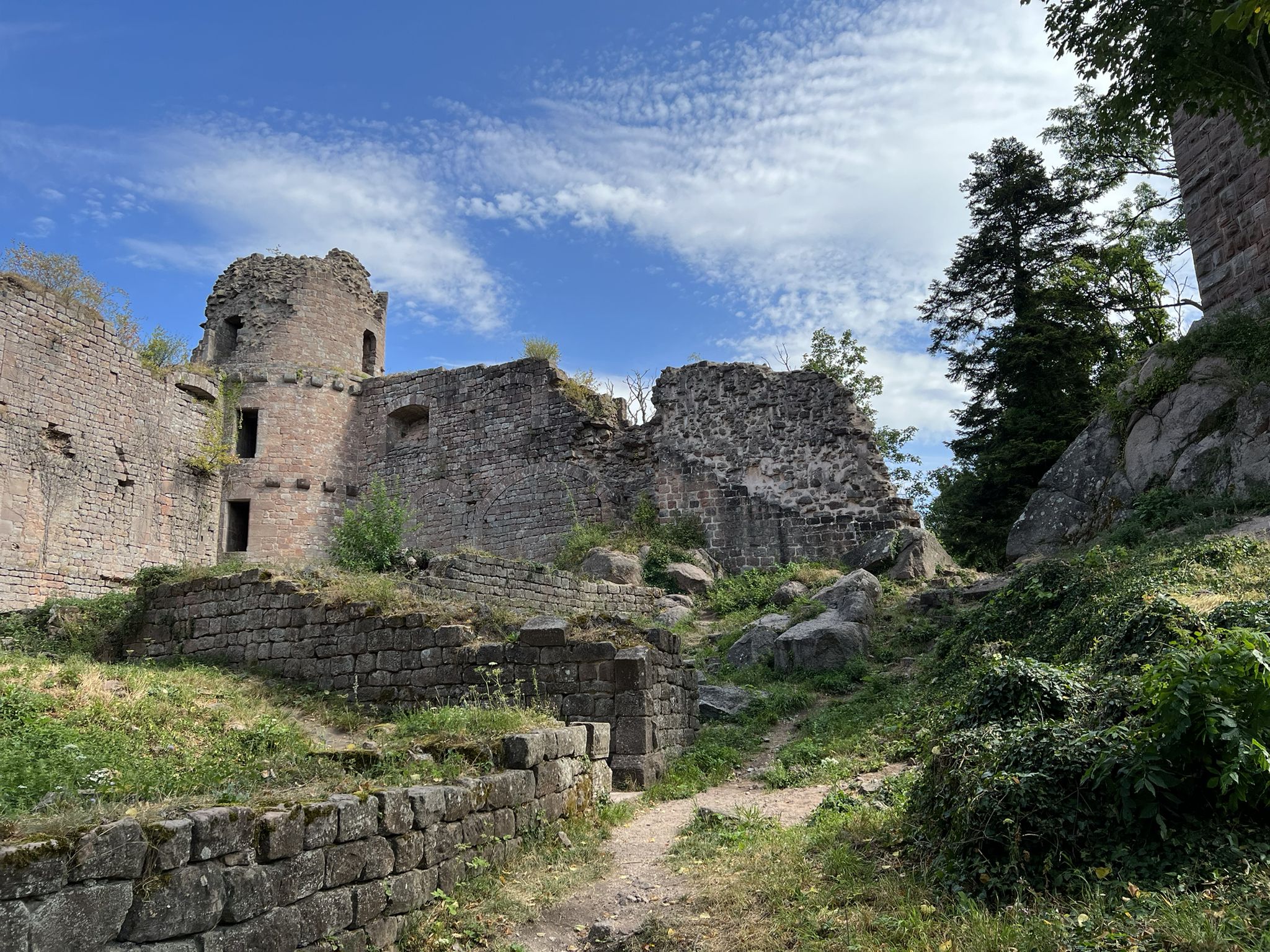
Saunt Ulric Castle is the largest of the three ruins. It is currently undergoing partial renovation. A small section is cordoned off, and caution is advised in other areas. However, the keep is accessible.
6
0
A charming Alsatian village with approximately 4,700 inhabitants. The old town is well worth seeing with its colorful houses. Ribeauvillé is also very popular because of the hike to its three castle ruins that overlook the town.
9
0
Of course, like every day, it's completely crowded. Taking pictures without passersby is almost impossible. The old town captivates everyone, and you can hardly get enough of the colorful, crooked houses, some of which date back to the Middle Ages but have been beautifully restored.
12
0

Colmar is a beautiful city and a center of Alsace; unfortunately, it's correspondingly overcrowded. The local art museum is a must-see.
9
0

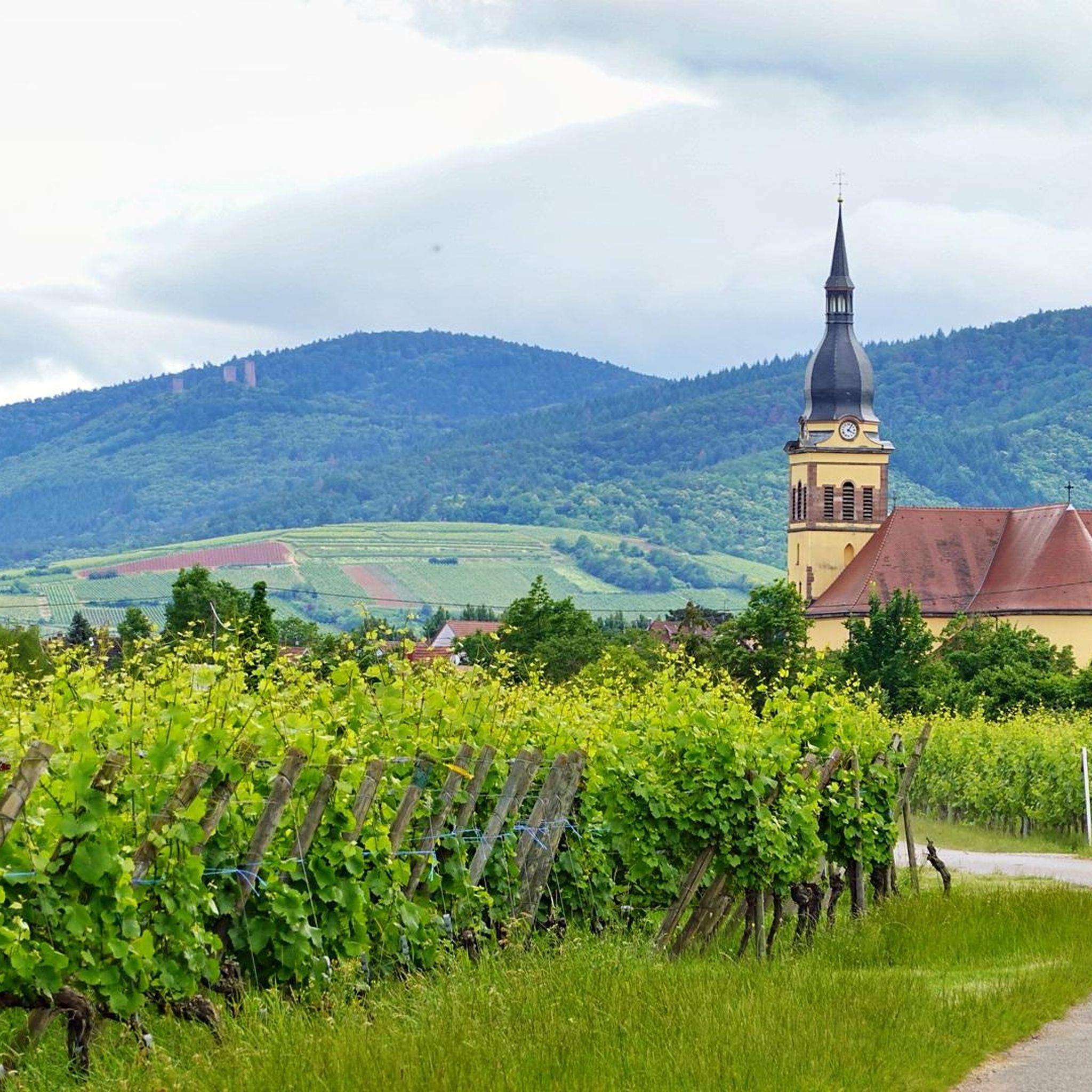
Welcome to Eguisheim, the village where the houses are so photogenic they’re probably taking selfies when you’re not looking. Everything here looks like it was designed by an interior designer with a flower addiction and a passion for pastels. The streets wind in circles, so if you’re thinking, “I’ve been here before,” you’re right – you’ve just landed on an architectural merry-go-round. Perfect for those who love half-timbered houses, wine, and getting lost in the most charming way possible.
8
0

Ulrichsburg is the most impressive and best-preserved of the three castles. It was built on the rocky promontory around the mid-13th century. Until the 15th century, it was the residence of the Rappoltstein family and therefore has little military significance. Remains still visible today include: - the square keep and the main building (12th century), - the knights' hall and the large residential tower (13th century), - the barbican in front of the entrance and the outer wall (14th century), - the Chapel of Saint Ulrich (15th century). Girsberg Castle, built around 1250 opposite Ulrichsburg, was intended to strengthen its defenses.
6
0

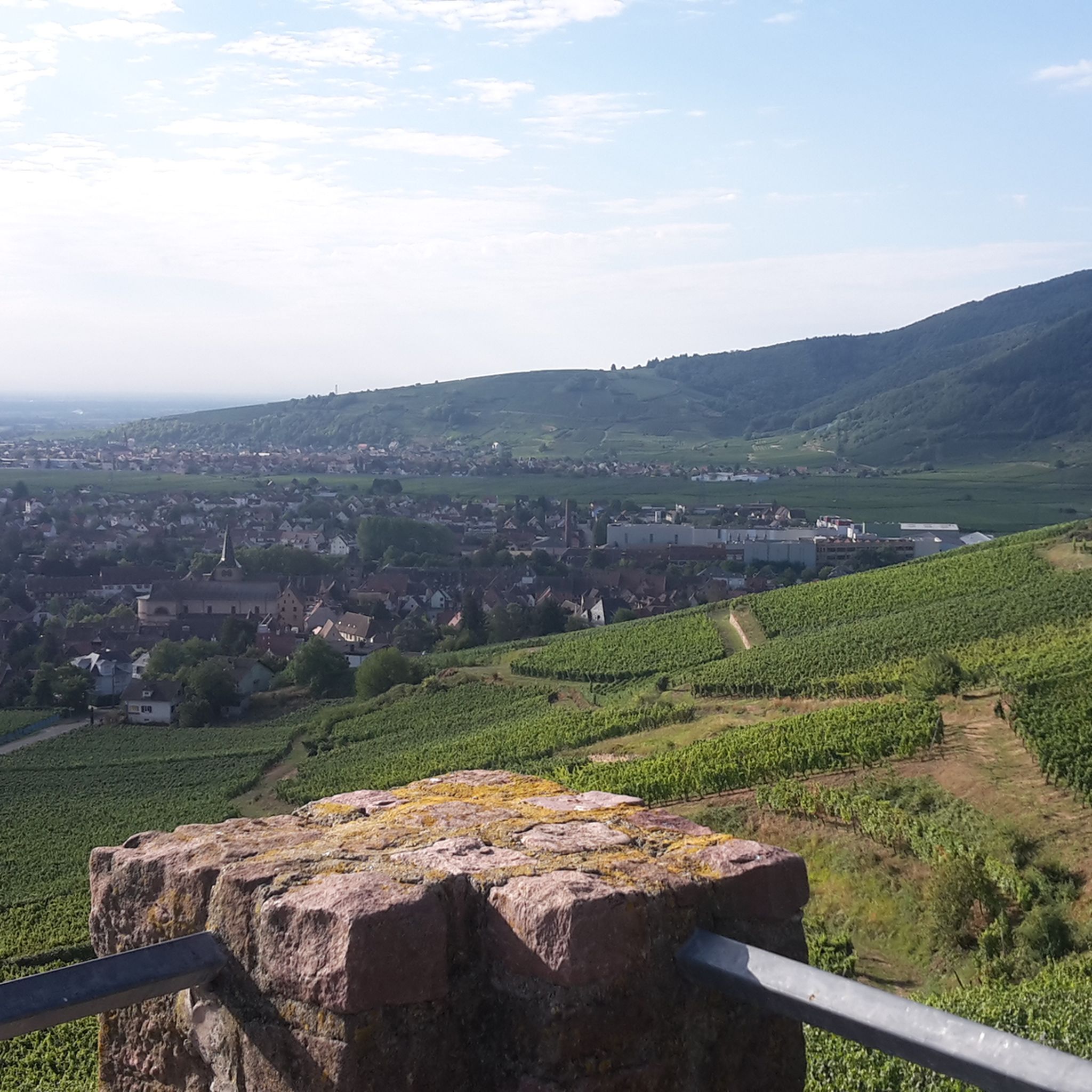
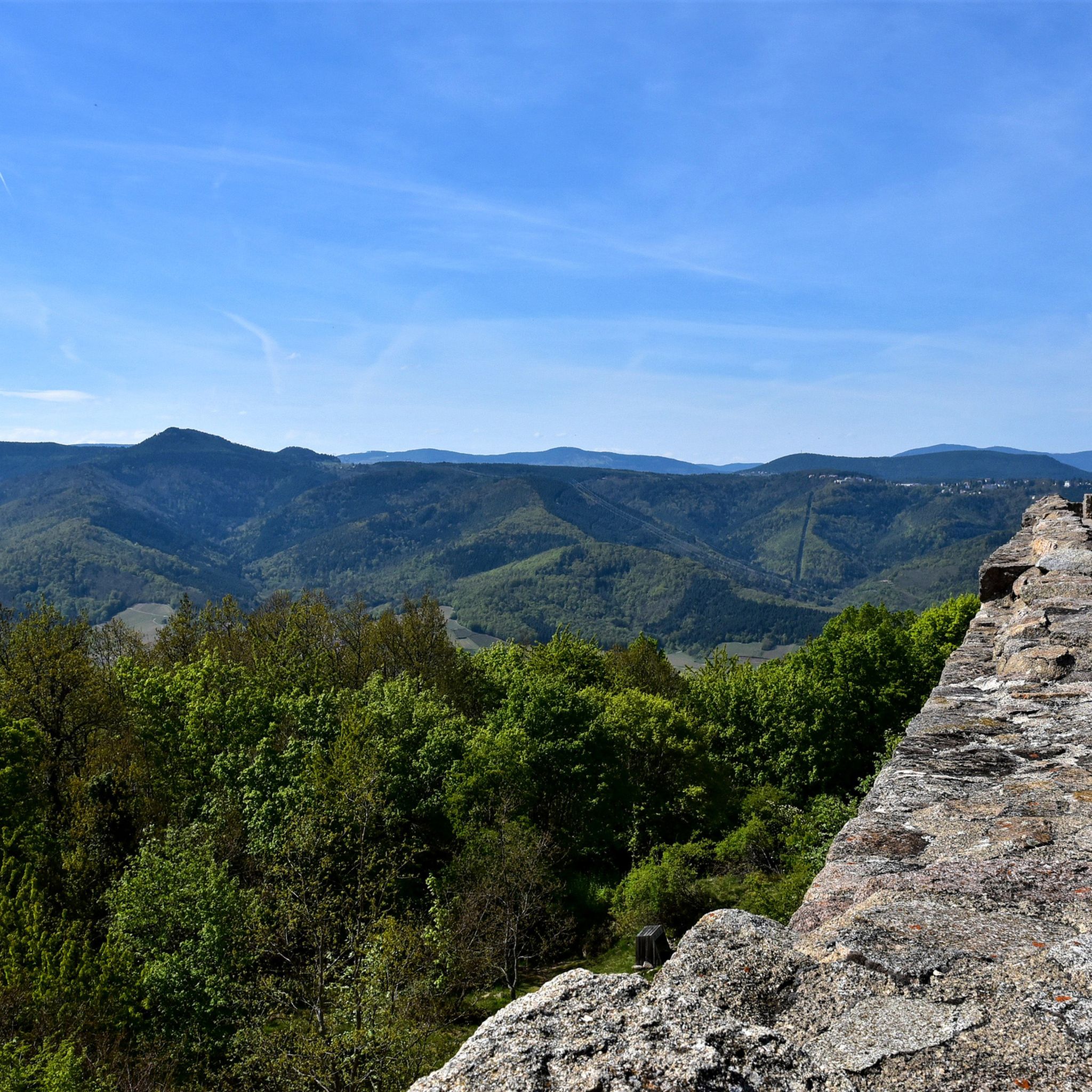
Beautiful castle ruins, the view of the vineyards and the Rhine plain is gigantic. The climb is very varied, but not without its challenges! There are a few short rocky passages that can be slippery, especially when wet, and may need to be managed with the help of your hands. Good footwear is definitely recommended.
8
1

The Château de Saint-Ulrich is an impressive ruined castle located near Ribeauvillé in Alsace, France. The castle was built in the 11th century and sits on a rock high above the surrounding countryside. The Château de Saint-Ulrich consists of various ruins and remains, including parts of the defensive walls, towers and residential buildings. It is a remarkable example of medieval architecture and offers magnificent panoramic views of the vineyards and Alsace. The castle played a significant role in the history of the region and was owned by the Lords of Ribeaupierre, a noble family that played an important role in Alsace. Over the centuries, the Château de Saint-Ulrich was destroyed and rebuilt several times until it was finally abandoned in the 17th century.
8
1
Frequently Asked Questions
What historical landmarks can I explore in Colmar?
Colmar's Old Town is a well-preserved medieval center, featuring iconic sites like the Pfister House, a stunning Renaissance mansion, and the House of Heads, adorned with over 100 sculptures. You can also visit the Old Customs House (Koïfhus), a significant public building from 1480, and the historic Adolph House, one of Colmar's oldest. Don't miss the picturesque Little Venice district with its charming canals and half-timbered houses.
Are there any charming villages near Colmar worth visiting?
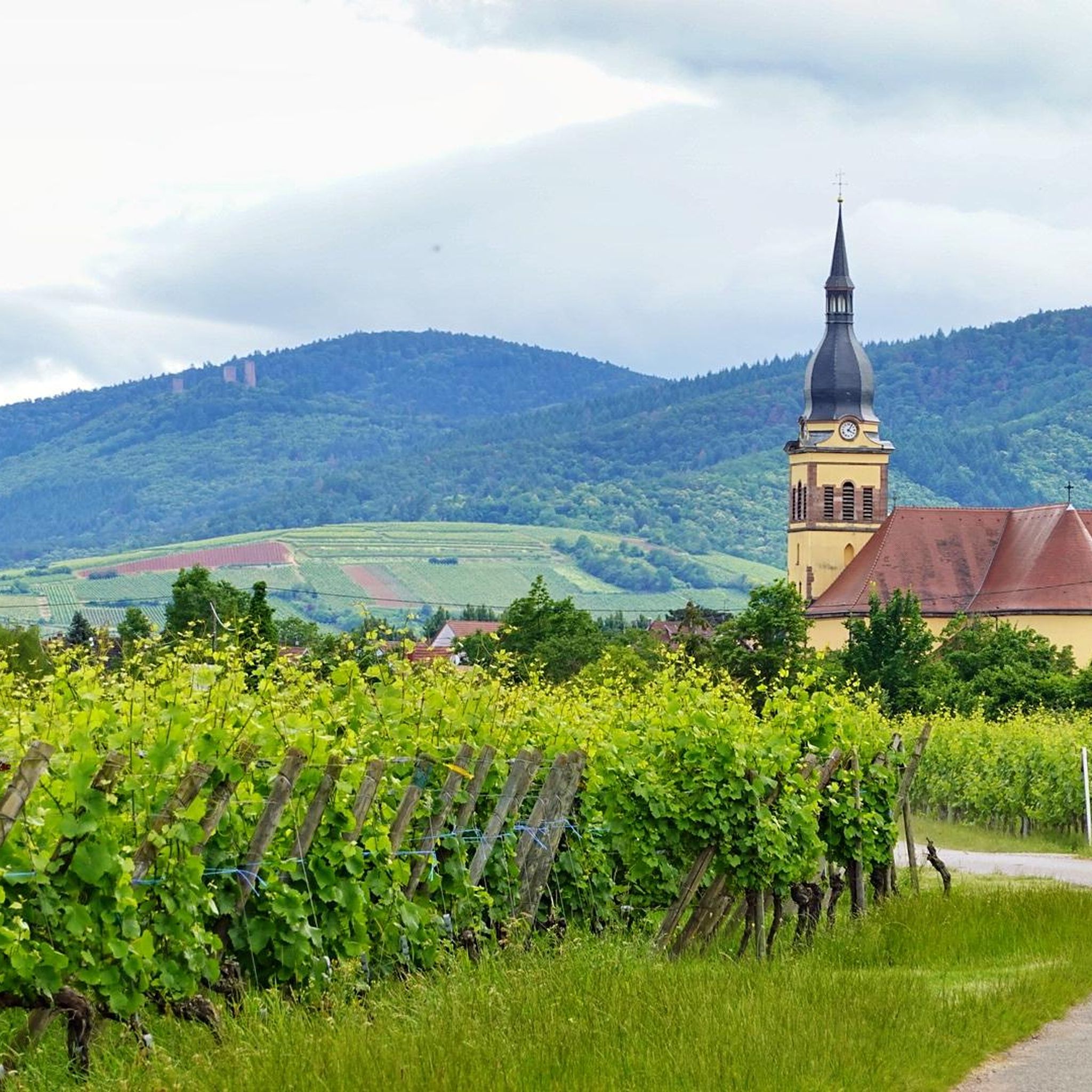
Absolutely. The region around Colmar is dotted with picturesque villages. We recommend visiting Ribeauvillé, known for its half-timbered houses and medieval monuments like the Tour des Bouchers. Another must-see is Riquewihr, a beautifully preserved medieval village nestled within vineyards. Eguisheim Village, classified among the most beautiful villages in France, is also a highlight with its concentric layout and colorful facades.
What cultural experiences does Colmar offer?
Colmar boasts a rich cultural scene. The Unterlinden Museum, housed in a 13th-century Dominican convent, features European art and the famous Isenheim Altarpiece. You can also explore the Gothic architecture of St. Martin's Church and the Dominican Church, which houses Martin Schongauer's 'Madonna of the Rose Bush'. For a unique insight into a local artist, visit the Bartholdi Museum, dedicated to the sculptor of the Statue of Liberty.
Can I find family-friendly attractions in Colmar?
Yes, Colmar offers several attractions suitable for families. The Toy Museum of Colmar (Musée du Jouet Colmar) provides a playful journey through toy history. The Choco Story - Chocolate Museum is another delightful option. Additionally, wandering through the charming streets of Riquewihr and Eguisheim Village offers an engaging experience for all ages with their medieval charm and colorful houses.
What natural features are prominent in and around Colmar?
Colmar is surrounded by diverse natural beauty. The Lauch River flows through the town, most notably in the scenic Little Venice district, offering boat tours. The town is also nestled at the foot of the Vosges Mountains and is surrounded by picturesque vineyards, forming part of the famous Alsace Wine Route. Nearby, the Regional Natural Park of Ballons des Vosges provides extensive opportunities to explore diverse habitats and stunning landscapes.
What outdoor activities can I do near Colmar?
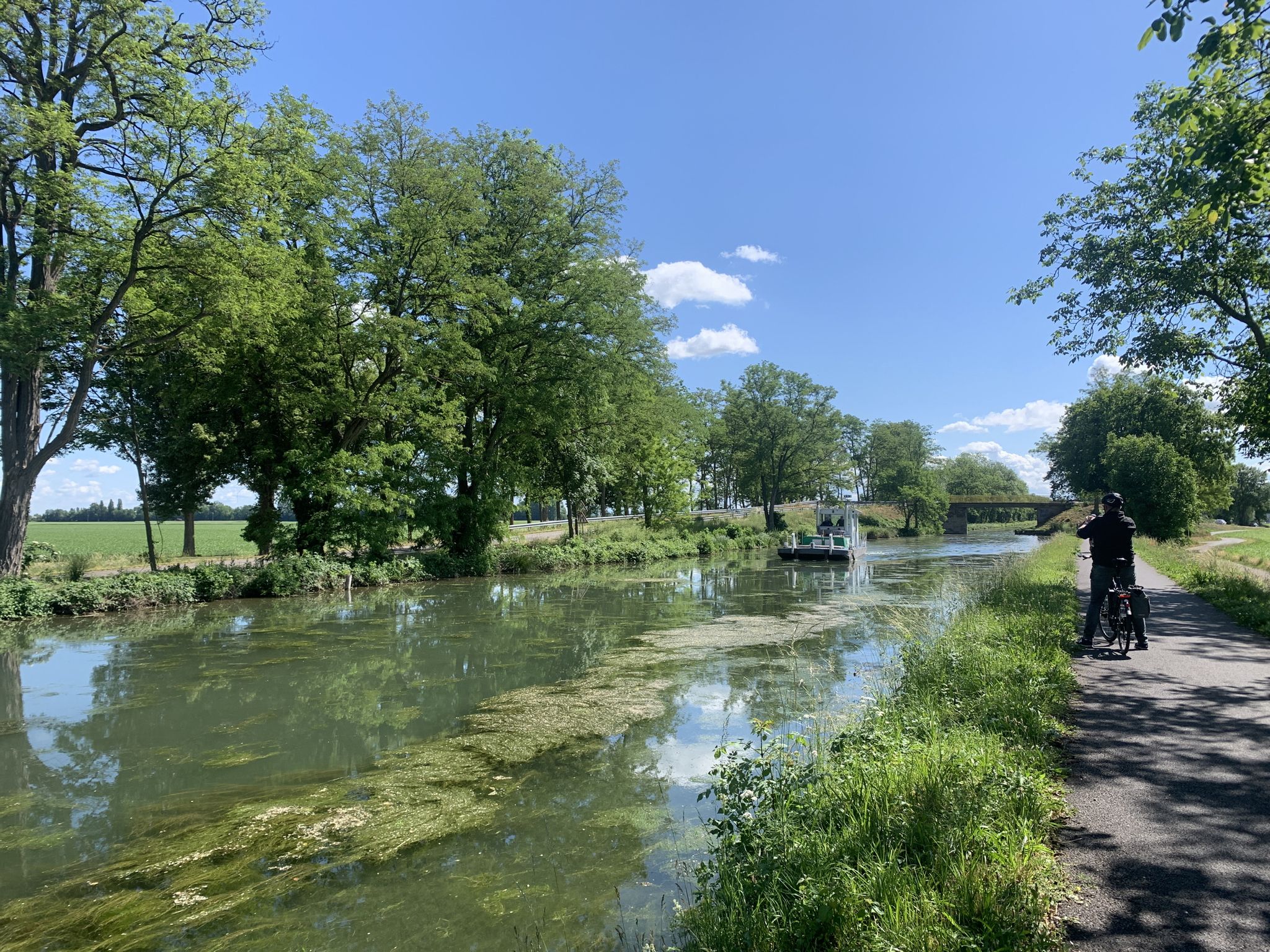
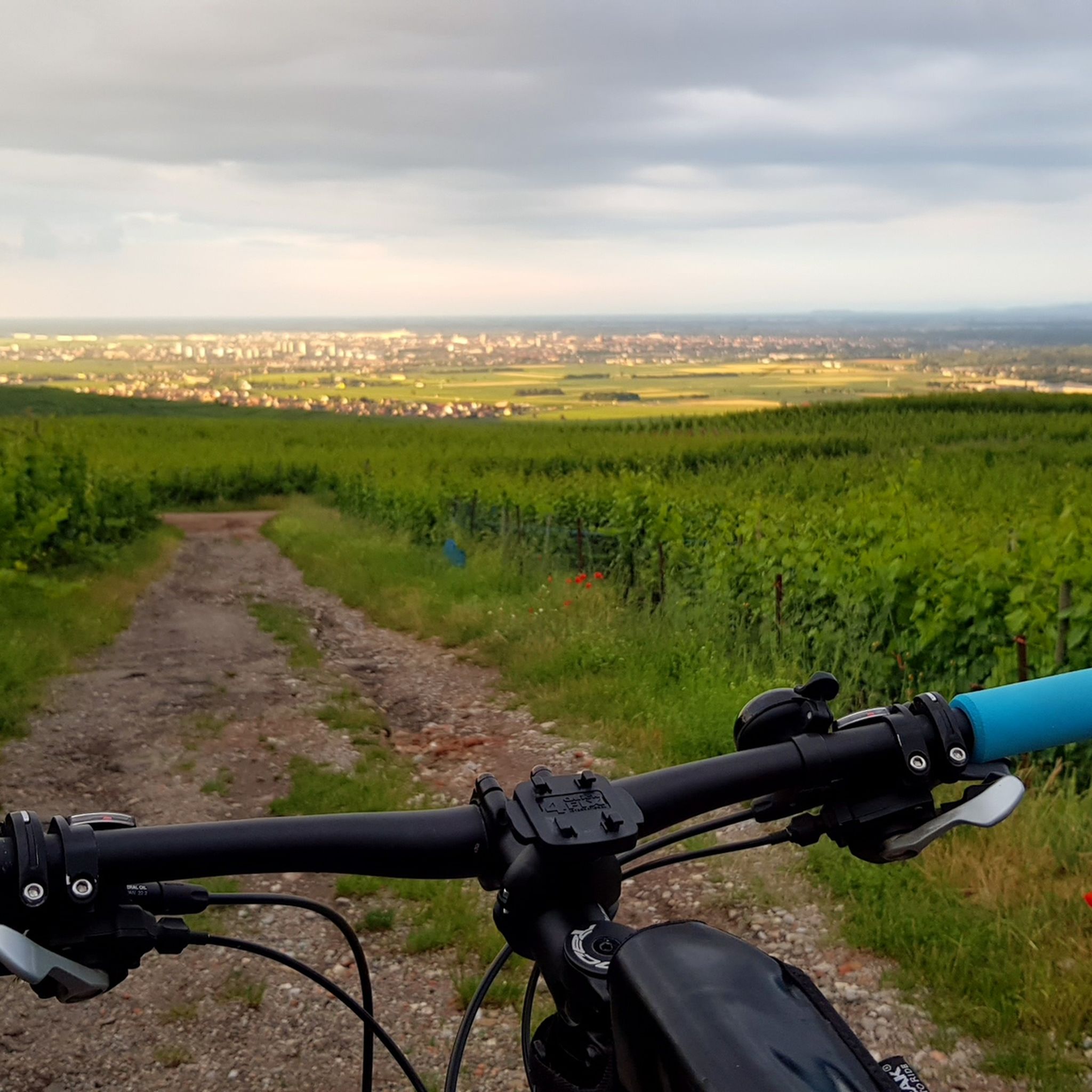
The region around Colmar is excellent for outdoor enthusiasts. You can explore a variety of cycling routes, from easy tours around the town to more challenging rides through vineyards and villages. Mountain biking is also popular, with trails ranging from moderate to difficult. For detailed routes and guides, check out the MTB Trails around Kolmar, Cycling around Kolmar, and Gravel biking around Kolmar guides.
Are there hiking trails near Colmar, especially to castles?
Yes, the area offers fantastic hiking opportunities, particularly to historic castles. You can hike to the three castles of Ribeauvillé, including the largest and best-preserved Saint-Ulrich Castle and the picturesque Girsberg Castle. These trails often provide breathtaking views of the surrounding Alsace region, vineyards, and valleys. Many routes are considered intermediate difficulty, offering a rewarding experience for hikers.
What is the best time to visit Colmar for outdoor activities?
The best time for outdoor activities in Colmar and the surrounding Vosges Mountains is generally from spring to autumn. During these seasons, the weather is pleasant for hiking, cycling, and exploring the vineyards. Summer offers warm temperatures, while spring and autumn provide beautiful scenery with blooming flowers or vibrant fall foliage. Winter can be charming for exploring the town, but outdoor activities in the mountains might be limited by snow.
What is the Alsace Wine Route, and how can I experience it from Colmar?
Colmar is considered the 'capital of Alsatian wines' and is centrally located on the renowned Alsace Wine Route. This route winds through picturesque vineyards and charming wine villages. From Colmar, you can easily embark on wine-tasting tours in local bars or explore nearby villages like Eguisheim, Riquewihr, and Ribeauvillé by bike or car, immersing yourself in the region's viticultural heritage.
What do visitors enjoy most about the attractions around Colmar?
Visitors consistently praise the well-preserved medieval charm of the villages and towns. The colorful half-timbered houses, cobblestone streets, and the idyllic vineyard landscapes are frequently highlighted. Many appreciate the historical depth of sites like Riquewihr and Eguisheim Village, feeling transported back to the Middle Ages. The stunning views from castles like Saint-Ulrich Castle are also a major draw.
Are there any unique or lesser-known attractions in Colmar?
Beyond the main highlights, Colmar offers some unique spots. The Tanners' Quarter (Quartier des Tanneurs), near Little Venice, is ideal for leisurely strolls amidst quaint bistros and local architecture. You can also find a miniature Statue of Liberty replica to the north of the city, a nod to sculptor Auguste Bartholdi, who was born in Colmar. The Hansi Village and its Museum is dedicated to the beloved Alsatian illustrator Jean-Jacques Waltz, offering a glimpse into local culture.
Most popular attractions around Kolmar

Get inspired with the komoot mobile app


Explore more
Still not found the Highlight you’re looking for? See guides of the top attractions in other regions:
