Attractions and Places To See around Schlettstadt - Top 20
Best attractions and places to see around Schlettstadt (Sélestat) include a rich blend of history, culture, and natural beauty. Located in Alsace between the Vosges Mountains and the Rhine River, Schlettstadt boasts an exceptional architectural heritage with numerous historical monuments. The historic center is classified as a listed site, and the region features significant natural areas like the Ill*Wald Regional Nature Reserve. This area offers diverse landscapes for exploration, from medieval towns to alluvial forests.
Best attractions and places to…
Last updated: October 9, 2026
Saint-Ulrich Castle
Highlight • Castle
Translated by Google •
Tip by

Ribeauvillé
Highlight • Settlement
Translated by Google •
Tip by

Sign up now to discover places like this
Get recommendations on the best single tracks, peaks, & plenty of other exciting outdoor places.
Girsberg Castle
Highlight • Castle
Translated by Google •
Tip by

Haut-Ribeaupierre Castle
Highlight • Castle
Translated by Google •
Tip by
Ribeauvillé
Highlight • Other
Translated by Google •
Tip by

Sign up for free to discover even more attractions around Schlettstadt.
Already have an account?
Start today with a free account
Your next adventure awaits.
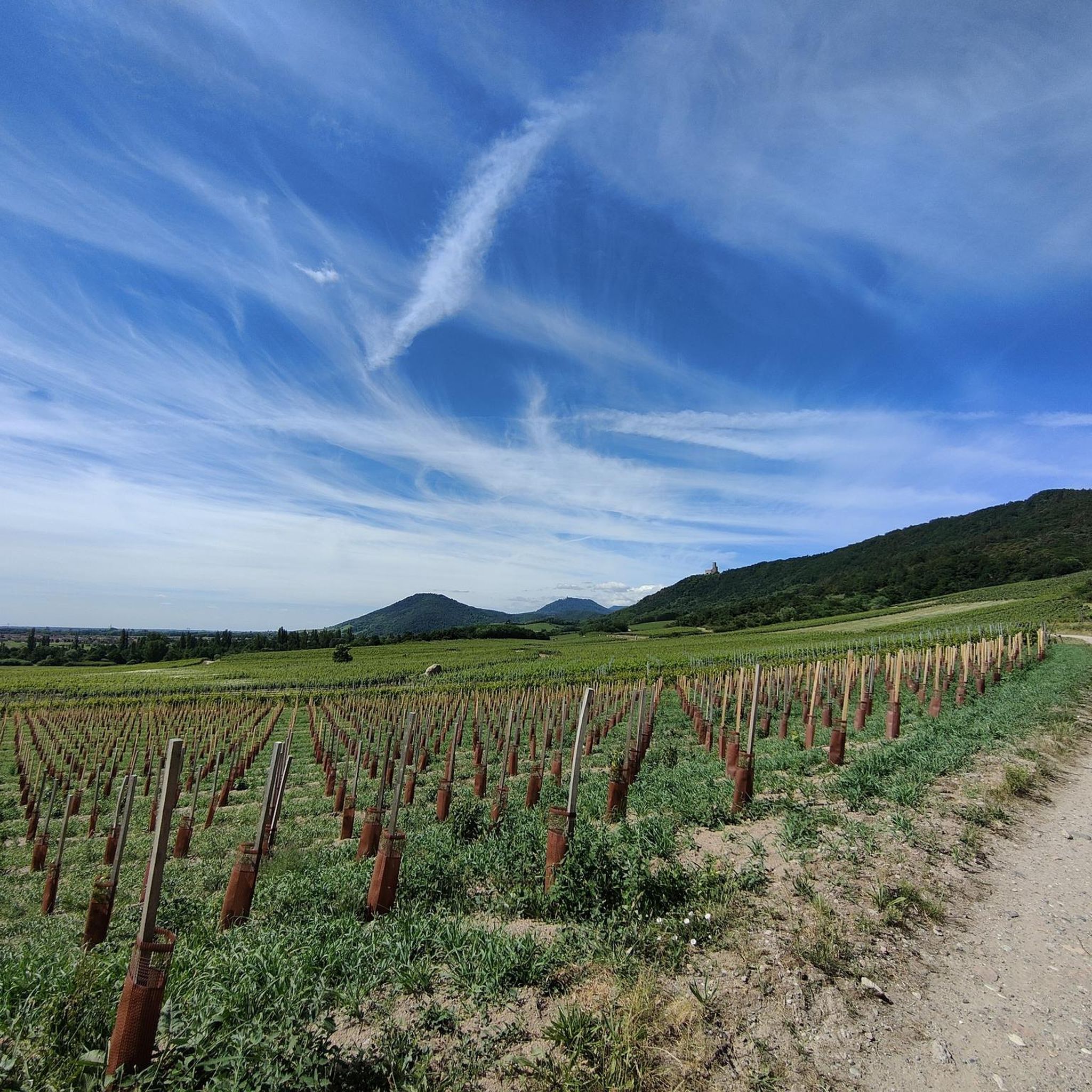
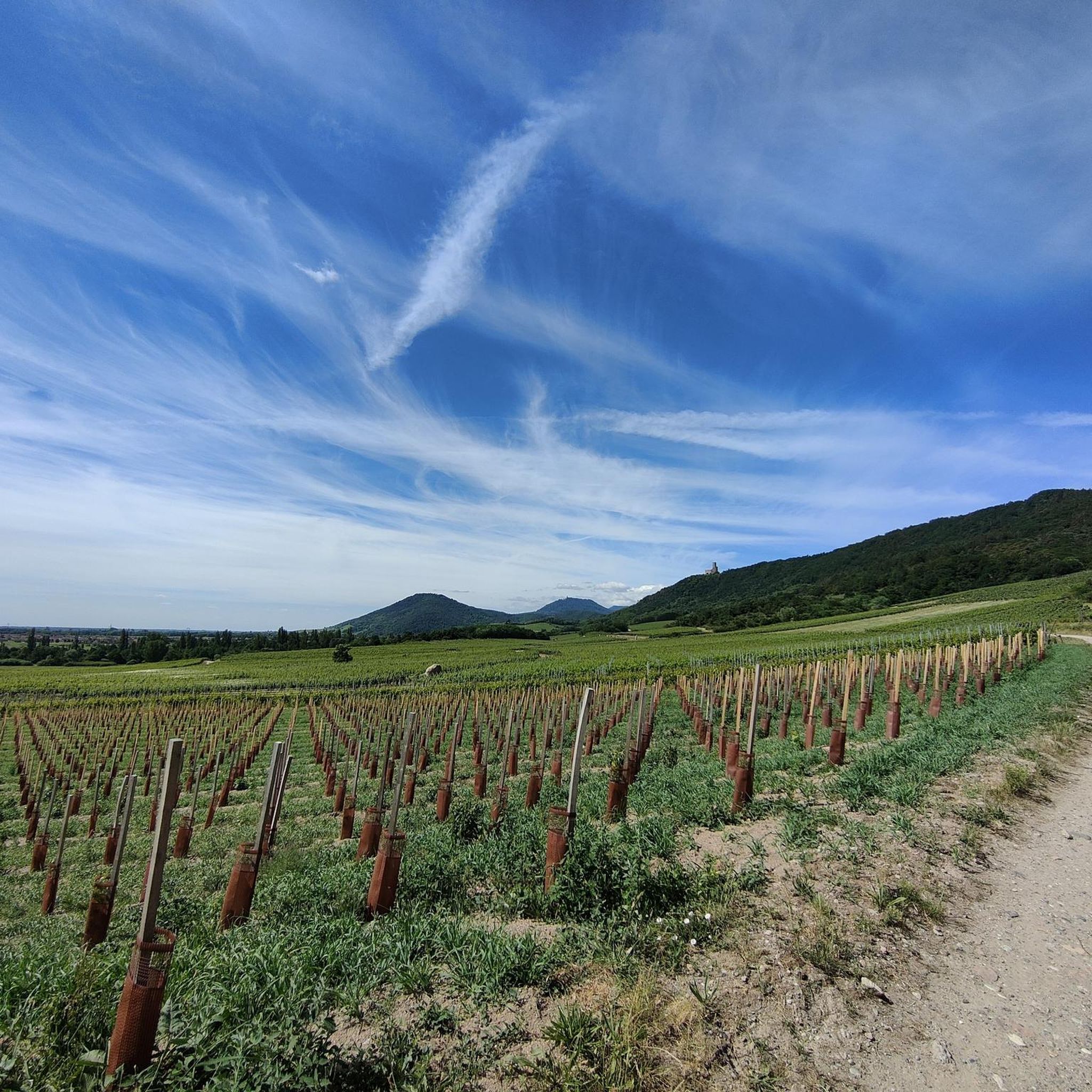
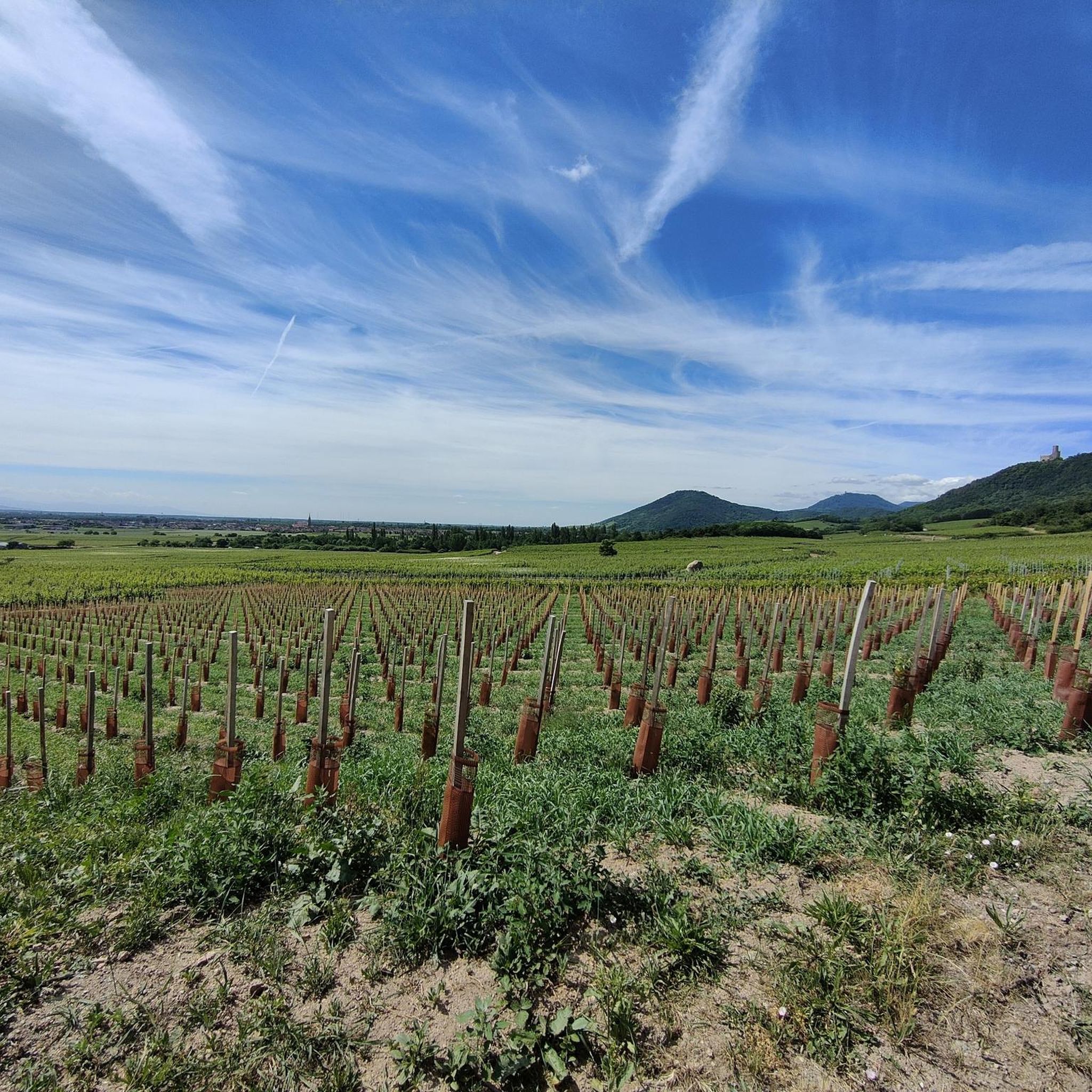
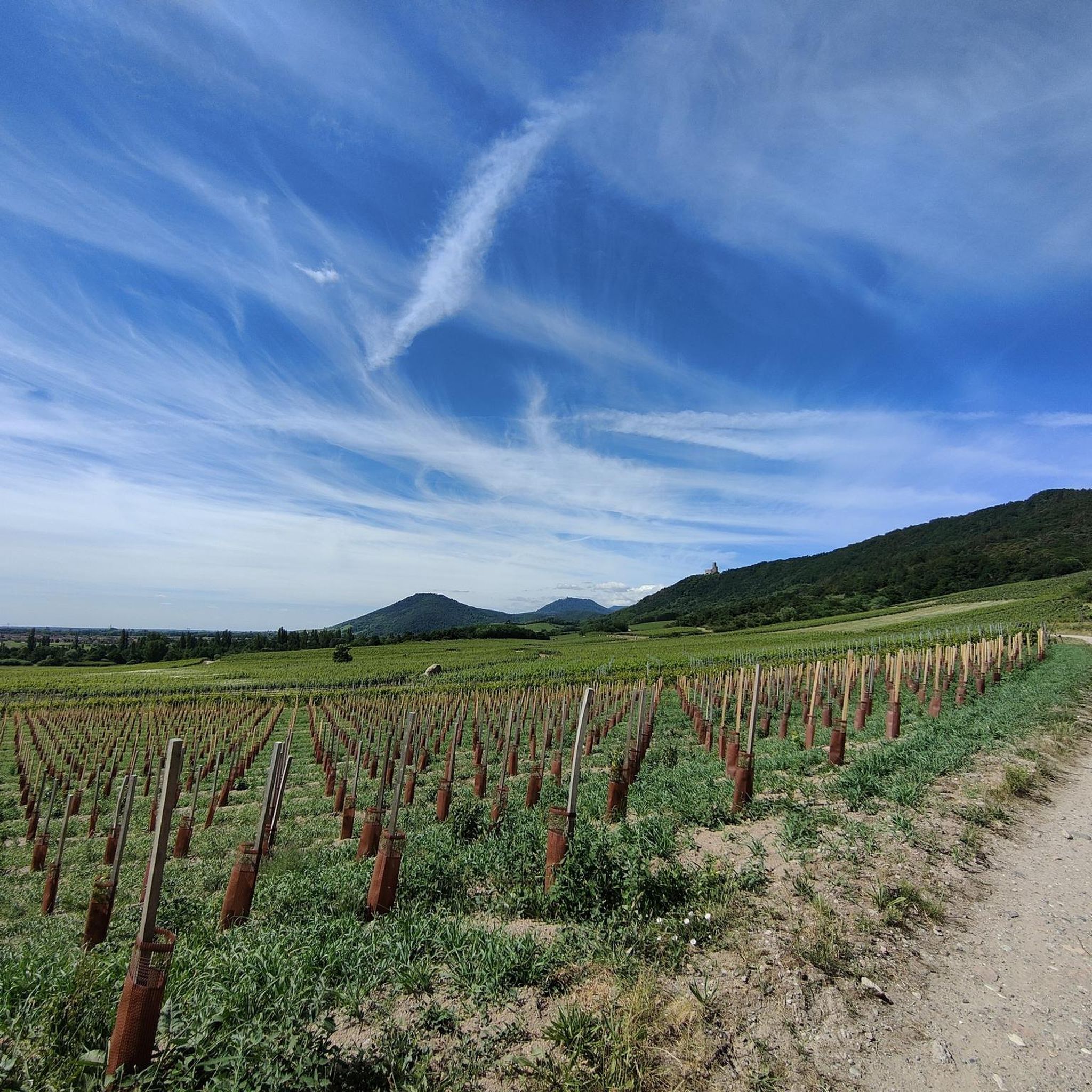

Tips from the Community

The large wall at the rear of the ruins has been reinforced. The keep is also now dilapidated. To prevent anyone from climbing the tower, the lower staircase has been removed.
7
1
Saunt Ulric Castle is the largest of the three ruins. It is currently undergoing partial renovation. A small section is cordoned off, and caution is advised in other areas. However, the keep is accessible.
6
0
A charming Alsatian village with approximately 4,700 inhabitants. The old town is well worth seeing with its colorful houses. Ribeauvillé is also very popular because of the hike to its three castle ruins that overlook the town.
9
0

The castle of Haut-Ribeaupierre (Hohrappoltstein) was probably built during the turmoil of the Interregnum around the mid-13th century. It served as an outpost at a time when the King of France was planning to invade Alsace. Later, it served as an observation tower for early warning of forest fires. The entire castle complex is dominated by an imposing circular keep, which offers a magnificent view of the Alsatian plain and the surrounding mountain ridges.
6
1

Fairytale wine town with castle view A picturesque town along the Alsace Wine Route, surrounded by vineyards and with a view of three medieval castles. Ideal for a stopover with cozy terraces, half-timbered houses and local wine. Perfect photo opportunity!
3
1

Very crowded. But a nice little tourist town with great sights
2
0

Ulrichsburg is the most impressive and best-preserved of the three castles. It was built on the rocky promontory around the mid-13th century. Until the 15th century, it was the residence of the Rappoltstein family and therefore has little military significance. Remains still visible today include: - the square keep and the main building (12th century), - the knights' hall and the large residential tower (13th century), - the barbican in front of the entrance and the outer wall (14th century), - the Chapel of Saint Ulrich (15th century). Girsberg Castle, built around 1250 opposite Ulrichsburg, was intended to strengthen its defenses.
6
0

Among the four ruins that dominate Ribeauvillé, Saint Ulrich seems undoubtedly one of the most fascinating castle complexes in the Haute- Alsace. It used to control the strategic road that connected the Alsace plain with the upper Lièpvre valley. Witness to the power of the lords of Ribeaupierre, it was their main residence until its final abandonment in the 16th century. It has different architectural styles: Romanesque parts are combined with Gothic and even Renaissance elements. Not far away, Girsberg Castle was built in the 13th century to house a new branch of the Ribeaupierre family: the house is still clearly visible there. Haut-Ribeaupierre was certainly built during the troubled period of the Great Interregnum, around the middle of the 13th century. on the site of a first castle, probably from the 10th century: it will serve as an advance post during the planned invasion of Alsace by the King of France, and then as a watchtower intended to prevent forest fires. The entire building is dominated by an imposing circular keep that offers beautiful views of the Alsace plain and the adjacent mountain ridges. A fourth castle was recently discovered under Saint Ulrich. Source: https://www.chateauxfortsalsace.com/fr/chateau/le-chateau-du-girsberg/
5
0
Frequently Asked Questions
What historical and cultural sites can I explore within Sélestat itself?
Sélestat boasts a rich architectural heritage. You can visit the Humanist Library of Sélestat, a UNESCO World Heritage site known for its ancient manuscripts, including the oldest mention of the Christmas tree. Explore the historic Old Town with its Gothic, Renaissance, and Baroque buildings, the picturesque Tanner's district, and impressive churches like St. George's and St. Faith's. Don't miss the remnants of the medieval ramparts, including the Clock Tower and Witches' Tower.
Are there any medieval castles to visit near Sélestat?
Yes, the region is rich in medieval castles. You can explore the ruins of Saint-Ulrich Castle, the largest and best-preserved of the three castles of Ribeauvillé, offering extensive ruins and views. Nearby are also Girsberg Castle and Haut-Ribeaupierre Castle. A short drive away, the majestic Haut-Koenigsbourg Castle offers breathtaking views and a deep dive into the region's past.
Where can I experience nature and wildlife near Sélestat?
The Ill*Wald Regional Nature Reserve, on the outskirts of Sélestat, is an exceptional area with alluvial forests, wetlands, and meadows. It's home to wild deer, white storks, beavers, and kingfishers. You can explore marked hiking trails, kayak on the Ill River, or visit the Rohrmatten Observatory for birdwatching. The "Ill aux trésors" interpretive trail offers a 5 km family loop.
What are some family-friendly attractions around Sélestat?
Beyond the nature reserve, families can enjoy the charming medieval town of Ribeauvillé with its half-timbered houses. Nearby, the Bergheim Medieval Town also offers a historical experience. For animal encounters, the Eagle Park (La Volerie des Aigles) and Monkey Mountain (Montagne des Singes) are popular choices in the vicinity.
Are there good hiking opportunities near Sélestat?
Yes, the area offers diverse hiking trails. You can hike to the three castles of Ribeauvillé, including Saint-Ulrich Castle, which provides fantastic views. The Ill*Wald Regional Nature Reserve also features marked hiking trails. For more options, explore the hiking routes in the MTB Trails around Schlettstadt guide, which often include hiking paths.
Can I go cycling around Sélestat?
Absolutely. Sélestat is an excellent base for cycling. You can explore the picturesque landscapes and vineyards of the Alsace Wine Route. The Ried Plain also offers lovely wide-open spaces for cycling. For specific routes, check out the Cycling around Schlettstadt guide or the Road Cycling Routes around Schlettstadt guide for various difficulty levels.
What is the best time of year to visit Sélestat?
Sélestat is charming year-round. Spring and autumn offer pleasant weather for exploring the historic town and nature reserves, with vibrant colors in the vineyards during autumn. Summer is ideal for outdoor activities and enjoying local festivals like the Corso Fleuri. Even winter has its appeal, especially with the town's connection to the Christmas tree tradition.
What unique culinary or craft experiences can I find in Sélestat?
Sélestat offers the House of Bread (Maison du Pain d'Alsace), a bakery-museum where you can learn about the history of bread and observe bakers at work. This provides a unique insight into Alsatian culinary traditions. Additionally, the town hosts various festivals throughout the year, such as the Carnaval des Machores and Sélest'Art, a biennial contemporary art event.
Are there any particularly picturesque towns or villages near Sélestat?
Yes, the region is dotted with beautiful towns. Ribeauvillé is a must-see with its picturesque old town, half-timbered houses, and medieval monuments. Bergheim Medieval Town is another charming walled village with a rich history and well-preserved defenses.
What are some of the best viewpoints to capture scenic photos?
For stunning panoramic views, head to the castle ruins. Saint-Ulrich Castle offers fantastic vistas of the plain and Ribeauvillé. From Haut-Ribeaupierre Castle, you can see the Rhine plain and even the Black Forest on a clear day. Haut-Koenigsbourg Castle also provides breathtaking views from its elevated position.
What kind of architecture can I expect to see in Sélestat?
Sélestat's historic center showcases a blend of architectural styles, primarily Gothic, Renaissance, and Baroque. You'll find impressive mansions and townhouses, many dating from the 15th and 16th centuries, characterized by their half-timbered construction. The churches, like St. George's (Gothic) and St. Faith's (Romanesque), also represent significant architectural periods.
Most popular routes around Schlettstadt
Most popular attractions around Schlettstadt

Get inspired with the komoot mobile app


Explore more
Still not found the Highlight you’re looking for? See guides of the top attractions in other regions:
