The best gravel rides around Schlettstadt
4.5
(58)
408
riders
69
rides
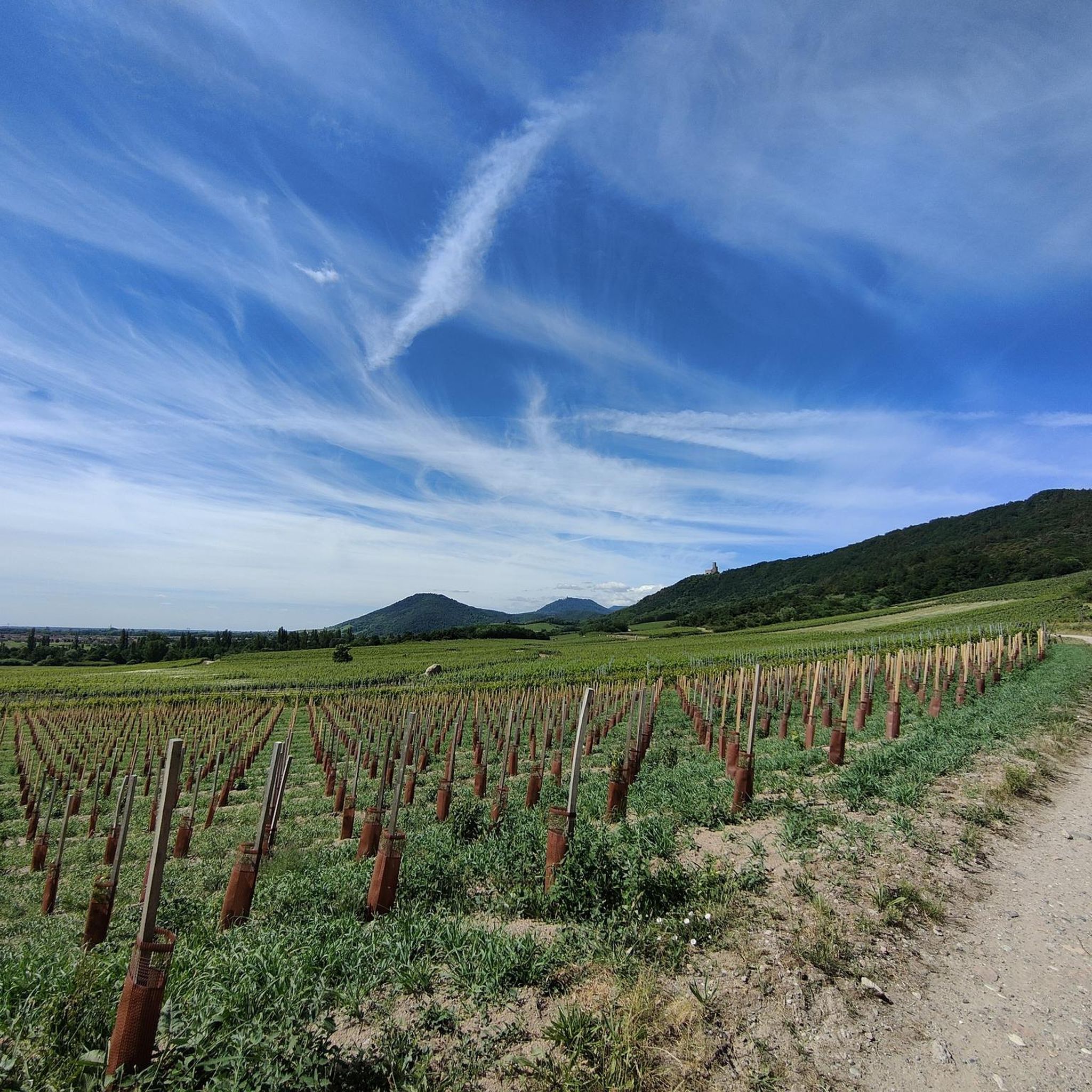
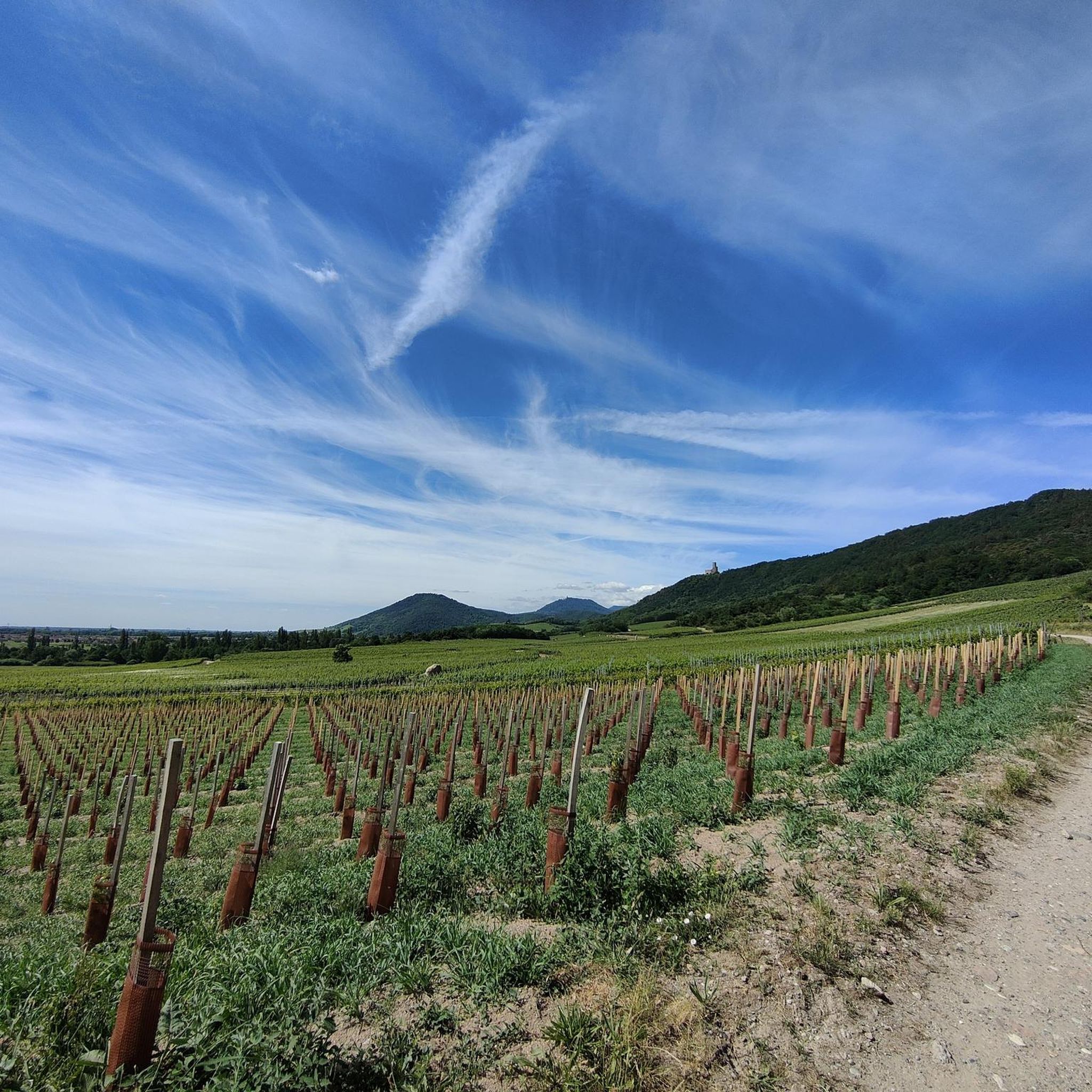
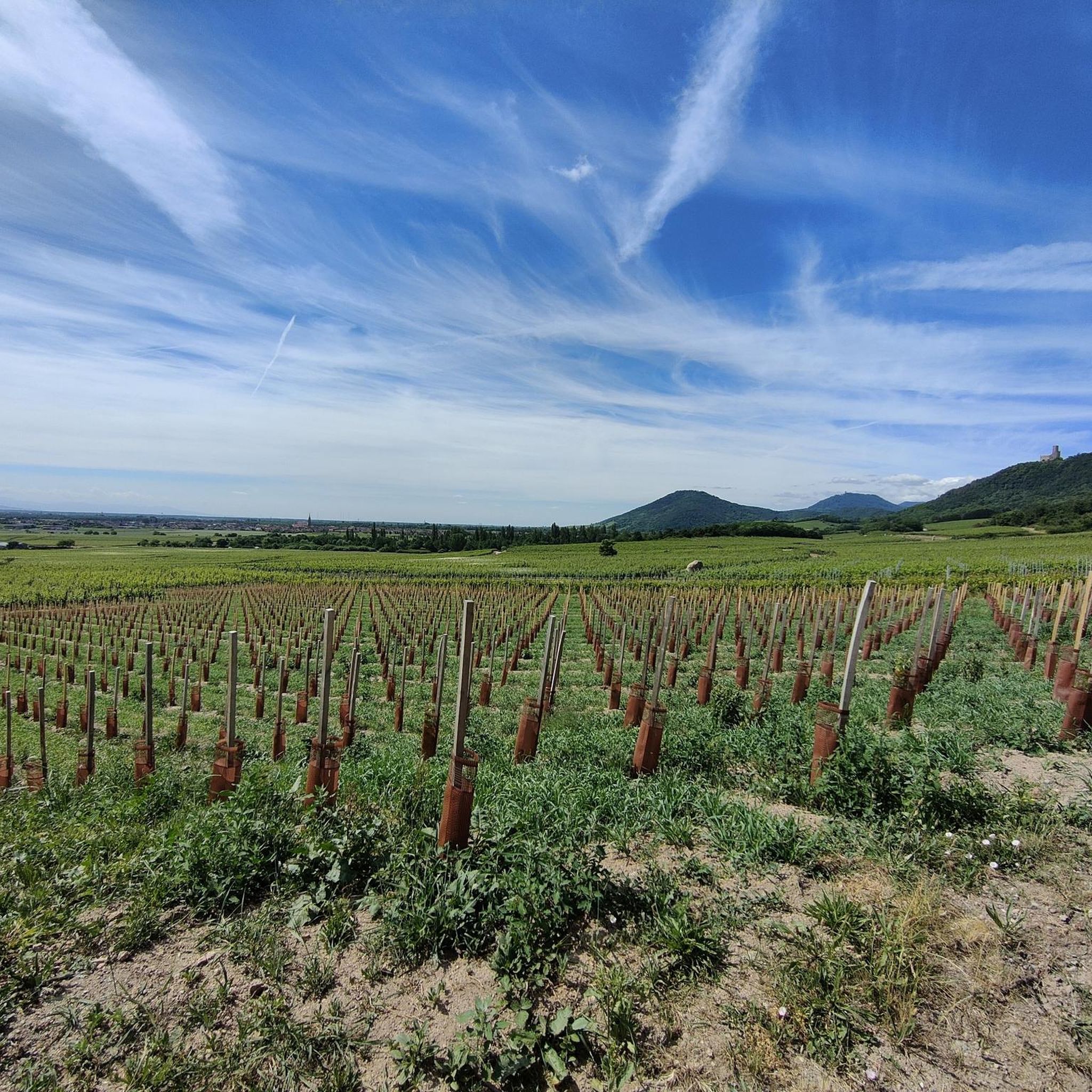
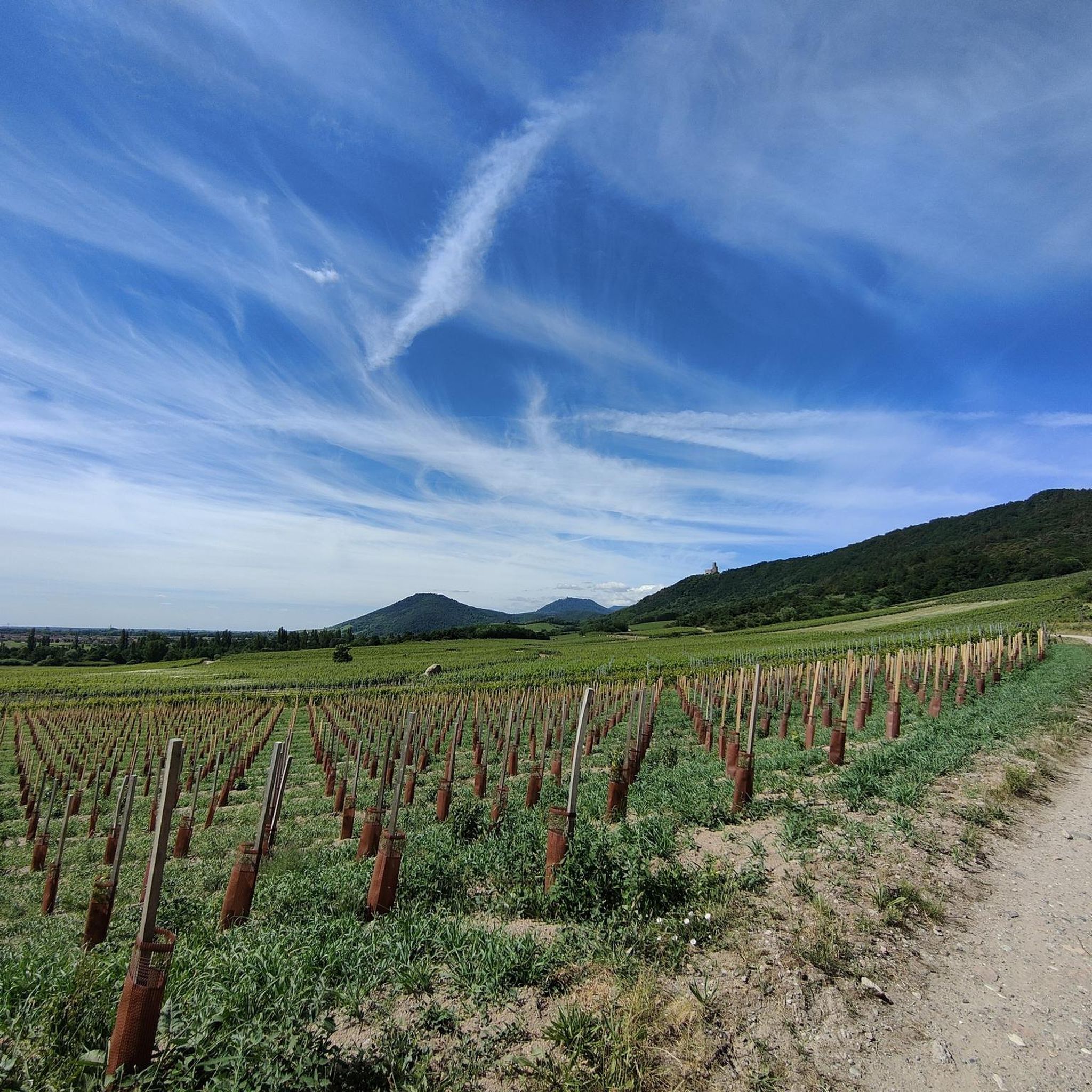
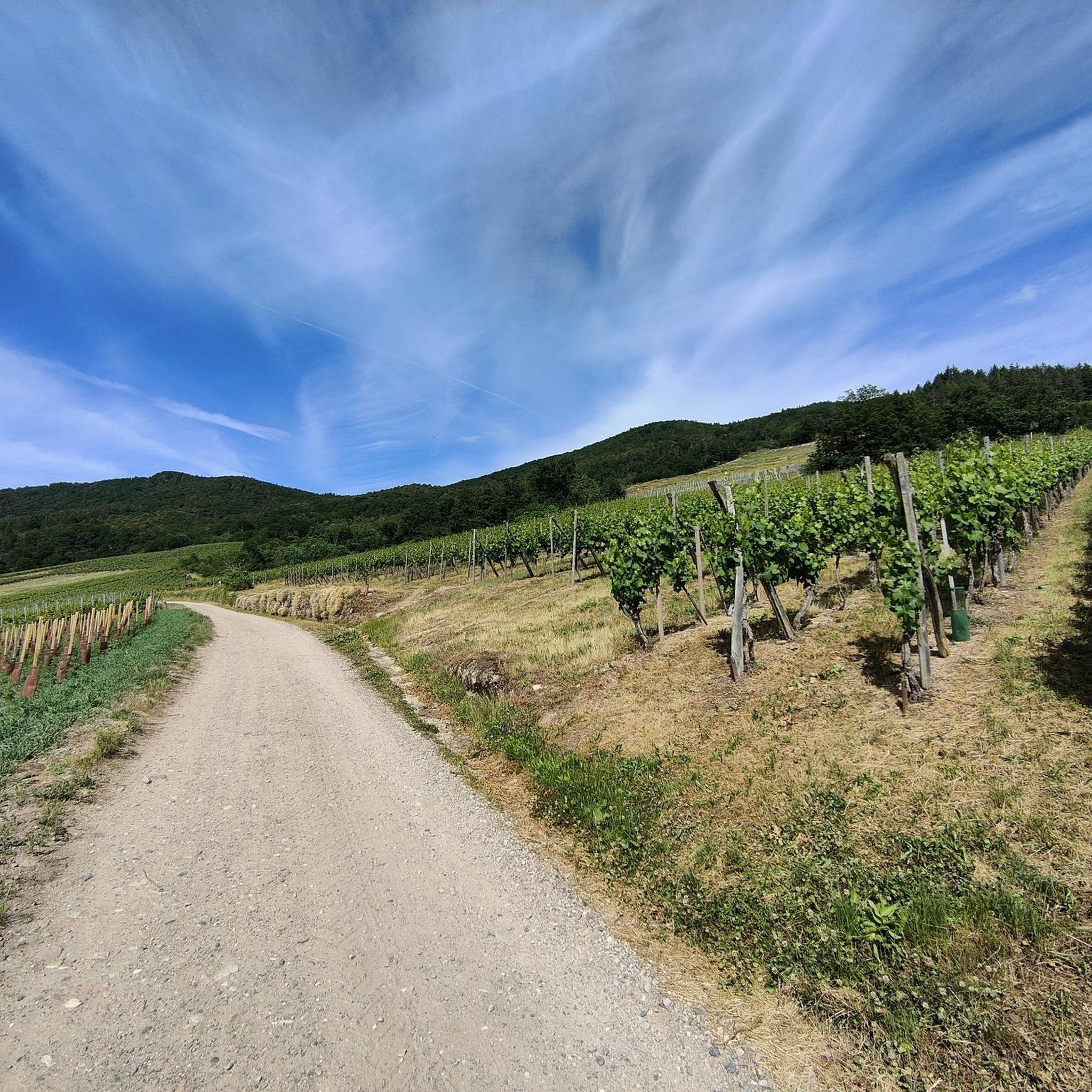
Gravel biking around Schlettstadt offers a diverse landscape characterized by rolling hills, extensive vineyards, and dense forests at the foothills of the Vosges mountains. The region features a network of trails that connect historic villages and provide views of medieval castles. Terrain varies from well-maintained gravel paths through agricultural areas to more challenging ascents on forest roads.
Best gravel bike trails around Schlettstadt
- The most popular gravel bike trail is The Big Oak – Dambach-la-Ville Town Center loop from Scherwiller…
Last updated: October 6, 2026
4.5
(2)
13
riders
26.0km
02:04
470m
470m
Hard gravel ride. Very good fitness required. Mostly paved surfaces. Suitable for all skill levels.
5.0
(1)
6
riders
48.3km
03:59
980m
980m
Hard gravel ride. Very good fitness required. You may need to push your bike for some segments of this route.

4.5
(2)
15
riders
30.1km
02:17
590m
590m
Hard gravel ride. Very good fitness required. Mostly paved surfaces. Suitable for all skill levels.
5.0
(3)
21
riders
33.8km
02:05
290m
290m
Moderate gravel ride. Good fitness required. Mostly paved surfaces. Suitable for all skill levels.
4.5
(2)
18
riders
52.5km
03:17
640m
640m
Hard gravel ride. Very good fitness required. Mostly paved surfaces. Suitable for all skill levels.
Get access to more routes and recommendations from other explorers.
Already have an account?
Our route recommendations are based on thousands of hikes, rides, and runs completed by other people on komoot.
Start today with a free account
Your next adventure awaits.
Tips from the Community

Beautiful little village on the way to Santiago de Compostela coming from Germany.
0
0

St. Sebastian Chapel is a listed historical monument (since 1921) and was the former parish church of the vanished village of Oberkirch. It combines a 12th-century Romanesque bell tower with a Gothic nave (dating from 1285). Particularly noteworthy are the Baroque high altar by the Winterhalder brothers (1692) and the Romanesque charnel house on the northeast side. The chapel is situated in the vineyards above Dambach-la-Ville, offering a sweeping panorama across the Rhine plain, and is privately owned by a civic brotherhood of 32 local families.
0
0

During the German occupation in World War II, the Scherwiller synagogue was used as a camp for Polish forced laborers. The remaining Jewish residents of the town were deported to southern France in 1940. According to Yad Vashem, thirteen former residents fell victim to the Final Solution.
0
0

Great city center. It doesn't have to hide from Colmar.
11
0

The Fontaine de la Sinne was built in 1862 to replace the old Sinne fountain, which was relocated to the Place de la République. It is typical of the period due to its monumentality and the symbolism of the statue, which represents an allegory of the town of Ribeauvillé and evokes its trade, viticulture, and forests.
7
0
Taennelkreuz Chapel is located in the middle of the vineyards at an elevation of 208 meters. This chapel was built in 1905 and dedicated to the Holy Cross on September 23, 1906. With a cruciform floor plan and a neo-Gothic style, it is located in the middle of the vineyard at the foot of the Rittersberg.
6
0

Absolutely stunning and charming historical village! The buildings are not only beautiful, but also so well preserved. There's also so many wonderful restaurants, bakeries, and cafes to enjoy - it's an absolutely fantastic place to stop for a break.
0
0

The town of Châtenois, with approximately 4,300 inhabitants, is located in the Grand Est region and belongs to the Bas-Rhin department, Sélestat-Erstein arrondissement. A wine-growing community, Châtenois lies at the foot of the Hahnenberg (530 m) in the foothills of the Vosges Mountains, on the Alsace Wine Route and the EuroVelo 5 Alsace Vineyard Cycle Route. Before the town's founding, the Romans planted a chestnut forest there. The French name "Châtenois" is derived from this, and is synonymous with the original dialectal Alemannic name "Keschtaholtz" – meaning "chestnut wood" and "chestnut wood" in High German. In 1807, the village bore its current name, Châtenois. In 1871, it was Germanized as Kestenholz before reverting to its French name after the Second World War. Before the town's founding, the Romans planted a chestnut forest there. Châtenois has a beautiful old town; the main tourist street is located in Rue du Maréchal Foch.
0
0
Frequently Asked Questions
How many gravel bike trails are available around Schlettstadt?
There are over 100 gravel bike trails documented around Schlettstadt on komoot, offering a wide variety of options for different skill levels and preferences.
What are the typical distances for gravel bike trails in Schlettstadt?
Gravel bike trails in the region vary significantly in length. You'll find routes ranging from shorter loops to longer, more challenging rides. For example, the The Big Oak – Dambach-la-Ville Town Center loop from Scherwiller is about 30 miles (48 km), while others can be shorter or longer depending on the specific path you choose.
Are there easy gravel bike trails suitable for beginners?
Yes, while many routes feature significant climbs, Schlettstadt also offers easier gravel bike trails. The region's diverse terrain includes well-maintained gravel paths through agricultural areas and vineyards, which can be less demanding. Look for routes rated as 'moderate' or 'easy' on komoot.
What kind of challenges can advanced gravel bikers expect?
Advanced gravel bikers will find plenty of challenges, particularly in the foothills of the Vosges mountains. Routes like the Witches' Tower – Ascent to Haut-Koenigsbourg loop from Kintzheim feature substantial elevation gains and technical forest sections, providing a demanding ride with rewarding views.
When is the best time of year to go gravel biking in Schlettstadt?
The spring and autumn months generally offer the most pleasant conditions for gravel biking in Schlettstadt, with milder temperatures and beautiful scenery, especially through the vineyards. Summer can be warm, while winter might bring colder temperatures and potentially snow in higher elevations, though lower routes can still be accessible.
Are most gravel bike trails in Schlettstadt circular routes?
Many of the popular gravel bike trails around Schlettstadt are designed as circular routes, allowing you to start and finish at the same point. Examples include the Scherwiller – Taennelkreuz Chapel loop from Sélestat and the Scherwiller Village Center – Bernstein Castle loop from Sélestat.
What can I see along the gravel bike trails in terms of natural beauty?
The region is rich in natural beauty, characterized by rolling hills, extensive vineyards, and dense forests. You might encounter unique natural monuments such as the Rocher des Celtes or the Rocher de la Paix d'Udine. The trails often provide stunning views of the surrounding landscape.
Are there any interesting historical landmarks or castles along the routes?
Absolutely. Schlettstadt's gravel trails often connect historic villages and offer views of medieval castles. You can pass by impressive structures like Bernstein Castle or Ortenbourg Castle, adding a historical dimension to your ride.
Are there gravel bike routes with opportunities for refreshments or cafe stops?
Given the trails often pass through or near historic villages and vineyard landscapes, you'll frequently find opportunities for refreshments. Many villages along the Alsace Wine Route, such as Dambach-la-Ville or Scherwiller, offer cafes, bakeries, and restaurants where you can take a break.
What do other gravel bikers enjoy the most about gravel biking in Schlettstadt?
The area is highly rated by the komoot community, with an average score of 4.5 stars from over 60 reviews. Reviewers often praise the diverse landscape, the combination of vineyard paths and forest roads, and the scenic views of castles and historic villages.
Which gravel bike trails offer the best scenic viewpoints?
Many routes provide excellent scenic viewpoints, especially those that climb into the foothills. The Witches' Tower – Ascent to Haut-Koenigsbourg loop from Kintzheim is particularly noted for its climbs to historic castle viewpoints, offering panoramic vistas of the region.
Is parking available near the gravel bike trails?
Yes, parking is generally available in the towns and villages that serve as starting points for these routes, such as Sélestat, Scherwiller, or Kintzheim. It's advisable to check local parking regulations upon arrival.
Are there family-friendly gravel cycling routes in the area?
While some routes are challenging, the region does offer sections of well-maintained gravel paths through agricultural areas and vineyards that are suitable for families. Look for routes with lower elevation gain and 'easy' or 'moderate' difficulty ratings for a more relaxed family experience.
Most popular routes around Schlettstadt
Most popular attractions around Schlettstadt

Get inspired with the komoot mobile app


Explore more
Browse the best Gravel rides in other regions.
