Attractions and Places To See around Nanteuil-La-Fosse - Top 20
Best attractions and places to see around Nanteuil-La-Fosse include historical sites and natural features within the commune and its wider region. Located in the Aisne department of Hauts-de-France, Nanteuil-La-Fosse provides access to cultural landmarks and opportunities for outdoor activities. The area is characterized by its local heritage and proximity to significant sites, particularly in nearby Soissons. Visitors can explore a range of attractions, from ancient architecture to modern memorials.
Best attractions and places to see around Nanteuil-La-Fosse
- The most popular…
Last updated: July 7, 2026
Saint-Jean-des-Vignes Abbey, Soissons
Highlight • Other
Translated by Google •
Tip by

Fort of Condé
Highlight • Other
Translated by Google •
Tip by

Sign up now to discover places like this
Get recommendations on the best single tracks, peaks, & plenty of other exciting outdoor places.
Sign up for free
Soissons Cathedral
Highlight • Other
Translated by Google •
Tip by
Malmaison German Cemetery
Highlight • Historical Site
Showing Translation
Tip by
Soissons Memorial to the Missing of the Aisne
Highlight • Monument
Translated by Google •
Tip by
Sign up for free to discover even more attractions around Nanteuil-La-Fosse.
Sign up for free
Already have an account?
Start today with a free account
Your next adventure awaits.
Login or Signup
Tips from the Community

This large German war cemetery is located near Fort de La Malmaison, along the Chemin des Dames. It was established in 1941 by the Wehrmacht to centralize scattered graves from the Aisne region. After the war, the site was officially recognized by a Franco-German convention in 1954 and solemnly inaugurated in 1965. Nearly 11,850 German soldiers rest here, primarily fallen during the 1940 campaign and the fighting after the Allied landings in Normandy in 1944. Between 1960 and 1961, over 6,800 bodies were reburied from six surrounding departments. The cemetery is sober and serene, with rows of dark crosses and a memorial stone. It serves as a silent reminder of the fierce fighting in this region and is an important stop on remembrance routes along the Chemin des Dames.
6
0

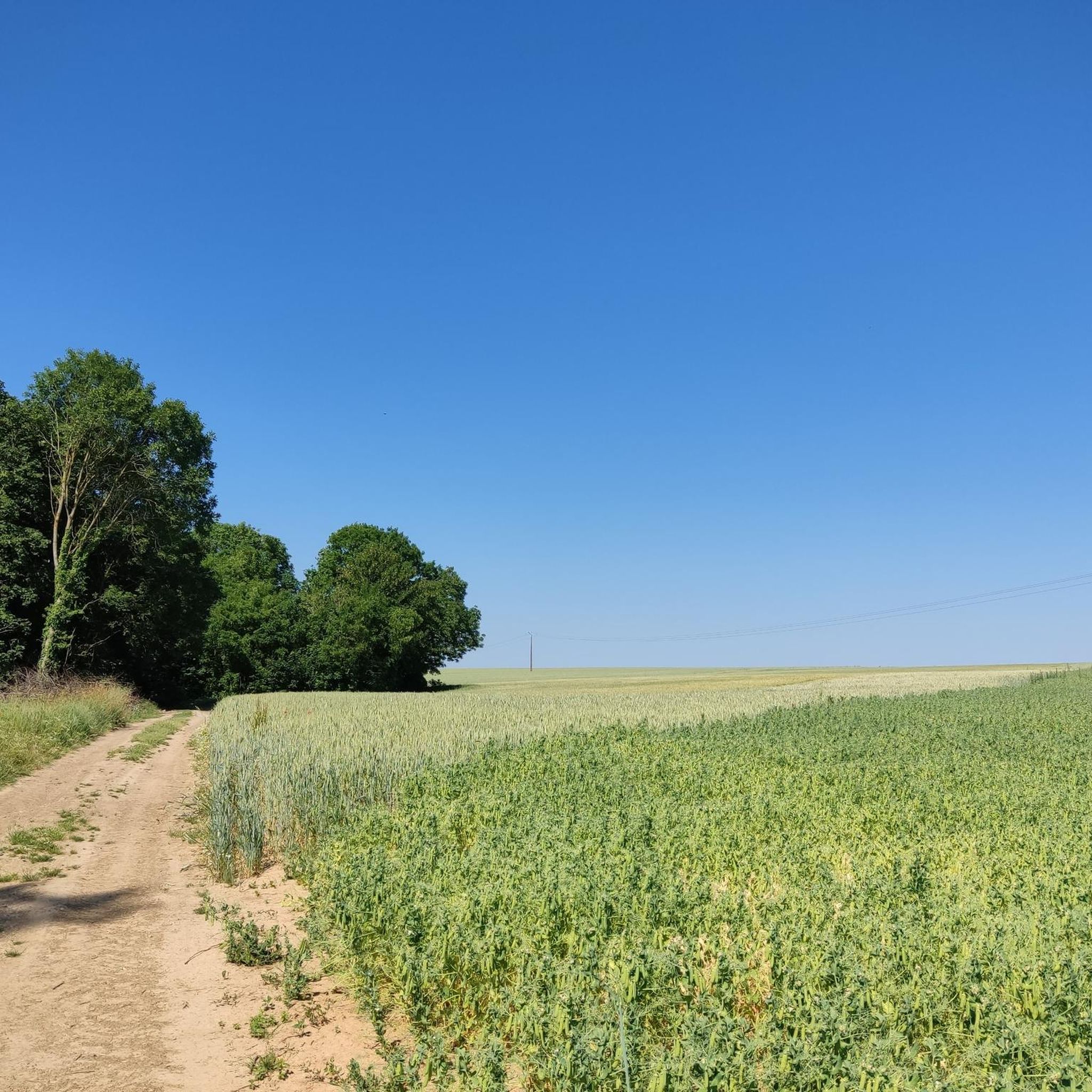
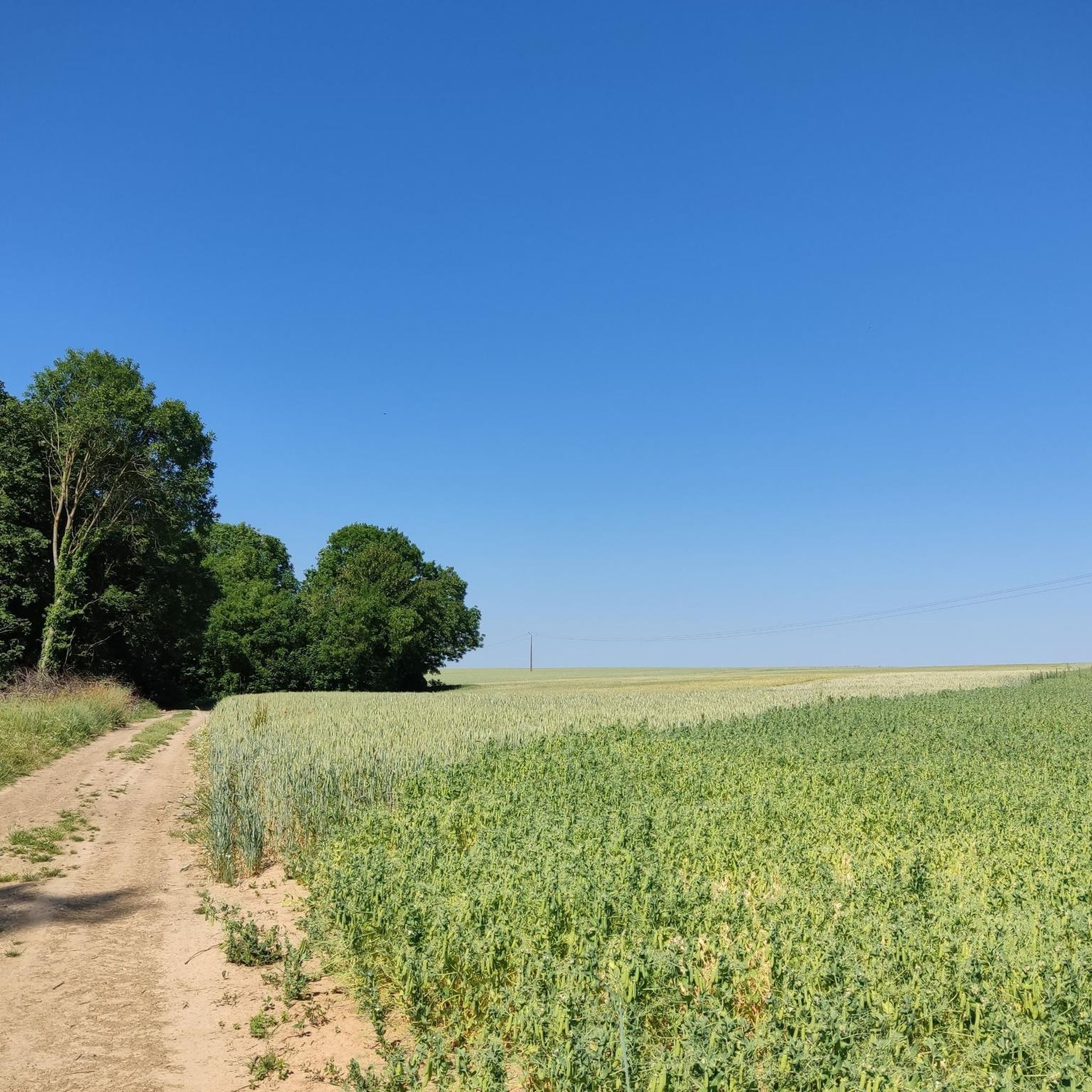
great hike on foot and by mountain bike. see hiking the mountains of Missy see you in 2025. To discover .
0
0

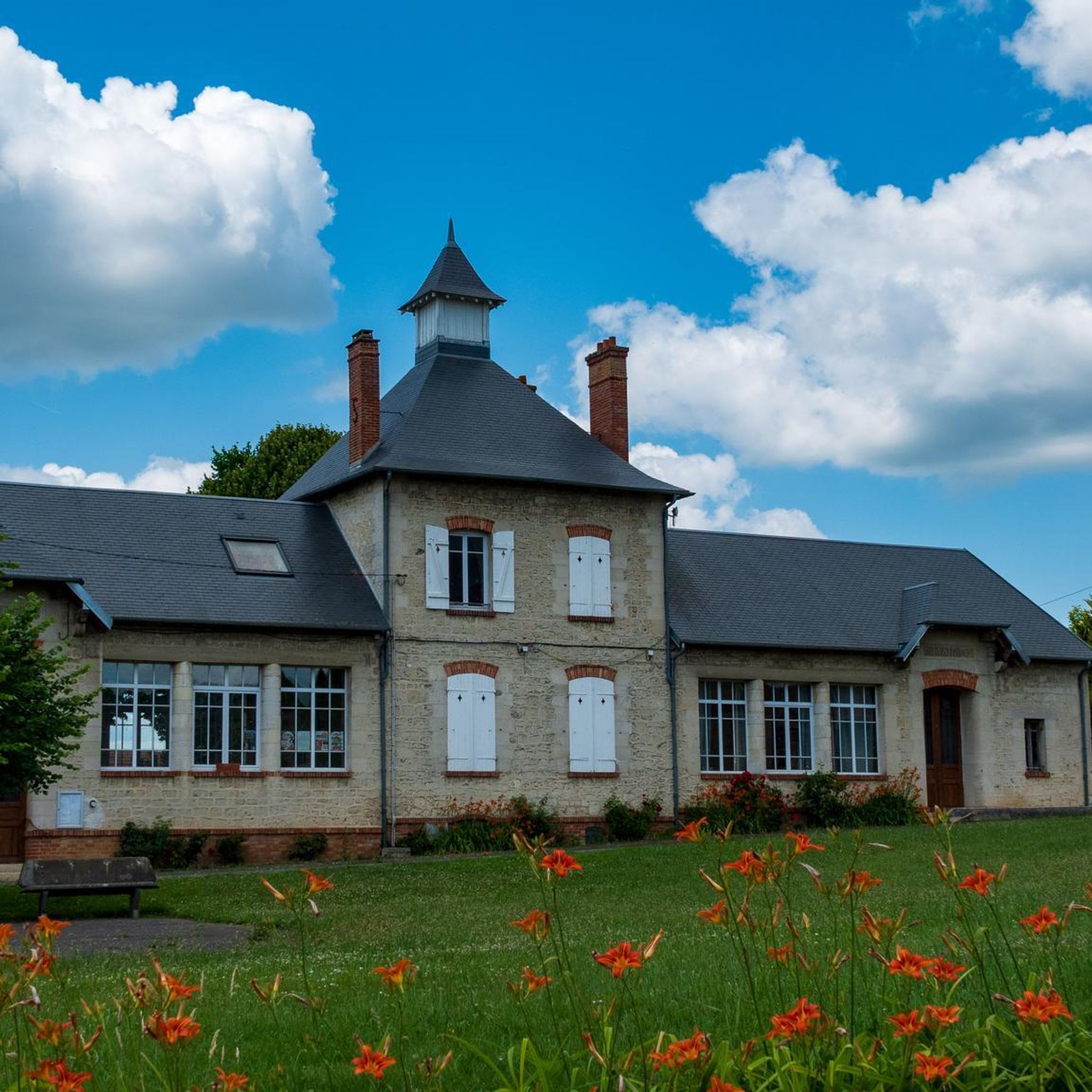
The Abbaye Saint-Jean-des-Vignes is a former abbey of Augustinian canons in Soissons, France. It was founded in 1076 by Hugues le Blanc, lord of the region, and was one of the richest abbeys in the Middle Ages at the time. The abbey is located on the Saint-Jean hill, southwest of the city center of Soissons and has a Gothic architecture. It is currently a historical monument and is open to visitors. It includes a beautiful facade, a refectory, a cloister and outbuildings. The former abbot's house houses the Center for the Interpretation of Architecture and Heritage.
9
0
This early Gothic cathedral, located in the heart of Soissons, was built from 1176 and continued to develop until the 14th century. Dedicated to the martyrs Gervasius and Protasius, it serves as the seat of the Bishop of Soissons. The oldest part is the southern transept, with a striking quadripartite structure and a rounded apse. The choir, completed around 1212, is light and spacious, surrounded by an ambulatory with five chapels. The stained glass windows date largely from the 13th and 14th centuries. A 15th-century tapestry depicts the lives of the patron saints. The west façade is simple but impressive, with three portals and a large rose window. Only one of the two planned towers was built; this southern tower, 66 metres high, was inspired by Notre-Dame de Paris . Inside, you will also find works of art by Rubens and Philippe de Champaigne. Despite damage during the First World War, the cathedral remained a powerful symbol of Gothic architecture and religious history in northern France.
9
0

Such places – usually referred to as "war cemeteries" or "military cemeteries" – are still very important today as memorials to the countless war dead. "Now let your servant, Lord, depart in peace, as you have promised..." reads the so-called "Song of Simeon" (Gospel of Luke, chapter 2, verse 29). The many people buried here, however, by no means departed in peace, but became victims of war and inhuman tyranny. The most important and at the same time eternal function of military or honor cemeteries, or war cemeteries, is therefore to keep the memory of this suffering alive and – every generation anew (!) – to admonish to the lasting preservation of peace.
0
0

The Cathedrale was badly damaged in WWI and bullet holes can still be found on the outside facade. Overall it appears to have been less restored than other structures of this magnitude and somewhat lacks refined architectural splendor, although its size is imposing.
2
0
In Soissons, the war was raging right in the city center and the river was the border. The monument to the British, who made an important contribution here, testifies to the great gratitude of the population for the brotherhood in arms. At the same time, it keeps the madness of this war in the public eye.
1
0
Frequently Asked Questions
What historical sites can I explore around Nanteuil-La-Fosse?
The region is rich in history. You can visit the Saint-Jean-des-Vignes Abbey in Soissons, a former Augustinian canons' abbey with impressive Gothic architecture. Another significant site is the Fort of Condé, a well-preserved 19th-century fortress offering guided tours. Within Nanteuil-La-Fosse itself, the Carrière Saint-Blaise (Saint-Blaise Quarry) is recognized as a historical monument, and the rebuilt Église Saint-Médard also holds local historical significance.
Are there any natural features or viewpoints to enjoy near Nanteuil-La-Fosse?
While Nanteuil-La-Fosse itself is a small commune, the surrounding area offers natural beauty, particularly along the Aisne River. The Suspension Bridge over the Aisne in Soissons provides panoramic views of the river and its banks. The green areas around the Fort of Condé also offer pleasant spots for relaxation amidst nature.
What outdoor activities are available near Nanteuil-La-Fosse?
The area around Nanteuil-La-Fosse is great for outdoor enthusiasts. You can find numerous routes for gravel biking, running, and mountain biking. For example, there are gravel biking routes like the 'Suspension bridge over the Aisne – Chateau du Fief Champėtre loop' and running trails such as the 'Tour Flagella loop from Missy-sur-Aisne'. You can explore more options on the dedicated komoot guides for Gravel biking around Nanteuil-La-Fosse, Running Trails around Nanteuil-La-Fosse, and MTB Trails around Nanteuil-La-Fosse.
Are there family-friendly attractions or activities in the area?
Yes, several attractions cater to families. The Fort of Condé is a great option, with its well-preserved structure and surrounding green areas perfect for picnics. The Suspension Bridge over the Aisne is a pleasant pedestrian walk offering scenic views. Additionally, the nearby Saint-Jean-des-Vignes Abbey often hosts exhibitions that can be engaging for older children.
What are some architectural highlights to see?
The region boasts significant architectural landmarks. The Saint-Jean-des-Vignes Abbey in Soissons is a prime example of Gothic architecture, featuring a grand facade, refectory, and cloister. Also in Soissons, the Soissons Cathedral is an early Gothic masterpiece with a striking southern transept and a light, spacious choir. The modern Suspension Bridge over the Aisne also stands out for its elegant design.
Can I find any war memorials or sites related to past conflicts?
Yes, the area has several sites commemorating past conflicts. Within Nanteuil-La-Fosse, you'll find a war memorial ('Monument aux morts') and a monument dedicated to the marine riflemen ('Monument des fusiliers marins'). In Soissons, the Soissons Memorial to the Missing of the Aisne commemorates nearly 4,000 British soldiers who died in the 1918 battles and have no known grave.
Are there any unique or 'hidden gem' attractions?
Beyond the main highlights, the Carrière Saint-Blaise (Saint-Blaise Quarry) in Nanteuil-La-Fosse offers a unique glimpse into local history as a recognized historical monument. For a different experience, consider exploring the extensive underground galleries of the Visite des carrières de Noyant in Septmonts, which reveal the history of limestone extraction.
What do visitors enjoy most about the attractions around Nanteuil-La-Fosse?
Visitors particularly appreciate the historical depth and the opportunities for outdoor exploration. The well-preserved Fort of Condé is often praised for its guided tours and pleasant surroundings. The architectural beauty of the Saint-Jean-des-Vignes Abbey and the scenic views from the Suspension Bridge over the Aisne are also highly rated by the komoot community.
Are there any gardens or pleasant green spaces to visit?
Yes, in Soissons, you can find Les Jardins De L'Abbaye, which offer a pleasant and tranquil setting for a stroll. Additionally, the area surrounding the Fort of Condé is noted for its beautiful green spaces, complete with benches and tables, ideal for relaxing.
Can I find information about the local heritage of Nanteuil-La-Fosse?
Nanteuil-La-Fosse itself offers insights into local heritage. The Église Saint-Médard, though rebuilt, represents the village's enduring history. The Carrière Saint-Blaise, a historical monument, speaks to the region's industrial past. For broader context, you can consult the Wikipedia page for Nanteuil-la-Fosse: Nanteuil-la-Fosse on Wikipedia.
What is the best time of year to visit Nanteuil-La-Fosse and its surroundings?
The region is generally pleasant for outdoor activities and sightseeing from spring through early autumn (April to October). During these months, the weather is typically mild, making it ideal for exploring historical sites, enjoying walks, and cycling. Summer offers the warmest temperatures, while spring and autumn provide beautiful scenery with fewer crowds.
Most popular routes around Nanteuil-La-Fosse

Get inspired with the komoot mobile app


Explore more
Still not found the Highlight you’re looking for? See guides of the top attractions in other regions:
