Attractions and Places To See around Plan-De-Cuques - Top 20
Best attractions and places to see around Plan-De-Cuques offers a tranquil setting within the Marseille agglomeration, serving as a base for exploring the wider Provence region. Situated at the foot of the Garlaban range, it provides opportunities for walks and hiking trails in natural landscapes. Its location allows for convenient access to numerous notable landmarks, natural features, and cultural sites in nearby Marseille and surrounding areas. The area combines local charm with extensive outdoor and cultural exploration possibilities.
Best attractions…
Last updated: August 16, 2026
Cathedral of Saint Mary Major, Marseille
Highlight • Religious Site
Translated by Google •
Tip by

Notre-Dame de la Garde Basilica
Highlight • Viewpoint
Translated by Google •
Tip by

Sign up now to discover places like this
Get recommendations on the best single tracks, peaks, & plenty of other exciting outdoor places.
Sign up for free
Old Port of Marseille
Highlight • Settlement
Translated by Google •
Tip by

Le Panier
Highlight • Restaurant
Translated by Google •
Tip by

Quai de Rive Neuve – Old Port of Marseille
Highlight • Historical Site
Translated by Google •
Tip by

Sign up for free to discover even more attractions around Plan-De-Cuques.
Sign up for free
Already have an account?
Start today with a free account
Your next adventure awaits.
Login or Signup

Tips from the Community

Very lively atmosphere with nice places to eat and have coffee, highly recommended
2
0

The Bustling Heart of Marseille For 2,600 years, the historic port has been the bustling heart of the city. The Vieux-Port still stands where the ancient Greek market once stood. Today, it is one of Marseille's most popular neighborhoods.
1
0
Around 620 to 600 BC, Greeks founded a permanently inhabited settlement (Apoikie) at this port thanks to a land donation from the Ligurian princes and called it Massalia (ancient Greek Мασσαλία, Latin Massilia), today's Marseille.
1
0
In the 7th century BC, Greek sea traders from Phocaea in Asia Minor regularly visited the southern coast of France near the mouth of the Rhone to trade with the Ligurian tribes. Tin, a component of bronze, was particularly sought after by the Greeks. In return, fine pottery and jewelry found their way into the homes of local princes. Sheltered landing sites were rare on the rugged and rocky coast, so they headed for the natural harbor of present-day Marseille, where the galleys were protected from wind and waves.
1
0
According to ancient legend, the city was founded when Greek sailors from Phocaea explored the Mediterranean coast. They landed on the shores of present-day Marseille on the day a Celtic king named Nann was seeking a husband for his daughter Gyptis. Gyptis was to offer a chalice to the chosen young man among the assembled men, whom she wished to marry. Surprisingly, it was Protis, the leader of the newcomers, to whom she handed the vessel. The two married, and Greeks and Celts jointly founded the settlement of Massalia.
1
0
Due to its location, Marseille enjoys a Mediterranean climate, which is very sunny and dry. This is also due to the often strong winds, especially the Mistral, which means that the climate can sometimes be harsh despite its southern location.
1
0
Marseille lies between 0 and 652 m above sea level (12 m at the official center of Noailles). The 240 square kilometer urban area (more than twice the size of Paris) encompasses not only built-up areas but also vast natural areas, primarily mountains. The city is bordered to the west by the Mediterranean Sea, to the north by the Chaîne de l'Estaque and Chaîne de l'Etoile mountain ranges (with the peak of l'Etoile as the city's highest point), to the east by the Garlaban Massif, to the southeast by the Saint-Cyr Massif, and to the south by the Massif des Calanques, again bordering the Mediterranean Sea.
1
0

The port area of Marseille is large and there is a lot going on. Lots of cafes, restaurants, boats, shops.
2
0
Frequently Asked Questions
What historical sites can I visit near Plan-De-Cuques?
Plan-De-Cuques is a great base for exploring numerous historical sites. You can visit the impressive Cathedral of Saint Mary Major, Marseille, a religious building right on the harbor. Another significant site is Fort Saint-Jean, a historic fort at the entrance to the Old Port, offering great views and classified as a historical monument. The nearby village of Allauch also features an Old Castle, providing a charming historic ambiance.
Where can I find panoramic views of Marseille and the surrounding area?
For breathtaking panoramic views, head to the Panoramic view of Marseille from the Notre-Dame de la Garde Basilica. This viewpoint sits atop a 160-meter-high hill, offering expansive vistas over the city, its port, and the Mediterranean Sea. It's particularly beautiful at sunset.
Are there family-friendly attractions around Plan-De-Cuques?
Yes, several attractions near Plan-De-Cuques are suitable for families. The Cathedral of Saint Mary Major, Marseille and the Notre-Dame de la Garde Basilica are both listed as family-friendly. The vibrant Old Port of Marseille is also a lively area for families to explore, with its fish market and charming streets.
What outdoor activities can I do near Plan-De-Cuques?
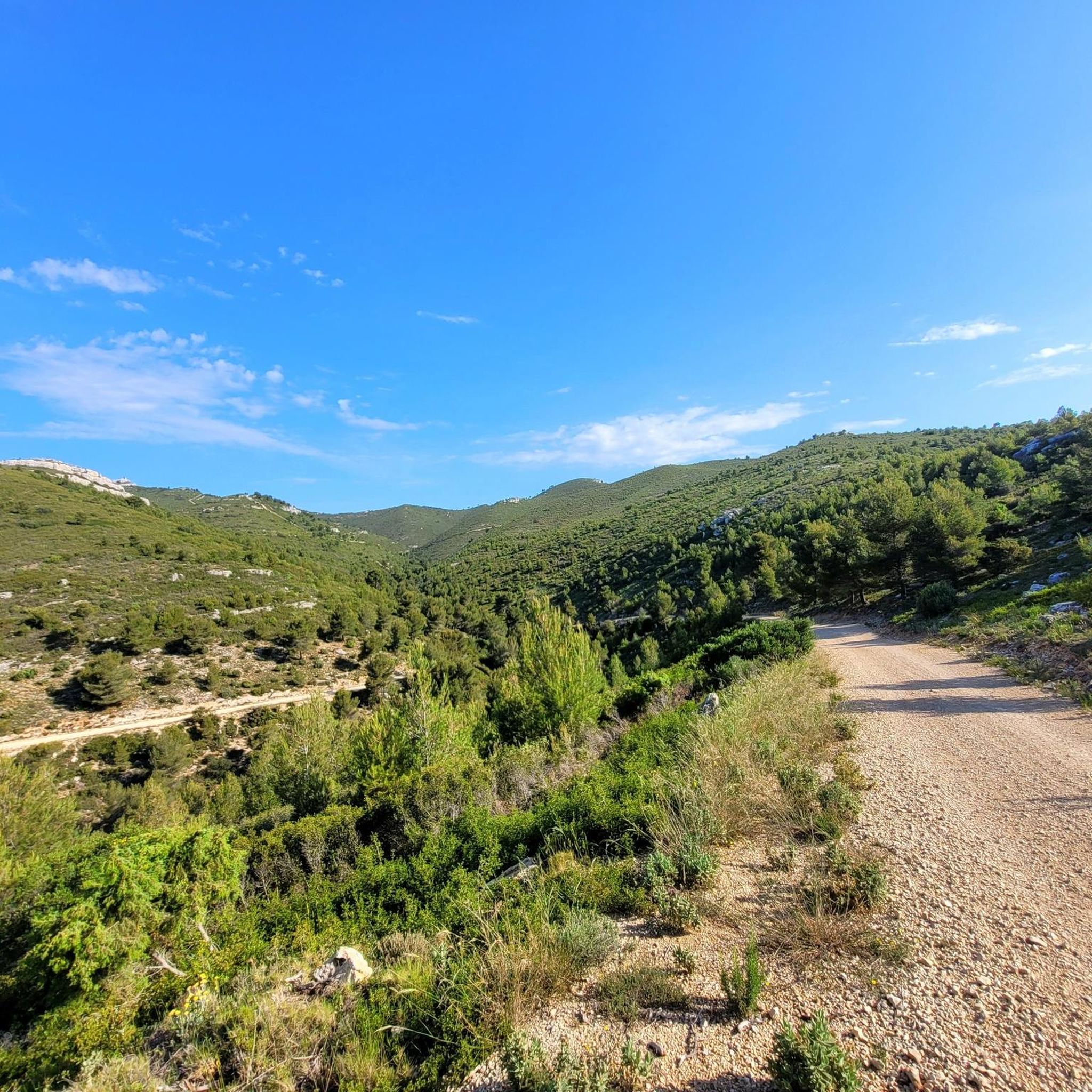
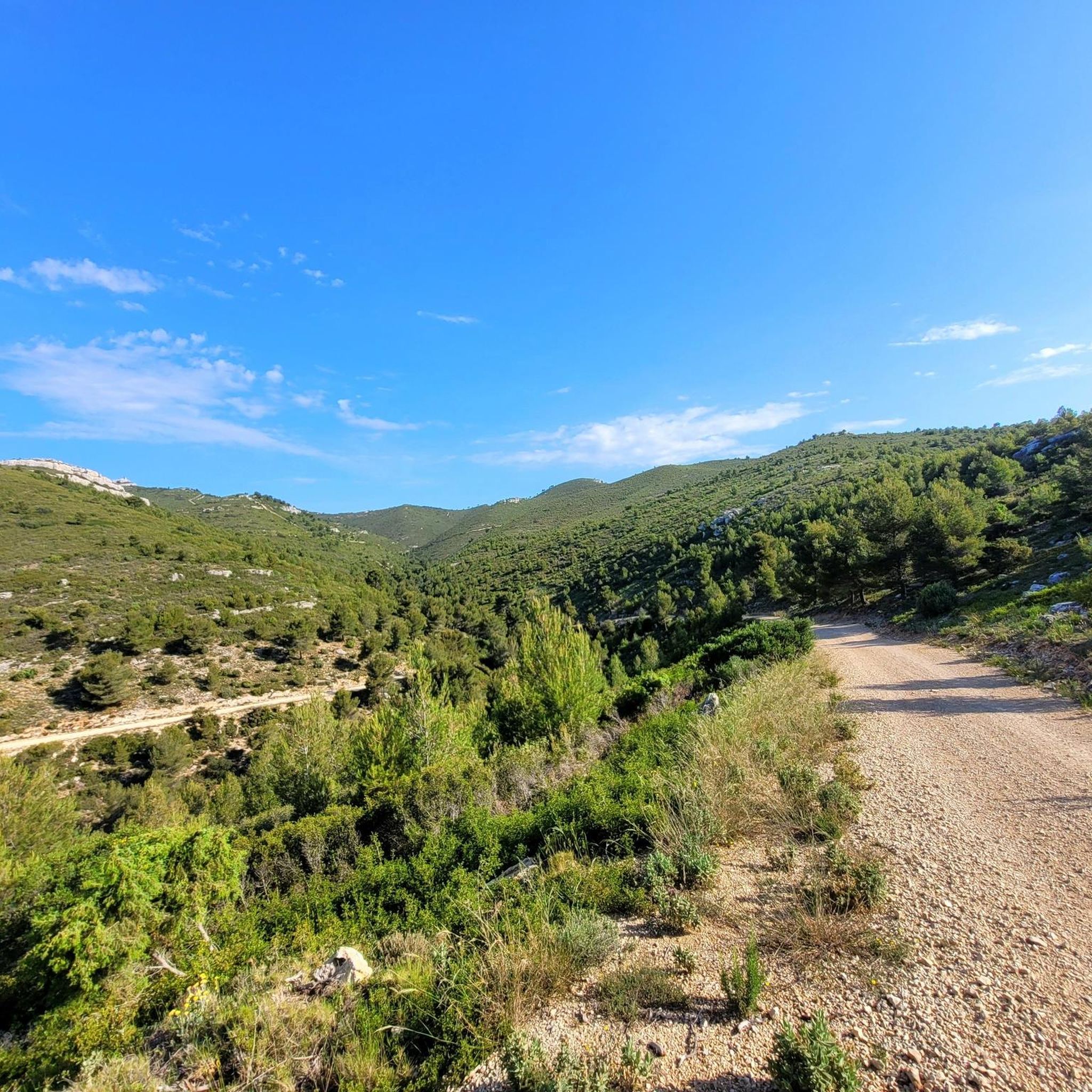
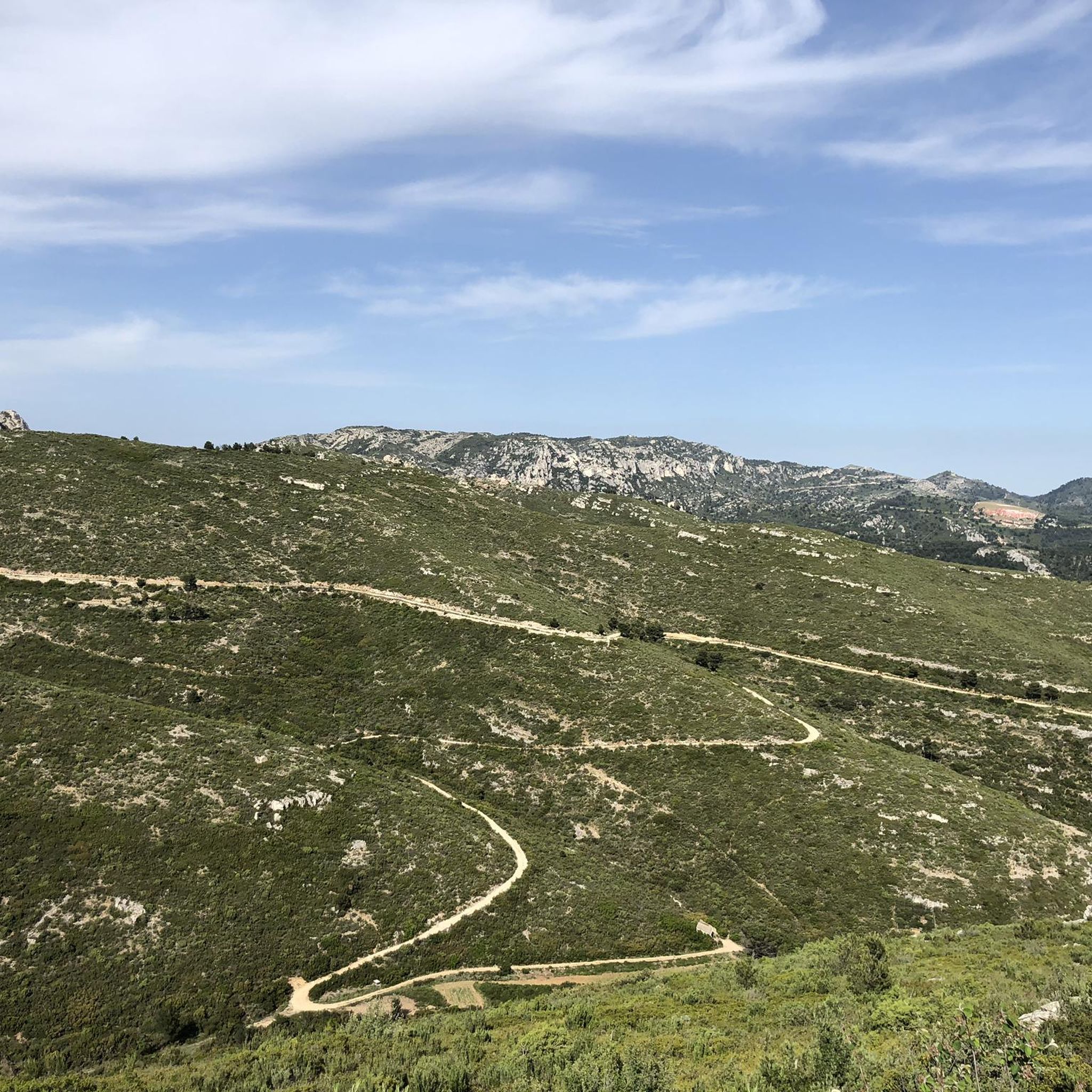
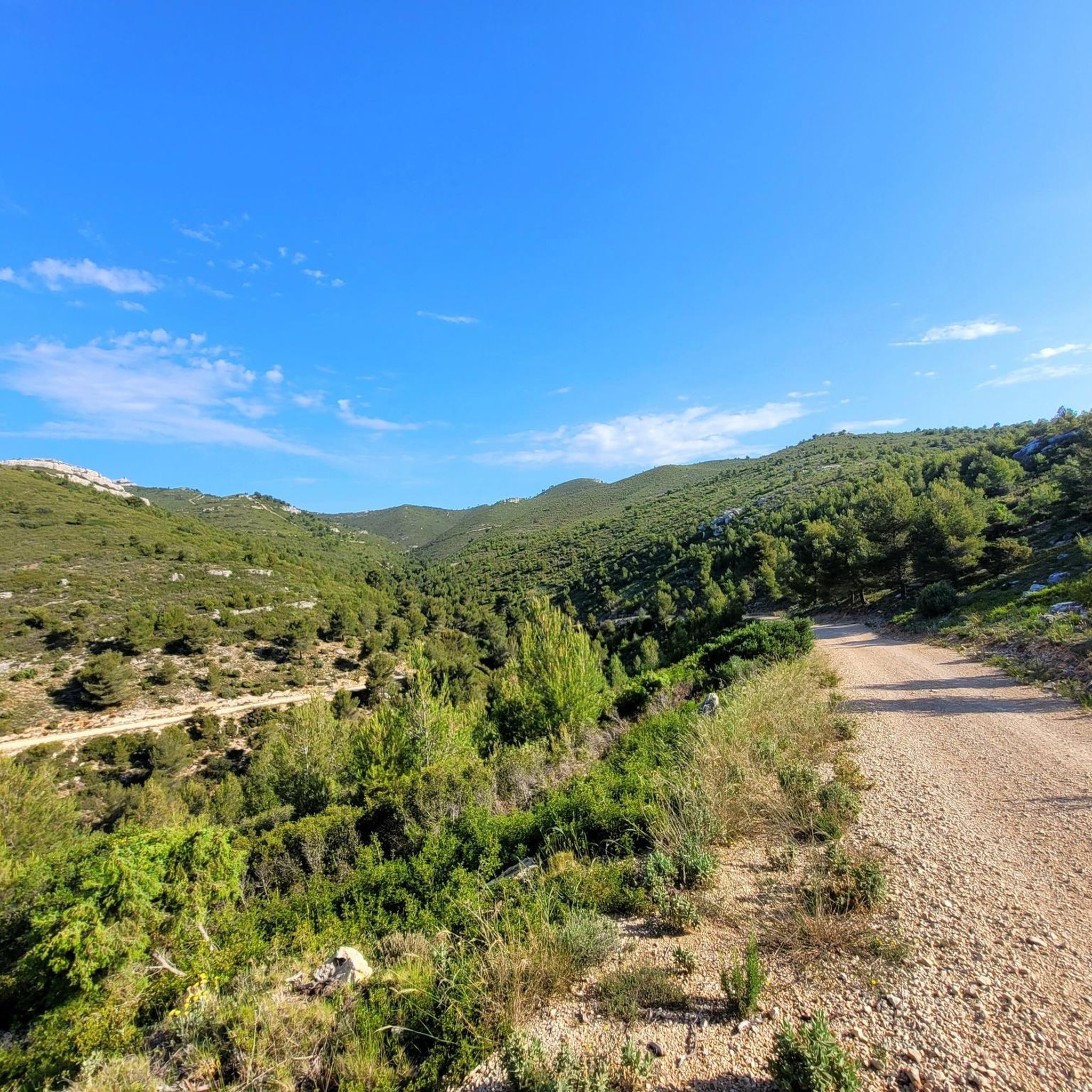
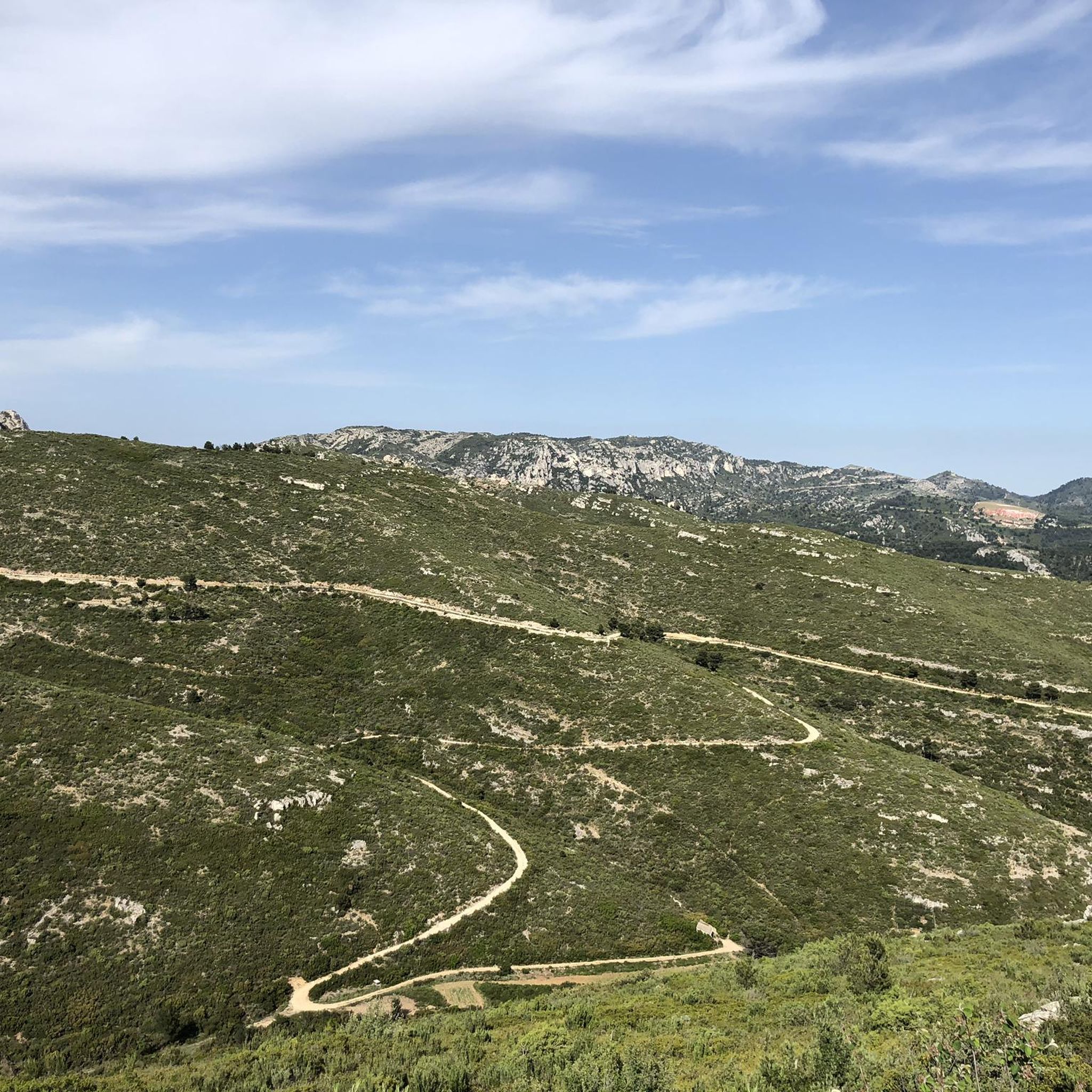
Situated at the foot of the Garlaban range, Plan-De-Cuques offers excellent opportunities for outdoor activities. You can find numerous walks and hiking trails in the unspoiled nature of Provence. For more structured routes, explore the hiking routes around Plan-De-Cuques, which include moderate options like the 'Hiking loop from Plan-de-Cuques'. There are also options for gravel biking and cycling in the wider area.
Where can I experience the natural landscapes around Plan-De-Cuques?
The Garlaban Range of Hills, located right at the foot of Plan-De-Cuques, is the primary natural feature. This area provides wonderful opportunities for walks and hiking, allowing you to immerse yourself in the Provençal countryside. It's also famously associated with the works of Marcel Pagnol, offering a chance to explore landscapes that inspired his stories.
What is the local ambiance like in Plan-De-Cuques itself?
Plan-De-Cuques offers a tranquil, residential ambiance within the larger Marseille agglomeration. It features local shops along its main street, providing a pleasant environment to experience daily local life. For recreation, the town has facilities like a boulodrome, tennis courts, and an open-air swimming pool.
Are there any cultural attractions close to Plan-De-Cuques?
Beyond historical sites, you can explore cultural attractions in nearby Marseille. The Museum of European and Mediterranean Civilisations (MuCEM) is an architecturally striking national museum by the sea, overlooking the Old Port. The historic district of Le Panier is also a cultural hub, known for its narrow streets, artists, and vibrant street art scene.
What do visitors particularly appreciate about the attractions near Plan-De-Cuques?
Visitors frequently praise the impressive architecture and historical significance of sites like the Cathedral of Saint Mary Major. The panoramic views from the Notre-Dame de la Garde Basilica are also highly appreciated, especially at sunset. The lively atmosphere of the Old Port of Marseille and the charm of historic districts like Le Panier are also popular among visitors.
When is the best time to visit Plan-De-Cuques for exploring attractions?
The region around Plan-De-Cuques, including Marseille, generally enjoys a Mediterranean climate. Spring (April-May) and early autumn (September-October) are often considered ideal, offering pleasant temperatures for exploring historical sites, enjoying panoramic views, and engaging in outdoor activities without the intense heat of summer.
Can I find local markets near Plan-De-Cuques?
Yes, you can explore local markets in Plan-De-Cuques itself and in nearby towns like Allauch, Marseille, and Aubagne. These markets are excellent places to discover regional produce, honey, sweets, and other Provençal specialties, offering a taste of local life and culture.
Are there opportunities for cycling or gravel biking around Plan-De-Cuques?
Absolutely. The area around Plan-De-Cuques provides various routes for both cycling and gravel biking. You can find challenging routes like the 'Gravel Road in Provence – View of Marseille loop' for gravel biking, or explore diverse cycling routes that offer scenic views and cover different distances and difficulties.
Most popular routes around Plan-De-Cuques
Most popular attractions around Plan-De-Cuques

Get inspired with the komoot mobile app


Explore more
Still not found the Highlight you’re looking for? See guides of the top attractions in other regions:
