The best running trails around Fieux
3.9
(10)
376
runners
53
runs
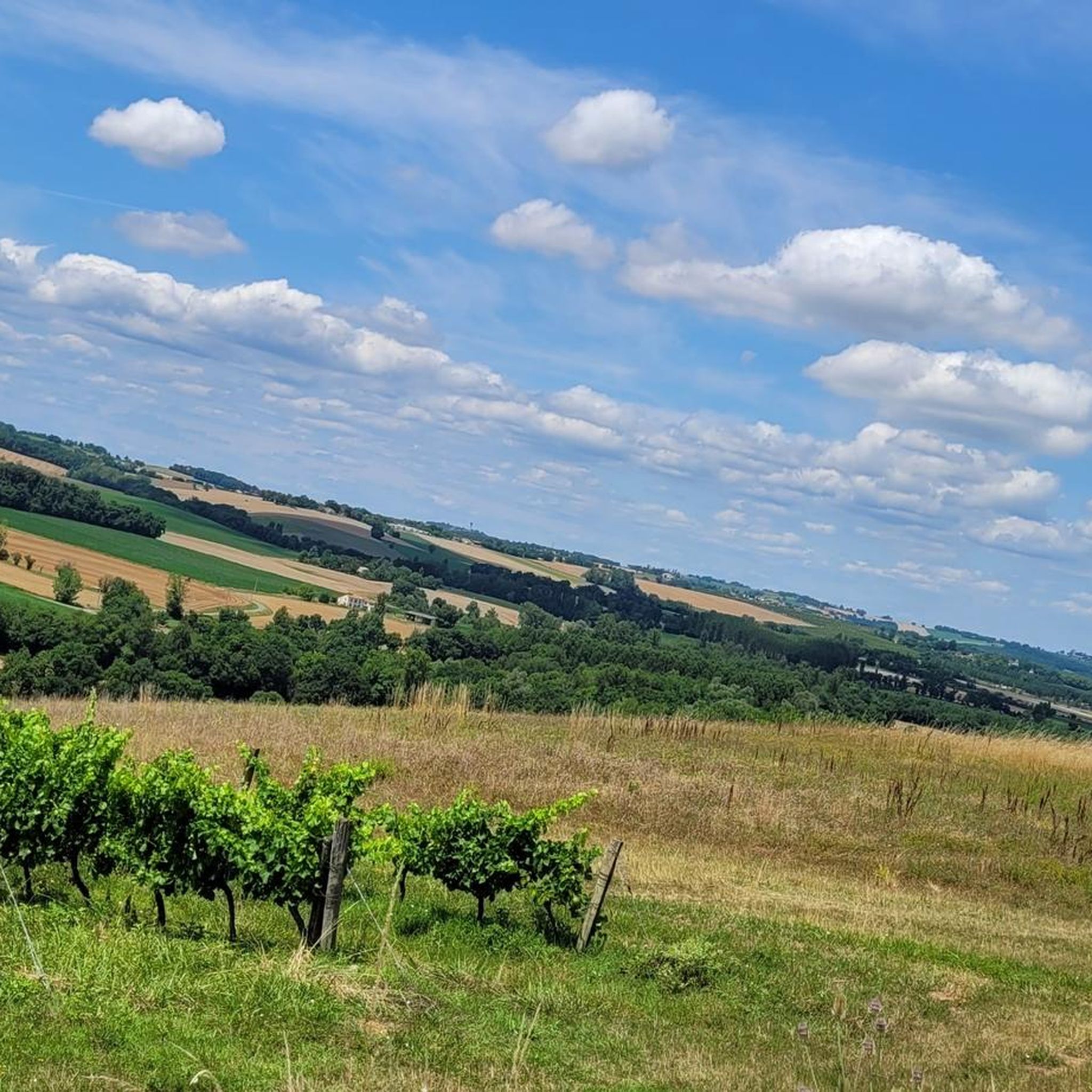
Jogging routes Fieux traverse a variable and rolling landscape, characterized by vineyards, orchards, forests, and sunflower fields. The area offers panoramic views from its higher points, reaching 189 meters above sea level. For those preferring flatter terrain, the Canal de la Garonne provides a path with lush green surroundings. This diverse topography ensures a dynamic experience for runners.
Best jogging routes around Fieux
- The most popular jogging route is View of Nérac – Nérac loop from Albret Communauté, an…
Last updated: June 29, 2026
14
runners
12.8km
01:24
70m
70m
Moderate run. Good fitness required. Mostly paved surfaces. Suitable for all skill levels.
2.0
(1)
11
runners
16.7km
01:50
160m
160m
Hard run. Very good fitness required. Mostly paved surfaces. Suitable for all skill levels.

Sign up for free
14
runners
6.45km
00:42
30m
30m
Moderate run. Good fitness required. Mostly paved surfaces. Suitable for all skill levels.
6
runners
13.3km
01:36
230m
230m
Moderate run. Good fitness required. Mostly paved surfaces. Suitable for all skill levels.
5
runners
10.4km
01:07
180m
180m
Moderate run. Good fitness required. Mostly paved surfaces. Suitable for all skill levels.
Get access to more routes and recommendations from other explorers.
Sign up for free
Already have an account?
Our route recommendations are based on thousands of hikes, rides, and runs completed by other people on komoot.
Start today with a free account
Your next adventure awaits.
Login or Signup

Tips from the Community

The Château Henri IV of Nérac, former residence of the lords of Albret, bears witness to the city's rich Renaissance past. Overlooking the Baïse, it was one of the living places of the future King Henri IV and remains today a must-see to discover the history of Albret.
0
0

Nérac Castle was founded in the 14th century, within a medieval town surrounded by walls and backing onto the Baïse River. Beginning in 1491, Alain d'Albret modernized this first tower and had three wings built. The west wing included the drawbridge and service rooms, the north wing housed Jeanne d'Albret's apartments, and the east wing constituted the main building of the castle. It was in this castle that Marguerite de Navarre, sister of Francis I and author of the Heptaméron, lived. A committed humanist, she brought Jacques Lefèvre d'Étaples, nicknamed the French Erasmus, to Nérac. Jeanne d'Albret, her daughter, was also sensitive to the ideas of her time and brought Théodore de Bèze to her court, before converting to Protestantism. It was in this context that Henry III of Navarre, the future King Henry IV, lived. He lived in this château for about ten years with Queen Marguerite de Valois, known as Queen Margot. The latter was responsible for the creation of the 3000-Step Avenue in the Parc de la Garenne, along the Baïse. This avenue, punctuated over the years with new fountains, was then surrounded by walls and accessible from the château by a bridge. The years following the assassination of Henri IV by Ravaillac in 1610 marked the decline of the château, first due to royal reprisals against Protestants and then due to the destruction caused by the French Revolution in 1793, when the château was declared national property. After the revolutionary destruction, only the north wing of the château remained, with its twisted columns so characteristic of the Renaissance style. The château was divided into lots and inhabited by several owners. Gradually, the municipality became interested in restoring the château, and a restoration project was drawn up by Eugène Viollet-le-Duc, whose sketches are on display in the museum. However, it wasn't until 1925 that the city became the owner of the entire building and began a restoration project to house the municipal museum. Since then, the royal residence and writer's home, the Château-Musée Henri IV, has offered visitors a permanent exhibition dedicated to Henri IV and the d'Albret family on the first floor, and the art of living during the Renaissance on the ground floor through various themes.
0
0

Nestled on the banks of the Baïse River, Nérac offers a peaceful atmosphere. Formerly the residence of Henry of Navarre, the future Henry IV, the town preserves a rich heritage with its castle, cobbled streets, and half-timbered houses.
0
0

Nérac is, like Amboise, a royal city insofar as the commune is the fief of the lords of Albret who became king of Navarre in the 15th century. It is also the epicentre of Protestantism. After the massacre of Saint Bartholomew, a treaty between the two religions was born in this city. This is the Edict of Nérac which restored rights for Protestants. It was signed on 28 February 1579 between King Henry III and the religionists. After the death of Henry III in 1589, the city lost its influence, because having no descendants, it was Henri de Navarre-Bourbon-Albret who became king of France under the name of Henri IV. It is then said that when the doors of Paris opened to Henry, those of fame closed for Nérac.
3
0

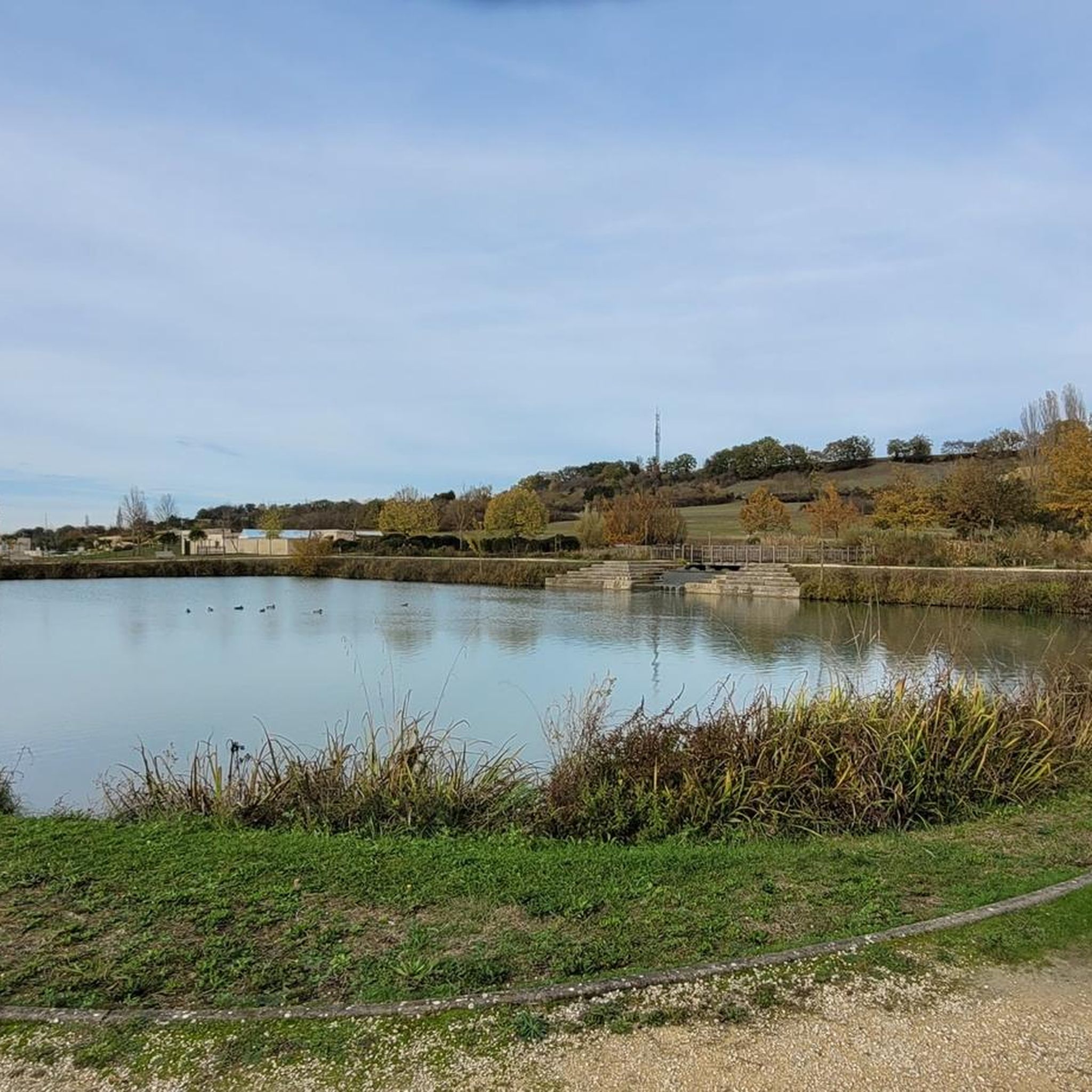
The visit to Nérac revolves around its navigable river, the Baïse. From the Saint-Nicolas church or the Petit Nérac viewpoint, you can see the port, the Old Bridge and the tanneries which today house an art gallery and restaurants. The walk takes place along the streets (Maison des Conferences, Château d'Henri IV and its museum) and in the Royal Park of La Garenne redesigned by Queen Margot, wife of Henri IV.
1
0

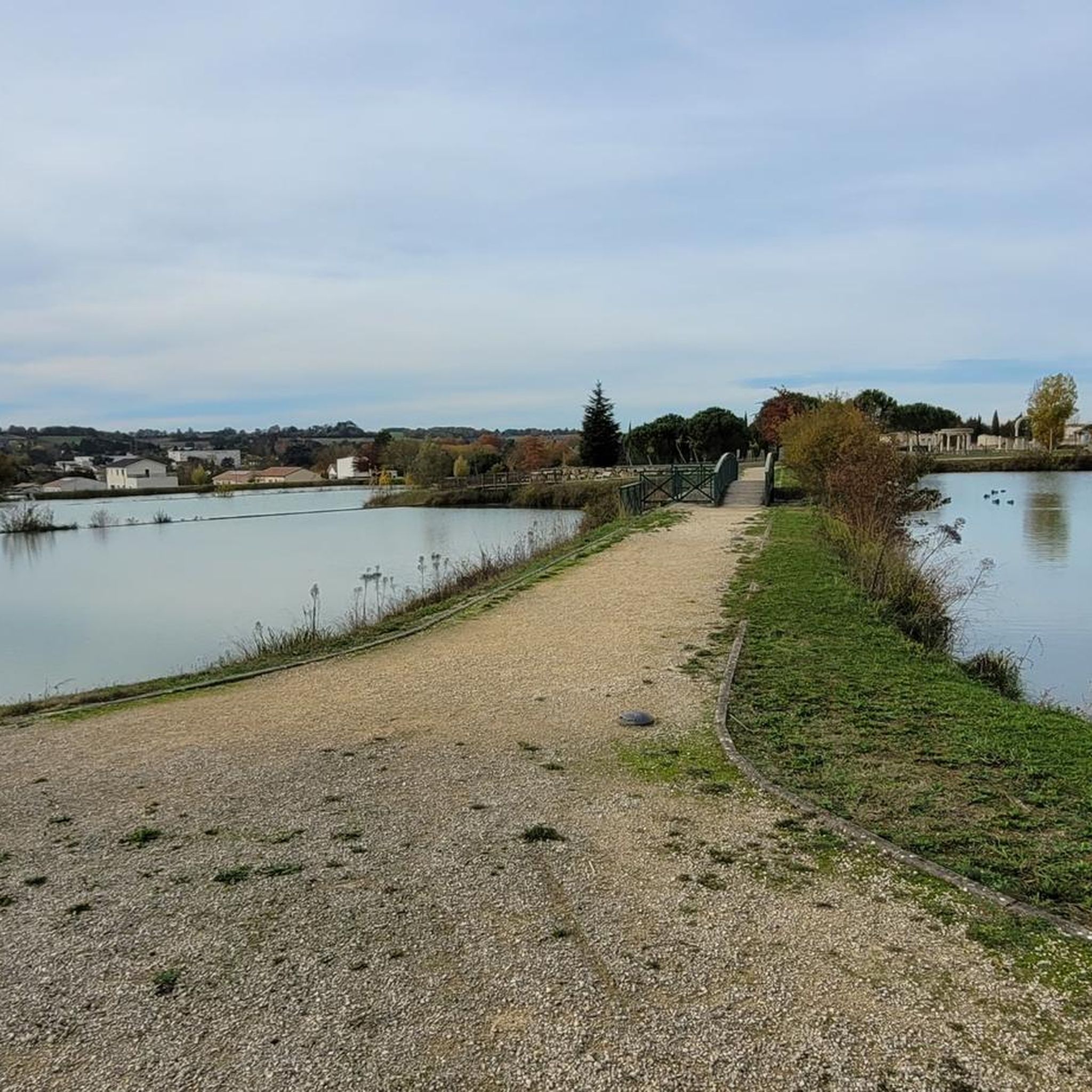
Route consists of both gravel and asphalt as a concrete track, it is best to take into account the choice of tires there if you go out by bike!
1
0

The quays of the Baïse still have the descents used for loading and unloading barges.
3
0
Frequently Asked Questions
How many jogging routes are available around Fieux?
Fieux offers a diverse network of over 45 running routes. These include options for various skill levels, with 5 easy trails, 36 moderate paths, and 7 more challenging routes, ensuring there's something for every runner.
What do other runners enjoy most about the trails in Fieux?
The running trails in Fieux are highly rated by the komoot community, with an average score of 4.1 stars. Runners frequently praise the area's variable and rolling landscape, which features picturesque vineyards, orchards, forests, and sunflower fields. Many also appreciate the panoramic views from higher points and the contrasting flat paths along the Canal de la Garonne.
Are there easy running routes suitable for beginners in Fieux?
Yes, Fieux has 5 easy running routes perfect for beginners or those looking for a more relaxed pace. For a particularly gentle experience, consider the paths along the Canal de la Garonne, known for their flat terrain and lush green environment. An example of an easy route is the Running loop from Saint-Vincent-de-Lamontjoie.
Can I find circular jogging routes in Fieux?
Absolutely. Many of the running routes in Fieux are circular, allowing you to start and finish at the same point. For instance, the View of Nérac – Nérac loop from Albret Communauté is a popular circular option, offering scenic views over the countryside.
Are there any scenic running routes with viewpoints in Fieux?
Fieux is known for its scenic beauty and panoramic views. From its highest point at 189 meters above sea level, you can enjoy magnificent vistas. Routes like the View of Nérac loop from Albret Communauté specifically highlight these panoramic views and lush surroundings.
What kind of landscapes can I expect to see while jogging in Fieux?
Jogging in Fieux offers a diverse visual experience. You'll traverse a variable and rolling landscape, characterized by extensive vineyards, fruit orchards, dense forests, and vibrant sunflower fields. The area also features the tranquil, flat paths along the Canal de la Garonne, often described as 'little Tuscany'.
Are there any historical landmarks or attractions near the running trails in Fieux?
While jogging in Fieux, you can encounter several historical elements. The village itself boasts a 19th-century church and a town hall housed in a former 13th-century castle. Nearby, you can explore attractions such as the Nérac Old Town and Château d'Henri IV, the Port of Nérac, and the Stone Bridge and Quai de la Baïse.
Where can I find more detailed information about the Fieux region?
For more information about the Fieux region, including local attractions and activities, you can visit the official Albret Tourisme website: albret-tourisme.com. The Tourist Office in Nérac also provides a comprehensive guide with 400 additional routes.
Are there any longer distance running trails available in Fieux?
Yes, Fieux offers several longer running trails for those looking to cover more distance. For example, the Running loop from Saumont is an 8.3-mile (13.3 km) trail that takes you through rolling landscapes and forests, typically completed in about 1 hour 36 minutes.
What is the best time of year for jogging in Fieux?
Fieux's diverse landscapes, including sunflower fields and orchards, suggest that spring, summer, and early autumn offer particularly beautiful conditions for jogging. The 'lush green environment' along the Canal de la Garonne would be enjoyable in warmer months, while the rolling landscapes and forests provide varied scenery year-round.
Are there any running routes that are less crowded in Fieux?
While specific crowd levels can vary, exploring some of the less-trafficked routes or visiting during off-peak hours can offer a more secluded experience. The region has a wide network of trails, so venturing slightly off the most popular paths, such as the Running loop from Laplume, might provide a quieter run.
Most popular attractions around Fieux

Get inspired with the komoot mobile app


Explore more
Browse the best Running Trails & Routes in other regions.
