The best MTB trails around Fieux
4.5
(27)
172
riders
33
rides
Mountain bike trails around Fieux, located in the Lot-et-Garonne department of France, traverse a landscape characterized by rolling hills, agricultural fields, and scattered woodlands. The region features a mix of quiet country roads and paths that connect small villages and historic sites. Elevation changes are moderate, offering varied terrain suitable for mountain biking. This area provides a rural setting for exploring the French countryside on two wheels.
Best mountain bike trails around Fieux
- The most popular mountain bike trail is…
Last updated: June 26, 2026
4.0
(10)
46
riders
43.2km
03:20
650m
650m
Moderate mountain bike ride. Good fitness required. Advanced riding skills necessary.
5.0
(1)
20
riders
49.5km
04:16
850m
850m
Moderate mountain bike ride. Good fitness required. Advanced riding skills necessary.

Sign up for free
7
riders
44.2km
03:26
530m
530m
Moderate mountain bike ride. Good fitness required. Advanced riding skills necessary.
17
riders
52.9km
04:16
770m
770m
Moderate mountain bike ride. Good fitness required. Advanced riding skills necessary.
2
riders
19.6km
01:31
280m
280m
Moderate mountain bike ride. Great for any fitness level. Advanced riding skills necessary.
Get access to more routes and recommendations from other explorers.
Sign up for free
Already have an account?
Our route recommendations are based on thousands of hikes, rides, and runs completed by other people on komoot.
Start today with a free account
Your next adventure awaits.
Login or Signup


Tips from the Community

The Sainte-Marie de Moirax church is the most remarkable vestige of the former Cluniac priory founded in the 11th century. Classified as a Historic Monument, it preserves superb Romanesque architecture, with its sculpted portal, finely worked capitals, and imposing nave.
0
0
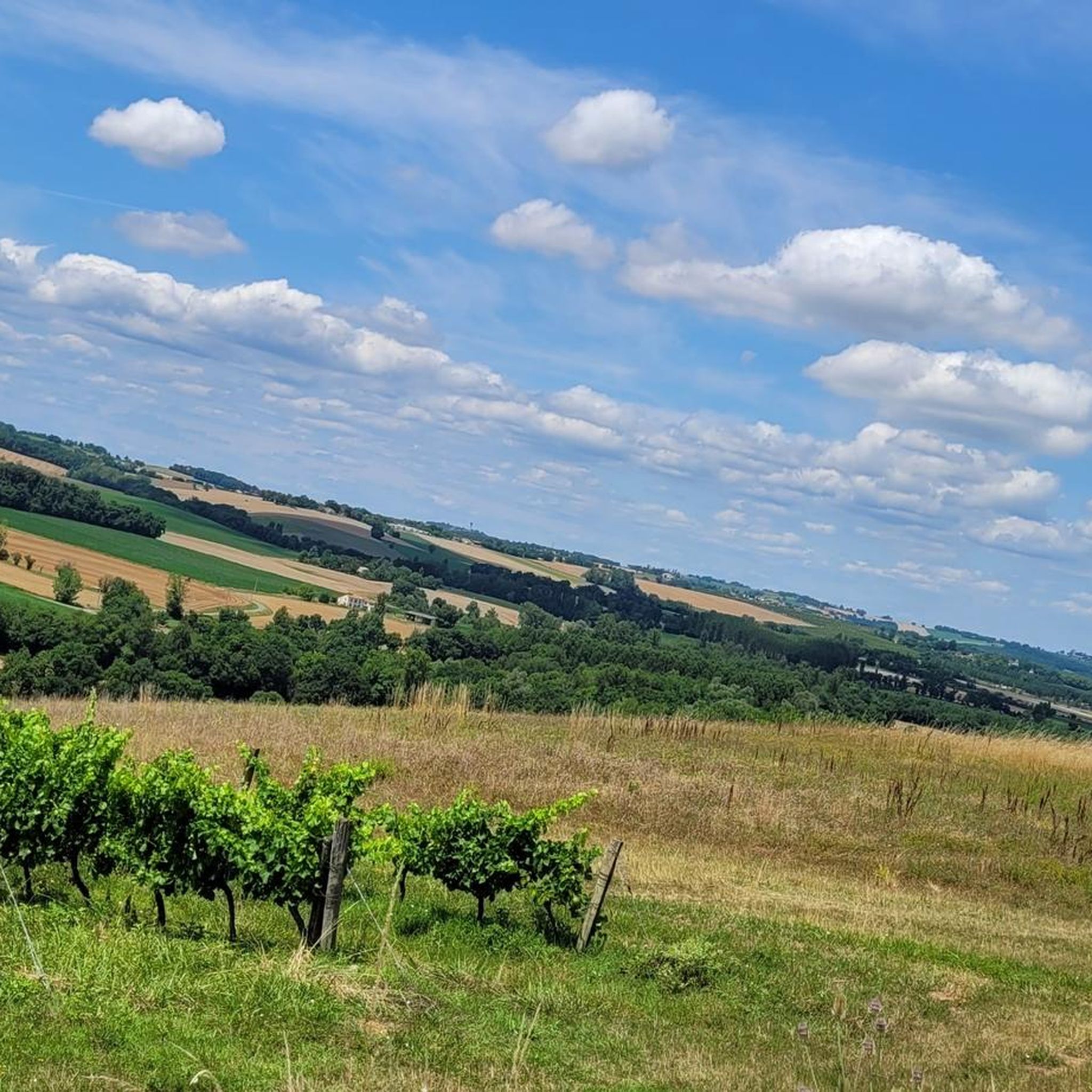
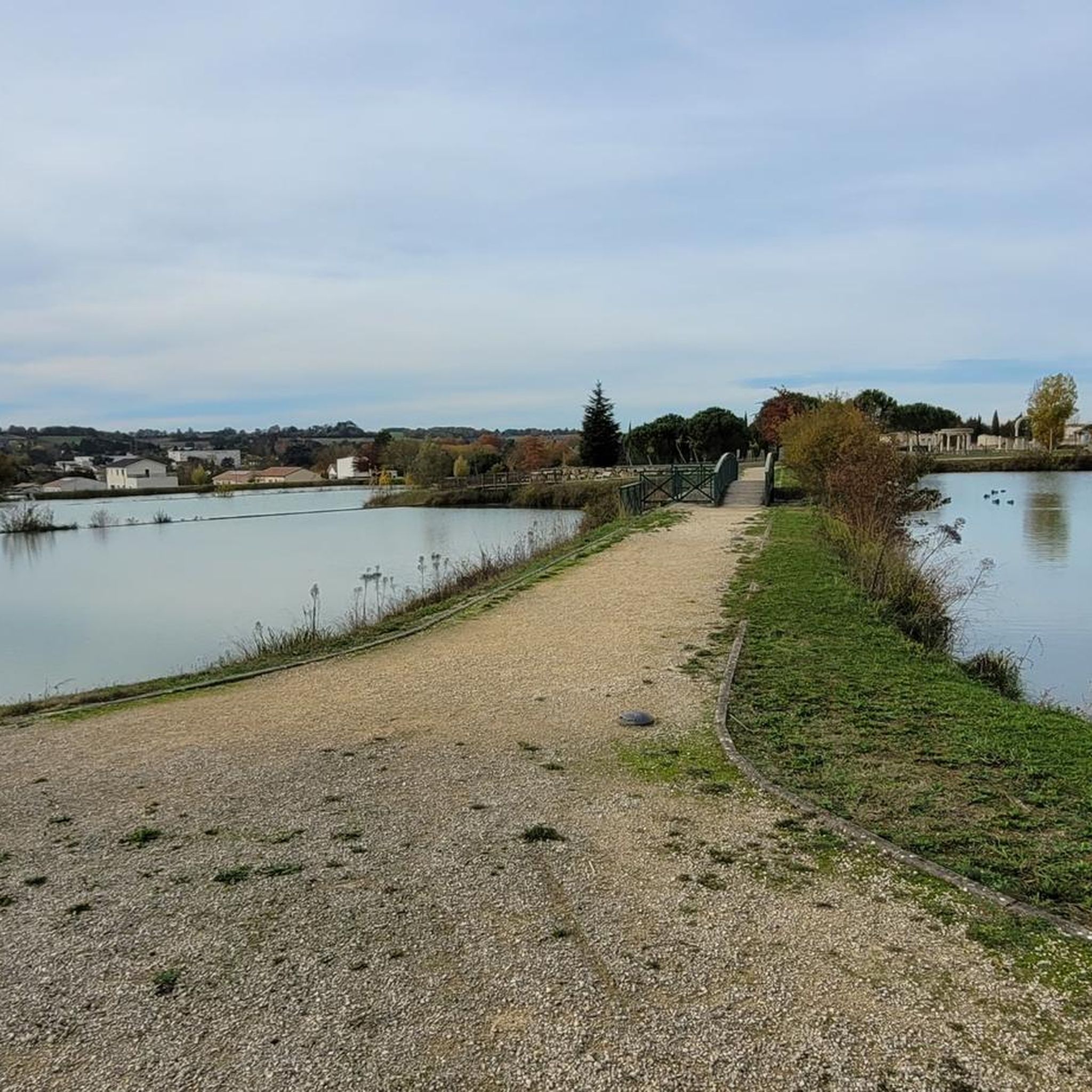
Here, you cycle through fields, with a few ponds here and there. In good weather, the panorama and the colours are truly magnificent!
0
0
Moirax is one of the most beautiful villages in Lot-et-Garonne. Perched on a hill overlooking the Garonne valley, it is best known for its remarkable Cluniac priory founded in the 11th century. Its narrow streets lined with stone houses, its viewpoints over the Agenais hills, and the peaceful atmosphere around the abbey church make it a charming stopover.
0
0

The Château Henri IV of Nérac, former residence of the lords of Albret, bears witness to the city's rich Renaissance past. Overlooking the Baïse, it was one of the living places of the future King Henri IV and remains today a must-see to discover the history of Albret.
0
0


Nérac Castle was founded in the 14th century, within a medieval town surrounded by walls and backing onto the Baïse River. Beginning in 1491, Alain d'Albret modernized this first tower and had three wings built. The west wing included the drawbridge and service rooms, the north wing housed Jeanne d'Albret's apartments, and the east wing constituted the main building of the castle. It was in this castle that Marguerite de Navarre, sister of Francis I and author of the Heptaméron, lived. A committed humanist, she brought Jacques Lefèvre d'Étaples, nicknamed the French Erasmus, to Nérac. Jeanne d'Albret, her daughter, was also sensitive to the ideas of her time and brought Théodore de Bèze to her court, before converting to Protestantism. It was in this context that Henry III of Navarre, the future King Henry IV, lived. He lived in this château for about ten years with Queen Marguerite de Valois, known as Queen Margot. The latter was responsible for the creation of the 3000-Step Avenue in the Parc de la Garenne, along the Baïse. This avenue, punctuated over the years with new fountains, was then surrounded by walls and accessible from the château by a bridge. The years following the assassination of Henri IV by Ravaillac in 1610 marked the decline of the château, first due to royal reprisals against Protestants and then due to the destruction caused by the French Revolution in 1793, when the château was declared national property. After the revolutionary destruction, only the north wing of the château remained, with its twisted columns so characteristic of the Renaissance style. The château was divided into lots and inhabited by several owners. Gradually, the municipality became interested in restoring the château, and a restoration project was drawn up by Eugène Viollet-le-Duc, whose sketches are on display in the museum. However, it wasn't until 1925 that the city became the owner of the entire building and began a restoration project to house the municipal museum. Since then, the royal residence and writer's home, the Château-Musée Henri IV, has offered visitors a permanent exhibition dedicated to Henri IV and the d'Albret family on the first floor, and the art of living during the Renaissance on the ground floor through various themes.
0
0

Nestled on the banks of the Baïse River, Nérac offers a peaceful atmosphere. Formerly the residence of Henry of Navarre, the future Henry IV, the town preserves a rich heritage with its castle, cobbled streets, and half-timbered houses.
0
0

Frequently Asked Questions
How many mountain bike trails are available around Fieux?
There are over 30 mountain bike trails around Fieux listed on komoot. These routes offer a variety of experiences across the region's rolling hills and agricultural landscapes.
What types of mountain bike trails can I expect in the Fieux area?
The Fieux area offers a mix of trail difficulties. You'll find options ranging from easy routes suitable for beginners to more challenging paths. The majority of trails are classified as moderate, providing varied terrain through quiet country roads and woodlands.
Are there any easy mountain bike trails suitable for beginners near Fieux?
Yes, there is at least one easy mountain bike trail available around Fieux. While most routes are moderate, beginners can find suitable options to enjoy the French countryside on two wheels.
What is the best time of year for mountain biking in Fieux?
Given the region's climate, spring and autumn generally offer the most pleasant conditions for mountain biking in Fieux, with milder temperatures and less chance of extreme heat or heavy rainfall. Summer can also be suitable, especially during early mornings or late afternoons.
What are the typical lengths and durations of mountain bike trails around Fieux?
Trail lengths vary, but many popular routes are between 20 to 50 kilometers (12 to 31 miles). For example, the Estillac – Roquefort Castle loop from Laplume is 43.2 km (26.8 miles) and typically takes around 3 hours 20 minutes. A more challenging route like the Notre-Dame Church of Moirax – Église de Moirax loop from Lamontjoie is 51.2 km (31.8 miles) and can take over 4 hours.
What do other mountain bikers say about the trails in Fieux?
The mountain bike routes around Fieux are highly rated by the komoot community, with an average score of 4.5 stars from over 30 reviews. Users often appreciate the rural setting, the mix of quiet country roads, and the opportunity to connect small villages and historic sites.
Are there any mountain bike trails that pass by historical sites or landmarks near Fieux?
Yes, several routes offer glimpses of local history. For instance, the Estillac – Roquefort Castle loop from Laplume passes by the historic Roquefort Castle. Another route, the Château de Nérac – Nérac loop from Nérac, leads through the scenic surroundings of Nérac and its château.
What are some interesting places to explore near Fieux after a mountain bike ride?
Beyond the trails, you can explore several nearby attractions. Nérac, about 9 km away, offers the Old Town and Château d'Henri IV, the Port of Nérac, and the Parc de la Garenne. Other notable sites include Barbaste with its 13th-century fortified mill, and Condom, known for its cathedral and historic center.
Are there any mountain bike trails that are less crowded around Fieux?
Fieux is a small village, and the region is characterized by a rural setting. Many of the trails traverse quiet country roads and paths, suggesting a generally less crowded experience compared to more prominent mountain biking destinations. Routes like the Mountainbike loop from Saint-Vincent-de-Lamontjoie offer a peaceful ride through the countryside.
What kind of terrain can I expect on mountain bike trails in the Fieux region?
The terrain around Fieux is characterized by rolling hills, agricultural fields, and scattered woodlands. You'll encounter a mix of quiet country roads and paths, with moderate elevation changes that provide varied riding experiences without extreme climbs.
Are there any mountain bike trails that offer good viewpoints in the Fieux area?
While specific viewpoints are not highlighted, the rolling hills and agricultural landscapes of the Fieux region naturally offer scenic vistas across the French countryside. Many routes provide open views as you traverse the varied terrain, such as the Château Barbe loop from Calignac.
Most popular attractions around Fieux

Get inspired with the komoot mobile app


Explore more
Browse the best MTB trails in other regions.
