Attractions and Places To See around Clérieux - Top 20
Best attractions and places to see around Clérieux include a blend of historical sites, natural landscapes, and cultural experiences. This town in the Drôme department of France is situated in the Herbasse valley, offering insights into its medieval past and Gallo-Roman origins. The surrounding area provides opportunities for outdoor activities and exploration of unique geological features. Visitors can discover a variety of attractions, from historical monuments to scenic cycling paths.
Best attractions and places to see around Clérieux
- The most…
Last updated: July 6, 2026
Passerelle Marc-Seguin
Highlight • Bridge
Translated by Google •
Tip by

Marc Seguin Suspension Bridge (Pont Suspendu Marc Seguin)
Highlight • Bridge
Translated by Google •
Tip by
Sign up now to discover places like this
Get recommendations on the best single tracks, peaks, & plenty of other exciting outdoor places.
Sign up for free
ViaRhôna: Riverside Path Between Orchards and Vineyards
Highlight (Segment) • Cycleway
Translated by Google •
Tip by

Saint Christopher's Chapel
Highlight • Other
Protected elements:
Chapel Saint-Christophe:
13th Century
Property of a private individual.
Translated by Google •
Tip by

Historic centre of Romans-sur-Isère
Highlight • Settlement
Translated by Google •
Tip by

Sign up for free to discover even more attractions around Clérieux.
Sign up for free
Already have an account?
Start today with a free account
Your next adventure awaits.
Login or Signup

Tips from the Community

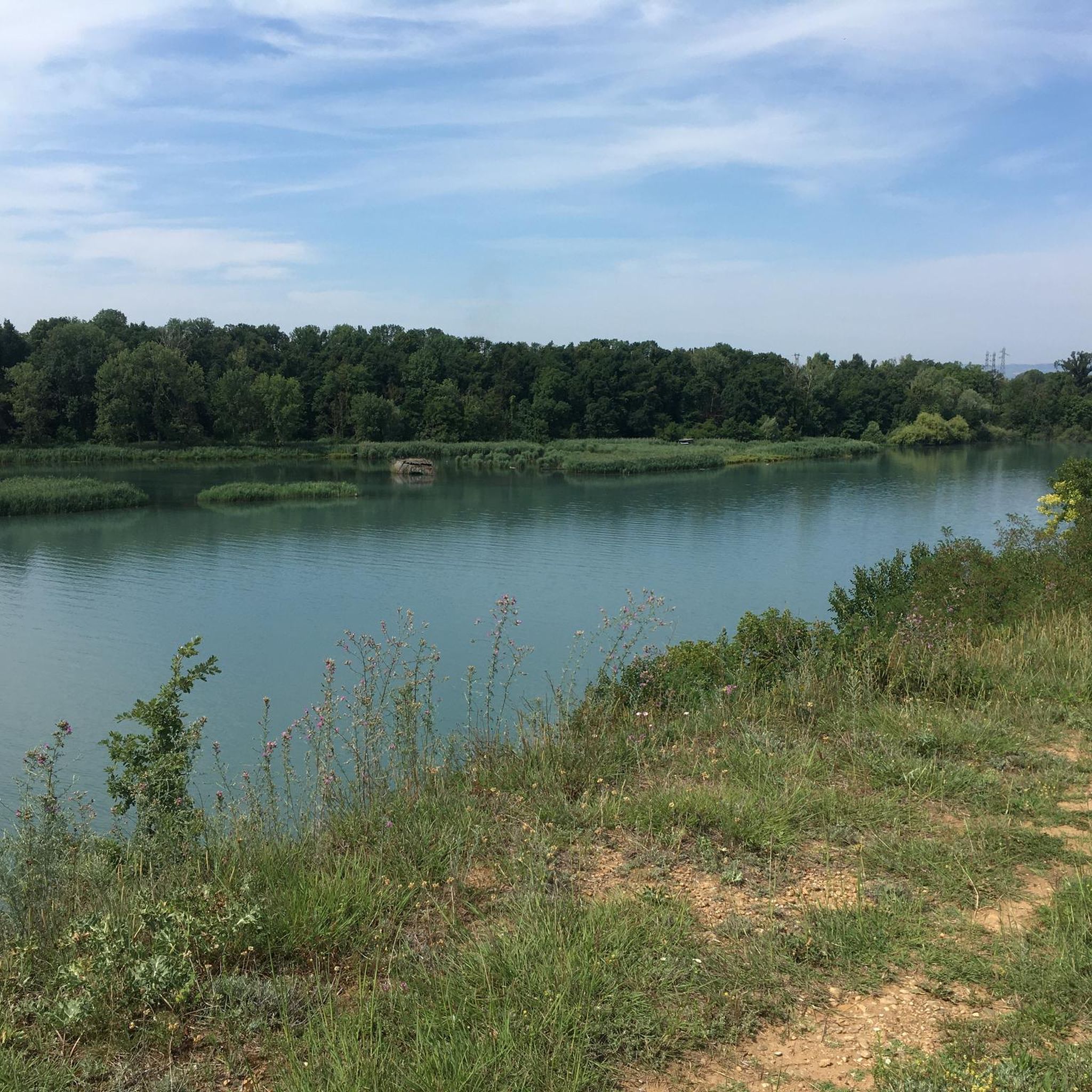
With the words "Only one book lies open before all eyes, the book of nature." by Jean-Jacques ROUSSEAU (1712-1778), I wish everyone on this path said open eyes, to enjoy nature in its countless facets along the way.
0
0
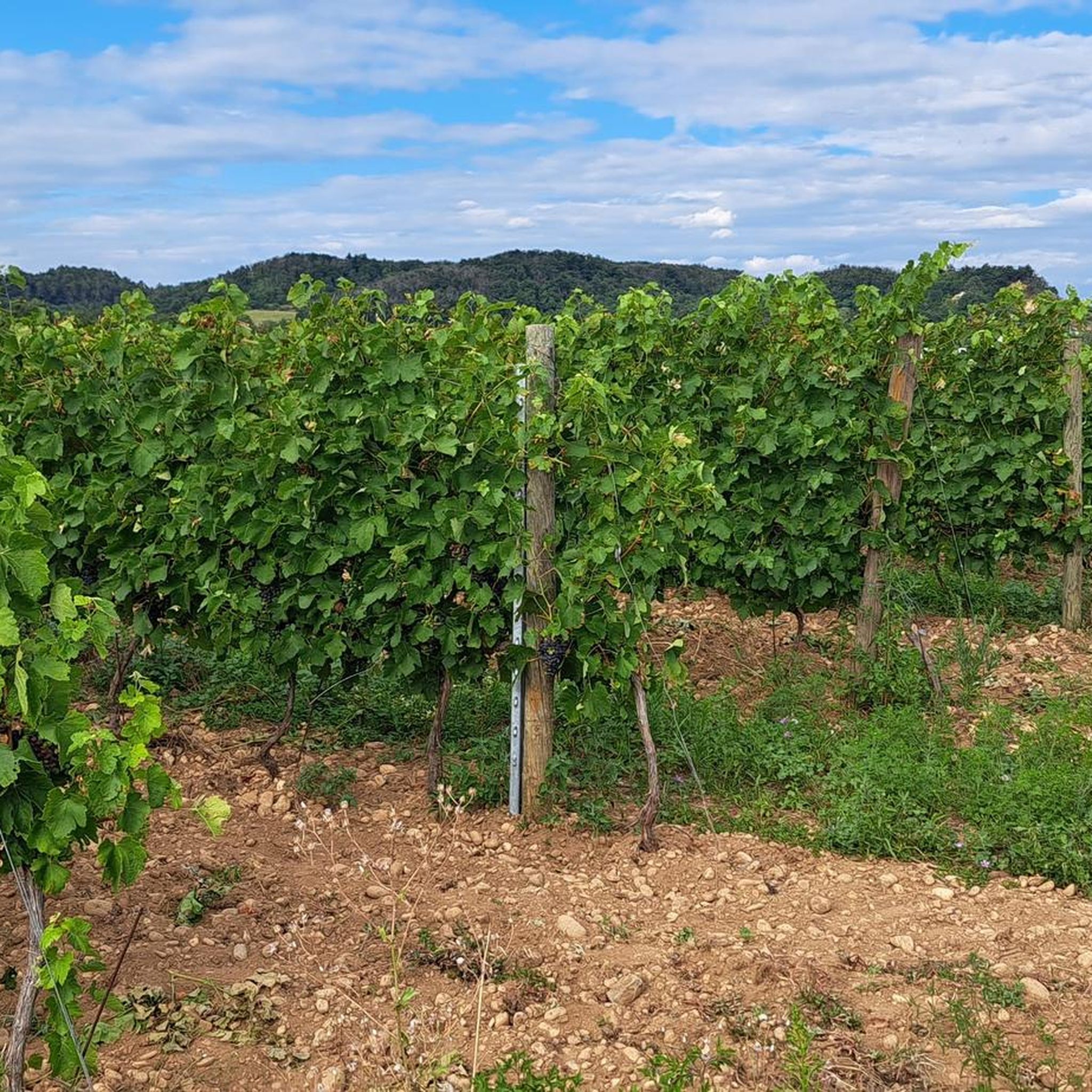
The name of Saint-CHRISTOPHE, to whom this chapel – built in an extremely exposed position amidst the vineyards – is dedicated, means "Christ-bearer". According to the hagiographic legend, he was a gigantic man and carried people across a river. One day, a small child called him and he carried it on his shoulders to the other bank. Surprisingly, the child became heavier and heavier, and he said he felt the weight of the whole world on his shoulders. Then the child revealed himself to him as Jesus Christ, Saviour and Redeemer of the world.
0
0

The first footbridge built by Marc Seguin between Tournon and Tain in 1825 was revolutionary for its time. It was the world's first iron cable suspension bridge, a true technical feat for the era. This footbridge helped facilitate trade and strengthen ties between the two towns. However, the original footbridge underwent several transformations over time. It was first raised to allow the passage of steamships, then a second footbridge was built by Marc Seguin in 1847, still based on the iron cable suspension principle. The two footbridges coexisted for a time, the first being used for pedestrian traffic and the second for road traffic. As road traffic intensified over time, it became necessary to build a new bridge to facilitate circulation. This is how the Gustave Toursier bridge was built in 1958. Located about 350 meters downstream from the Marc Seguin footbridge, this suspension bridge over 240 meters long comprises three spans. It is designed to support road traffic, thus facilitating exchanges between the two municipalities. The current footbridge, inaugurated in 1972, is therefore the fourth of its name. It was designed to resemble the 1847 footbridge, while meeting current safety standards and needs. https://www.ardeche-hermitage.com/fr/zoom-sur/la-passerelle-marc-seguin-celebre-son-bicentenaire/
0
0

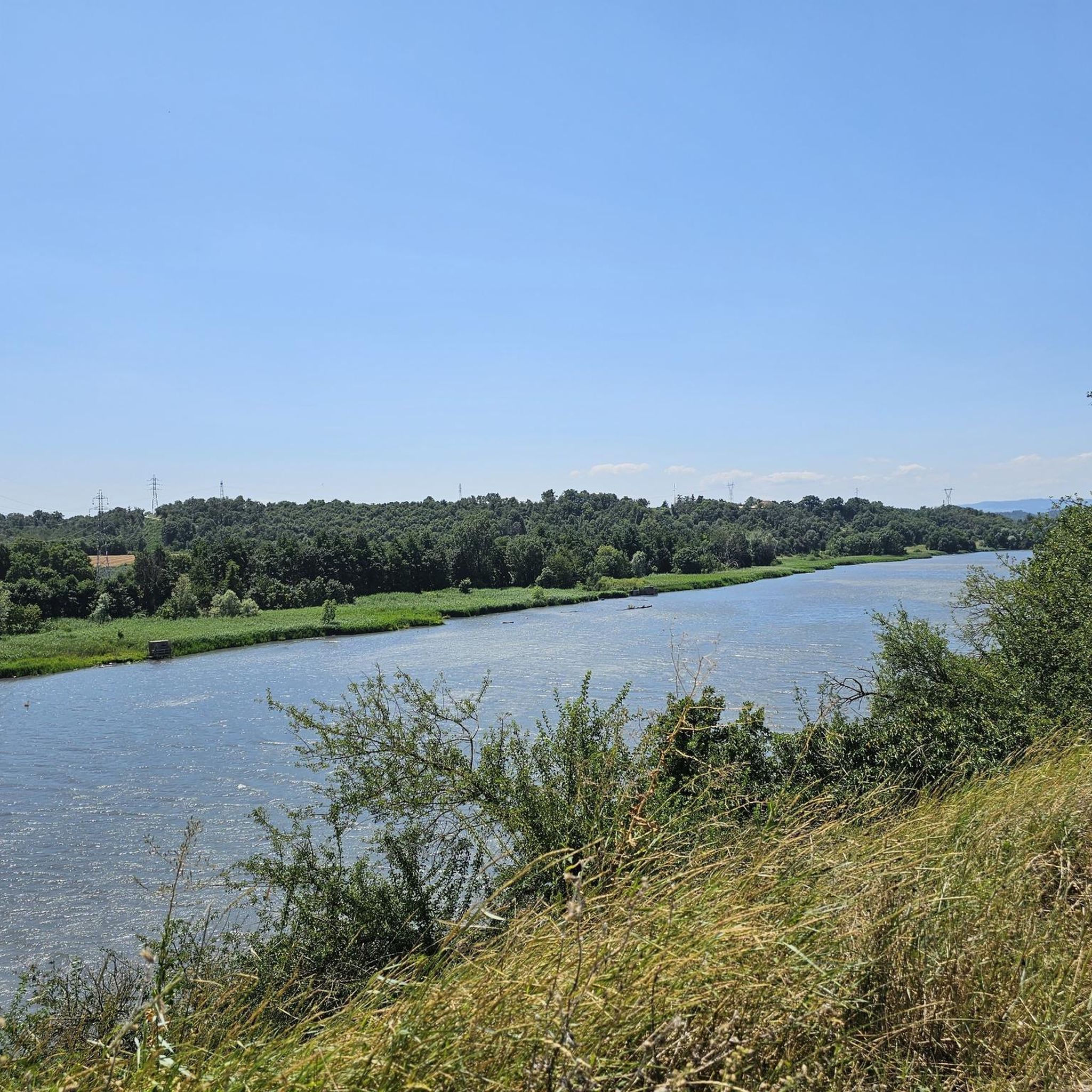
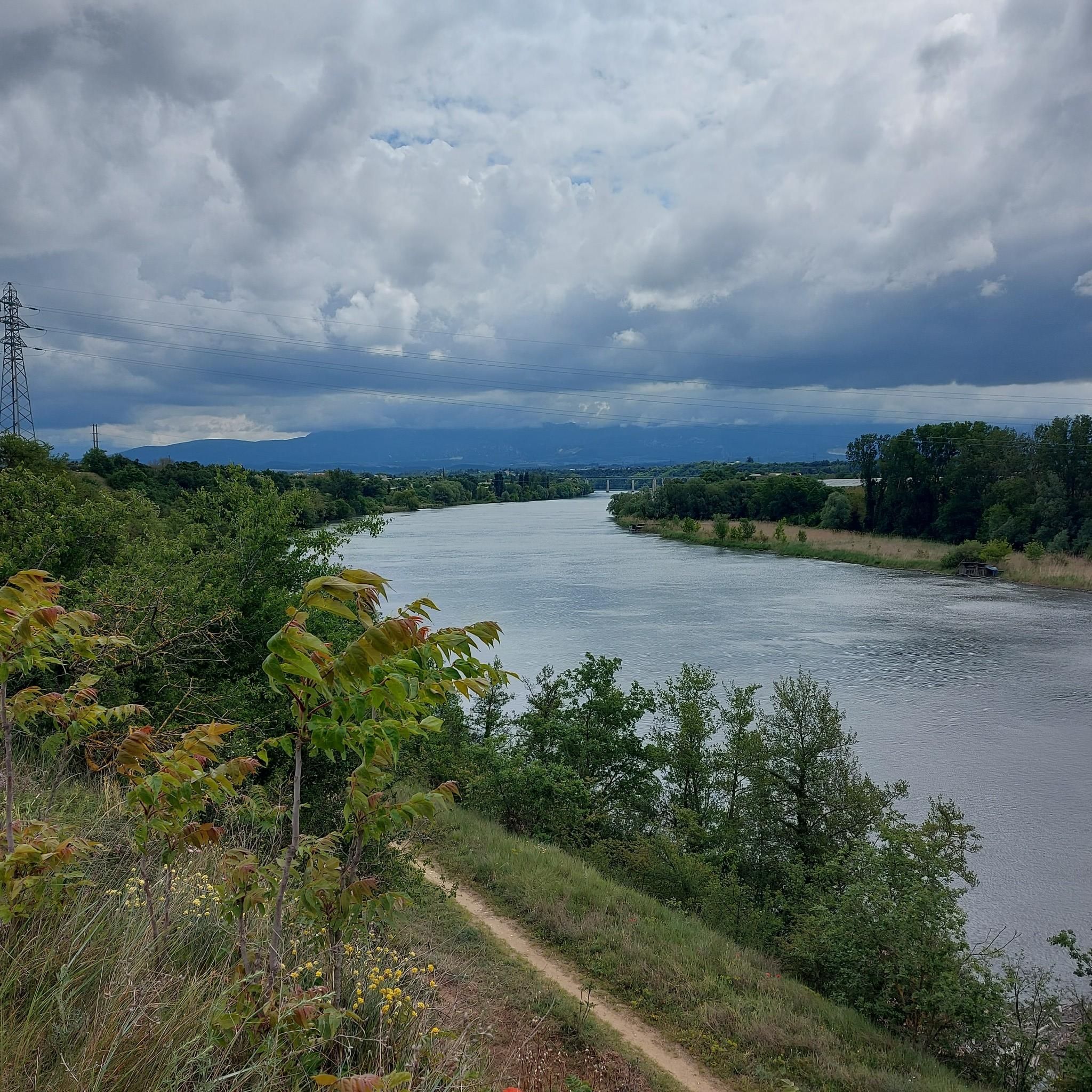
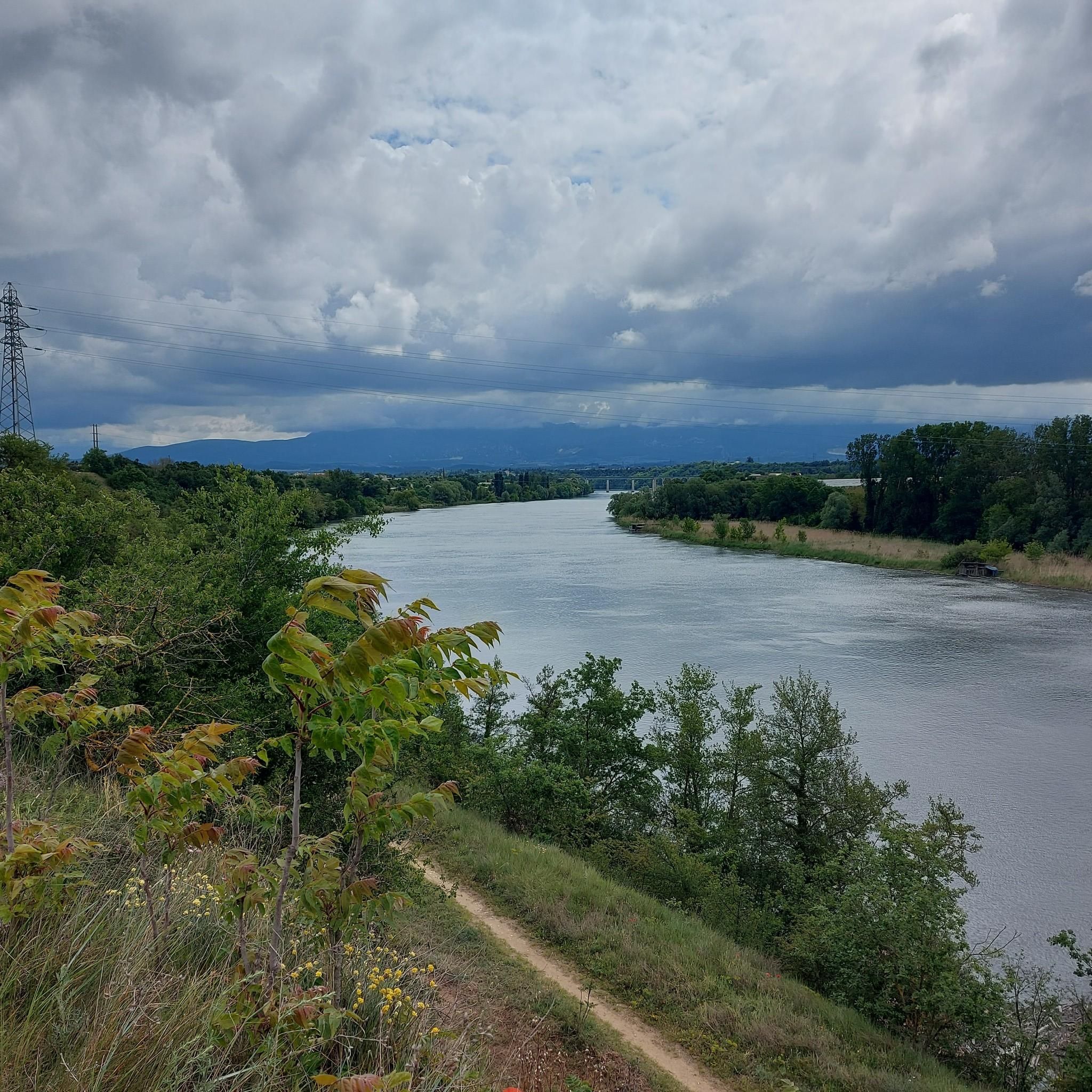
A truly beautiful stretch of the route! The stunning scenery and excellent cycle paths make cycling on the ViaRhôna a special experience! :-)
0
0

Hello everyone, Please note that the footbridge crossing the Rhône between Tournon and Tain is closed until November 28th due to ongoing construction. You must use the motorway bridge 500m away… it's much less pleasant.
0
0
The Marc Seguin Suspension Bridge in Tournon-sur-Rhône is a 19th-century engineering masterpiece and one of the oldest suspension bridges in Europe. A stroll over the Rhône offers impressive views of the river and the surrounding vineyards. Tournon's old town boasts charming alleyways, historic buildings, and a Renaissance palace. Wine lovers can sample local wines from the Cornas and Saint-Joseph regions. The combination of engineering, nature, and history makes this place an unforgettable experience. By the way, cycling is prohibited and police patrol the area!
0
0

A beautiful old bridge with a wooden roadway.
0
0

I just rode the ViaRhôna from September 3rd to 12th, between Romans and Sète. Beautiful scenery and villages. But the track quality is very uneven. Sometimes excellent, with impeccable surface and signage. Sometimes deplorable, shared tracks not maintained, sporadic signage, we go around in circles in some towns... And the biggest hassle is the train ride back, with no chutes in the underground stairs when changing platforms. Unpack the panniers, carry the (electric) bikes, and depending on the carriage, climb three steps! Thanks, SNCF.
0
0
Frequently Asked Questions
What kind of attractions can I find around Clérieux?
Clérieux and its surroundings offer a diverse range of attractions, blending historical sites, natural beauty, and cultural experiences. You can explore medieval heritage, unique geological formations like the Butte de molasse, and scenic cycling paths. Nearby towns also feature historic centers and cultural landmarks.
What historical sites are notable in and around Clérieux?
Clérieux has a rich medieval past, with evidence of Gallo-Roman origins. Key historical sites include the Passerelle Marc-Seguin, a 19th-century suspension bridge connecting Tournon-sur-Rhône and Tain-l'Hermitage, and the Historic centre of Romans-sur-Isère, known for its 15th and 16th-century buildings. Within Clérieux, you can find the Butte de molasse du pont de l'Herbasse with its motte castrale and troglodytic dwellings, and the Maison forte Chabrillan.
Are there any unique geological features to explore near Clérieux?
Yes, Clérieux is home to the distinctive Butte de molasse du pont de l'Herbasse. This geological feature includes a medieval castle mound, the Saint-Jean chapel, molasse quarries, and rare troglodytic dwellings—houses carved directly into the soft rock. Only about ten of these unique homes remain in good condition today.
Are there family-friendly activities available near Clérieux?
Absolutely! Many attractions are suitable for families. The Marc Seguin Suspension Bridge is accessible to pedestrians and cyclists, offering a pleasant crossing. The ViaRhôna: Riverside Path Between Orchards and Vineyards is a great option for family bike rides. Additionally, Lac de Champos, located nearby, is ideal for summer activities, offering supervised swimming, pedal boating, paddleboarding, and slides.
What outdoor activities can I enjoy near Clérieux?
The region around Clérieux is excellent for outdoor enthusiasts. You can explore the scenic Herbasse Valley, cycle along the ViaRhôna from Les Îles to Le Poisson Frais, or enjoy a family-friendly walk or bike ride on the Greenway along the Isère River. For more structured activities, there are numerous hiking, road cycling, and mountain biking routes available. You can find detailed routes and guides for hiking, road cycling, and MTB trails around Clérieux.
Where can I go cycling near Clérieux?
Cycling is a popular activity in the area. The ViaRhôna: Riverside Path Between Orchards and Vineyards offers a beautiful section directly along the Rhône, passing fruit trees and vines. Another excellent option is the ViaRhôna from Les Îles to Le Poisson Frais, a dedicated paved path shaded by trees. For more routes, explore the road cycling routes around Clérieux, which include options like the 'Valrhona Chocolate Shop – Panorama vallée du rhone loop'.
Are there hiking trails near Clérieux?
Yes, there are several hiking opportunities around Clérieux. You can find trails that lead to scenic viewpoints or explore natural areas. For example, the 'Lac de Champos loop from Saint-Donat-sur-l'Herbasse' is a moderate 13.5 km hike. Discover more options and detailed guides for hiking around Clérieux.
What cultural sites are worth visiting near Clérieux?
Beyond Clérieux, the wider Drôme region offers rich cultural experiences. Romans-sur-Isère, just 8 km away, boasts the Collegiale Saint-Barnard and a vibrant market. Tain-l'Hermitage (9 km) is famous for its Valrhona chocolates and terraced vineyards. Further afield, the Palais Idéal (21 km) is a unique architectural marvel, and Saint-Antoine-l'Abbaye (23 km) is recognized as one of France's Most Beautiful Villages with its significant abbey complex.
What is the best time to visit Clérieux for outdoor activities?
The summer months are particularly good for enjoying outdoor activities, especially at Lac de Champos which offers supervised swimming and water sports. The scenic cycling paths like the ViaRhôna are also pleasant during warmer seasons, allowing you to enjoy the orchards and vineyards.
Where can I find local markets near Clérieux?
Several nearby towns host lively markets. Saint-Donat-sur-l'Herbasse has a market on Mondays. Romans-sur-Isère offers markets on various days including Wednesday, Tuesday, Sunday, Saturday, and Friday. Tain-l'Hermitage has a market on Saturdays, and Valence hosts markets on multiple days throughout the week.
What do visitors enjoy most about the attractions around Clérieux?
Visitors frequently appreciate the blend of historical significance and natural beauty. The technical innovation and scenic views from the Marc Seguin Suspension Bridge are often highlighted. The ViaRhôna is praised for its beautiful sections along the river, passing through orchards and vineyards. The Historic centre of Romans-sur-Isère is admired for its well-preserved medieval architecture and ocher molasse stone buildings.
Are there any towns nearby known for specific products or industries?
Yes, Tain-l'Hermitage (9 km from Clérieux) is renowned for its local Valrhona chocolates and its prestigious terraced vineyards. Romans-sur-Isère (8 km away) is historically known for its shoe industry, and its historic center reflects its past as an important medieval town.
Most popular routes around Clérieux

Get inspired with the komoot mobile app


Explore more
Still not found the Highlight you’re looking for? See guides of the top attractions in other regions:
