Attractions and Places To See around Cravant-Les-Côteaux - Top 20
Best attractions and places to see around Cravant-Les-Côteaux include a collection of historical castles and religious buildings situated in the Loire Valley. The region is characterized by its rich heritage and architectural significance, with several sites dating back centuries. These attractions offer insights into French history and culture, often set within scenic landscapes. The area provides opportunities to explore historical monuments and their surrounding grounds.
Best attractions and places to see around Cravant-Les-Côteaux
- The most popular attractions is Ussé Castle…
Last updated: August 25, 2026
Ussé Castle
Highlight • Castle
Accompanied by French gardens, …
Translated by Google •
Tip by

L'Islette Castle
Highlight • Castle
Less renowned than the surrounding Loire Valley …
Translated by Google •
Tip by
Sign up now to discover places like this
Get recommendations on the best single tracks, peaks, & plenty of other exciting outdoor places.
Sign up for free
Royal Fortress of Chinon
Highlight • Castle
Translated by Google •
Tip by

View of Ussé castle
Highlight • Castle
Translated by Google •
Tip by

Château du Rivau
Highlight • Castle
Translated by Google •
Tip by

Sign up for free to discover even more attractions around Cravant-Les-Côteaux.
Sign up for free
Already have an account?
Start today with a free account
Your next adventure awaits.
Login or Signup

Tips from the Community

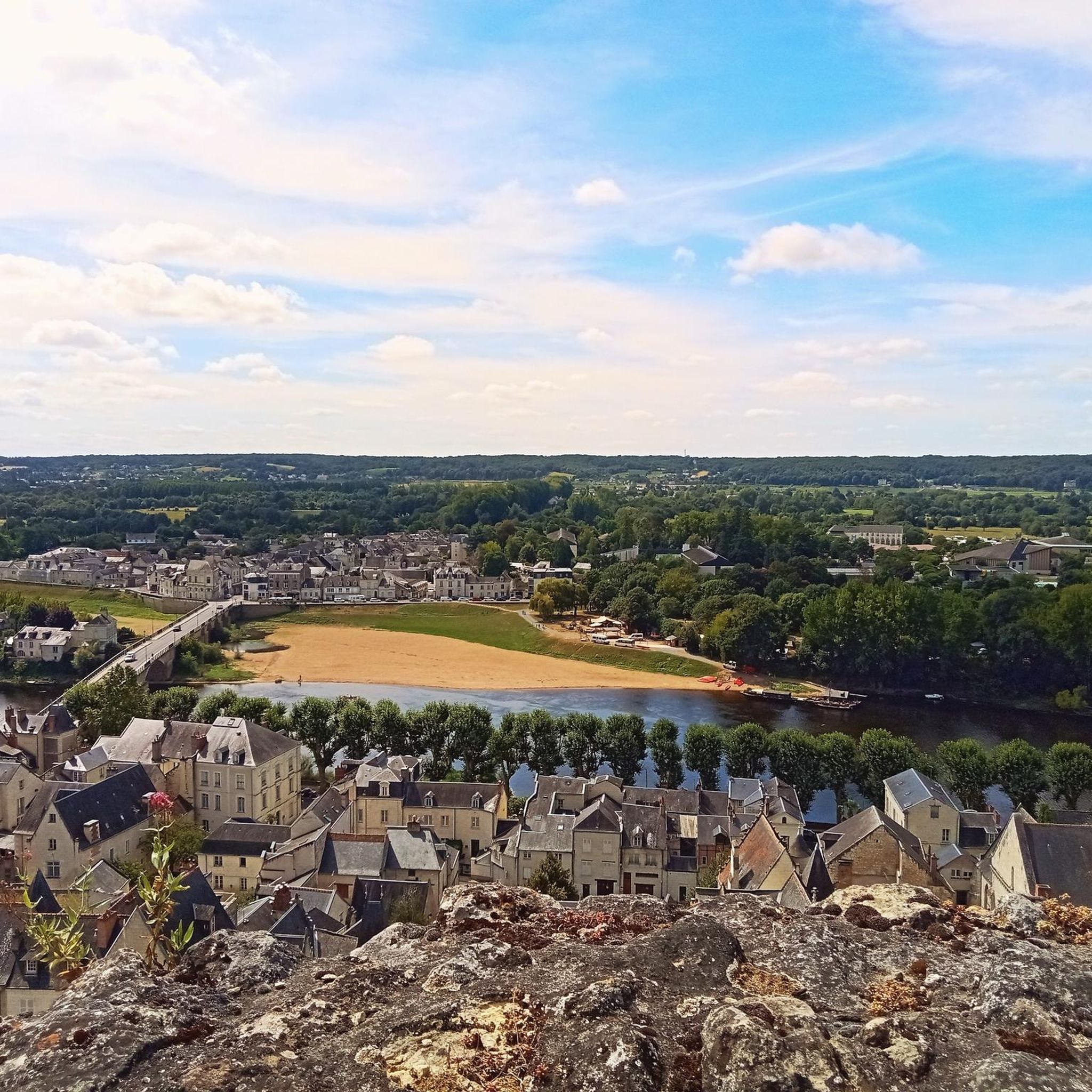
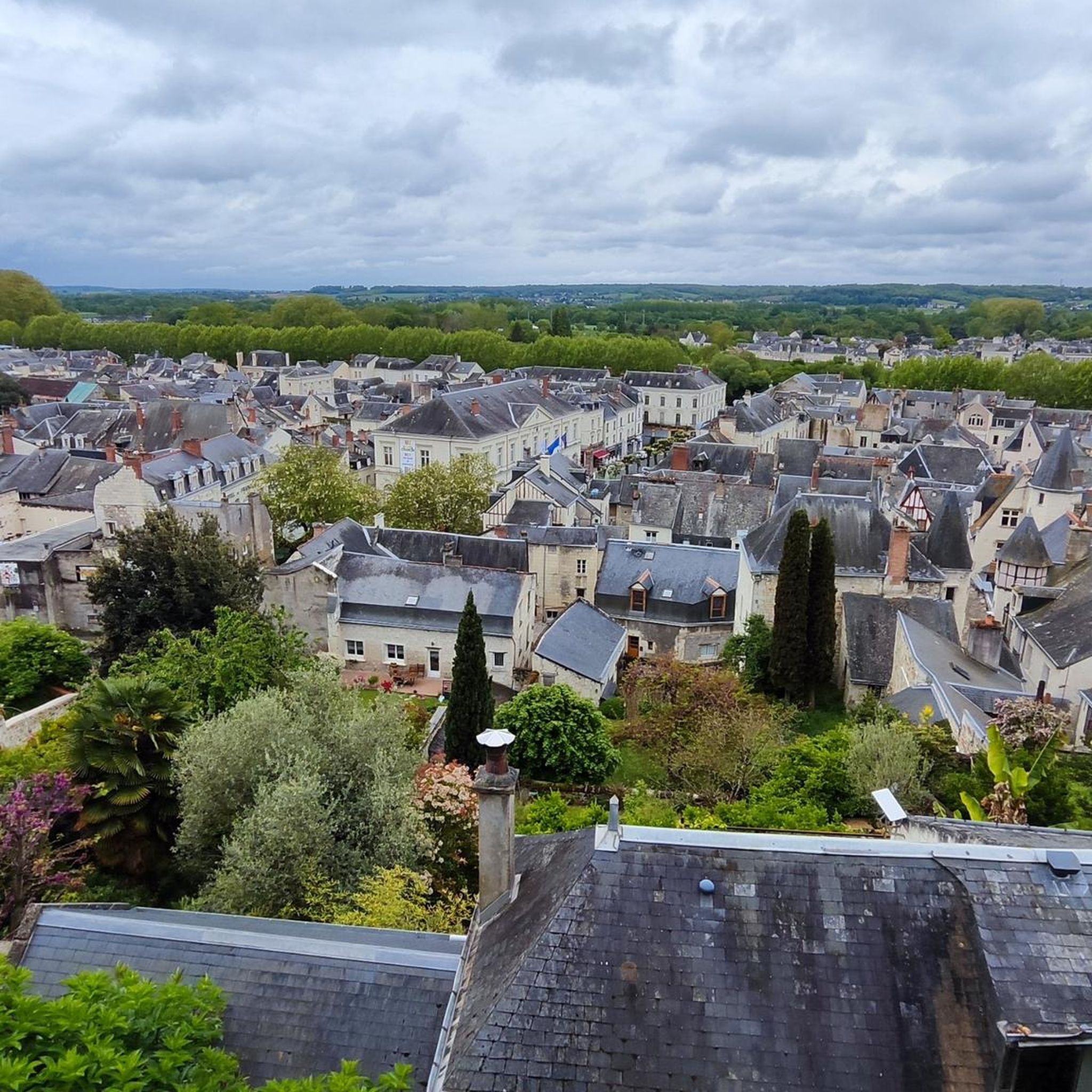
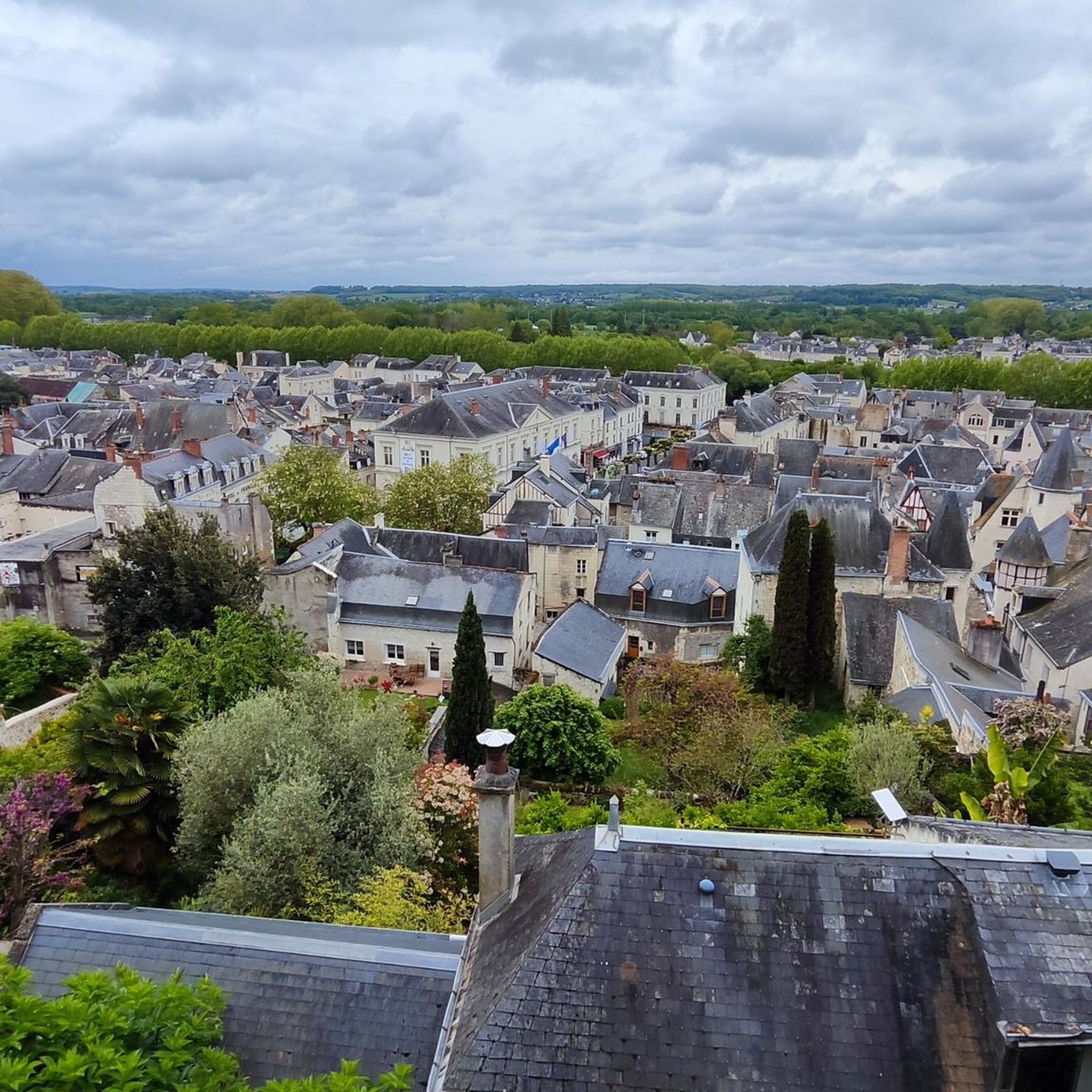
History in brief Antiquity: the site is strategically located on a promontory and has been inhabited for 3,000 years. It was not fortified until the end of the Roman Empire. Middle Ages: in 1154, the new King of England, Henry II Plantagenet, became ruler of an empire stretching from Scotland to the Pyrenees and made Chinon his continental capital. He had a large palace built next to the fortress, which has now disappeared. In 1189, abandoned by his sons, Richard the Lionheart and John Lackland, and fleeing from the King of France, he eventually died there. Philippe Auguste had the defensive Tour du Coudray built there after the siege of 1205. Renaissance: in 1454, the fortress became the main residence of Queen Marie d'Anjou, who lived there without her husband. She spent lavishly on decorating the house to her taste. From the 16th century onwards, the fortress was gradually abandoned and fell into disrepair. Despite the dangerous nature of the terrain, it became a public promenade in 1824 and was listed as a monument in 1840. The restoration of the estate began in 1854 thanks to the efforts of the writer Prosper Mérimée. Source: https://loirelovers.fr/en/visit-royal-fort-chinon/
6
0
In the heart of Touraine, in an enchanting setting where the delicate white of the tuffeau stone and the ever-changing green of the Indre River blend harmoniously, L'Islette welcomes you. The Renaissance château, nestled in the arms of the Indre River, is now home to the current owners. They are happy to share their home with visitors and show them the rooms currently occupied. In this way, they combine history and modernity to create a 21st-century château. L'Islette, where Camille Claudel and Auguste Rodin were frequent guests and sheltered their passionate love life, invites you to be swept away by the romantic charm of the Indre Valley. Source: https://www.chateaudelislette.fr/
5
1
On the horizon, when the weather is clear, you can see the silhouette of the Château de Ussé. This fairytale castle has a magical appearance that overlooks the Indre and the Loire. It is so beautiful that it inspired Charles Perrault for his Sleeping Beauty. Triggered? Drive there and you will end up in a fairytale world. Young and old, immerse yourself in castle life and the scenes from this fairytale come to life before your eyes. Follow in the footsteps of Vauban, Perrault, Chateaubriand, Le Nôtre and the Blacas family, who still live in this illustrious castle in the Loire Valley.
5
0
Here you are in front of the 'Sleeping Beauty Castle'. Once upon a time there was a castle with a magical aura, overlooking the Indre and the Loire… so beautiful that it inspired Charles Perrault to write his Sleeping Beauty. Young and old, immerse yourself in castle life and the scenes from this fairy tale come to life before your eyes. Follow in the footsteps of Vauban, Perrault, Chateaubriand, Le Nôtre and the Blacas family, who still live in this illustrious castle in the Loire Valley.
5
0
Once upon a time, there was a castle with a magical aura, overlooking the Indre and the Loire… so beautiful that it inspired Charles Perrault to write Sleeping Beauty. Young and old, immerse yourself in castle life and the scenes from this fairy tale come to life before your eyes. Follow in the footsteps of Vauban, Perrault, Chateaubriand, Le Nôtre and the Blacas family, who still live in this illustrious castle in the Loire Valley. PREPARE YOUR VISIT: 2025 From 15 February to 31 March: 10am – 6pm. From 1 April to 30 September: 10am – 7pm. From 1 October to 11 November: 10am – 6pm. Prices: Adult (+ 16 years): € 14.50 Child from 8 to 16 years: € 7.50 Child (under 8 years): Free
5
0

Beautiful gardens and an art collection in the castle.
0
0

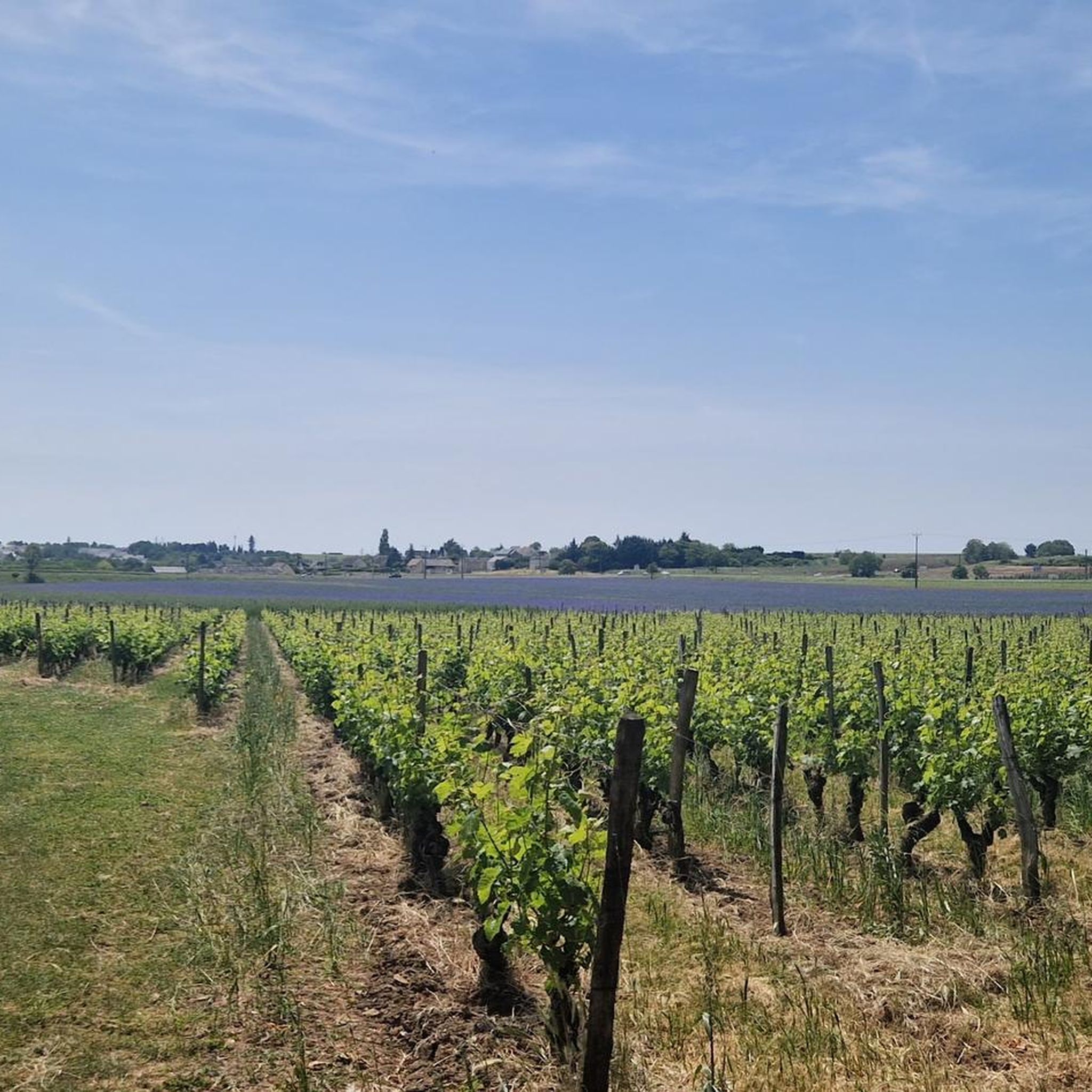
The Château d'Ussé is one of the many châteaux of the Loire Valley that are open to visitors, even though it is a private estate. As you stand on the banks of the river, you can see the fortress rising up in the distance, on the left bank of the Indre.
0
0

Small castle right on the Indre. The owner charges admission for the castle and the grounds. According to reviews, it's worth it.
0
0
Frequently Asked Questions
Are there family-friendly attractions around Cravant-Les-Côteaux?
Yes, several attractions are well-suited for families. Ussé Castle, known as Sleeping Beauty Castle, offers a magical experience for children. L'Islette Castle also welcomes families, and the Royal Fortress of Chinon provides an engaging historical experience with its permanent museum and interactive tours.
What historical sites can I visit near Cravant-Les-Côteaux?
The region is rich in history. You can explore the medieval and Renaissance architecture of Ussé Castle, the 16th-century charm of L'Islette Castle, and the historically significant Royal Fortress of Chinon, which played a role in French history with Joan of Arc. Additionally, the 12th-century Saint-Maurice Church of Huismes offers architectural insights.
Are there opportunities for hiking near Cravant-Les-Côteaux?
Absolutely. The area offers various hiking routes. You can find easy options like the 'River loop' (5.3 km) or the 'Royal Fortress of Chinon – Rue Voltaire loop from Chinon' (5.1 km). For more choices, explore the Hiking around Cravant-Les-Côteaux guide.
What about cycling routes in the area?
Cravant-Les-Côteaux is excellent for cycling. There are routes like the 'Sainte-Radegonde Hillside – Royal Fortress of Chinon loop from Cravant-les-Côteaux' (20 km, easy) for touring bikes, and more challenging options for road cycling. Discover more routes in the Cycling around Cravant-Les-Côteaux and Road Cycling Routes around Cravant-Les-Côteaux guides.
When is the best time to visit the attractions around Cravant-Les-Côteaux?
Many attractions, particularly the castles, are open for extended periods. For instance, Ussé Castle is generally open from mid-February to early November, with longer hours during the summer (April to September). The spring and autumn months often offer pleasant weather for exploring the region's historical sites and gardens.
Are there any lesser-known or 'hidden gem' attractions worth visiting?
While many Loire Valley châteaux are famous, L'Islette Castle is often considered a charming hidden gem. Less renowned than its grander neighbors, it offers a more intimate experience, nestled by the Indre River, and is known for its connection to Camille Claudel and Auguste Rodin.
Can I find easy walking trails suitable for beginners?
Yes, the region provides several easy walking options. For example, the 'River loop' is just over 5 km and offers a gentle stroll. The 'Royal Fortress of Chinon – Rue Voltaire loop from Chinon' is another easy 5 km route. You can find more details and other beginner-friendly trails in the Hiking around Cravant-Les-Côteaux guide.
Are the attractions around Cravant-Les-Côteaux accessible by public transport?
While some larger towns in the Loire Valley are well-served by public transport, many of the castles and attractions around Cravant-Les-Côteaux are best reached by car. Local bus services connect some villages, but direct routes to all attractions may be limited. Checking specific attraction websites for transport details is recommended.
What kind of wildlife can I spot in the region?
The Loire Valley, with its rivers, forests, and agricultural lands, is home to diverse wildlife. You might spot various bird species, including herons and kingfishers near the waterways. Deer, wild boar, and smaller mammals like badgers and foxes inhabit the forested areas. Keep an eye out, especially during early mornings or late evenings.
Are dogs allowed on trails or at attractions near Cravant-Les-Côteaux?
Policies for dogs vary by attraction. While many outdoor trails and natural areas are generally dog-friendly, it's always best to check individual attraction websites for their specific rules regarding pets, especially for indoor areas of castles or gardens. Some may allow dogs on leashes in outdoor grounds but not inside buildings.
Are there any gardens to visit in the area?
Yes, the region is known for its beautiful gardens. Château du Rivau is particularly famous for its 14 themed gardens, recognized as "remarkable gardens" by the Ministry of Culture, offering a fairytale-like experience with special plant collections and artistic creations.
What are the best places to enjoy views of the landscape?
Many of the castles, such as Ussé Castle and the Royal Fortress of Chinon, are strategically located on elevated positions, offering panoramic views of the surrounding countryside, rivers, and vineyards. The grounds of these historical sites often provide excellent vantage points.
Most popular routes around Cravant-Les-Côteaux
Most popular attractions around Cravant-Les-Côteaux

Get inspired with the komoot mobile app


Explore more
Still not found the Highlight you’re looking for? See guides of the top attractions in other regions:
