Attractions and Places To See around Douillet - Top 20
Best outdoor attractions and places to see around Douillet include a blend of rural landscapes, historical sites, and charming villages. The commune, situated in the Sarthe department, offers a tranquil countryside setting, particularly around the Orthe river. Historically, Douillet was part of pilgrim routes and comprised large seigneurial domains. The area provides opportunities to explore local culture and history within a short distance.
Best attractions and places to see around Douillet
- The most popular attractions is Saint-Léonard-des-Bois, a settlement…
Last updated: July 6, 2026
Château de Fresnay-sur-Sarthe
Highlight • Castle
Translated by Google •
Tip by

Saint-Cénéri-le-Gérei
Highlight • Settlement
Translated by Google •
Tip by

Sign up now to discover places like this
Get recommendations on the best single tracks, peaks, & plenty of other exciting outdoor places.
Sign up for free
Saint-Léonard-des-Bois
Highlight • Settlement
Translated by Google •
Tip by

Saint-Céneri-le-Gérei — Village and Stone Bridge
Highlight • Settlement
Translated by Google •
Tip by
Chapel of Petit Saint-Céneri
Highlight • Religious Site
Translated by Google •
Tip by

Sign up for free to discover even more attractions around Douillet.
Sign up for free
Already have an account?
Start today with a free account
Your next adventure awaits.
Login or Signup

Tips from the Community

very varied and pleasant hike
0
0

beautiful region
0
0

Charming city of character. I highly recommend. On the other hand, the positive altitude difference is unavoidable since the village is in a hollow with significant cliffs around it.
0
0

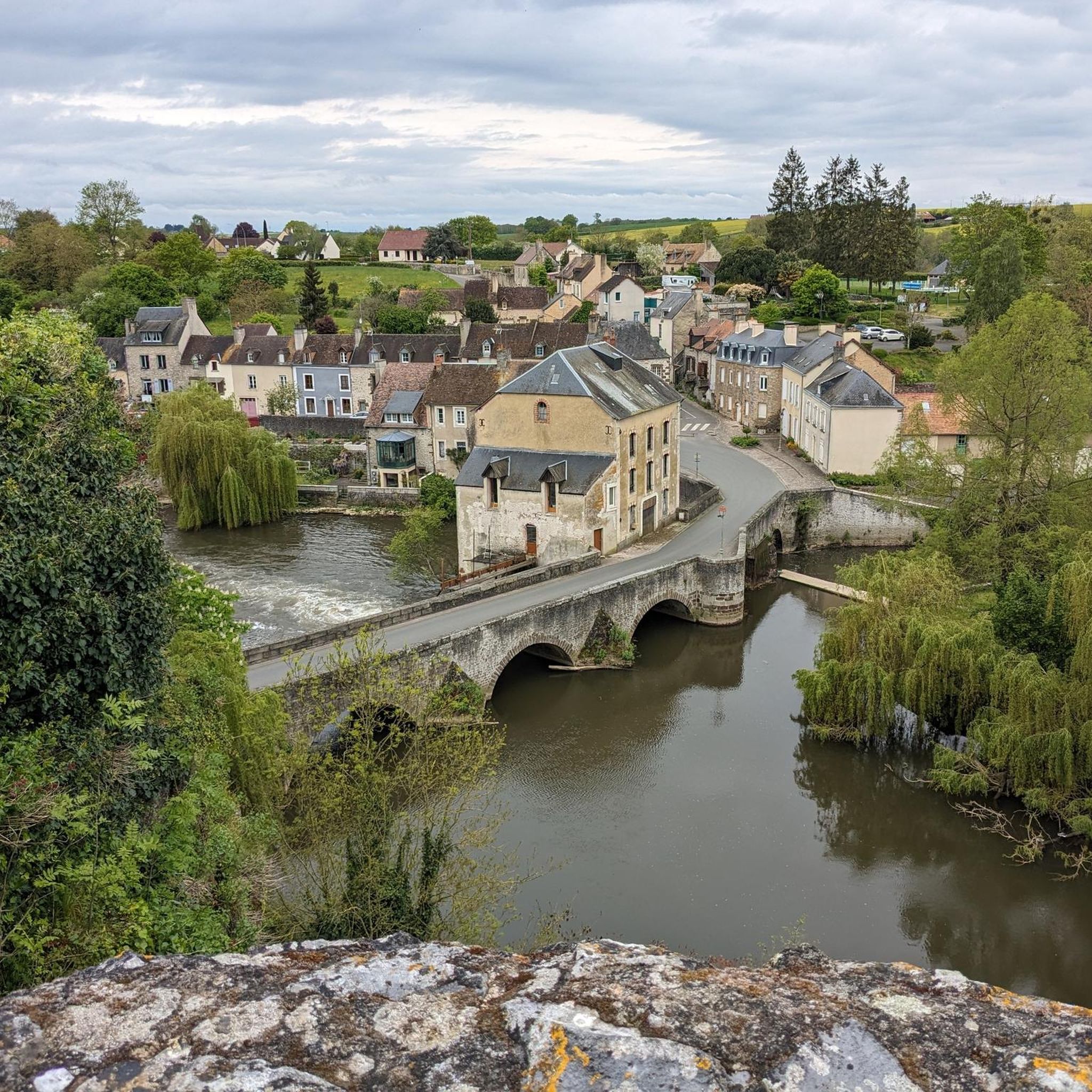
Starting from the center of the village and crossing the bridge to this point, remember to look back and appreciate the view of the village and the church towering above you.
2
0

Céneri, then cardinal of Rome, deacon and preacher, undertook around 669 to build a first wooden building that he dedicated to Saint Martin. It was in this church that Céneri was originally buried. The tomb generating miracles, the church soon took the name of its founder, to whom the people awarded the title of saint. This name became that of the village grouped around the Benedictine abbey that surrounds the church. Two centuries later, the Normans made incursions into the region and destroyed the original church. Thus for a long time there was no church in Saint-Céneri. It was in 1089 that the construction of the current church was undertaken. It was completed in 1125 but underwent several modifications and restorations until the beginning of the 20th century. The end of the 19th century saw the arrival of painters and a new life linked to artistic activity began for the village. The beauty of the landscapes and the quality of the light inspired artists such as Corot, Courbet, Harpignies, Cogniet, the Veillon brothers, Mary Renard and Paul Saïn. This artistic activity lasted for more than half a century. It ended on the eve of the First World War and was reborn in the 1950s and 1960s, giving new life and tourist appeal to this small town, ranked among the most beautiful villages in France.
0
0
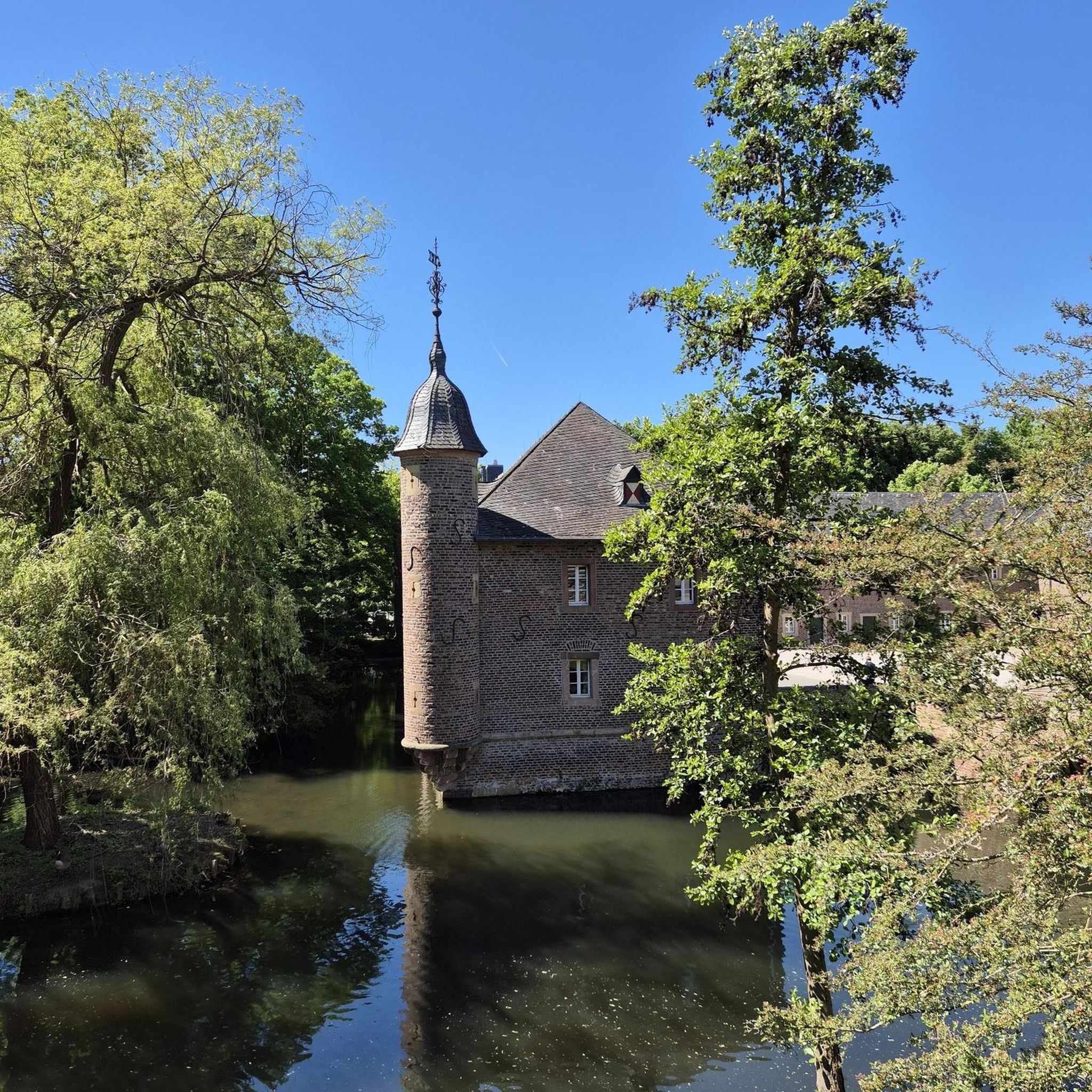
This small castle is built on a rocky promontory which dominates the main access roads to Alençon, Le Mans and Angers.
5
1

The Château de Fresnay-sur-Sarthe ensured the defense of the city in the Middle Ages. Although its construction dates back to the 10th century, it was modified and enlarged several times during the Middle Ages. From the 18th century, it fell into disrepair due to lack of maintenance. After being purchased by the municipality, the castle now houses the public garden. The two-towered châtelet recalls the physiognomy of the place in the 18th century.
1
0
The town of Saint-Léonard-des-Bois invites you to stop at one of the bars and restaurants on the main street or at the picnic area on the banks of the Sarthe. Nestled in the heart of the Alpes Mancelles, the town includes an area classified as a natural site. The Haut Fourché mound and the Misère valley which border the village have made it famous.
0
0
Frequently Asked Questions
What do visitors enjoy most about the attractions around Douillet?
Visitors particularly appreciate the blend of rural landscapes, historical sites, and charming villages. The area is known for its tranquil countryside, especially around the Orthe river. Highlights like Saint-Léonard-des-Bois are praised for their picturesque setting and typical regional houses, while Saint-Céneri-le-Gérei — Village and Stone Bridge is loved for its status as one of France's Most Beautiful Villages and its stunning views.
What natural features can I explore near Douillet?
Douillet is nestled in a green setting with picturesque landscapes, particularly around the Orthe river. You can also visit the Rochers du Sphinx, a unique sandstone formation that formed hundreds of millions of years ago. The surrounding area offers a peaceful escape into nature.
Are there historical sites or cultural attractions near Douillet?
Yes, the region is rich in history. You can explore the Château de Fresnay-sur-Sarthe, a medieval castle built on a rocky promontory that now houses a public garden. The village of Saint-Cénéri-le-Gérei also has a rich history, including an 11th-century church and a past as a haven for painters. Historically, Douillet itself was part of pilgrim routes to Mont Saint-Michel or Santiago de Compostela, with sandstone crosses marking these ancient paths.
What kind of outdoor activities can I do near Douillet?
The area around Douillet is ideal for various outdoor activities. You can find numerous routes for hiking, gravel biking, and mountain biking. For hiking, explore trails like the 'Château de Fresnay-sur-Sarthe et le Bourganeuf — boucle depuis Douillet' or shorter loops around Fresnay-sur-Sarthe. For more options, check out the hiking guide for Douillet.
Are there family-friendly attractions around Douillet?
Many attractions in the area are suitable for families. The public garden at Château de Fresnay-sur-Sarthe is a pleasant spot. Exploring charming villages like Saint-Léonard-des-Bois and Saint-Céneri-le-Gérei — Village and Stone Bridge offers a relaxed experience for all ages. The tranquil countryside also provides ample opportunities for walks and picnics.
Which charming villages are worth visiting near Douillet?
Several charming villages are easily accessible from Douillet. Saint-Léonard-des-Bois is known for its picturesque location and typical regional houses. Saint-Céneri-le-Gérei — Village and Stone Bridge is classified as one of France's Most Beautiful Villages, offering stunning views and historical charm. Fresnay-sur-Sarthe also features a traditional market hall and medieval remnants.
When is the best time to visit Douillet and its surrounding attractions?
The best time to visit Douillet and its surrounding attractions is generally during the spring (April to June) and autumn (September to October) when the weather is mild and the natural landscapes are at their most vibrant. Summer (July and August) is also pleasant for outdoor activities, though it can be warmer. Winter offers a quieter, more tranquil experience, but some facilities might have reduced hours.
Are there any hidden gems or less-known spots worth discovering near Douillet?
Beyond the main highlights, consider exploring the local gastronomy by visiting markets in nearby towns like Fresnay-sur-Sarthe and Sillé-le-Guillaume, where you can find regional dishes, local wines, and artisanal products. The historical sandstone crosses scattered along the ancient pilgrim routes also offer a glimpse into the region's past and can be found in tranquil, less-trafficked areas.
Can I find routes for cycling or mountain biking near Douillet?
Yes, the area around Douillet offers various routes for cycling enthusiasts. You can find options for gravel biking, such as the 'Saint-Céneri-le-Gérei – Saint-Léonard-des-Bois loop from Saint-Léonard-des-Bois', and numerous MTB trails. For a comprehensive list of routes, refer to the gravel biking guide and the MTB trails guide for Douillet.
Are there any attractions suitable for a day trip from Douillet?
Absolutely. For a longer day trip, consider visiting Le Mans, approximately 35 km away, famous for its 24-hour car race, cathedral, museums, and gardens. Another option is Saulges, about 30 km from Douillet, known for its prehistoric caves like Margot's Cave and Rochefort Cave, which house ancient relics and paintings.
Where can I experience local culture and gastronomy near Douillet?
To experience local culture and gastronomy, visit the markets in nearby towns such as Fresnay-sur-Sarthe and Sillé-le-Guillaume. These markets offer a chance to taste regional dishes, local wines, and products from local producers, including dairy, cheeses, and artisanal goods. This provides an authentic taste of life in Sarthe.
Most popular routes around Douillet

Get inspired with the komoot mobile app


Explore more
Still not found the Highlight you’re looking for? See guides of the top attractions in other regions:
