The best cycling routes around Merpins
4.2
(211)
1,436
riders
121
rides
Touring cycling around Merpins is characterized by the gentle topography of the Charente River basin, offering a mix of agricultural areas, vineyards, and forests. The landscape features relatively flat sections along the river, with some plateaus and gentle slopes. A network of small tarred roads and towpaths provides varied terrain suitable for cycling.
Best touring cycling routes around Merpins
- The most popular touring cycling route is La Flow Vélo: Cognac Loop, a 30.6 miles (49.3 km) trail that takes…
Last updated: November 1, 2026
3.7
(6)
8
riders
49.3km
03:10
310m
310m
4.4
(70)
340
riders
62.2km
04:45
140m
140m
Moderate bike ride. Good fitness required. Mostly paved surfaces.

4.8
(6)
50
riders
137km
09:50
470m
470m
Hard bike ride. Very good fitness required. Mostly paved surfaces.
4.7
(3)
31
riders
22.0km
01:20
80m
80m
Easy bike ride. Mostly paved surfaces.
5.0
(1)
18
riders
71.0km
04:51
330m
330m
Moderate bike ride. Good fitness required. Mostly paved surfaces.
Get access to more routes and recommendations from other explorers.
Already have an account?
Our route recommendations are based on thousands of hikes, rides, and runs completed by other people on komoot.
Start today with a free account
Your next adventure awaits.



Tips from the Community

The Chaniers ferry (Charente-Maritime) is one of the last traditional river ferries still in operation in France. It allows crossing the Charente River between Chaniers and Courcoury, a few kilometers downstream from Saintes. A crossing used for centuries History of the Chaniers ferry The ferry crossing at Chaniers is very old: it dates back to the Middle Ages. In the mid-17th century, it was already an important crossing point on the Charente. It was not only used to cross the river: it also allowed residents to access the meadows on the other side, particularly for agricultural activities. In the early 20th century, the Chaniers ferry was part of a much larger network of crossings on the Charente. In 1909, thirteen ferries were still recorded in Charente-Inférieure, including the one in Chaniers. Ferries were essential at the time before the proliferation of bridges. Why "chain ferry"? The principle consists of holding the ferry on a chain connecting the two banks. The ferryman uses this chain to move the boat forward and keep it on its course despite the current. In Chaniers, the current ferry is motorized, unlike the ferry in Dompierre-sur-Charente, which is operated manually. The Tourist Office, however, still describes it as a "chain ferry," and the municipality as the traditional crossing method connecting Chaniers to Courcoury. The ferry today The crossing takes place between Le Communal in Chaniers and the Courcoury bank. It is free and can transport pedestrians, cyclists, and motorized vehicles. Its operation depends in particular on the flow of the Charente River. The municipality of Chaniers officially presents "the port of Chaniers and its chain ferry" as an element of its local heritage. Important point: I am correcting my previous message: the Chaniers ferry is not simply a "19th-century ferry." The crossing has been attested since the Middle Ages; it is its mode of operation and its equipment that have evolved over the centuries.
0
0


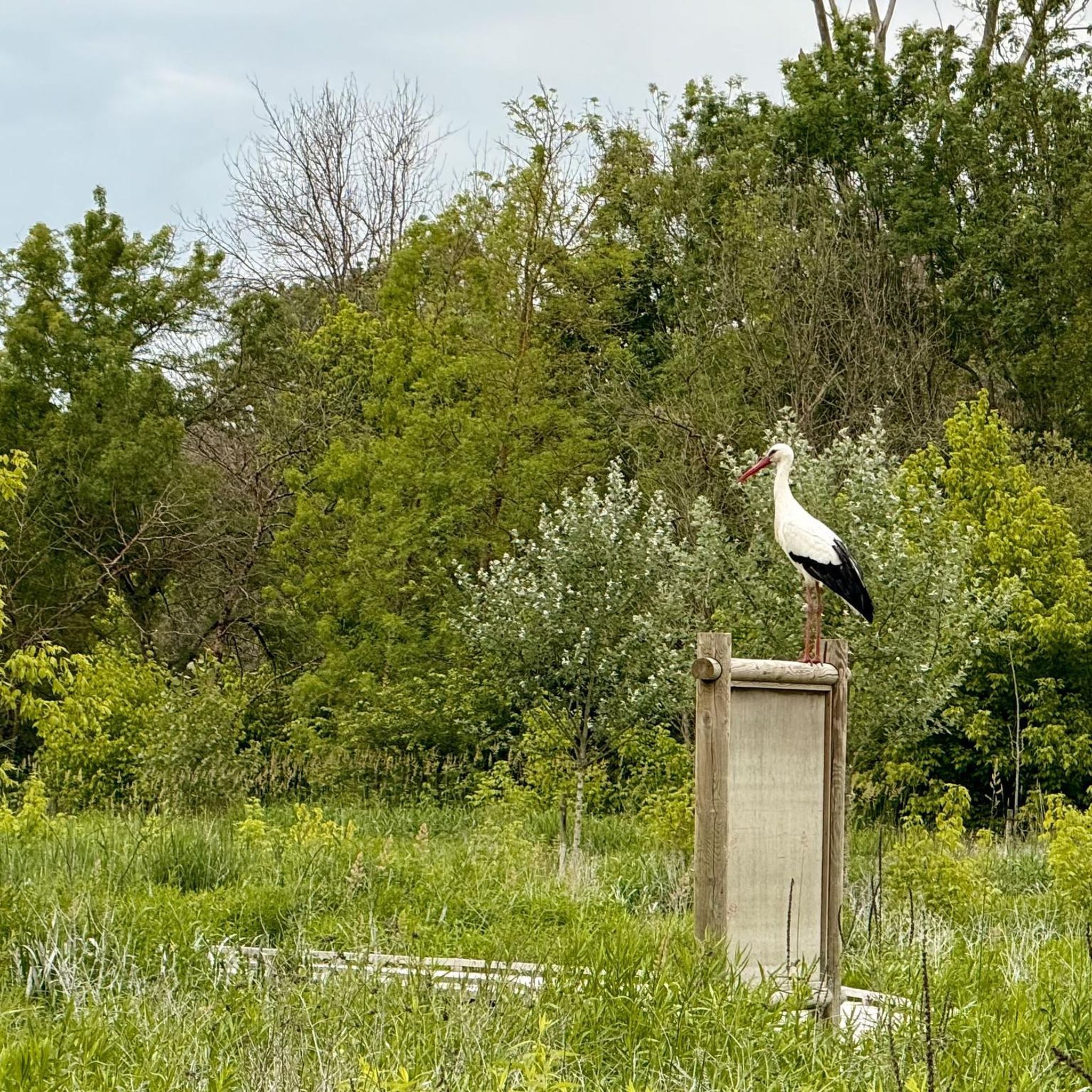
Courcoury is a natural island surrounded by the Charente and Seugne rivers, giving it a unique landscape setting between marshes and waterways, conducive to biodiversity and outdoor activities. It is also the only village in Charente-Maritime to have been awarded 4 stars by the "Villes et villages étoilés" label, recognizing its efforts to reduce light pollution through intelligent and environmentally friendly public lighting.
1
0

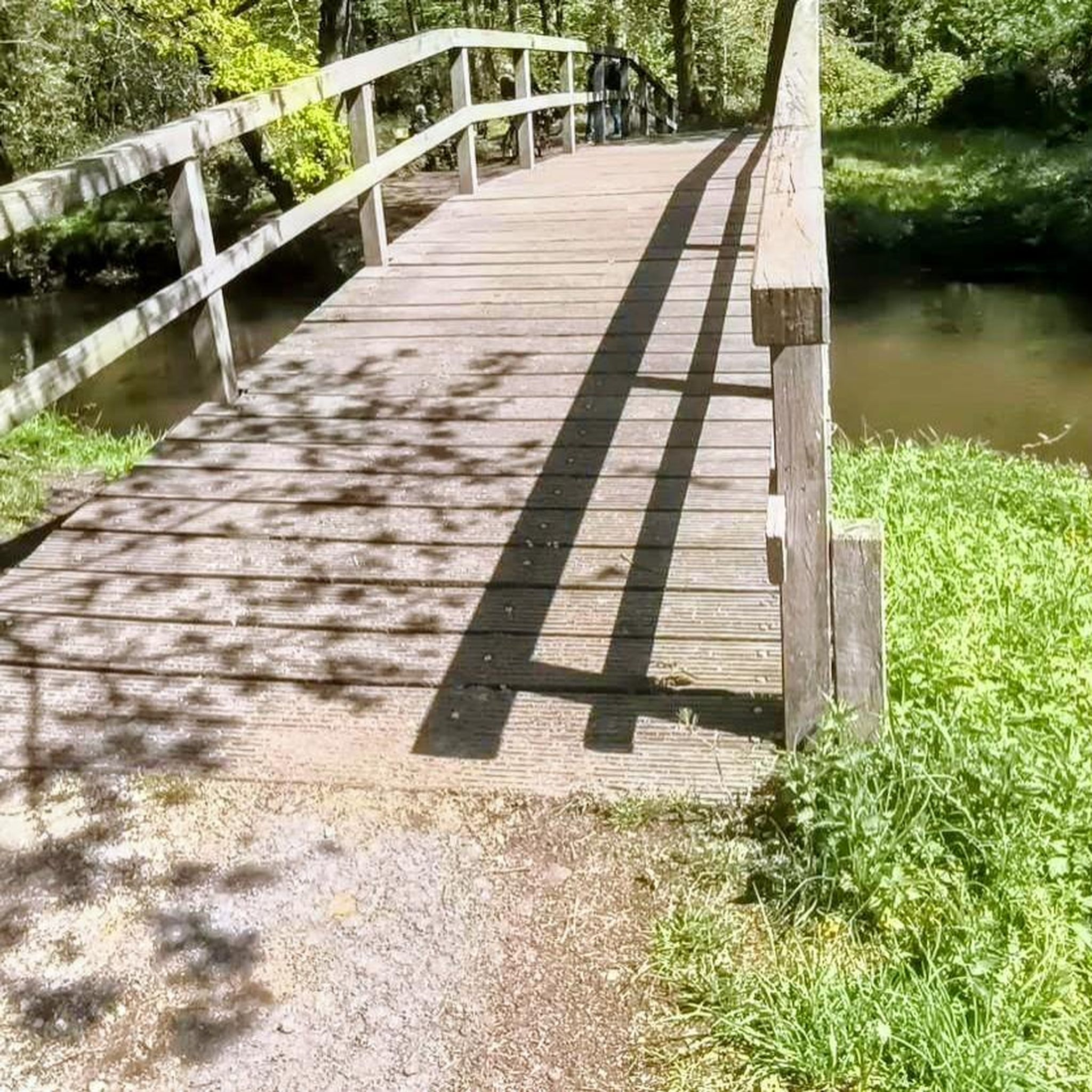
I really enjoyed this ride. I’m 46, I did it on a 40 year old road bike, it’s more suited to a cyclocross bike!
1
0
You can even rent canoes there to discover the Charente river in a different way.
0
0

On the banks of the Charente, the Château de Cognac symbolizes the town's reputation. Today a Cognac House, it welcomes visitors to help them discover its history, but also that of the eaux-de-vie produced there.
0
0

Cognac is a beautiful, wealthy town where the future François 1st was born (hence the house of the same name). This wealth comes mainly from the pineau and cognac trade… It was in the 15th century that this distillation process appeared to better preserve these wines which were sent throughout Europe and in particular to the countries of the Hanseatic League where this "burnt wine", brandevin or brandy is very appreciated, most often cut off from water. In Cognac, the Henessy, Rémy Martin, Courvoisier and Martell houses have numerous buildings. I also passed in a town next to an old building used as a cellar, a very pleasant smell emanated from it.
2
0

The Church of Saint-Martin de Coucoury was built around the 11th century. It is a pretty example of a Romanesque church.
1
0
Frequently Asked Questions
How many touring cycling routes are available around Merpins?
There are over 110 touring cycling routes around Merpins, offering a wide range of options for different skill levels and preferences. These routes are highly rated by the komoot community, with an average score of 4.3 stars.
What is the general terrain like for touring cycling in Merpins?
The terrain around Merpins is characterized by the gentle topography of the Charente River basin. You'll find a mix of agricultural areas, vineyards, and forests. Routes often feature relatively flat sections along the river, with some plateaus and gentle slopes, making it suitable for relaxed touring.
Are there touring cycling routes suitable for beginners in Merpins?
Yes, Merpins offers several easy touring cycling routes. For example, the Port of the Lys – Crouin bridge loop from Saint-Laurent-de-Cognac is an easy 29 km path with minimal elevation gain, perfect for a leisurely ride. The broader region also features over 850 kilometers of bicycle paths with flat landscapes, ideal for all skill levels.
What historical sites can I explore while cycling around Merpins?
Many routes pass by significant historical sites. You can visit the impressive Bourg-Charente Castle, a 17th-century mansion, or the Logis de Gardépée in Saint-Brice. The Saint-Brice Castle – The Jarnac Quays loop from Cognac is a great option to combine cycling with exploring such landmarks.
Are there any natural features or scenic views along the cycling routes?
Absolutely. The routes frequently follow the picturesque Charente River, offering beautiful riverside views. You'll cycle through vineyards, agricultural fields, and forests. Don't miss the ancient Chêne de François 1er, a remarkable natural monument that can be found along some routes.
What is the Flow Vélo and does it pass through Merpins?
The Flow Vélo is a renowned 350 km bucolic cycle route linking the Périgord to the Atlantic. A significant stage of this route connects Cognac to Saintes, passing near Merpins. It features a mix of small roads and towpaths with no particular difficulties, and even unique chain-operated ferries for river crossings. The La Flow Vélo: Cognac Loop is an excellent way to experience a part of it.
Are there any circular touring cycling routes around Merpins?
Yes, many of the touring cycling routes around Merpins are designed as loops, allowing you to start and end at the same point. For instance, the Port of the Lys – Chaniers chain bin loop from Cognac is a moderate 61.9 km circular path that follows the Charente River.
What is the best time of year to go touring cycling in Merpins?
The region around Merpins is generally pleasant for cycling from spring to autumn. The weather is typically mild, and the landscapes are vibrant. Summer offers warm days perfect for riverside rides, while spring and autumn provide cooler temperatures and beautiful seasonal colors in the vineyards and forests.
Are there options for longer, more challenging touring cycling routes?
Yes, for those seeking a greater challenge, there are longer routes available. The The Jarnac Quays – Vinade-Bassac bridge loop from Cognac is a difficult 114 km route with a significant elevation gain, offering a full day's adventure through varied landscapes.
Can I find places to eat or stay along the cycling routes?
Merpins and nearby towns like Cognac and Jarnac offer various cafes, restaurants, and accommodation options. Many routes pass through or near these towns, providing convenient stops for refreshments or overnight stays. Local markets in these towns are also great for experiencing local cuisine.
Is public transport accessible for reaching cycling routes in Merpins?
While specific public transport connections directly to every trailhead might be limited, major towns in the region, such as Cognac, often serve as hubs. From there, you can typically access the start points of many popular cycling routes. It's advisable to check local transport schedules for the most up-to-date information.
Are there any specific features for cyclists on the Flow Vélo route?
Yes, the Flow Vélo is particularly cyclist-friendly. Beyond its well-maintained paths, it features unique small chain-operated ferries that allow cyclists to cross the Charente River at locations like Rouffiac and Chaniers, adding a distinctive and enjoyable element to your ride.
Most popular attractions around Merpins

Get inspired with the komoot mobile app


Explore more
Browse the best Cycling routes in other regions.
