Attractions and Places To See around Naillat - Top 18
Attractions and places to see around Naillat, a commune in the Creuse department of France, offer a blend of historical landmarks, cultural sites, and natural beauty. The region features ancient heritage, including a 13th-century Romanesque church and megaliths, alongside picturesque rivers and hiking trails. Visitors can explore a variety of sites, from medieval architecture to tranquil natural areas.
Best attractions and places to see around Naillat
- The most popular attractions is La Celle-Dunoise, a settlement located in the heart…
Last updated: November 2, 2026
Porte Saint-Jean
Highlight • Historical Site
Translated by Google •
Tip by

Church of Our Lady of La Souterraine
Highlight • Religious Site
Translated by Google •
Tip by

Sign up now to discover places like this
Get recommendations on the best single tracks, peaks, & plenty of other exciting outdoor places.
View of the medieval site of Bridiers
Highlight • Castle
Translated by Google •
Tip by

Étang de la Cazine
Highlight (Segment) • Lake
Translated by Google •
Tip by
La Celle-Dunoise
Highlight • Settlement
Translated by Google •
Tip by
Sign up for free to discover even more attractions around Naillat.
Already have an account?
Start today with a free account
Your next adventure awaits.

Tips from the Community

The Porte Saint-Jean is one of the old city gates of La Souterraine. What you see now is modest, but in the Middle Ages it was a serious entrance to the walled city. Why it's nice: This was literally the city's checkpoint. Anyone who wanted to enter was examined here. The name probably refers to a nearby chapel or hospital of Saint-Jean. You're essentially walking through a 13th-14th-century section here, without it being ostentatious. What many people miss: La Souterraine was an important stop on a side route of the pilgrimage route to Santiago. It's likely that pilgrims, traders, and soldiers passed through here centuries ago.
3
0
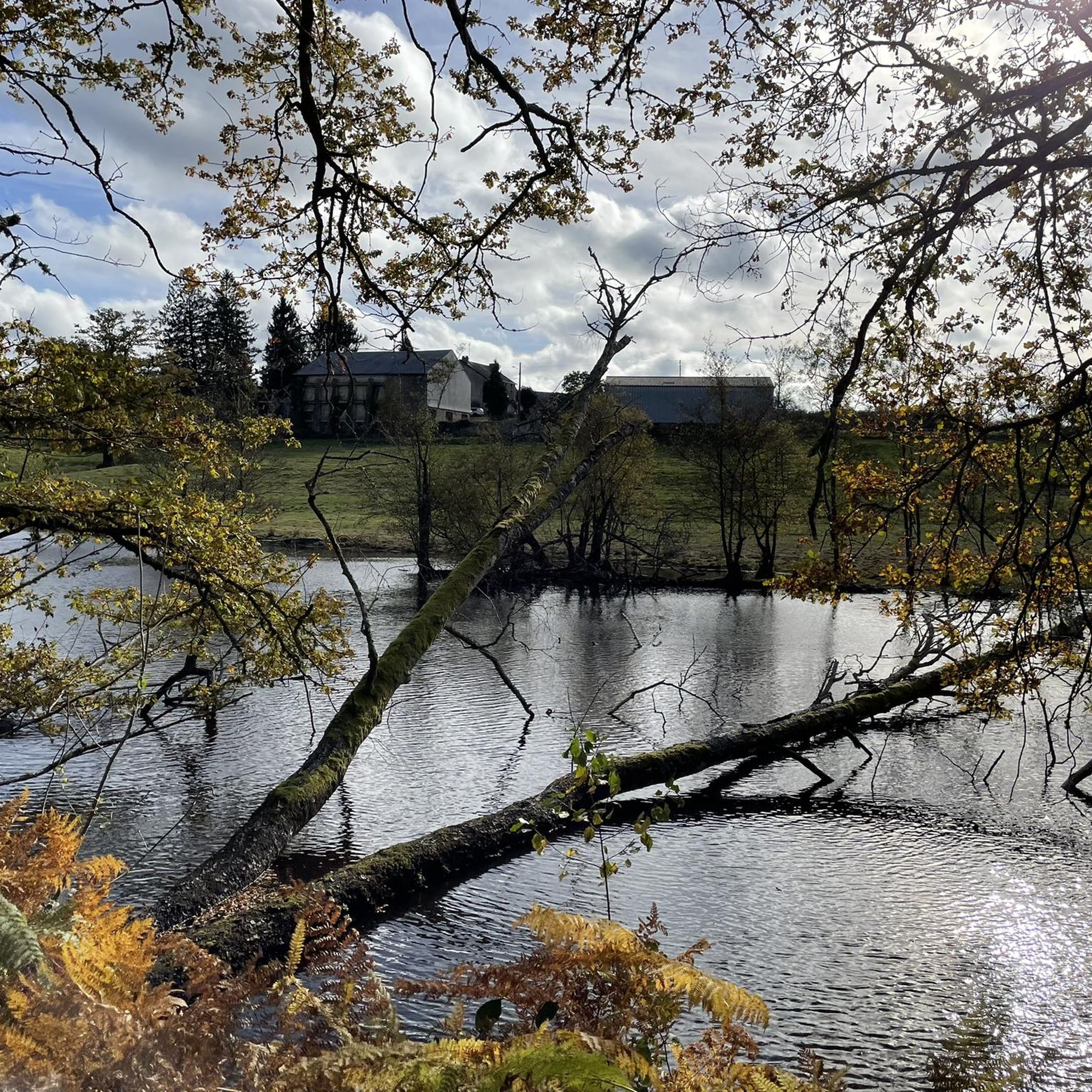
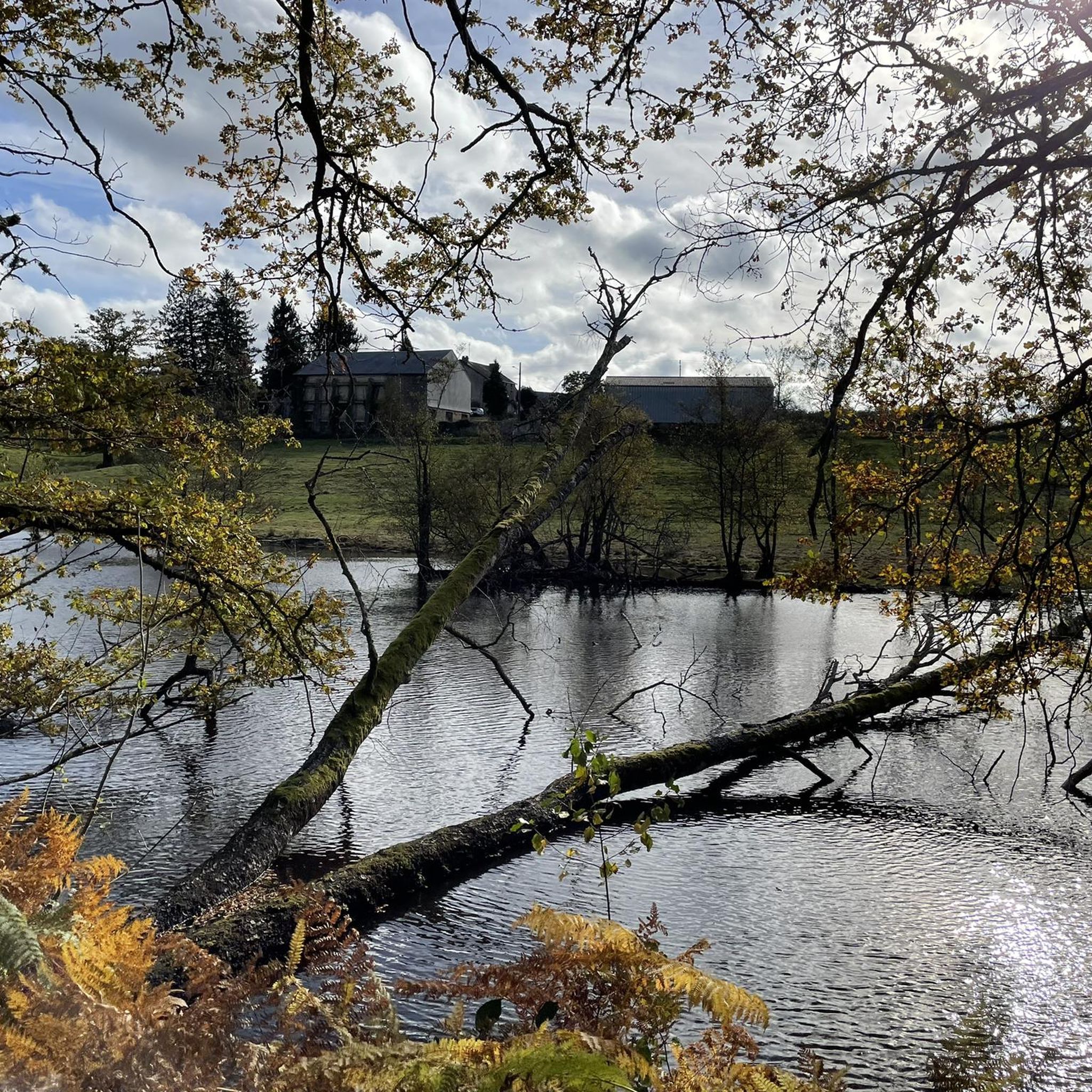
A peaceful loop walk around the La Cazine lakes, with beautiful water reflections, reed beds, and abundant birdlife. The varied landscape is easily completed in a few hours and ideal for a relaxing break in nature. Several benches and picnic tables are available.
3
0


The Saint-Jean gate is one of the emblems of La Souterraine. It was used to defend the city and was remodeled in the 15th century. We admire the two round turrets visible on the exterior facade. The door can be visited independently. To do this, simply ask for the keys at the Bar du Marché.
0
0
It is the Bridiers Tower which makes this site famous. Dating from the 12th and 13th centuries, the site had a defensive function. It has been the subject of conservation since 1993 and excavations. These made it possible to discover the pentagonal fortress located at the foot of the tower. There is no guided tour, but access to the site is free. Climbing the tower is organized by the municipality and requires a modest payment of two euros.
1
0

great place with observatories
0
0

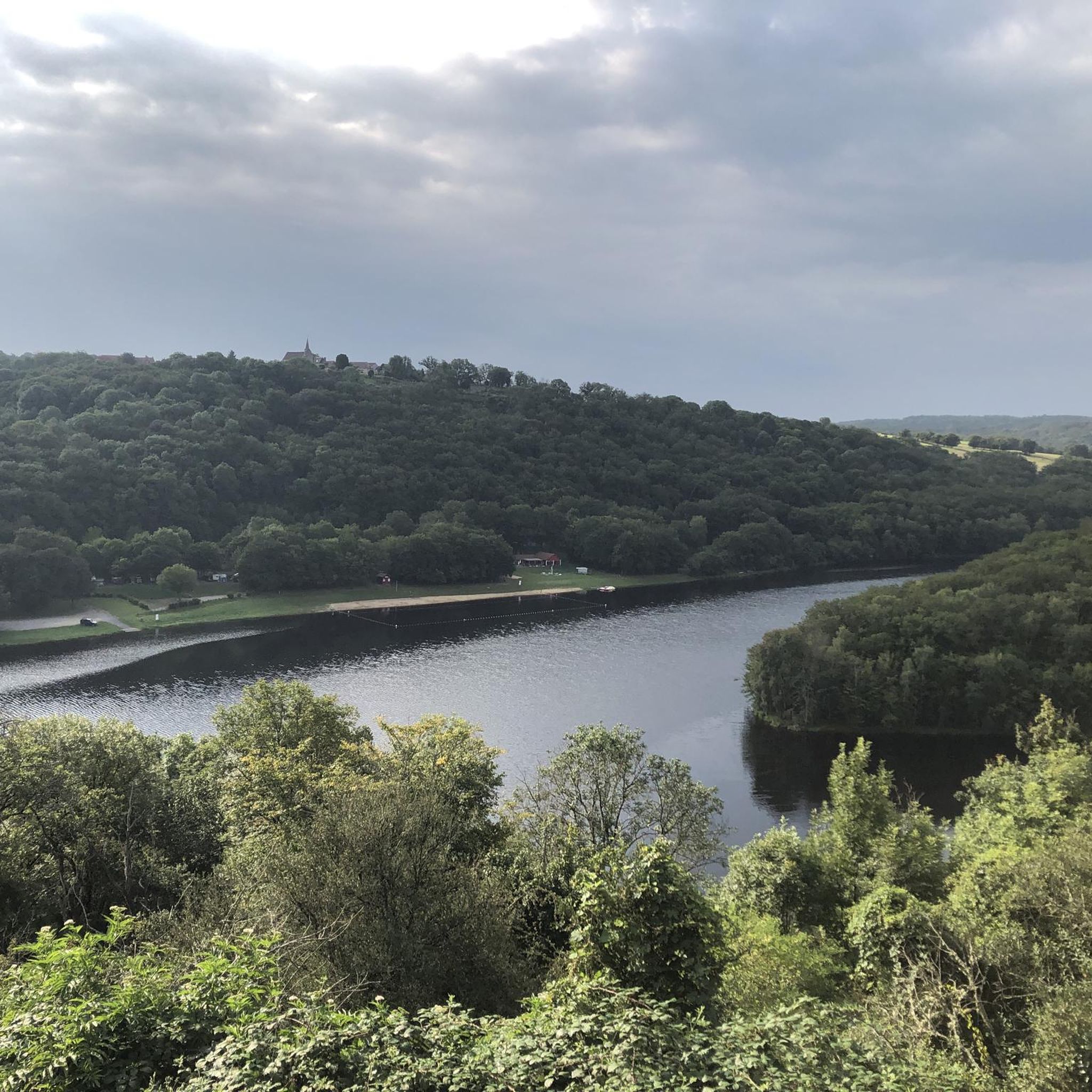
Located in the heart of the Valley of the impressionist painters of the Creuse, La Celle-Dunoise offers many leisure activities (canoeing on the Creuse, hiking, horseback riding, fishing ...) and a few shops to eat.
3
0
The Notre-Dame de la Souterraine church was restored in the 19th century. It is distinguished by its underground crypt. The style of the granite building would have been influenced by the pilgrims of Santiago de Compostela, La Souterraine being on the pilgrimage route.
2
0
Frequently Asked Questions
What historical sites can I visit around Naillat?
Naillat and its surroundings are rich in history. You can explore the 13th-century Romanesque Saint-Médard de Noyon Church, famous for its unique 'twisted bell tower' and 15th-century monumental paintings. Other notable historical sites include the Porte Saint-Jean, one of the old city gates of La Souterraine, and the impressive Bridiers Tower, a remnant of a medieval castle. The area also features ancient megaliths like the Dolmen de la Valette.
Are there any unique architectural features in Naillat?
Yes, Naillat is home to the Saint-Médard de Noyon Church, which boasts a rare 'twisted bell tower' (clocher tors). This architectural curiosity is an octagonal spire on a rectangular tower with a slight twist, one of only about 65 such bell towers in France. The church also contains significant 15th-century monumental paintings.
What natural attractions are there for outdoor enthusiasts?
For those who enjoy nature, Naillat offers several picturesque spots. The Brézentine river has a small path accessible for peaceful walks. You can also visit the tranquil Étang de la Cazine, known for its beautiful water reflections, reed beds, and abundant birdlife, ideal for a relaxing break. Another serene location is the Étang de Poulignat, described as a haven of absolute calm.
Are there family-friendly activities or places to visit?
Many attractions around Naillat are suitable for families. La Celle-Dunoise, located in the Valley of the Impressionist painters, offers various leisure activities such as canoeing, hiking, horseback riding, and fishing. The Étang de la Cazine provides an easy loop walk with picnic tables, perfect for a family outing in nature. Historical sites like the Porte Saint-Jean and the Church of Our Lady of La Souterraine also offer engaging experiences for all ages.
Where can I go hiking near Naillat?
Naillat offers several hiking opportunities. Two marked hiking trails allow visitors to discover the natural sites and fresh air of the Dunois region. You can find various routes, including the 'Cazine Ponds Circuit' and 'Les Combes de la Cazine loop from Colondannes'. For more detailed routes and options, explore the Hiking around Naillat guide.
What cycling routes are available around Naillat?
Cyclists can enjoy a variety of routes near Naillat. Options range from the 'La Celle-Dunoise – Crozant Ruins loop from Dun-le-Palestel' for touring bicycles to the 'Ruins of the Chamborand keep – Bridiers Tower loop from Naillat' for road cycling. There are routes of varying difficulties, including easy and moderate options. You can find more information and specific routes in the Cycling around Naillat and Road Cycling Routes around Naillat guides.
What do visitors particularly enjoy about the attractions near Naillat?
Visitors appreciate the blend of historical depth and natural beauty. The peaceful loop walk around the Étang de la Cazine is highly rated for its tranquility and birdlife. The historical significance of sites like the Church of Our Lady of La Souterraine, with its underground crypt and connection to the Santiago de Compostela pilgrimage route, is also a major draw. The variety of leisure activities available in places like La Celle-Dunoise is also a highlight for many.
Can I find ancient archaeological sites in the area?
Yes, Naillat has a rich archaeological past. The area features ancient megaliths, including the Dolmen de la Valette, also known as 'Pierre Euberte' or 'Pierre des Folles,' with its massive stones. Historical findings also include remnants of early wooden fortified castles from the 10th or 11th century at a mound called 'Redoute' near the Brézentine river.
What is special about the Church of Our Lady of La Souterraine?
The Church of Our Lady of La Souterraine is distinguished by its underground crypt, which gave the town its name ('Souterrain' meaning underground). The granite building's style was influenced by pilgrims on the Santiago de Compostela route, as La Souterraine was an important stop.
What is La Celle-Dunoise known for?
La Celle-Dunoise is situated in the heart of the Valley of the Impressionist painters of the Creuse. It's a popular spot offering a wide range of leisure activities, including canoeing on the Creuse river, hiking, horseback riding, and fishing, making it a vibrant destination for outdoor recreation.
Is there a place with panoramic views near Naillat?
Yes, the Bois de Chabannes is a forested area where visitors can enjoy panoramic views of the surrounding landscape. It's also part of longer hiking routes, such as the 'Beautiful view of the Indre 36 – Bois de Chabannes loop from Dun-le-Palestel'.
What is the 'Stone of the Dead'?
The Stone of the Dead is a massive granite slab located in Naillat, between the church and the town hall. Set up in the early 20th century and topped with a metal effigy of the Republic, it was traditionally used for civil burials, reflecting a unique local custom.

Get inspired with the komoot mobile app


Explore more
Still not found the Highlight you’re looking for? See guides of the top attractions in other regions:
