The best road cycling routes around Saint-Oradoux-Près-Crocq
4.4
(8)
151
riders
29
rides
Road cycling routes around Saint-Oradoux-Près-Crocq, located in the Creuse department of Nouvelle-Aquitaine, traverse a landscape characterized by rivers, forests, and valleys. The region features varied terrain, including rolling hills and the Gorges de la Rozeille, offering diverse gradients for cyclists. The Tardes River Valley provides riverside scenery, while the broader area presents panoramic vistas from elevated points near Crocq. This environment supports a range of road cycling experiences.
Best road cycling routes in Saint-Oradoux-Près-Crocq
- The most popular road cycling route…
Last updated: July 1, 2026
7
riders
41.5km
01:54
480m
480m
Moderate road ride. Good fitness required. Mostly well-paved surfaces and easy to ride.
4.0
(2)
5
riders
37.8km
01:39
390m
390m
Moderate road ride. Good fitness required. Mostly well-paved surfaces and easy to ride.

Sign up for free
5.0
(1)
5
riders
32.9km
01:29
370m
370m
Moderate road ride. Good fitness required. Mostly well-paved surfaces and easy to ride.
4.0
(2)
4
riders
38.1km
01:43
410m
410m
Moderate road ride. Good fitness required. Mostly well-paved surfaces and easy to ride.
4
riders
66.9km
03:13
820m
820m
Moderate road ride. Good fitness required. Mostly well-paved surfaces and easy to ride.
Get access to more routes and recommendations from other explorers.
Sign up for free
Already have an account?
Our route recommendations are based on thousands of hikes, rides, and runs completed by other people on komoot.
Start today with a free account
Your next adventure awaits.
Login or Signup
Popular around Saint-Oradoux-Près-Crocq

Tips from the Community

Overcrowded tourist village
0
0

Aubusson boasts several noteworthy buildings from the Middle Ages and more recent times. These include the clock tower from 1579, part of the town's fortifications. Aubusson also has museums dedicated to the production of tapestries and the Jean Lurçat Cultural Centre.
1
0
This old watchtower was integrated into the city's fortifications. Also called the "white tower", it is the last vestige of the enclosure that surrounded Aubusson. It was used to monitor movements in the city. On the facade of the tower, three dials facing the city indicate the time. It is easily recognizable with its pepperpot roof covered in chestnut shingles. It is decorated with a bell decorated with three small bas-reliefs: a mitred bishop.
2
0

This bridge is emblematic of Aubusson. Originally made of wood, it was essential for commercial exchanges on the road from Limoges to Clermont-Ferrand. It was rebuilt with stones from the castle (itself dismantled on the orders of Rochelieu). There remains a castle (from the 15th century) on the left bank, which formerly housed the archers in charge of the defense of the building.
1
0

Be careful if you have to go visit the museum, call before, they can close to the public without warning on the site.
0
0

The Pont de la Terrade in Aubusson was until the 18th century, the only crossing point of the Creuse on the main road leading to Limoges. This passage was gradually abandoned in favor of the later, larger Récollets bridge. Thus the Terrade bridge remains today in a remarkable state of conservation. It has undergone very few modifications related to the development of modern transport. Originally made of wood, it is deployed across the river from a stone pile. Natural rot, bad weather and the importance of the Creuse wines, the bridge became dangerous due to its dilapidated state despite various repairs from the middle of the 16th century. The need for reconstruction is felt. It was replaced by a stone bridge built between 1638 and 1641 with materials from the ruins of the old medieval castle of the first Viscounts of Aubusson, the Chapter. This Huguenot defensive stronghold was destroyed on the orders of Richelieu in 1632. The Pont de la Terrade, property of the town, was listed in the inventory of historical monuments on June 15, 1926. Carefully restored in 2009, this building preserved charm illustrates the typicality of the architecture of Aubusson.
0
0

These two impressive towers are what remains of a 12th century castle. From there, you enjoy a panoramic view of the Limousin and Auvergne regions. You can also discover the restoration work and the history of the castle on the site which is open from March to October.
2
0
This tower, which today is a clock, was once a watchtower and was an integral part of the city's fortifications, which have practically disappeared.
3
0
Frequently Asked Questions
What is the typical terrain like for road cycling in Saint-Oradoux-Près-Crocq?
The region around Saint-Oradoux-Près-Crocq offers a diverse road cycling experience, characterized by a mix of river valleys, rolling hills, and scenic gorges. You'll encounter varied gradients, from gentle inclines along rivers like the Tardes to more challenging climbs in the hilly terrain, providing panoramic views of the Limousin and Auvergne regions.
Are there road cycling routes suitable for different skill levels?
Yes, the area caters to various abilities. While most routes are rated as moderate, there are options for both less experienced riders and those seeking more challenging ascents. For instance, the region's total of 24 routes includes 2 easy, 18 moderate, and 4 difficult options, ensuring a suitable ride for almost everyone.
What natural features can I expect to see while road cycling in the region?
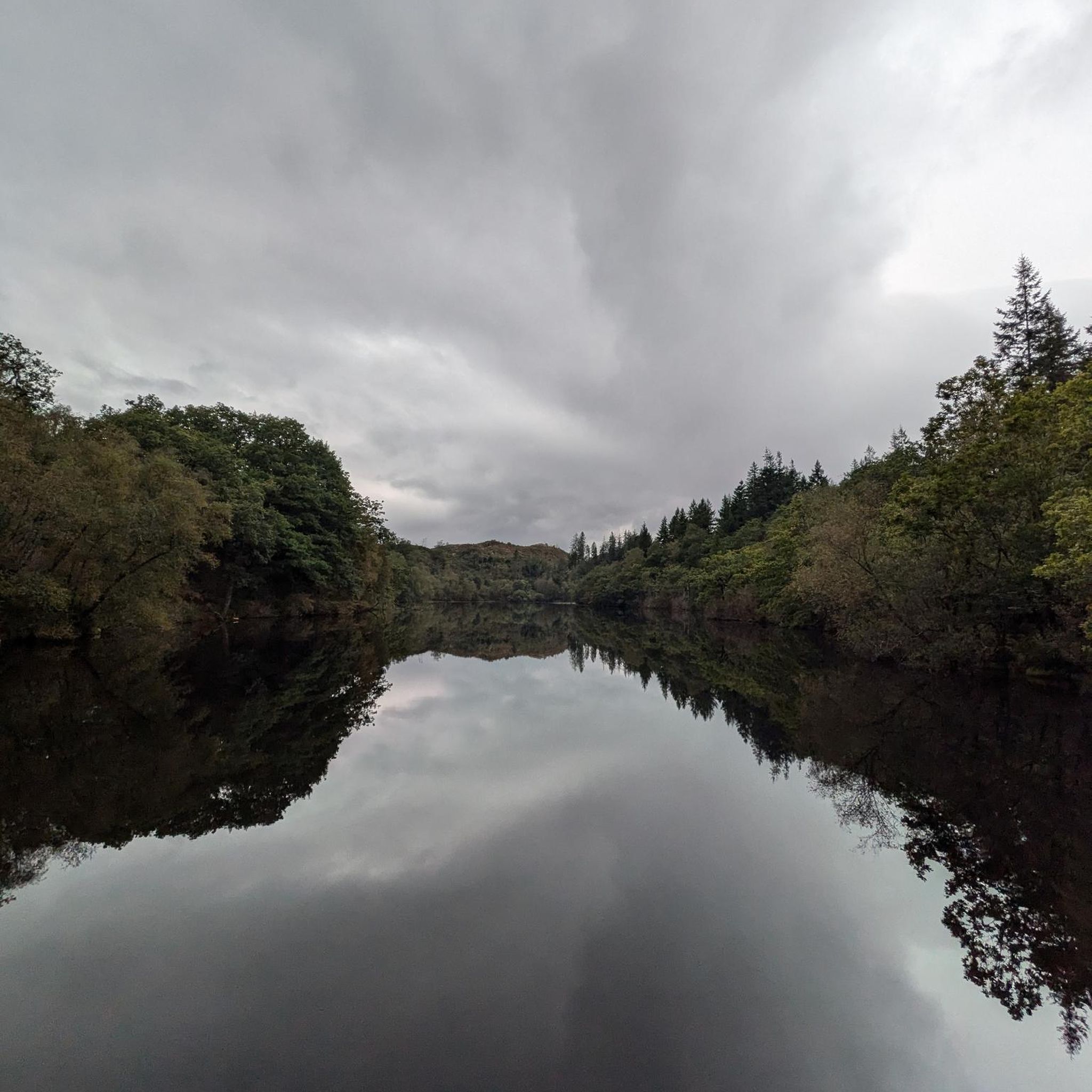
You can expect to cycle through picturesque landscapes featuring rivers, forests, and valleys. Notable natural features include the deep Gorges de la Rozeille, which stretch for 4 kilometers, and the tranquil Tardes River Valley. These areas offer captivating views and a peaceful cycling environment.
Are there any historical landmarks or points of interest along the cycling routes?
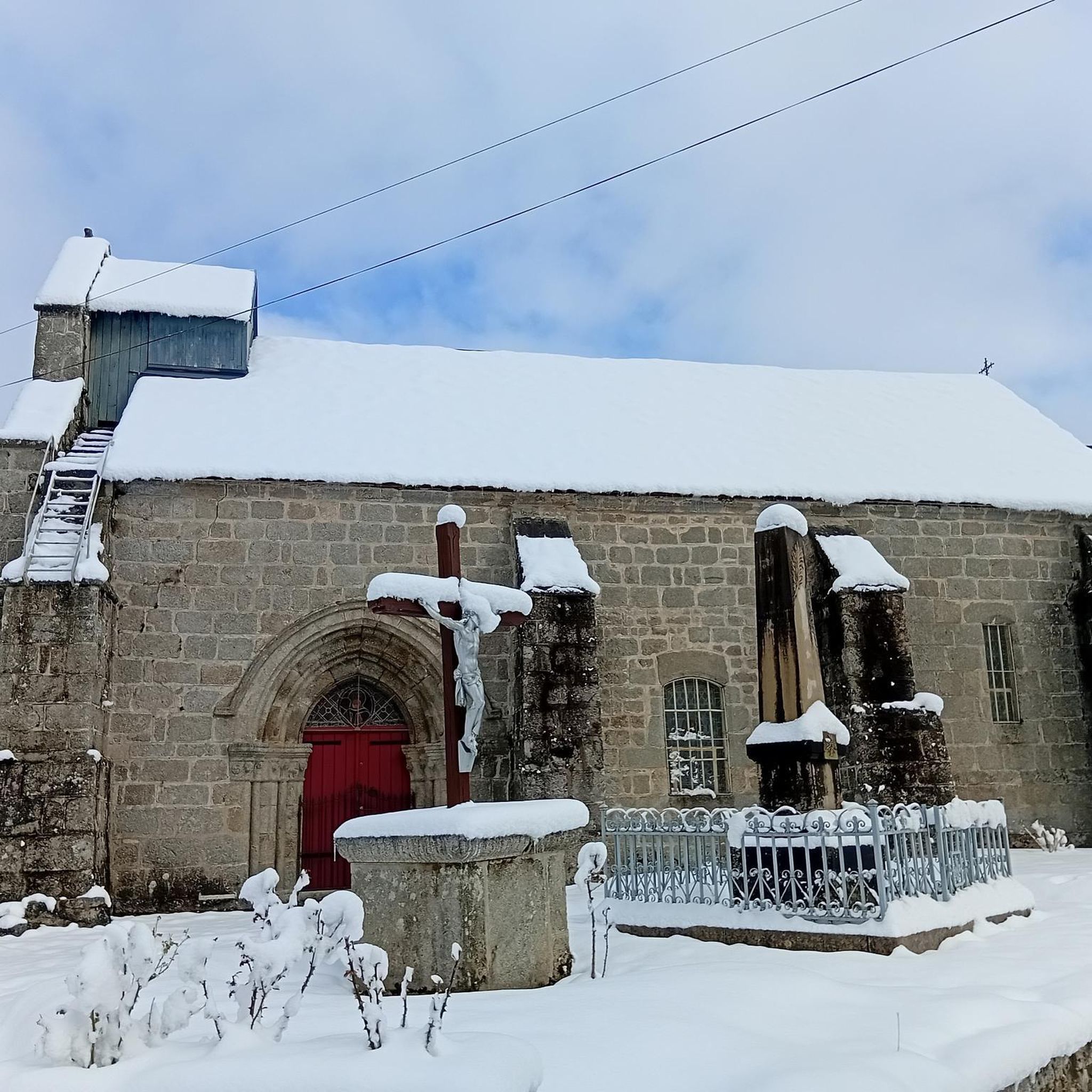
Yes, beyond the natural beauty, you can encounter cultural and historical elements. The nearby town of Crocq features remnants of a fortified château, and Saint-Oradoux-Près-Crocq itself has a 12th-century church with a wall-belfry. You might also pass by the Saint-Georges Nigremont Promontory, a site recognized by the French Cycling Federation.
Where can I find panoramic views during my ride?
The broader area around Saint-Oradoux-Près-Crocq is known for its rolling hills and viewpoints, especially near Crocq, which offer panoramic vistas of the Limousin and Auvergne regions. Routes like the View of Crocq and Its Castle – Tyx Pond loop from La Croix specifically highlight these scenic opportunities.
What do other road cyclists enjoy the most about road cycling in Saint-Oradoux-Près-Crocq?
The area is highly rated by the komoot community, with an average score of 4.5 stars from over 8 reviews. Cyclists often praise the varied terrain, the tranquil roads with very few cars, and the beautiful landscapes that make for an enjoyable and peaceful riding experience.
Are there any long-distance road cycling routes available?
While many routes are moderate loops, some extend further, offering longer rides. For example, the A beautiful descent to Aubusson – View of Crocq and Its Castle loop from La Villeneuve is a longer route covering over 66 kilometers, providing a more extensive exploration of the region.
Can I find circular road cycling routes in Saint-Oradoux-Près-Crocq?
Yes, many of the road cycling routes in the area are designed as loops, making them convenient for starting and ending at the same point. Examples include the Source du Cher – Tour de Sermur loop from La Villeneuve and the View of Crocq and Its Castle loop from Crocq.
What is the best time of year for road cycling in Saint-Oradoux-Près-Crocq?
The region's pleasant climate makes it suitable for cycling through much of the year. Spring and autumn generally offer comfortable temperatures and beautiful scenery. Summer is also popular, though it can be warmer, while the tranquil roads ensure a peaceful ride regardless of the season.
Are there any specific cycling paths or routes along the Tardes River?
Yes, the Tardes River Valley offers scenic routes. The "Chemin du Chanvre" (Hemp Path) circuit, starting from Saint-Oradoux-Près-Crocq, is an example of a route that combines riverside scenery with gentle inclines. You can find more details about this specific circuit on the local tourism website: Le Chemin du Chanvre.
Are there any other notable sites to visit in the Creuse department for cyclists?
The Creuse department, where Saint-Oradoux-Près-Crocq is located, is rich in natural sites. You can explore other areas recognized for their natural beauty and outdoor activities. For more information on sites to visit across the Creuse, you can consult the local tourism board: Tourisme Creuse.
What is the elevation gain like on the road cycling routes?
The elevation gain varies depending on the route, reflecting the region's rolling hills. For example, the Tyx Pond – View of Crocq and Its Castle loop from Crocq involves an elevation gain of over 413 meters, while the Source du Cher – Tour de Sermur loop from La Villeneuve has an elevation gain of approximately 556 meters, offering a good workout for cyclists.
Most popular attractions around Saint-Oradoux-Près-Crocq

Get inspired with the komoot mobile app


Explore more
Browse the best Road cycling routes in other regions.
