The best cycling routes around Bingen
4.6
(542)
2,365
riders
28
rides
Touring cycling around Bingen is defined by its location at the confluence of the Rhine and Nahe rivers, offering diverse landscapes for cyclists. The region is part of the UNESCO World Heritage Upper Middle Rhine Valley, featuring dramatic river gorges, steep terraced vineyards, and historic towns. Routes often follow riverbanks, providing relatively flat sections through a cultural landscape shaped over centuries.
Best touring cycling routes around Bingen
- The most popular touring cycling route is Sigmaringen Castle – Great Danube cycle…
Last updated: November 18, 2026
4.6
(141)
589
riders
Hard bike ride. Very good fitness required. Mostly paved surfaces.
4.6
(116)
525
riders
66.7km
04:22
480m
480m
Hard bike ride. Very good fitness required. Mostly paved surfaces.

4.6
(79)
373
riders
154km
09:20
1,000m
1,000m
Hard bike ride. Very good fitness required. Mostly paved surfaces.
5.0
(2)
49
riders
10.5km
00:41
130m
130m
Easy bike ride. Mostly paved surfaces.
4.5
(24)
68
riders
Moderate bike ride. Good fitness required. Mostly paved surfaces.
Get access to more routes and recommendations from other explorers.
Already have an account?
Our route recommendations are based on thousands of hikes, rides, and runs completed by other people on komoot.
Start today with a free account
Your next adventure awaits.
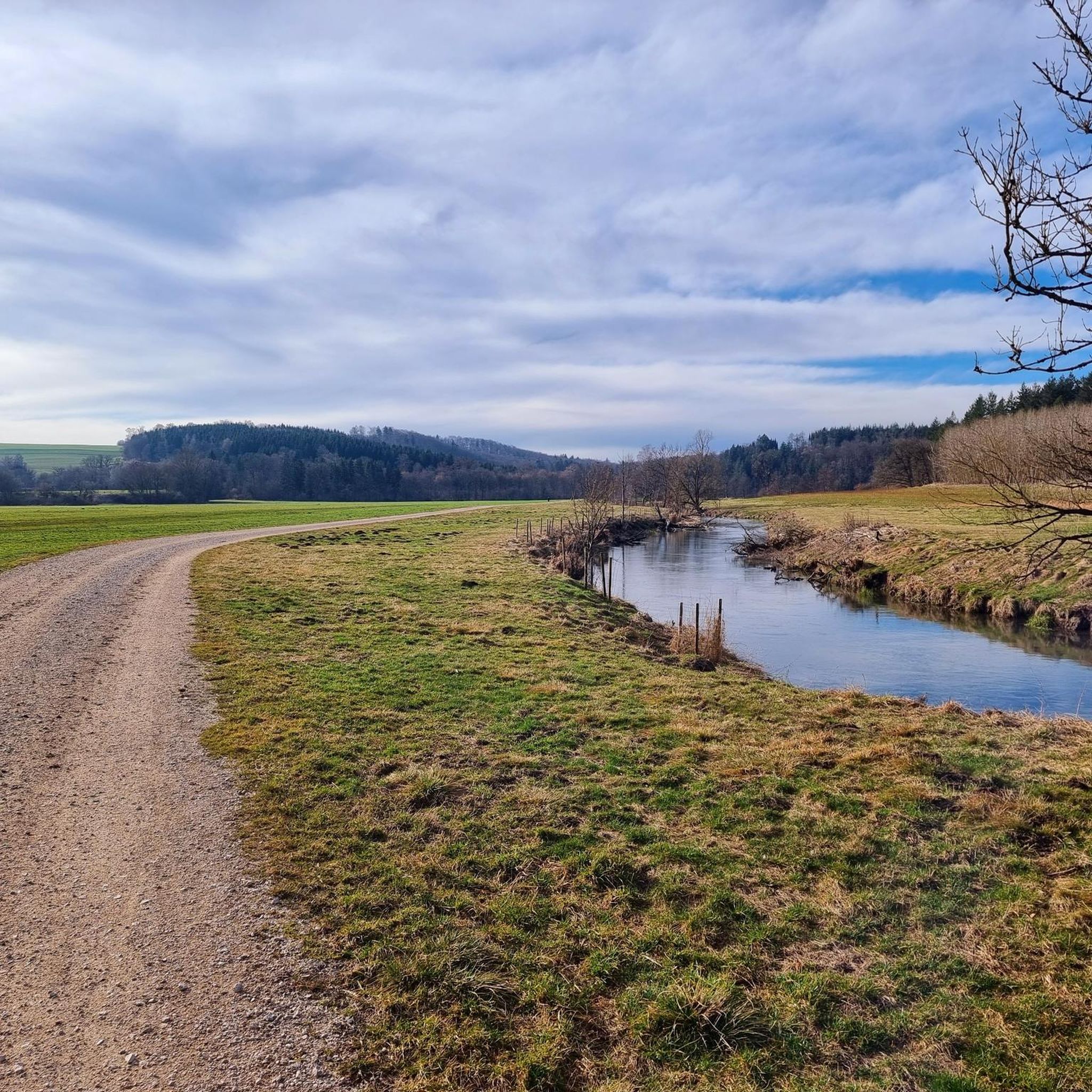
Tips from the Community

The first documented mention of Sigmaringen Castle can be found in the year 1077, in the annals of the Petershausen monastery. It reports on the stay of King Henry IV during his investiture controversy with the Pope – an indication that the castle already had strategic importance at that time. The oldest preserved parts date back to the Staufer period around 1200. These include the castle gate, the palas, and the keep. Over the centuries, the castle was repeatedly expanded, rebuilt, and adapted to the changing needs of its inhabitants. The 15th and 16th centuries in particular were marked by profound structural changes. A first major construction period dates back to the Counts of Werdenberg, who began in the 15th century to expand the castle into a representative residence. The extension to the northeast is documented today only by the preserved door lintel on the so-called Swedish Tower with the year 1498. A few years later, another extension to the west followed. With the handover of the castle to the Hohenzollern-Sigmaringen line in 1535, a new era began. Count Karl II of Hohenzollern-Sigmaringen (1576–1606) had the castle extensively rebuilt and expanded it according to modern standards. Another milestone was the merging of two separate building parts by Michael Beer around 1650. The master builder, who came from the Bregenzerwald, connected the facilities from the Werdenberg period into a unified castle architecture. In the 18th century, mainly smaller renovations and furnishing measures followed. Particularly noteworthy is the establishment of a knight's hall in 1736, which was redesigned and restored as an ancestral hall in 1878. In the course of the emerging Neo-Gothic style, the castle was further remodeled in the second half of the 19th century by the princely master builder Josef Laur. A dramatic event shook the castle in 1893, when a devastating fire destroyed large parts of the complex. As a result, one of the most significant reconstruction phases in the castle's history occurred. The architectural conclusion of this phase is marked by the Portuguese Gallery, completed in 1907. It forms an elegant connection between the castle wings and delimits the inner courtyard towards the city side – a masterpiece of courtly representative architecture. hohenzollern-schloss.de/de/component/content/article/65-historie?catid=2
2
0

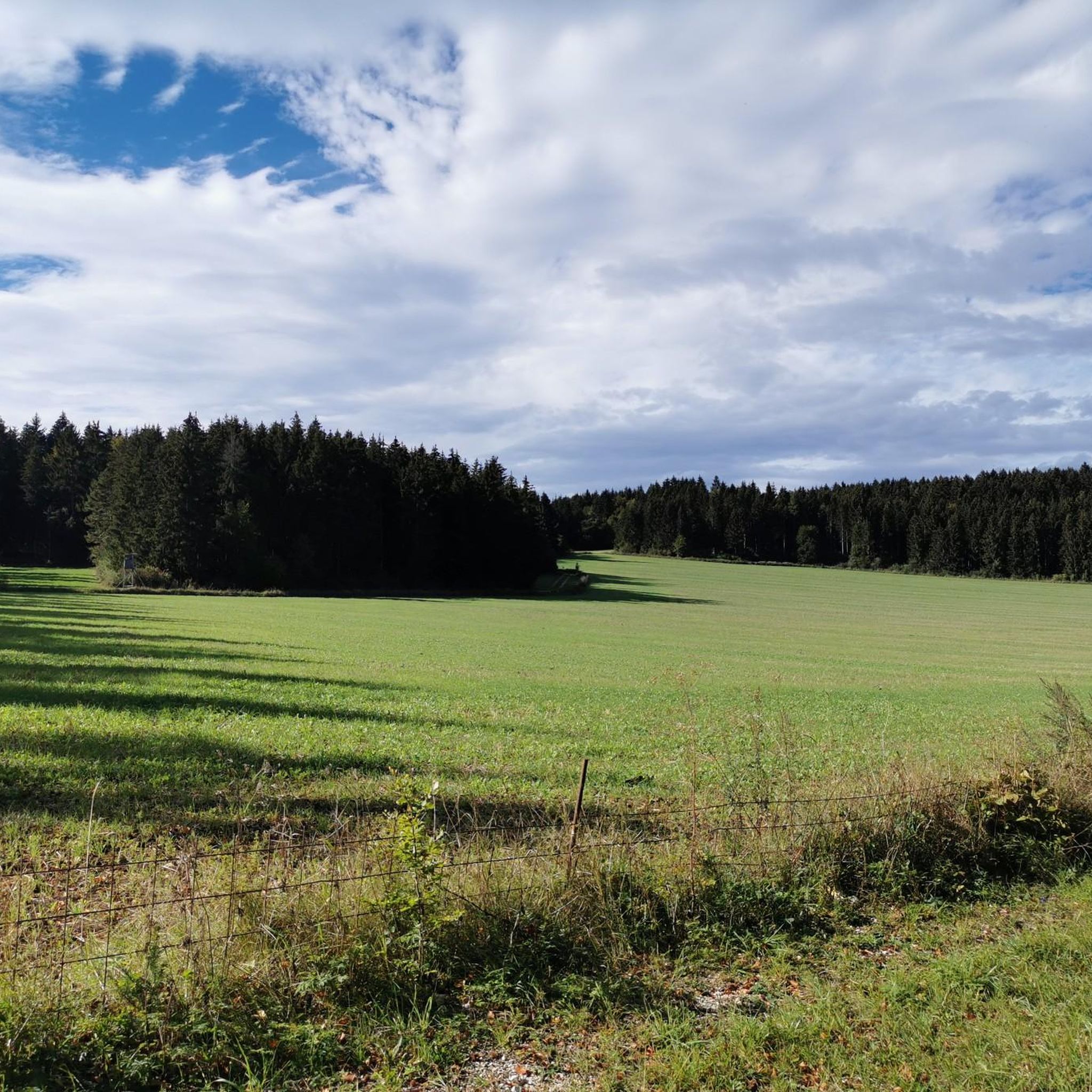
There are countless beautiful places worth seeing between Tuttlingen and Sigmaringen.
0
0

The section also rolls really well and you have a really nice view.
0
0

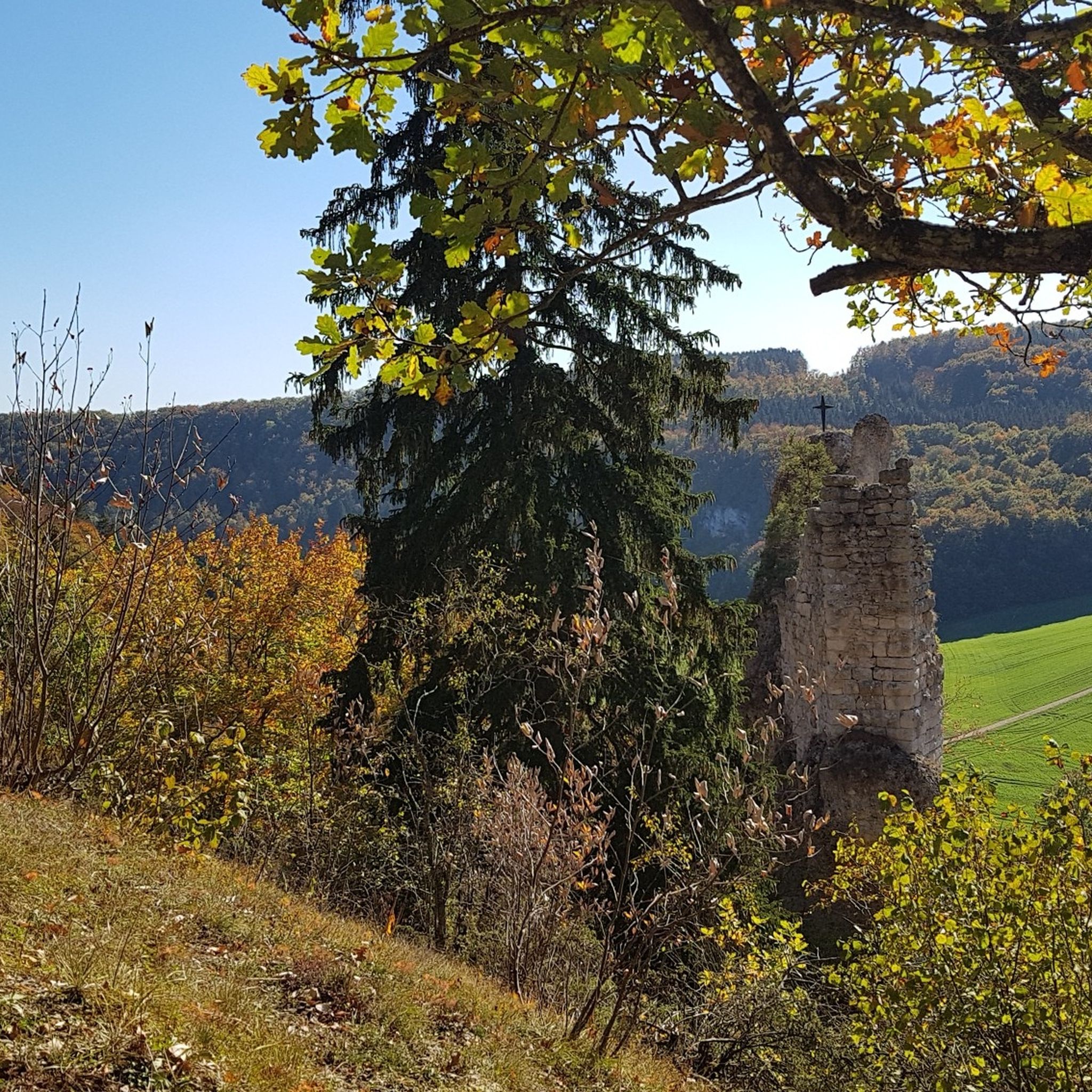
beautiful chapel directly on the bike path
0
0
beautiful view of the Danube valley
0
0
I mean this is the most beautiful section of the Danube between Sigmaringen and Beuron
0
0

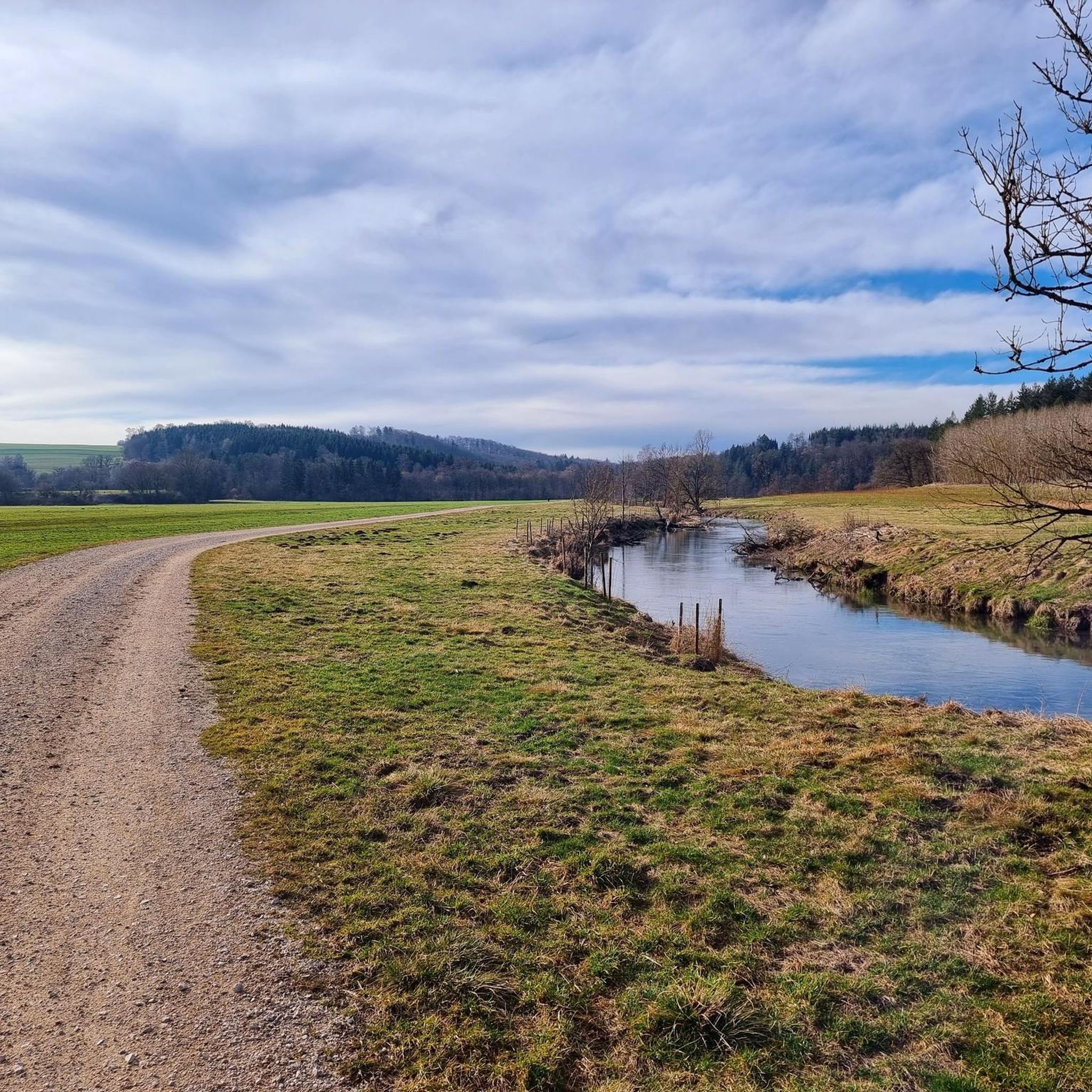
The Lauchertal is a gentle meadow valley in which the Lauchert meanders strongly. I find it so calming, soothing in its seclusion and "peacefulness" every time. Peaceful and simple bike route without big climbs
0
1

Beautiful rocky landscape framing the well-developed cycle path.
0
0
Frequently Asked Questions
What kind of terrain can I expect when touring cycling around Bingen?
Touring cycling around Bingen offers a diverse landscape. You'll find relatively flat sections along the riverbanks of the Rhine and Nahe, ideal for leisurely rides. However, the region also features the dramatic Rhine Gorge with its steep terraced vineyards, and the varied terrain of the Lauchert Valley, which can include more challenging climbs and descents. The area is part of the UNESCO World Heritage Upper Middle Rhine Valley, known for its scenic beauty.
Are there touring cycling routes for different skill levels in Bingen?
Yes, Bingen caters to various abilities. The komoot community has identified routes ranging from easy to difficult. There are 6 easy routes, 11 moderate routes, and 5 difficult routes available, ensuring options for beginners and experienced touring cyclists alike.
What historical sites and natural features can I see while cycling near Bingen?
The region around Bingen is rich in both history and natural beauty. You can explore numerous castles, such as Ruins of Gebrochen Gutenstein, Gutenstein Castle, and Baldenstein Ruins. Natural highlights include the Amalien Rock, the Danube Valley in the Upper Danube Nature Park, and the Inzigkofer caves and rock gate. Many routes offer stunning viewpoints like View over the Danube Valley from the Känzele and View of Sigmaringen Castle and the Danube.
Are there family-friendly cycling routes in Bingen?
While specific 'family-friendly' designations aren't always explicit, the relatively flat sections along the Rhine and Nahe riverbanks are generally suitable for families. Routes with lower elevation gain and shorter distances, often categorized as 'easy', would be the best choice for cycling with children. Always check the route details for distance and elevation before heading out.
Can I find circular touring cycling routes starting in Bingen?
Yes, there are several circular touring cycling routes available. For example, the Sigmaringen Castle – Great Danube cycle path section loop from Bingen (Hohenz) is a significant loop. Another option is the Sigmaringen Castle – Sigmaringen Castle loop from Bingen (Hohenz) Hp, which is an easy, shorter loop.
When is the best time of year to go touring cycling in Bingen?
The spring and autumn months generally offer the most pleasant conditions for touring cycling in Bingen. During these seasons, the weather is typically mild, and the landscapes are particularly beautiful, with blooming orchards in spring and vibrant foliage in autumn. Summer can also be enjoyable, though it can get warmer, especially in the open river valleys. Winter cycling is possible but may require more preparation due to colder temperatures and potential for snow or ice.
How can I access the cycling routes, and is parking available?
Bingen is well-positioned for accessing various cycling routes, including the long-distance Rhine Cycle Path and Nahe Cycle Path. Many routes start directly from Bingen or nearby towns. Parking facilities are generally available in Bingen and at various trailheads along the major cycle paths, though it's always advisable to check specific parking options for your chosen starting point.
Is Bingen well-connected by public transport for cyclists?
Bingen is a significant transport hub, particularly for rail and ferry services along the Rhine. This makes it convenient for cyclists to arrive with their bikes or to use public transport to shorten or extend their tours. The Rhine Cycle Path, in particular, is well-served by train stations in many of the towns along its route, allowing for flexible planning.
Are the touring cycling routes around Bingen suitable for cycling with a dog?
Many touring cycling routes along the riverbanks and through less technical terrain can be suitable for cycling with a dog, especially if your dog is accustomed to it and you use appropriate gear like a bike trailer. However, routes that involve steep climbs, narrow paths, or busy sections might be less ideal. Always ensure your dog's safety and comfort, and be mindful of local regulations regarding dogs on trails and in public areas.
What do other touring cyclists enjoy the most about touring cycling in Bingen?
The komoot community highly rates touring cycling in Bingen, with an average score of 4.6 stars from over 300 reviews. Reviewers often praise the stunning landscapes of the Rhine and Nahe valleys, the well-maintained cycle paths, and the abundance of historical castles and charming towns along the routes. The diversity of routes, from leisurely river rides to more challenging vineyard climbs, is also frequently highlighted.
Are there any routes that explore the Lauchert Valley?
Yes, the Lauchert Valley offers some engaging touring cycling experiences. You can explore this varied terrain on routes such as the Lauchert Pond – Lauchert Valley loop from Bingen (Hohenz), which is a difficult 41.5-mile path, or the slightly shorter Lauchert Pond – Lauchert Valley loop from Bingen (Hohenz) Hp, a 37.8-mile trail.
Can I find cafes or pubs along the touring cycling routes in Bingen?
Yes, the region around Bingen, especially along the Rhine and Nahe cycle paths, is dotted with numerous charming towns and villages. These often feature cafes, restaurants, and traditional pubs where you can stop for refreshments, a meal, or to sample local wines. Given the area's popularity with tourists, you'll find ample opportunities to take a break and enjoy the local hospitality.
Most popular routes around Bingen
Most popular attractions around Bingen

Get inspired with the komoot mobile app


Explore more
Browse the best Cycling routes in other regions.
