The best road cycling routes around Castelnau-Montratier
4.8
(27)
1,079
riders
23
rides
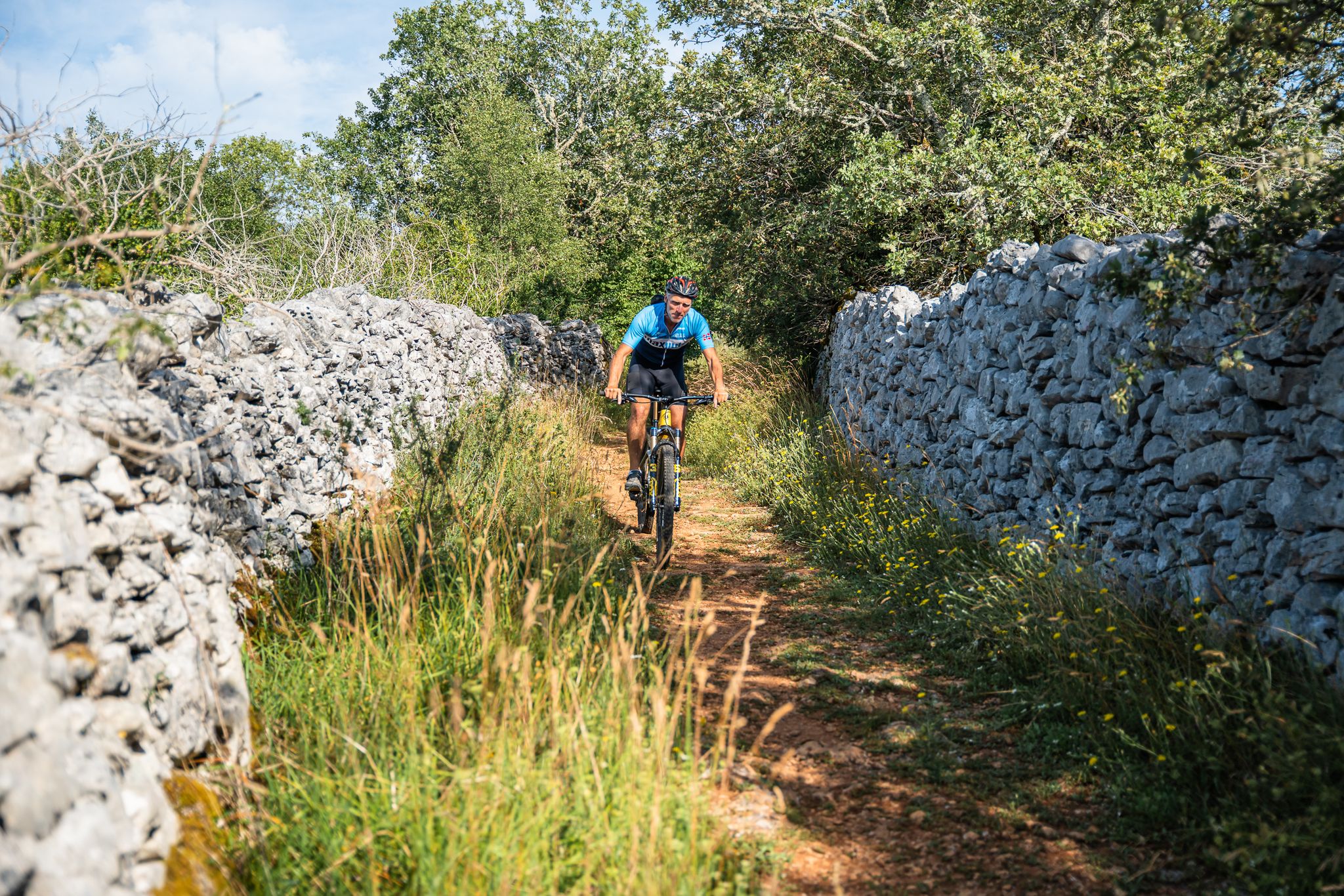
Road cycling routes around Castelnau-Montratier traverse a region characterized by rolling green landscapes, picturesque villages, and diverse terrain. The area features green valleys, impressive cliffs, and the distinctive "Quercy Blanc" region, providing varied backdrops for cyclists. Winding roads are often lined with traditional dry stone huts, known as caselles and gariottes. The region offers a mix of smooth descents and challenging climbs, with mostly paved surfaces suitable for road cycling.
Best road cycling routes around Castelnau-Montratier
- The most popular road cycling route is Pontalaman waterfall bridge – Nice French mill loop from Moulin à vent de Boisse, a difficult 60.3 miles (97.1 km) trail that takes 4 hours 23 minutes to complete. This route features significant elevation gain through varied landscapes.
- Another top favourite among local road cyclists is Castelnau-Montratier – Montpezat-de-Quercy loop from Castelnau-Montratier, a moderate 26.4 miles (42.5 km) path. This route offers a loop connecting two notable villages with scenic views.
- Local road cyclists also love the Nice descent/climb – Nice French mill loop from Moulin à vent de Boisse, a 45.9 miles (73.9 km) trail leading through rolling countryside, often completed in about 3 hours 20 minutes.
- Road cycling around Castelnau-Montratier is defined by green valleys, picturesque villages, and varied terrain with both smooth sections and challenging climbs. The network offers options for different ability levels, from moderate loops to more difficult, longer routes.
- The routes in Castelnau-Montratier are highly rated by the komoot community with an average score of 4.8 stars from over 20 reviews. More than 700 road cyclists have used komoot to explore Castelnau-Montratier's varied terrain.
Last updated: October 30, 2026
5.0
(1)
23
riders
103km
04:44
1,080m
1,080m
Hard road ride. Very good fitness required. Some segments of this route may be unpaved and difficult to ride.
16
riders
42.7km
02:03
560m
560m
Moderate road ride. Good fitness required. Mostly well-paved surfaces and easy to ride.

6
riders
74.4km
03:23
850m
850m
Moderate road ride. Good fitness required. Mostly well-paved surfaces and easy to ride.
4.0
(1)
7
riders
79.5km
03:31
730m
730m
Moderate road ride. Good fitness required. Mostly well-paved surfaces and easy to ride.
7
riders
72.2km
03:03
500m
490m
Moderate road ride. Good fitness required. Mostly well-paved surfaces and easy to ride.
Get access to more routes and recommendations from other explorers.
Already have an account?
Our route recommendations are based on thousands of hikes, rides, and runs completed by other people on komoot.
Start today with a free account
Your next adventure awaits.

Other adventures around Castelnau-Montratier

Tips from the Community

Atypical bridge with magnificent architecture: you absolutely must go see it!!
0
0

The first bridge of Cabessut, called the "Pont Neuf", was built of stone in the 13th century by the consuls and clergy of the town. It originally had two defensive towers which were destroyed in 1816. The old stone bridge was demolished in the early 20th century (around 1906) to make way for a wider structure.
0
0
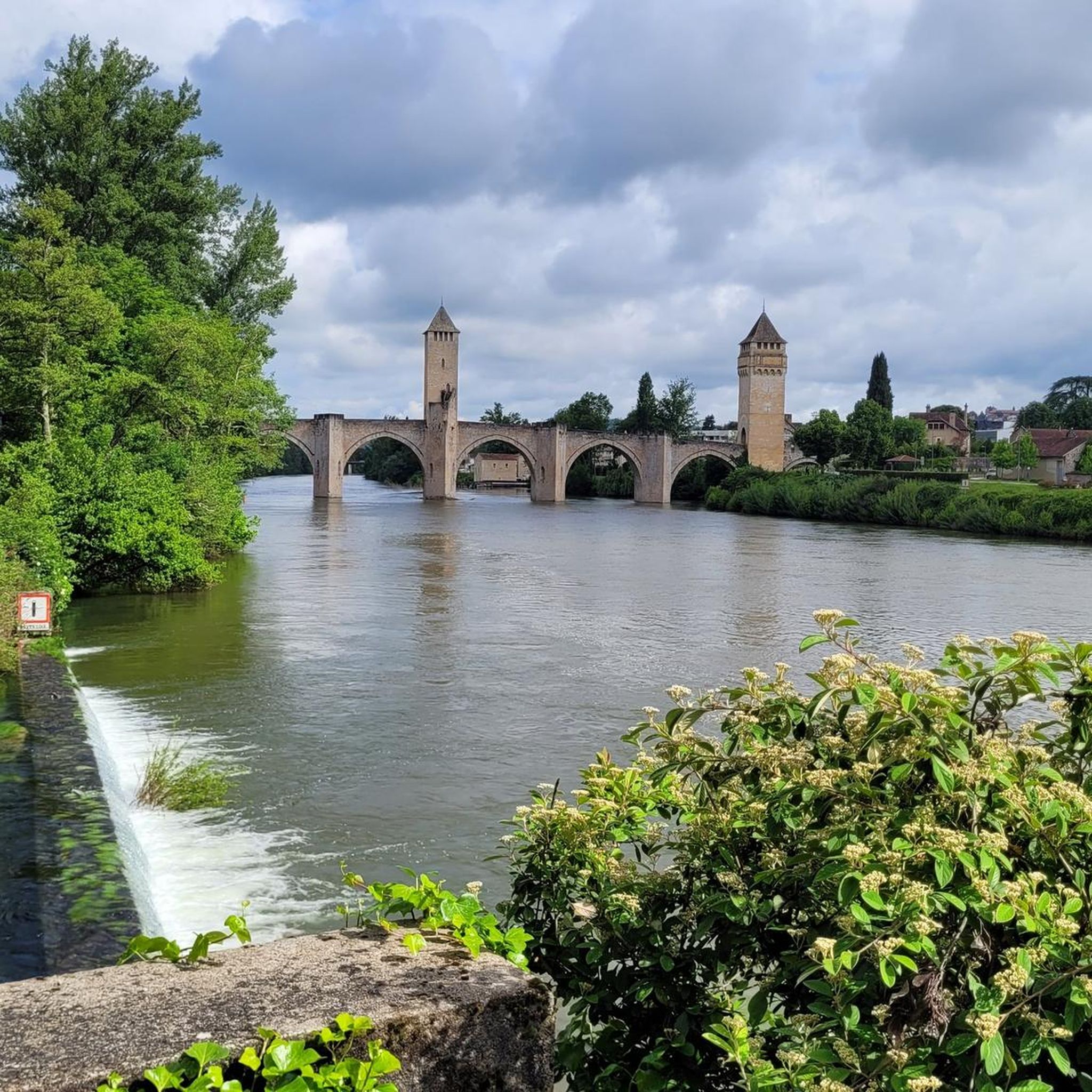
Pont Valentré is one of the few fortified medieval bridges remaining in the world. Its Gothic military architecture makes it a masterpiece of defense and engineering. 1308: The start of construction: The decision to build the bridge is made by the consuls of Cahors to secure the western access to the city and adapt to the flourishing trade. 1308-1378: An endless construction site: The work lasts nearly 70 years, slowed down by the Black Death and the Hundred Years' War. From this legendary slowness was born the famous legend of the Devil. 1879: The great restoration: Having become dilapidated, the bridge undergoes a major restoration led by architect Paul Gout (a student of Viollet-le-Duc). He chose to add the famous sculpture of the little devil on the central tower to immortalize the legend. 1998: Worldwide recognition: The bridge is inscribed on the UNESCO World Heritage list as part of the Routes of Santiago de Compostela.
0
0
Built at the end of the 13th century and remodelled in the 18th century following a fire in 1562, then again in 1881, the village church forms a single-nave stone vessel with a polygonal apse. The choir (Radiant Gothic) is covered. The stained glass windows, in very vivid colour ranges, depict the lives of Christ and Saint-Hilaire.
0
0
Montcuq is a superb medieval hilltop village with a rich heritage in the heart of Quercy Blanc: La Tour de Montcuq: A majestic 12th-century keep that proudly overlooks the village. Built between the late 12th and early 13th centuries under the authority of the Counts of Toulouse.Destruction of the castle: During the Albigensian Crusade and the treaties with the King of France, the local lord had to dismantle the ramparts. Only this keep survived.Particularities: It has a rectangular (or trapezoidal) shape and a square turret housing a unique spiral staircase. Scientifically, the name has nothing lewd about it: it comes from the Occitan Moncuc, which simply means a conical hill or a fortified hill.
0
0
The original building was completely destroyed by Protestants in the 16th century, during the Wars of Religion. The current church was completely rebuilt in 1890 in a neo-Gothic style very characteristic of that era. Despite its more recent exterior architecture, it houses and preserves precious and interesting Baroque furnishings.
0
0
Lauzerte is a magnificent medieval bastide from the 12th century perched on a rocky spur. Lauzerte is an essential and mythical stop for pilgrims on the Via Podensis (the route from Puy-en-Velay). Founded by the count of Toulouse, this ancient strategic city features a checkerboard architecture typical of the bastides of the Southwest.
0
0

A cozy town with many opportunities to stock up on provisions.
0
0
Frequently Asked Questions
How many road cycling routes are available around Castelnau-Montratier?
There are over 20 road cycling routes around Castelnau-Montratier listed on komoot, offering a variety of experiences for different fitness levels. These routes traverse rolling green landscapes, picturesque villages, and diverse terrain.
What kind of terrain can I expect on road cycling routes in Castelnau-Montratier?
The region offers varied terrain, from green valleys and lush meadows to impressive cliffs and the distinctive 'Quercy Blanc' area. You'll find a mix of smooth descents and challenging climbs, with most surfaces being paved and ideal for road cycling. Winding roads are often lined with traditional dry stone huts, known as caselles and gariottes.
Are there any easy or beginner-friendly road cycling routes in Castelnau-Montratier?
Yes, Castelnau-Montratier offers routes suitable for beginners. Out of the 20 available routes, 2 are rated as easy and 15 as moderate, providing options for those looking for less challenging rides. These routes often connect charming villages with scenic views.
What are some challenging road cycling routes for experienced cyclists?
For experienced cyclists seeking a challenge, routes like the Pontalaman waterfall bridge – Nice French mill loop from Moulin à vent de Boisse offer significant elevation gain over 97.1 km. There are 3 routes rated as difficult, providing ample opportunity for a strenuous ride through varied landscapes.
Are there any circular road cycling routes around Castelnau-Montratier?
Many of the road cycling routes in the area are circular, allowing you to start and end in the same location. For example, the Castelnau-Montratier – Montpezat-de-Quercy loop from Castelnau-Montratier is a moderate 42.5 km loop connecting two notable villages.
What can I see along the road cycling routes around Castelnau-Montratier?
The routes often pass through charming villages and offer scenic viewpoints. You can explore historical sites like the Boisse Mill, a 17th-century Quercy mill, or visit the picturesque Montcuq Old Town. The village of Castelnau-Montratier itself features an arcaded square and the Saint-Martin church with panoramic views.
What do other road cyclists enjoy most about road cycling in Castelnau-Montratier?
The area is highly rated by the komoot community, with an average score of 4.8 stars from over 20 reviews. Reviewers often praise the diverse terrain, the blend of smooth sections and challenging climbs, and the picturesque villages encountered along the routes. Over 700 road cyclists have used komoot to explore this region.
What is the best time of year for road cycling in Castelnau-Montratier?
The region is generally pleasant for cycling during spring, summer, and early autumn. The rolling green landscapes are particularly vibrant in spring, while summer offers warm weather for longer rides. Always check the local weather forecast before heading out.
Are there any long-distance road cycling trails that pass through Castelnau-Montratier?
Yes, the significant adventure route 'La Vagabonde' (V87) traverses the Quercy region and passes through Castelnau-Montratier. This route links the north and south of the Lot department, offering an authentic journey through wild landscapes, green valleys, and picturesque villages.
Where can I find starting points or parking for road cycling routes in Castelnau-Montratier?
Many routes, such as the Castelnau-Montratier – Montpezat-de-Quercy loop, start directly from Castelnau-Montratier, making it a convenient base. Parking is generally available within the village or at other notable starting points like Moulin à vent de Boisse for routes such as the Nice descent/climb – Nice French mill loop.
Are there any amenities like cafes or accommodation for cyclists in Castelnau-Montratier?
Castelnau-Montratier and the surrounding villages like Montcuq and Montpezat-de-Quercy offer various amenities. You'll find cafes and local establishments in these charming centers, perfect for a break. Accommodation options are also available, catering to visitors exploring the region.
How long do road cycling routes typically take around Castelnau-Montratier?
Route durations vary significantly based on distance and elevation. For example, a moderate 42.5 km loop like the Castelnau-Montratier – Montpezat-de-Quercy loop typically takes around 2 hours, while a more challenging 97.1 km route such as the Pontalaman waterfall bridge – Nice French mill loop can take over 4 hours.
Most popular routes around Castelnau-Montratier
Most popular attractions around Castelnau-Montratier

Get inspired with the komoot mobile app


Explore more
Browse the best Road cycling routes in other regions.
