Top 11 Castles around La Gouesnière
Best castles around La Gouesnière are found in a region of Brittany known for its coastal landscape and historical significance. The area features a maritime environment with numerous historical fortifications and estates. La Gouesnière itself is home to the Château de Bonaban, a malouinière with a history dating back to the 4th century. The surrounding area offers a range of historical sites, including coastal forts and medieval structures.
Best castles around La Gouesnière
- The most popular castles is Saint-Malo Castle…
Last updated: July 1, 2026
Saint-Malo Castle
Highlight • Castle
Translated by Google •
Tip by

Queen's Fort
Highlight • Castle
Translated by Google •
Tip by

Sign up now to discover places like this
Get recommendations on the best single tracks, peaks, & plenty of other exciting outdoor places.
Sign up for free
View of Fort National from Éventail Beach
Highlight • Viewpoint
Translated by Google •
Tip by
Bidouane Tower
Highlight • Historical Site
Translated by Google •
Tip by

Fort du Guesclin
Highlight • Castle
Translated by Google •
Tip by

Sign up for free to discover even more castles around La Gouesnière.
Sign up for free
Already have an account?
Start today with a free account
Your next adventure awaits.
Login or Signup
Tips from the Community

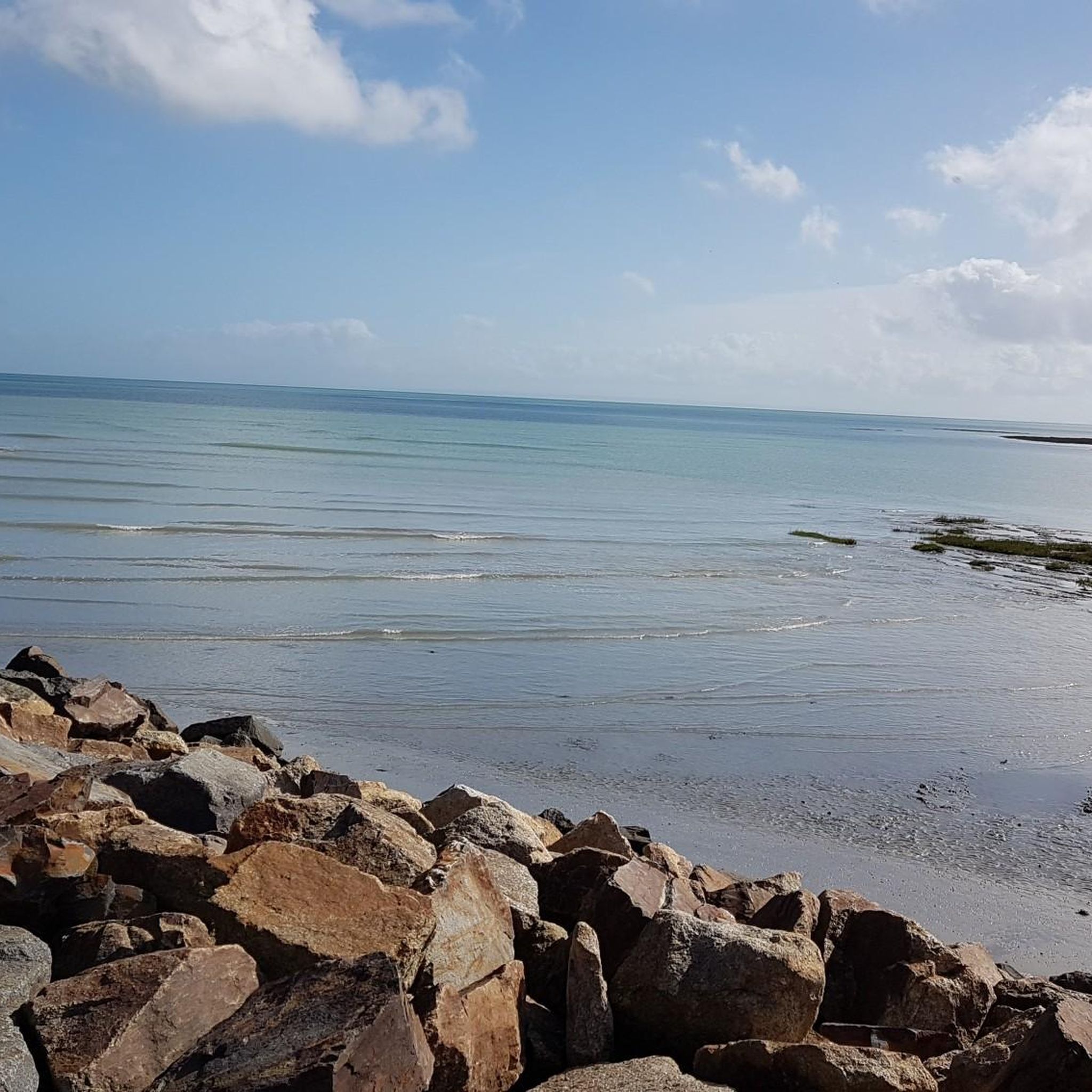
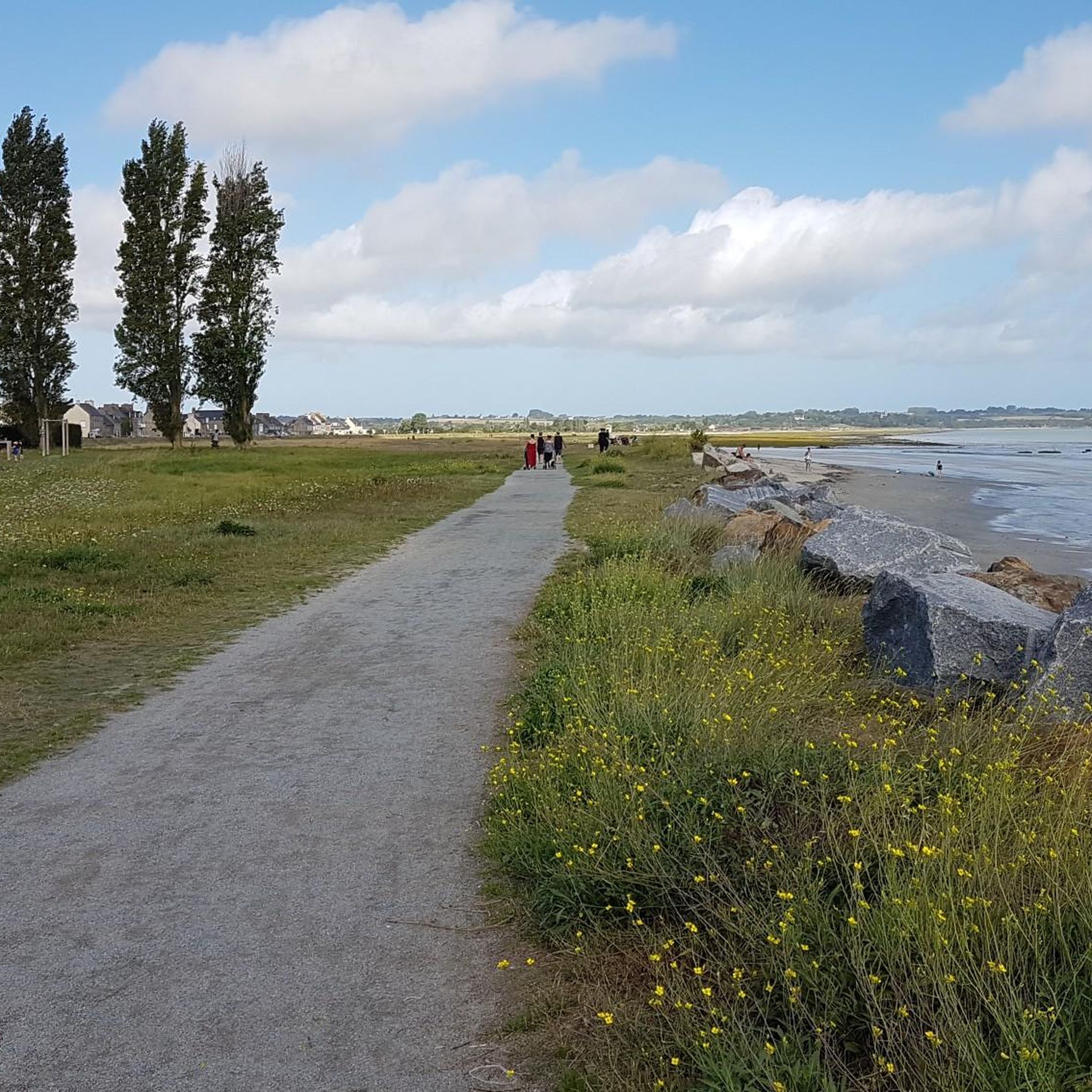
The Fort à la Reine is a historic bastion of the city walls of Saint-Malo, originally built in the 17th century by order of Vauban and later heightened in the 18th century. Located at the northwestern tip of the city, near the Tour Bidouane and the Plage de Bon-Secours, it provided strategic defense across the bay. Today, it is freely accessible, part of the city wall circuit, and offers panoramic views.
1
0
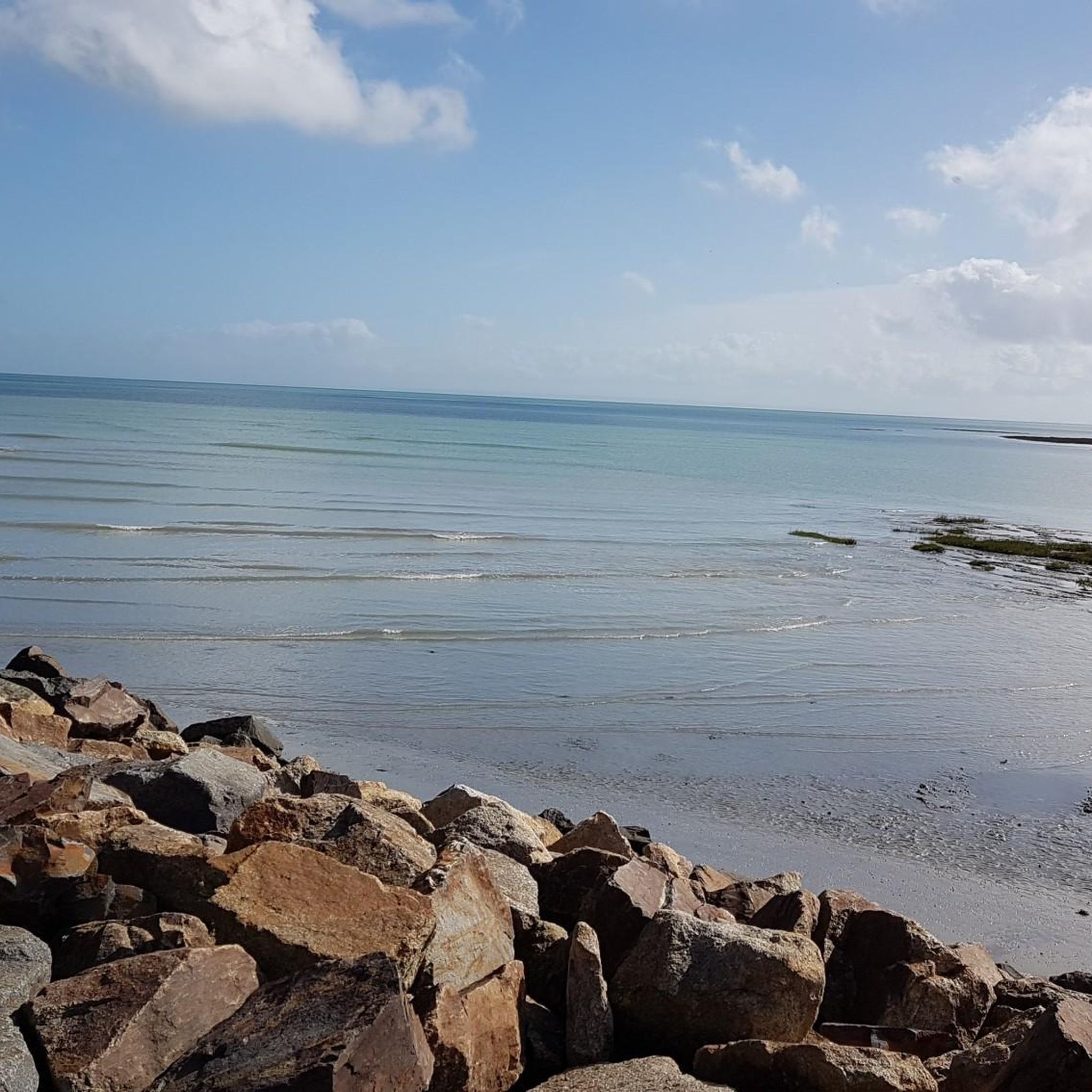
The Bidouane Tower is a historic gunpowder tower at the northwestern tip of the city walls, built in the 15th century for the defense of the city. In 1693, an attack by Anglo-Dutch forces on the tower failed when a ship loaded with explosives ran aground prematurely. In 1889, the tower lost its military function and today serves as a lookout point with panoramic views of the Bay of Saint-Malo, the islands of Grand Bé and Petit Bé, and the coast as far as Cap Fréhel.
1
0

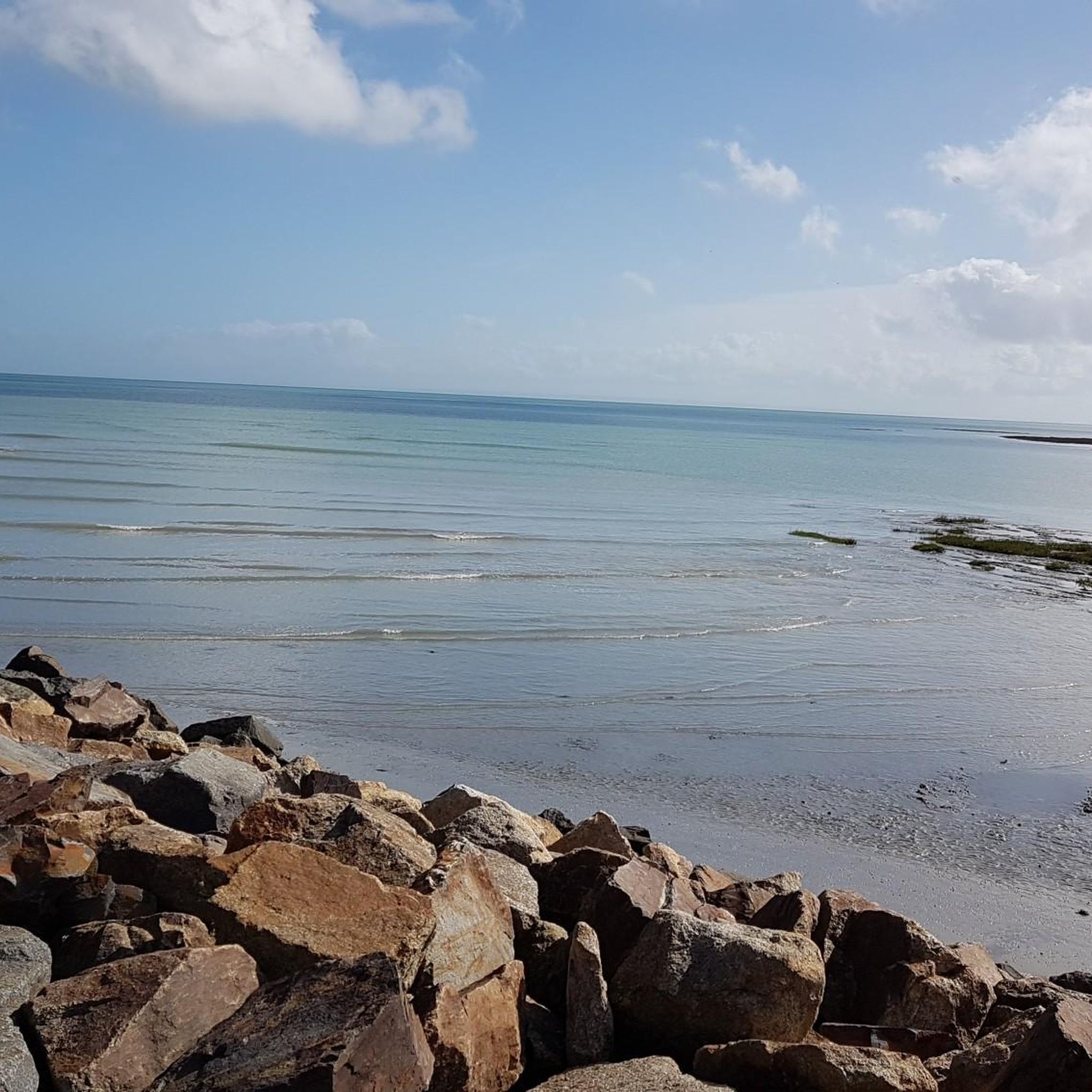
The Fort à la Reine in Saint-Malo is a historic bastion that forms part of the city's fortifications. It was originally built in 1694 as the "Bastion du Cheval-Blanc" after an Anglo-Dutch attack on Saint-Malo. The famous military engineer Vauban ordered its construction to better protect the city against enemy attacks.
7
0
The Château de Saint-Malo is a historic castle in the city of Saint-Malo, Brittany. Located in the old town of Saint-Malo (Intra-Muros), close to the city beach and the city walls. Built in the 15th century by the Dukes of Brittany, particularly under Duke Jean V, it originally served to control the city of Saint-Malo, which was known for its strong sense of independence.
7
0

Please note that this road has been closed again since the last storm on December 22, 2024, and the erosion of the coastline is leading to more frequent closures. The possibility of a permanent closure to traffic is even under consideration.
0
0

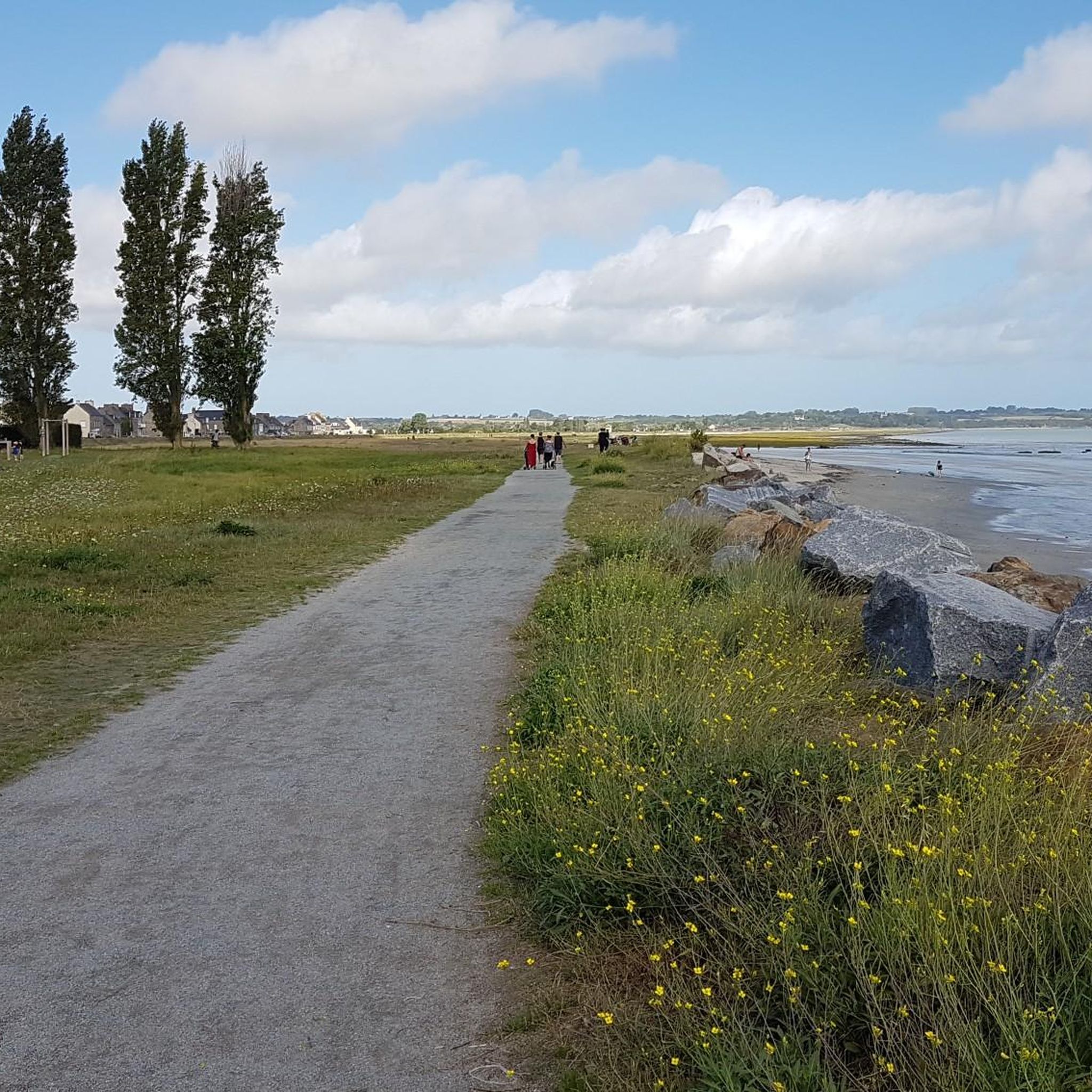
Very nice outing by the sea and inland with few km on national and departmental roads. Not too technical apart from a few passages which require a little commitment.
0
0

Today, a "national fort". This enclosure is private but regularly open to visitors.
1
1

It is hard to believe that people were able to build such buildings in such unusual places before
1
1
Frequently Asked Questions
What types of historical fortifications can I explore around La Gouesnière?
The region around La Gouesnière offers a diverse range of historical fortifications. You can find grand malouinières, coastal forts, and medieval strongholds. Notable examples include the 18th-century Queen's Fort, part of Saint-Malo's defenses, and the ancient Fort du Guesclin, which shows traces of Roman construction.
Are there any castles in La Gouesnière itself?
Yes, La Gouesnière is home to the Château de Bonaban. This impressive estate, often referred to as a 'malouinière,' has a history dating back to the 4th century. The current château was largely rebuilt in 1776 and is known for its grand architecture, including four corner towers and significant moats. It occasionally opens for guided visits during events like European Heritage Days.
Which castles are family-friendly near La Gouesnière?
Several castles and historical sites in the area are suitable for families. Saint-Malo Castle, with its museum, is a great option. The View of Fort National from Éventail Beach offers a chance to see the fort and enjoy the beach, especially at low tide. Fort du Guesclin is also listed as family-friendly, though it's only accessible at low tide.
What outdoor activities can I do near these castles?
The region around La Gouesnière is excellent for outdoor activities. You can find numerous hiking trails, such as the moderate 'Porcon Beach – Viewpoint over Cancale loop' or the 'Saint-Benoît-des-Ondes Beach – The Bay of Mont-Saint-Michel loop'. For running, there are routes like the 'Marie's Cave – Renou Wood loop'. Road cycling enthusiasts can explore longer routes like 'The dam on the Couesnon – The Bay of Mont-Saint-Michel loop'. You can find more details on these activities in the Hiking around La Gouesnière, Running Trails around La Gouesnière, and Road Cycling Routes around La Gouesnière guides.
What is the best time of year to visit castles near La Gouesnière?
The best time to visit castles and enjoy outdoor activities in Brittany, including the La Gouesnière area, is typically during the spring (April-June) and early autumn (September-October). The weather is generally milder and more pleasant for exploring, and the crowds are often smaller than in the peak summer months. Summer (July-August) is also popular, but can be busier.
Are there any castles accessible only at low tide?
Yes, Fort du Guesclin is a private property that is only accessible at low tide. Similarly, the Fort National, visible from Éventail Beach, can be accessed via a footpath at low tide. It's crucial to check the tide calendar before planning your visit to these sites to avoid getting stranded.
What kind of views can I expect from the castles and fortifications?
Many of the castles and fortifications around La Gouesnière offer stunning panoramic views, especially of the coastline and sea. From the Queen's Fort, you can admire the Sillon beach, Fort National, and the islet of Grand-Bé. The Bidouane Tower provides beautiful views of the two Be islands, while the Château de Bonaban offers views over the Bay of Cancale from its park.
What do visitors enjoy most about the castles in this region?
Visitors particularly appreciate the historical significance and architectural grandeur of the castles. The integration of sites like Saint-Malo Castle into the city walls, the strategic coastal locations of forts, and the unique accessibility of places like Fort du Guesclin at low tide are frequently highlighted. The scenic views and the opportunity to explore centuries of history also contribute to their appeal.
Is there public transport available to reach castles near La Gouesnière?
While La Gouesnière is a charming commune, direct public transport links to every castle might be limited. For castles within Saint-Malo, such as Saint-Malo Castle or Queen's Fort, local bus services within Saint-Malo are available. For sites further afield or the Château de Bonaban, a car is often the most convenient way to explore the region's historical sites.
Are there any hidden gem castles or lesser-known historical sites in the area?
Beyond the well-known sites, the region is rich in 'malouinières' – country houses built by wealthy shipowners from Saint-Malo. While many are privately owned, their distinctive architecture and historical significance make them worth noting. The Château de Bonaban itself, while prominent in La Gouesnière, offers a glimpse into this unique architectural style and is undergoing restoration to house an art collection, promising a new chapter for this historic site.
Can I find cafes or restaurants near the castles?
Yes, particularly around the more urban castle sites. Near Saint-Malo Castle and the other fortifications within Saint-Malo, you'll find a wide array of cafes, restaurants, and pubs. For sites like Château de Bonaban, which is more rural, options might be found in the nearby village of La Gouesnière or the larger town of Cancale.
Most popular routes around La Gouesnière
Most popular attractions around La Gouesnière

Get inspired with the komoot mobile app


Explore more
Looking for the best castles somewhere else? Discover other guides around La Gouesnière:
