The best road cycling routes around Cassagnoles
4.4
(48)
896
riders
35
rides
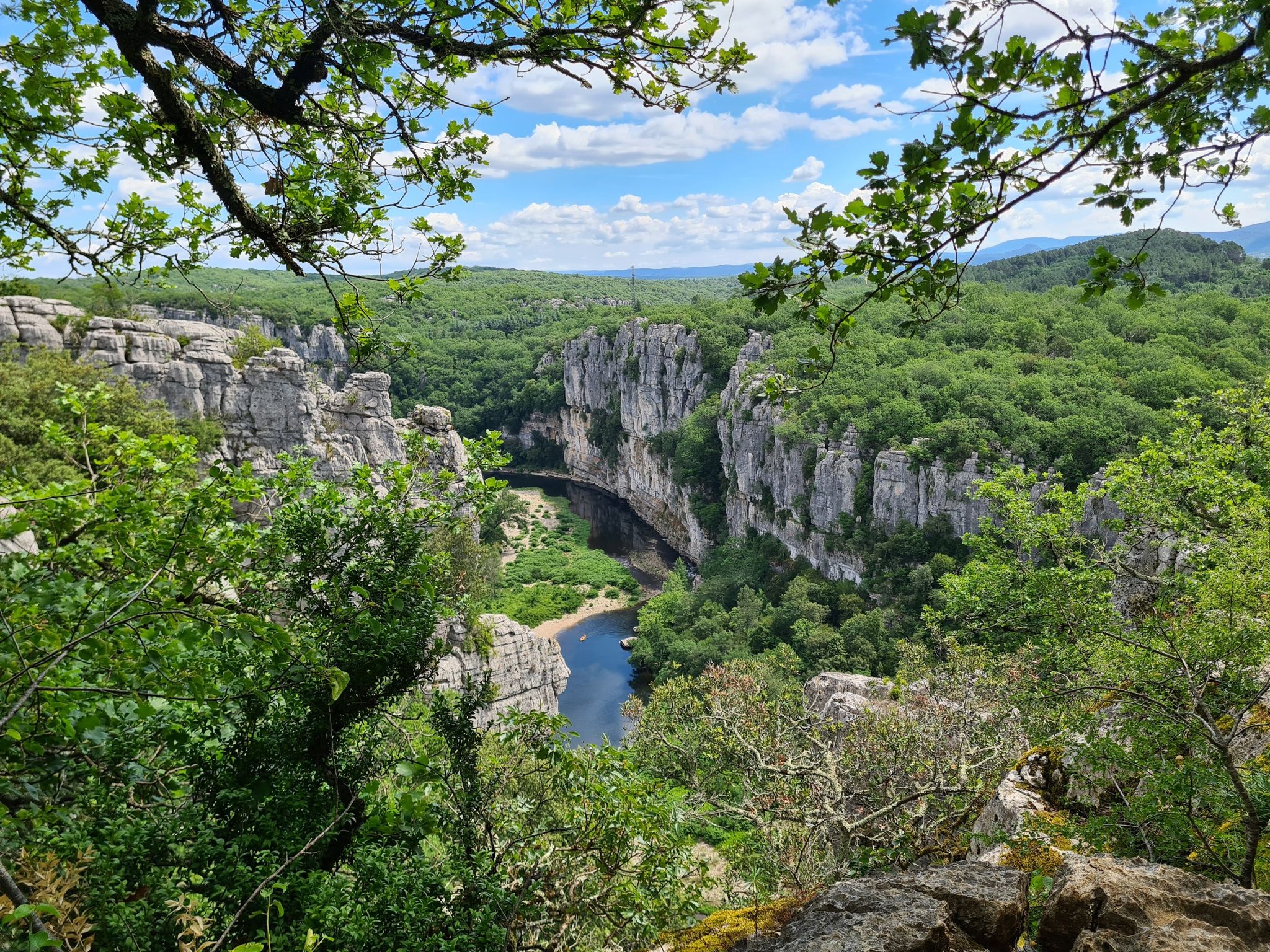
Road cycling routes around Cassagnoles traverse a diverse landscape within the Hérault and Gard departments of France, bordering the Haut-Languedoc Regional Natural Park. The region features varied topography, including river gorges like the Gorges de la Cesse, and distant views of the Montagne Noire. Cyclists encounter mostly paved surfaces with varying elevation gains, from gentle slopes to challenging climbs. This area provides a range of environments for road cyclists to explore.
Best road cycling routes around Cassagnoles
- The most popular…
Last updated: November 4, 2026
4.0
(1)
15
riders
59.2km
03:10
1,020m
1,020m
Hard road ride. Very good fitness required. Mostly well-paved surfaces and easy to ride.
15
riders
24.8km
01:17
350m
360m
Moderate road ride. Good fitness required. Mostly well-paved surfaces and easy to ride.

4.0
(2)
11
riders
45.0km
02:41
920m
920m
Hard road ride. Very good fitness required. Mostly well-paved surfaces and easy to ride.
5.0
(1)
8
riders
36.7km
01:40
390m
390m
Moderate road ride. Good fitness required. Mostly well-paved surfaces and easy to ride.
7
riders
65.0km
03:31
1,230m
1,230m
Hard road ride. Very good fitness required. Mostly well-paved surfaces and easy to ride.
Get access to more routes and recommendations from other explorers.
Already have an account?
Our route recommendations are based on thousands of hikes, rides, and runs completed by other people on komoot.
Start today with a free account
Your next adventure awaits.

Other adventures around Cassagnoles

Tips from the Community

From the climb at Liviniere, a plateau emerges where you pedal wonderfully on relatively flat asphalt.
0
0

From this viewpoint, the village appears surrounded by the vineyards of Minervois and protected by the relief. The domed bell tower of the Saint-Étienne church stands out clearly above the roofs.
2
0
In the heart of Félines-Minervois, the church of Notre-Dame de l'Assomption is a discreet witness to a history much older than its stones suggest. Built in 1694 in an ogival style and organized around three naves, it preserves a precious relic from the early Middle Ages: a Visigothic lintel, probably from an ancient place of worship that has since disappeared. This stone fragment recalls that a Christian community already existed here more than a thousand years ago. The church is part of a territory shaped by several millennia of history. The first traces of human occupation date back to prehistory, notably with the l'Abeurador cave, where evidence testifies to one of the oldest known agricultural practices in the south of France. Later, the Gallo-Roman period left its mark with installations related in particular to ceramic production, which could be the origin of the village's name, derived from the Latin figulinas, meaning “place where pottery is made”. In the Middle Ages, the heart of local power was not yet in Félines but around the castle of Ventajou, an important fortress mentioned as early as the 9th century. Situated on a promontory overlooking the valley, it controlled the passage routes between the Minervois and the foothills of the Black Mountain. Like many sites in the region, it was affected by the events of the crusade against the Albigensians at the beginning of the 13th century, before gradually losing its importance in favor of the current village.
2
0
At the entrance to La Livinière stands a monument astonishing in its size and history: the Notre-Dame du Spasme basilica. This Marian shrine, which became a minor basilica in 1959, has been a major pilgrimage site in the Minervois for several centuries. Its origin is linked to Nicolas de La Jugie, lord of La Livinière in the 14th century, who is said to have brought back from Jerusalem a statue representing the Virgin at the moment of her swoon at the foot of the Cross. The interior of the building reveals an architecture vaster than one might imagine from the road: three naves and a large space capable of accommodating many pilgrims. A detail that gives the place a unique history: the original statue of Notre-Dame du Spasme, venerated for centuries by the inhabitants and pilgrims, disappeared during a theft in 1960.
2
0
The church of Saint-Baudile preserves a heritage that recalls the past importance of this parish with a beautiful altar made of marble from Caunes-Minervois. It also bears witness to a time when village life was deeply marked by religious traditions. After the turmoil of the Wars of Religion, the confraternities of Penitents played a major role in local life. The confraternity of the Blue Penitents of Siran, created in the 17th century, indeed had its own chapel and accompanied major ceremonies, while also providing aid and support to the inhabitants. For generations, the inhabitants also went in procession to the old church of Saint-Michel de Montflanès, which has now disappeared.
2
0

A welcome stop, especially in hot weather.
0
0


ideal for recharging at the top especially in summer
0
0
Frequently Asked Questions
How many road cycling routes are available around Cassagnoles?
There are over 35 road cycling routes around Cassagnoles, offering a diverse range of experiences. These include 1 easy route, 20 moderate routes, and 14 difficult routes, catering to various skill levels.
What is the typical terrain and elevation like for road cycling in Cassagnoles?
The terrain around Cassagnoles is varied, ranging from gentle slopes to challenging climbs, especially as you approach the Cévennes National Park. You'll encounter mostly paved surfaces, with routes like the Loop of the Gorges du Banquet featuring over 1,000 meters of elevation gain, providing a significant physical challenge.
Are there any easy road cycling routes suitable for beginners?
While many routes offer moderate to difficult challenges, there is at least one easy road cycling route available. These routes typically feature less elevation gain and shorter distances, making them ideal for beginners or those looking for a more relaxed ride.
What are some challenging road cycling routes for experienced riders?
Experienced riders seeking a challenge will find several difficult routes. The Loop of the Gorges du Banquet is a demanding option with over 1,000 meters of ascent. Other challenging routes include Ferrals-les-Montagnes – Labastide-Rouairoux loop from Labastide-Rouairoux and Anglès – Church of Le Soulié loop from Sauveterre, both offering significant climbs and rewarding views.
Are there scenic viewpoints or landmarks along the road cycling routes?
Yes, road cycling routes around Cassagnoles offer numerous scenic viewpoints and access to interesting landmarks. You can pass through historic villages like Minerve, enjoy views of the Montagne Noire from points like Pic de Nore, or explore natural features such as the Cesse Gorges at Fauzan. The region is known for its dramatic mountains, deep gorges, and expansive plateaus.
What is the best time of year to go road cycling in Cassagnoles?
The Cévennes region, including Cassagnoles, is often described as a 'cyclist's paradise' due to its tranquil roads. Spring and autumn generally offer the most pleasant conditions with milder temperatures and less traffic. Summer can be warm, especially in the gorges, but higher elevations provide cooler air. Always check local weather forecasts before heading out.
Can I find cafes or places to stop along the road cycling routes?
Yes, many routes pass through or near charming mountain villages where you can find cafes, bakeries, and small shops to refuel. The region is known for its unspoiled villages, offering authentic local experiences. Planning your route in advance can help identify suitable stopping points.
Are there any circular road cycling routes available?
Yes, many of the road cycling routes around Cassagnoles are designed as loops, allowing you to start and end at the same point. Examples include the Loop of the Gorges du Banquet, Minerve – Minerve loop from La Livinière, and Sentier des Meulières loop from Félines-Minervois, providing convenient options for exploration.
What do other cyclists say about road cycling in Cassagnoles?
The road cycling experience around Cassagnoles is highly rated by the komoot community, with an average score of 4.2 stars from over 40 reviews. Cyclists often praise the quiet, well-maintained roads, the breathtaking natural beauty of the Cévennes, and the challenging ascents that offer rewarding views.
Are there options for long-distance road cycling trails near Cassagnoles?
While Cassagnoles itself is a base, its proximity to the Cévennes National Park means access to an extensive network of roads suitable for long-distance cycling. Routes like the Anglès – Church of Le Soulié loop from Sauveterre, at nearly 65 km, provide a taste of the longer rides possible in the broader region, which includes iconic climbs like Mont Aigoual and the Corniche des Cévennes.
Is it possible to access road cycling routes using public transport or find parking?
Cassagnoles is a small commune, so public transport options directly to trailheads might be limited. However, parking is generally available in the village centers or at designated starting points for routes. It's advisable to check specific route details for parking information or consider driving to a larger nearby town with better transport links if you plan to use public transport.
Are there any less crowded road cycling options in the area?
The Cévennes region is renowned for its tranquility, often described as having significantly less traffic than more famous cycling destinations. Many routes around Cassagnoles offer serene rides where you might encounter more wildlife than cars, providing a peaceful and less crowded cycling experience, especially outside of peak tourist season.
Most popular routes around Cassagnoles
Most popular attractions around Cassagnoles

Get inspired with the komoot mobile app


Explore more
Browse the best Road cycling routes in other regions.
