Top 2 Castles around Bourcefranc-Le-Chapus
Best castles around Bourcefranc-Le-Chapus are primarily historical fortifications and citadels located near the Coureau d'Oléron. This coastal area is known for its strategic maritime history, with structures designed to protect the region's waterways. The landscape features a mix of coastal views and marshlands, reflecting its past as a significant port. These historical sites around Bourcefranc-Le-Chapus offer insight into the region's military past.
Best castles around Bourcefranc-Le-Chapus
- The most popular castles is Château-d'Oléron Citadel, a castle that is an imposing…
Last updated: June 29, 2026
Château-d'Oléron Citadel
Highlight • Castle
Translated by Google •
Tip by

Brouage Citadel
Highlight • Castle
Translated by Google •
Tip by

Sign up now to discover places like this
Get recommendations on the best single tracks, peaks, & plenty of other exciting outdoor places.
Sign up for free
Citadel of Château-d'Oléron
Highlight • Castle
ile-oleron-marennes.com/preparer-mes-vacances/quoi-faire/patrimoine-et-musees/citadelle-du-chateau-d-oleron
Translated by Google •
Tip by

La Gateaudière Castle
Highlight • Castle
fr.wikipedia.org/wiki/Ch%C3%A2teau_de_La_Gataudi%C3%A8re
Translated by Google •
Tip by

Start today with a free account
Your next adventure awaits.
Login or Signup
Tips from the Community

The citadel of Château-d'Oléron is a military fortress
0
0

A must-see for anyone visiting the island of Oléron. Richelieu ordered its construction, which began in 1630 on the remains of the old medieval castle. The work was led by the engineer Pierre d'Argencourt, who ordered the first bastion, and Louis Nicolas de Clerville later modified and enlarged the structure. The citadel and the town were completed in 1700 under the orders of Vauban. During this final phase of construction, part of the old village was razed to make way for a new fortified town, built on a grid pattern around the parade ground. A fortress with a defensive function, the citadel also housed disciplinary bodies, civilian and religious inmates during the Reign of Terror, and political prisoners in 1870. On April 17, 1945, an aerial bombardment destroyed many parts of the citadel. From 1959 to 1970, an initial restoration began. The stronghold was restored from 1988.
1
0

fortified village, former port of departure for the Americas, today it is located approximately 1.5km from the shore...
0
0

nice walk to do in and around the fort
0
0

beautiful place
1
0

Heavy attachment for a nice patch of earth.
1
0

The citadel of Château-d'Oléron, one of the most remarkable defensive works built on the Atlantic side of Charente-Maritime. Access is free all year round. Many guided tours are organized there during school holidays https://www.ile-oleron-marennes.com/preparer-mes-vacances/quoi-faire/patrimoine-et-musees/citadelle-du-chateau-d-oleron
0
0

More information can be found here: https://meinfrance.com/brouage-schoenste-doerfer-zitadelle/
0
1
Frequently Asked Questions
What are the most notable fortified sites around Bourcefranc-Le-Chapus?
While Bourcefranc-Le-Chapus is known for its unique coastal fortifications rather than traditional castles, the most prominent is Fort Louvois. This impressive 17th-century fort, designed by Vauban, is often included in local guides alongside castles. Additionally, the Château-d'Oléron Citadel and Brouage Citadel are significant historical sites in the wider area.
How can I access Fort Louvois?
Fort Louvois offers a unique access experience. At low tide, you can reach the fort on foot via a 400-meter submersible causeway from Le Chapus. At high tide, access is by boat from the port of Le Chapus. It's advisable to check tide times before planning your visit.
What makes Fort Louvois a unique historical site?
Fort Louvois is a remarkable example of 17th-century military architecture, distinguished by its horseshoe shape. It was the last maritime fortification commissioned by Louis XIV and played a strategic role in protecting the Rochefort arsenal. Its unique design and historical context, including its role in World War II, make it a fascinating visit. It's also affectionately known as the 'little brother of Fort Boyard' due to its similar island location and architectural style.
Are there family-friendly activities at Fort Louvois?
Yes, Fort Louvois is very family-friendly. It offers a self-guided tour where visitors can explore its history. For children, there are interactive activities like a fun trail following a character named 'Ratastrophe,' wooden games, and even a photo studio with 17th-century costumes to immerse visitors in the period.
What is the best time to visit Fort Louvois?
The best time to visit Fort Louvois depends on your preferred access method. Visiting at low tide allows you to walk across the causeway, which is an experience in itself. During warmer months, the weather is generally more pleasant for exploring the fort and enjoying the panoramic views from the dungeon. Check the official website for current opening hours and tide schedules.
What can I expect to see at Brouage Citadel?
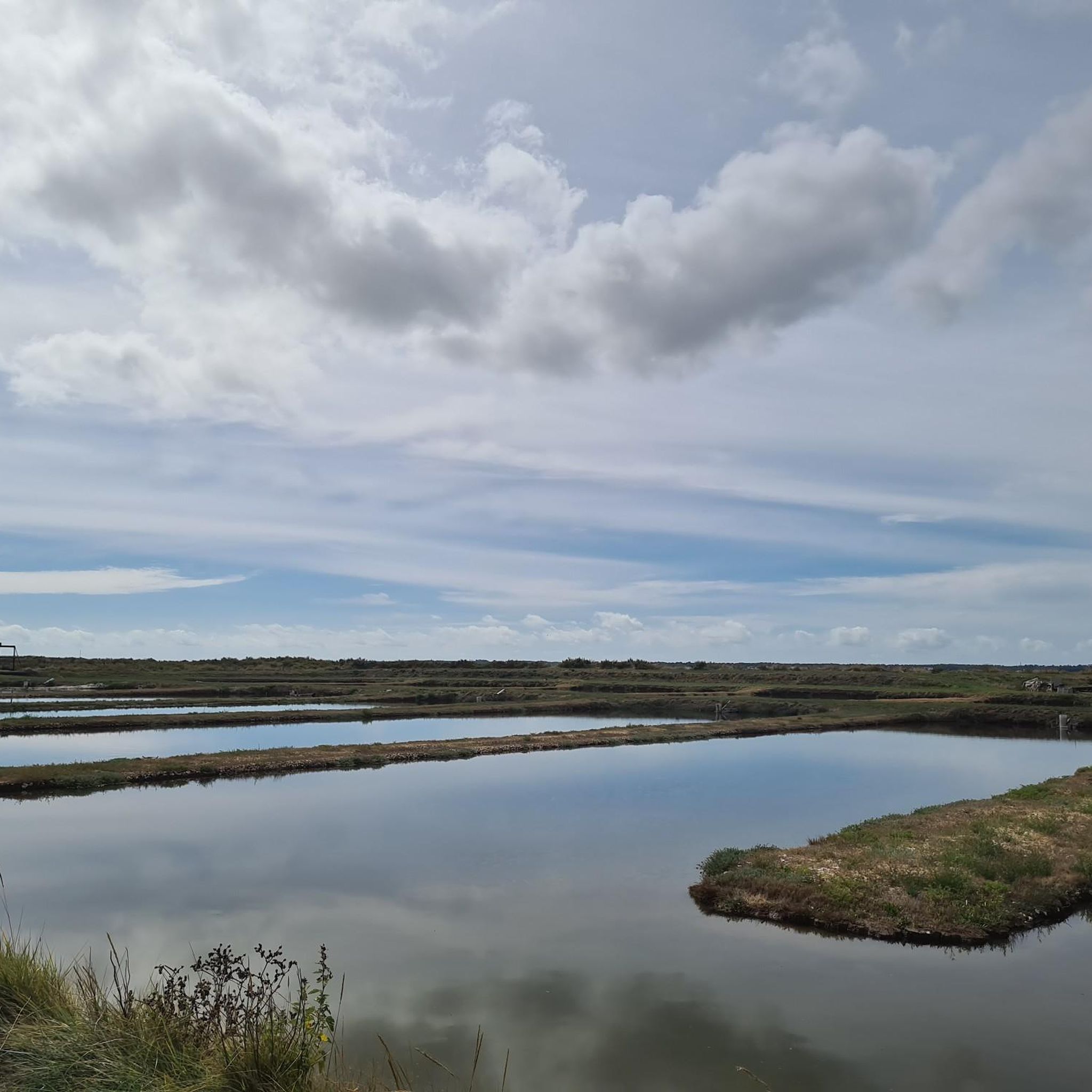
The Brouage Citadel is a former salt trading port that became a significant military port under Cardinal Richelieu. Today, it's an impressive fortified town surrounded by marshes. You can explore its well-preserved ramparts, the Halle aux Vivres (which hosts exhibitions on Brouage's history), and the Tonnellerie (for temporary art exhibitions). The surrounding Marais de Brouage is also a protected natural area, offering opportunities to observe rare wildlife.
Are there walking or cycling routes near these historical sites?
Yes, the area around Bourcefranc-Le-Chapus and its fortifications offers several outdoor activity options. For cycling, you can explore routes like the 'GRAVEL IN THE MARSHES 🦢 – Marais de Brouage loop' or the 'Oyster Route – View of Fort Boyard loop'. There are also traffic-free bike rides, such as the 'Velodyssee – Along the Canals loop'. You can find more details on these and other routes in the Gravel biking around Bourcefranc-Le-Chapus, MTB Trails around Bourcefranc-Le-Chapus, and Traffic-free bike rides around Bourcefranc-Le-Chapus guides.
What kind of views can I get from Fort Louvois?
From the top of the dungeon at Fort Louvois, you can enjoy panoramic views of the Coureau d'Oléron. This strategic vantage point offers stunning perspectives of the surrounding sea, the Île d'Oléron, and the coastline of Bourcefranc-Le-Chapus.
What historical significance does the Château-d'Oléron Citadel hold?
The Château-d'Oléron Citadel is an imposing fortress that historically protected the Île d'Oléron. It's known for its robust architecture and its role in the region's defense. Beyond its military history, the area around the citadel is charming, with beautiful fishermen's houses and various restaurants.
Are there any natural features or viewpoints near these fortifications?
Yes, the region offers several natural features and viewpoints. The area around Fort Louvois provides views of the Coureau d'Oléron. Near Brouage Citadel, the Marais de Brouage is a protected natural space, home to diverse wildlife. The Tour de Broue, a remnant of an 11th-century castle, offers exceptional views over this ancient gulf, which is now a significant wetland.
How long should I allocate for a visit to Fort Louvois?
A typical visit to Fort Louvois, including exploration of its various components like the dungeon, barracks, and powder magazine, along with enjoying the views, usually takes between 1.5 to 2 hours. This allows ample time to absorb the history and interactive elements.
Most popular routes around Bourcefranc-Le-Chapus
Most popular attractions around Bourcefranc-Le-Chapus

Get inspired with the komoot mobile app


Explore more
Looking for the best castles somewhere else? Discover other guides around Bourcefranc-Le-Chapus:
