Attractions and Places To See around Sémézies-Cachan - Top 8
Best attractions and places to see around Sémézies-Cachan include a rich rural and historical past, characterized by traditional stone houses and an ancient church. The area is known for its historical pottery heritage, with a tradition dating back to at least 1550. Natural features such as the Baldara Spring and the hilly terrain traversed by the Lauze river contribute to its landscape. This region offers a blend of cultural significance and natural beauty.
Best attractions and places to see around…
Last updated: June 29, 2026
Simorre
Highlight • Other
Translated by Google •
Tip by

Kazé - artwork by Japanese artist Teruhisa Suzuki
Highlight • Other
Translated by Google •
Tip by

Sign up now to discover places like this
Get recommendations on the best single tracks, peaks, & plenty of other exciting outdoor places.
Sign up for free
Saint Cérase Church
Highlight • Other
Translated by Google •
Tip by

Spiral Wooden Sculpture by Coline Vergez
Highlight • Monument
Translated by Google •
Tip by
Sansan paleosite
Highlight • Other
Translated by Google •
Tip by

Sign up for free to discover even more attractions around Sémézies-Cachan.
Sign up for free
Already have an account?
Start today with a free account
Your next adventure awaits.
Login or Signup

Tips from the Community

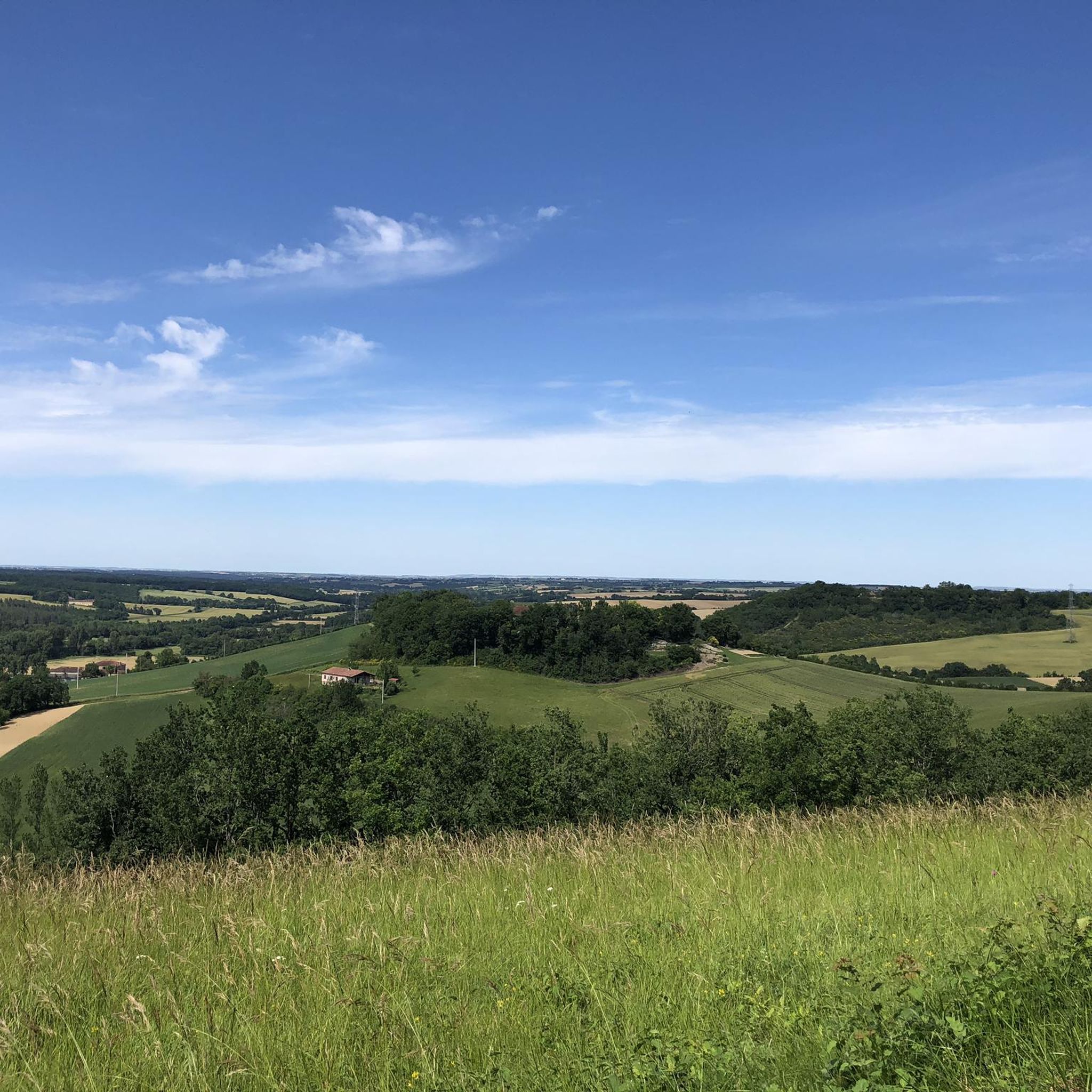
Simorre is located in the Astarac region, a very hilly area in the south of Gers, with clay soil, which runs along the Lannemezan plateau. You will be dazzled by this small medieval village and especially by the Notre-Dame-de-l'Assomption church which sits majestically in the middle of the village. As it is fortified, it looks as much like a church as a fortified castle. It is surprising.
1
0

A former abbey, this church is fascinating with its unusual rampart-like fortifications. Inside, it is indeed a church.
3
1
An artistic journey in the middle of nature. Art installations by local artist Coline Vergez make this trail a fantastic and interesting hike.
2
0

A 3 km path takes you in the footsteps of a Gers lawyer, Sansan, who in 1834 discovered a paleontological site which revolutionized scientific theories. Oddity: the site belongs to the National Museum of Natural History in Paris. More info: https://www.paleosite-sansan.com/
1
0


It is actually a work of art by Japanese artist Suzuki. The work was erected in 2013. The artist was born on March 5, 1956. He graduated from the Tokyo School of Fine Arts. He lives and works in Ermont, France. The man is known the world over for his "ephemeral" art produced in the great outdoors using natural materials found on site or recovered. He uses them to create his works, bringing out the character of them and their environment. His works have notably been produced in Japan, France, the Netherlands, and Greece. A tornado… in memory of the Klaus storm of 2009 which devastated 160 trees The production is called "Kazé" which means "wind" in Japanese. The sculpture of braided branches evokes a cyclone trapped in the forest. Light and majestic, it symbolizes all the strength and power of the wind. It is a memorial work, aiming to remember the terrible Klaus storm of January 24, 2009 which devastated more than 160 trees in this forest of St Elix. Since the materials are natural, the work gradually degrades over time. Seven years after her erection, she remains in generally stable condition. However, the degradation process will be the reason for this construction in the coming years. So the curious are invited to come and see her soon.
3
1
Frequently Asked Questions
What historical sites can I explore in Sémézies-Cachan?
Sémézies-Cachan is rich in history. You can explore the village's well-preserved traditional stone houses and its ancient church. The area was also a significant pottery center until World War I, with a tradition dating back to at least 1550. Nearby, you can visit Saint Cérase Church, a former abbey with unusual rampart-like fortifications, or the medieval village of Simorre, known for its fortified Notre-Dame-de-l'Assomption church.
What natural features are worth visiting in Sémézies-Cachan?
The region boasts several natural highlights. The Baldara Spring, rehabilitated in 2020, is a notable feature that has never dried up. The landscape is characterized by hilly terrain and the Lauze river, which flows through the area. Part of the region is designated as a Natura 2000 site, "Valley and Hillsides of the Lauze," featuring unique hedgerow landscapes and orchid environments. The Forest of Larrouy, historically important for the pottery industry, also offers natural beauty.
Are there any unique art installations to see around Sémézies-Cachan?
Yes, the area features interesting art installations integrated into nature. You can discover the Spiral Wooden Sculpture by Coline Vergez, an artistic journey in the middle of nature. Another notable piece is Kazé - artwork by Japanese artist Teruhisa Suzuki, a sculpture of braided branches evoking a cyclone, created as a memorial to the Klaus storm of 2009.
What outdoor activities can I do near Sémézies-Cachan?
The hilly terrain and rural landscapes around Sémézies-Cachan are ideal for various outdoor activities. You can find numerous routes for mountain biking, running, and road cycling. For detailed routes and guides, explore the MTB Trails around Sémézies-Cachan, Running Trails around Sémézies-Cachan, and Road Cycling Routes around Sémézies-Cachan.
Are there hiking opportunities around Sémézies-Cachan?
Yes, the region offers various hiking opportunities with rolling hills and rural landscapes. Popular routes include "The trail to p'Art — loop from Simorre" and "Sentier Dessin du Kazé — loop from Saint-Élix," catering to different ability levels. These trails allow you to experience the natural beauty and discover local art installations.
Are there family-friendly attractions around Sémézies-Cachan?
Families can enjoy exploring the unique art installations like the Spiral Wooden Sculpture by Coline Vergez and the Kazé artwork by Teruhisa Suzuki, which offer an engaging way to experience nature and art. The Sansan paleosite, a 3 km path exploring a significant paleontological discovery, can also be an educational and interesting outing for families.
What is the significance of Sémézies-Cachan's pottery heritage?
Sémézies-Cachan was a prominent pottery center until World War I, with a tradition dating back to at least 1550. By 1874, over 30 potters were active in the commune. The local pottery was distinctive for its opaque enamel and the diversity of utensils produced. A unique product was the "coucuts," whistles depicting animals and mythical creatures. The nearby Forest of Larrouy, rich in heather, was crucial for the slow firing process used in pottery production.
Can I visit local markets near Sémézies-Cachan?
While not directly in Sémézies-Cachan, you can experience the vibrant local culture by visiting nearby markets. Towns like Seissan (Fridays), Gimont (Wednesdays), and Auch (Thursdays & Saturdays) host lively markets where you can find local produce and crafts.
What do visitors enjoy most about Sémézies-Cachan?
Visitors particularly appreciate the blend of historical charm and natural beauty. The ancient churches, like Saint Cérase Church with its rampart-like fortifications, and the medieval village of Simorre, are often highlighted. The unique art installations, such as the Spiral Wooden Sculpture, also offer a memorable experience, combining art with the natural landscape.
Are there any hidden gems or lesser-known spots in the area?
Beyond the main highlights, the Baldara Spring, historically a vital water source, offers a tranquil natural spot. The entire village of Sémézies-Cachan itself, with its traditional stone houses and ancient church, provides a glimpse into a rich rural past that feels like a hidden gem. Exploring the edges of the Forest of Larrouy also connects you to the region's historical pottery industry.
What is the best time to visit Sémézies-Cachan for outdoor activities?
The region is suitable for outdoor activities throughout much of the year. Spring and autumn offer pleasant temperatures for hiking and cycling, with lush landscapes. Summer is ideal for longer days and enjoying the natural features, while winter can still provide opportunities for hiking, especially on milder days. The Natura 2000 site "Valley and Hillsides of the Lauze" is particularly beautiful during seasons when orchids are in bloom.
Most popular routes around Sémézies-Cachan

Get inspired with the komoot mobile app


Explore more
Still not found the Highlight you’re looking for? See guides of the top attractions in other regions:
