The best road cycling routes around Bichelsee-Balterswil
4.3
(481)
5,570
riders
239
rides
Road cycling routes around Bichelsee-Balterswil traverse a finely structured landscape in the canton of Thurgau, Switzerland. The region features diverse terrain, including gentle paths, significant elevation gains, and scenic areas around Lake Bichel. Cyclists can find routes that cater to various fitness levels, from moderate rides along river paths to more challenging ascents towards elevated points like Hulftegg Pass. This varied topography provides a range of road cycling experiences within a compact area.
Best road cycling routes around Bichelsee-Balterswil
- The…
Last updated: October 7, 2026
4.4
(105)
698
riders
44.4km
01:52
310m
310m
Moderate road ride. Good fitness required. Mostly well-paved surfaces and easy to ride.
4.5
(12)
351
riders
84.6km
04:15
1,320m
1,320m
Hard road ride. Very good fitness required. Some segments of this route may be unpaved and difficult to ride.

4.3
(13)
127
riders
40.1km
02:00
580m
580m
Moderate road ride. Good fitness required. Mostly well-paved surfaces and easy to ride.
4.5
(2)
69
riders
60.7km
03:04
900m
900m
Hard road ride. Very good fitness required. Mostly well-paved surfaces and easy to ride.
4.5
(4)
50
riders
Moderate road ride. Good fitness required. Some segments of this route may be unpaved and difficult to ride.
Get access to more routes and recommendations from other explorers.
Already have an account?
Our route recommendations are based on thousands of hikes, rides, and runs completed by other people on komoot.
Start today with a free account
Your next adventure awaits.
Tips from the Community

Lichtensteig is the only historic small town in Toggenburg. It was founded around 1228 by the Counts of Toggenburg and is picturesquely situated on a rocky spur above the Thur river. The well-preserved old town with its arcades, narrow alleys, and burgher houses is under national protection and received the Wakker Prize in 2023 for its exemplary townscape preservation. In the Middle Ages, Lichtensteig was an important market town and, from 1468 to 1798, the administrative seat of the bailiff of the Abbey of St. Gallen. Worth seeing are the old town, the ruins of Neu-Toggenburg above the town, the Toggenburg Museum, as well as the numerous cafés, small shops, and cultural events such as the Lichtensteig Jazz Days. Historically interesting is also the fact that the Toggenburger Bank, founded in 1863 – a predecessor of today's UBS – originated in Lichtensteig.
0
0

Problem-free ascent to the Hulftegg on the asphalted pass road from Steg, mostly moderate traffic, moderate gradient also for the e-bike.
0
0

Wonderful little town with many hidden little highlights. Simply beautiful😃
0
0
Small town with a well-preserved historic old town.
0
0
The old Rickenstrasse leads with little traffic from Wattwil to Ricken.
0
0
Long cycle path, often separated from the main road, up the entire Tösstal from Sennhof to Gibswil. Quite busy.
1
0

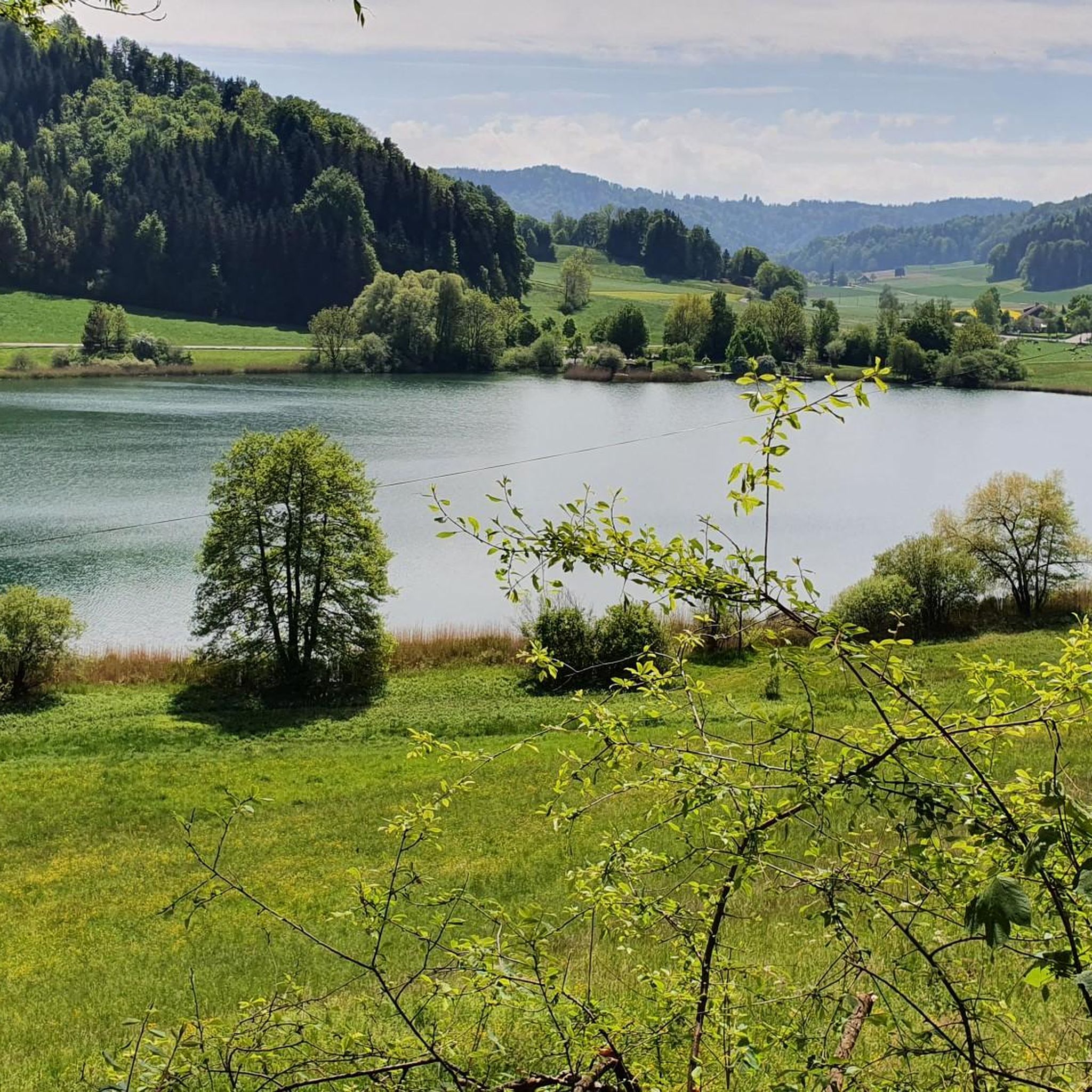
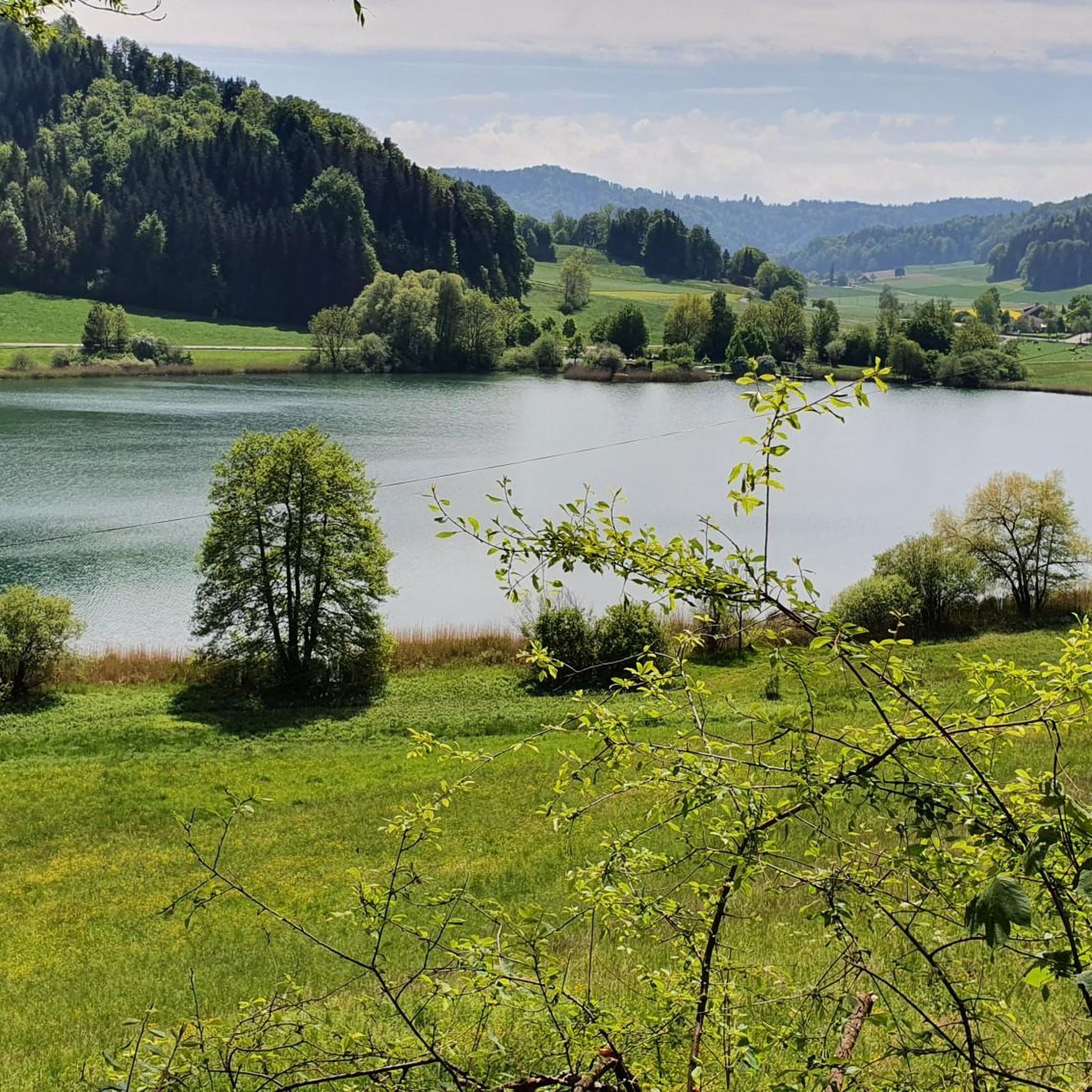
A bit narrow, but a nice view!
0
0

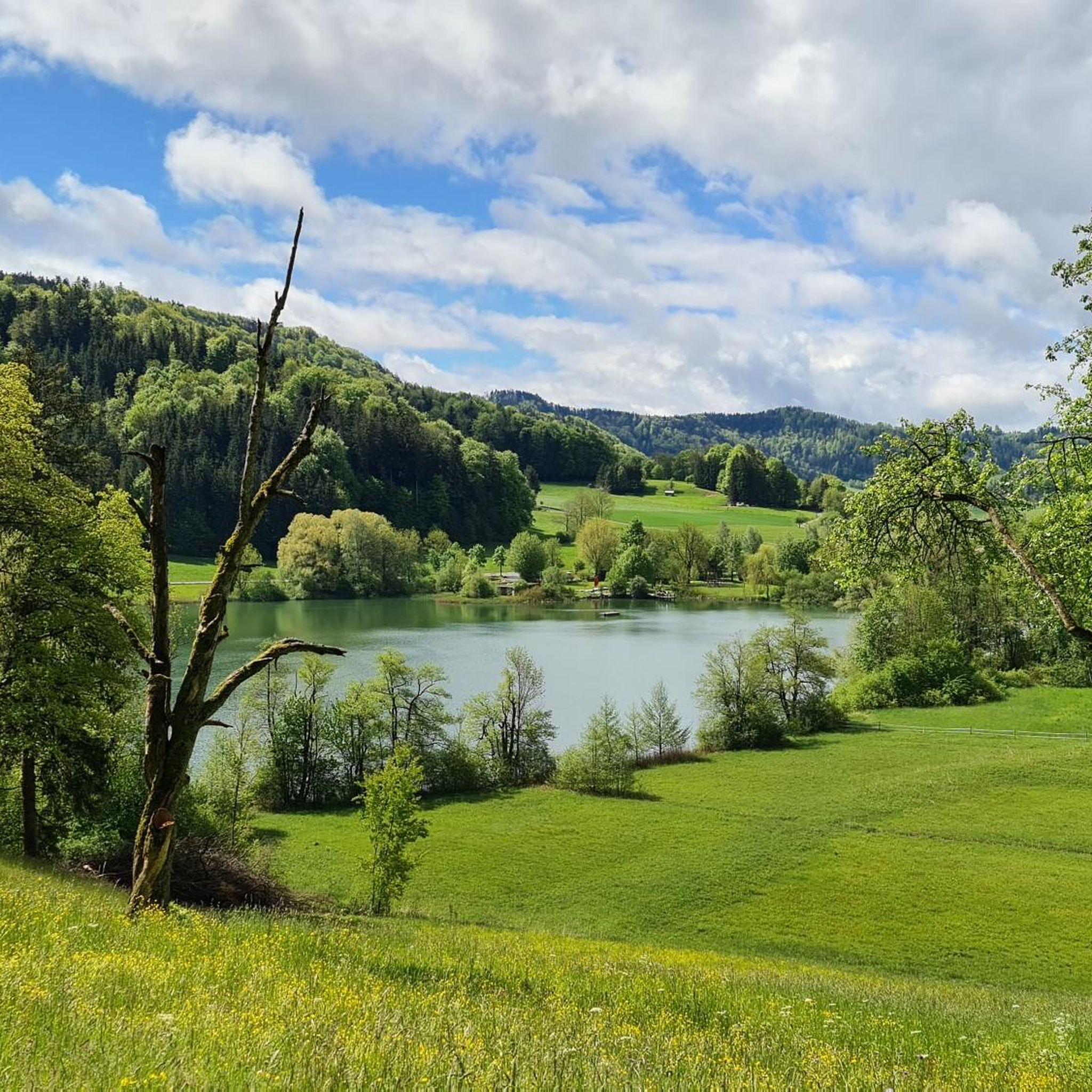
This is one of my favourite spots. You have a breathtaking view from here over rolling hills.
0
0
Frequently Asked Questions
What kind of terrain can I expect when road cycling around Bichelsee-Balterswil?
The Bichelsee-Balterswil region offers a finely structured landscape with diverse terrain. You'll find a mix of easy, predominantly paved paths suitable for all fitness levels, as well as more challenging routes with significant elevation gain. This variety allows for both leisurely tours and demanding training sessions.
Are there challenging road cycling routes for experienced riders?
Yes, experienced riders seeking a challenge will find several difficult routes. For instance, the Hulftegg Pass – Hulftegg Pass summit loop from Eschlikon is a demanding 52.6-mile (84.7 km) path featuring substantial elevation gain, leading to panoramic views from the summit. Another difficult option is the Hulftegg Pass summit – Töss Riverside Cycle Path loop from Eschlikon.
Are there easier road cycling routes suitable for beginners?
Absolutely. The region provides routes that cater to moderate fitness levels. A good example is the Töss River Cycle Path – Töss River Bike Path loop from Eschlikon, a 27.4-mile (44.1 km) moderate trail that follows the Töss River, offering a balanced ride through varied scenery without extreme climbs.
What natural features can I see while road cycling in the region?
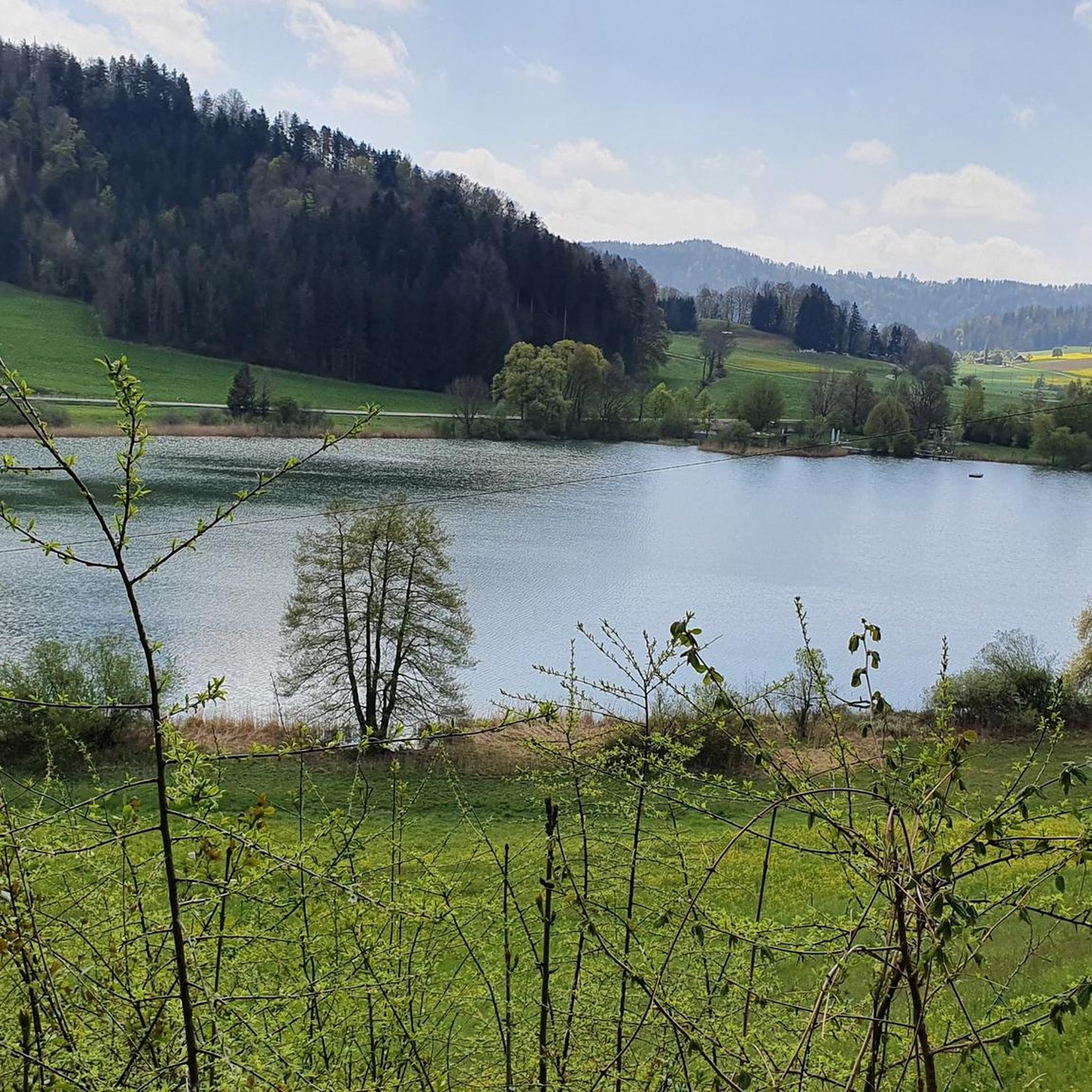
Road cycling routes often incorporate beautiful natural features. You can cycle around the tranquil Lake Bichel, enjoy charming panoramic views from elevated points like the Schauenberg, or even pass by areas near the Hutziker Tobel Waterfalls. The region's highest point, the Groot, also offers impressive vistas for those who venture to its vicinity.
Can I explore historical sites or castles on my road bike?
Yes, the region is rich in historical and cultural points. Many routes, including parts of the broader Thurgau cycling networks, pass by numerous castles. You can discover sites like the Schauenberg Ruins and Panoramic Viewpoint, Tannegg Castle Ruins, or Bettwiesen Castle, adding a cultural dimension to your ride.
Are there circular road cycling routes available?
Yes, many of the road cycling routes around Bichelsee-Balterswil are designed as loops, allowing you to start and finish in the same location. This includes popular options like the Töss River Cycle Path loop and the Lake Bichel loop.
How many road cycling routes are there in Bichelsee-Balterswil?
There are over 250 road cycling routes available around Bichelsee-Balterswil, catering to various skill levels. This includes 38 easy routes, 179 moderate routes, and 33 difficult routes, ensuring a wide selection for every cyclist.
What is the best time of year for road cycling in Bichelsee-Balterswil?
The best time for road cycling in Bichelsee-Balterswil is generally from spring through autumn. During these seasons, the weather is most favorable, allowing you to fully enjoy the scenic routes and natural beauty, including Lake Bichel which is a beautiful bathing lake in summer.
Are there places to stop for refreshments or breaks along the routes?
Yes, the region is well-equipped with amenities. While specific cafes or pubs are not listed for every route, the area's integration into broader cycling networks and its popularity suggest numerous opportunities for refreshment stops in towns and villages along the way. Planning your route with komoot can help identify suitable stops.
What do other road cyclists enjoy the most about road cycling in Bichelsee-Balterswil?
The area is highly rated by the komoot community, with an average score of 4.4 stars from over 350 reviews. Cyclists often praise the diverse terrain, the tranquil beauty of Lake Bichel, and the challenging ascents to viewpoints like Hulftegg Pass. The well-marked routes and varied options for different ability levels are also frequently highlighted.
Can I find routes that offer views of Lake Constance?
Yes, some routes extend towards the broader region and offer glimpses of Lake Constance. For example, the View of Reichenau Island – Lake Constance Lakeside Trail loop from Eschlikon provides scenic views, including those of Reichenau Island and the lake.
Are the road cycling routes well-marked?
The region is known for its well-maintained and well-marked routes, particularly as it integrates into broader cycling networks like the Thurgau circular paths. This commitment to clear signage makes navigation easier for cyclists exploring the area.
Most popular routes around Bichelsee-Balterswil
Most popular attractions around Bichelsee-Balterswil

Get inspired with the komoot mobile app


Explore more
Browse the best Road cycling routes in other regions.
